

 英语
英语 法语
法语
Address
No.148 Yongda Road, Jiangkou Street, Huangyan, Taizhou, Zhejiang, China.
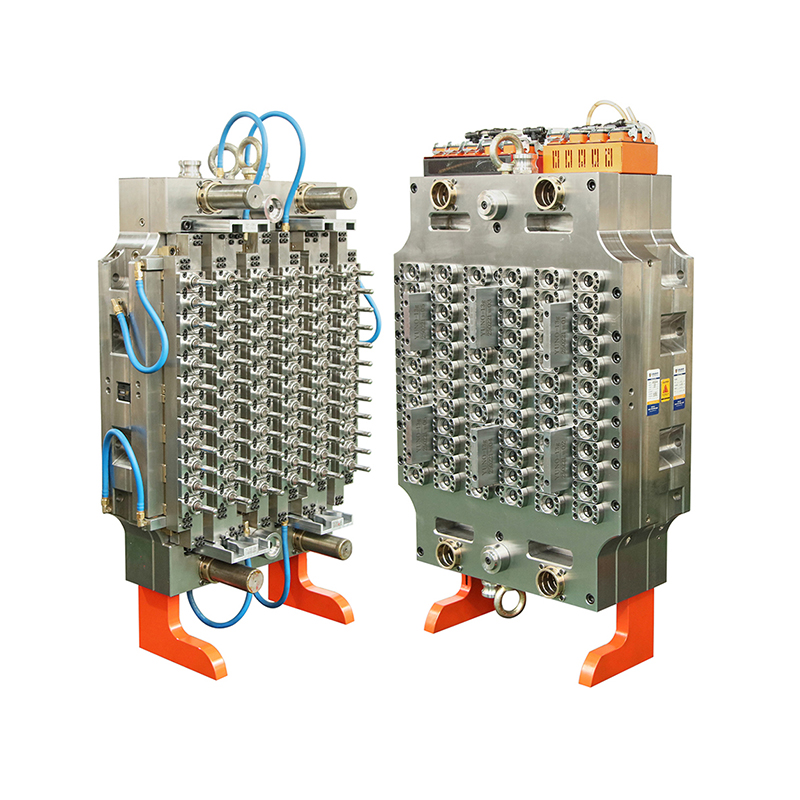
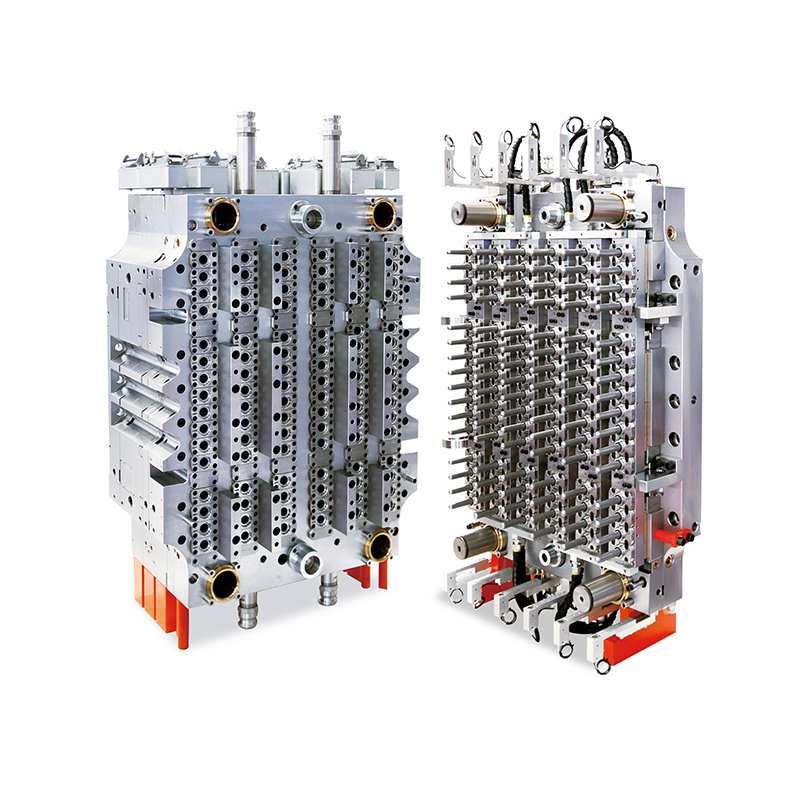
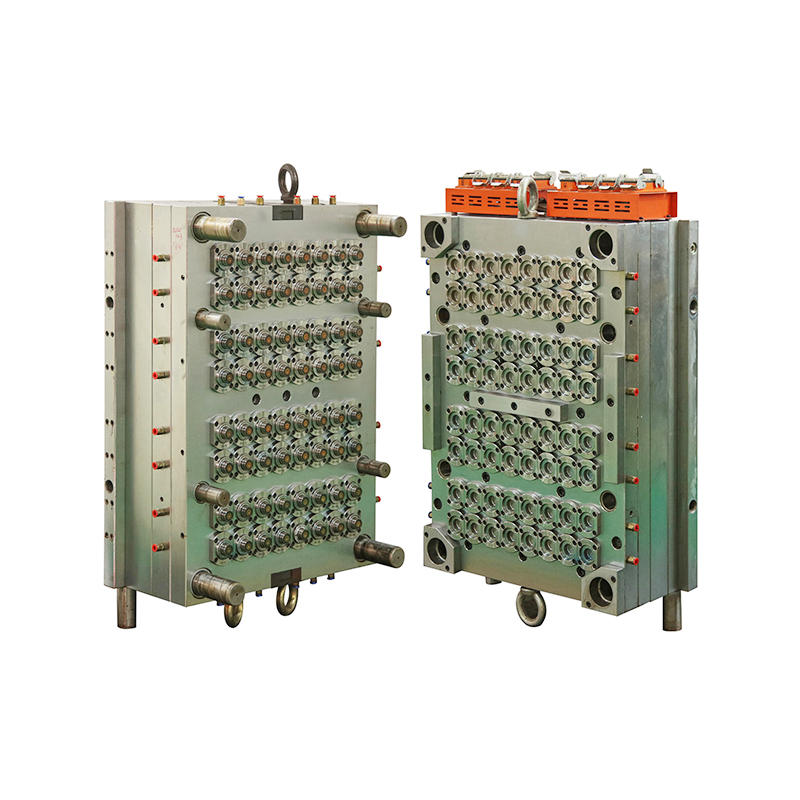
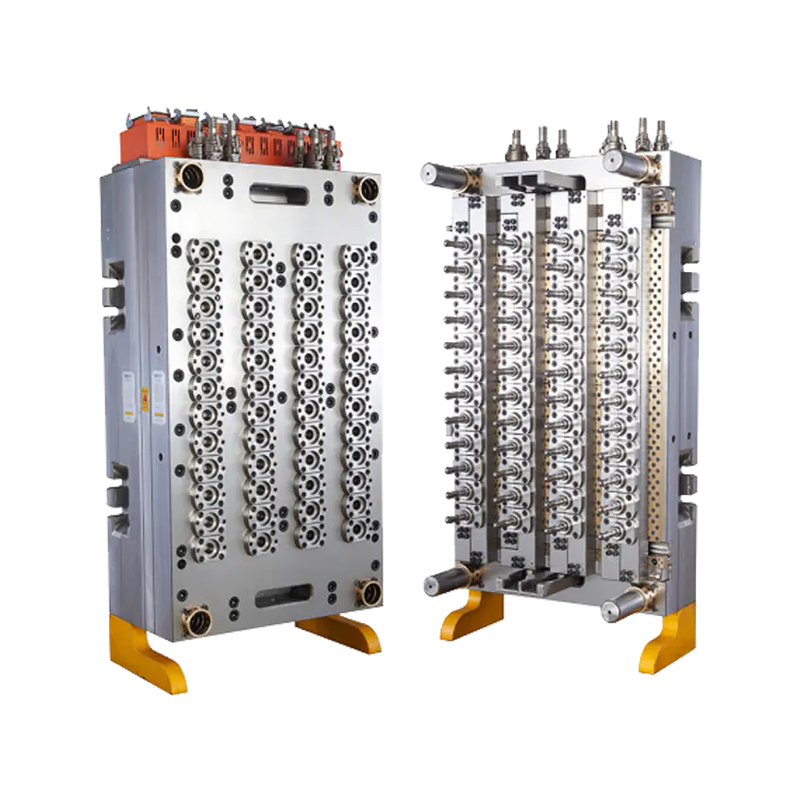
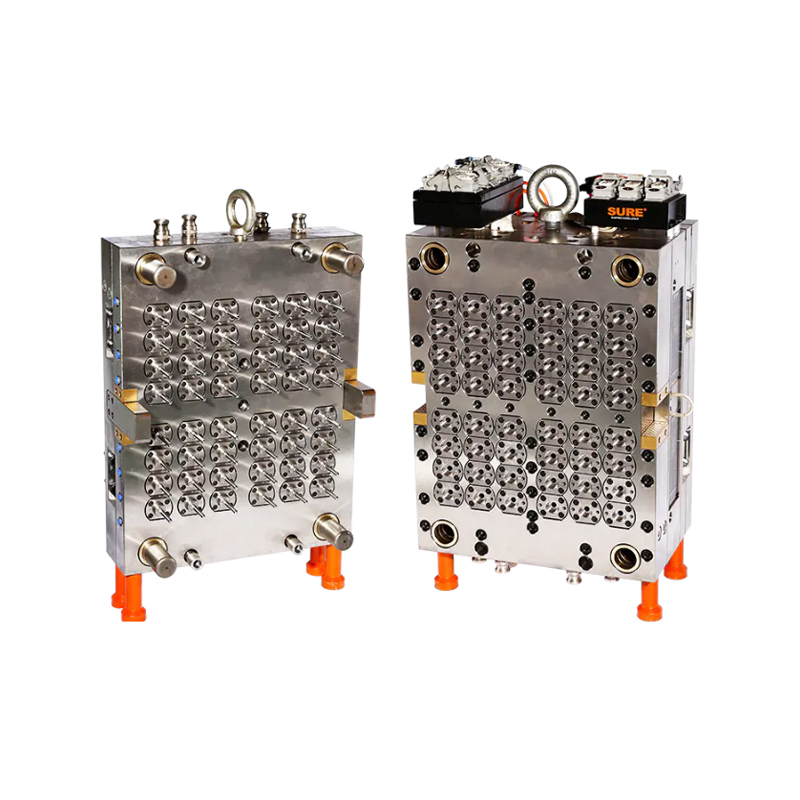
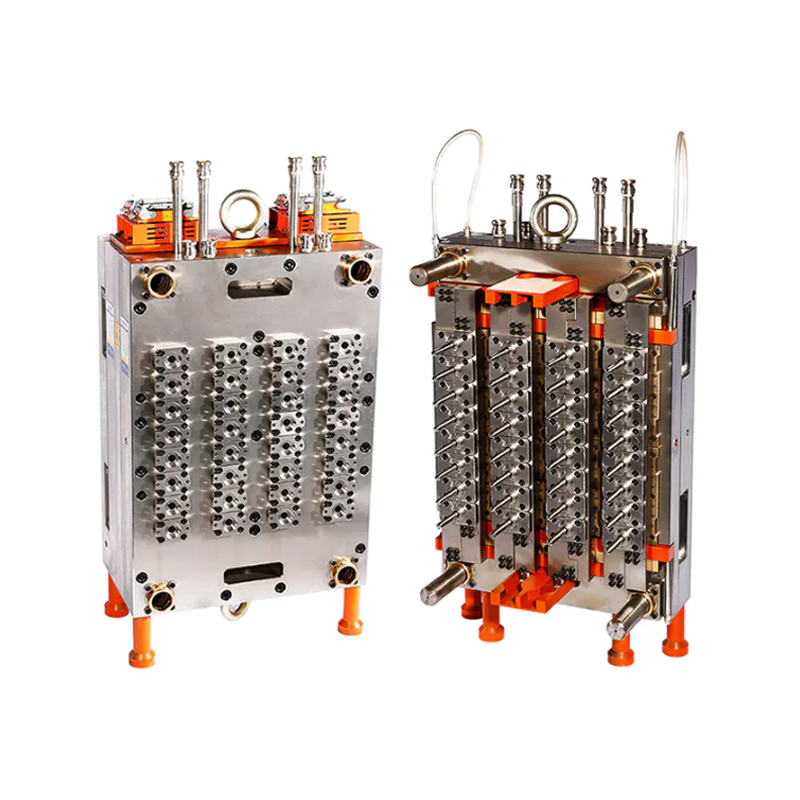
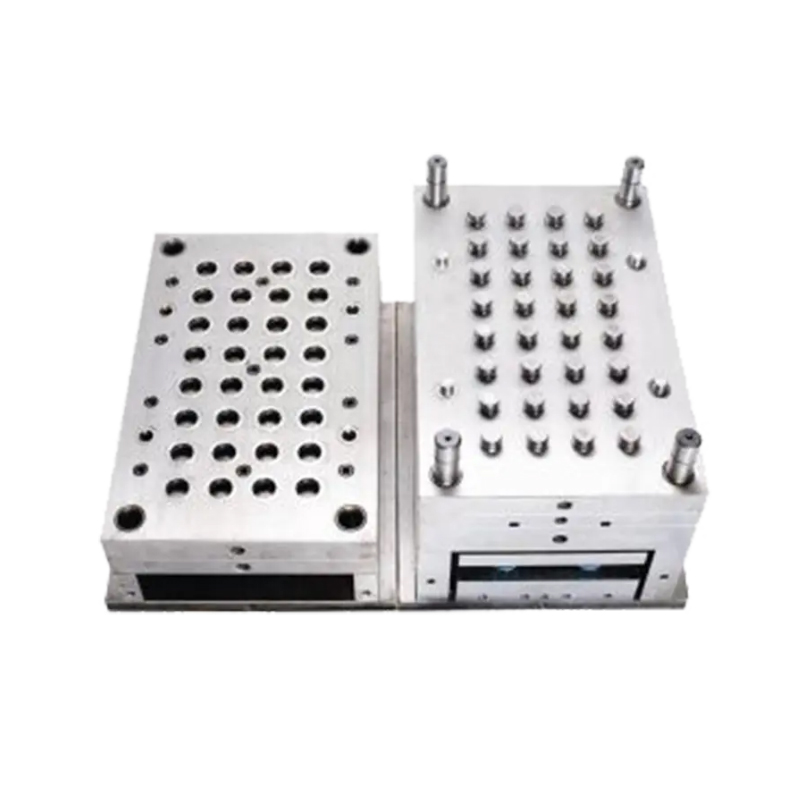
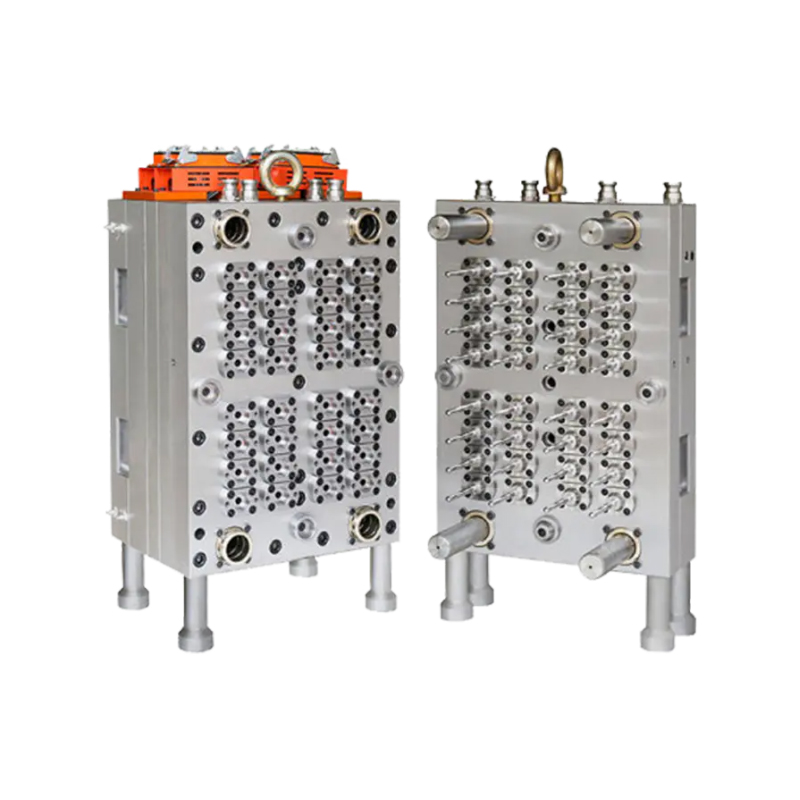
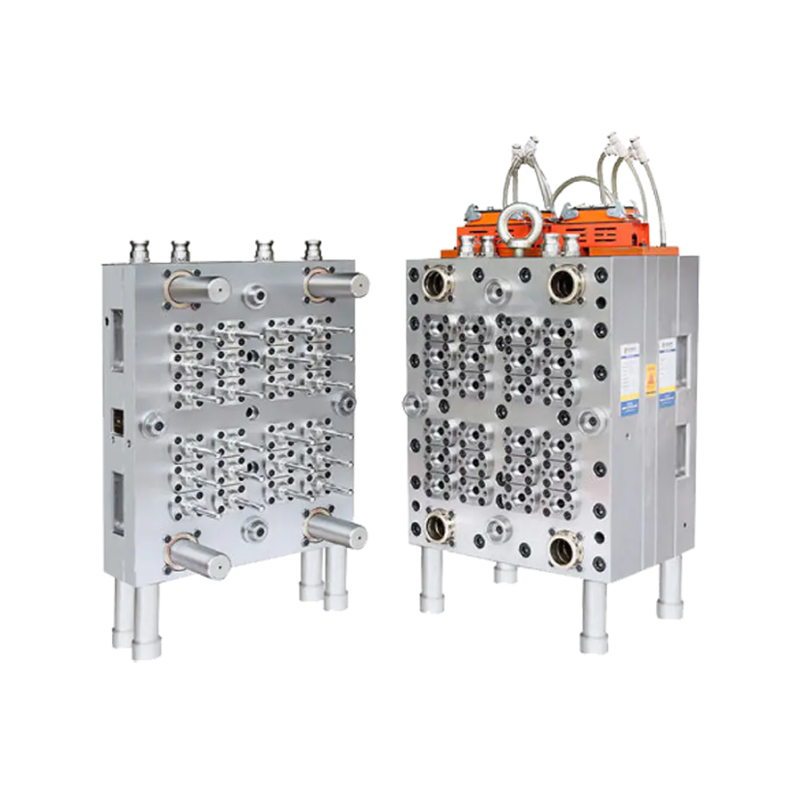
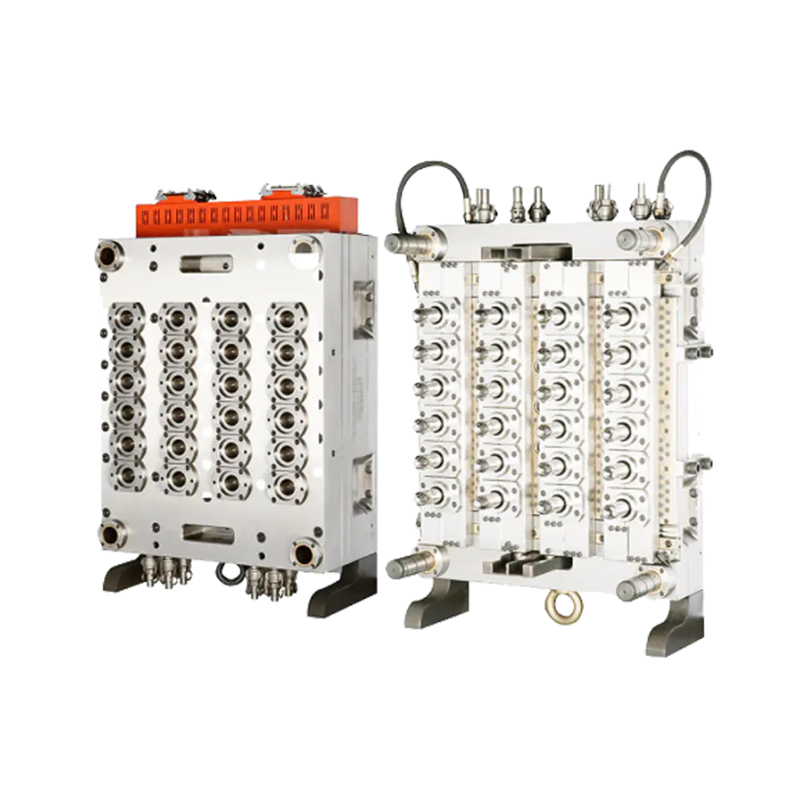
Medical molds play a vital role in the production of a wide range of healthcare devices, including surgical instruments, diagnostic tools, drug delivery systems, and disposable medical products. These molds are specifically designed to meet the stringent requirements of the medical industry, where precision, reliability, and safety are of utmost importance. The use of medical molds allows manufacturers to create components with exact dimensions and surface finishes, ensuring the quality and effectiveness of medical devices.
The process of creating medical molds typically starts with the selection of high-quality materials that meet both the mechanical and biocompatibility standards required for medical applications. Common materials used in medical molding include medical-grade plastics, silicone, and metals such as stainless steel. The mold is then carefully engineered and manufactured using advanced machining techniques, ensuring that it can accurately produce the required part or component. The molds are tested rigorously to ensure durability and functionality, meeting stringent regulatory requirements to guarantee safety and performance in medical environments.
One of the main challenges in medical molding is the need for high levels of precision. Medical devices often have complex geometries and intricate features that require highly detailed molds to ensure proper functionality. For example, components for drug delivery systems such as insulin pens or inhalers need to be manufactured with precision to ensure that they deliver the correct dose to patients. Even small deviations in the mold design can result in device malfunction, compromising patient safety.
Another important factor in medical mold production is the need for repeatability. Medical device manufacturers often produce thousands or even millions of identical parts, making it essential that each mold can produce consistent results over time. This is particularly important for disposable medical products like syringes, catheters, and wound dressings, which are produced in large quantities and require uniformity to ensure safe use. Any variation in these products could lead to compromised safety, making precise and repeatable mold performance crucial in maintaining patient safety and meeting regulatory standards.
The evolving healthcare industry drives a growing demand for more innovative and complex medical devices, increasing the demands on the capabilities of medical molds. New molding technologies are increasingly being explored to meet these challenges. These technologies enable the creation of more complex parts with improved performance characteristics, while also reducing manufacturing time and costs. These advancements allow for the integration of new materials, such as biocompatible plastics and metals, which improve the functionality and safety of medical devices, further enhancing their effectiveness in healthcare applications.
Sustainability is also becoming an important consideration in the medical molding industry. Growing concerns about waste and environmental impact have led to a stronger focus on developing reusable and recyclable medical components, along with reducing the overall environmental footprint of the manufacturing process. Innovations such as bioplastics and eco-friendly molding techniques are being explored to address these concerns.
In conclusion, medical molds are a fundamental part of the healthcare manufacturing process, enabling the production of safe, reliable, and precise medical devices. Ongoing advancements in molding technologies, materials, and sustainability efforts ensure that medical molds will remain crucial in shaping the future of healthcare.



No.148 Yongda Road, Jiangkou Street, Huangyan, Taizhou, Zhejiang, China.

yn@tzyuno.com

+86-576-84111565

+86-13575806039


Copyright © Taizhou Huangyan Yuno Mould Co., Ltd.
Plastic Mould Factory