

 英语
英语 法语
法语
Address
No.148 Yongda Road, Jiangkou Street, Huangyan, Taizhou, Zhejiang, China.
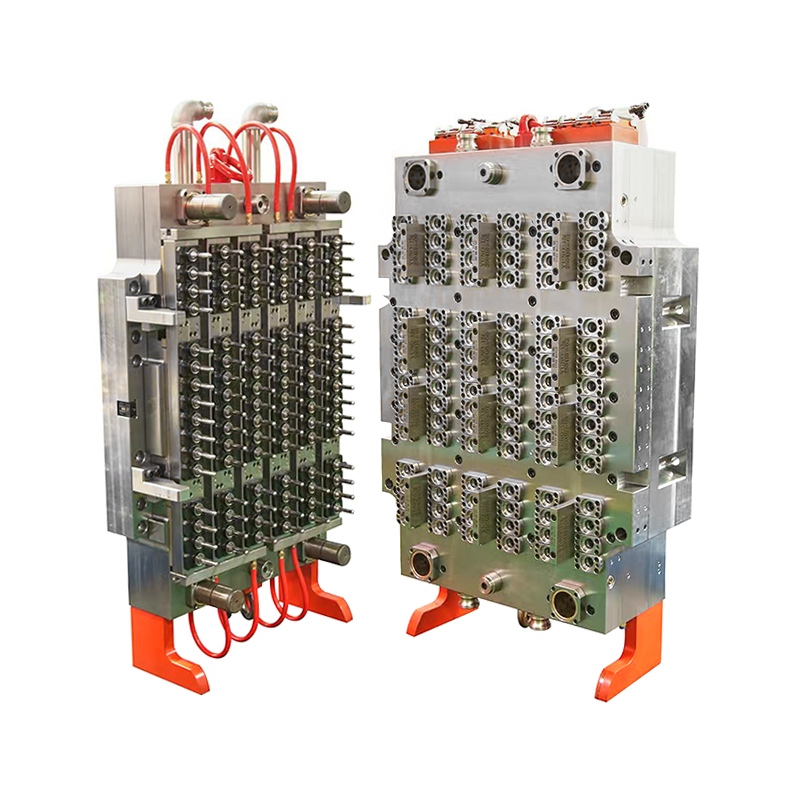
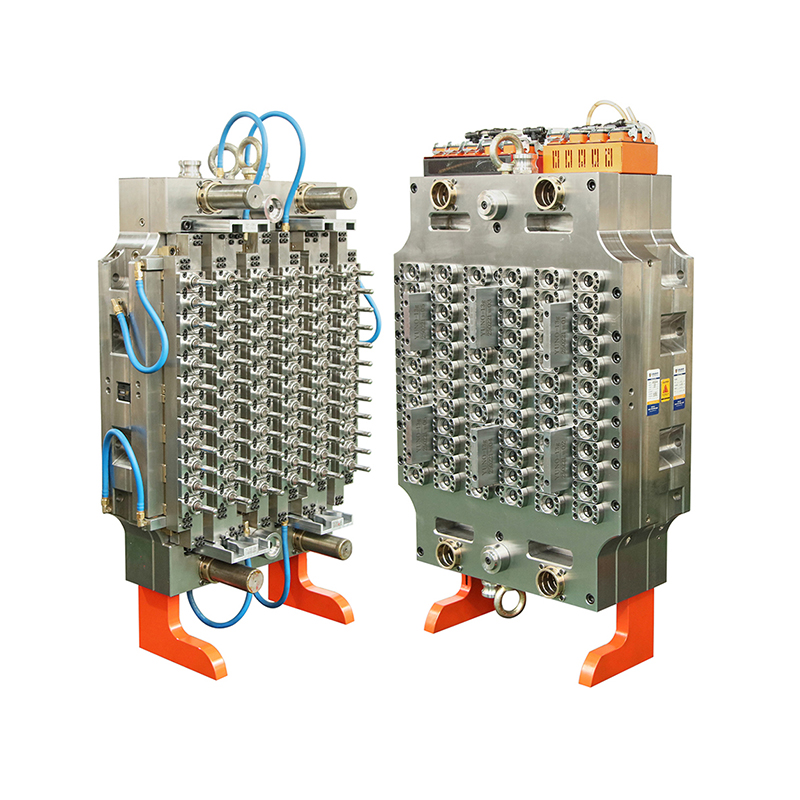
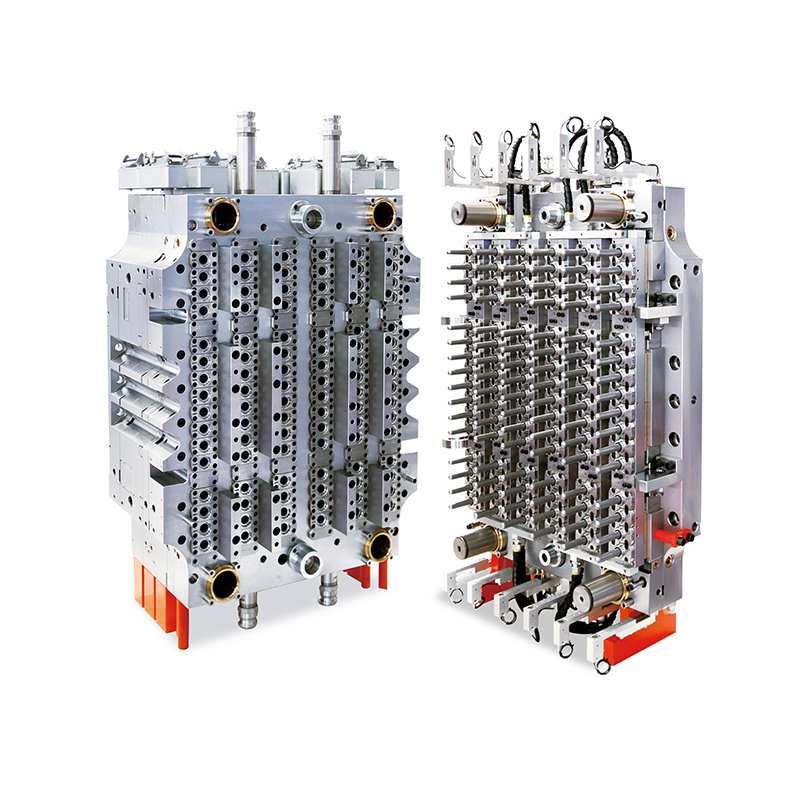
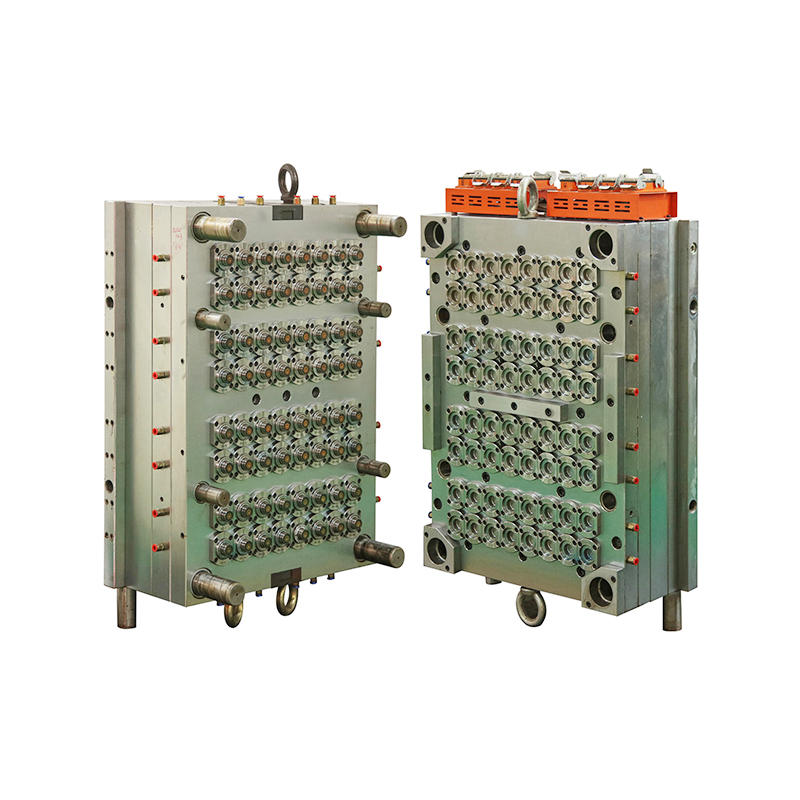
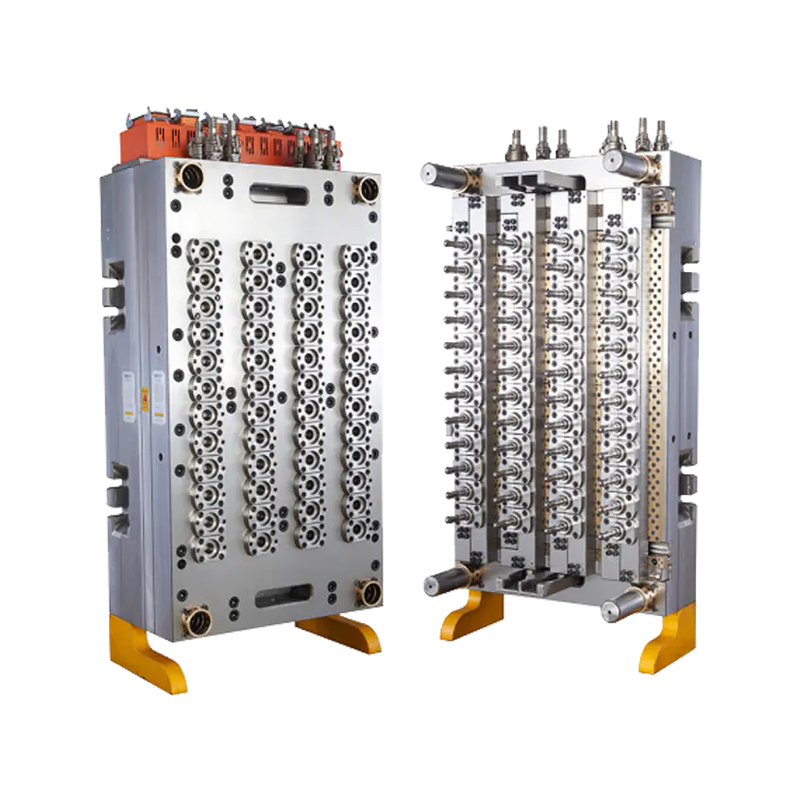
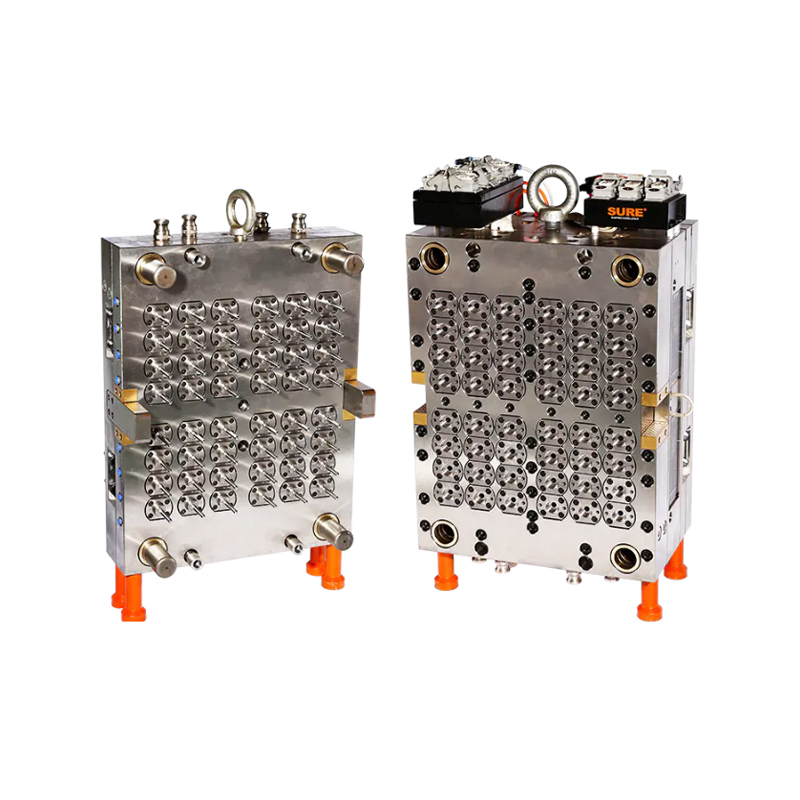
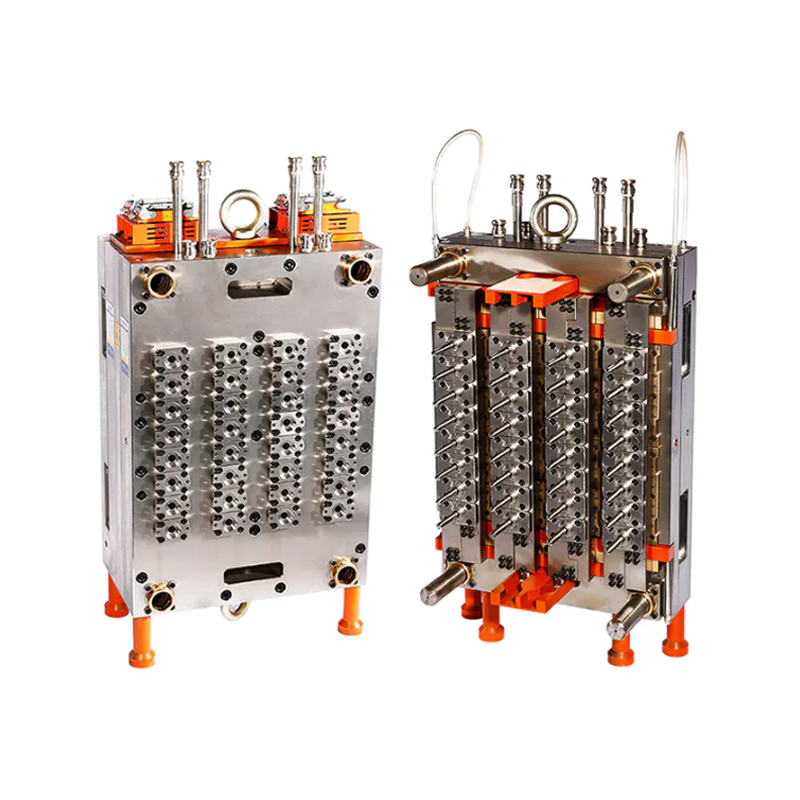
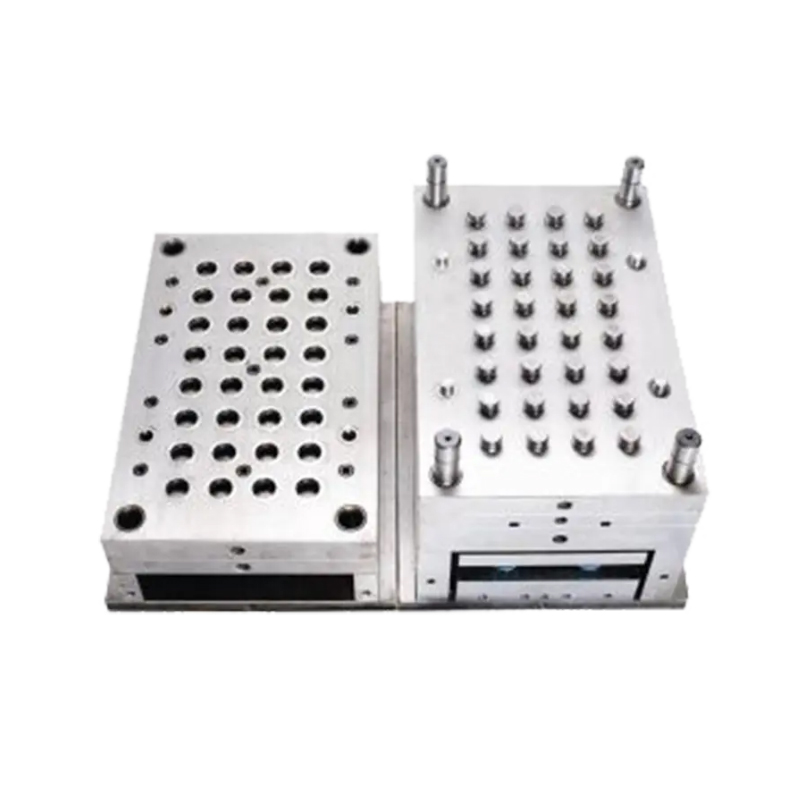
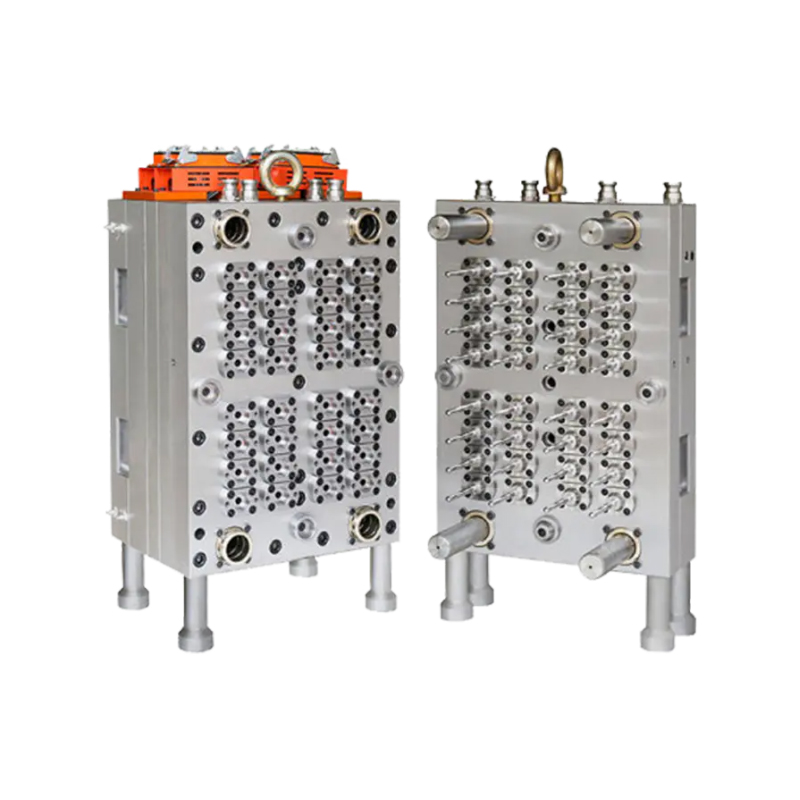
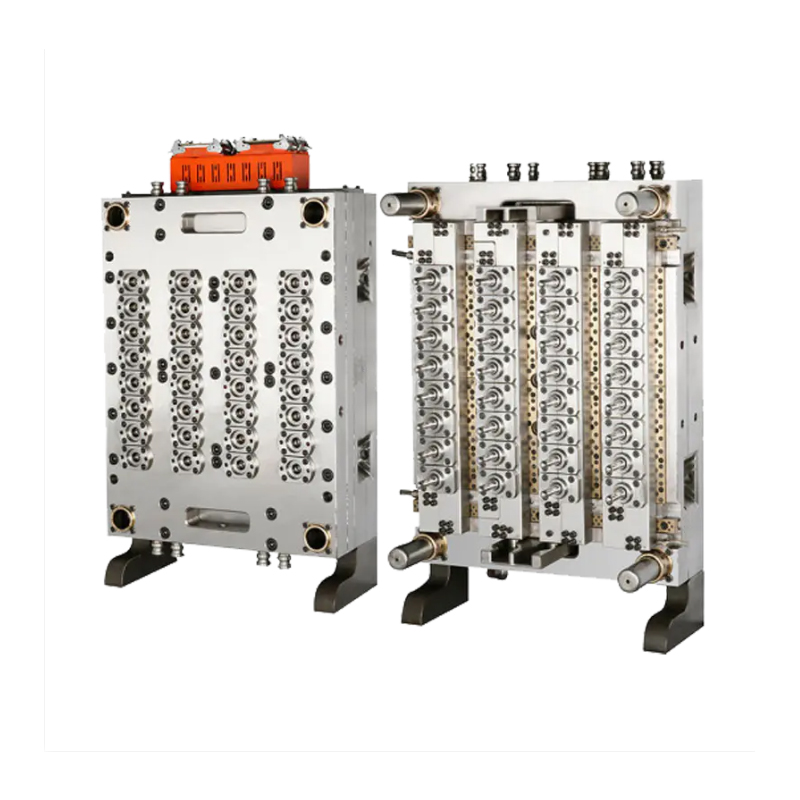
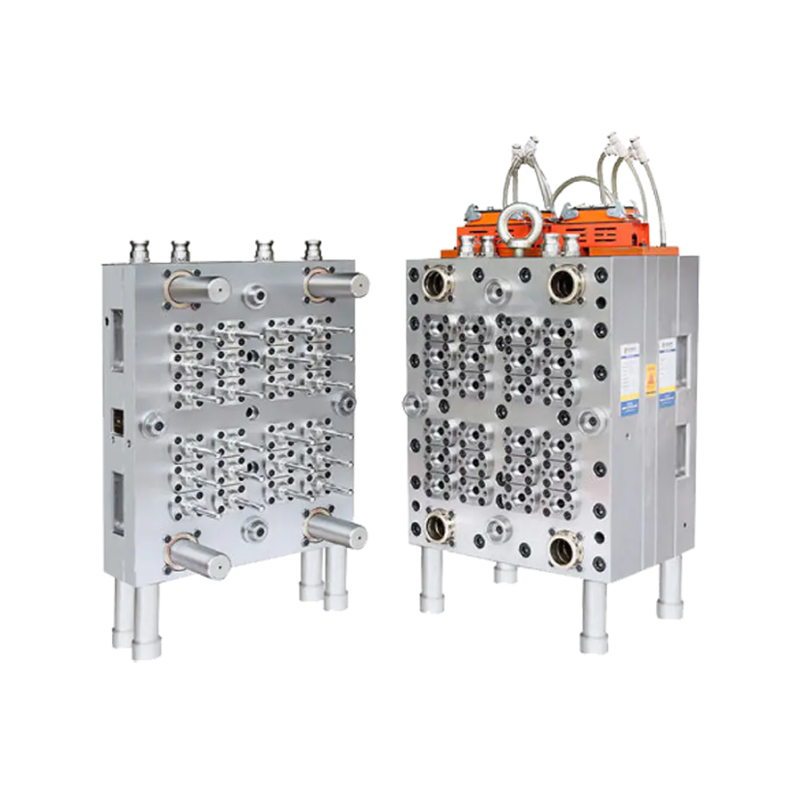
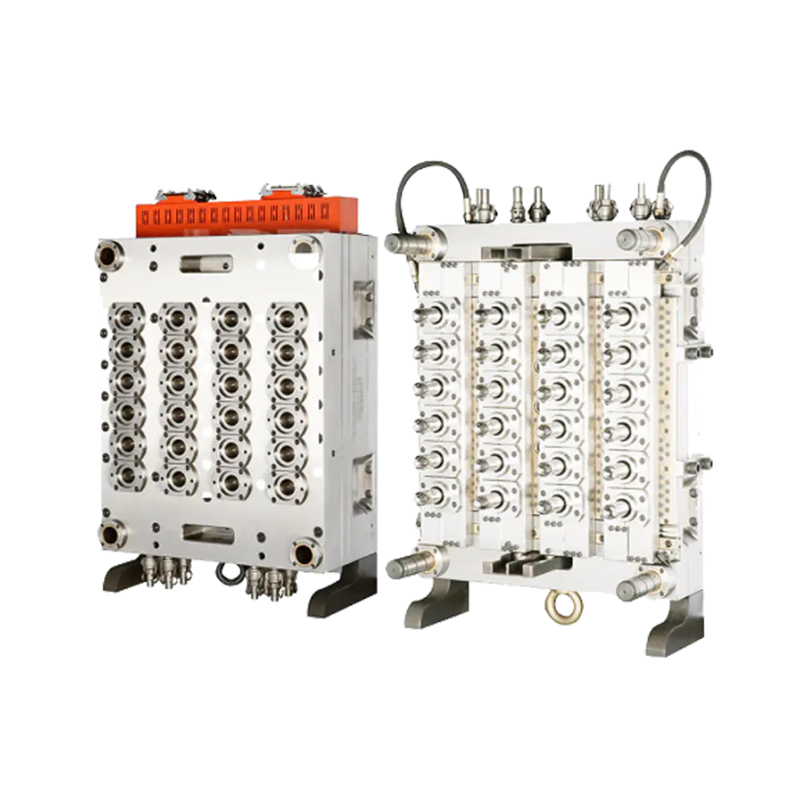
Preform molds are crucial components in the packaging industry, particularly in the production of plastic containers used for beverages, food, and other consumer products. These molds are designed to shape plastic preforms, which are then further processed into final products such as bottles. The use of preform molds has become essential in modern manufacturing, allowing companies to meet the ever-growing demand for high-quality, durable, and cost-effective packaging solutions.
One of the key advantages of using preform molds is their ability to produce consistent and uniform results. The precision with which the molds are manufactured ensures that each preform has the same size, shape, and weight, leading to uniformity in the final products. This is especially important in industries such as the beverage and pharmaceutical sectors, where product quality and safety are critical.
The demand for preform molds has grown significantly in recent years, largely due to the rise of PET (polyethylene terephthalate) plastic bottles. PET is widely used for beverage bottles because it is lightweight, durable, and resistant to breaking. The rising consumption of bottled drinks has made the demand for efficient, cost-effective preform mold production more urgent. Manufacturers are continuously working to improve mold design and production techniques to meet the growing demand for sustainable and eco-friendly packaging solutions.
In addition to quality control, preform molds also play a role in reducing production costs. The precision of the molds helps minimize material waste, as the preforms are designed to require less plastic during production. The durability of the molds ensures that they can withstand thousands of cycles of production without significant wear and tear, making them a long-term investment for manufacturers.
Over the years, technological advancements in molding equipment and materials have led to further improvements in the production of preform molds. Modern injection molding machines are capable of producing preforms with even higher accuracy and speed, while new materials and coatings are used to enhance mold lifespan and reduce maintenance requirements. Sustainability has become a key concern for industries worldwide, driving a growing trend to develop molds compatible with recycled plastics, reducing the environmental impact of plastic packaging.
Innovation in mold design has enabled manufacturers to create more complex preform shapes that cater to a variety of product needs, including customized bottle shapes and sizes for specific consumer demands. The integration of automation and AI-driven systems in molding processes is also improving efficiency, reducing errors, and lowering production time.
The shift toward more sustainable manufacturing practices is also pushing the development of preform molds that minimize energy consumption and optimize material usage. Companies are focusing on reducing their environmental footprint while maintaining the high standards required for packaging products. These efforts ensure that preform molds play an increasingly significant role in achieving both efficiency and sustainability in the packaging industry.
In conclusion, preform molds are an integral part of the manufacturing process for plastic packaging. Their precision, durability, and ability to reduce production costs make them a valuable tool in industries that rely on plastic containers. The evolving packaging industry ensures that preform molds remain essential for producing high-quality, cost-effective, and environmentally friendly packaging solutions for a wide range of products.

No.148 Yongda Road, Jiangkou Street, Huangyan, Taizhou, Zhejiang, China.

yn@tzyuno.com

+86-576-84111565

+86-13575806039


Copyright © Taizhou Huangyan Yuno Mould Co., Ltd.
Plastic Mould Factory