

 英语
英语 法语
法语
Address
No.148 Yongda Road, Jiangkou Street, Huangyan, Taizhou, Zhejiang, China.
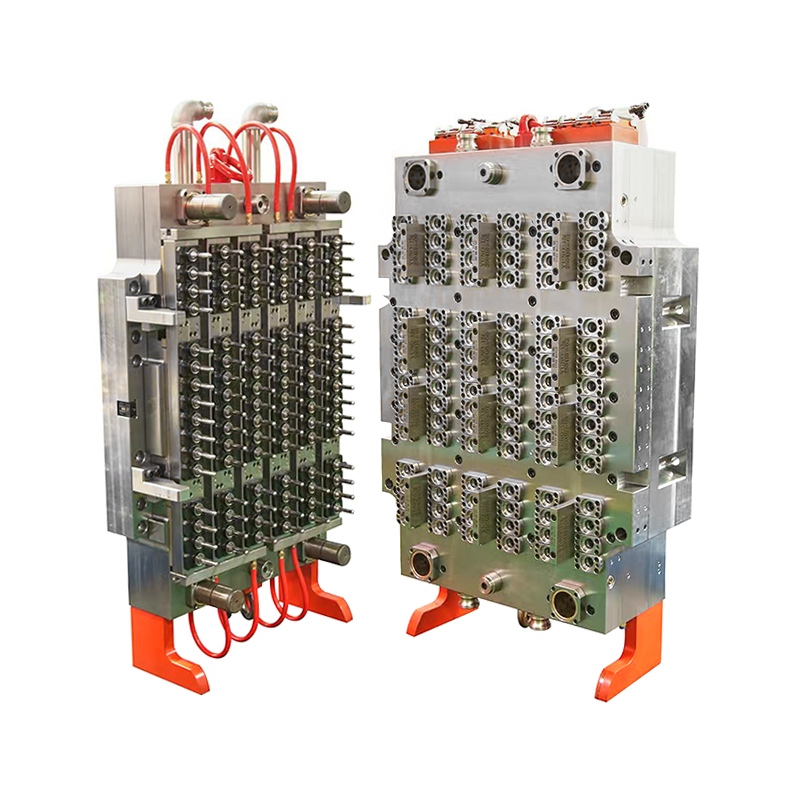
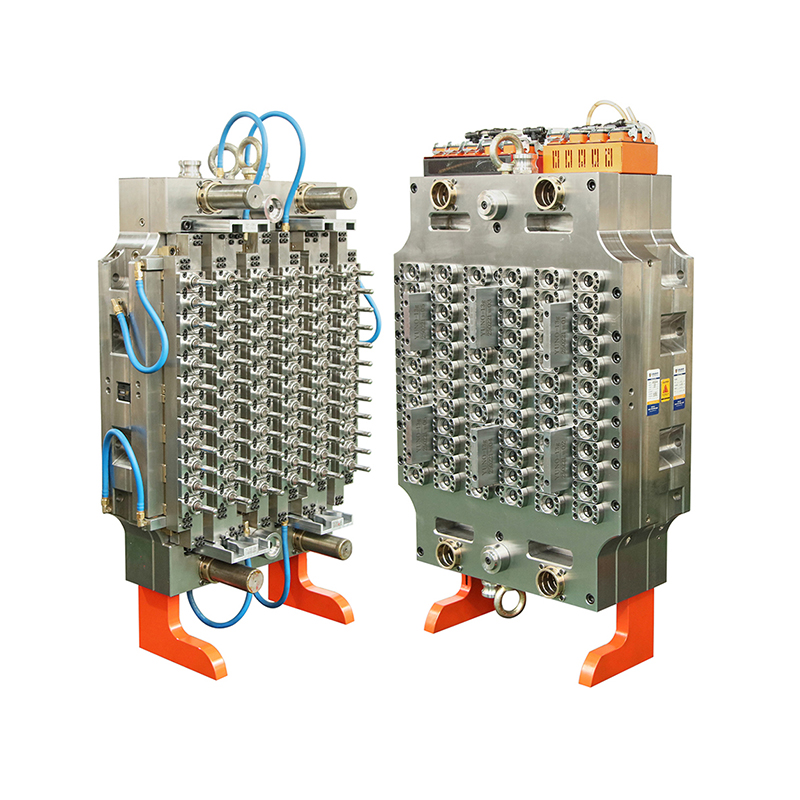
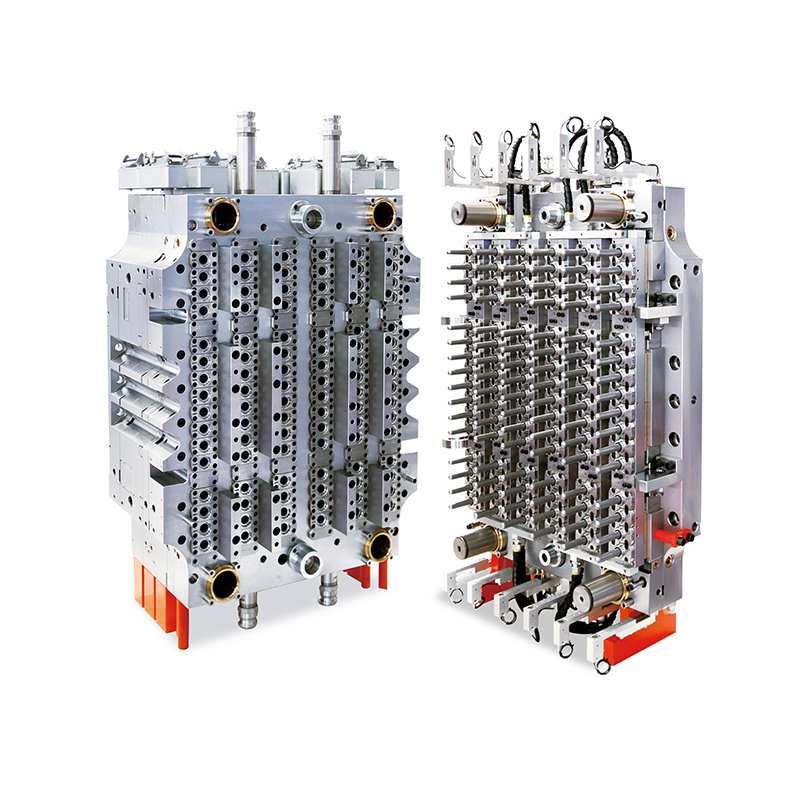
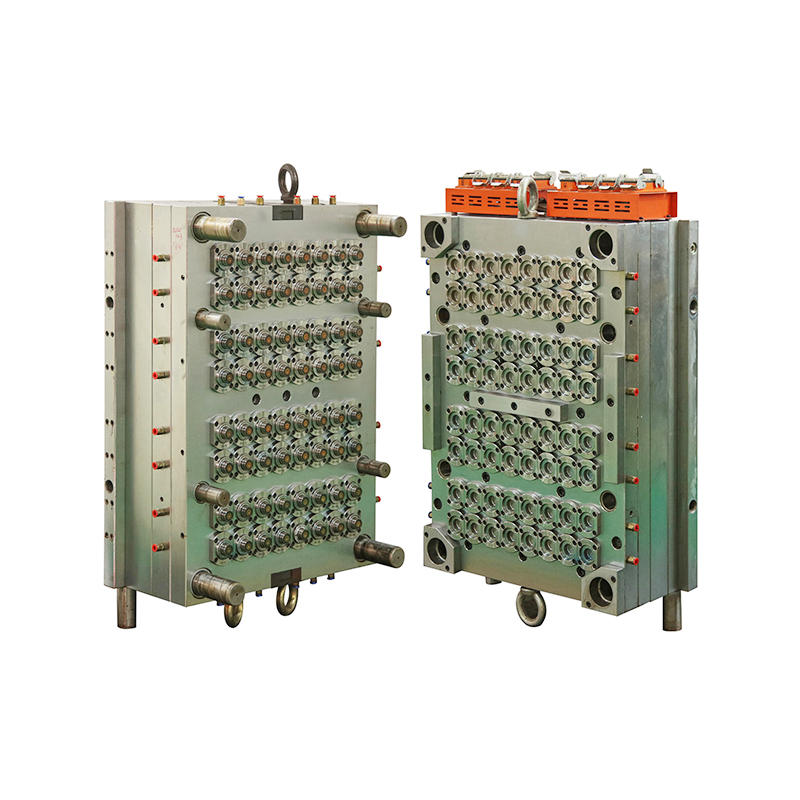
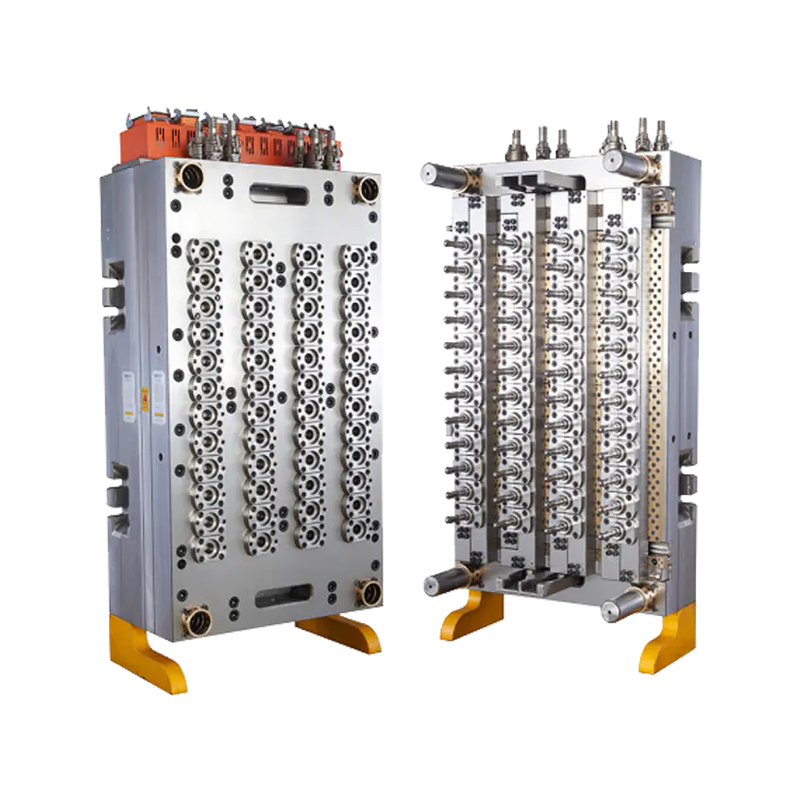
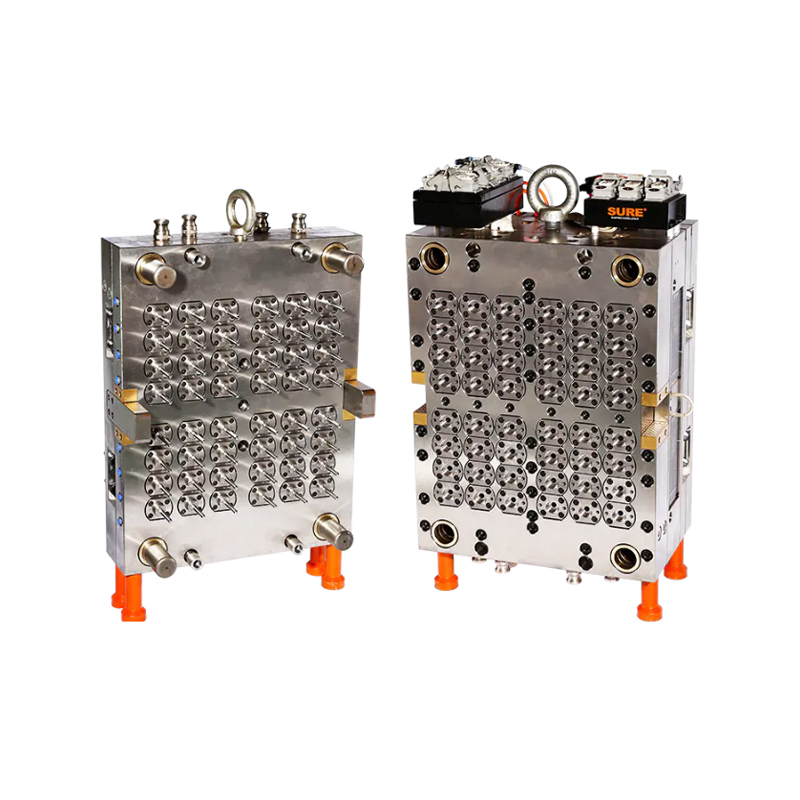
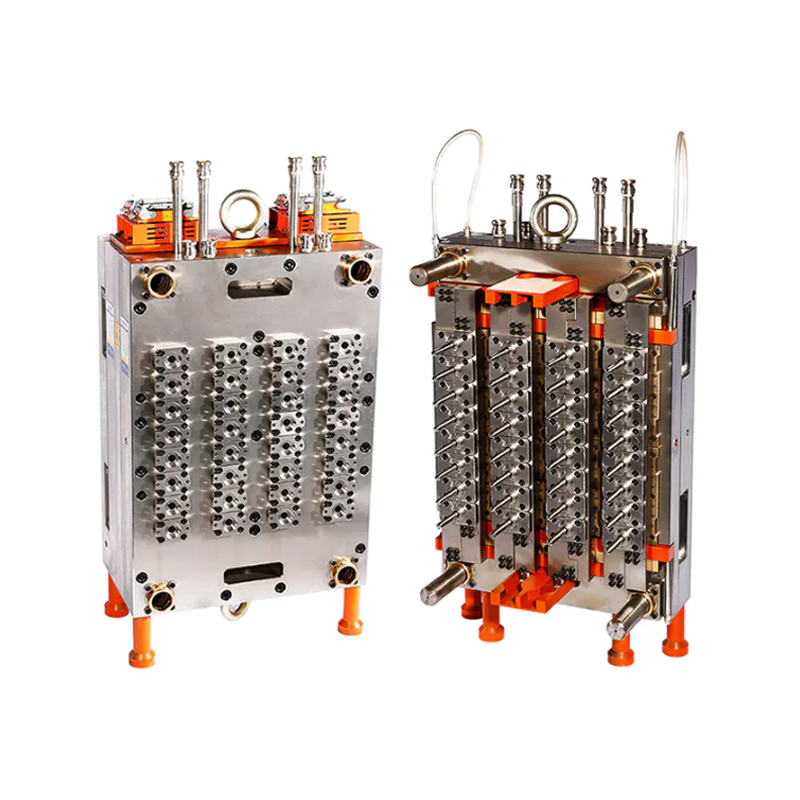
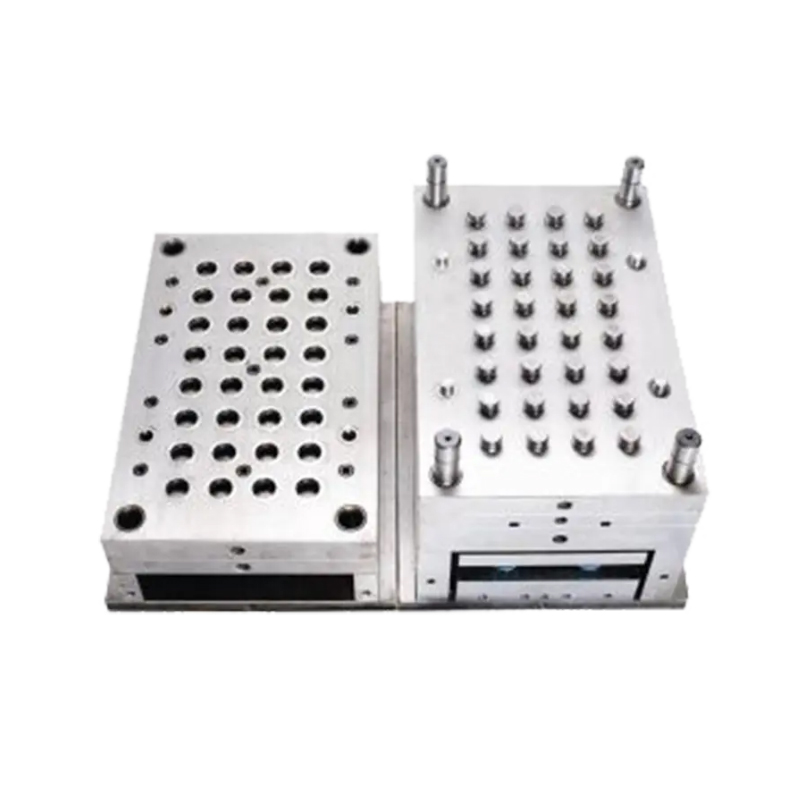
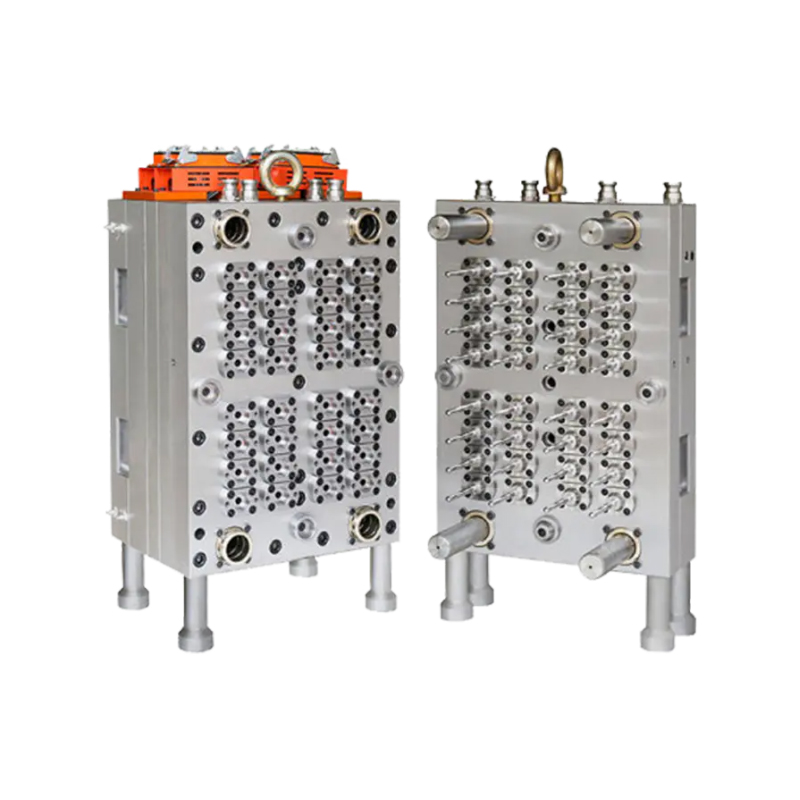
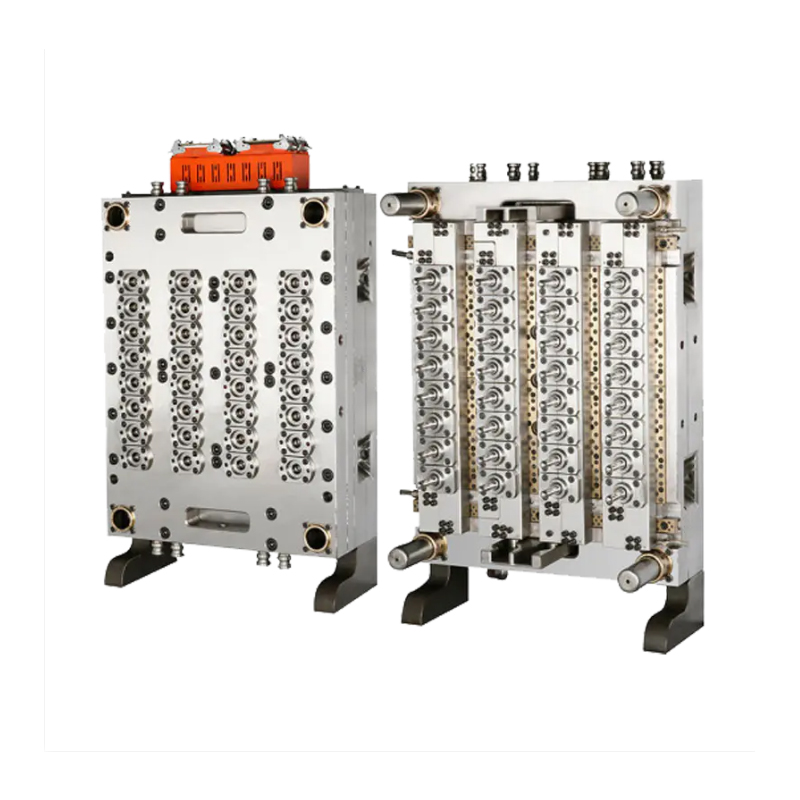
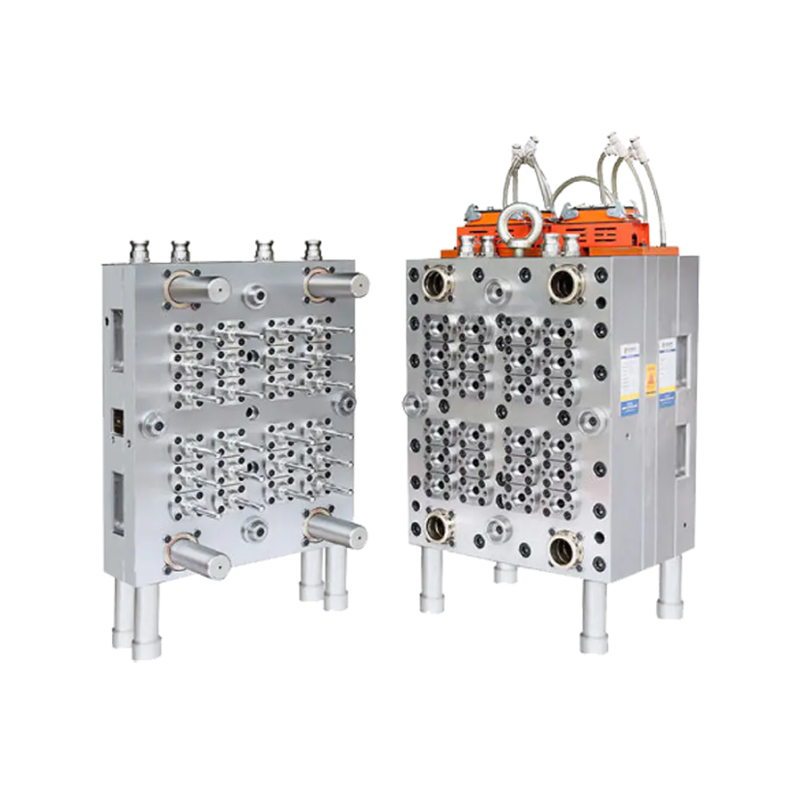
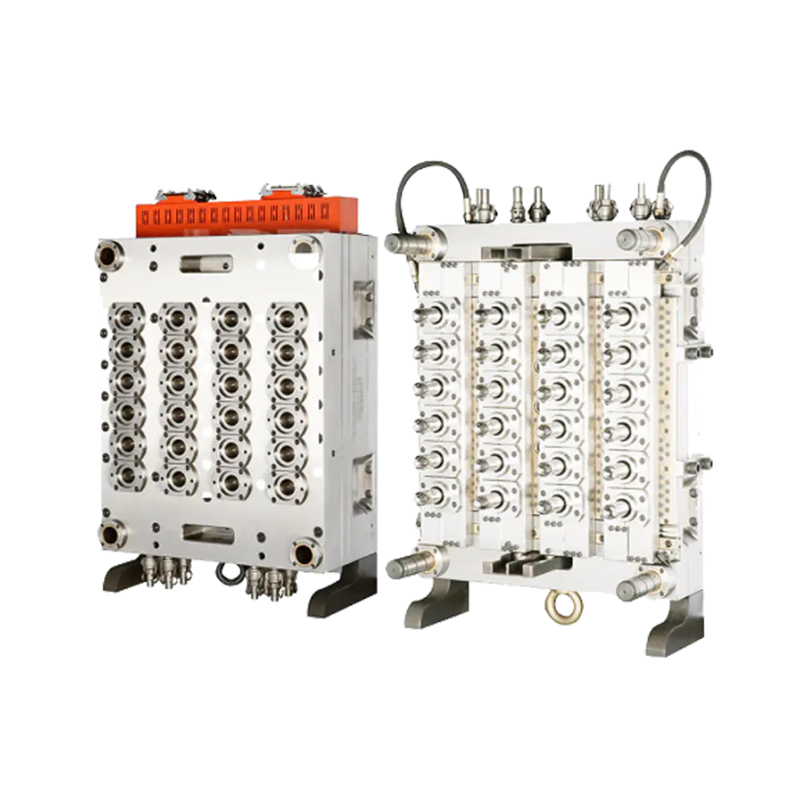
At their core, jar preform moulds are used to create preforms, which are small, thick-walled tubes made of plastic that resemble the final jar product but are not yet fully formed. These preforms are then heated and stretched in a blow moulding machine to achieve the final shape. The preform moulds themselves are typically made of high-quality steel or aluminum to withstand the intense pressure and temperature during the injection molding process.
During production, plastic material is injected into the preform mould cavity under high pressure. The mould is designed to maintain precise control over the temperature and pressure, which ensures that the resulting preform has consistent quality. The preform is then cooled and removed from the mould, ready for the next step in the bottle or jar production process. The accuracy and precision of the preform mould are critical to ensuring uniformity in the final product, especially when large volumes of jars are required.
One of the key benefits of jar preform moulds is their ability to produce highly uniform and precise preforms, which ultimately results in high-quality final products. Consistency in the production of preforms is especially important in industries such as food, beverages, and pharmaceuticals, where product integrity and safety are paramount. A slight variation in the size or shape of the preform can affect the final jar’s functionality, such as its ability to seal correctly or withstand environmental stress.
Another advantage is the cost-effectiveness of preform moulds. These moulds are designed to maximize material efficiency, reducing waste during production. By producing preforms that are already close to the final shape, manufacturers can minimize the need for additional shaping or trimming. Preform moulds are durable and can withstand many cycles of production, making them a long-term investment for manufacturers seeking high-volume, low-cost production.
The packaging industry shifts toward more sustainable practices, and jar preform moulds evolve to meet the demands of an eco-conscious market. New technologies are being developed to reduce energy consumption during the moulding process and to improve material efficiency. For example, the use of recycled plastics in the production of preforms is becoming more common, and moulds are being designed to accommodate these materials without compromising the quality of the final product.
Additionally, innovations in mould design are allowing for more complex shapes and sizes to be created. This flexibility is important as companies look to differentiate their products in the marketplace. In response to consumer demand for convenience, companies are also producing jar preform moulds that can create packaging that is easier to handle, transport, and store.
Another key area of focus is automation in the moulding process. The integration of AI-driven systems and robotics can help increase efficiency, reduce human error, and lower production costs. These technologies also ensure greater consistency in the manufacturing process, which is essential for meeting the high standards of the food, beverage, and pharmaceutical industries.
Jar preform moulds are essential in the modern packaging industry, providing an efficient, cost-effective, and sustainable solution for producing high-quality plastic jars. From food and beverages to pharmaceuticals, these moulds are at the heart of a wide range of packaging products. Technology advances, and the future of jar preform moulds will bring greater efficiency, precision, and sustainability, ensuring their continued importance for manufacturers across various industries.

No.148 Yongda Road, Jiangkou Street, Huangyan, Taizhou, Zhejiang, China.

yn@tzyuno.com

+86-576-84111565

+86-13575806039


Copyright © Taizhou Huangyan Yuno Mould Co., Ltd.
Plastic Mould Factory