

 英语
英语 法语
法语
Address
No.148 Yongda Road, Jiangkou Street, Huangyan, Taizhou, Zhejiang, China.
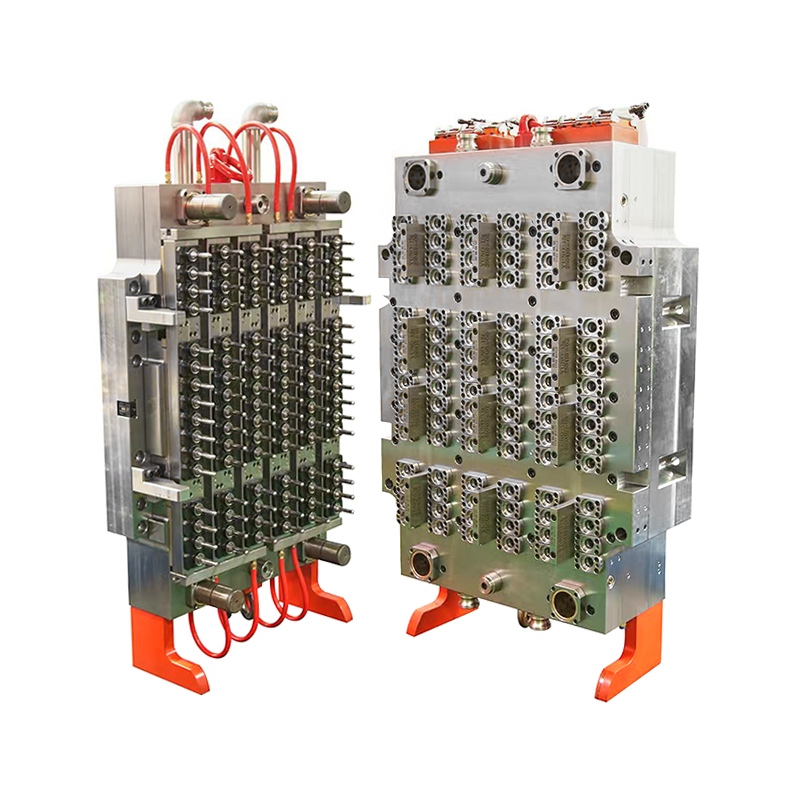
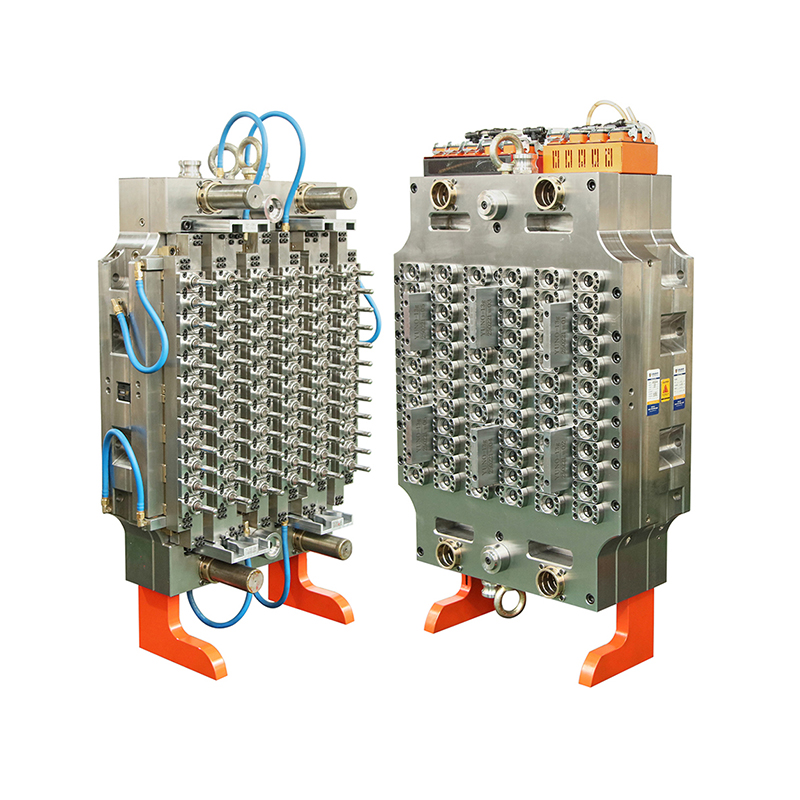
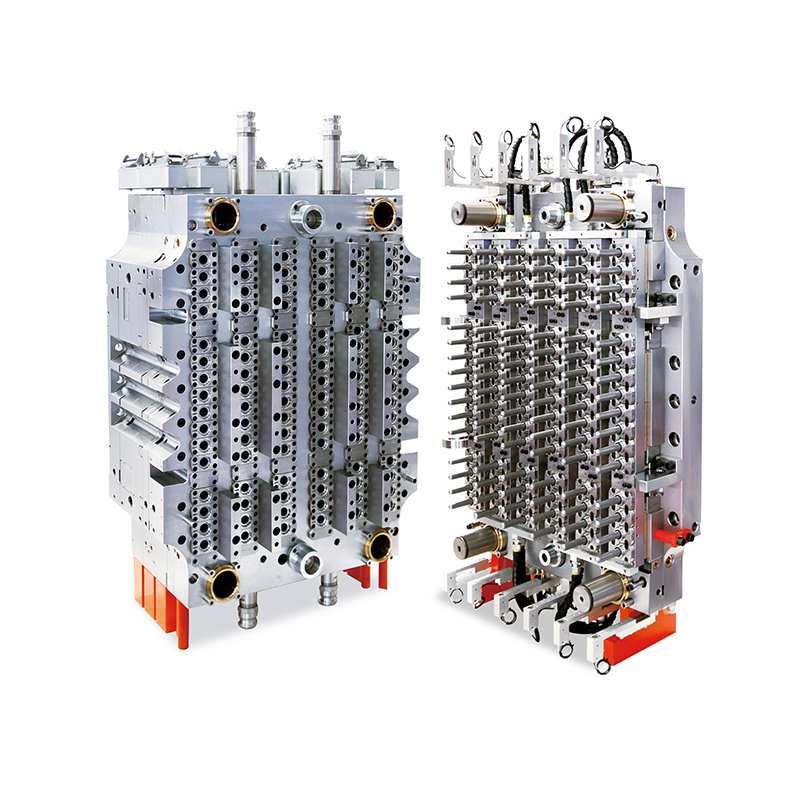
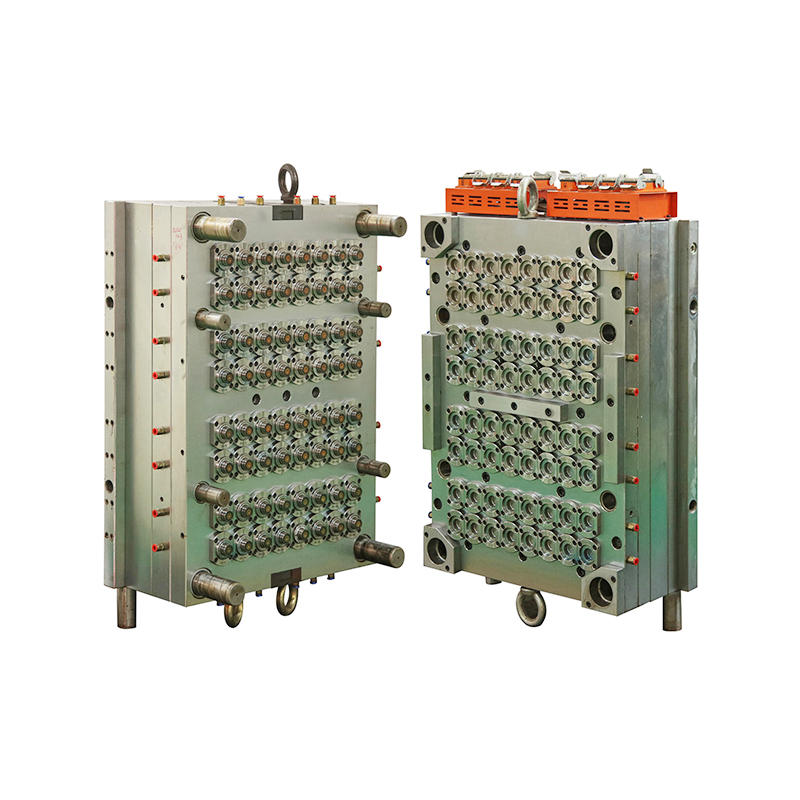
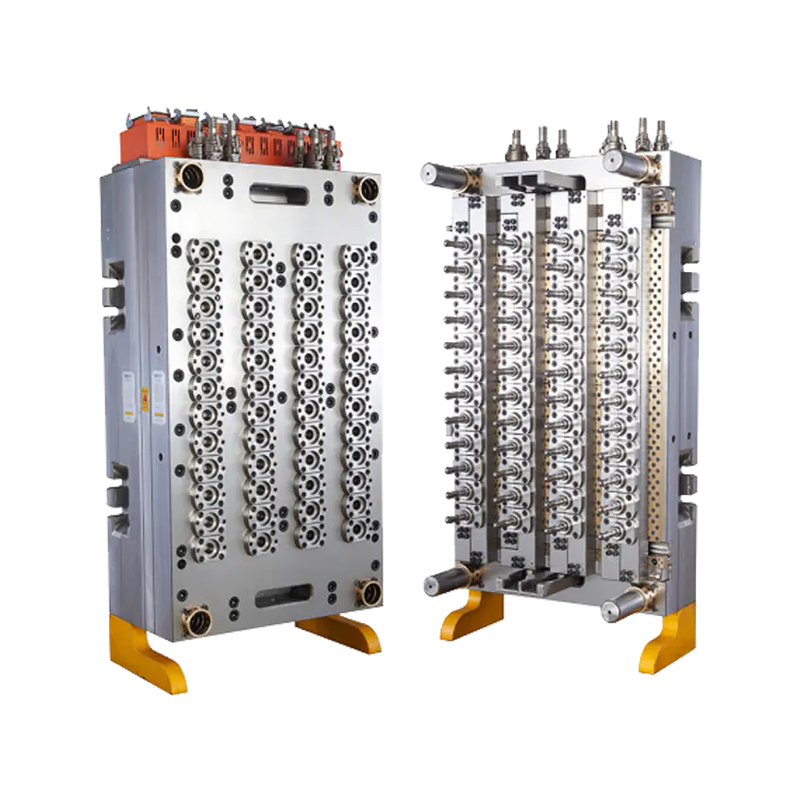
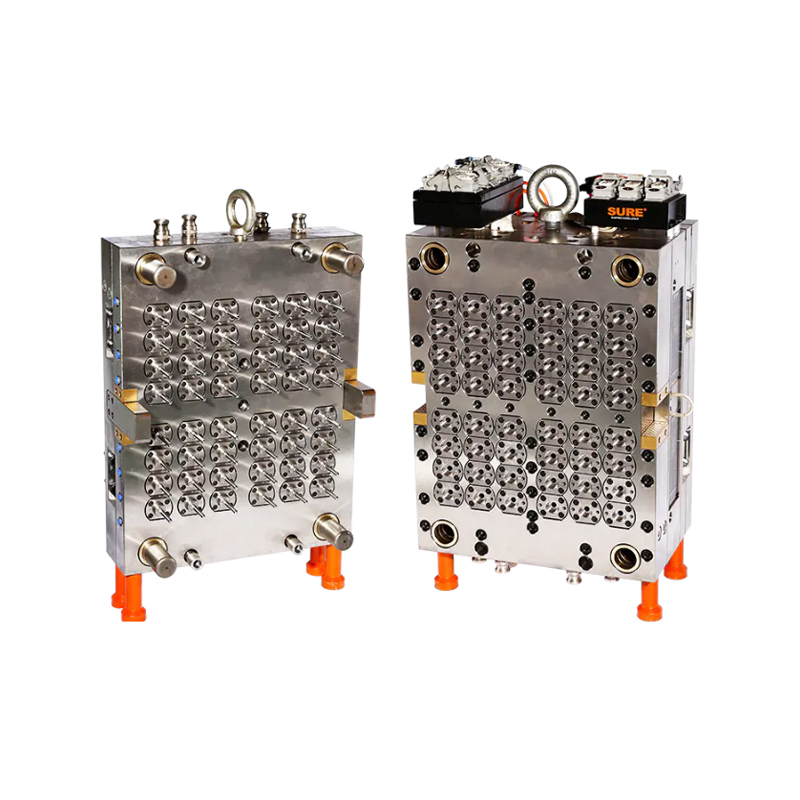
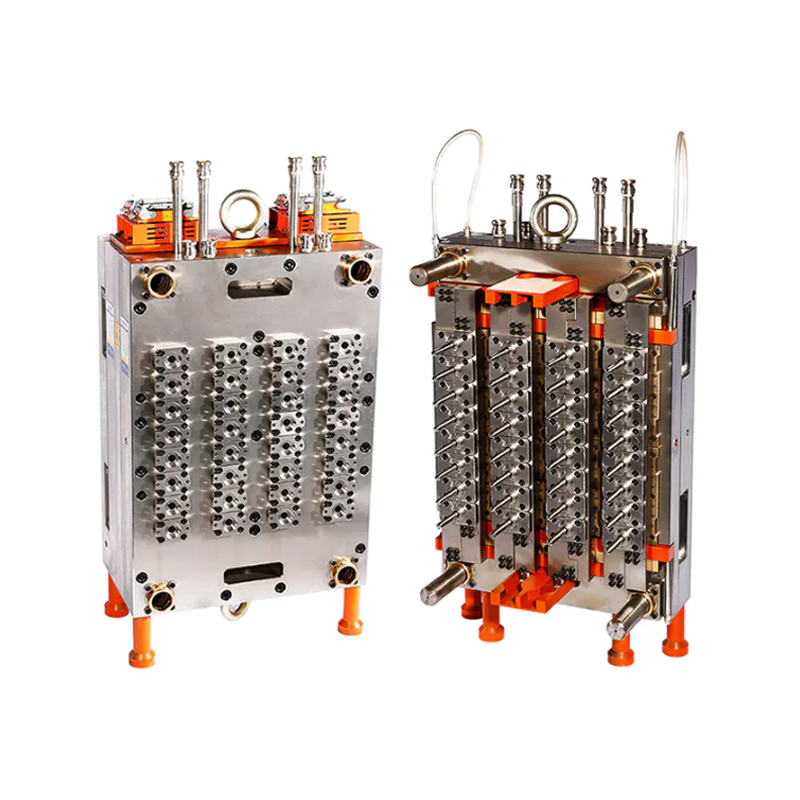
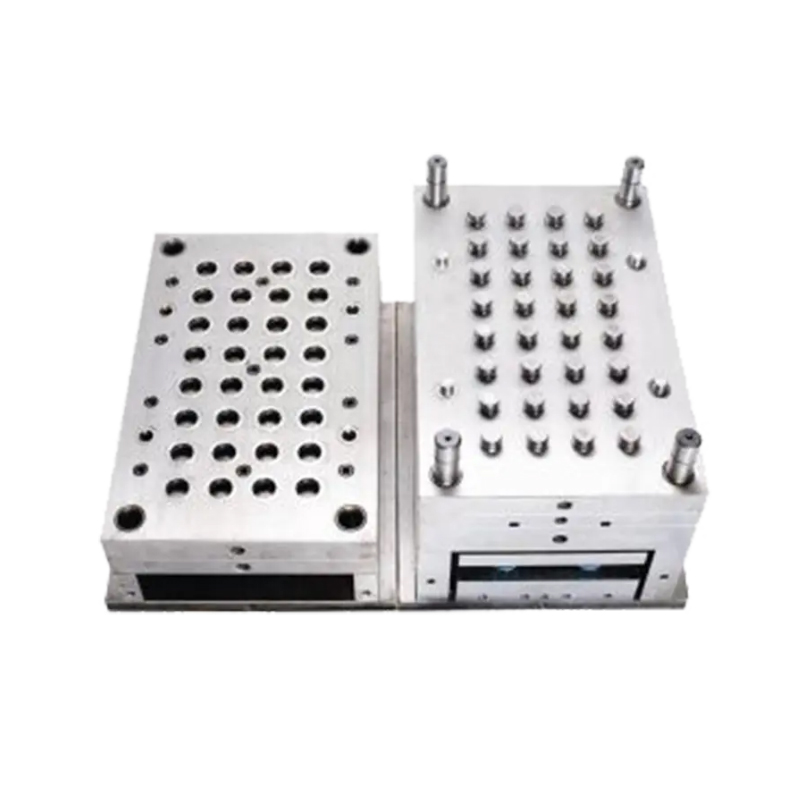
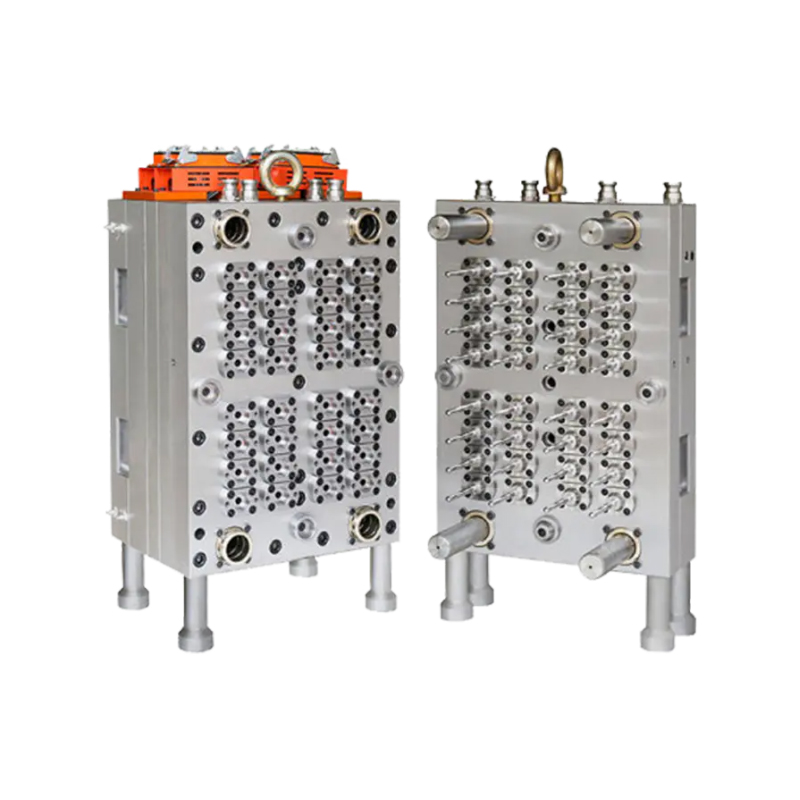
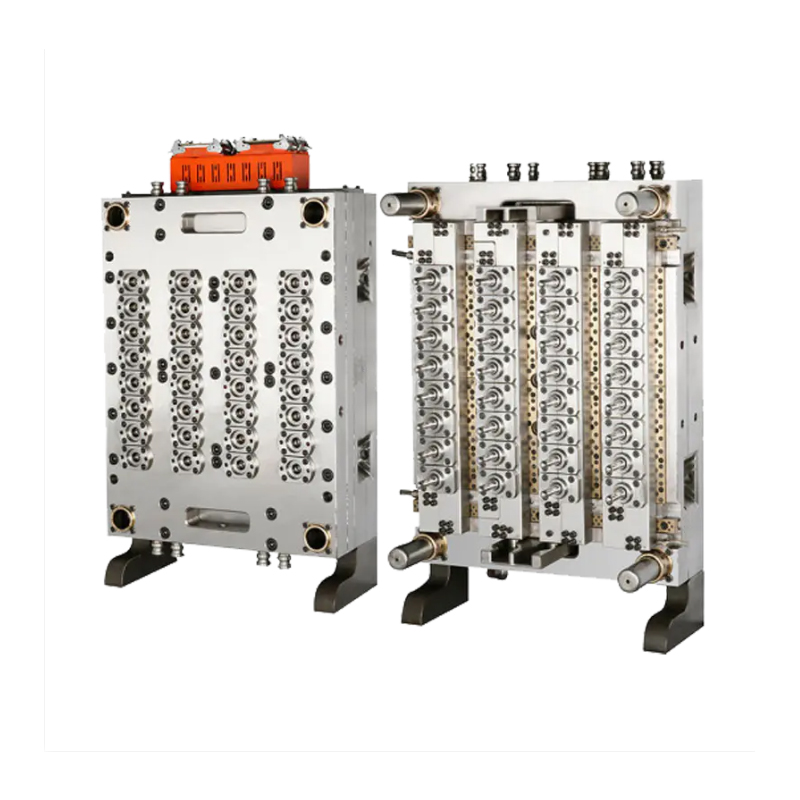
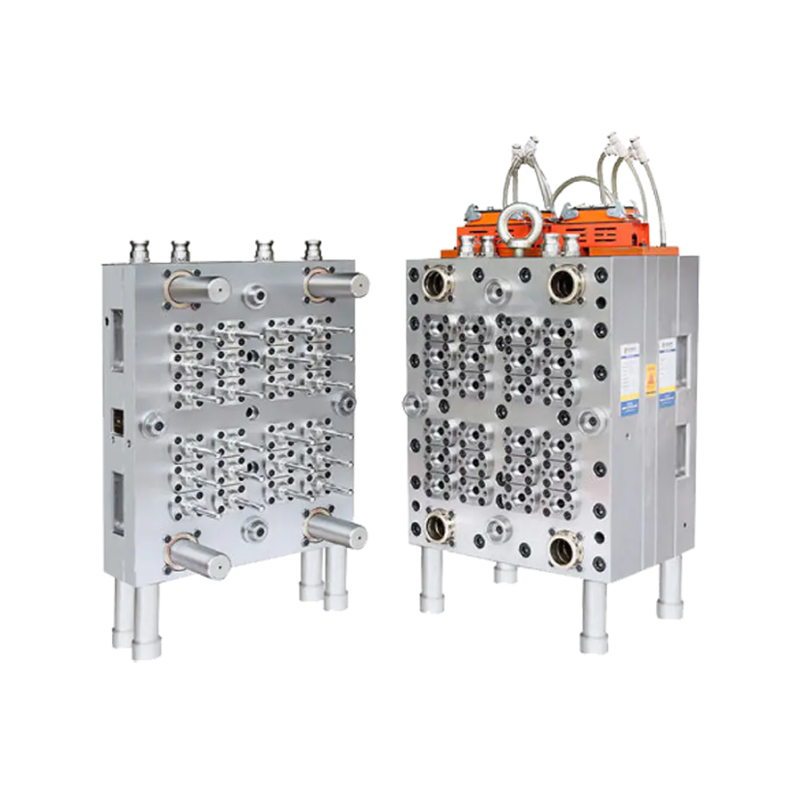
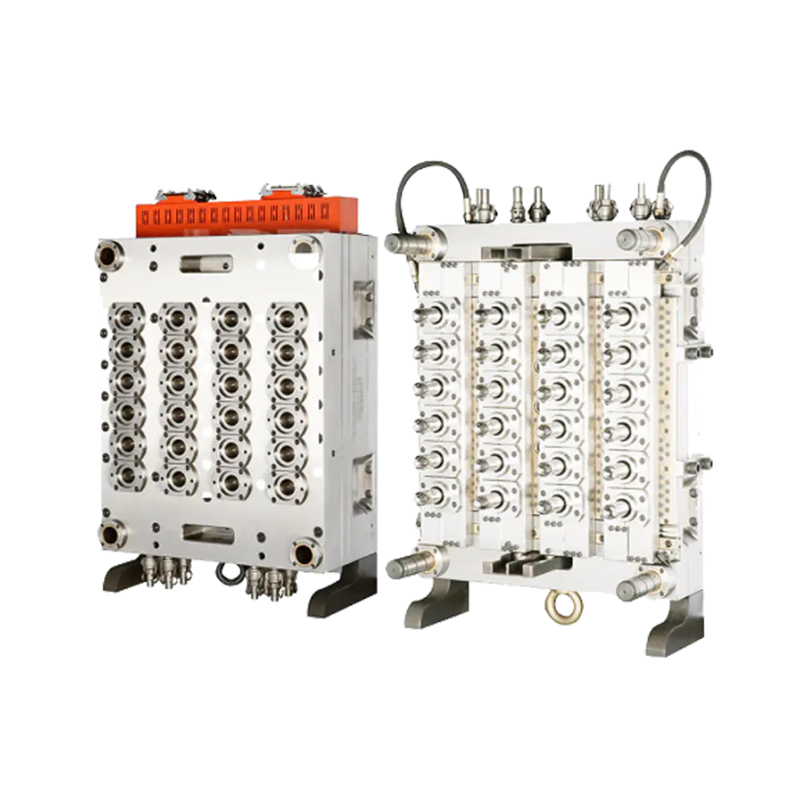
Blood collection tube mold plays a central part in manufacturing the small tubes used in medical laboratories for sample handling. These moulds form the plastic bodies that hold blood during collection and transport. The equipment operates within specialized production lines that turn resin into finished tubes ready for assembly with stoppers and labels.
Blood collection tube mold cavities feature smooth internal surfaces that produce clear, transparent tubes. Thread or snap-fit areas at the top receive precise machining for compatibility with closures. Wall thickness remains uniform due to careful balancing of flow paths within the mould.
Cooling channels run close to the cavity surfaces to promote even solidification. This helps reduce internal stresses that could affect tube performance during use. Mould makers assemble the components with tight tolerances so halves align accurately during each closing cycle.
Production facilities use blood collection tube molds configured for various lengths and diameters. Some setups create standard tubes for general blood work while others form smaller versions for pediatric applications or specific tests. The moulds accommodate different volume markings by adjusting cavity dimensions accordingly.
Multi-cavity arrangements increase output for high-demand sizes. Certain moulds include features for forming tubes with special interior surfaces or additives integrated during moulding. This flexibility allows manufacturers to supply a range of formats from the same base equipment platform.
The blood collection tube mold ensures consistent inner and outer diameters along the tube length. This uniformity supports accurate filling levels when samples enter the tube. Bottom shapes formed by the mould provide stability when tubes stand in racks during processing.
Flow simulation during mould design helps predict how plastic fills each cavity. Adjustments to gate locations minimize visible marks on the final product. These details contribute to tubes that fit reliably into automated analyzers and manual handling routines in lab settings.
After ejection from the blood collection tube mold, tubes move through conveyors toward assembly areas. Some lines add vacuum features or chemical coatings in separate steps. The moulded parts must maintain their shape through these processes without distortion.
Production data from moulding machines helps coordinate with overall plant output. Buffer zones store pre-moulded tubes temporarily when assembly runs at different speeds. This coordination keeps the supply of completed tubes steady for final packaging.
Clear plastics suitable for visibility of contents flow through the blood collection tube mold during injection. The equipment handles resins that withstand sterilization methods applied later in production. Cycle times balance speed with the need for proper cooling to achieve dimensional stability.
Mould surfaces receive treatments that resist buildup over time. Regular cleaning maintains the quality of tube surfaces. These practices support long production runs with minimal interruptions.
Blood collection tube mold technology enables the steady availability of containers that fit into standard lab equipment and procedures. The formed tubes support efficient sample collection and processing in healthcare settings. Their consistent quality from the moulding stage carries through to reliable performance on the lab bench.
The equipment forms one link in a larger chain of processes that bring supplies from raw materials to end users. Attention to detail in mould operation helps maintain the flow of products that laboratories depend on daily.
Blood collection tube molds continue to support the creation of essential items for sample handling worldwide. Through their role in precision forming, these moulds contribute to the systems that process blood samples in medical environments every day.

No.148 Yongda Road, Jiangkou Street, Huangyan, Taizhou, Zhejiang, China.

yn@tzyuno.com

+86-576-84111565

+86-13575806039


Copyright © Taizhou Huangyan Yuno Mould Co., Ltd.
Plastic Mould Factory