

 英语
英语 法语
法语
Address
No.148 Yongda Road, Jiangkou Street, Huangyan, Taizhou, Zhejiang, China.
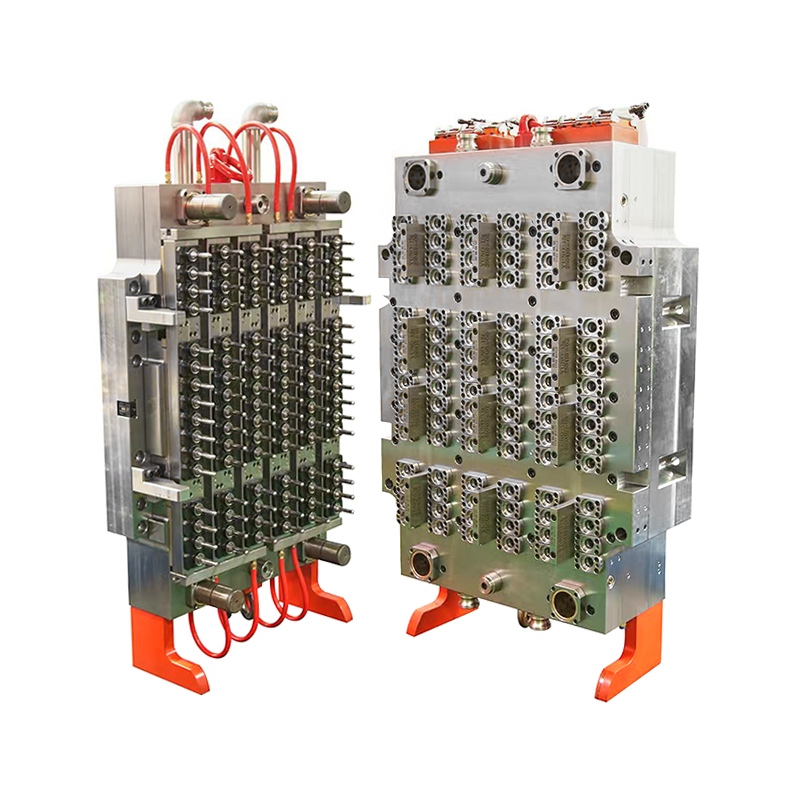
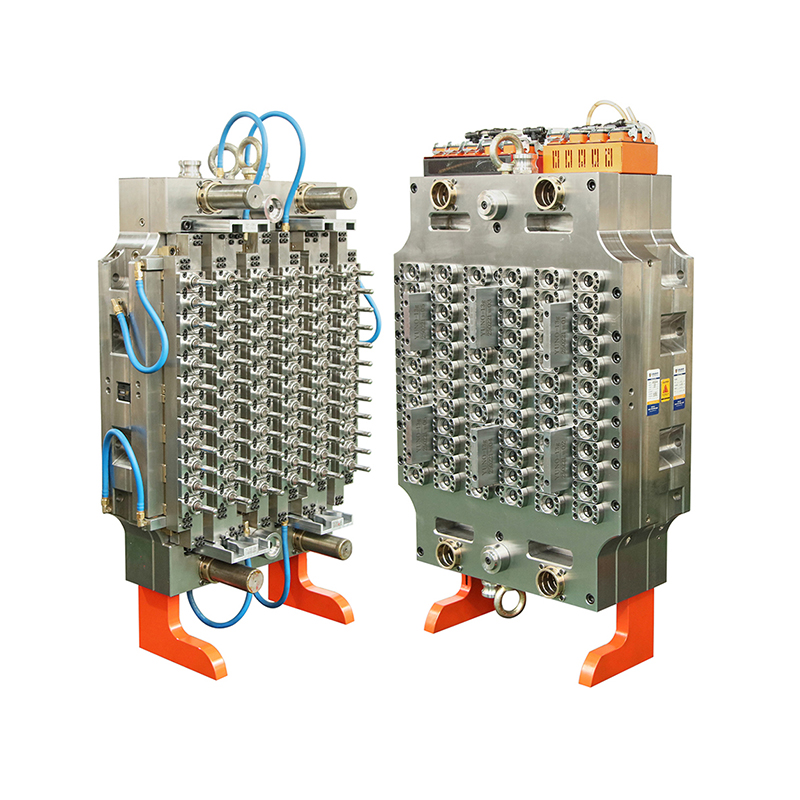
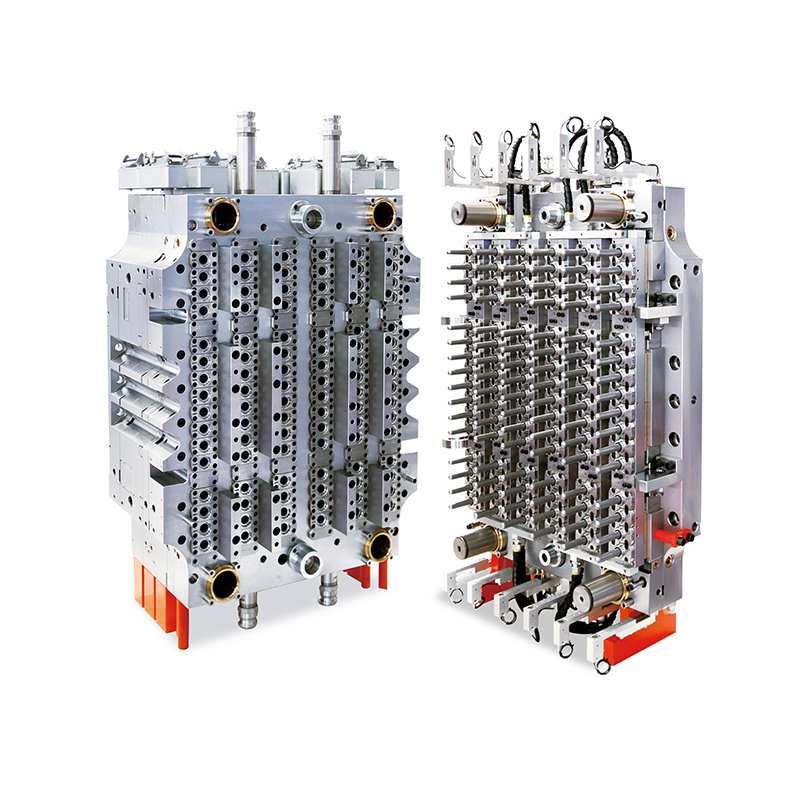
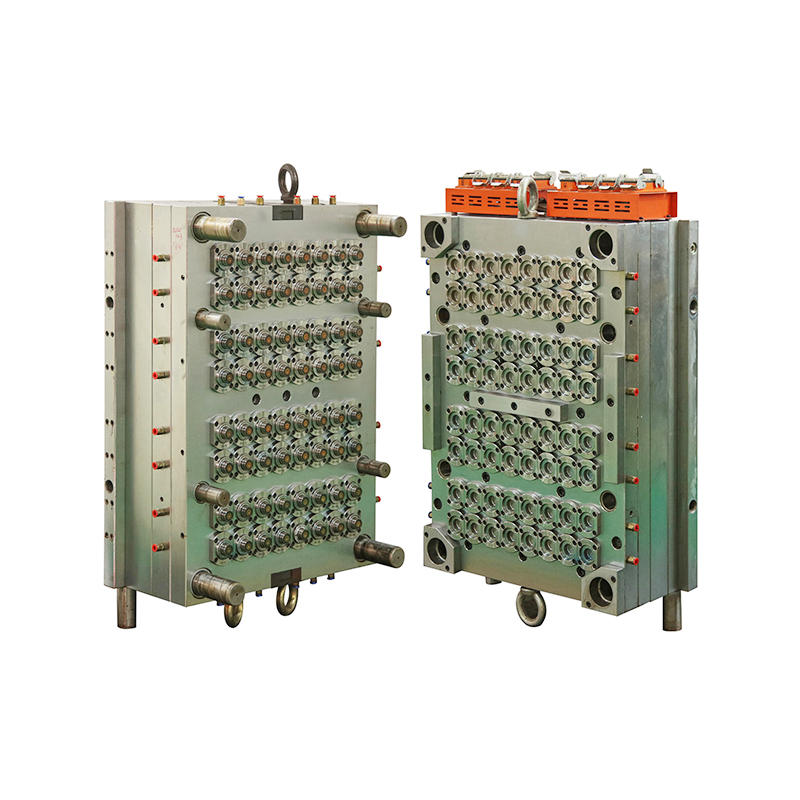
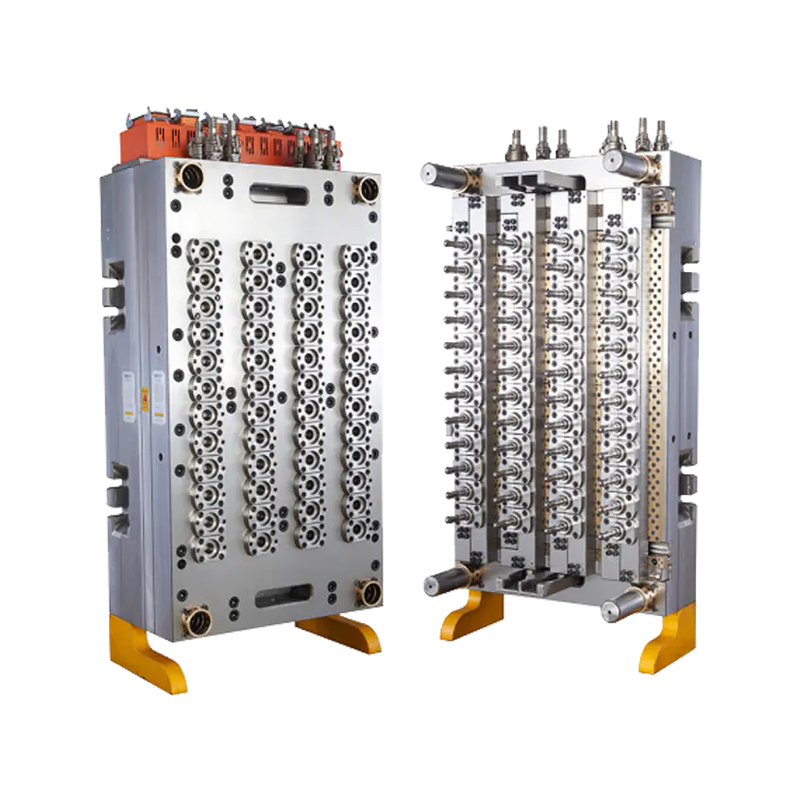
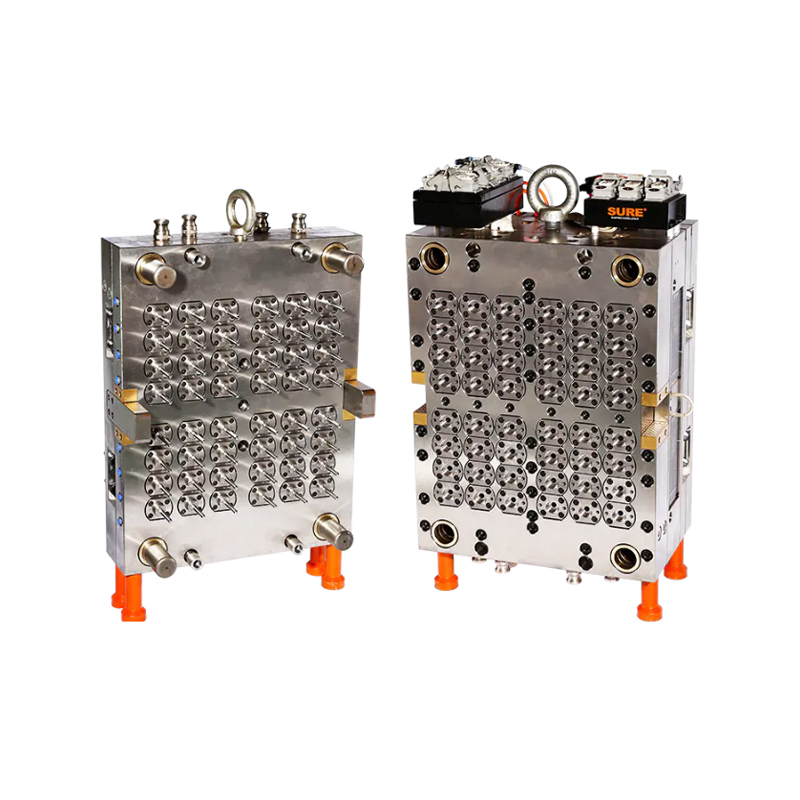
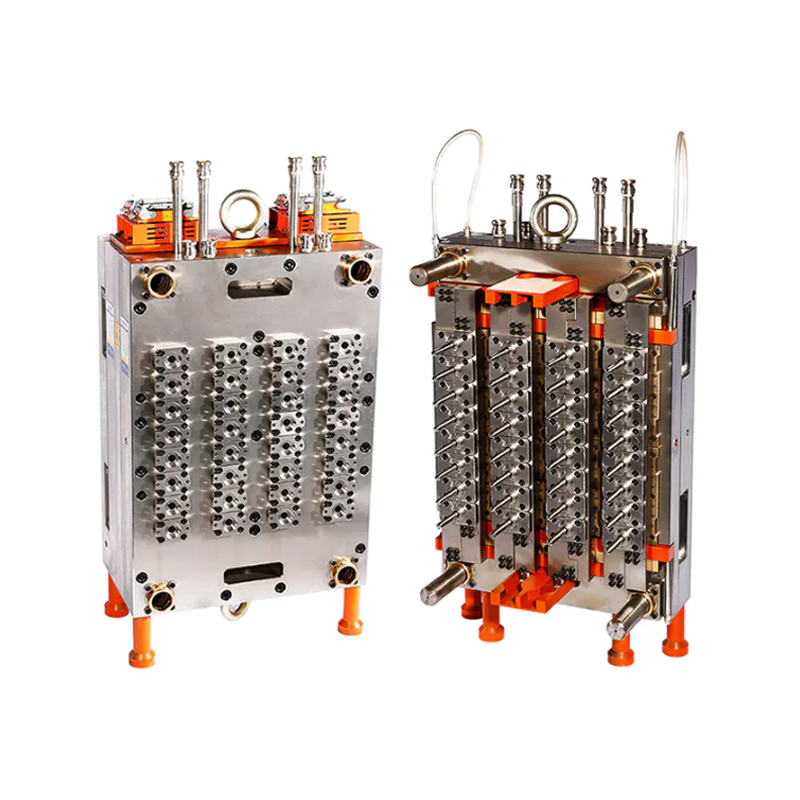
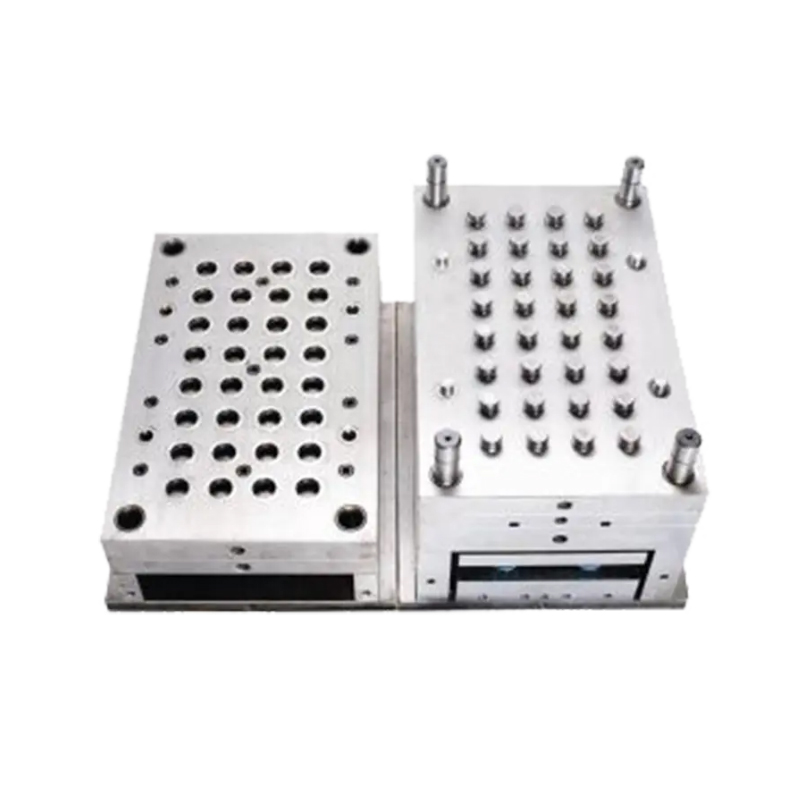
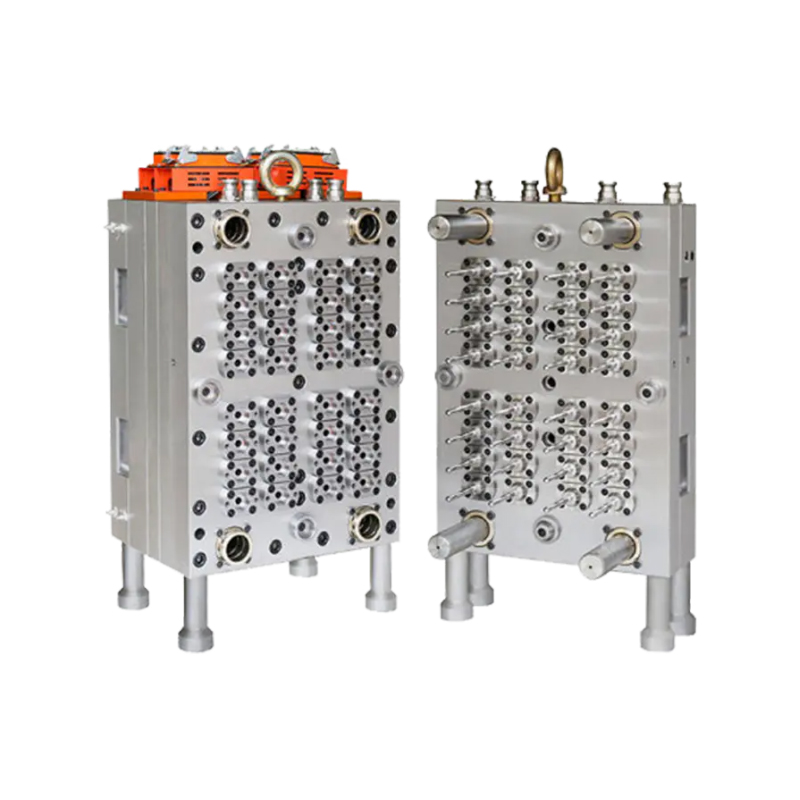
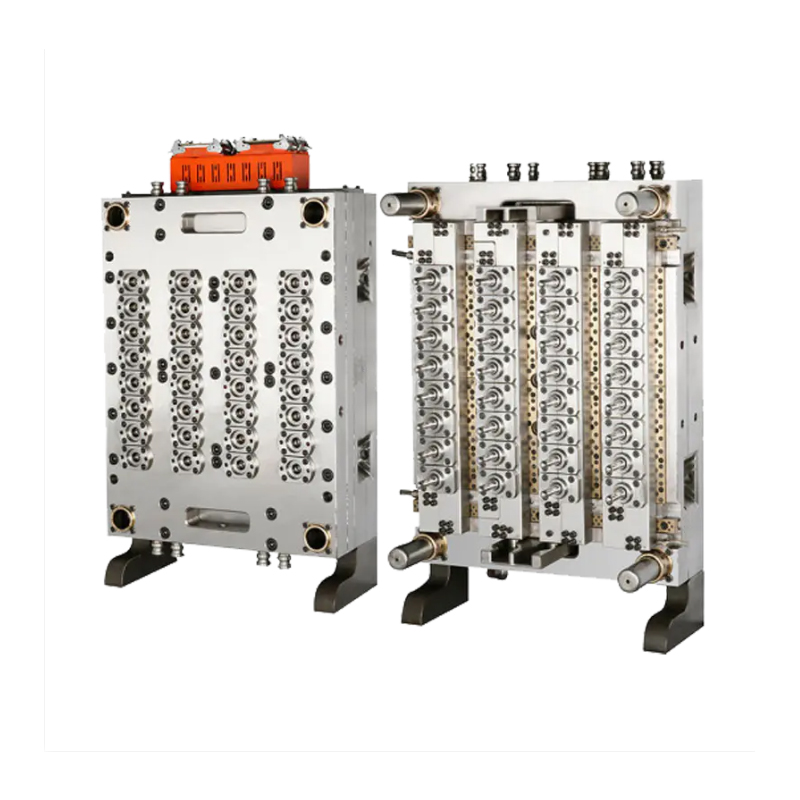
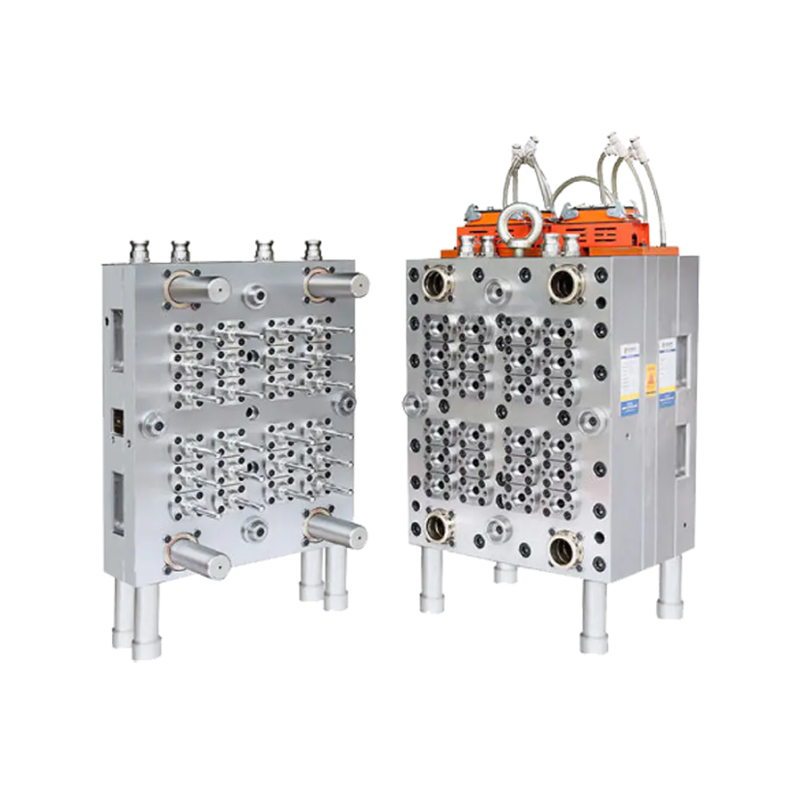
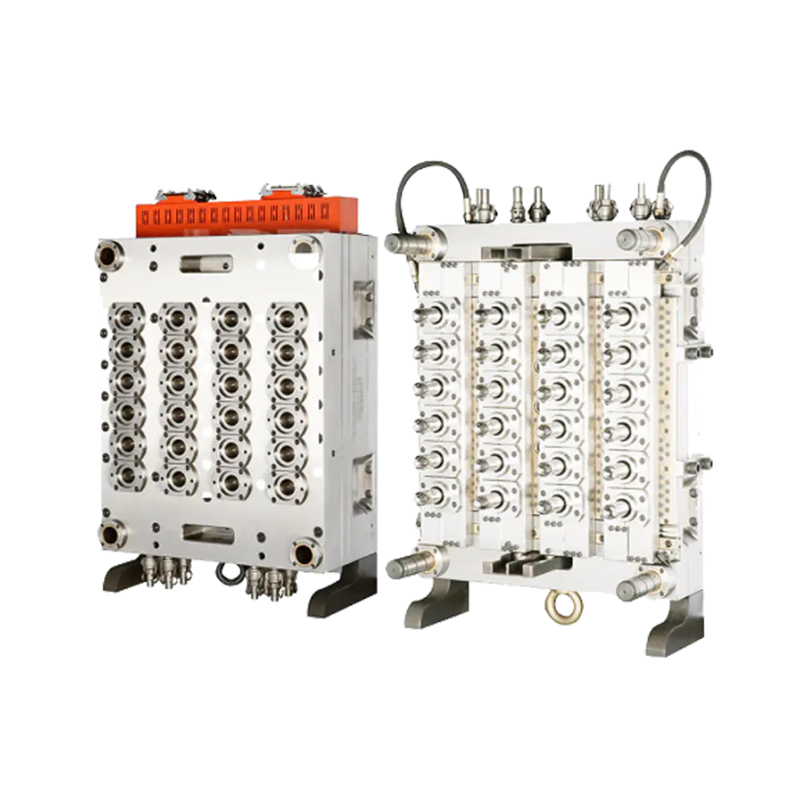
Twist a bottle cap and it either seals cleanly or it doesn't. There's no middle ground, no partial credit. That all-or-nothing nature is exactly what makes a cap mold one of the more demanding tools in plastic manufacturing, even though the finished part it produces looks almost too simple to fuss over.
Bottle caps look identical to bottles from a distance, but the engineering underneath is different in a meaningful way. A bottle can flex slightly, warp a little, and still function. A cap has to seal against threads precisely, every single time, or the whole package fails — leaking, losing carbonation, letting air in where it shouldn't.
That precision starts at the mold. Cavity dimensions, thread geometry, and wall thickness all have to stay within very tight tolerances, sometimes measured in fractions of a millimeter. A mold that's off by a small margin might still produce caps that look fine, but fail during a pressure test or a drop test down the line.
One of the first decisions in cap mold design is how many cavities the mold will have — meaning how many caps it produces in a single injection cycle.
The trade-off isn't just cost. More cavities mean more places for tiny inconsistencies to creep in. A 32-cavity mold where even one cavity drifts slightly out of spec can quietly produce a percentage of caps that don't seal correctly, and that kind of defect isn't always obvious until a customer opens the bottle.
Mold steel isn't a single category — different grades hold up differently depending on how many cycles the mold is expected to run and what material is being molded.
| Steel Grade | Typical Use Case | Wear Resistance |
| Pre-hardened steel | Lower-volume runs, prototypes | Moderate |
| Hardened tool steel | Higher-volume production | Stronger, holds tolerance longer |
| Stainless mold steel | Caps in contact with sensitive contents | Resists corrosion, added cost |
Buyers ordering a cap mold for high-volume production usually lean toward hardened steel, since a softer grade wears down faster under repeated cycles, gradually loosening tolerances that were tight when the mold was new.
Cap molds don't fail all at once. Wear tends to show up gradually, usually in a few predictable spots:
None of these show up on day one. They creep in slowly, cycle after cycle, which is why buyers running high-volume production often track cap quality over time rather than assuming a mold performs the same at cycle 10,000 as it did at cycle 100.

No.148 Yongda Road, Jiangkou Street, Huangyan, Taizhou, Zhejiang, China.

yn@tzyuno.com

+86-576-84111565

+86-13575806039


Copyright © Taizhou Huangyan Yuno Mould Co., Ltd.
Plastic Mould Factory