

 英语
英语 法语
法语
Address
No.148 Yongda Road, Jiangkou Street, Huangyan, Taizhou, Zhejiang, China.
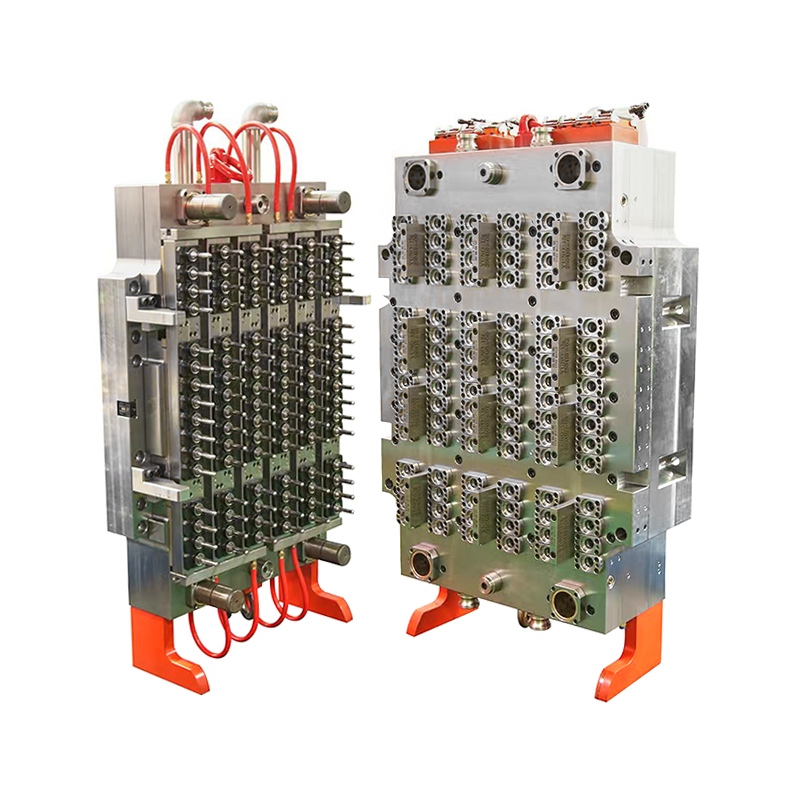
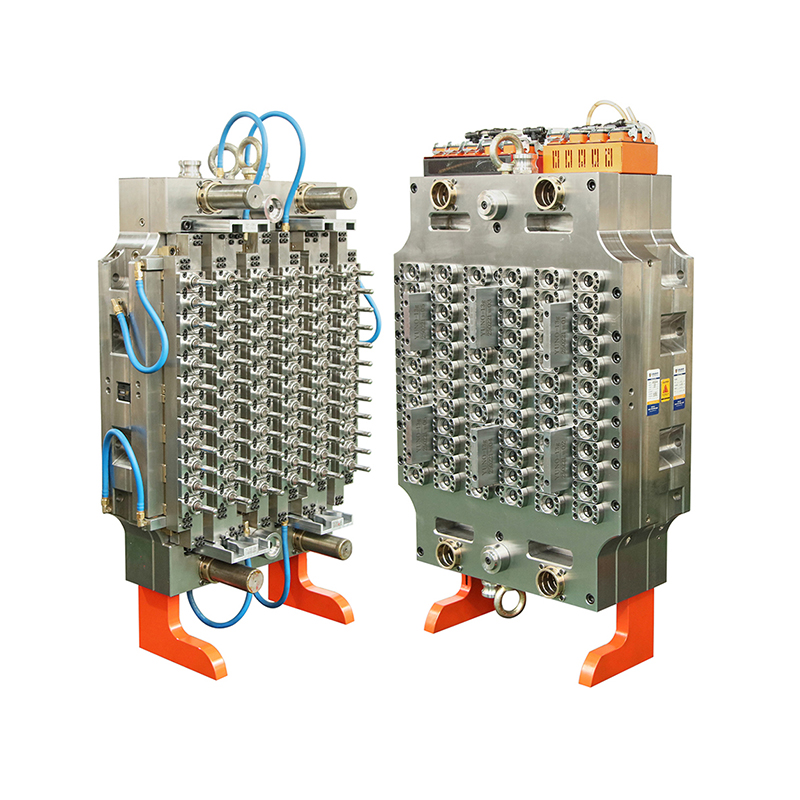
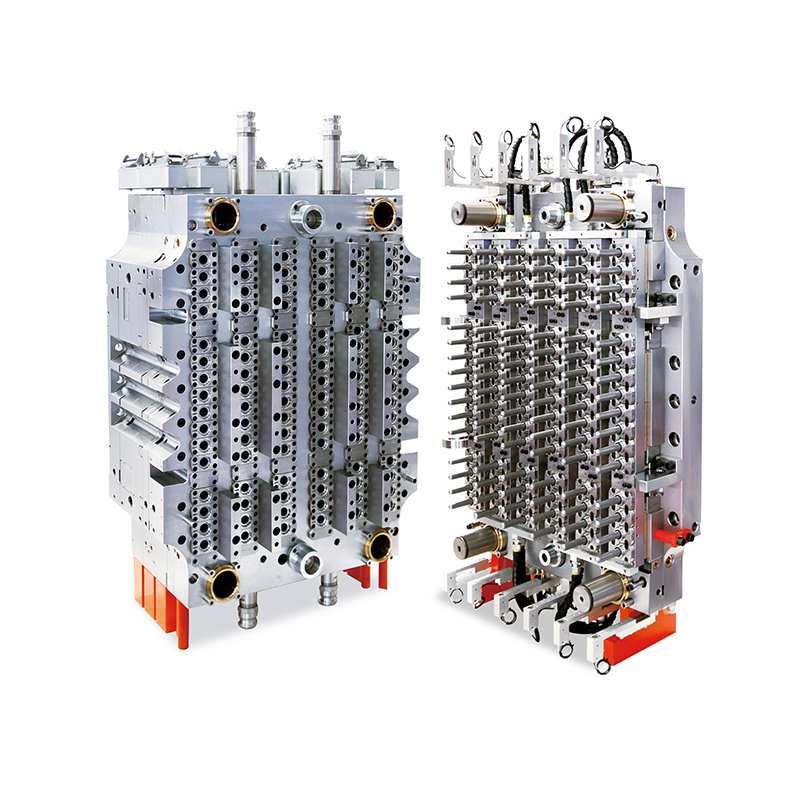
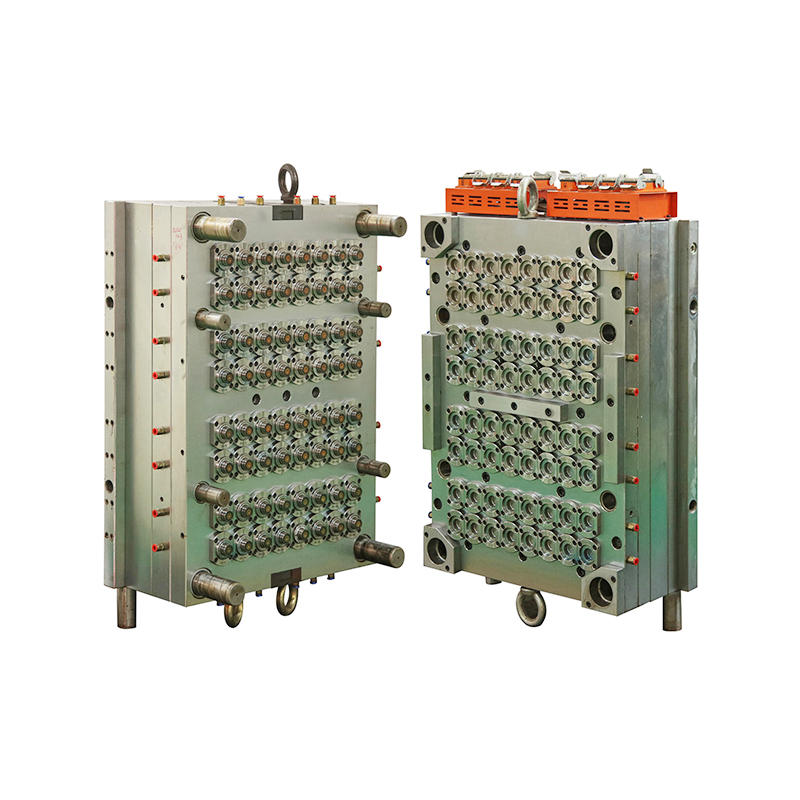
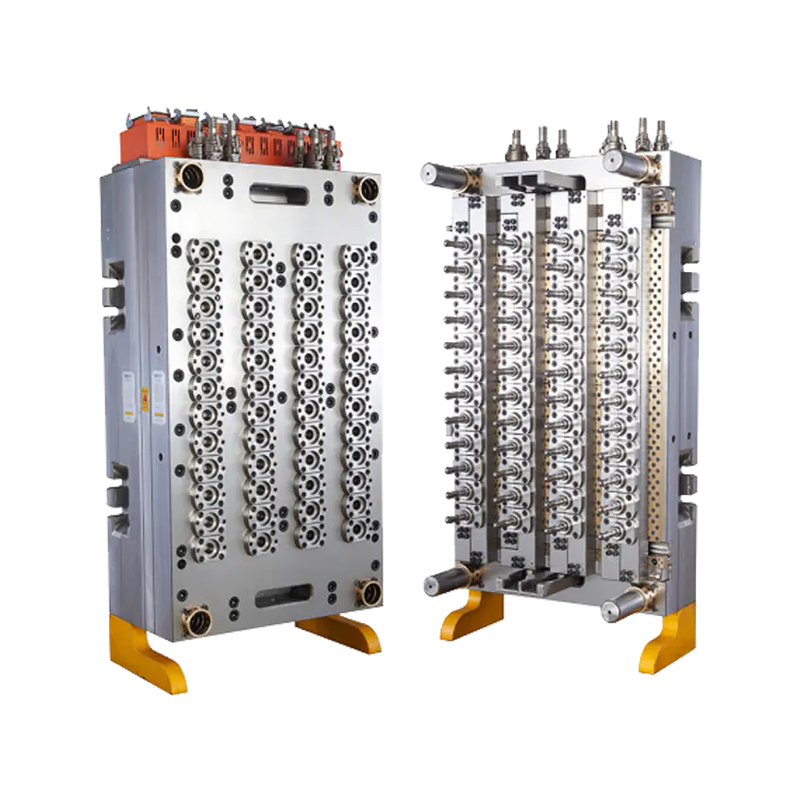
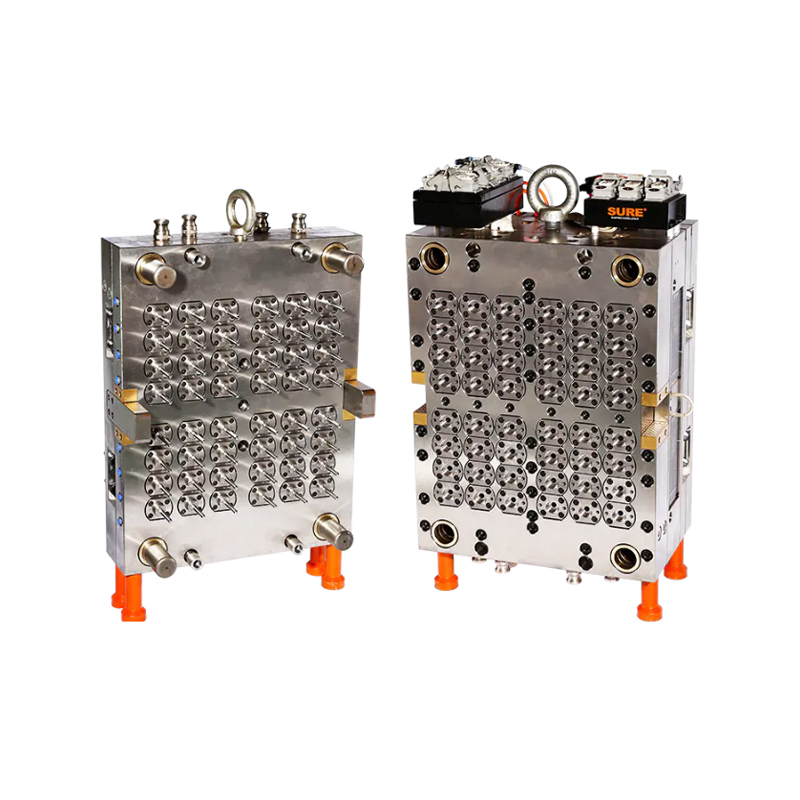
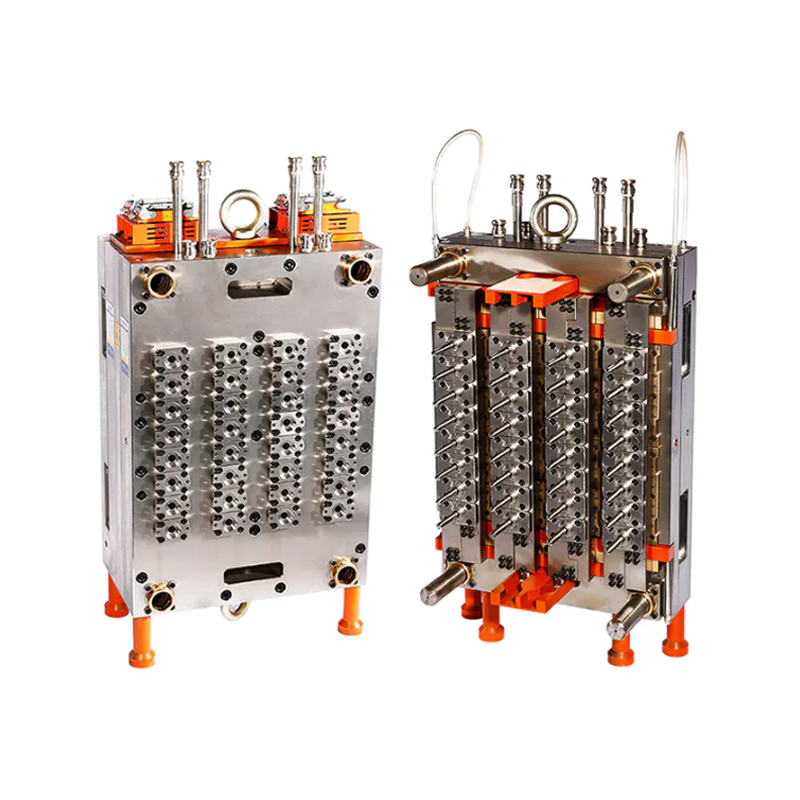
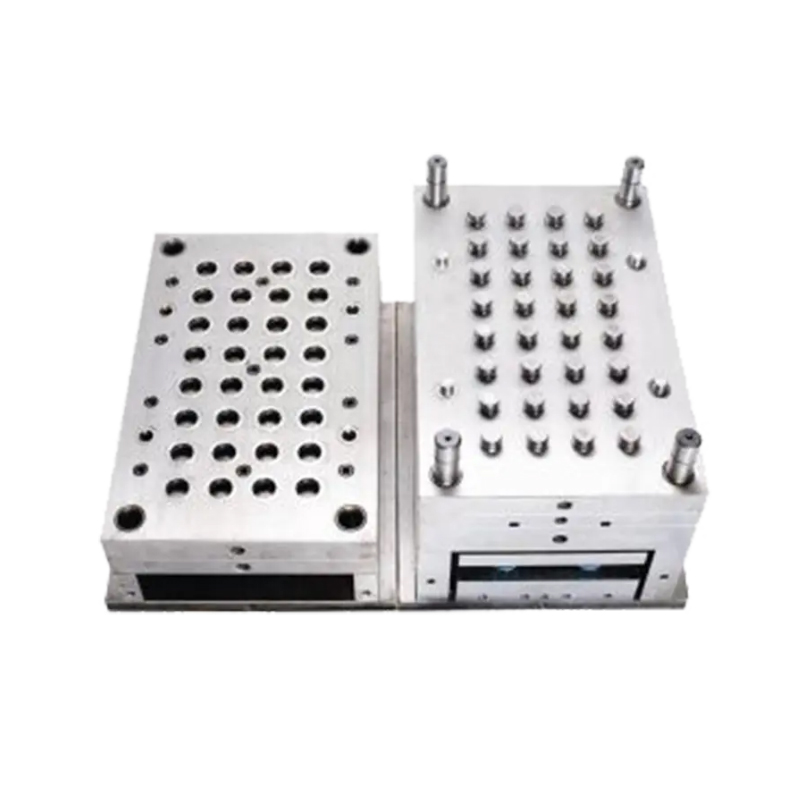
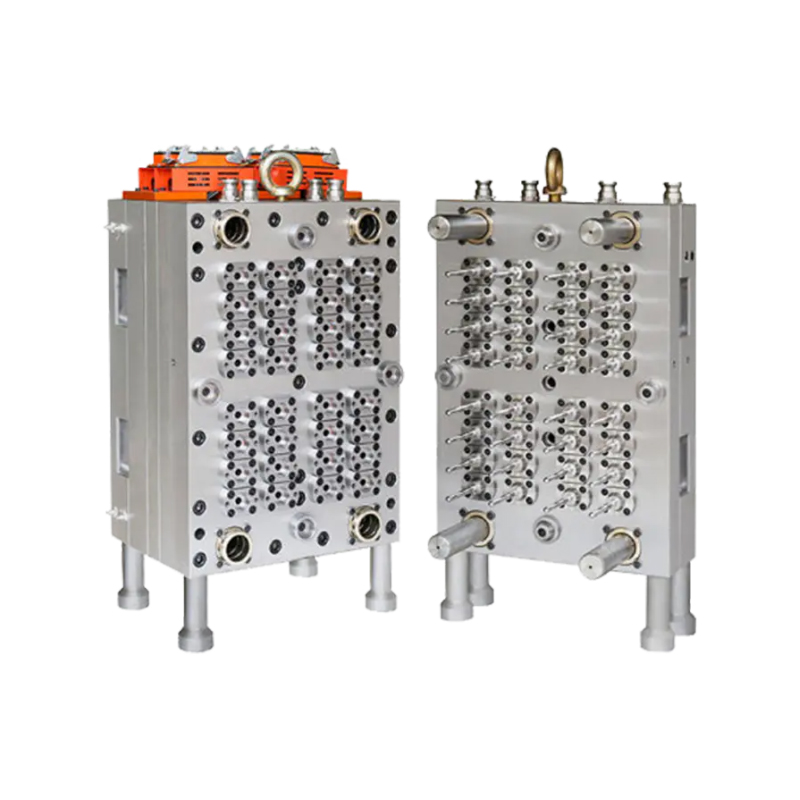
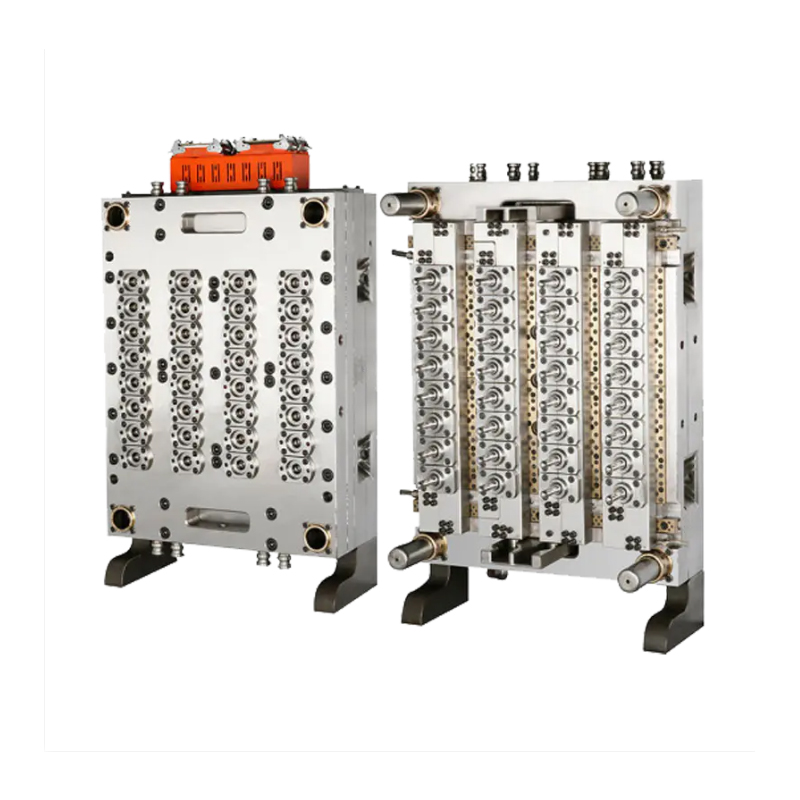
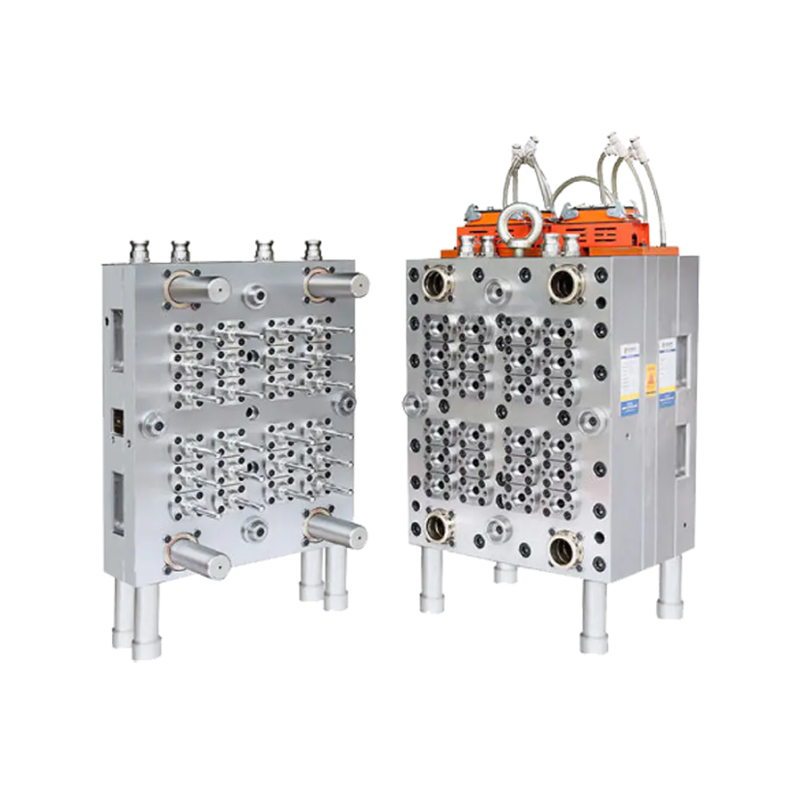
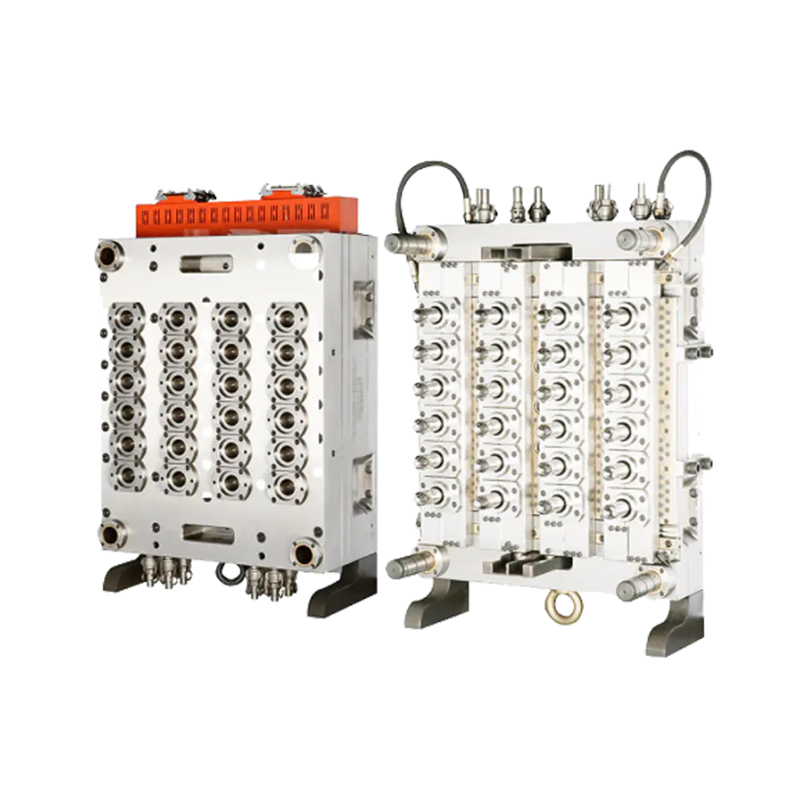
Beverage bottle preform mould marks the starting point in the journey of turning plastic resin into containers for drinks of all kinds. This specialized equipment forms the compact preform that later transforms into the lightweight bottle consumers recognize. The process connects raw materials to finished packaging in a coordinated sequence used across many production facilities.
Resin pellets feed into machines equipped with beverage bottle preform moulds. Heat softens the material before injection fills the mould cavities under pressure. The cooled preform emerges with a solid neck finish and body ready for the next stage of stretching and blowing. This initial forming step sets the foundation for bottle dimensions and performance during filling operations.
Teams arrange moulds in configurations that align with machine capacity. Each cycle delivers multiple preforms that move forward on conveyors toward blowing stations. The steady rhythm keeps the supply matched to downstream filling and labeling areas in the plant.
Beverage bottle preform moulds incorporate channels for temperature control that promote even cooling across the preform. Cavity surfaces feature smooth finishes to release parts cleanly. Thread details in the neck area receive close attention since they determine how well caps will apply later.
Mould sets often include multiple identical cavities working together. This parallel approach increases volume without changing the fundamental process. Adjustments to injection parameters help maintain uniformity when switching between different resin grades or running extended shifts.
Producers of carbonated drinks use beverage bottle preform moulds designed for thicker base sections that support pressure after filling. Water and still beverage lines may work with moulds geared toward lighter preforms that result in thinner final walls. The equipment accommodates changes in neck diameters to fit various closure types common in the sector.
Facilities running multiple product lines keep several mould sets available. Quick change features on some systems reduce the time needed to switch from one configuration to another. This setup allows plants to respond to orders for different bottle volumes throughout the production week.
Larger operations often run high-cavity beverage bottle preform moulds paired with high-speed injection machines. Smaller or regional producers may use lower cavity counts that match their scale. The moulds integrate with robotic arms or conveyor systems that move preforms efficiently between process stages.
Layout planning takes into account the space needed for mould storage and preparation. Many facilities dedicate areas for cleaning and inspecting mould components between runs. These organizational steps support smooth transitions when product types change.
Plastic enters the beverage bottle preform mould through hot runner systems that distribute material evenly to each cavity. Gates at the bottom of the preform allow controlled filling while minimizing visible marks on the final product. Cooling circuits activate immediately after injection to set the shape quickly.
The cycle time depends on factors such as wall thickness and mould temperature. Operators balance these elements to achieve reliable ejection and minimal stress on the equipment. The result is a continuous stream of preforms feeding the rest of the production chain.

No.148 Yongda Road, Jiangkou Street, Huangyan, Taizhou, Zhejiang, China.

yn@tzyuno.com

+86-576-84111565

+86-13575806039


Copyright © Taizhou Huangyan Yuno Mould Co., Ltd.
Plastic Mould Factory