

 英语
英语 法语
法语
Address
No.148 Yongda Road, Jiangkou Street, Huangyan, Taizhou, Zhejiang, China.
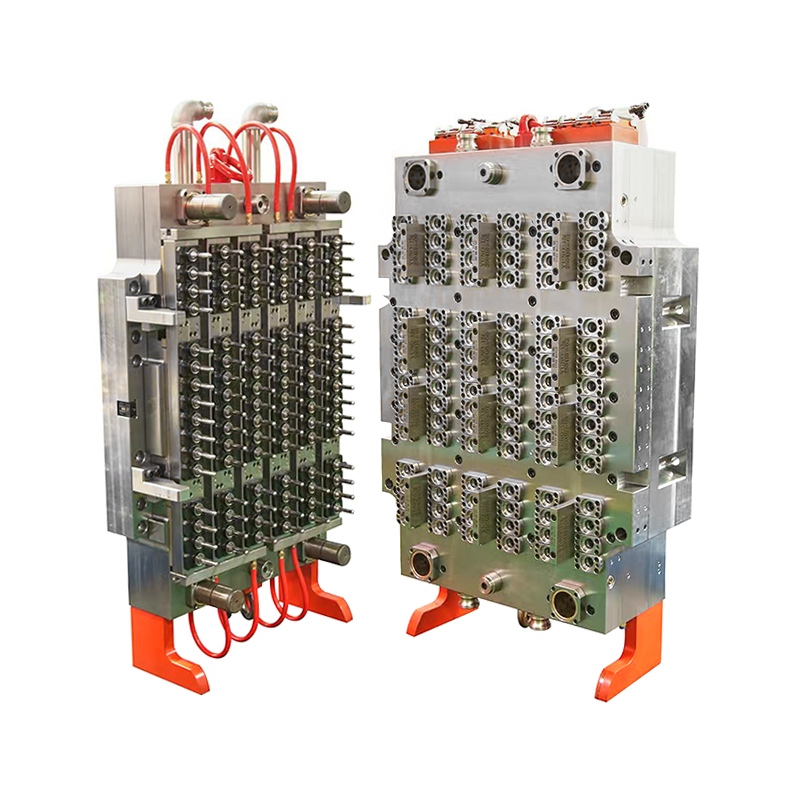
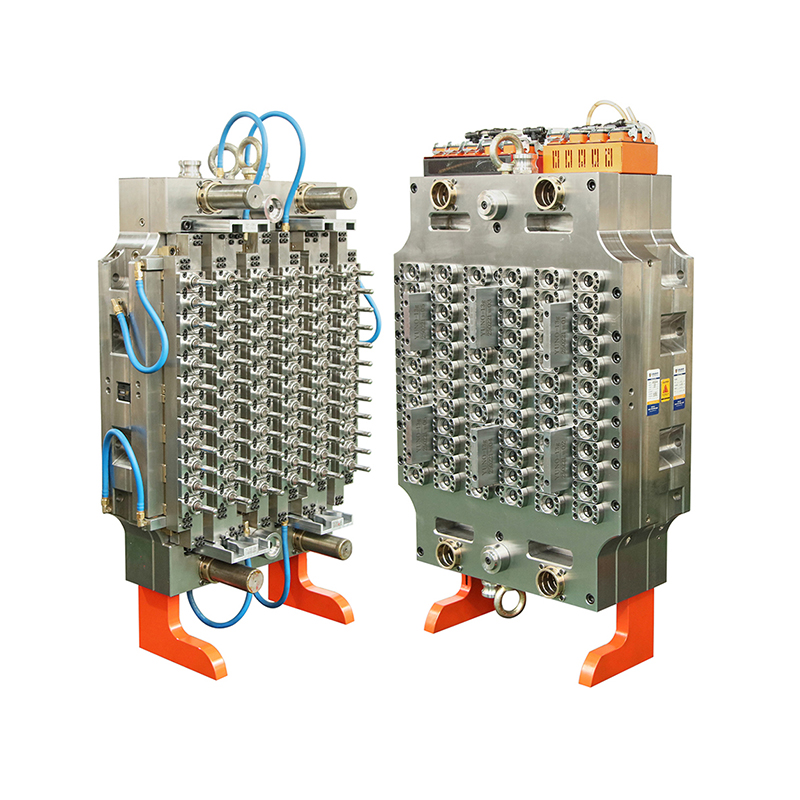
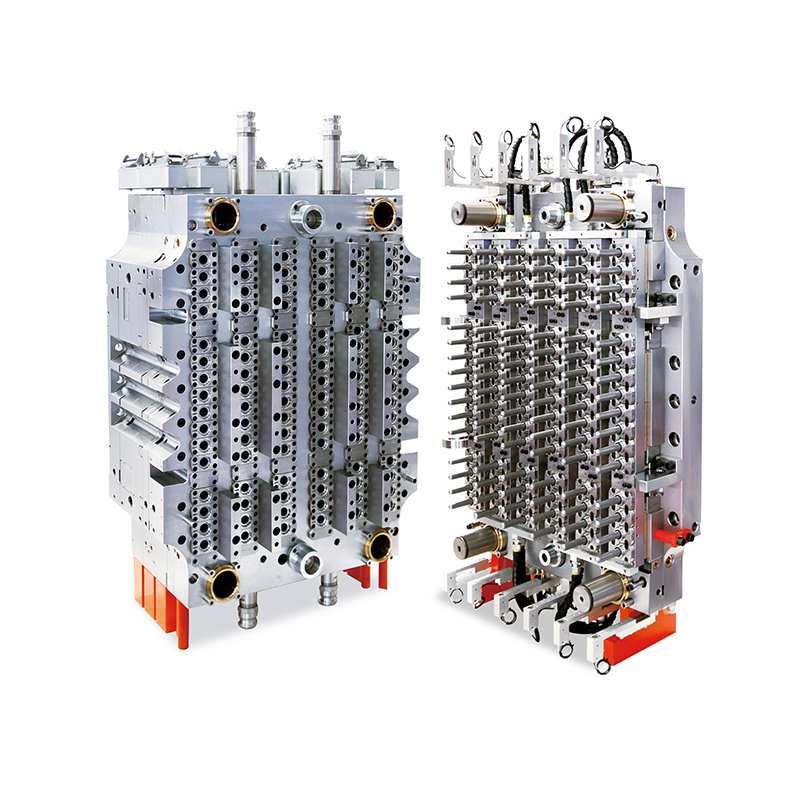
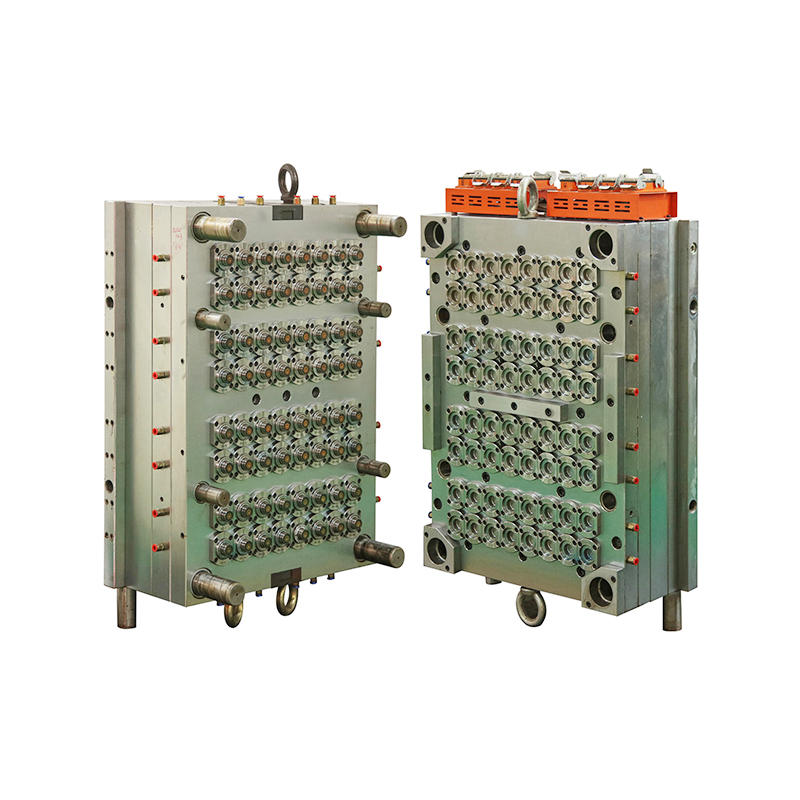
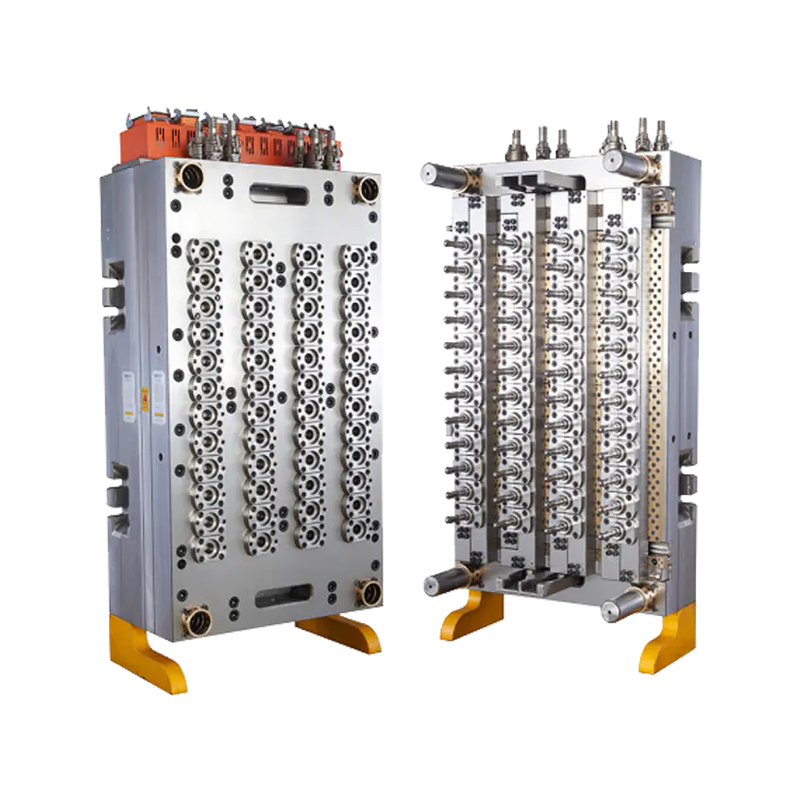
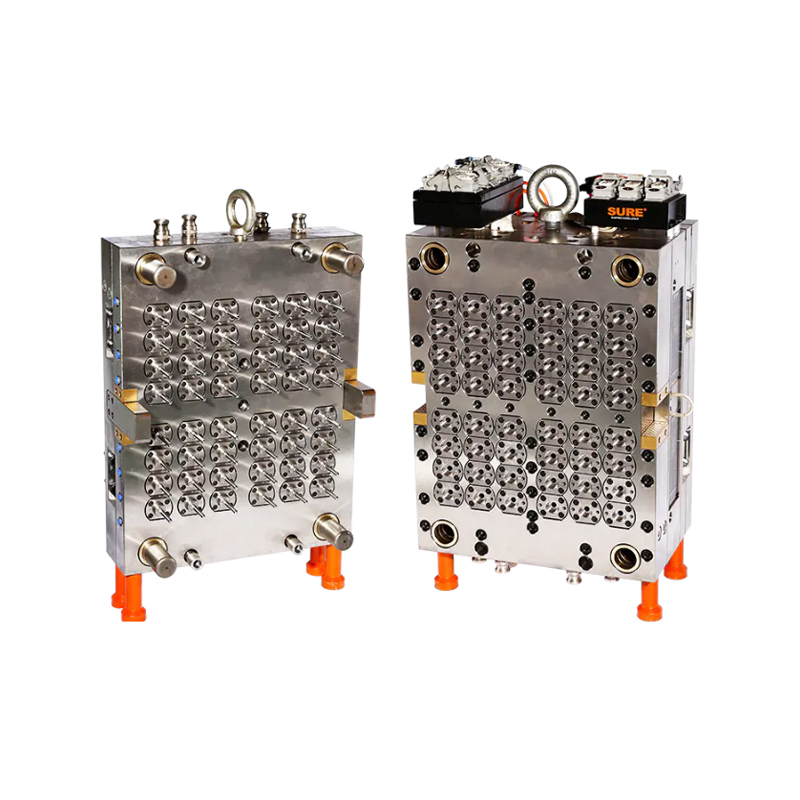
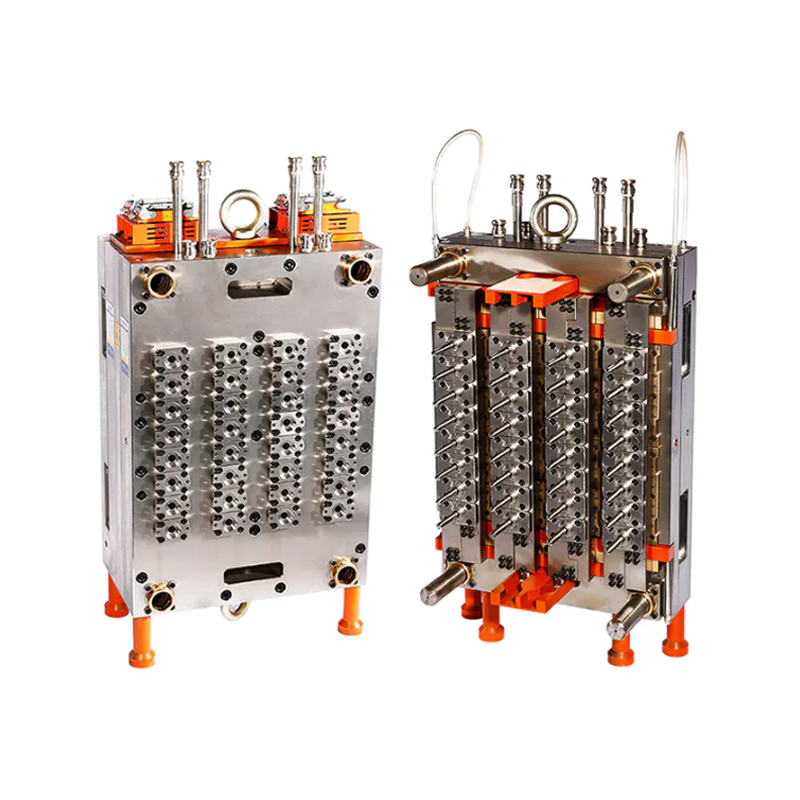
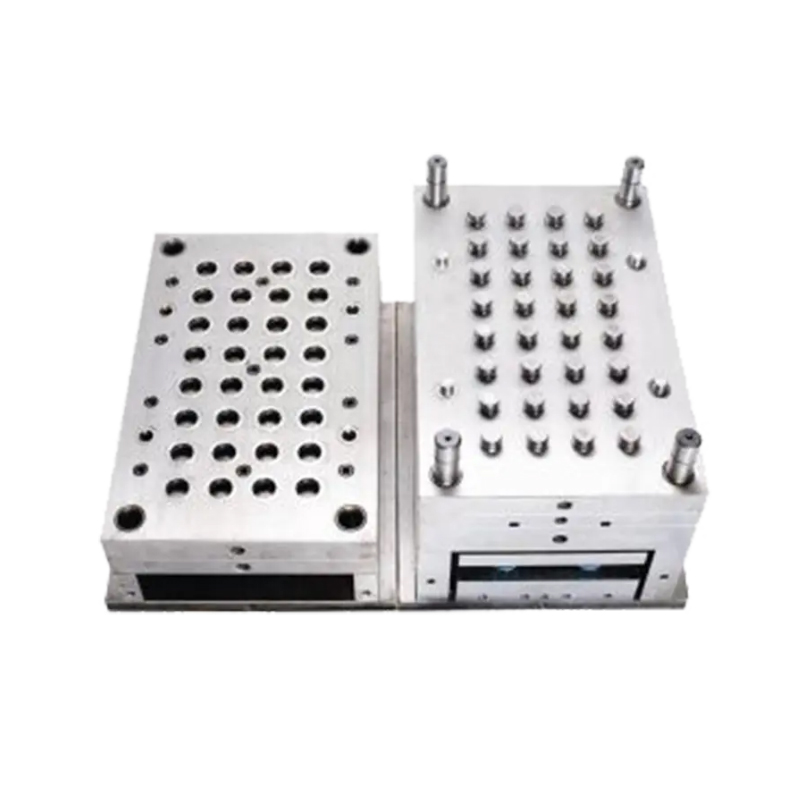
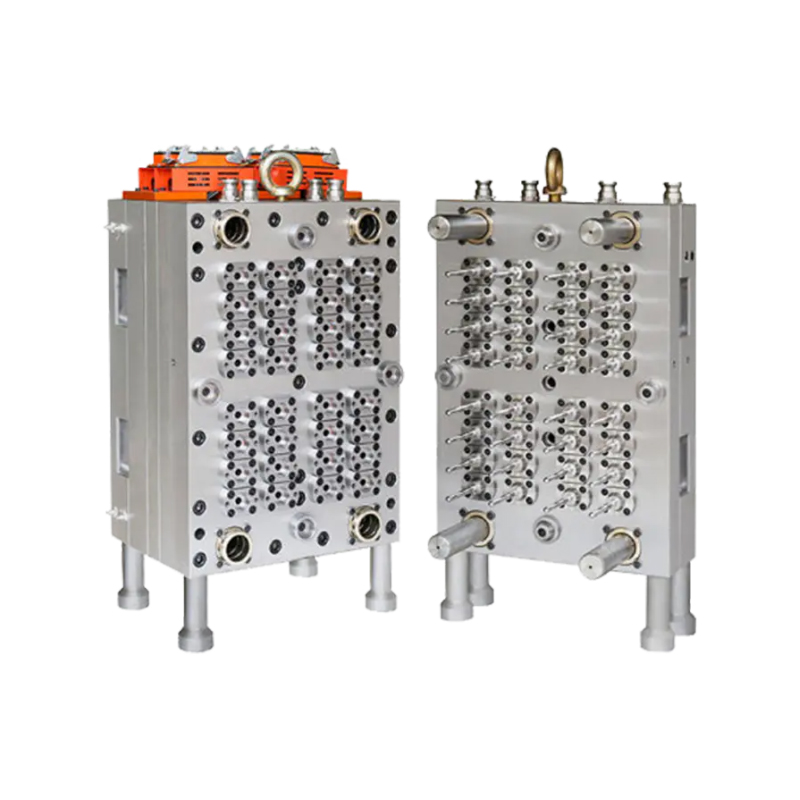
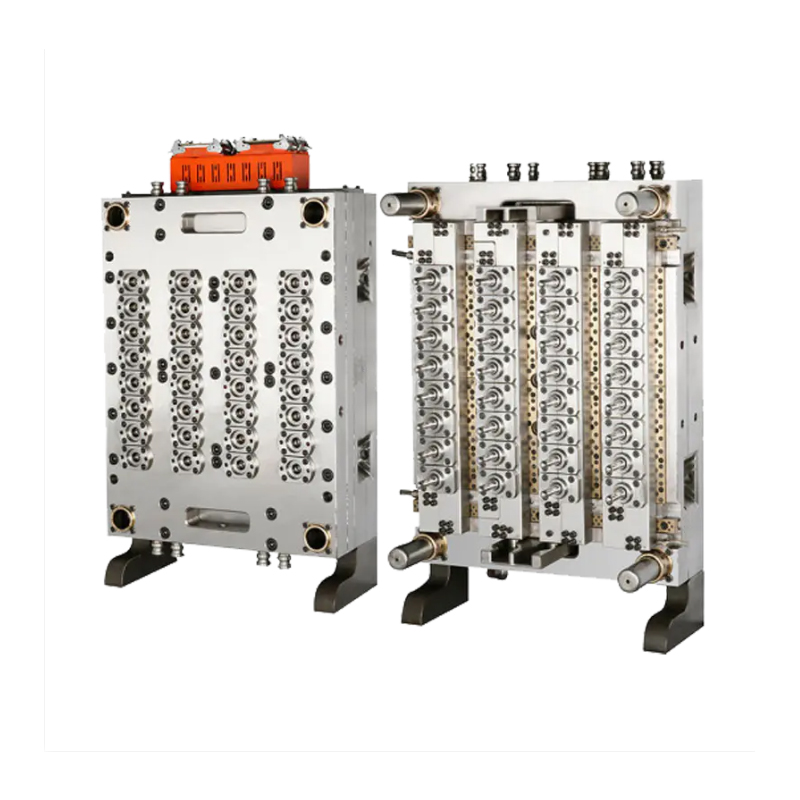
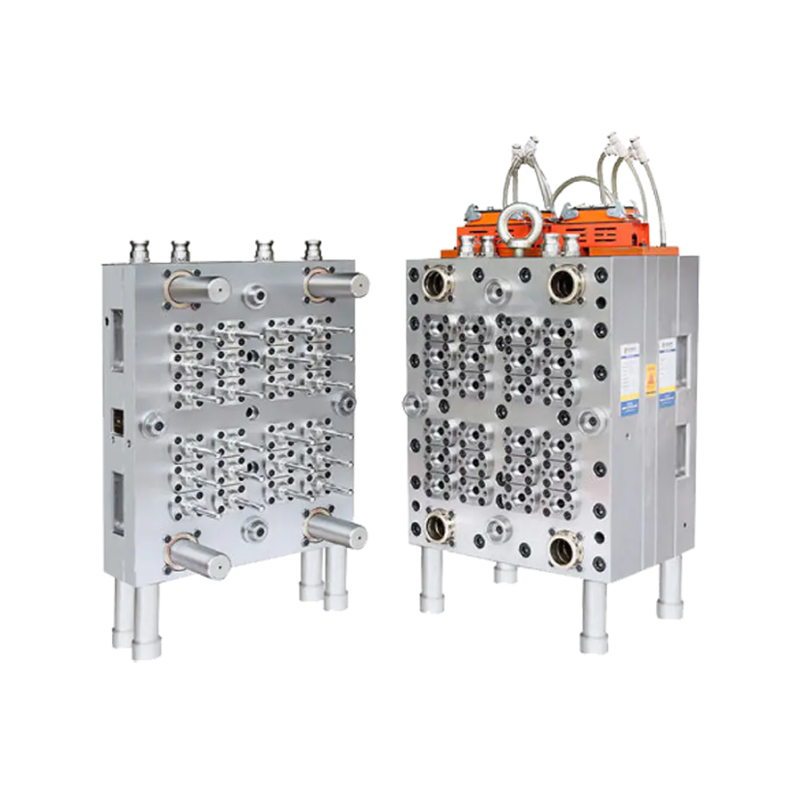
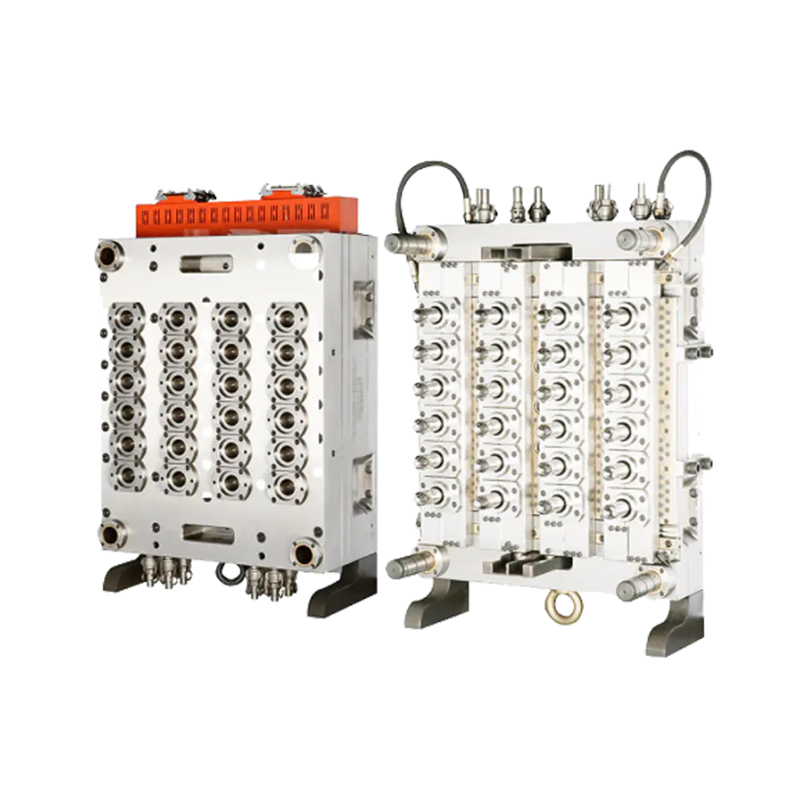
A PET preform mold sits at the starting point of nearly every plastic bottle production line, shaping the small, thick-walled preforms that later get stretched and blown into finished bottles. It's easy to overlook this early stage, but most of what determines a bottle's final look and strength actually traces back to this single component. For buyers sourcing equipment for beverage, personal care, or packaging production, understanding how these molds work helps clarify why mold selection has such a direct impact on downstream bottle quality.
The mold itself consists of a cavity and core system that forms the preform's shape while cooling the molten PET resin quickly enough to maintain dimensional accuracy. Precision matters here, since even small inconsistencies in wall thickness or neck finish can cause problems later in the blow molding stage. A well-constructed mold maintains consistent cooling channels throughout, which helps preforms cool evenly and reduces the chance of warping or stress points that could weaken the finished bottle.
One of the first things buyers evaluate is cavity count, since this directly affects how many preforms a mold can produce per cycle. Molds range from single-cavity setups used for small-scale or specialized runs to multi-cavity configurations designed for higher-volume production. A few factors buyers typically weigh when comparing cavity options include:
Facilities running high-volume beverage lines often lean toward molds with more cavities to keep pace with bottling demand, while smaller operations producing specialty or low-volume products may find fewer cavities more manageable.
Mold construction typically relies on hardened steel, chosen for its ability to withstand repeated high-pressure injection cycles without deforming over time. Buyers often ask about the steel grade used, since this affects how well the mold holds tight tolerances across long production runs. Neck finish accuracy is another point of attention, particularly for buyers working with standardized cap systems, where even minor deviations can cause fitting issues during bottling.
Cooling system design also plays a meaningful role in mold performance. Molds with well-planned cooling channels tend to support faster cycle times, since preforms reach a stable temperature more quickly before ejection. This becomes especially relevant for buyers focused on maximizing throughput without compromising preform consistency.
Buyers sourcing a PET preform mold usually start by clarifying their production targets, including bottle size range, expected output volume, and compatibility with existing machinery. Preform weight tolerance is another common discussion point, since even slight variations can affect material usage and final bottle wall thickness. Facilities producing a variety of bottle sizes may also ask about interchangeable core and cavity inserts, which allow a single mold base to accommodate different preform designs without a full mold replacement.
As demand for PET packaging continues across beverage, cosmetic, and household product sectors, preform mold selection remains a foundational decision for manufacturers aiming to balance production efficiency with consistent, reliable output across their bottling operations.

No.148 Yongda Road, Jiangkou Street, Huangyan, Taizhou, Zhejiang, China.

yn@tzyuno.com

+86-576-84111565

+86-13575806039


Copyright © Taizhou Huangyan Yuno Mould Co., Ltd.
Plastic Mould Factory