

 英语
英语 法语
法语
Address
No.148 Yongda Road, Jiangkou Street, Huangyan, Taizhou, Zhejiang, China.
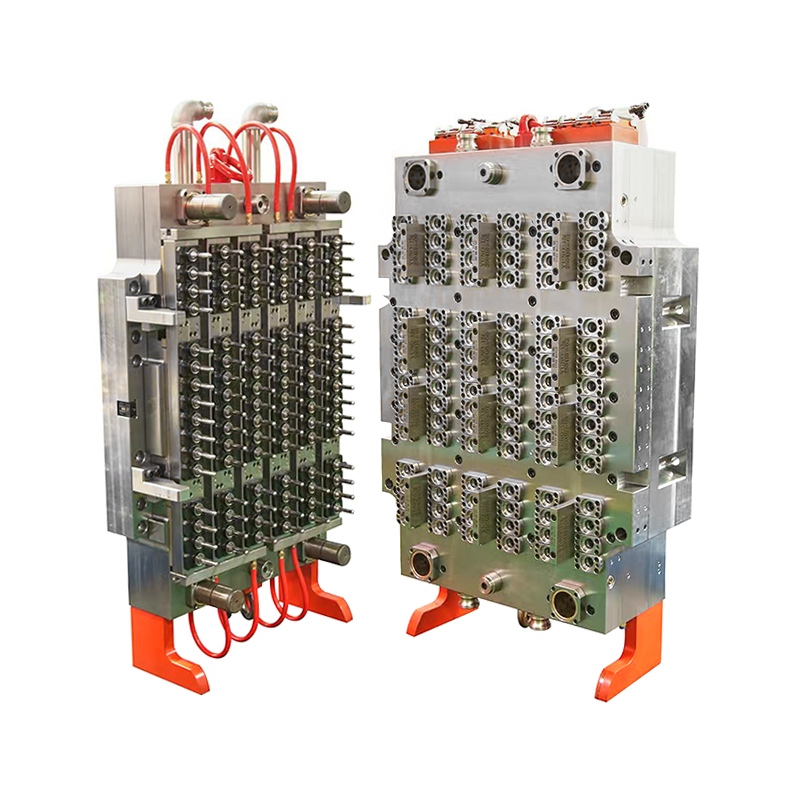
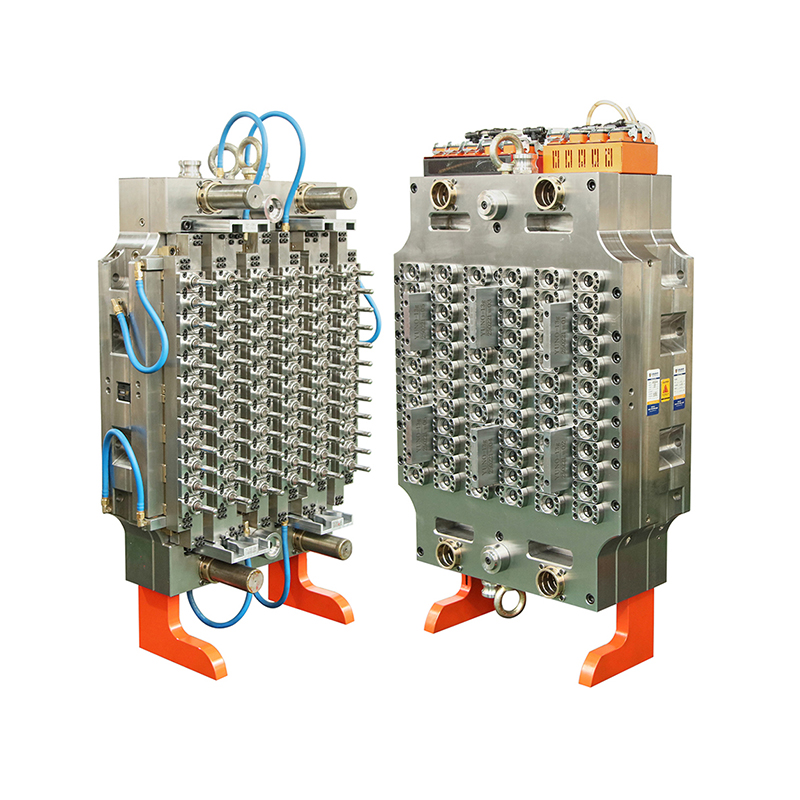
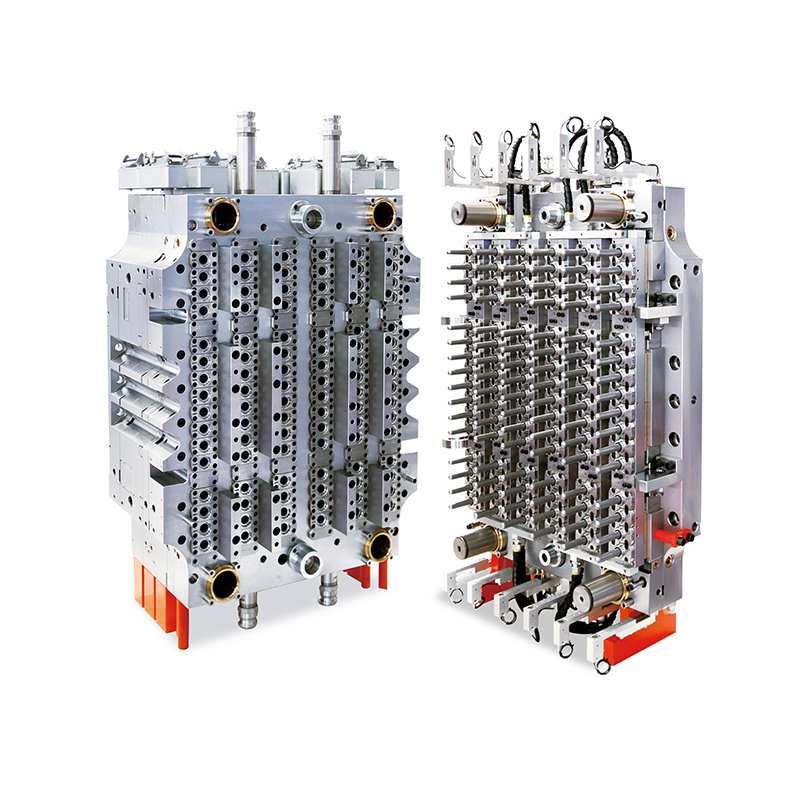
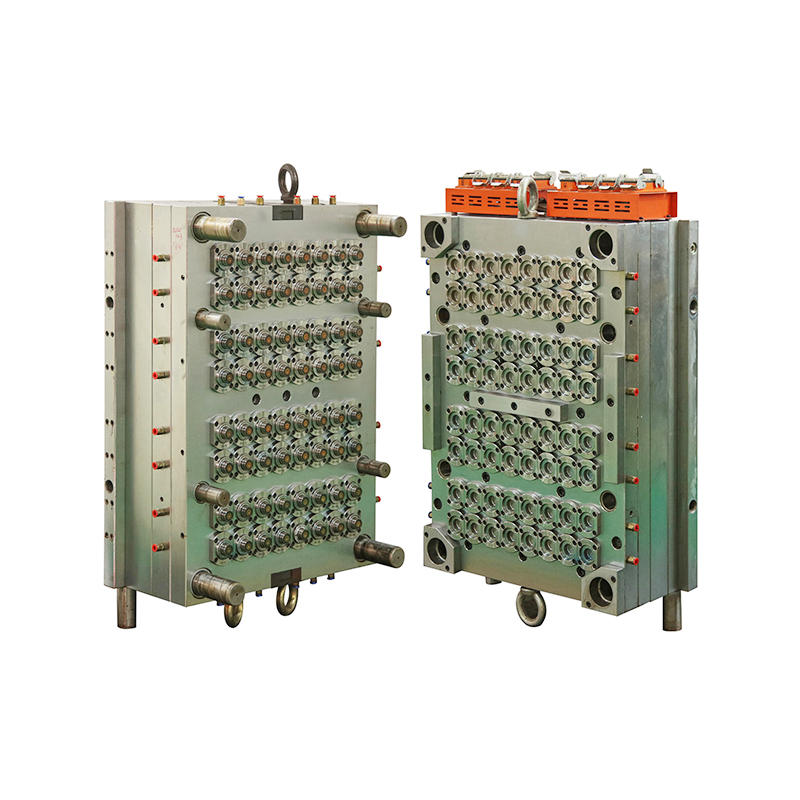
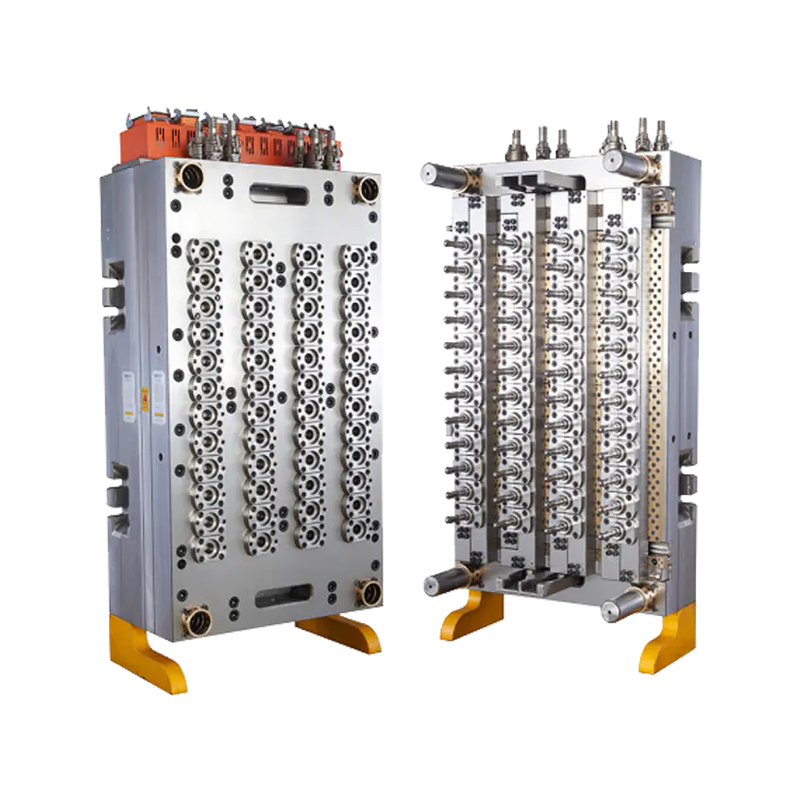
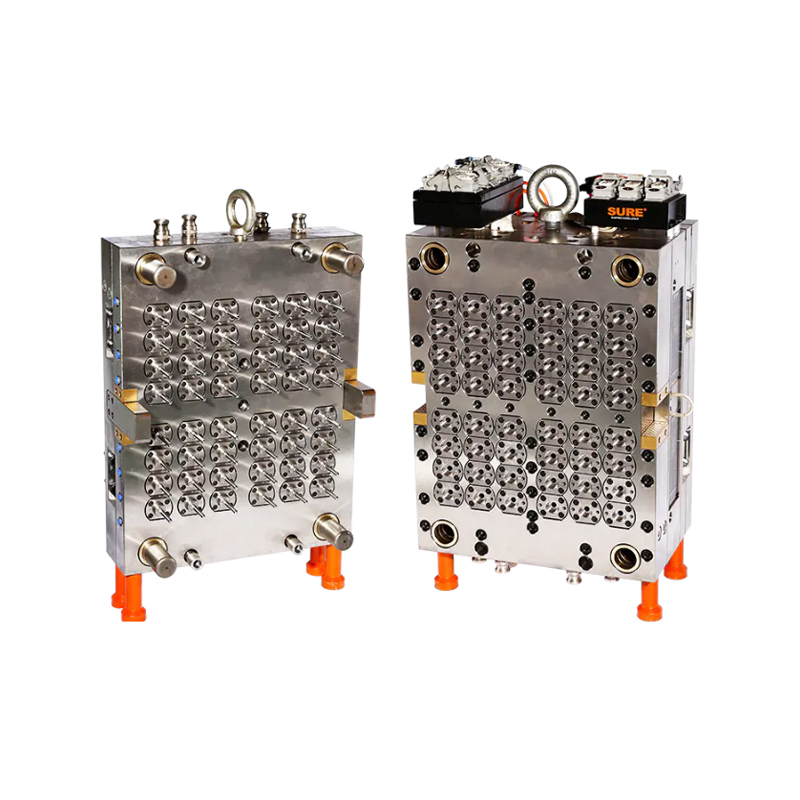
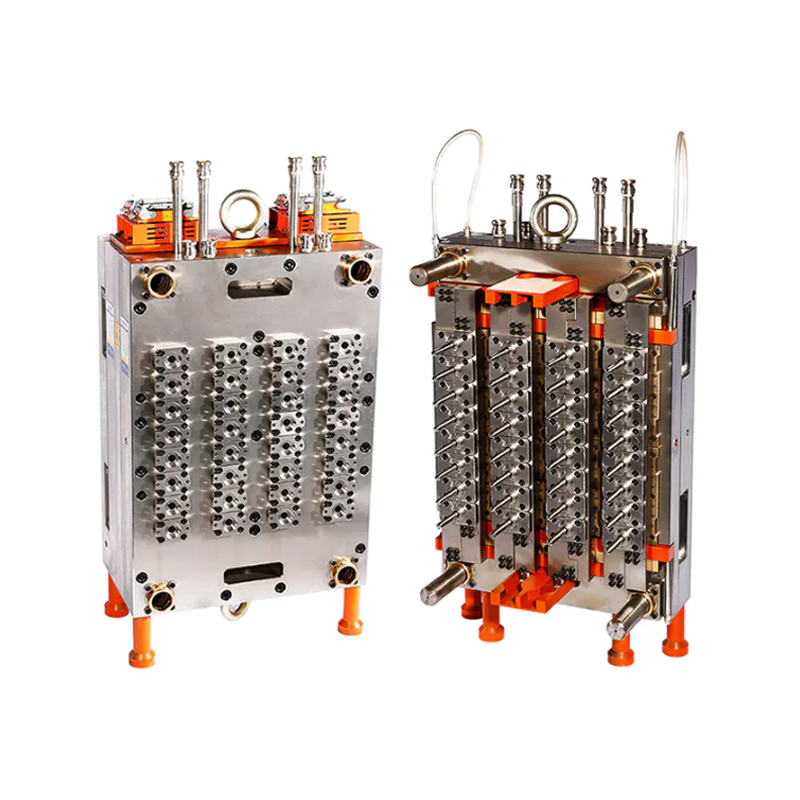
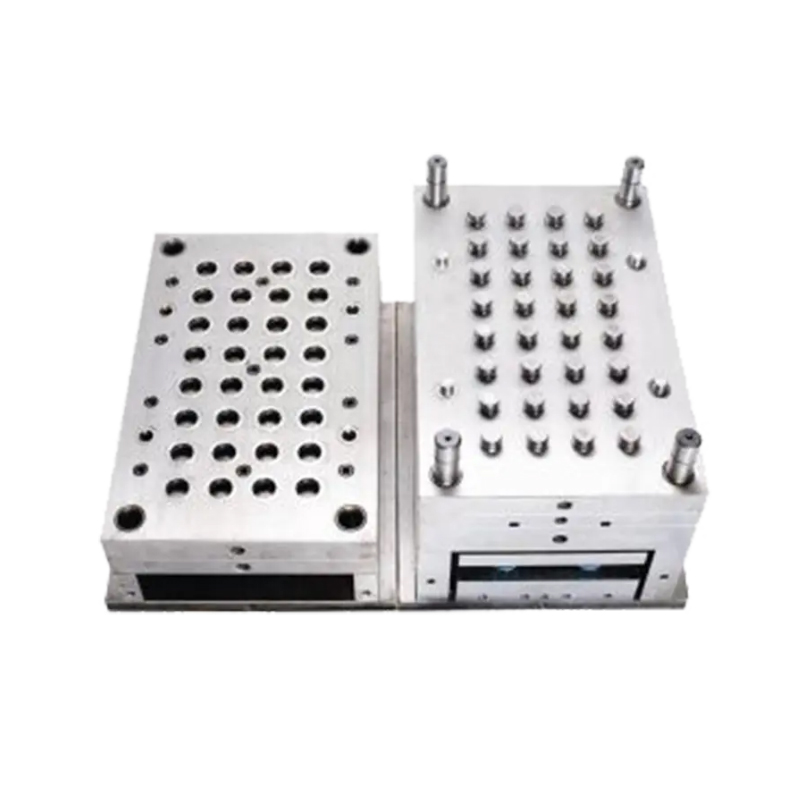
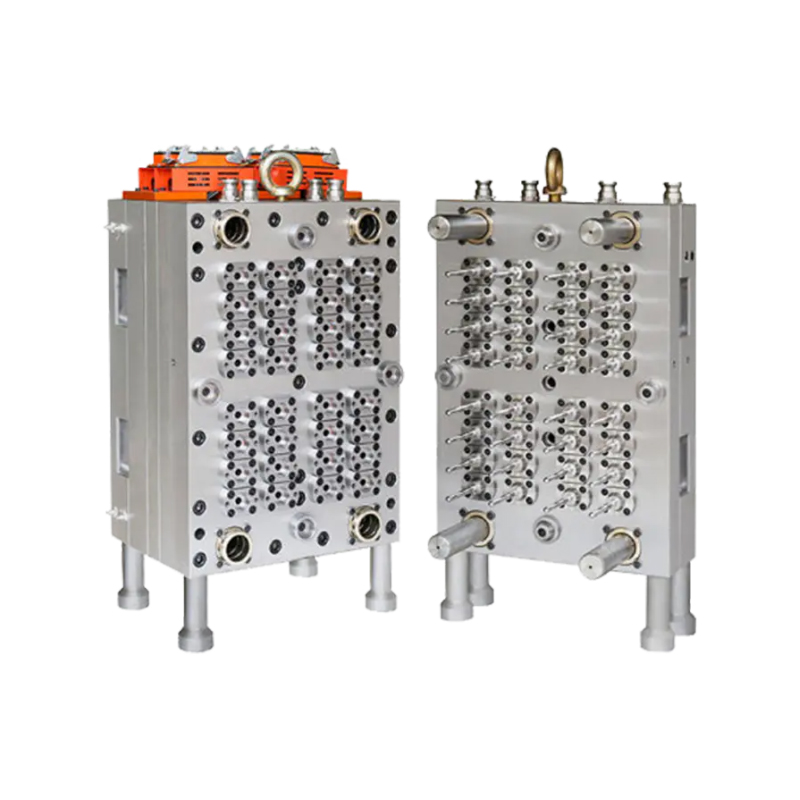
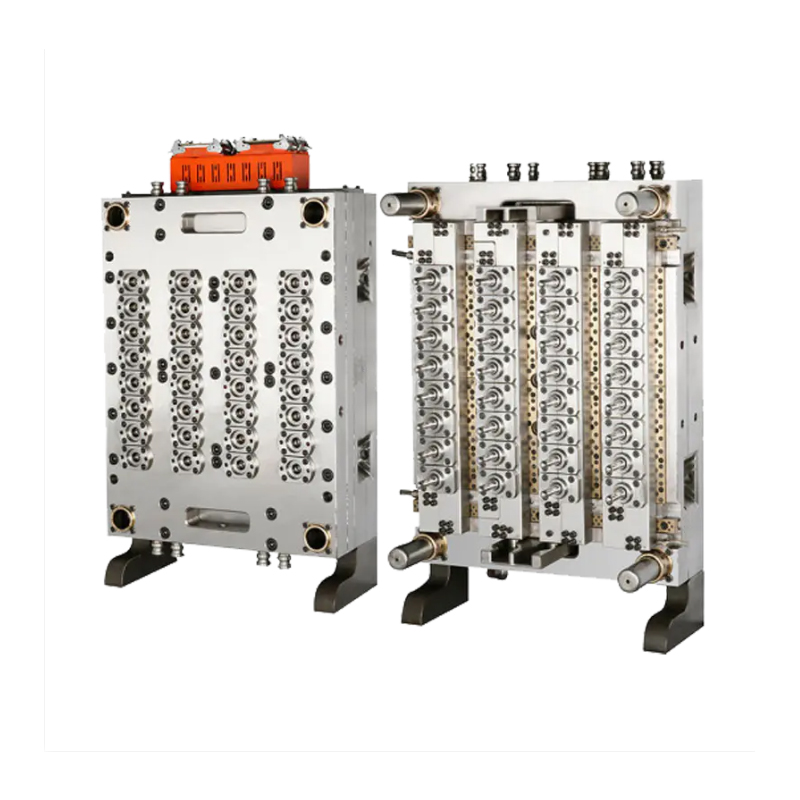
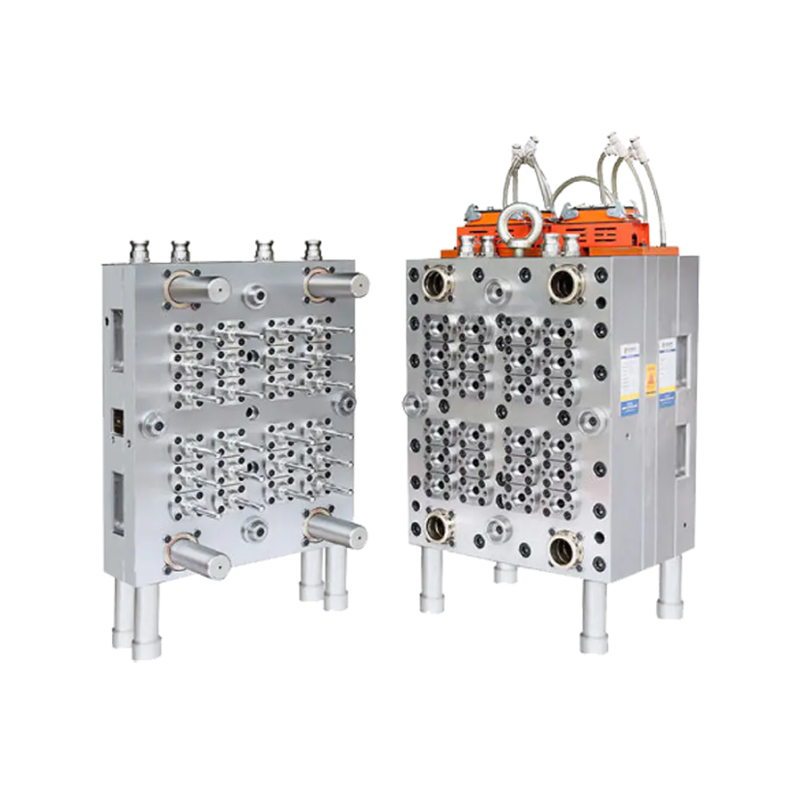
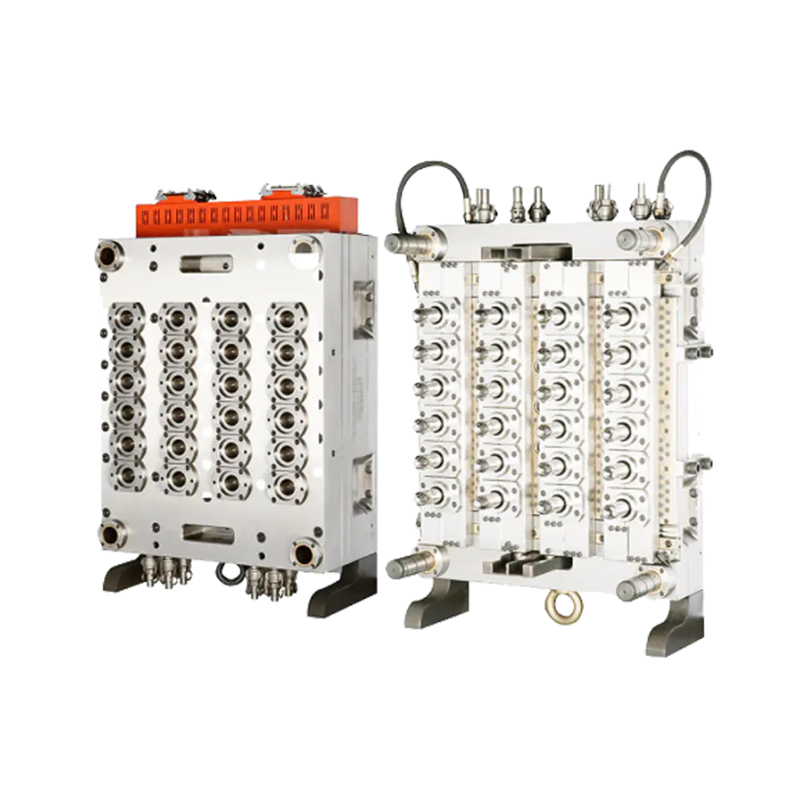
A jar preform mould consists of precision-engineered cavities that shape molten plastic resin into preform structures. These preforms feature a threaded neck finish and a body shape that will later expand into the final jar form. The mould operates under high pressure and temperature conditions typical of PET or similar resin processing, ensuring consistent dimensions across production cycles.
Mould designs account for the specific requirements of jar geometries, including wider mouths and stable bases. Components such as cores, cavities, and hot runner systems work together to deliver uniform material distribution in each preform.
In operation, plastic resin pellets are dried, melted, and injected into the jar preform mould cavities. The material fills the space under controlled pressure, forming the preform shape with accurate neck details and wall thickness. After a cooling phase, the mould opens and ejects the preforms for further processing or storage.
This injection phase creates preforms with even material flow, which is important for the later blowing stage where the preform is reheated and expanded into the jar shape. The process allows for high-volume output suitable for packaging lines.
Jar preform moulds incorporate multiple cavities, ranging from single to higher numbers depending on machine capacity. The design includes cooling channels that regulate temperature during solidification to minimize defects and cycle times. Neck ring inserts allow for flexibility in thread specifications common to jar closures.
Surface finishes on the mould components contribute to smooth preform exteriors, while gate locations are positioned to reduce visible marks and support material flow. Mould bases provide structural support during the clamping and injection phases.
Preforms from the jar preform mould are transformed into jars for a variety of contents. In food packaging, they support containers for jams, sauces, honey, and spices. Cosmetic applications include jars for creams, lotions, and powders, where the wide opening facilitates easy access and filling.
Pharmaceutical and supplement sectors use these jars for tablets, capsules, and ointments. Household products such as adhesives, paints, or cleaning compounds also utilize jars produced through this preform route. The resulting containers offer clarity, impact resistance, and compatibility with different closure types.
The jar preform mould handles resins like PET that provide good clarity and barrier properties in the final jar. Mould engineering focuses on wall thickness distribution to ensure even stretching during blowing, resulting in jars with appropriate strength and appearance. Parameters such as injection pressure, temperature profiles, and cooling duration are adjusted for resin behavior.
Hot runner systems in the mould help maintain material temperature and reduce waste by delivering melt directly to the cavities. Ejection mechanisms ensure clean release of preforms without deformation.
Different jar preform mould designs accommodate various jar sizes and shapes. Some target smaller cosmetic jars, while others address larger capacities for food or industrial use. Neck finishes vary to match standard screw caps, snap lids, or tamper-evident closures.
Mould makers provide options for lightweight preforms or those with enhanced structural features depending on end-use requirements. Compatibility with standard injection molding machines allows integration into existing production setups.
PET and similar materials processed through jar preform moulds exhibit favorable flow characteristics and thermal stability. Resin drying is a standard step to maintain quality and prevent processing issues. Colorants or additives can be introduced during injection to produce tinted or specialized preforms for branding or functional needs.
The mould design accommodates these material properties to achieve consistent results across batches.

No.148 Yongda Road, Jiangkou Street, Huangyan, Taizhou, Zhejiang, China.

yn@tzyuno.com

+86-576-84111565

+86-13575806039


Copyright © Taizhou Huangyan Yuno Mould Co., Ltd.
Plastic Mould Factory