

 英语
英语 法语
法语
Address
No.148 Yongda Road, Jiangkou Street, Huangyan, Taizhou, Zhejiang, China.
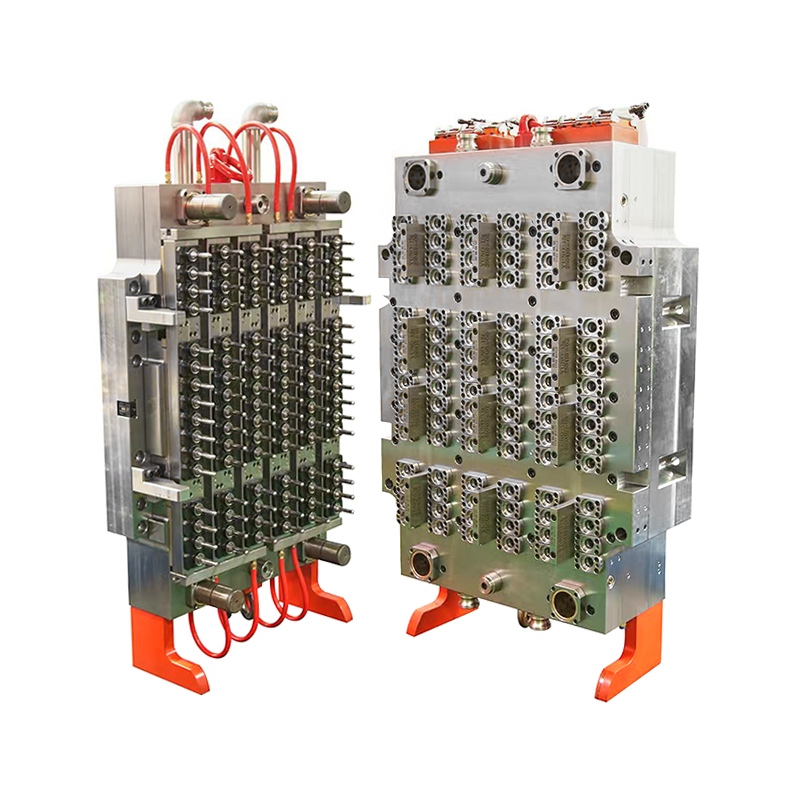
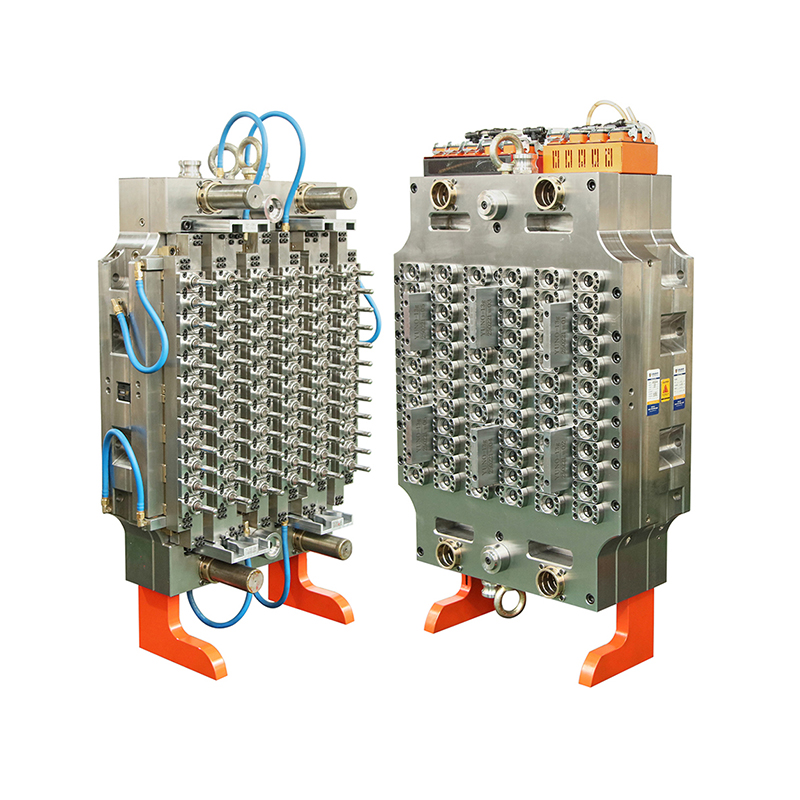
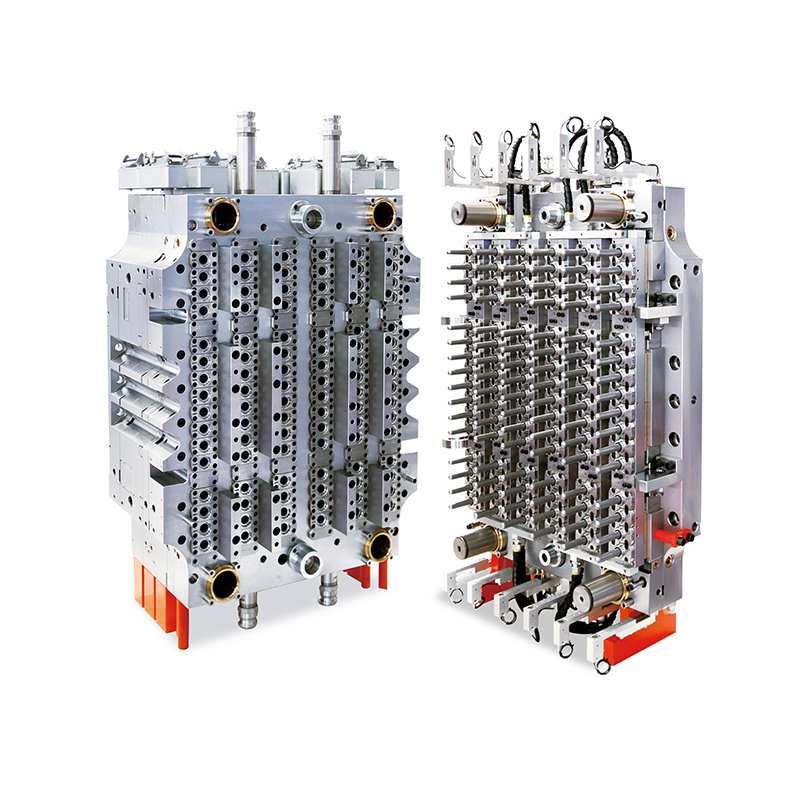
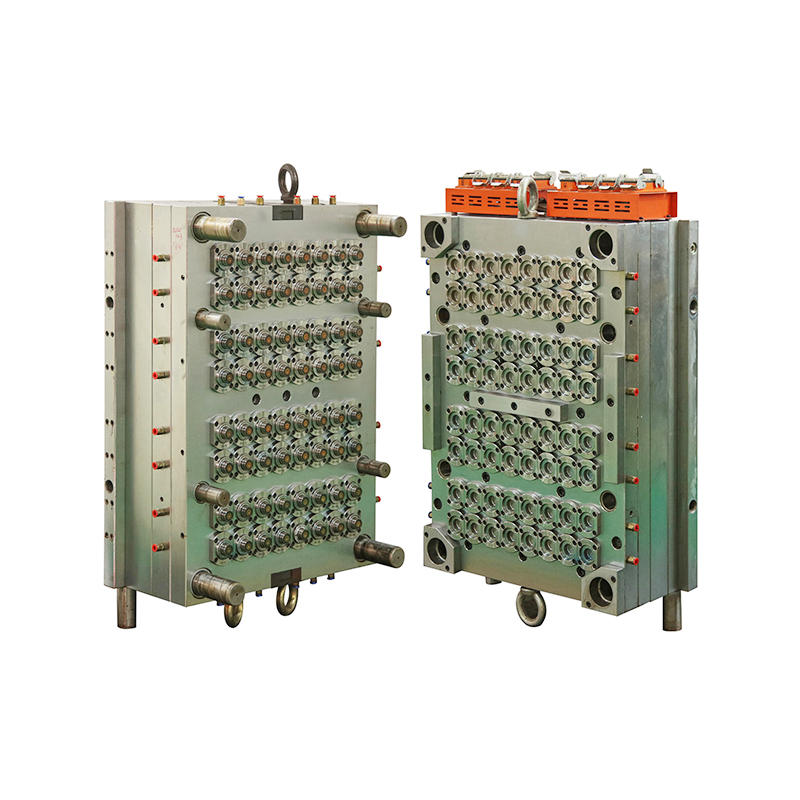
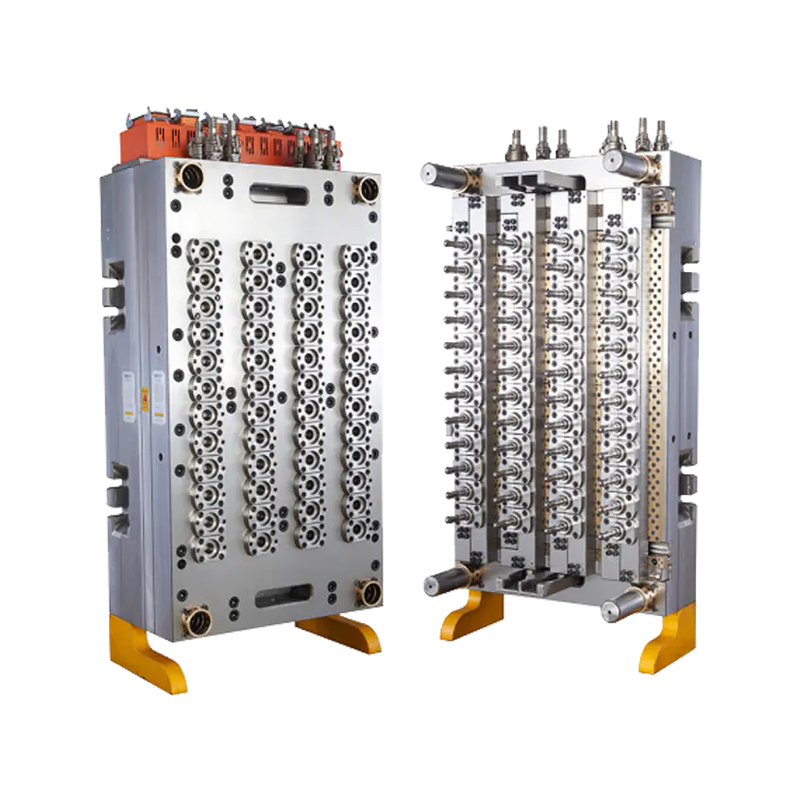
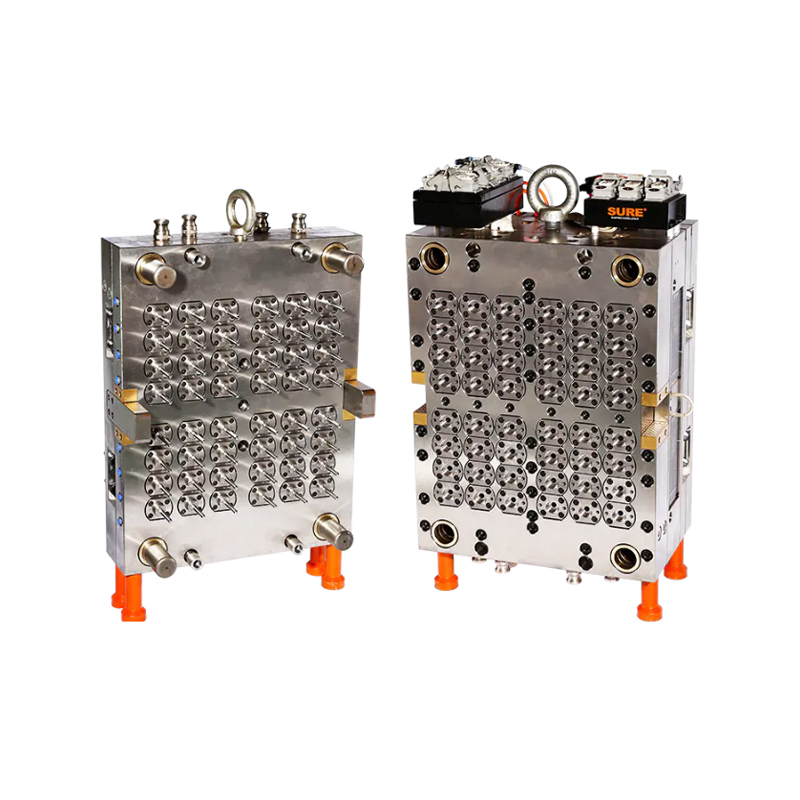
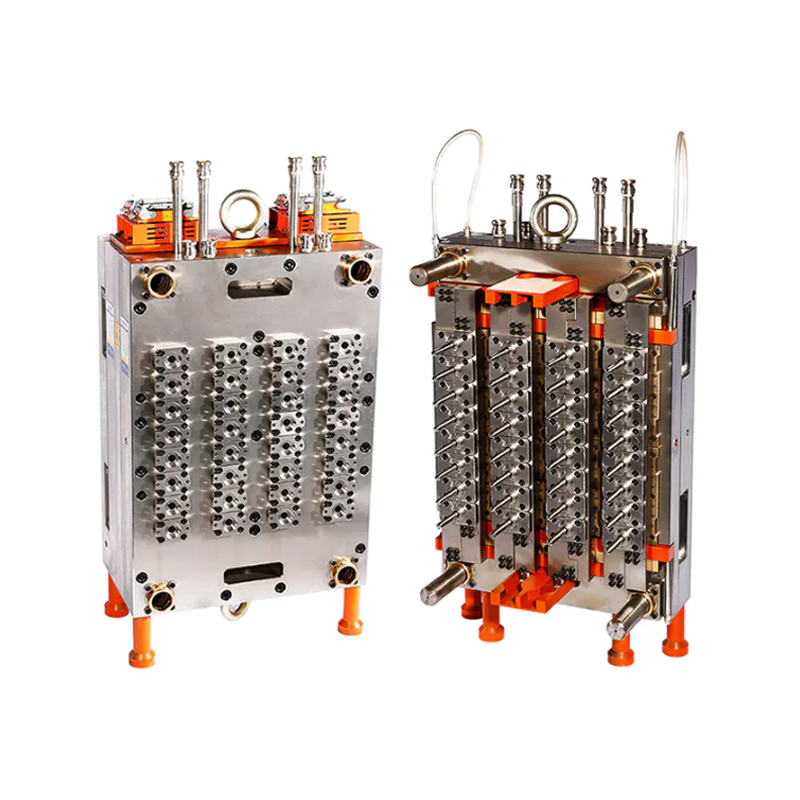
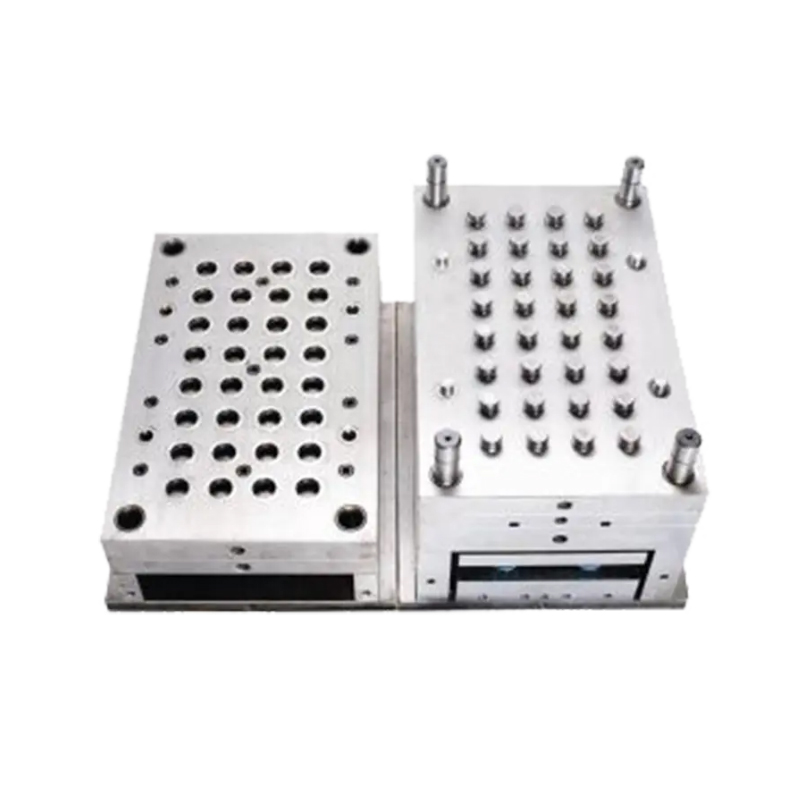
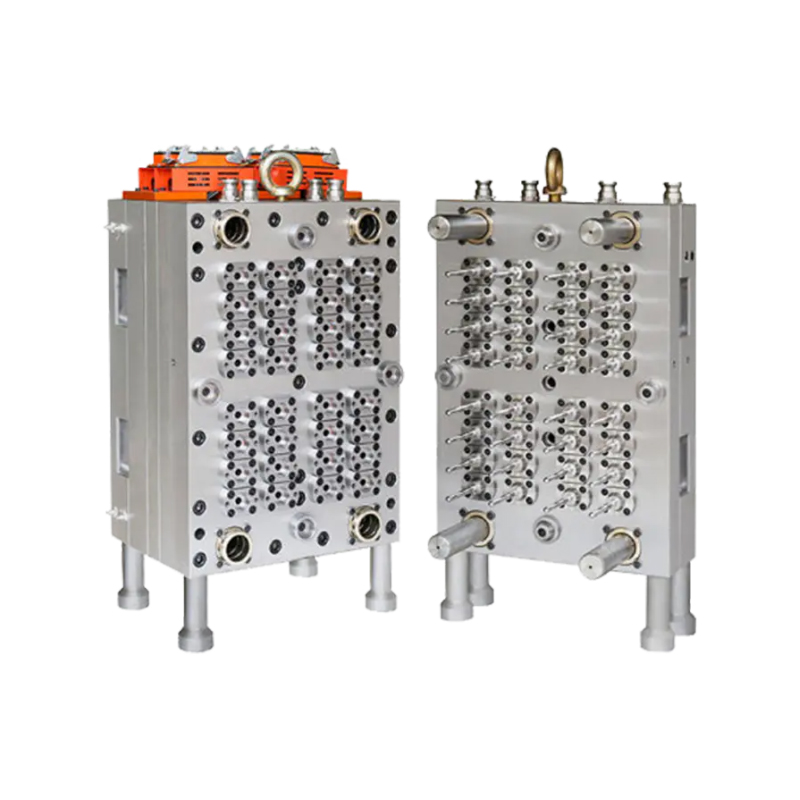
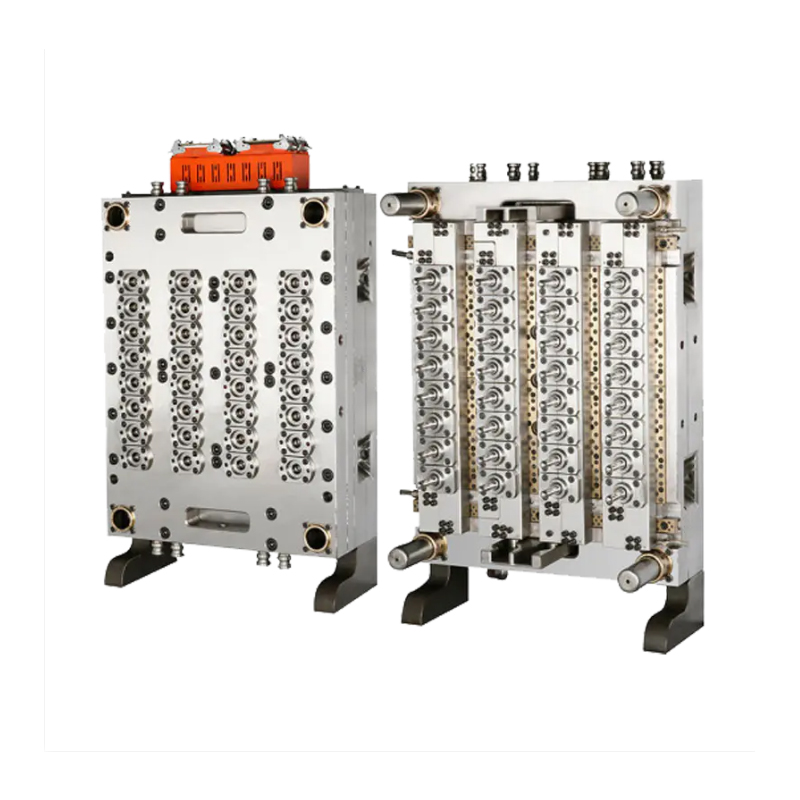
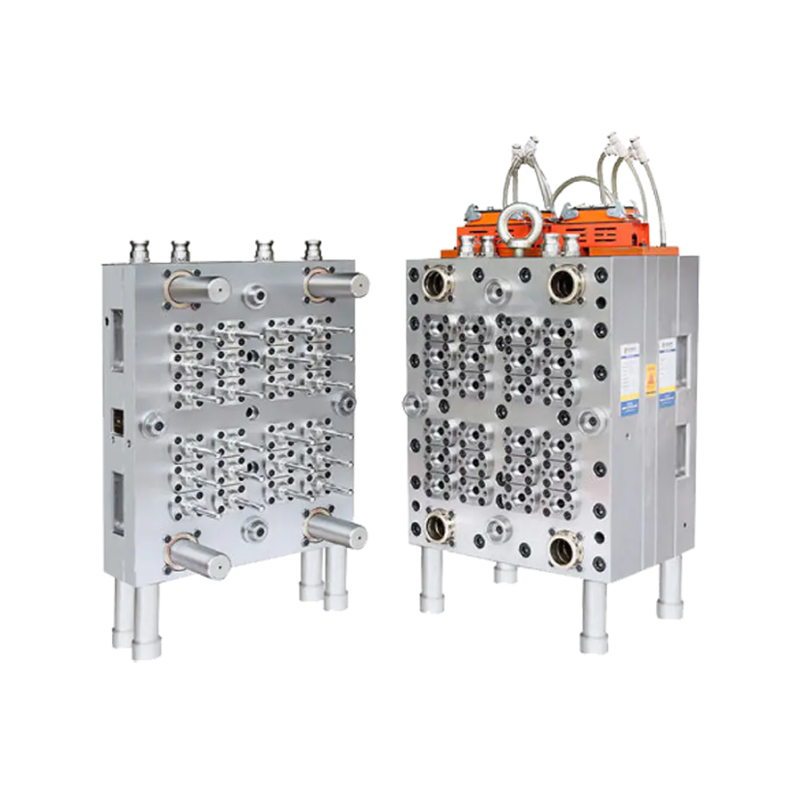
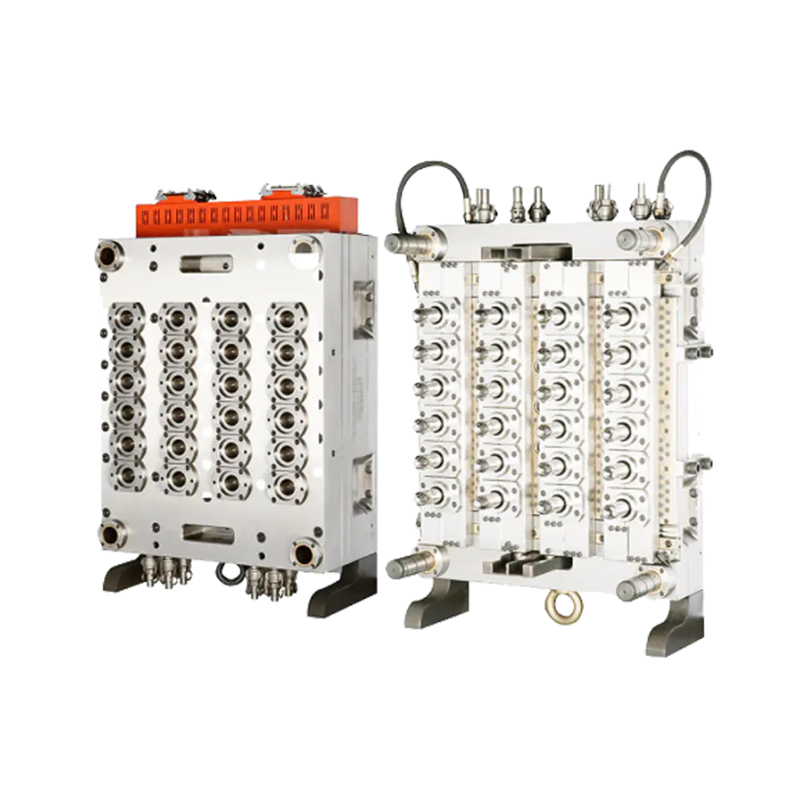
Medical molds are the tooling behind nearly every plastic component used in healthcare — syringes, IV connectors, surgical handles, diagnostic housings, implantable parts. The mold itself never appears in a clinical setting, but it sits at the origin point of every part it produces. Decisions made during mold design and manufacture propagate forward into every production run that tool ever completes, which is why the standards applied to medical mold manufacturing sit considerably higher than those for general industrial tooling.
Tolerance requirements are where the difference shows up most concretely. Medical components regularly carry dimensional specifications in microns, not millimeters, because the assemblies they go into have functional — sometimes patient-critical — requirements tied to fit and performance. A syringe barrel running slightly oversized produces inconsistent plunger resistance across a batch. A connector housing with a marginally undersized locking feature may release under conditions where it shouldn't. Neither of those is a cosmetic problem. Both trace directly to cavity dimensions in the mold.
Steel selection reflects the production volumes and resin types the mold will encounter:
Cavity surface finish has a direct relationship with part quality in medical applications. Smooth, non-porous surfaces resist microbial adhesion and hold up through repeated sterilization cycles — both relevant requirements for components going into clinical use. Getting there requires sequential polishing through progressively finer abrasive grades, finishing with diamond paste on critical surfaces. The target roughness is specified in Ra values on the mold drawing and verified before the tool goes into production.
Cleanroom compatibility shapes mold design in ways that don't always appear in standard tooling specifications. Molds running inside cleanroom injection facilities need to keep particulate generation low during operation. That requirement influences material choices for moving components, surface treatment on external mold faces, and ejection system design — specifically avoiding configurations that generate wear debris near the cavity.
Gate placement and runner system design carry more weight in medical tooling than in general-purpose molds. Hot runner systems remove the material waste that cold runners introduce, which matters when resin is expensive or when batch traceability is a production requirement. Where the gate lands affects weld line location, fiber orientation in filled materials, and residual stress distribution in the finished part. For components going through sterilization — which applies both thermal and chemical stress — managing residual stress isn't a theoretical concern. It shows up as dimensional shift or cracking in parts that looked fine coming off the press.
Qualification before a medical mold enters production follows a structured sequence — installation qualification, operational qualification, performance qualification — and each stage produces documentation that becomes part of the manufacturing record for every component the tool produces afterward. Mold makers supplying this sector need to support that process actively, not just hand over a finished tool. Dimensional reports, material certifications for tool steels, and processing window data all feed into the validated production process the molder builds around the finished tooling. Suppliers who treat qualification documentation as an afterthought create delays and rework at a stage in the process where neither is welcome.

No.148 Yongda Road, Jiangkou Street, Huangyan, Taizhou, Zhejiang, China.

yn@tzyuno.com

+86-576-84111565

+86-13575806039


Copyright © Taizhou Huangyan Yuno Mould Co., Ltd.
Plastic Mould Factory