

 英语
英语 法语
法语
Address
No.148 Yongda Road, Jiangkou Street, Huangyan, Taizhou, Zhejiang, China.
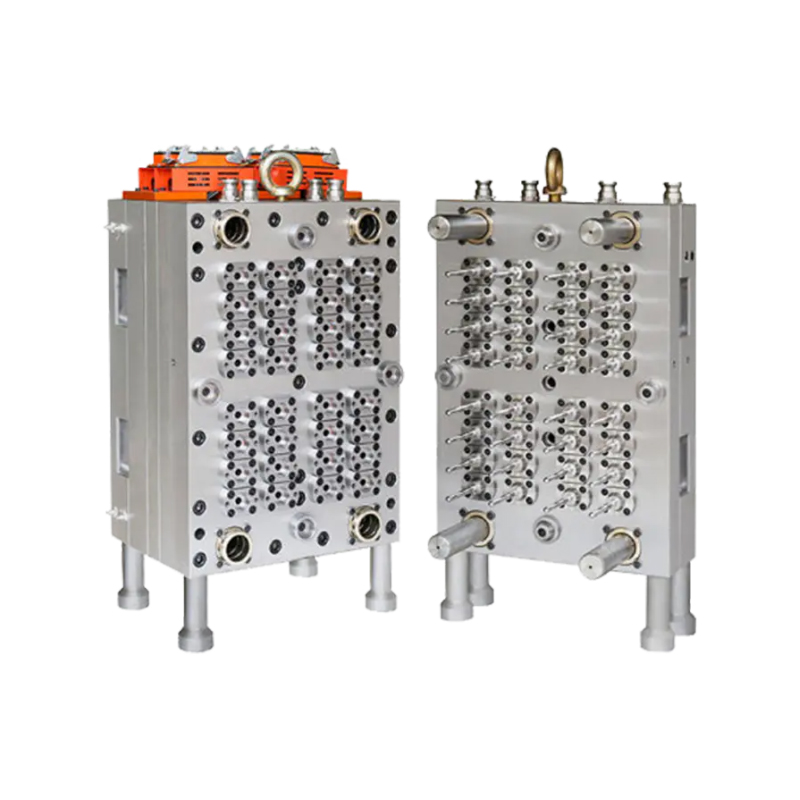
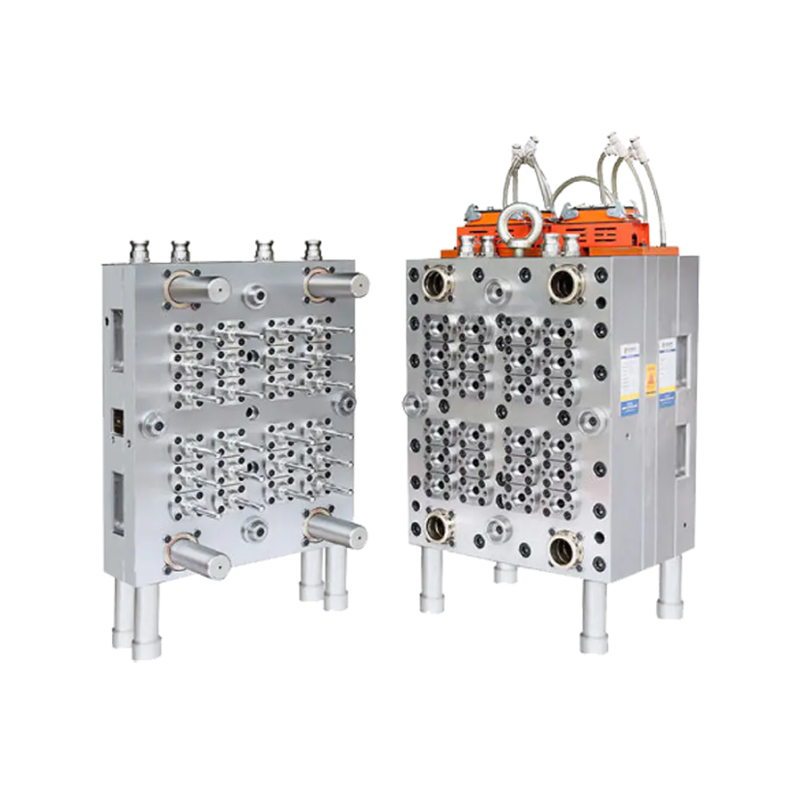
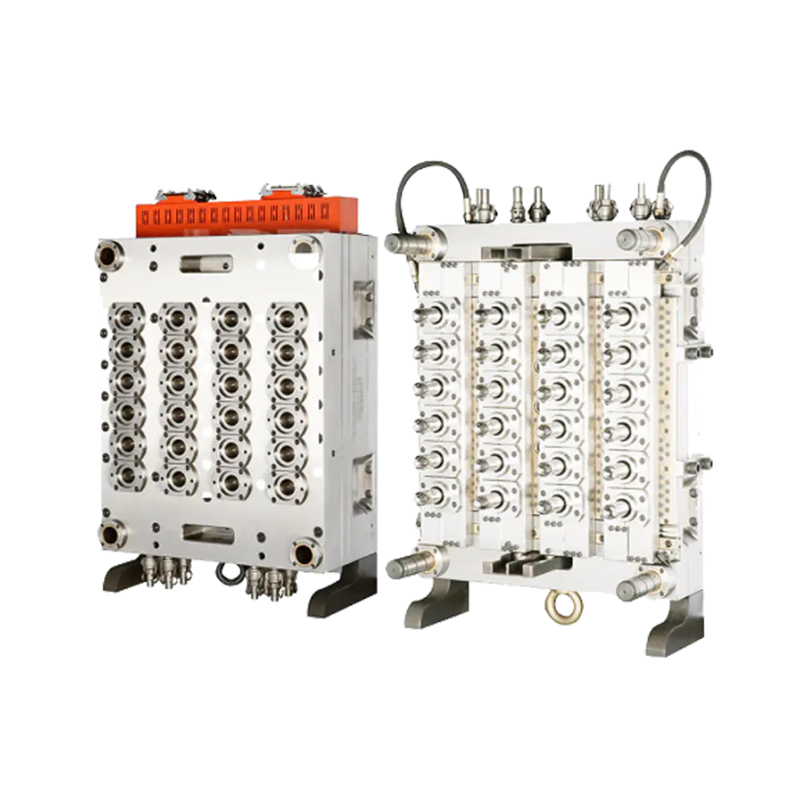
Bottle production runs in two stages. First, a water preform mould injection-molds a small, dense shape with the neck and cap threads already finished. Second, that preform gets reheated and blown into its final shape inside a separate blow mould.
The preform stage matters more than people assume, because whatever limitations exist in the preform carry through to the final bottle. A preform with uneven wall thickness will blow into a bottle with uneven wall thickness too — there's no fixing that at the blowing stage. This is why so much attention goes into the water preform mould itself, since it's setting boundaries the rest of the process can't undo.
One detail that gets locked in permanently at the preform stage is the neck finish — the threaded top section where a cap eventually screws on. This has to match a standard exactly, since caps are often sourced separately from a different supplier entirely.
Common neck finish types buyers ask about include:
Getting neck finish specifications wrong at the mould stage creates a problem no amount of downstream adjustment can solve. Caps simply won't seat correctly, and an entire production batch can end up unusable.
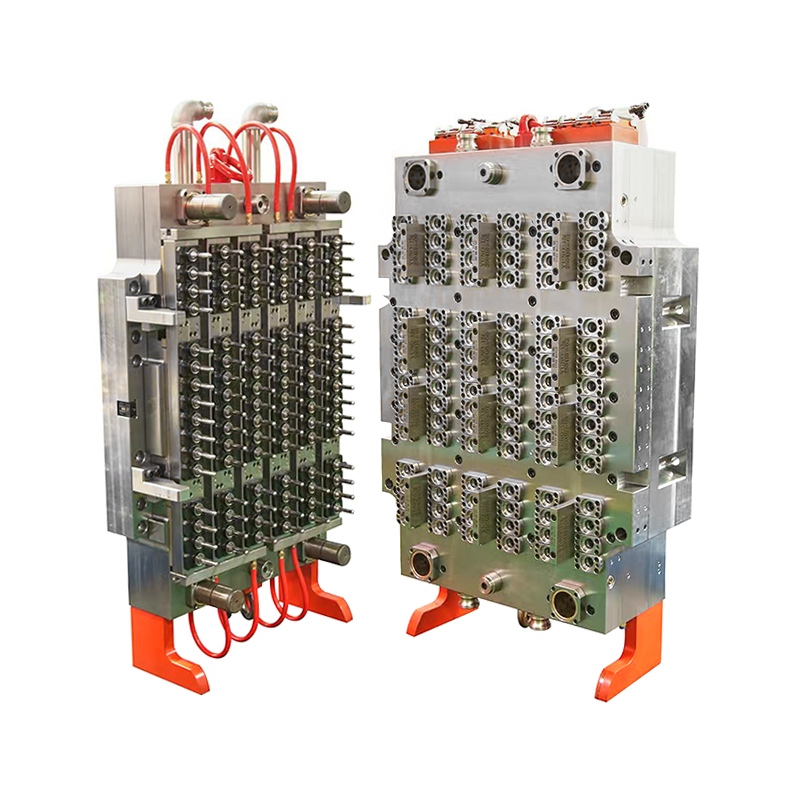
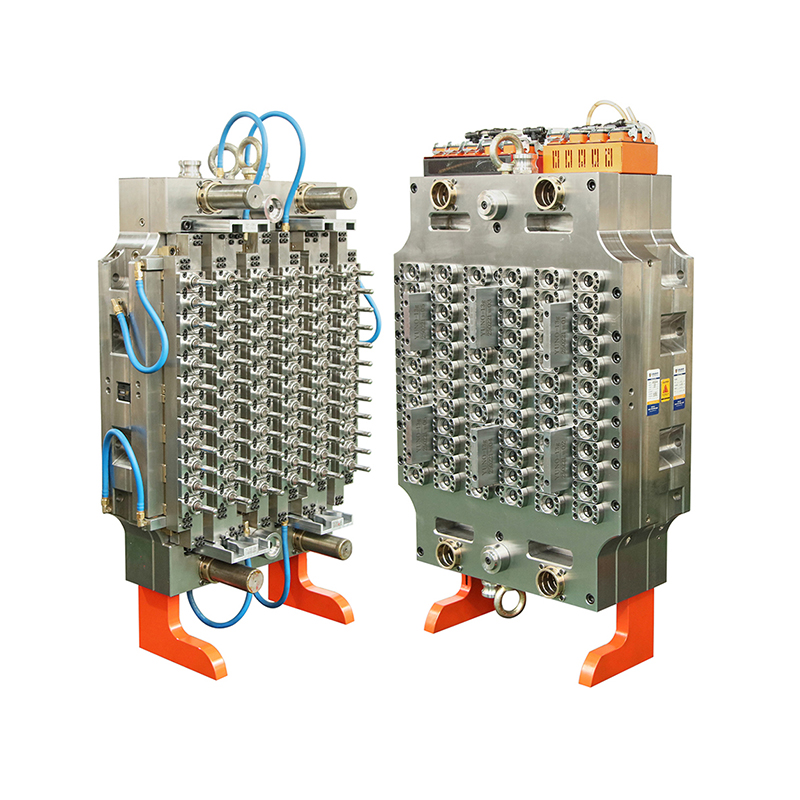
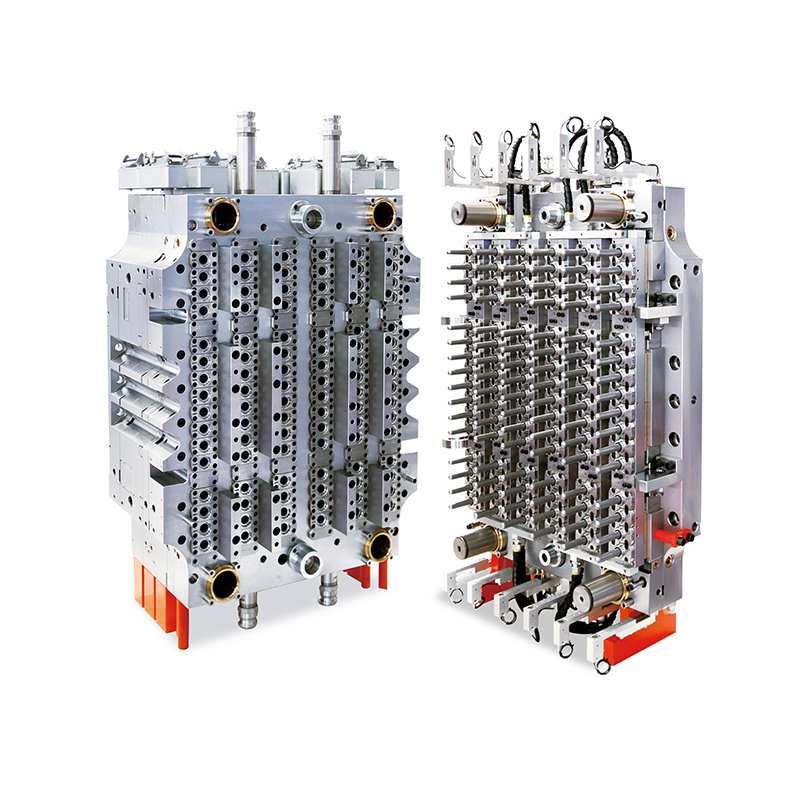
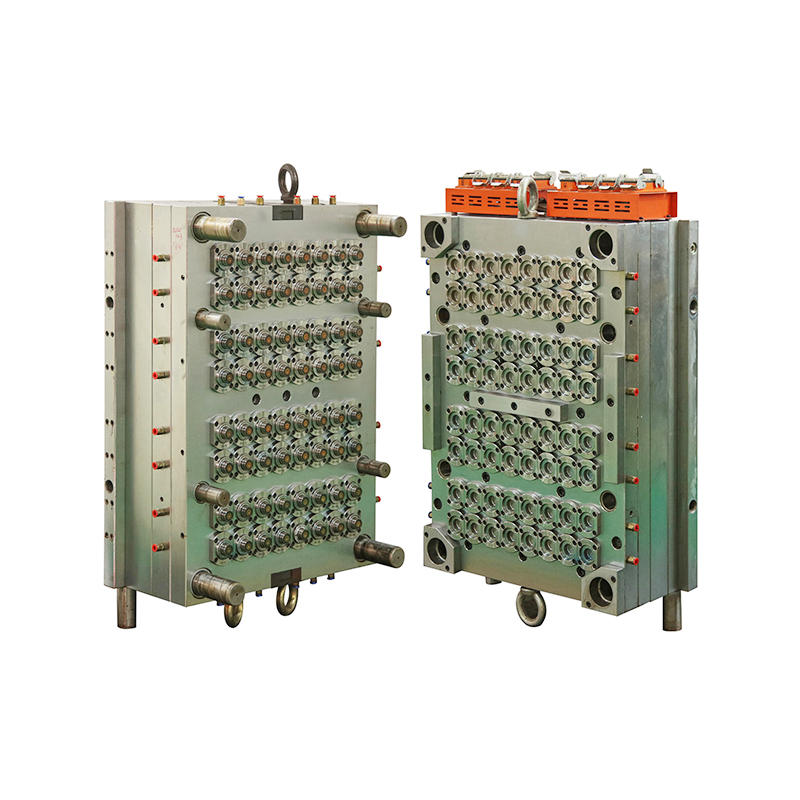
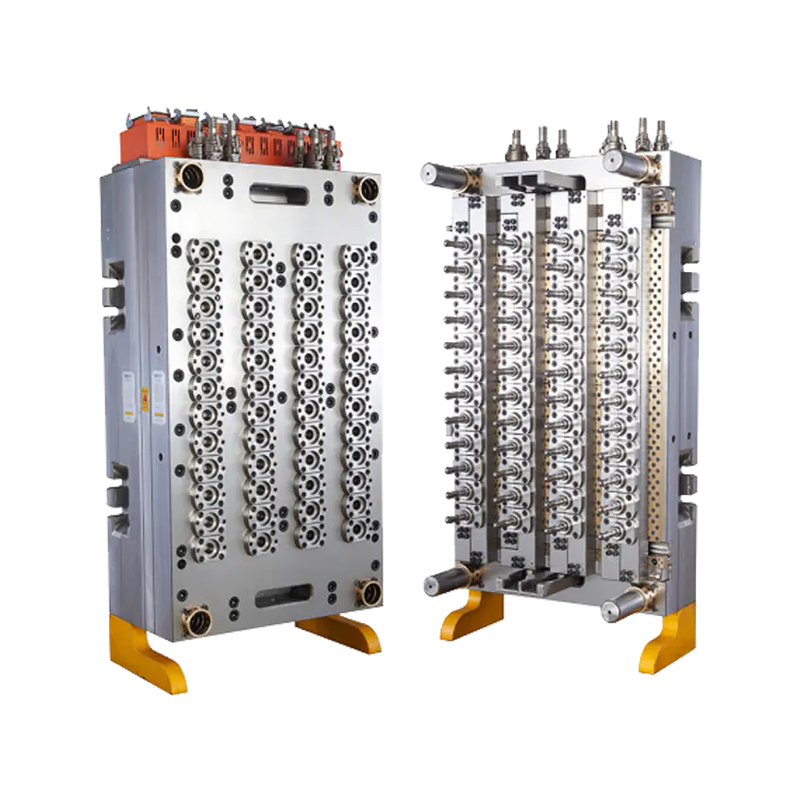
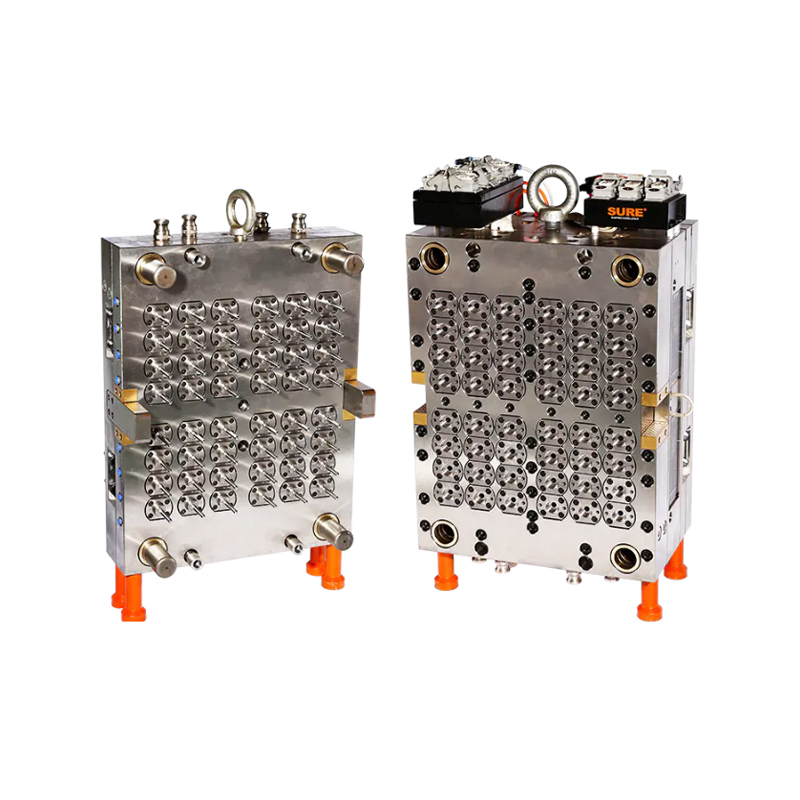
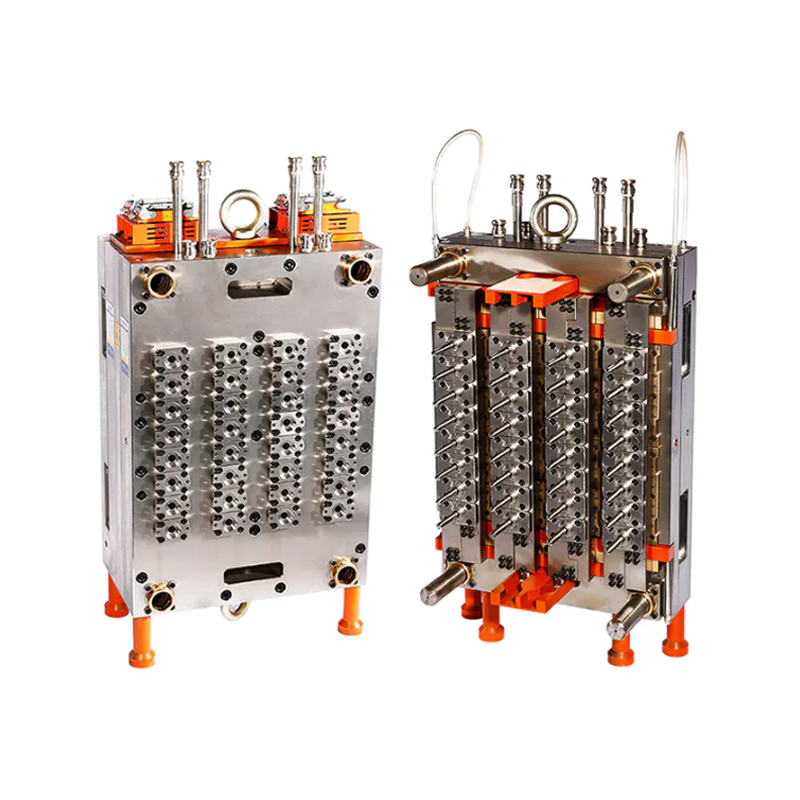
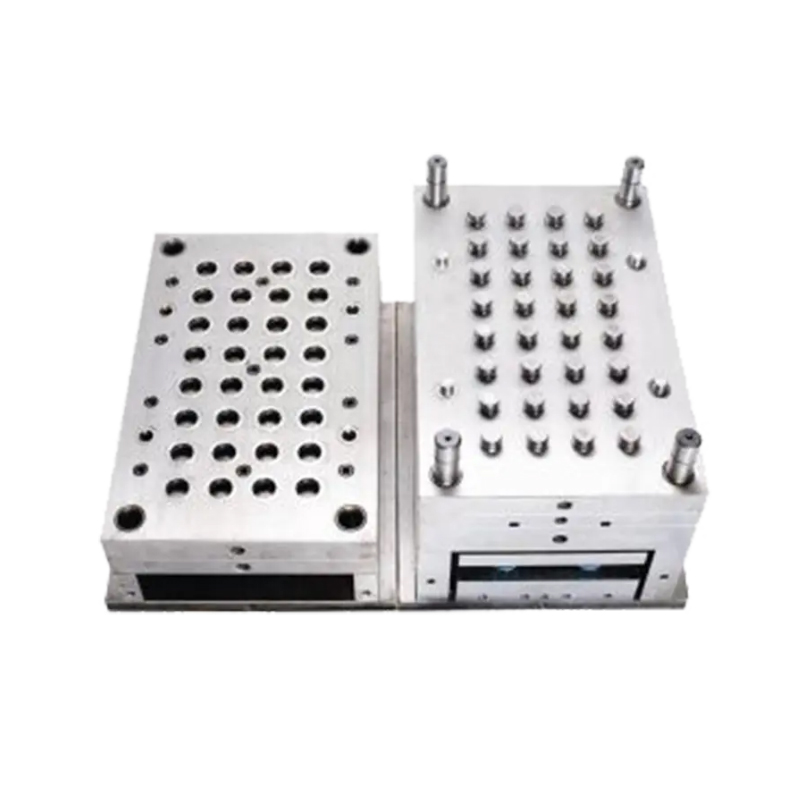
Like other injection molds, a water preform mould can be built with a single cavity or many. Since preforms are typically produced in very high volumes, cavity count tends to scale up fast compared to other plastic products.
| Cavity Count | Typical Use Case |
| 1 to 8 cavities | Smaller operations, lower daily output needs |
| 16 to 48 cavities | Mid-size bottling operations |
| 72+ cavities | Larger operations supplying multiple bottling lines |
Higher cavity counts increase output per cycle but also raise the stakes on consistency. With dozens of cavities running simultaneously, even a small dimensional drift in one cavity can introduce a batch of preforms that blow unevenly, something that often isn't caught until bottles start coming off the blow molding line looking slightly different from one another.
A preform's wall thickness isn't uniform from top to bottom — it varies deliberately, thicker in some areas, thinner in others, based on how the final bottle needs to stretch during blowing. Getting this distribution right in the mould design affects several things at once:
Mould makers spend real time modeling this distribution before cutting any steel, since adjusting wall thickness after a mould is built is a far more expensive fix than getting the design right the first time.
Buyers evaluating suppliers for a water preform mould tend to get more useful answers when they ask pointed questions rather than general ones:
Not asking these questions rarely causes trouble immediately. Problems tend to show up later, once a water preform mould is running at full production volume rather than initial test runs. Small inconsistencies that barely registered at low output have a way of compounding once scale enters the picture.


No.148 Yongda Road, Jiangkou Street, Huangyan, Taizhou, Zhejiang, China.

yn@tzyuno.com

+86-576-84111565

+86-13575806039


Copyright © Taizhou Huangyan Yuno Mould Co., Ltd.
Plastic Mould Factory