

 英语
英语 法语
法语
Address
No.148 Yongda Road, Jiangkou Street, Huangyan, Taizhou, Zhejiang, China.
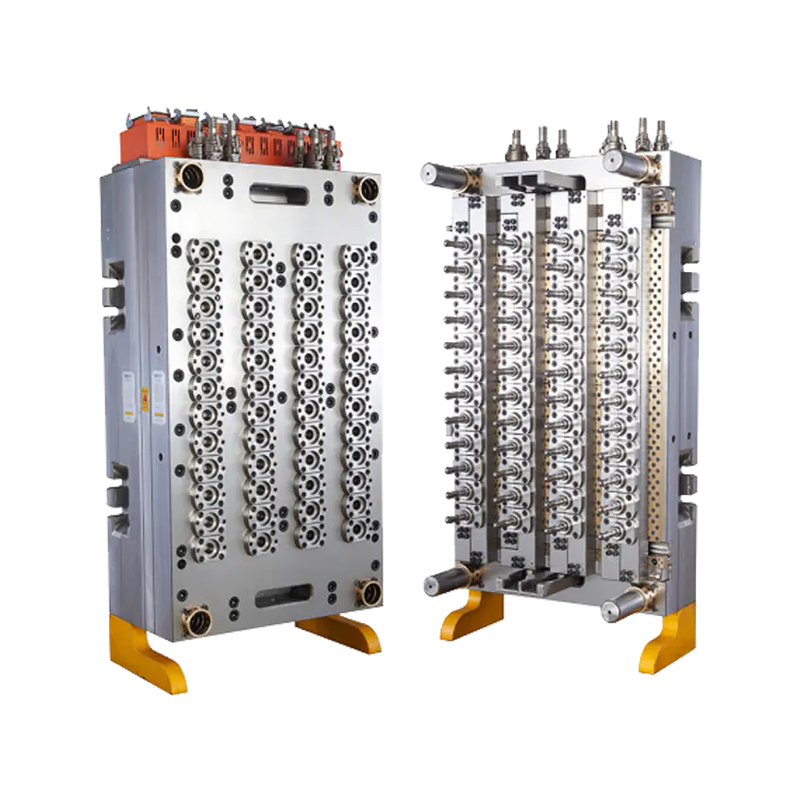
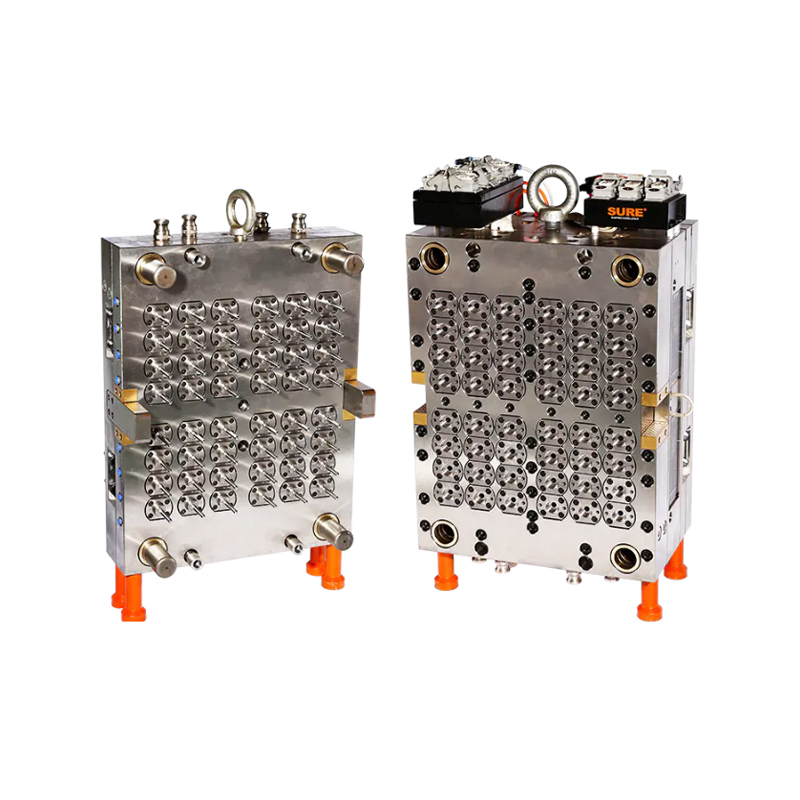
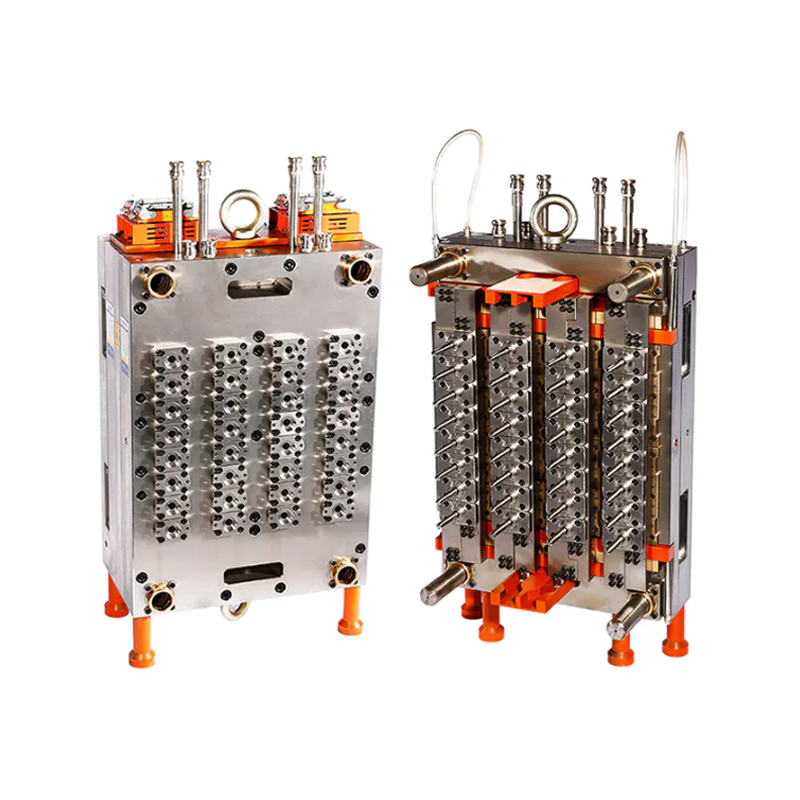
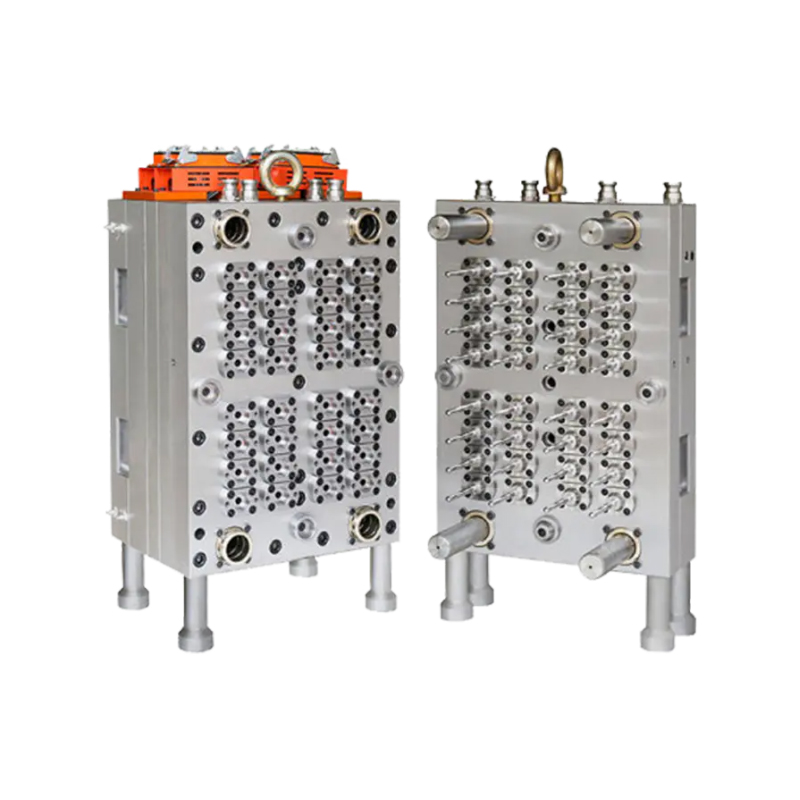
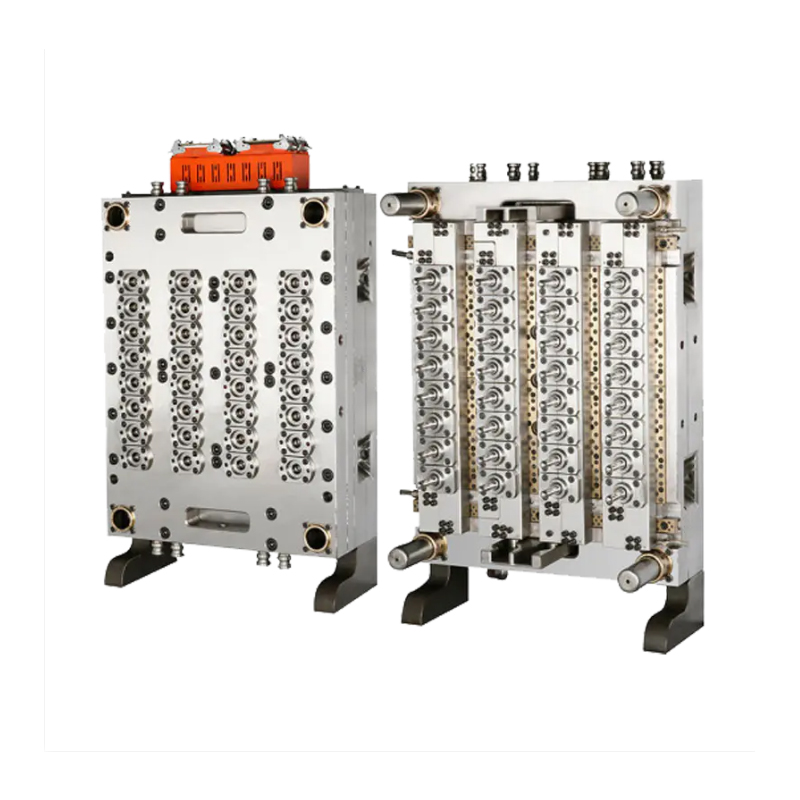
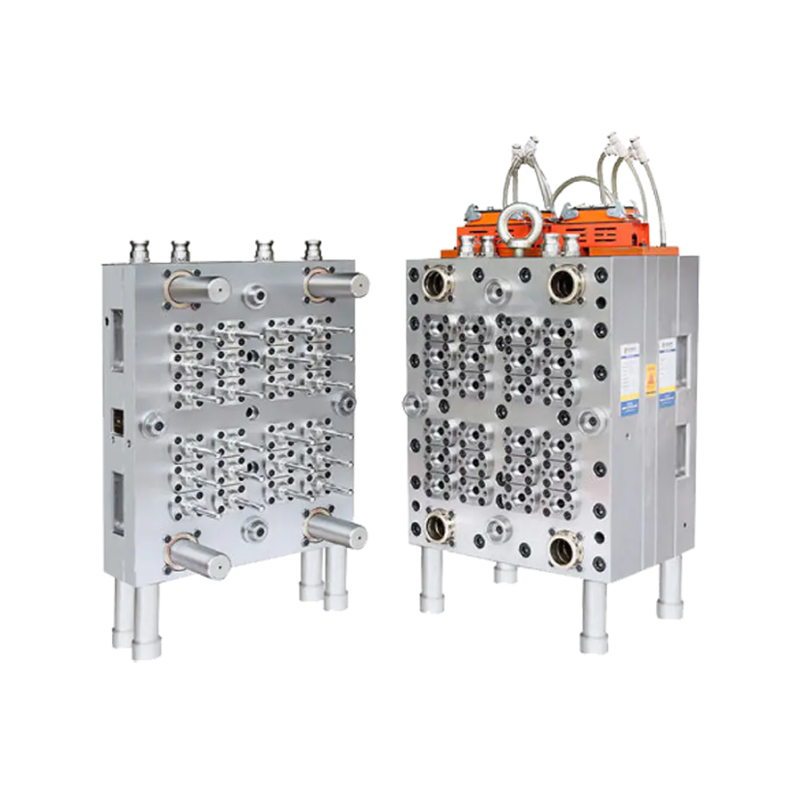
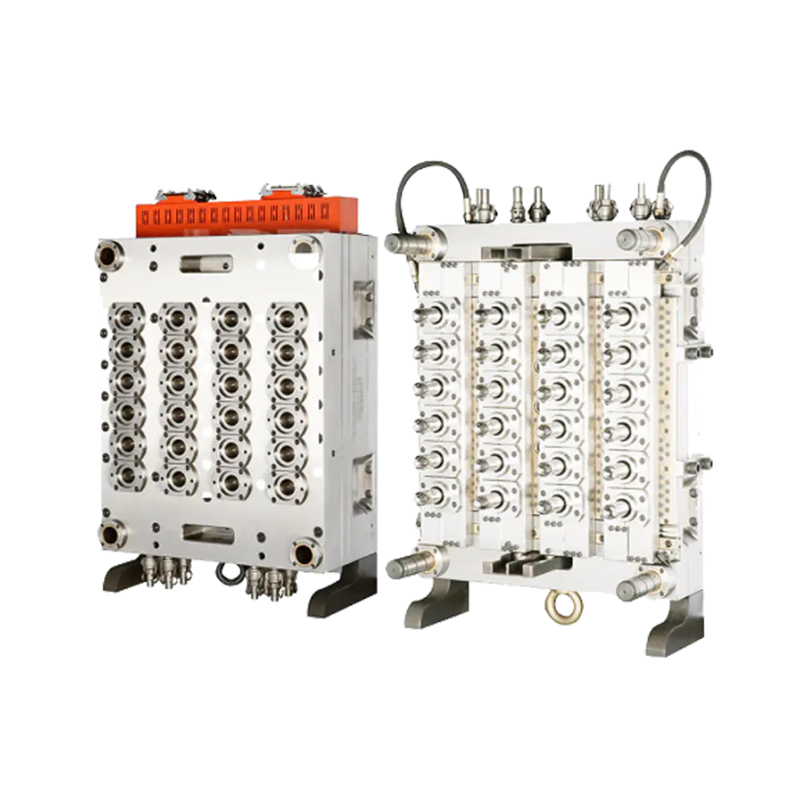
A Jar Preform Mould is an essential tool used in the manufacturing process of plastic jar preforms. It is designed to shape heated plastic materials into preforms that later become finished containers through processes such as stretch blow molding. This technology is widely applied in industries including food packaging, beverage containers, cosmetics packaging, and household product storage.
The quality and structure of a Jar Preform Mould directly influence the shape, thickness, and consistency of preform production. Manufacturers focus on mold design, material selection, cooling systems, and machining accuracy to create molds that can support stable production processes.
Unlike simple plastic molds, preform molds require precise cavity structures because the preform shape determines the final appearance and performance of the jar container. A well-designed mold helps manufacturers achieve consistent production results for different packaging applications.
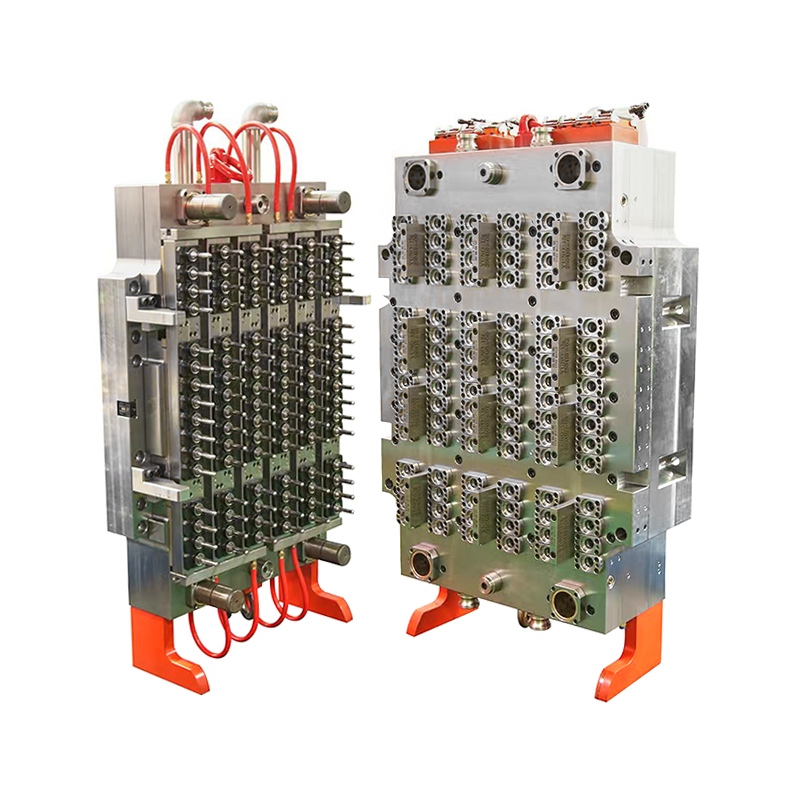
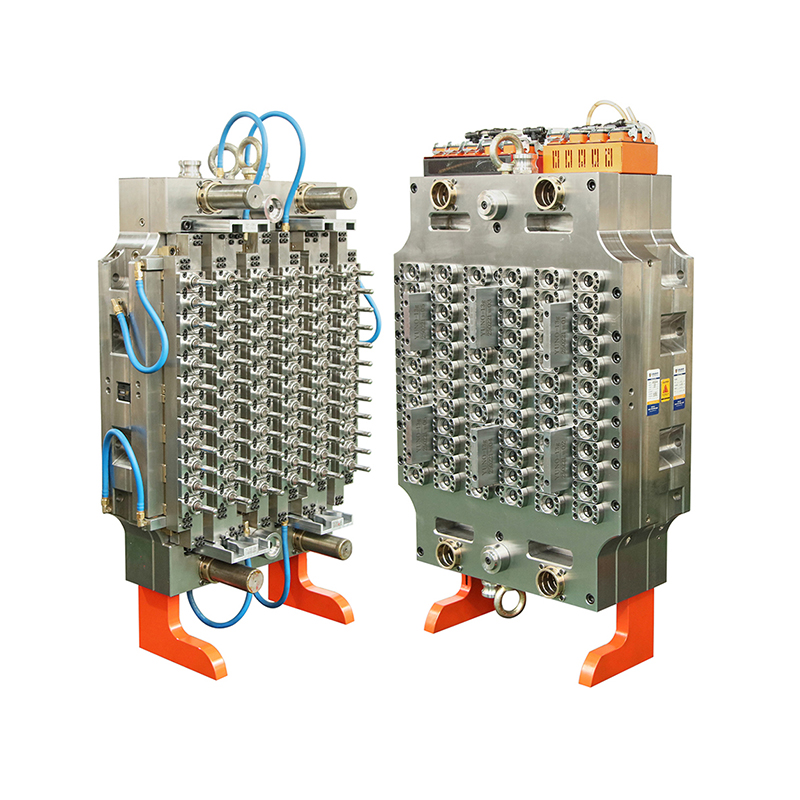
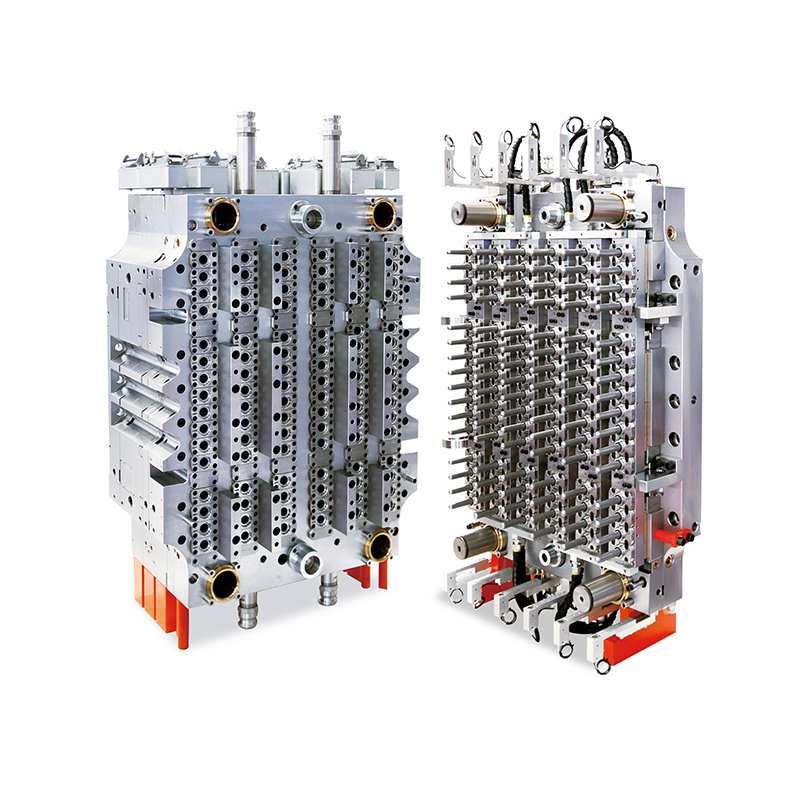
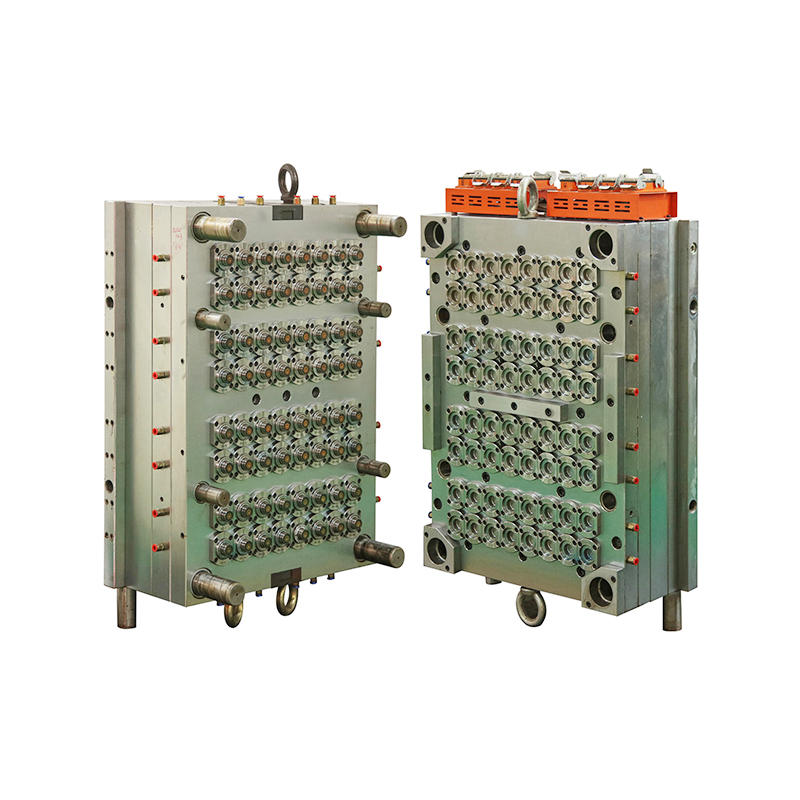
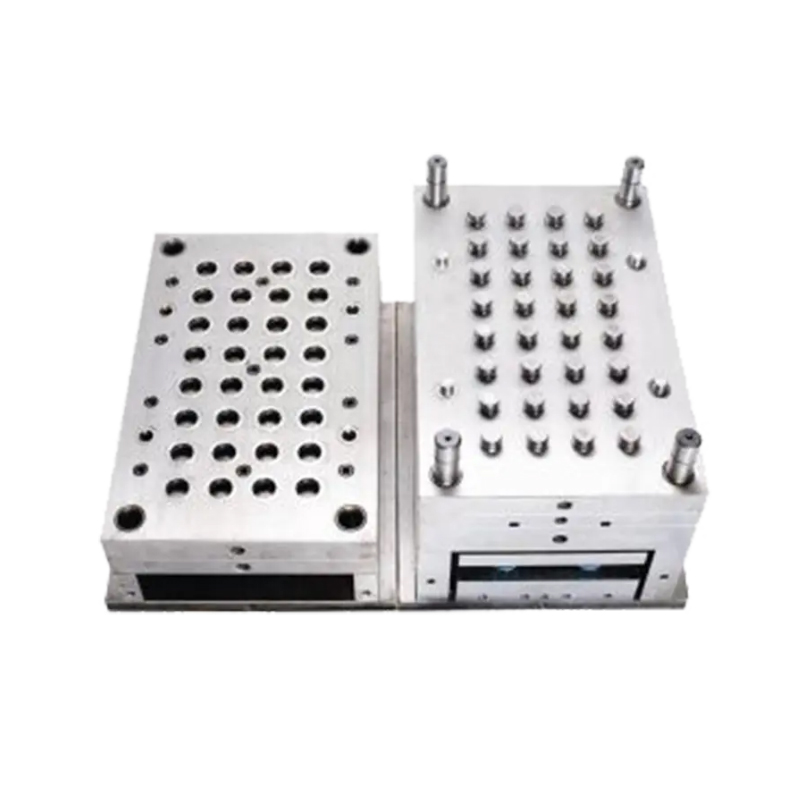
A Jar Preform Mould usually consists of several important components, including the mold cavity, core, neck ring, hot runner system, cooling channels, and guide components. Each part has a specific function during the injection molding process.
The cavity and core create the basic shape of the jar preform. Their dimensions need to match the required container design because even small differences can affect the final molded product. The neck area is also carefully designed since it connects with the jar closure system.
The hot runner system plays an important role in material flow control. It helps distribute molten plastic evenly into different mold cavities, supporting consistent filling during production. Cooling channels are designed to control temperature distribution and shorten molding cycles.
The materials used for Jar Preform Mould manufacturing influence mold strength, processing accuracy, and production stability. Mold components are commonly produced from specialized steel materials that can handle repeated injection cycles.
Different mold parts may use different material treatments depending on their functions. The cavity surface requires accurate machining because it directly contacts the plastic material and affects the surface quality of the preform.
Manufacturers often apply precision machining technologies such as CNC machining, electrical discharge machining, and surface processing during mold production. These processes help create detailed structures and accurate dimensions required for preform molding.
The production of a Jar Preform Mould includes several stages, starting from product design and engineering analysis. Engineers create three-dimensional mold designs based on the required jar shape, preform dimensions, and production conditions.
After design approval, mold components are processed using precision equipment. CNC machines are used to produce complex structures, while additional machining methods help complete detailed areas such as cooling channels and cavity surfaces.
During assembly, different mold components are carefully matched together. The alignment between cavity, core, and other parts affects molding accuracy. Proper assembly helps ensure smooth operation during injection molding production.
Testing procedures are also an important part of mold manufacturing. Manufacturers usually check mold structure, component movement, and sample preform results before delivering the finished mold.
Jar Preform Mould products are widely used for producing plastic containers in various industries. Food packaging companies use plastic jars for products such as snacks, sauces, and dry goods. Cosmetic manufacturers use plastic jars for creams, lotions, and personal care products.
Household product manufacturers also use plastic jars for storage and packaging needs. Different industries require different jar shapes, capacities, and designs, which creates demand for customized preform molds.
By adjusting mold cavity designs, manufacturers can produce preforms for different container styles. This flexibility allows packaging companies to develop products that match their specific requirements.
Many businesses look for Jar Preform Mould suppliers that can provide customized mold solutions. Customization may include adjustments to cavity numbers, preform dimensions, neck designs, and container shapes.
OEM and ODM cooperation allows customers to work with mold manufacturers during product development. Engineers can help optimize mold structures according to production requirements and final container designs.
A customized Jar Preform Mould provides manufacturers with more options when developing unique packaging products. This service is especially useful for companies that need special jar shapes or different packaging specifications.

No.148 Yongda Road, Jiangkou Street, Huangyan, Taizhou, Zhejiang, China.

yn@tzyuno.com

+86-576-84111565

+86-13575806039


Copyright © Taizhou Huangyan Yuno Mould Co., Ltd.
Plastic Mould Factory