

 英语
英语 法语
法语
Address
No.148 Yongda Road, Jiangkou Street, Huangyan, Taizhou, Zhejiang, China.
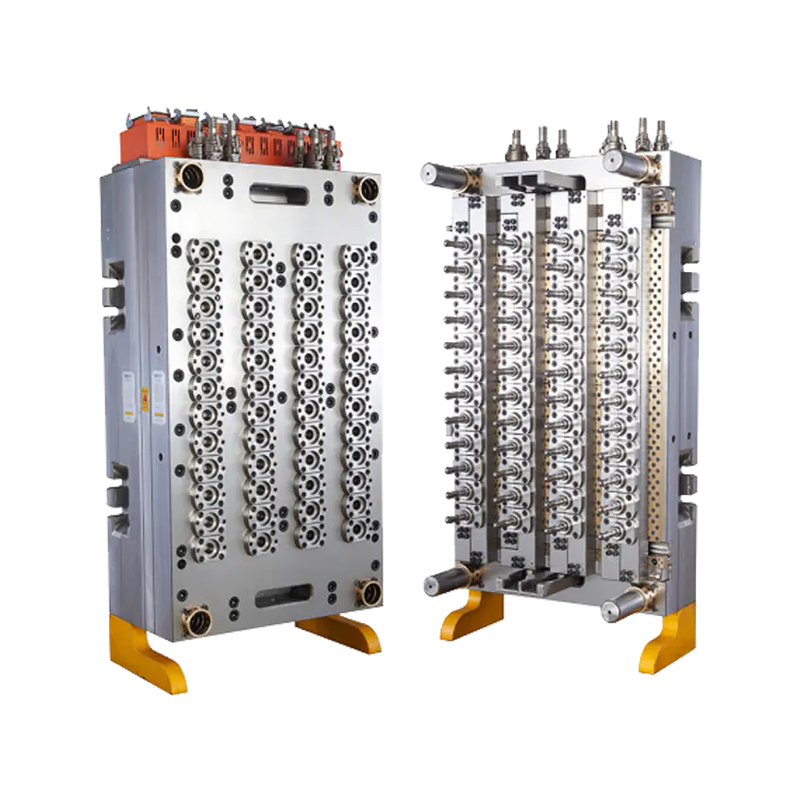
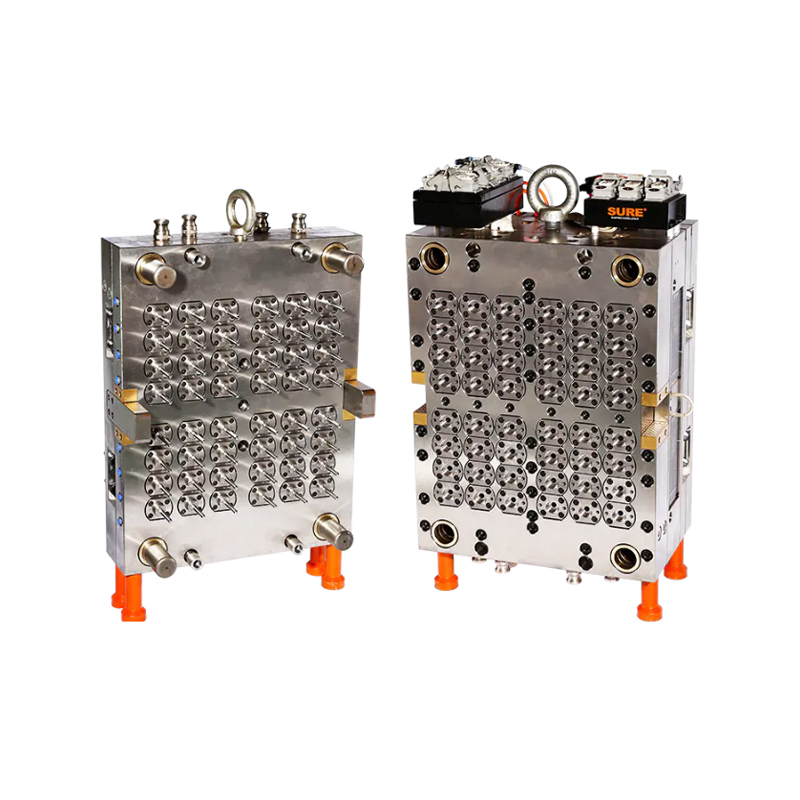
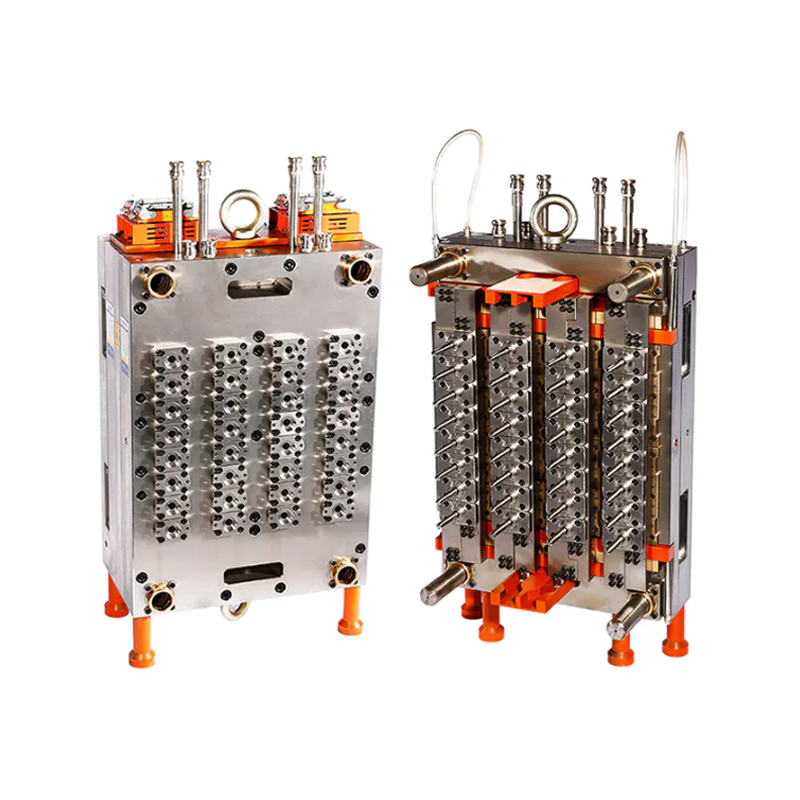
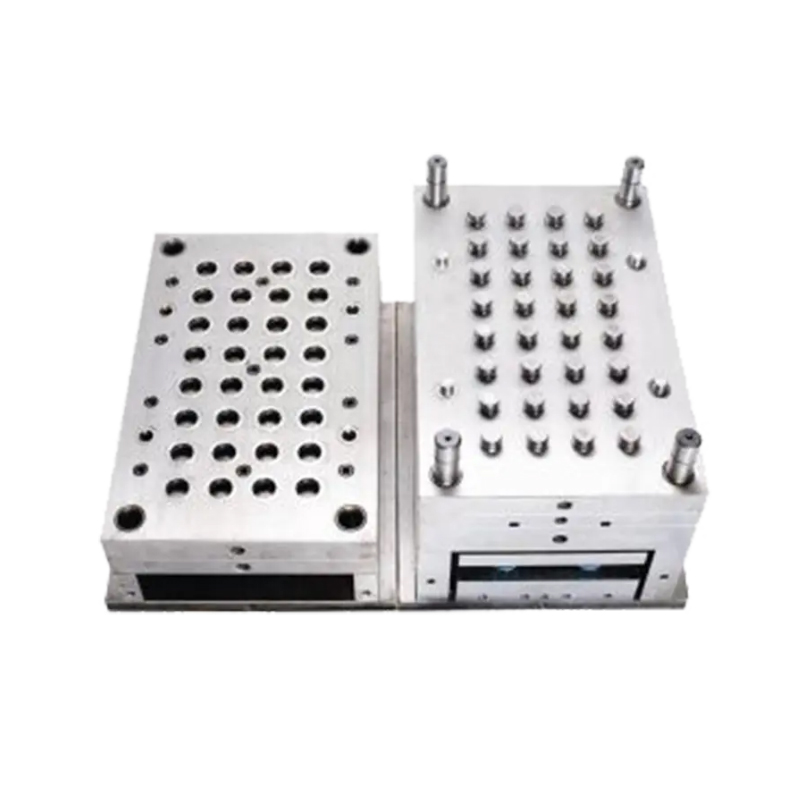
Medical mould technology has become an important part of modern medical product manufacturing. From disposable laboratory containers to syringe components, diagnostic consumables, and small plastic fittings, many healthcare products depend on injection molding to achieve consistent shapes and dimensions. The Medical mould sits at the center of this process, creating the cavity and geometry needed to turn plastic materials into functional components.
Medical products often contain small features that require accurate molding. A tube connector, for example, may have internal passages, threads, locking structures, or thin walls. These details need to be incorporated into the mould design before production begins.
Engineers usually start with a digital model of the target component. CAD software can be used to develop the cavity, core, runner layout, and other mould structures. Designers can also review parting lines and ejection positions before machining begins.
The design stage helps manufacturers identify potential molding problems at an early point. Wall thickness, draft angles, gate positions, and cooling arrangements can all influence the production cycle.
Mould manufacturing normally involves several machining processes. The mould base can be prepared first, followed by precision machining of cavities and core components.
CNC machining is widely used to create detailed mould components. For smaller features or complex geometries, electrical discharge machining can produce areas that are difficult to cut using conventional tools.
Grinding and polishing may then be used to achieve the required surface condition. The cavity surface can influence the appearance and release behavior of the molded part, so different medical components may require different finishing approaches.
Mould assembly follows machining. Individual plates, inserts, cores, ejector components, and guide elements are fitted together to form the complete tool.
Tool steel is commonly selected for mould construction because mould components experience repeated cycles during production. Different steel grades can be chosen according to cavity design, component geometry, production volume, and surface requirements.
Some moulds use interchangeable inserts. This design allows a specific cavity section to be replaced or modified without rebuilding the entire mould. It can also support product variations that share a similar basic structure.
Material selection is therefore connected to mould architecture. A complex multi-cavity mould may require a different material and component arrangement from a simple single-cavity tool.
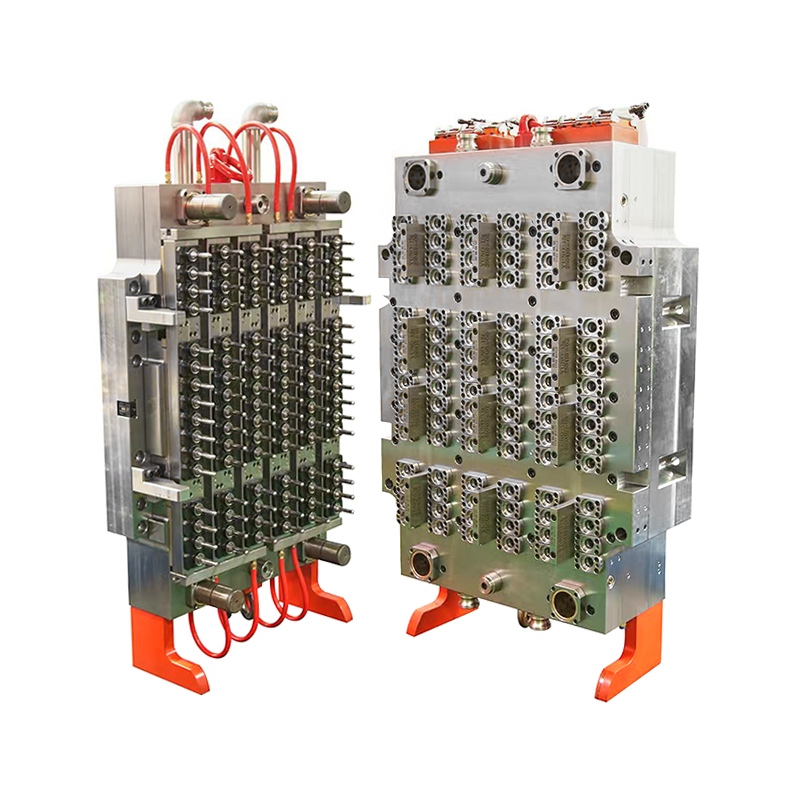
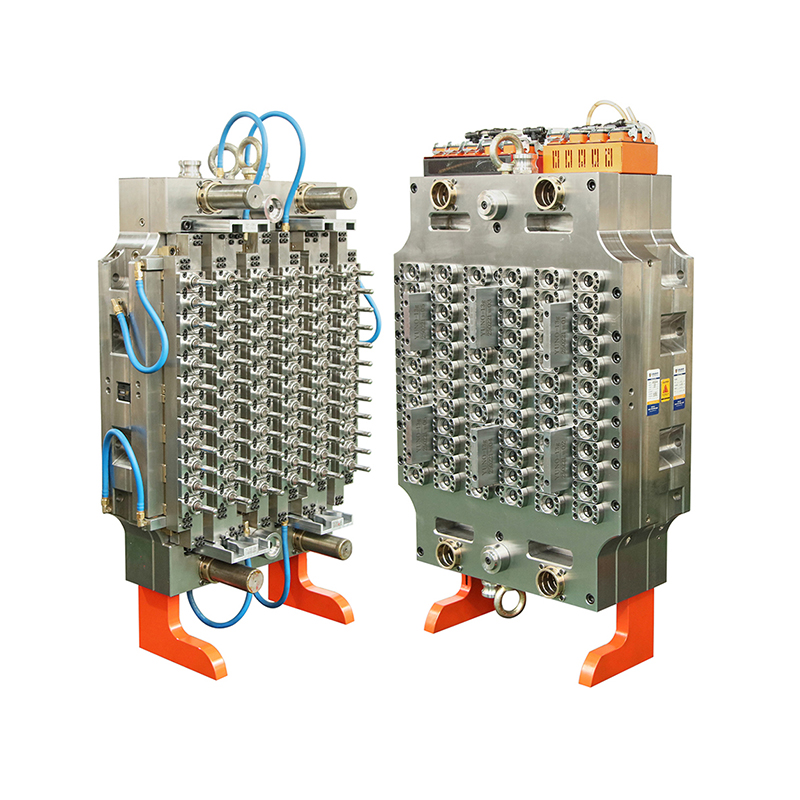
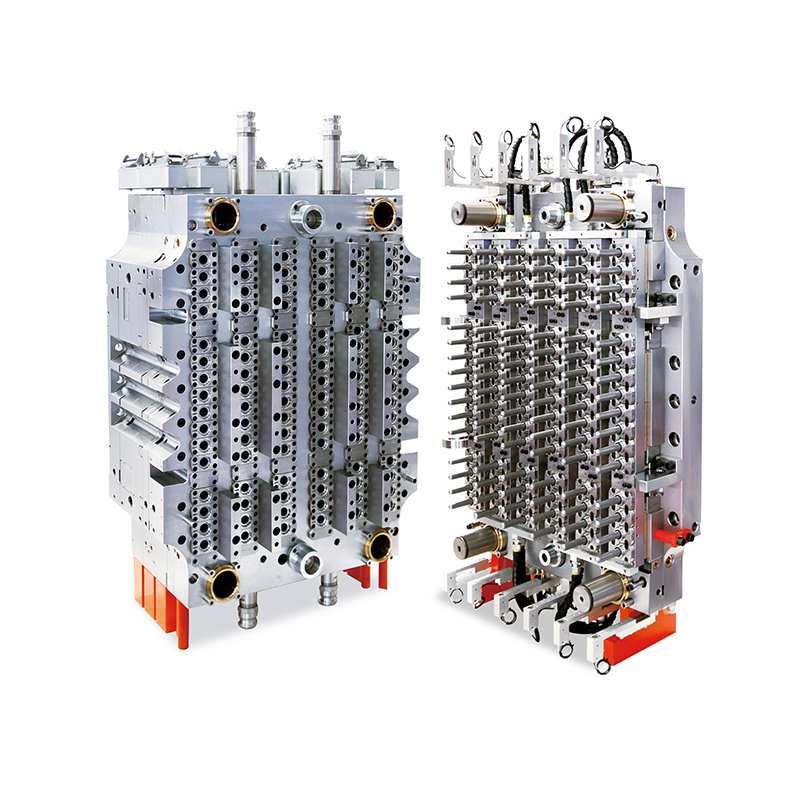
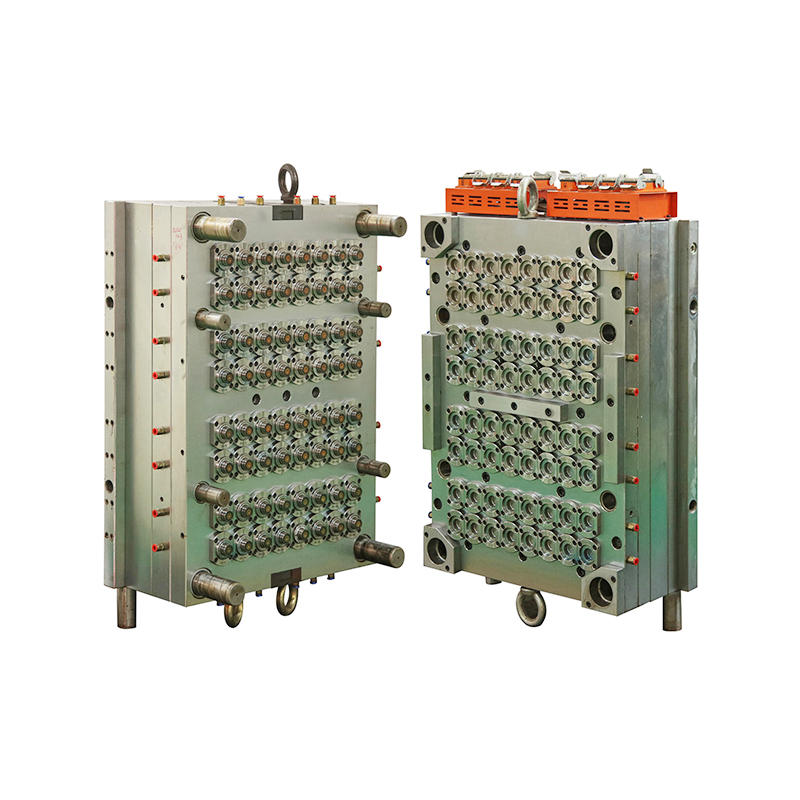
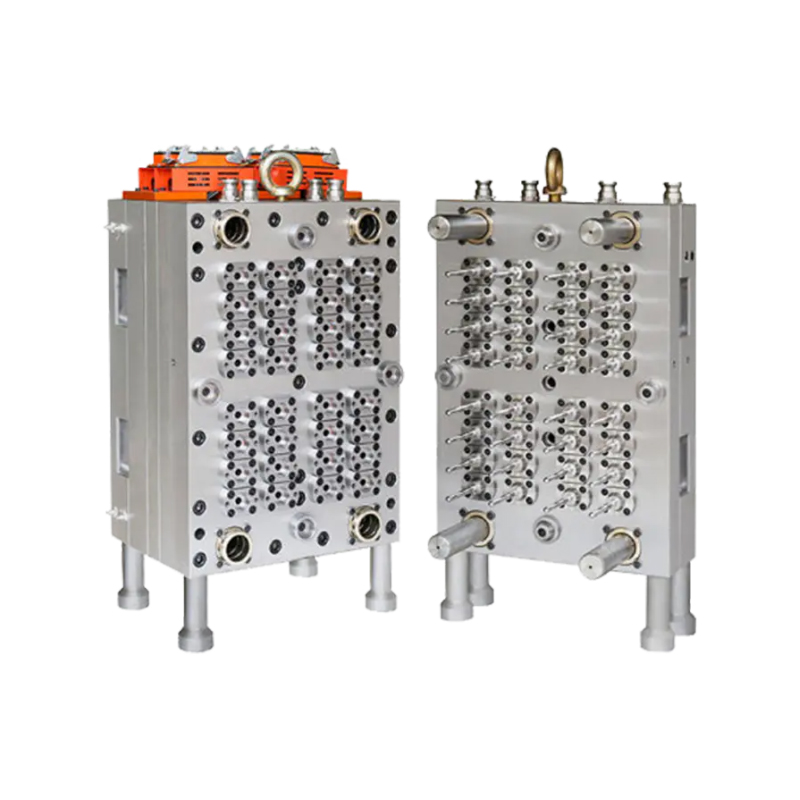
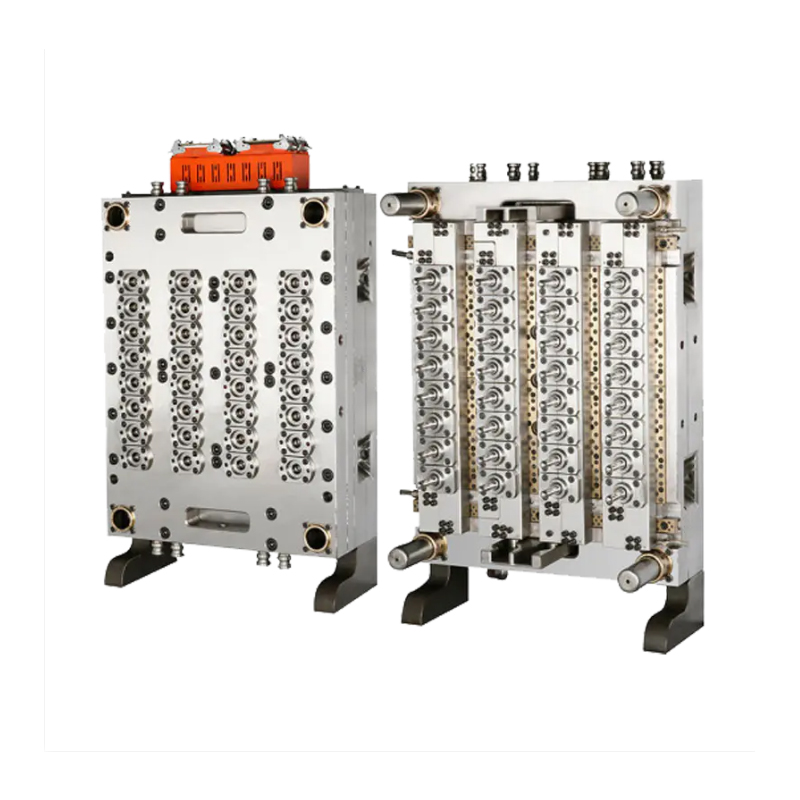
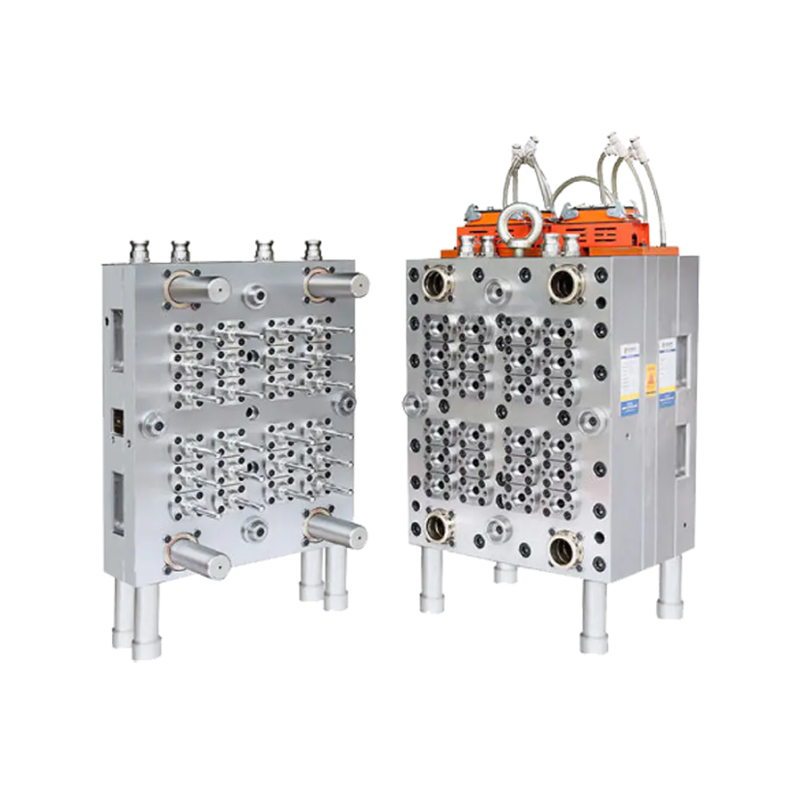
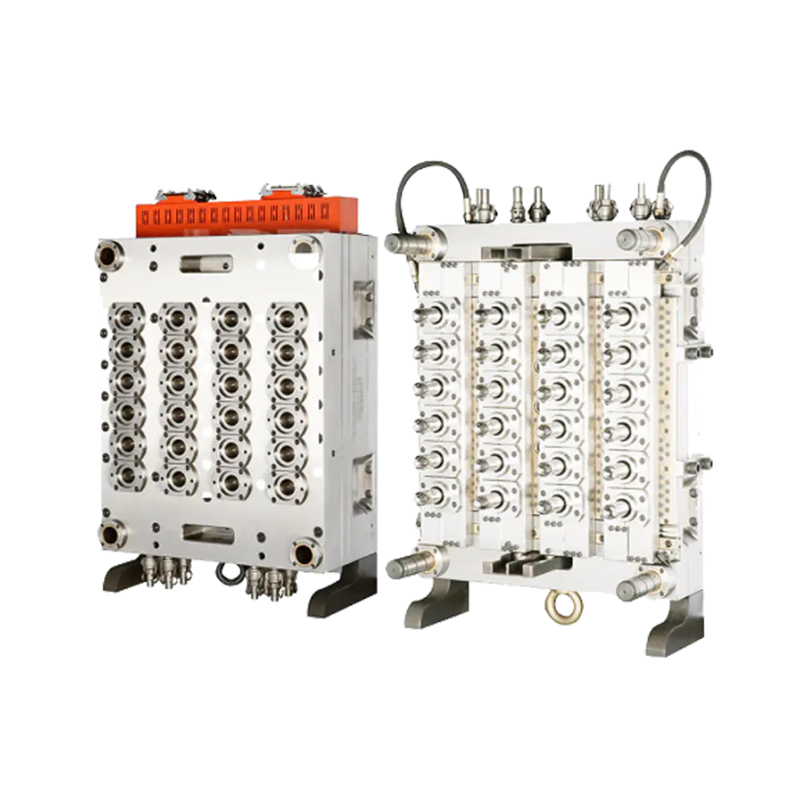
Many medical components are produced in multi-cavity moulds. Instead of forming one component per injection cycle, several identical cavities can produce multiple parts at the same time.
A balanced runner system is important in this configuration. Plastic material needs to reach each cavity in a controlled manner so that the molded parts have consistent dimensions.
Multi-cavity designs can become particularly interesting when components are small. A mould containing numerous cavities may have a compact overall footprint yet include a large number of precision features.
The challenge is coordinating cavity layout, runner geometry, cooling channels, and ejection mechanisms inside one mould.
Cooling has a direct relationship with molding cycle performance and part quality. After molten plastic enters the cavity, it needs to cool and solidify before the component can be ejected.
Cooling channels are therefore integrated into the mould structure. Their location and geometry influence how heat moves away from the cavity.
For components with uneven wall thickness, cooling design in a Medical mould can become more complicated. Different areas may cool at different rates, potentially affecting dimensions or causing deformation. Engineers consider these factors when designing the mould layout.

No.148 Yongda Road, Jiangkou Street, Huangyan, Taizhou, Zhejiang, China.

yn@tzyuno.com

+86-576-84111565

+86-13575806039


Copyright © Taizhou Huangyan Yuno Mould Co., Ltd.
Plastic Mould Factory