

 英语
英语 法语
法语
Address
No.148 Yongda Road, Jiangkou Street, Huangyan, Taizhou, Zhejiang, China.
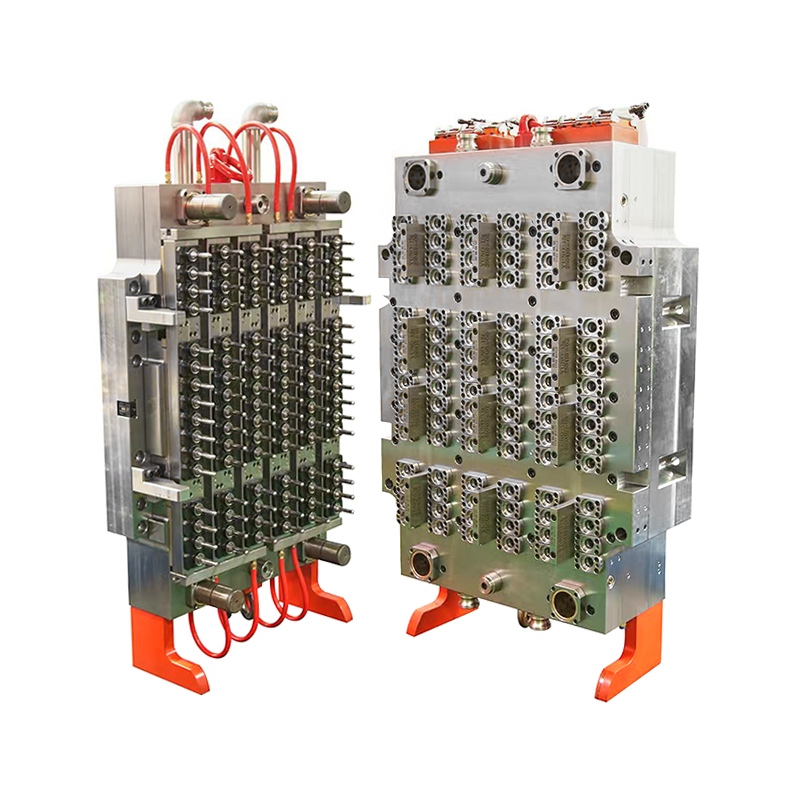
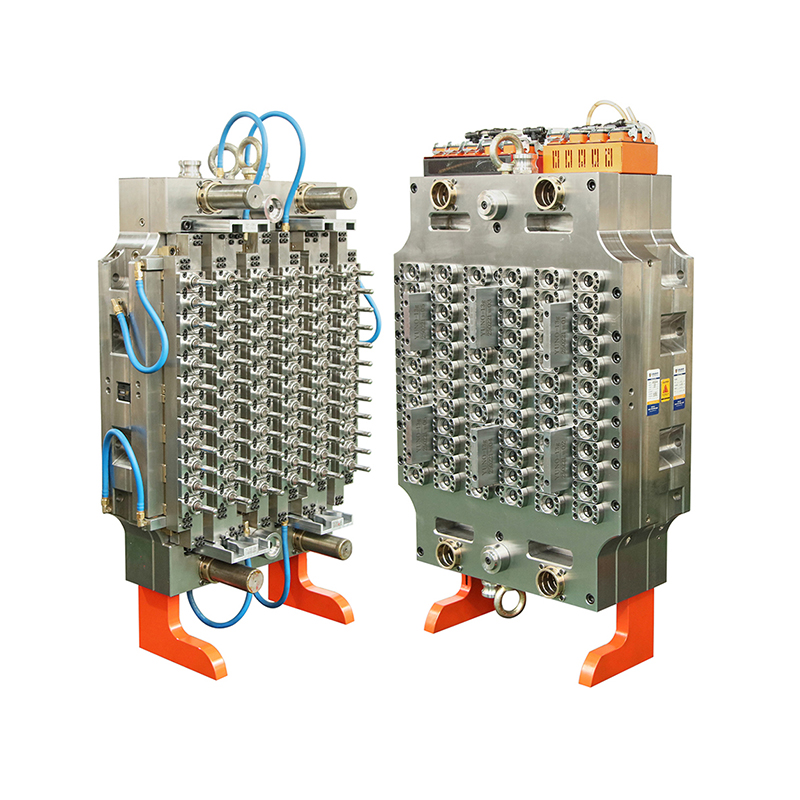
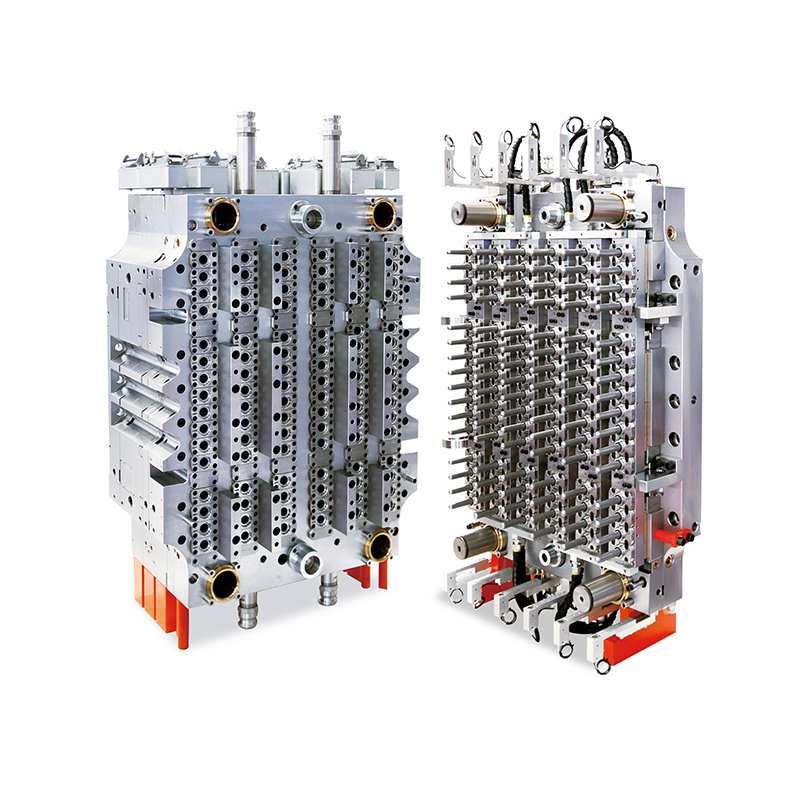
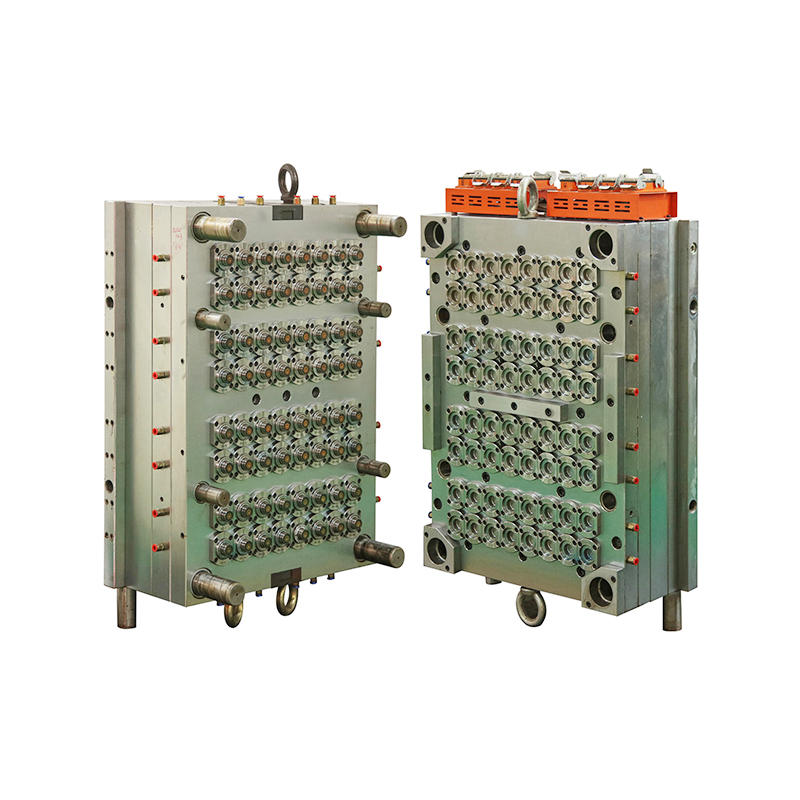
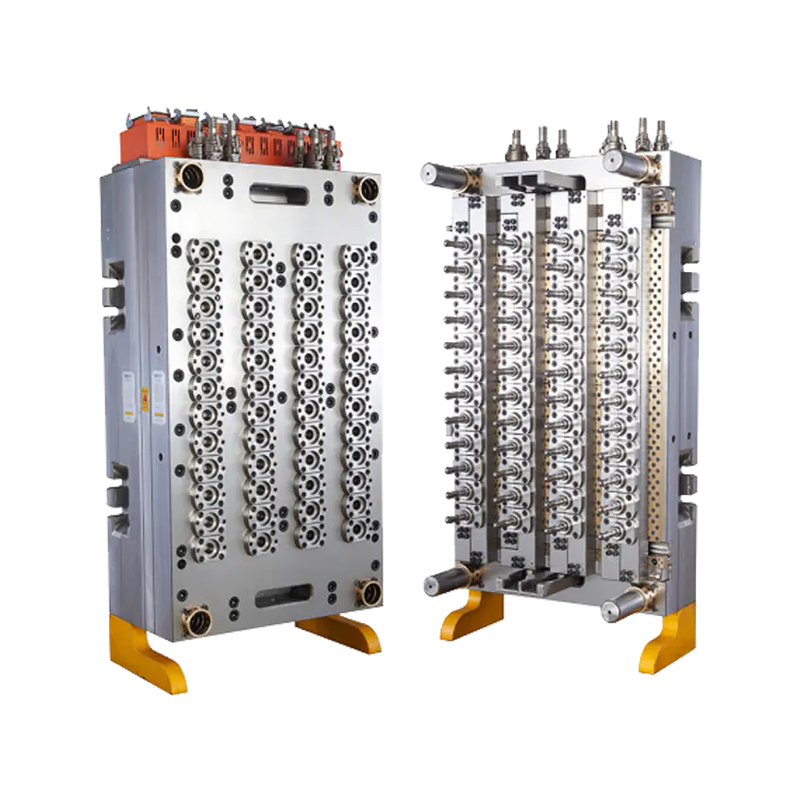
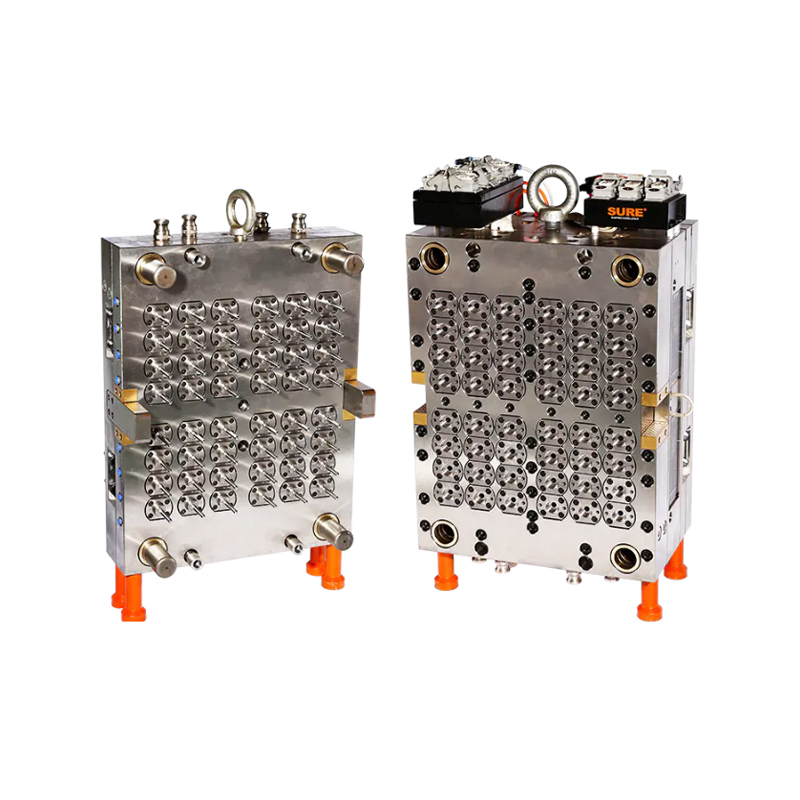
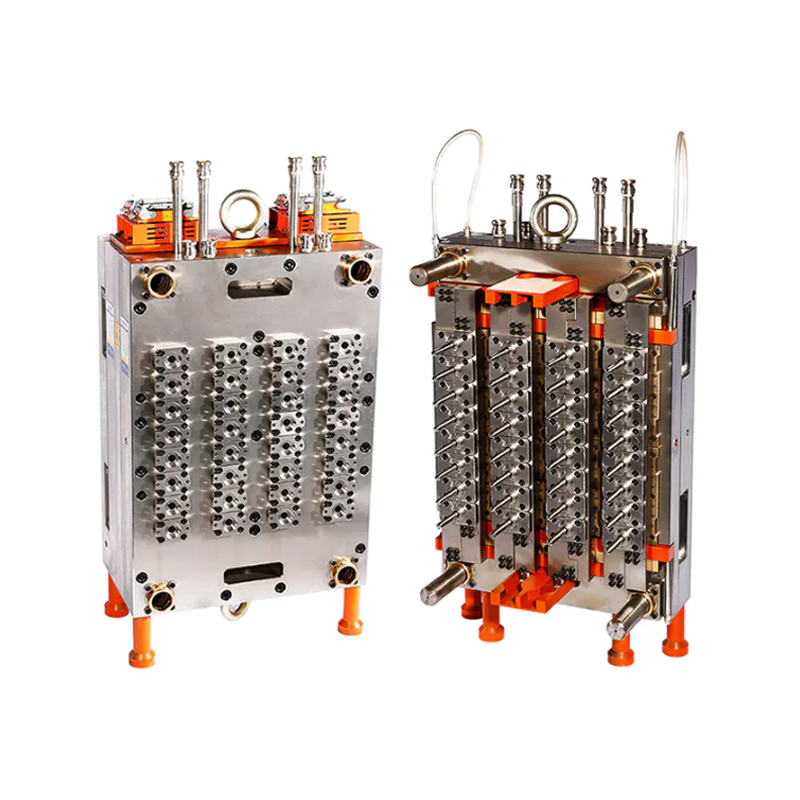
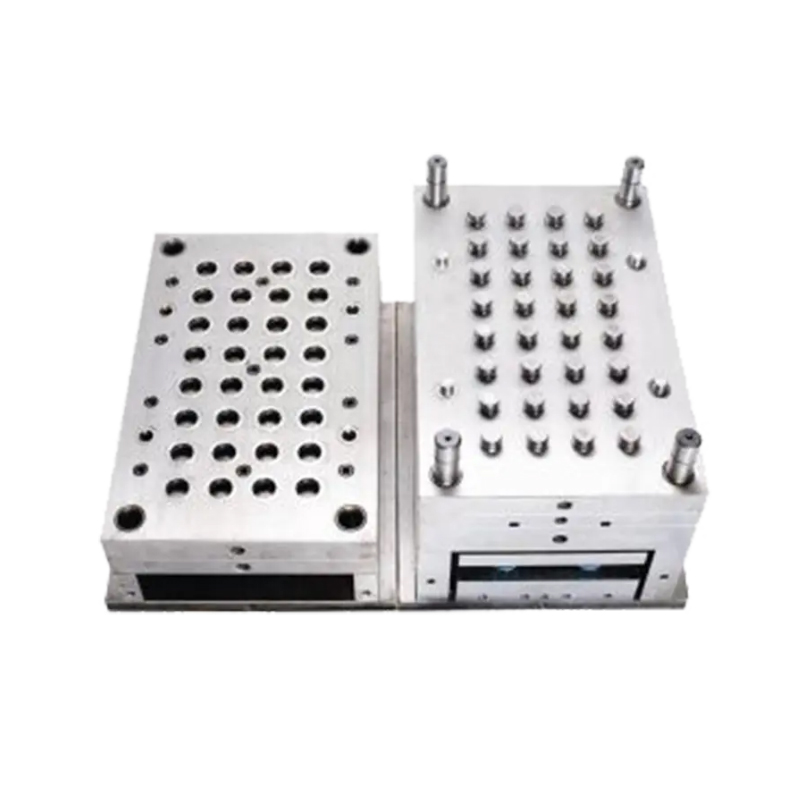
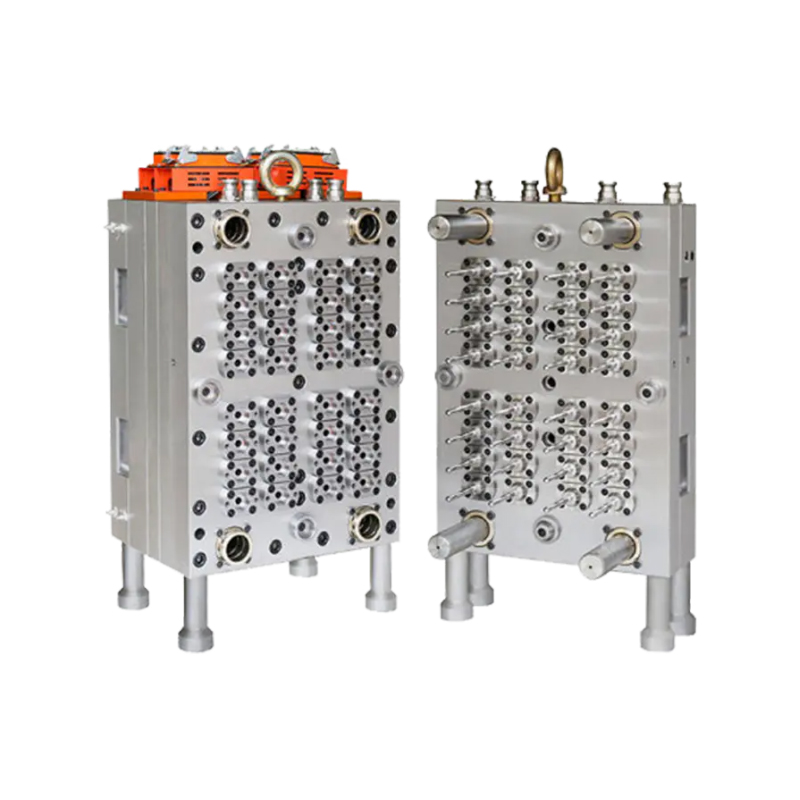
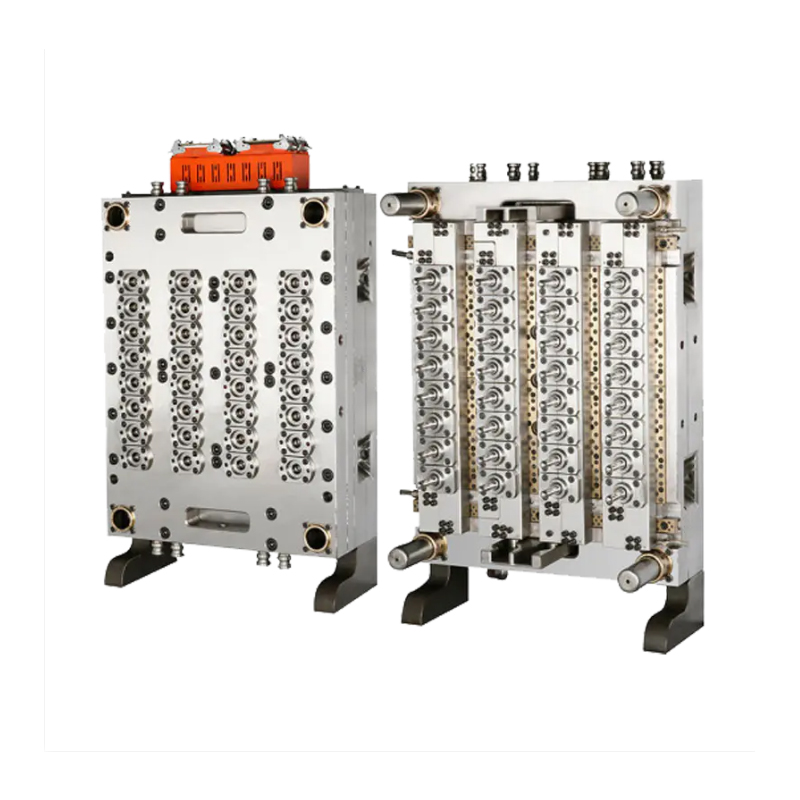
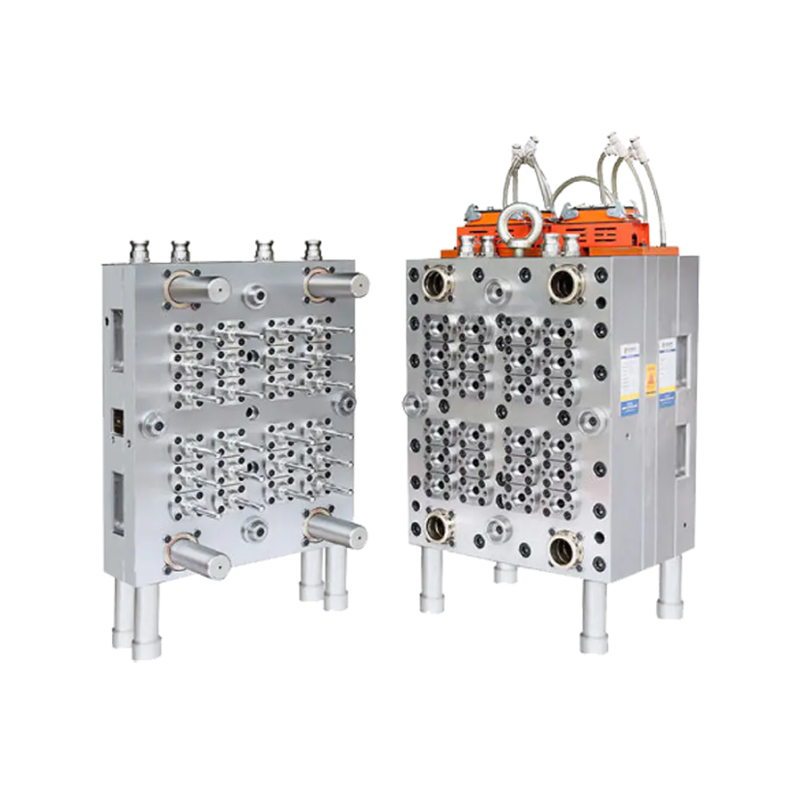
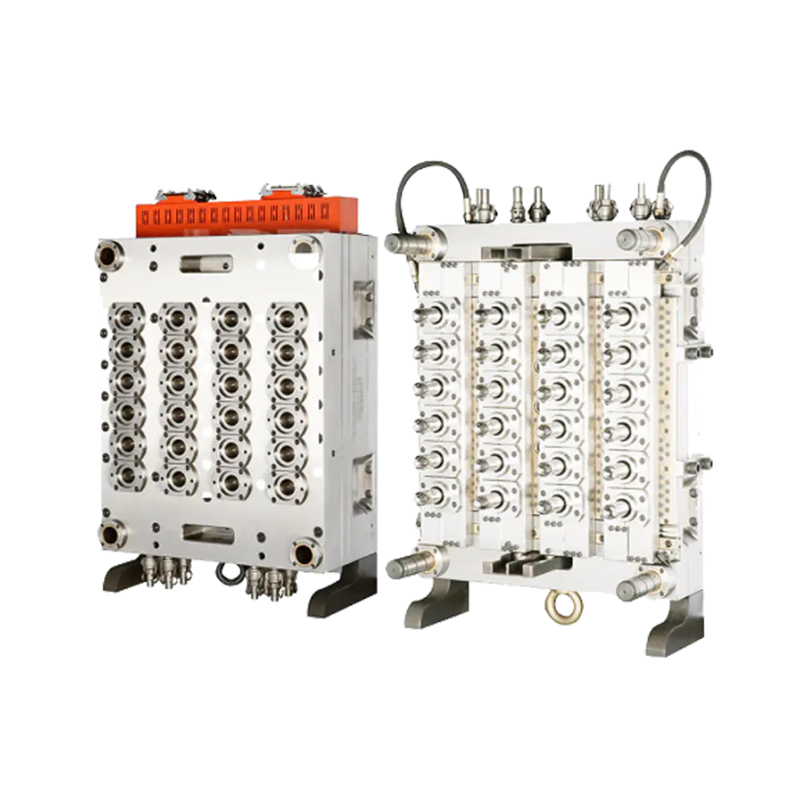
Rows of steel tools stand ready in the workshop as technicians prepare the next production run. The Cosmetic mold receives heated plastic or other materials and presses them into precise forms used for lipstick tubes, cream jars, and compact cases. Clear steps guide the process from material loading to finished parts, keeping the line moving at a steady pace.
Plastic pellets or pre-formed sheets move into the injection or compression area. Heaters raise the temperature until the material reaches a workable state. Operators monitor gauges to confirm the right consistency before the next stage begins. Once ready, the material flows or presses into the cavities of the Cosmetic mold.
Cooling channels inside the tool help the material set quickly. Water or air circulates through the passages, solidifying the shape without distortion. Timers control the cycle so each part receives the same treatment. This consistency supports uniform wall thickness and clean surface details across every piece.
Fine textures and logos appear on the surface of many cosmetic containers. The Cosmetic mold carries these patterns etched into its steel walls. When the material fills the cavity, the details transfer directly onto the finished item. Threaded necks for caps, hinge points for compact lids, and smooth curves for jars all form in a single press cycle.
Multiple cavities often sit side by side within one tool. This arrangement allows several identical parts to form at the same time. After the cycle ends, ejector pins release the pieces cleanly onto a collection tray or conveyor. Workers then sort the output and prepare it for secondary steps such as polishing or assembly.
Inspectors examine random samples under bright lights. They look for even surfaces, accurate dimensions, and complete filling of every detail. Calipers and gauges confirm that lids fit properly and that jars stand level. Any small adjustment to temperature, pressure, or timing can be made at the control panel without long delays.
The Cosmetic mold itself receives regular visual checks between runs. Technicians look for signs of wear on the cavity surfaces and clean away any residue. Proper care during these intervals helps maintain the clarity of logos and the sharpness of edges on the finished packaging.
Operators, technicians, and quality staff share the workspace. One person monitors the main control screen while others handle material supply and part collection. Short verbal updates and simple notes on a board keep everyone aligned during shift changes. The open layout allows supervisors to observe the full sequence from material entry to finished output.
Different packaging styles require different tool setups. A change from lipstick tubes to powder compacts may involve swapping the Cosmetic mold and adjusting a few machine settings. Experienced hands complete these transitions with practiced movements, returning the line to full activity in a short time.
Once the molded parts leave the press area, they move to assembly stations. Caps screw onto jars, mirrors fit into compact lids, and brushes attach to lipstick mechanisms. The molded components provide the structural base that holds these elements together. Clear labeling and organized bins help workers match the correct parts for each product style.
Throughout the day the workshop maintains a steady rhythm. Material enters, the Cosmetic mold forms the shapes, cooling sets the details, and finished pieces move forward for assembly. The combination of precise tooling, attentive monitoring, and coordinated teamwork supports reliable output of cosmetic packaging ready for filling and distribution.

No.148 Yongda Road, Jiangkou Street, Huangyan, Taizhou, Zhejiang, China.

yn@tzyuno.com

+86-576-84111565

+86-13575806039


Copyright © Taizhou Huangyan Yuno Mould Co., Ltd.
Plastic Mould Factory