

 英语
英语 法语
法语
Address
No.148 Yongda Road, Jiangkou Street, Huangyan, Taizhou, Zhejiang, China.
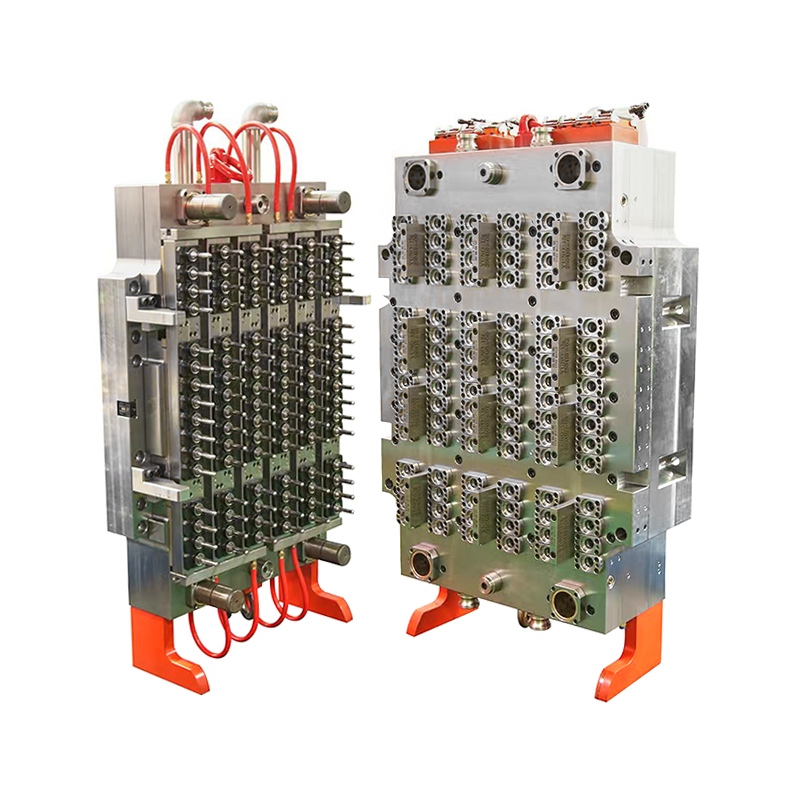
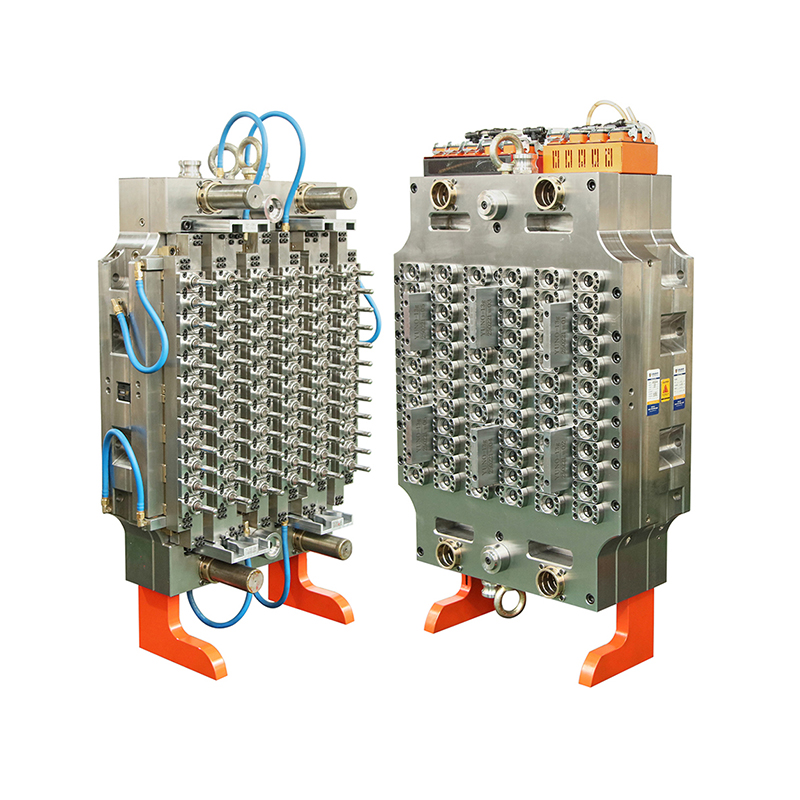
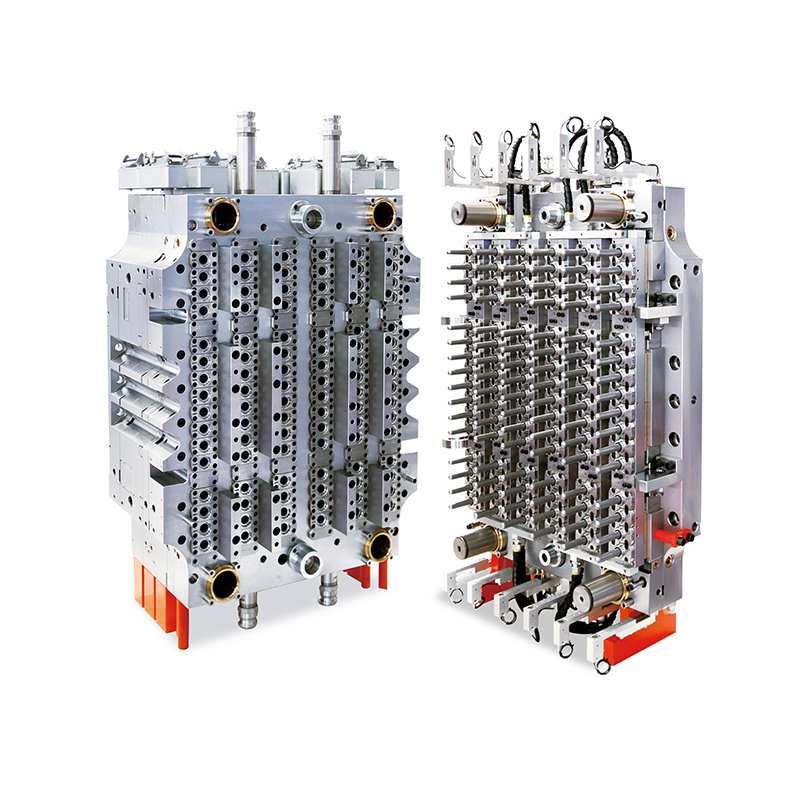
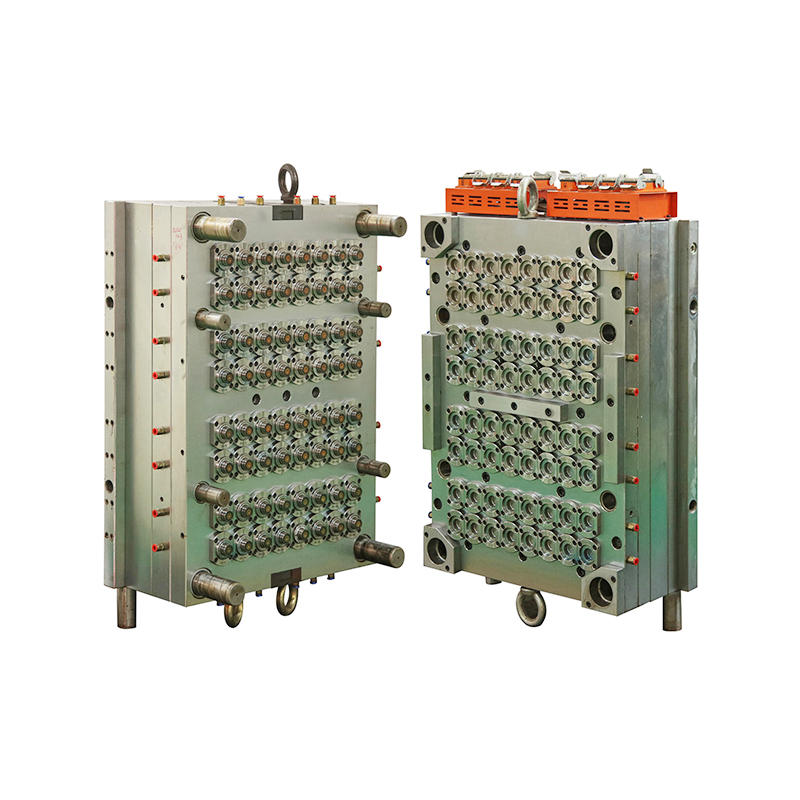
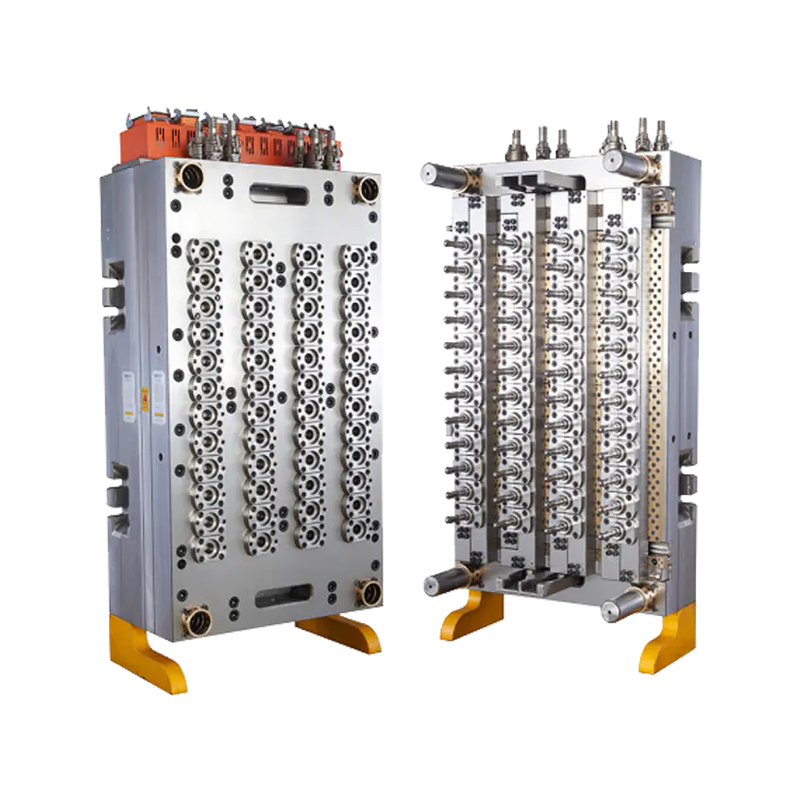
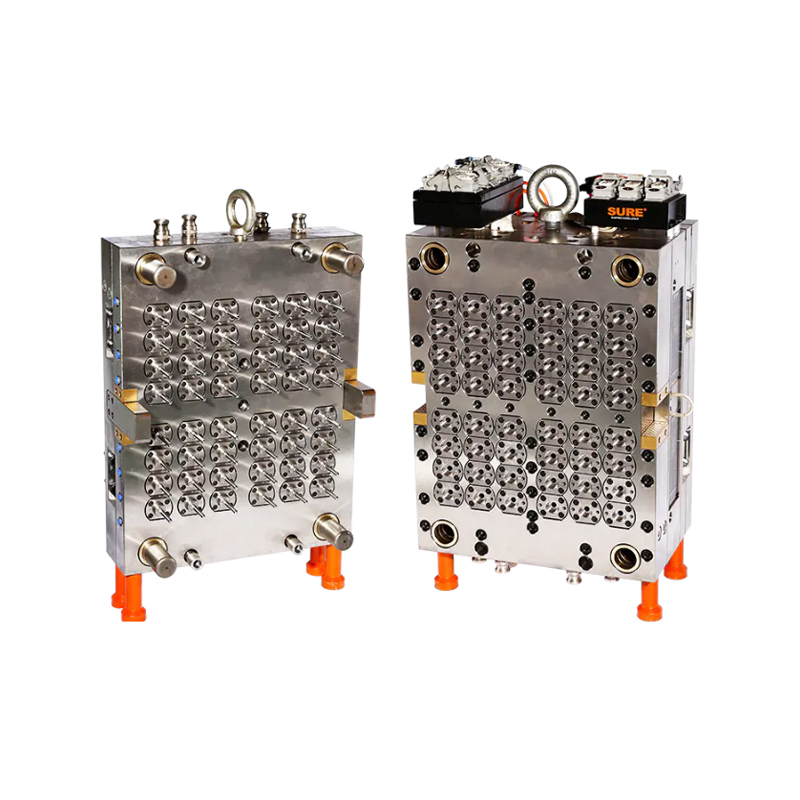
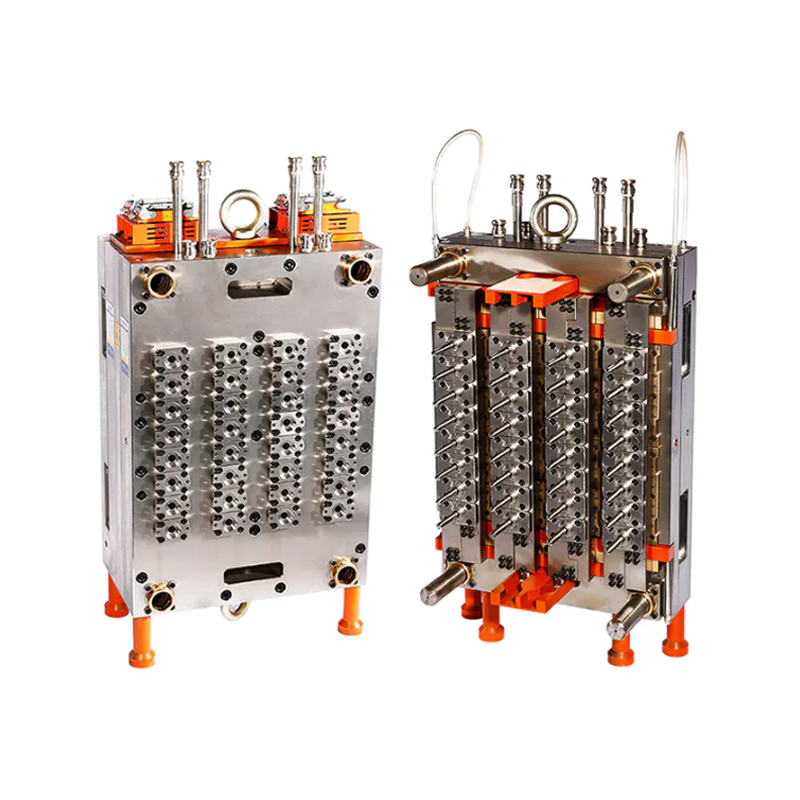
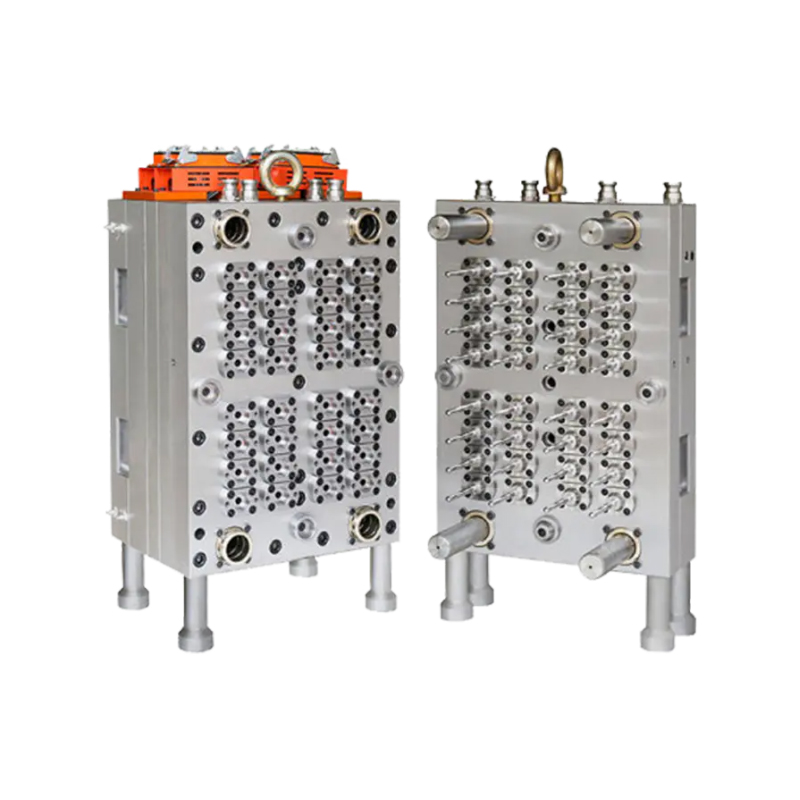
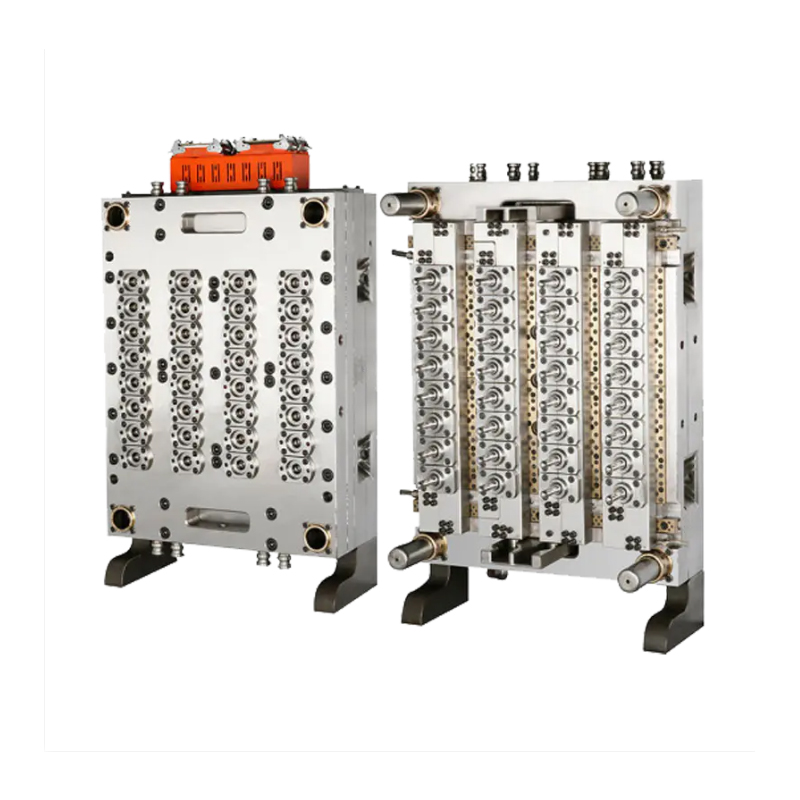
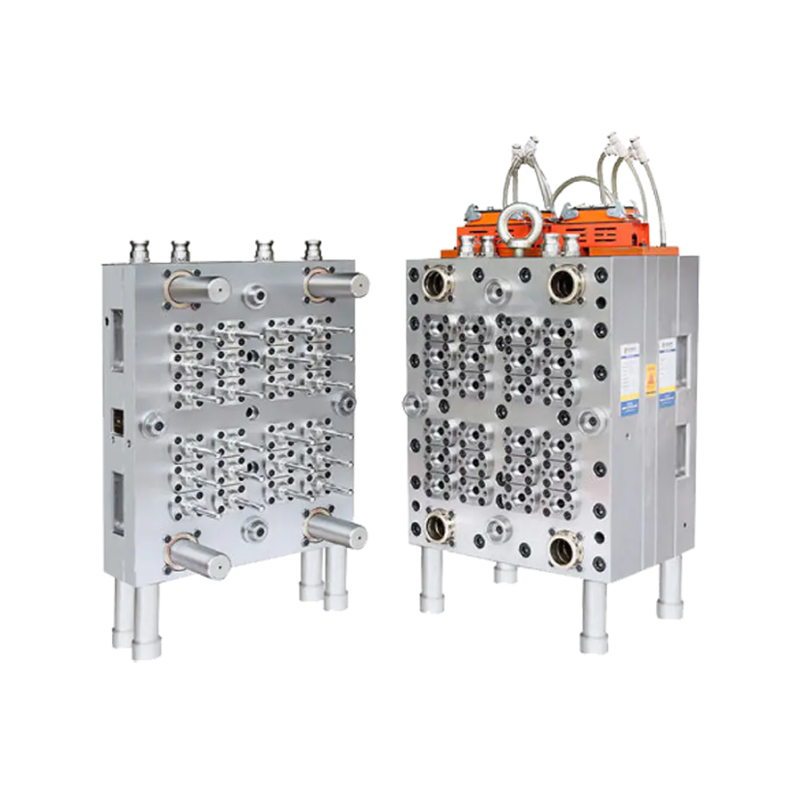
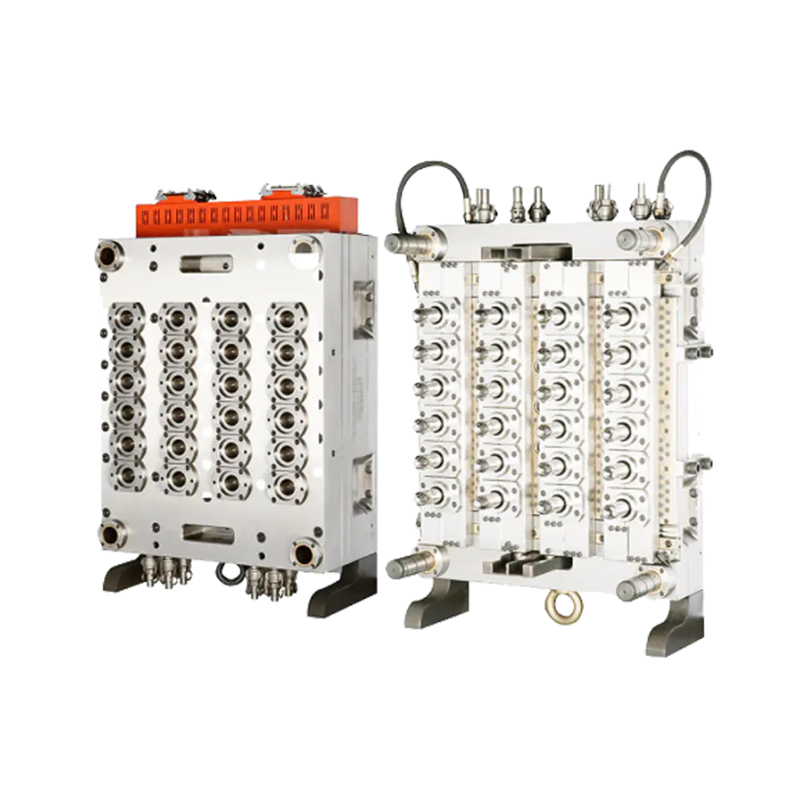
Large plastic containers require a carefully designed preform before they reach the final bottle-shaping stage. The preform acts as the starting shape for a blow molding process, giving manufacturers a controlled amount of plastic material that can later expand into a larger container. A 5 gallon preform mould is designed specifically for producing preforms used in large-capacity bottles, water containers, and other packaging applications.
A preform looks much smaller than the final bottle, yet it already contains important features of the finished container. The neck area, thread structure, wall distribution, and overall dimensions are formed during injection molding.
For large containers, the preform needs a suitable material distribution pattern. The design determines how plastic is positioned before the preform enters the blow molding stage.
The neck section normally receives particular attention because it needs to maintain its shape during later processing and support the final closure system.
A 5 gallon preform mould can be designed with multiple cavities. Each cavity produces one preform during an injection cycle, allowing manufacturers to increase output without changing the basic molding process.
Cavity arrangement also affects mold dimensions, cooling channels, material flow, and machine requirements. Engineers need to balance the number of cavities with the available injection molding equipment.
The layout of the cavities should allow plastic to fill evenly and permit efficient cooling after injection.
Many preform molds use hot runner technology to deliver molten plastic into individual cavities. The system keeps the polymer in a controlled flow state before it enters each cavity.
A well-planned runner layout can help reduce unnecessary material movement and support consistent filling across multiple cavities.
Valve gates may also be incorporated into the design. These components control when material enters each cavity and can influence the appearance and dimensional consistency of the preforms.
Cooling is an important part of injection molding because the molten plastic needs to solidify before the preform can be removed from the mold.
A 5 gallon preform mould may contain carefully arranged cooling channels around the cavities and core sections. Water flows through these channels to carry heat away from the mold.
Channel placement can affect temperature distribution. If certain areas cool differently, variations in shrinkage may occur. Engineers therefore consider the cavity geometry and material behavior when designing the cooling structure.
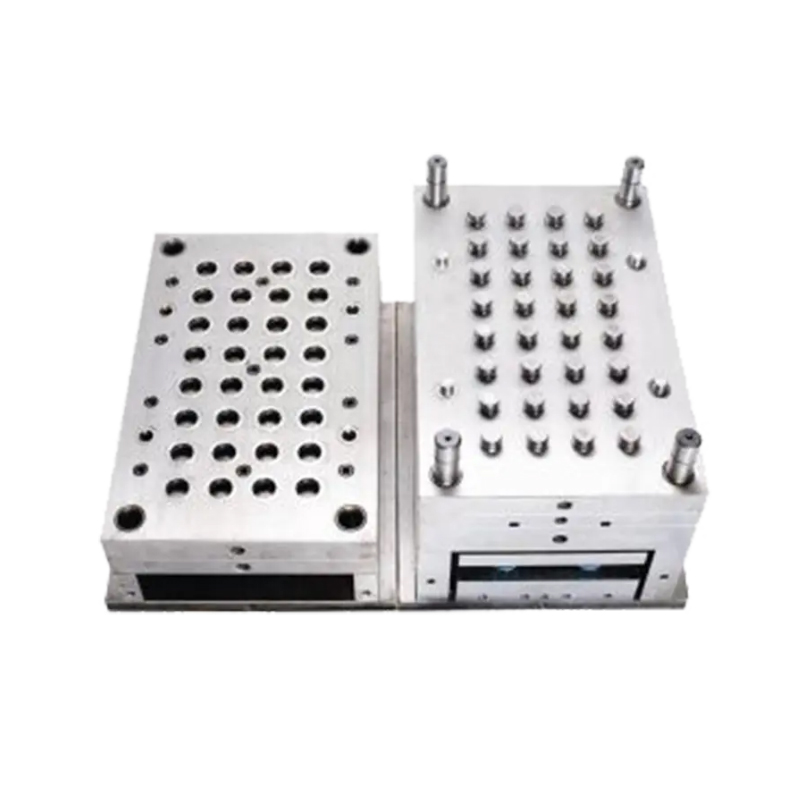
The core forms the internal section of the preform, whereas the cavity creates the external shape. These two sections need to work together accurately during each molding cycle.
CNC machining, EDM, grinding, and other precision manufacturing processes can be used to produce mold components. Dimensional accuracy is especially important around the neck finish and thread area.
Small differences in these sections can affect how the finished bottle connects with its cap or closure.
Mold components need suitable mechanical properties because they experience repeated heating, cooling, pressure, and movement during production.
Different steel grades may be selected for cavity inserts, cores, mold plates, and other components. The choice depends on production requirements, machining characteristics, hardness, and expected operating conditions.
Surface treatment can also be applied to selected mold components to improve their working characteristics.
The molding machine needs suitable injection settings for the selected plastic material and preform design. Injection pressure, filling speed, melt temperature, holding pressure, and cooling time can influence the finished shape.
For a 5 gallon preform mould, these parameters need to match the larger preform structure. Poor coordination can result in incomplete filling, uneven walls, visible marks, or dimensional variation.
Process control therefore works together with mold engineering to produce consistent preforms.

No.148 Yongda Road, Jiangkou Street, Huangyan, Taizhou, Zhejiang, China.

yn@tzyuno.com

+86-576-84111565

+86-13575806039


Copyright © Taizhou Huangyan Yuno Mould Co., Ltd.
Plastic Mould Factory