

 英语
英语 法语
法语
Address
No.148 Yongda Road, Jiangkou Street, Huangyan, Taizhou, Zhejiang, China.
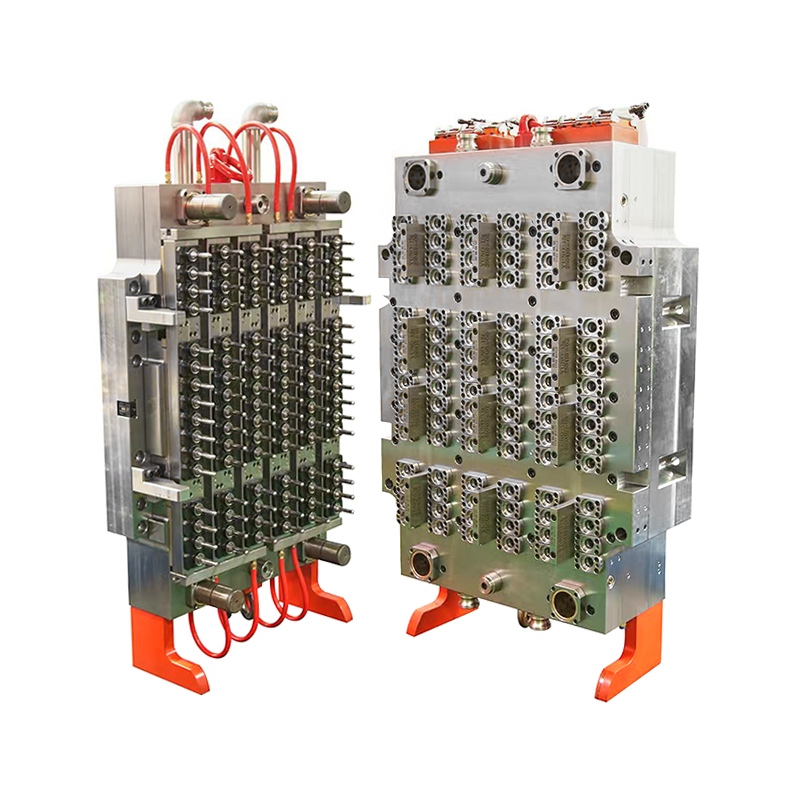
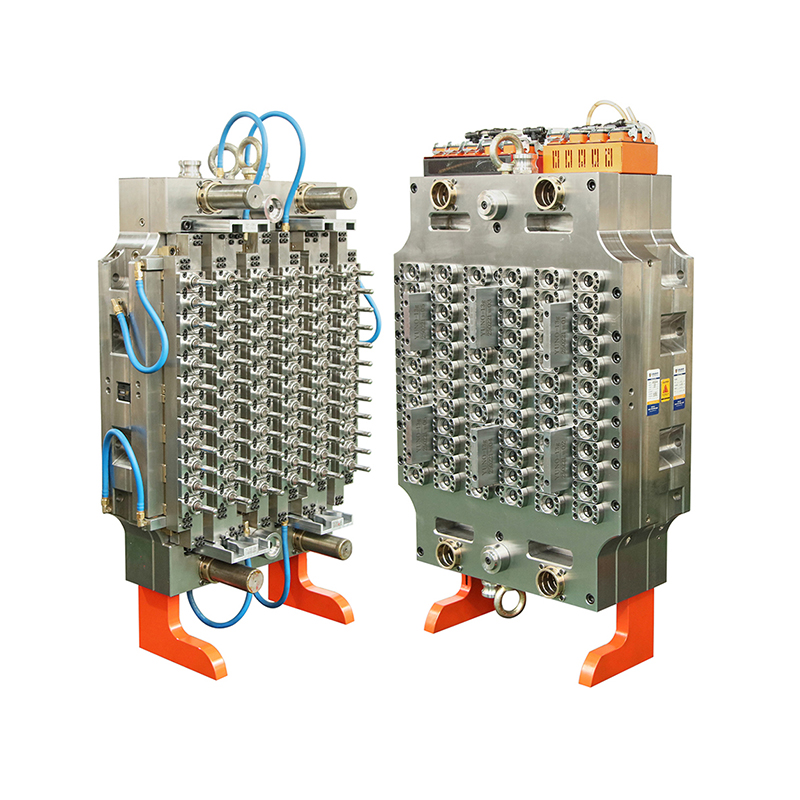
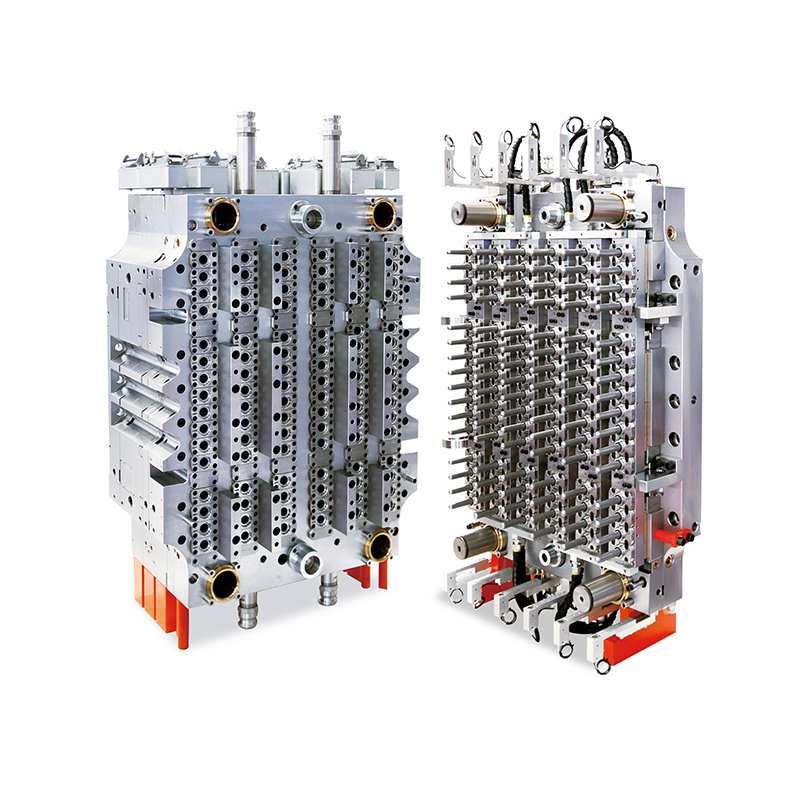
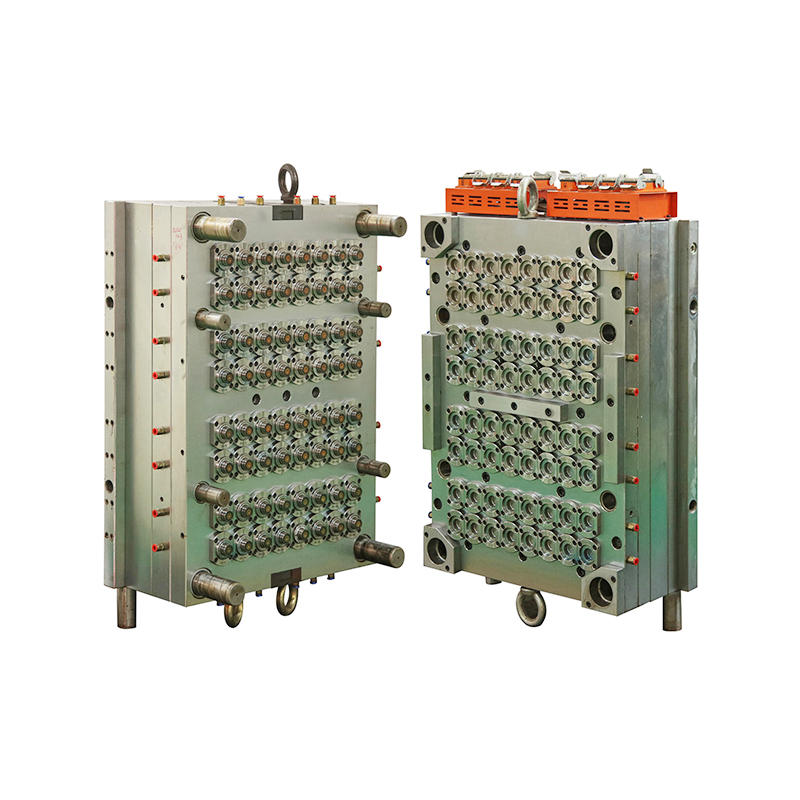
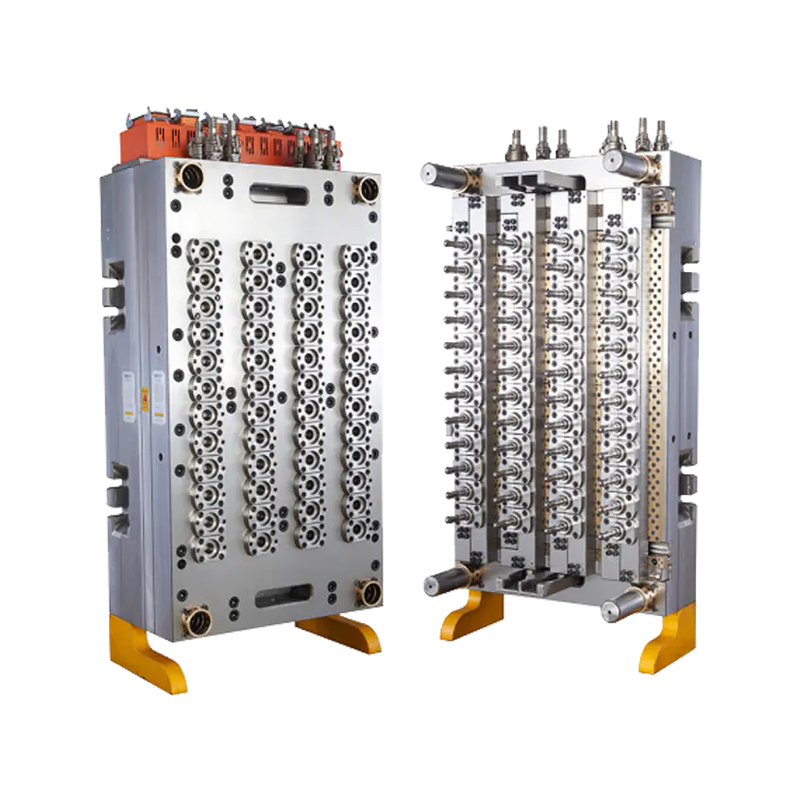
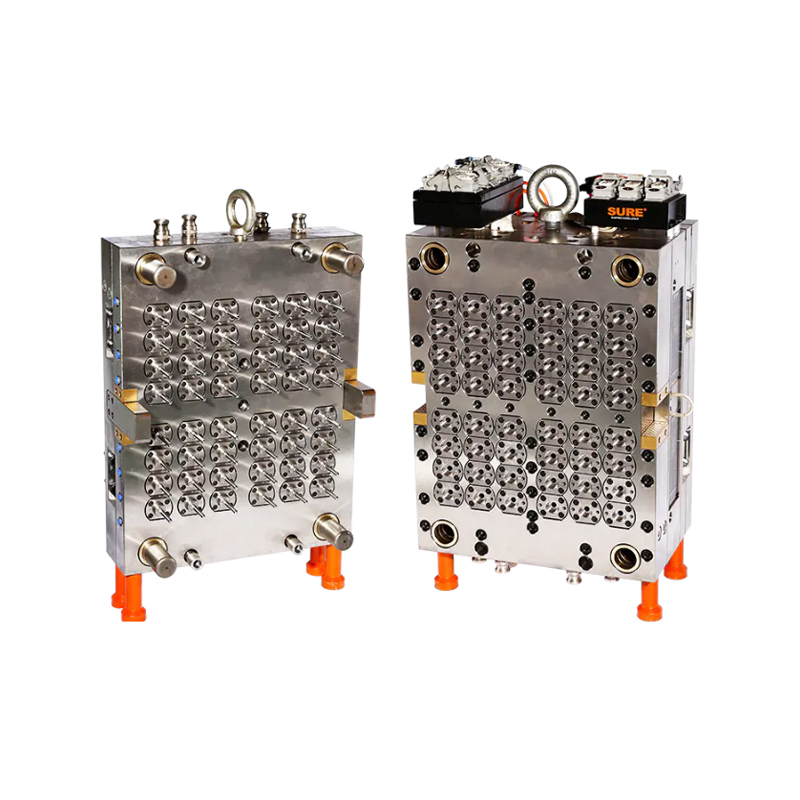
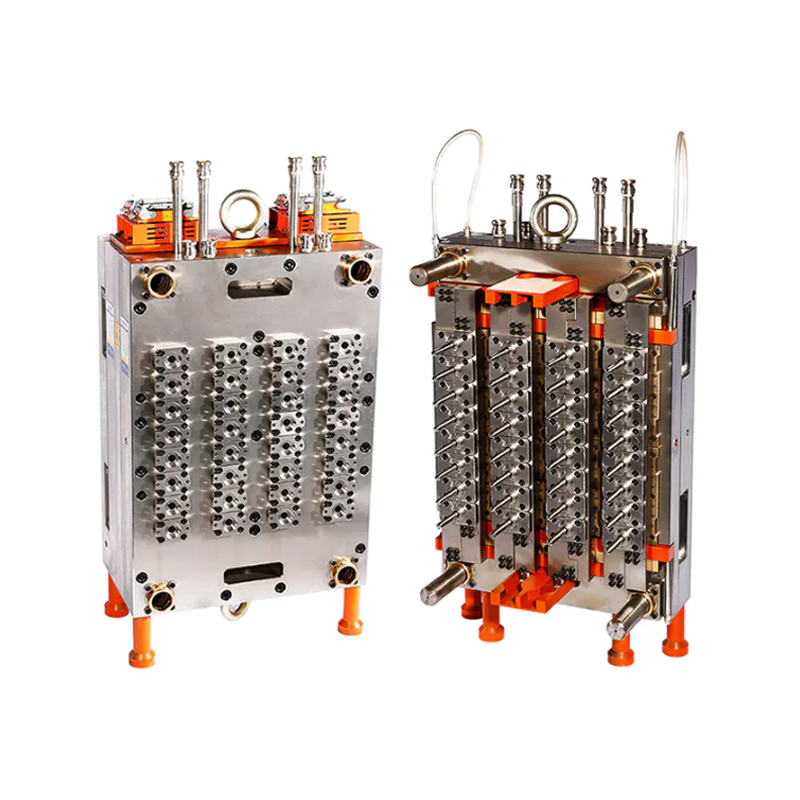
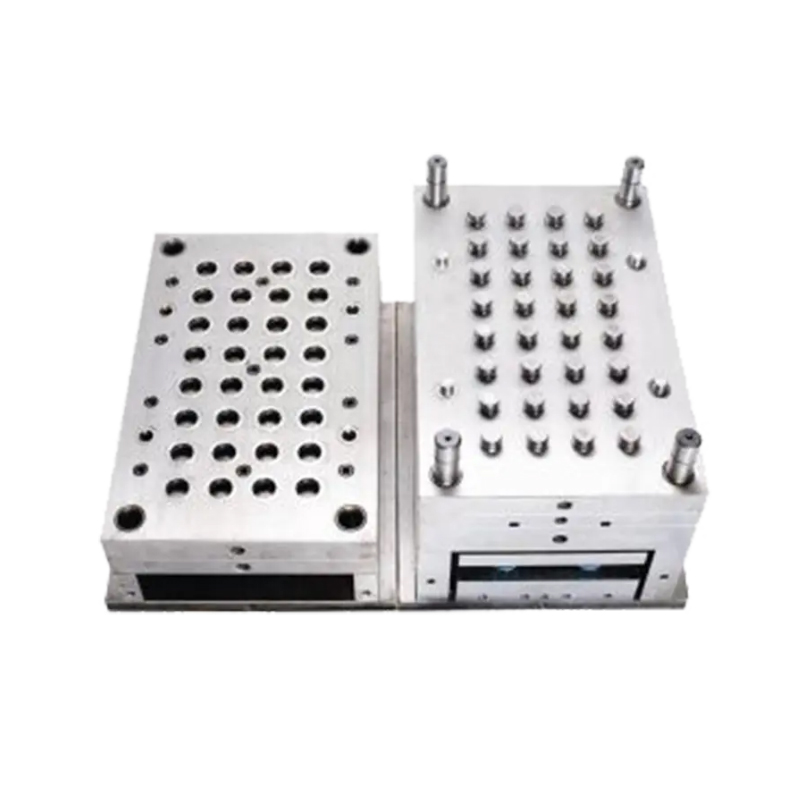
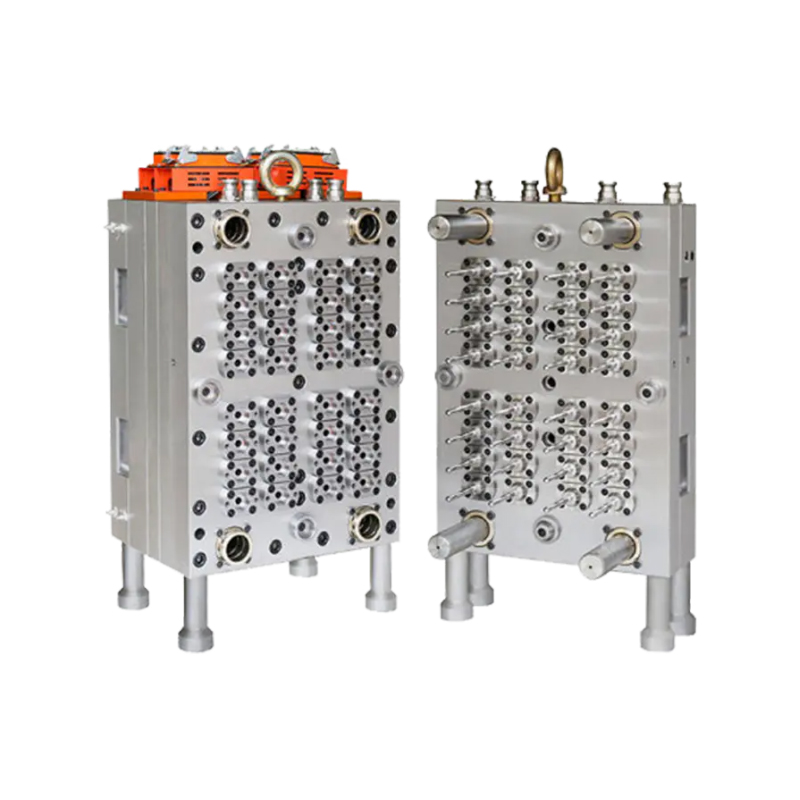
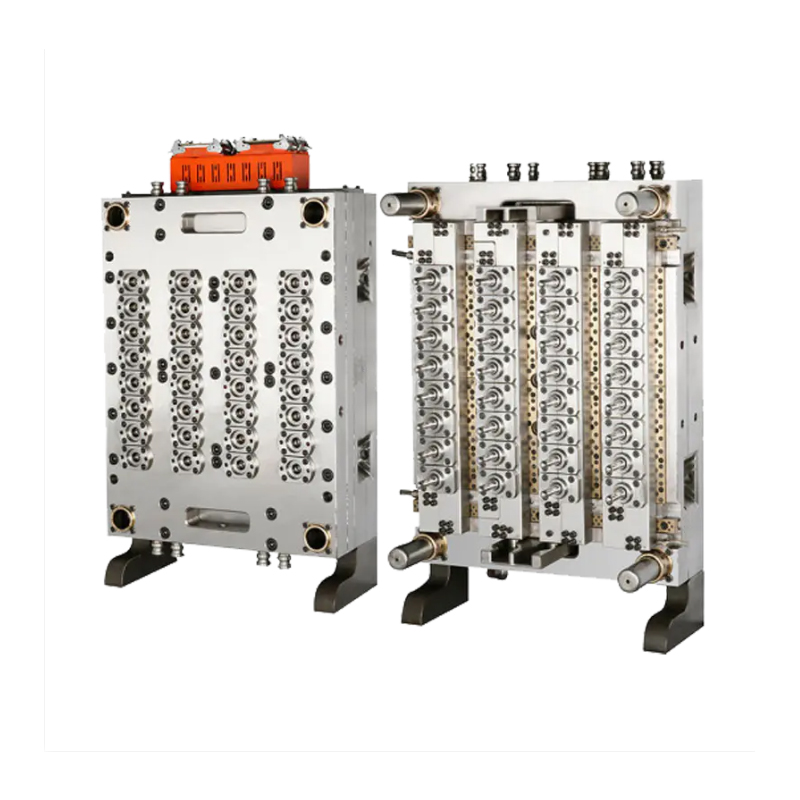
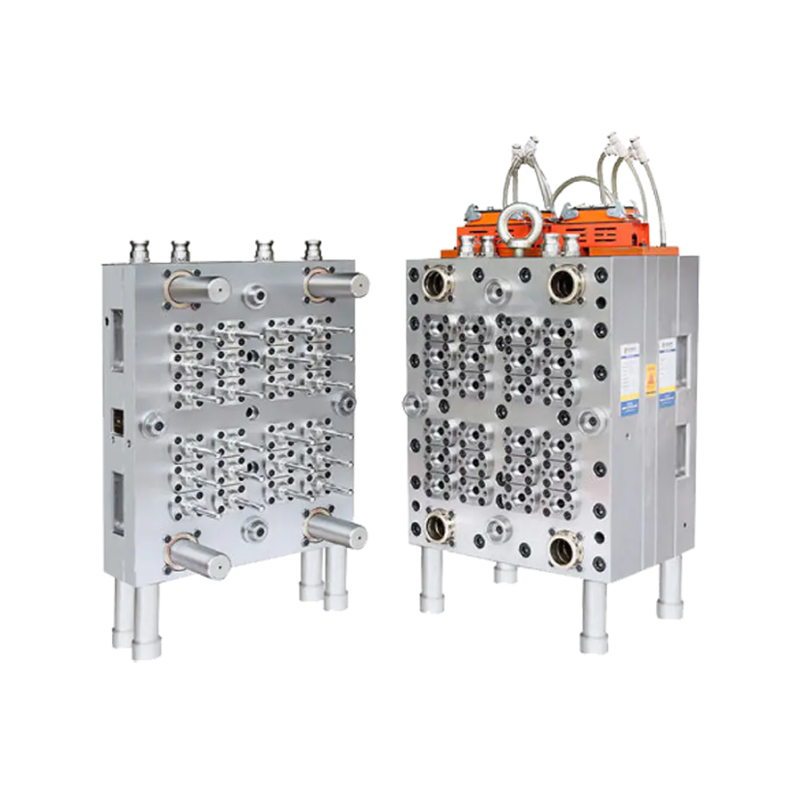
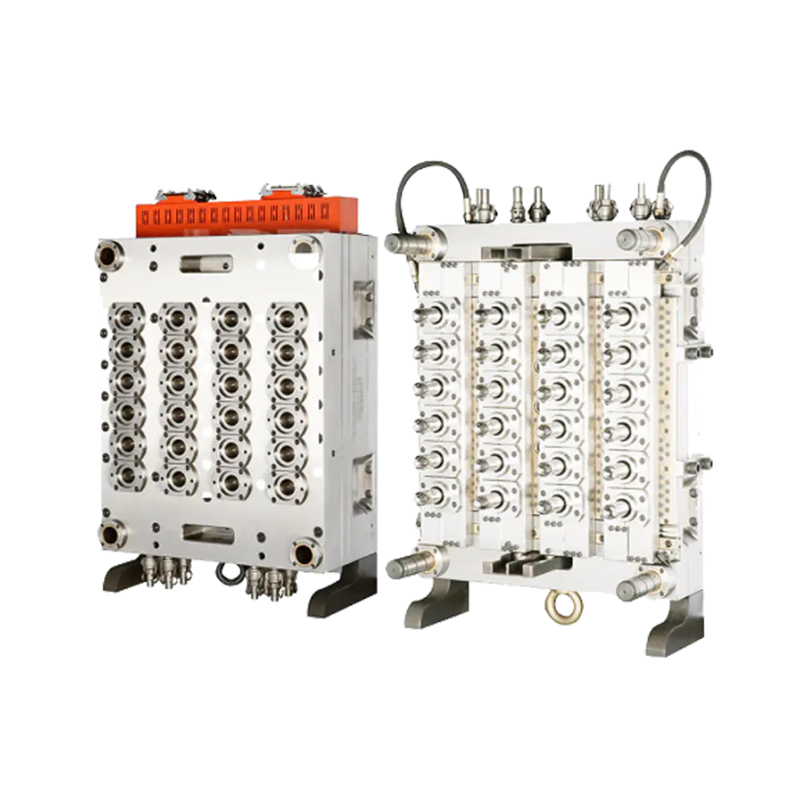
Before a plastic bottle ever holds water, soda, or juice, it starts out as something entirely different: a small, test-tube-shaped piece of plastic called a preform. The tool responsible for shaping that preform is known as a beverage bottle preform mould, and it plays a surprisingly central role in how bottles end up looking, fitting, and performing once they reach store shelves.
A preform mould is essentially a precision-machined tool that shapes molten plastic, typically PET resin, into a compact shape resembling a thick-walled tube with a fully formed neck and threading already in place. This preform is later reheated and stretched into its final bottle shape through a separate blow molding process. The mould itself doesn't create the finished bottle directly; instead, it produces the raw building block that gets transformed later.
The neck finish is often the most tightly controlled part of the mould, since it needs to match cap threading exactly. Even a slight deviation here can cause sealing problems down the line, which is why mould makers pay close attention to this section during the design phase.
Understanding a preform mould gets easier once you break it into its main parts. Generally, the tool includes:
Each of these pieces has to work in sync. If cooling is uneven, for example, the preform can warp slightly, which then affects how evenly it stretches during blow molding later on.
One detail that often surprises newcomers is how much cavity count affects mould design. A mould might have anywhere from a single cavity to over ninety, depending on production needs and machine capability. More cavities mean more preforms produced per cycle, but they also mean the mould has to manage heat distribution across a wider area without letting any single cavity cool faster or slower than the rest.
This balancing act is one reason preform mould design is considered a specialized skill within the broader plastics industry. Getting uniform wall thickness across dozens of cavities simultaneously takes careful channel layout and precise machining tolerances.
Not every beverage calls for the same preform shape. Carbonated drinks, for instance, need preforms designed to handle internal pressure once blown into a bottle, so wall thickness and neck strength are adjusted accordingly. Still water bottles, on the other hand, often use lighter preforms since they don't face the same pressure demands.
Some factors that typically influence preform mould design include:
Because these variables shift from one beverage type to another, manufacturers often keep multiple mould configurations on hand rather than relying on a single universal design.
A beverage bottle preform mould might seem like a small piece of industrial equipment, but its influence stretches across the entire bottle-making process. Small design choices made at this stage, like wall thickness or neck geometry, carry through to how the final bottle looks, feels, and performs on a shelf.
For anyone trying to understand plastic bottle production, starting with the preform mould offers a useful entry point. It's the stage where raw resin first takes recognizable shape, setting the foundation for everything that happens afterward in the bottling process.

No.148 Yongda Road, Jiangkou Street, Huangyan, Taizhou, Zhejiang, China.

yn@tzyuno.com

+86-576-84111565

+86-13575806039


Copyright © Taizhou Huangyan Yuno Mould Co., Ltd.
Plastic Mould Factory