

 英语
英语 法语
法语
Address
No.148 Yongda Road, Jiangkou Street, Huangyan, Taizhou, Zhejiang, China.
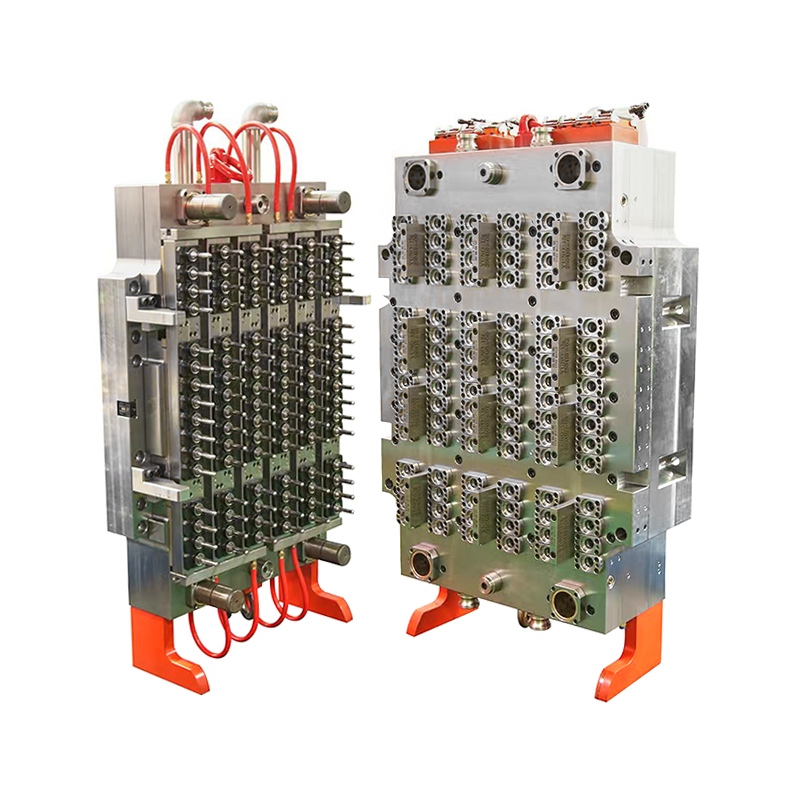
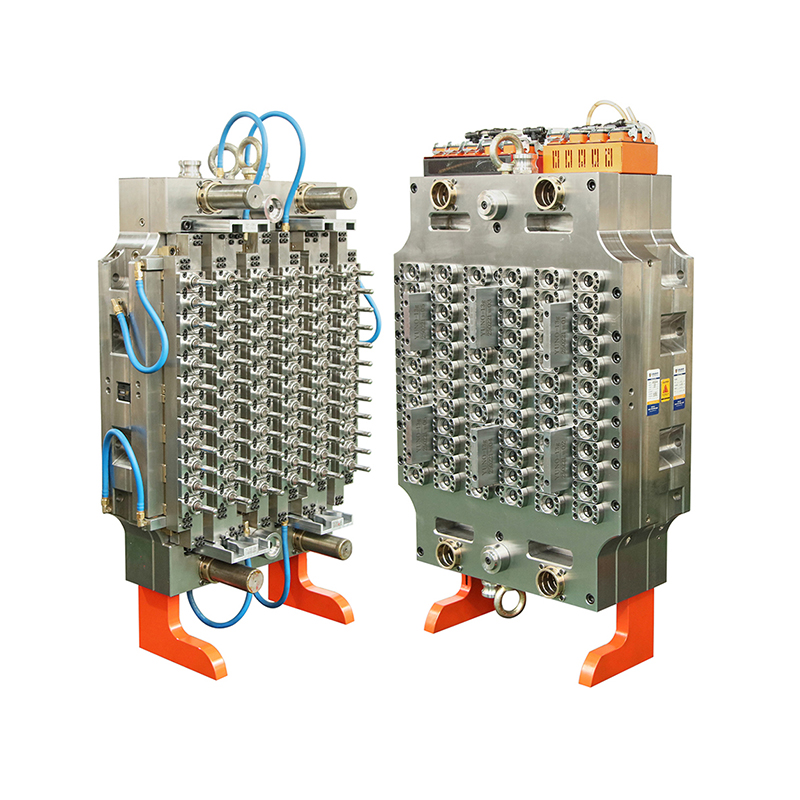
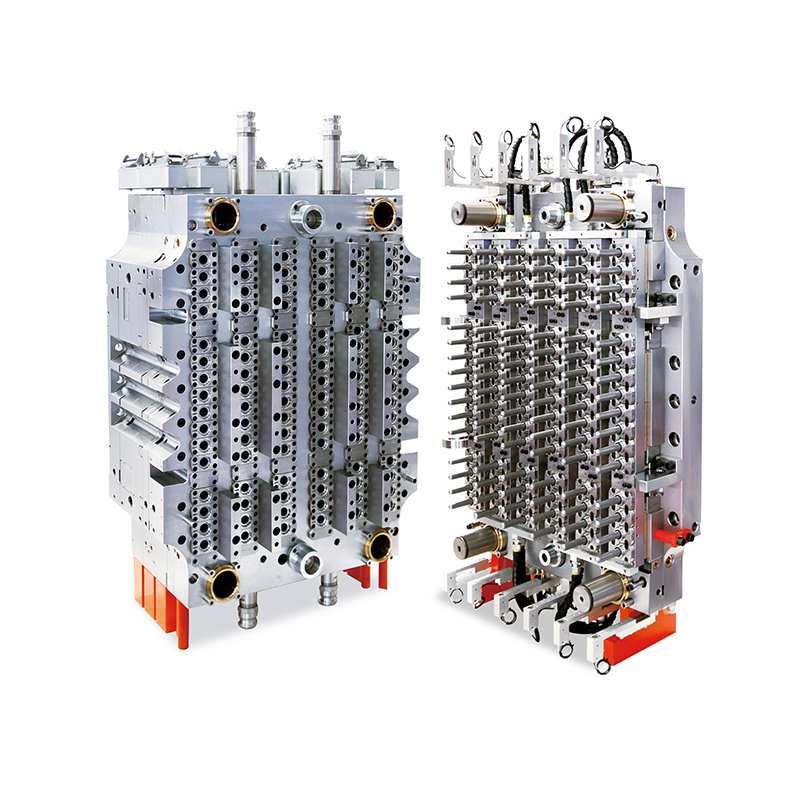
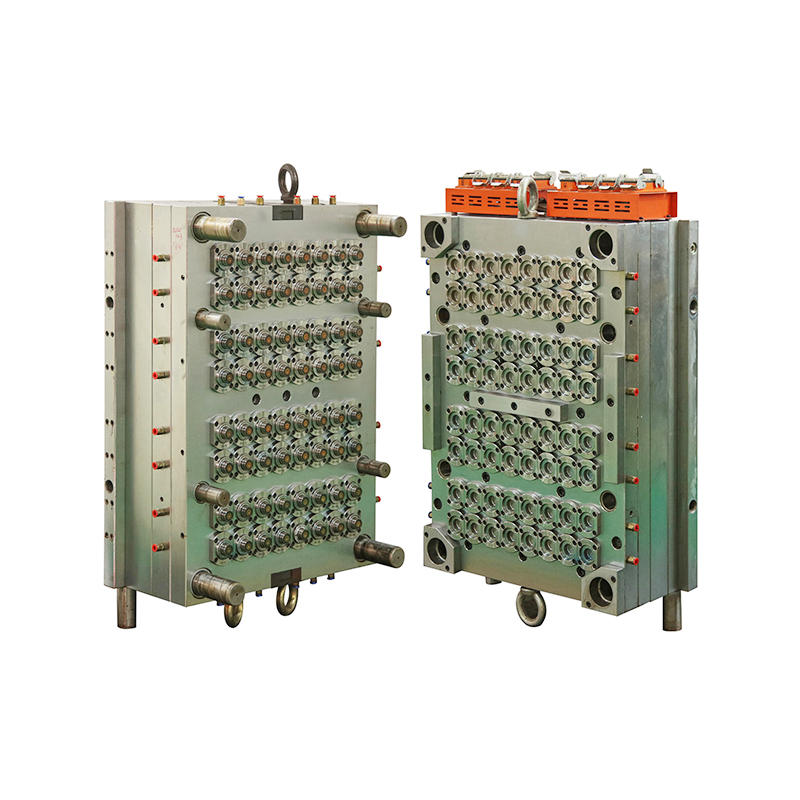
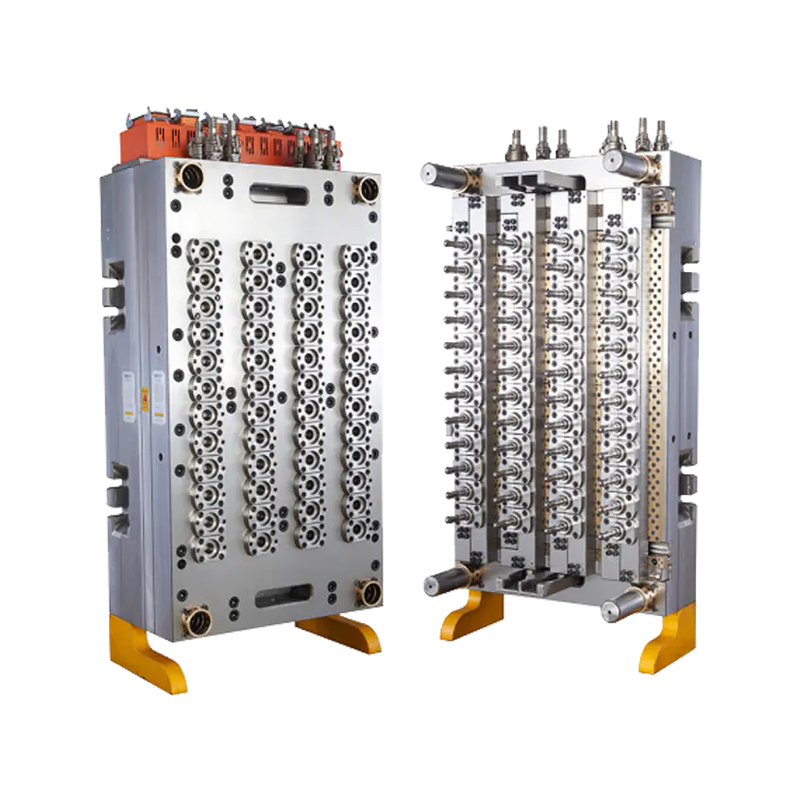
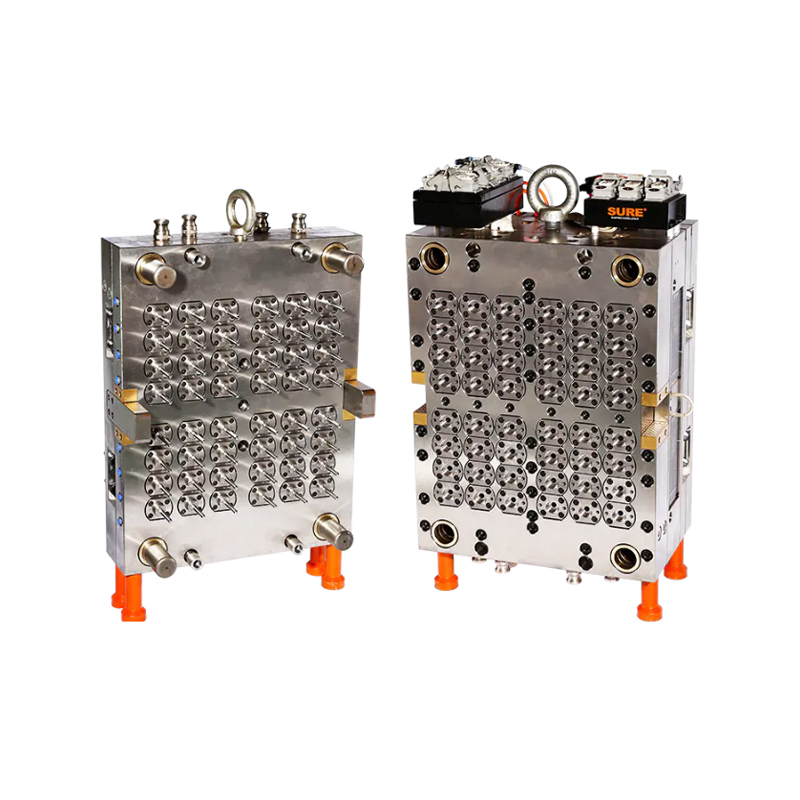
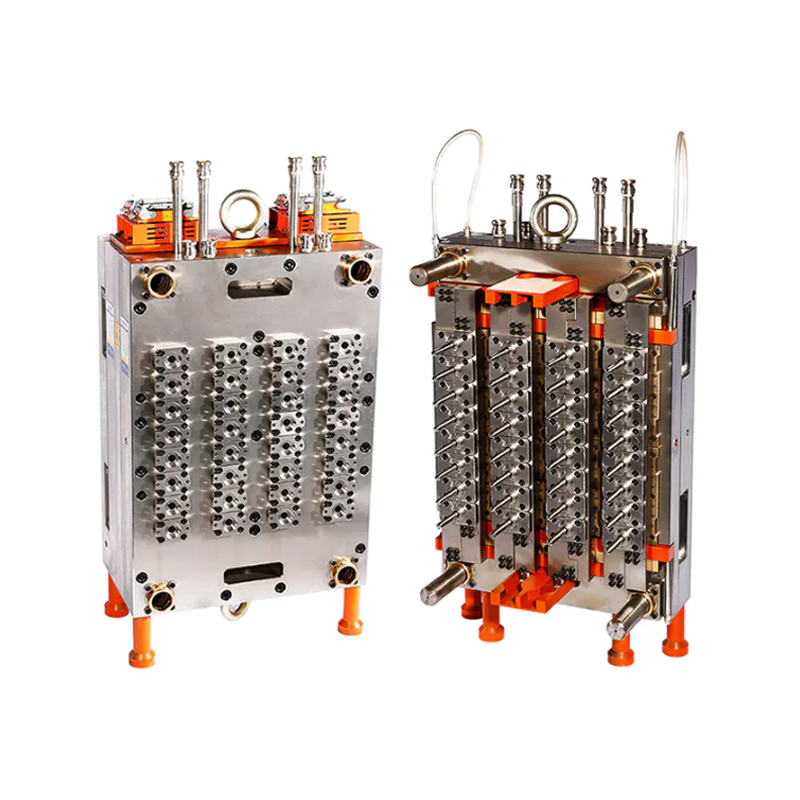
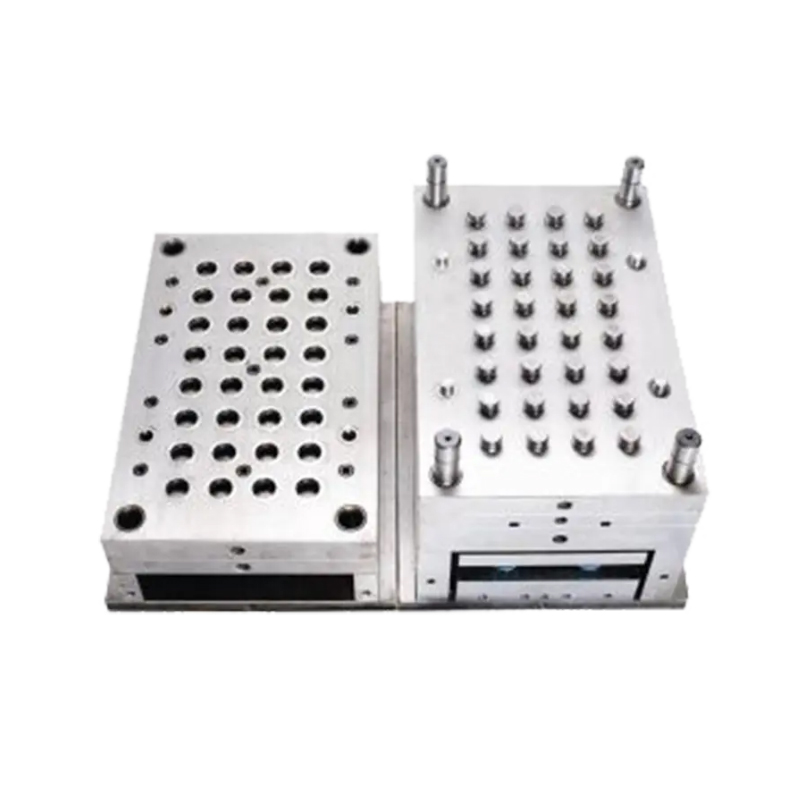
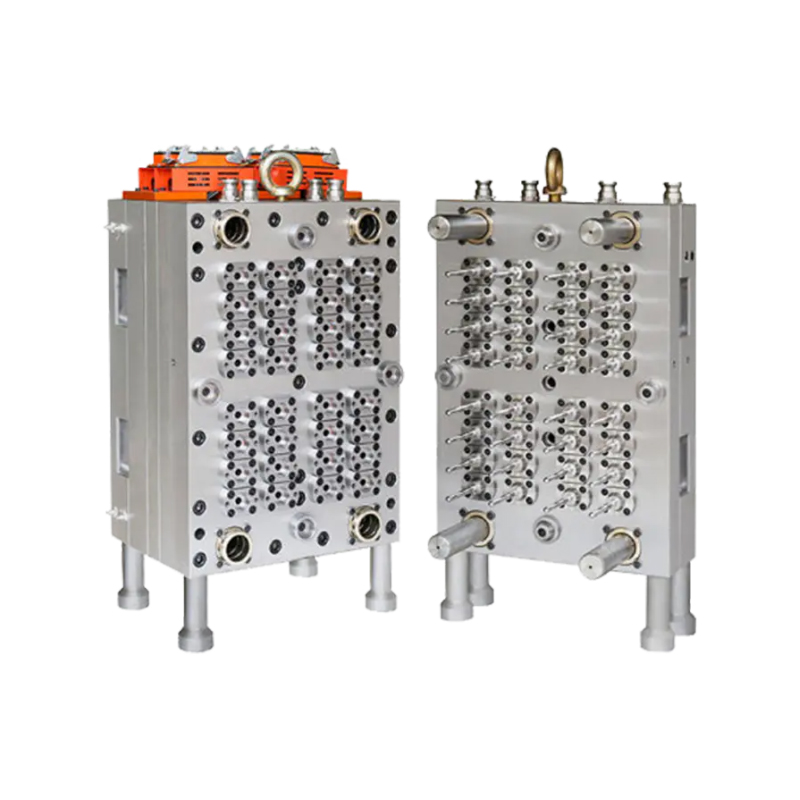
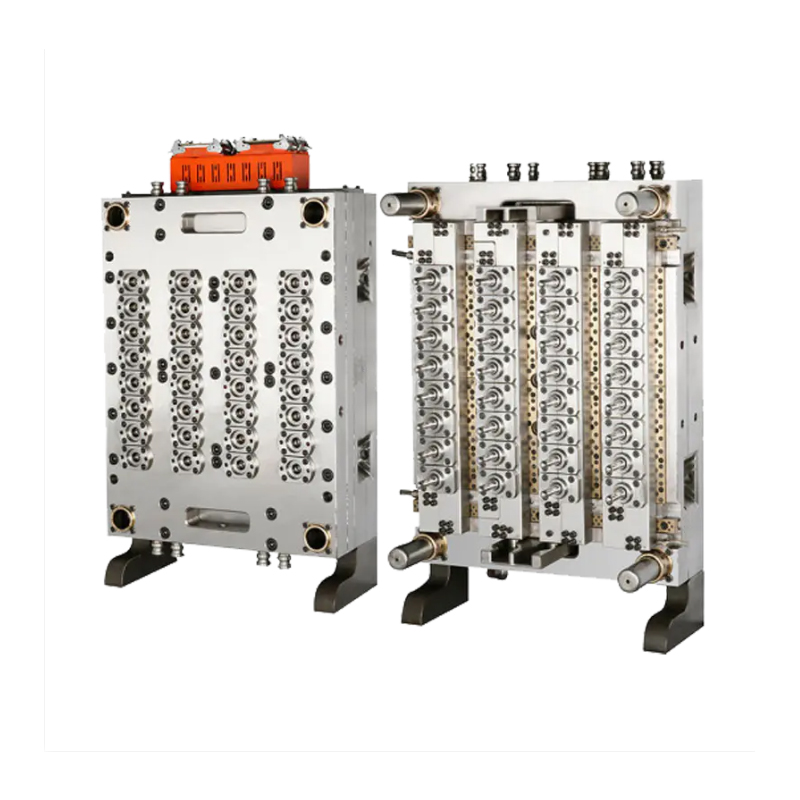
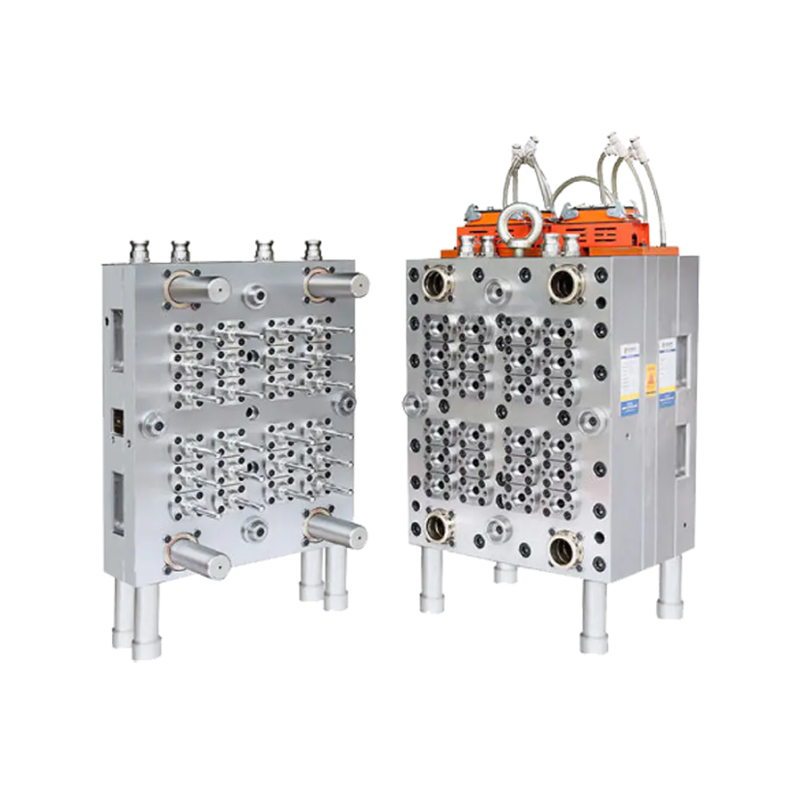
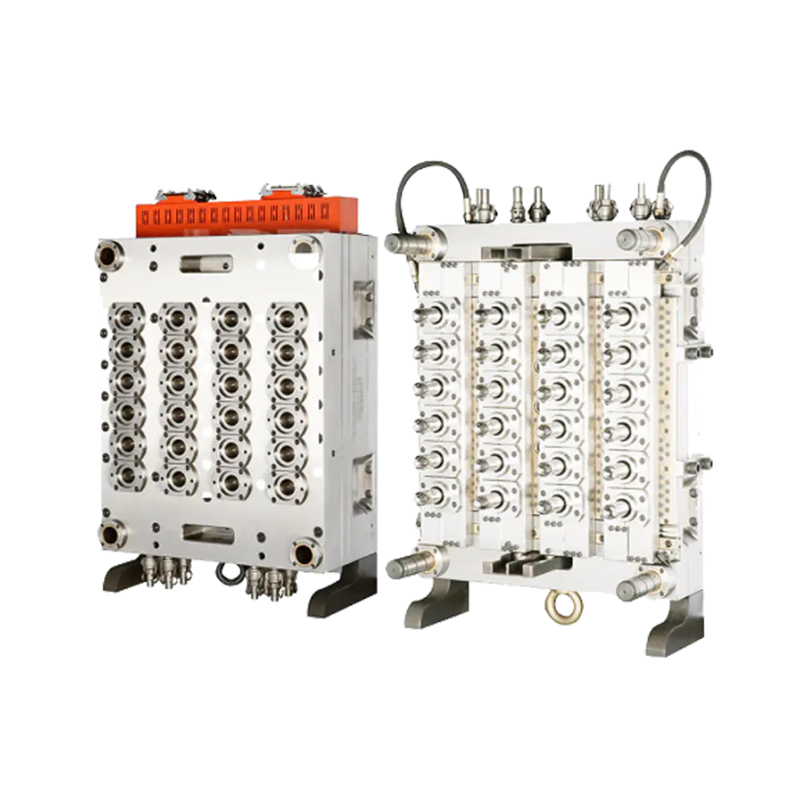
A vacuum blood collection tube looks simple enough sitting on a lab counter, but getting that clear plastic cylinder to hold consistent wall thickness, precise volume, and a clean finish depends entirely on the mould behind it. A blood collection tube mould shapes every tube coming off the production line, and even tiny deviations in that mould translate directly into inconsistent tubes downstream.
Blood collection tubes need to hold a specific internal vacuum level, since that vacuum determines how much blood gets drawn during sample collection. If a blood collection tube mould produces walls that vary even slightly in thickness across a batch, vacuum retention becomes unpredictable. Some tubes might draw the correct volume while others fall short or overfill, creating problems for lab technicians relying on consistent sample sizes for accurate testing.
This is why mould cavities for these tubes get machined to tight tolerances, often measured in microns rather than millimeters. Cavity surfaces also need a smooth, defect-free finish, since any imperfection transfers straight onto the tube's interior wall, potentially affecting how additives inside the tube (like anticoagulants or clot activators) interact with the blood sample.
A typical blood collection tube mould gets built from hardened tool steel, chosen for its ability to withstand thousands of injection cycles without losing dimensional accuracy. Cavity and core inserts are cut using precision machining methods, sometimes combined with electrical discharge machining for fine detail work around threaded neck sections or tube bottoms.
Cooling channel design inside the mould plays a bigger role than people might expect. Uneven cooling across a cavity can cause warping or inconsistent shrinkage once the plastic sets, so mould builders route cooling channels carefully around the cavity geometry to keep temperature distribution even during each cycle.
A few structural elements commonly built into these moulds include:
Once a blood collection tube mould is mounted into an injection molding machine, production runs through repeated cycles: molten plastic (typically PET or polypropylene) injects into the cavity, cools under controlled timing, then ejects as a formed tube. Cycle times depend on tube wall thickness and cooling channel efficiency, with thinner-walled tubes generally cycling faster than thicker designs.
After molding, tubes move through secondary steps outside the mould itself, including rubber stopper insertion, vacuum sealing, and labeling. None of these steps compensate for a poorly designed mould, though — if the base tube geometry is inconsistent, downstream processes inherit that inconsistency regardless of how carefully they're executed.
Medical device manufacturers producing blood collection tubes at scale typically work directly with specialized mould builders rather than general-purpose plastic mould shops, since tube geometry and tolerance requirements differ substantially from packaging or consumer product moulds. OEM and ODM clients often specify exact tube dimensions matching an existing product line, sometimes requesting a blood collection tube mould built to replicate a design already in production elsewhere.
Communication between buyer and mould builder usually centers on cavity count, tube dimensions, wall thickness targets, and expected production volume. Sample tooling trials, where a small test run confirms tube dimensions and wall consistency before full production begins, remain a standard part of this process, letting buyers catch design issues while adjustments are still relatively straightforward to make.

No.148 Yongda Road, Jiangkou Street, Huangyan, Taizhou, Zhejiang, China.

yn@tzyuno.com

+86-576-84111565

+86-13575806039


Copyright © Taizhou Huangyan Yuno Mould Co., Ltd.
Plastic Mould Factory