

 英语
英语 法语
法语
Address
No.148 Yongda Road, Jiangkou Street, Huangyan, Taizhou, Zhejiang, China.
Cap mould production plays a central role in the global packaging sector, particularly in beverage, food, pharmaceutical, and household product industries. Bottle caps may appear simple, yet their performance directly influences sealing integrity, product freshness, and consumer safety.
Rising consumption of bottled water, carbonated drinks, edible oils, and cleaning products has contributed to steady demand for high-precision cap mould solutions. Manufacturers seek mould systems capable of producing large volumes of uniform caps within short production cycles. Even slight dimensional variations can affect sealing performance, making cavity design accuracy and material selection critical considerations.
Sustainability initiatives are further influencing cap mould development strategies. Beverage brands are introducing lightweight cap designs to reduce plastic consumption, prompting engineers to optimize wall thickness and internal rib structures without compromising closure strength. These evolving standards promote closer collaboration between packaging designers and cap mould manufacturers, ensuring smooth integration into existing bottling lines and supporting stable, long-term production performance.
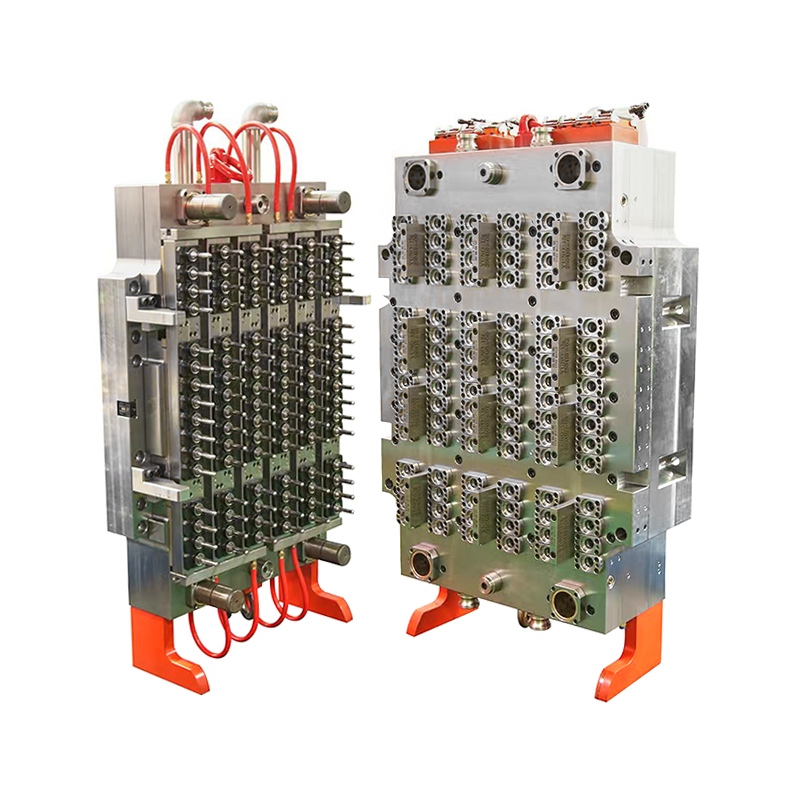
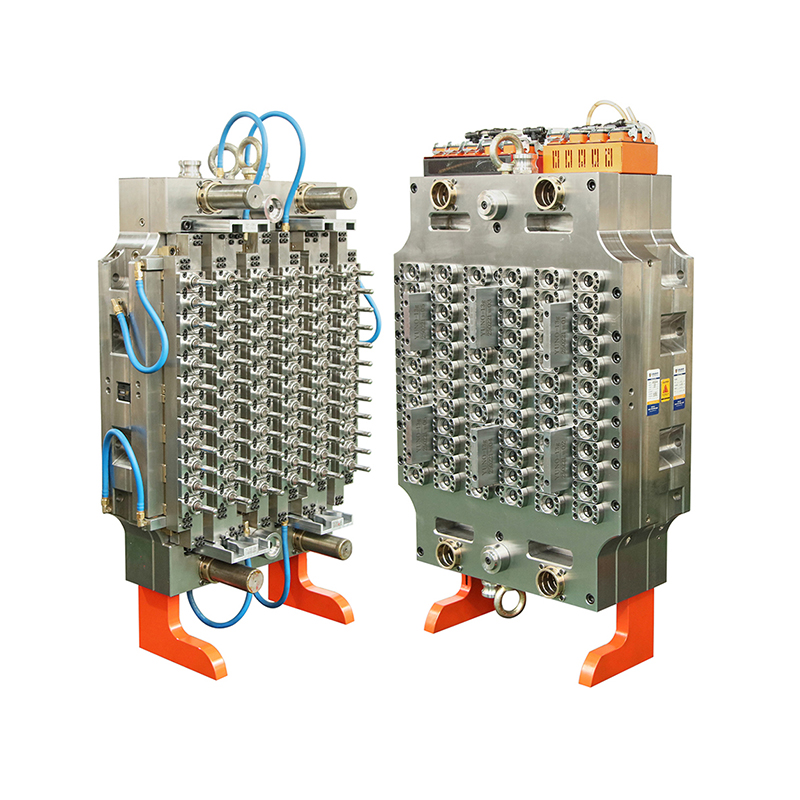
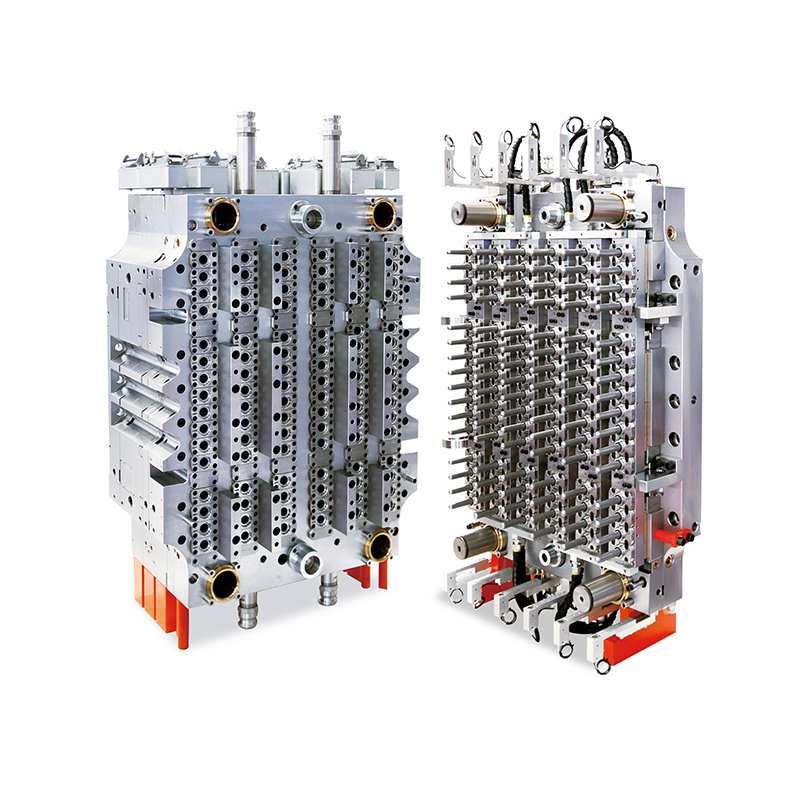
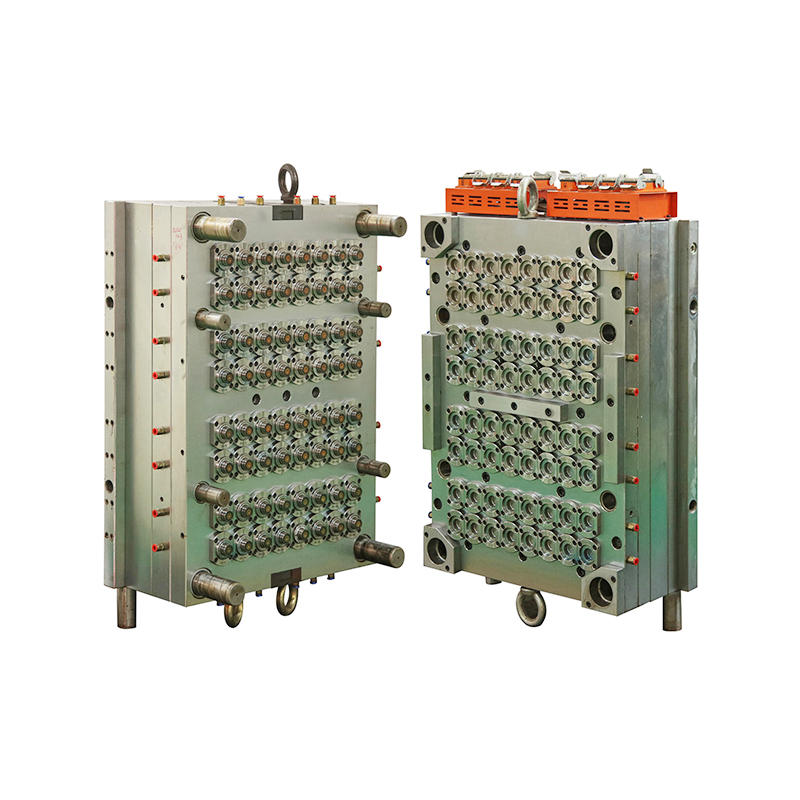
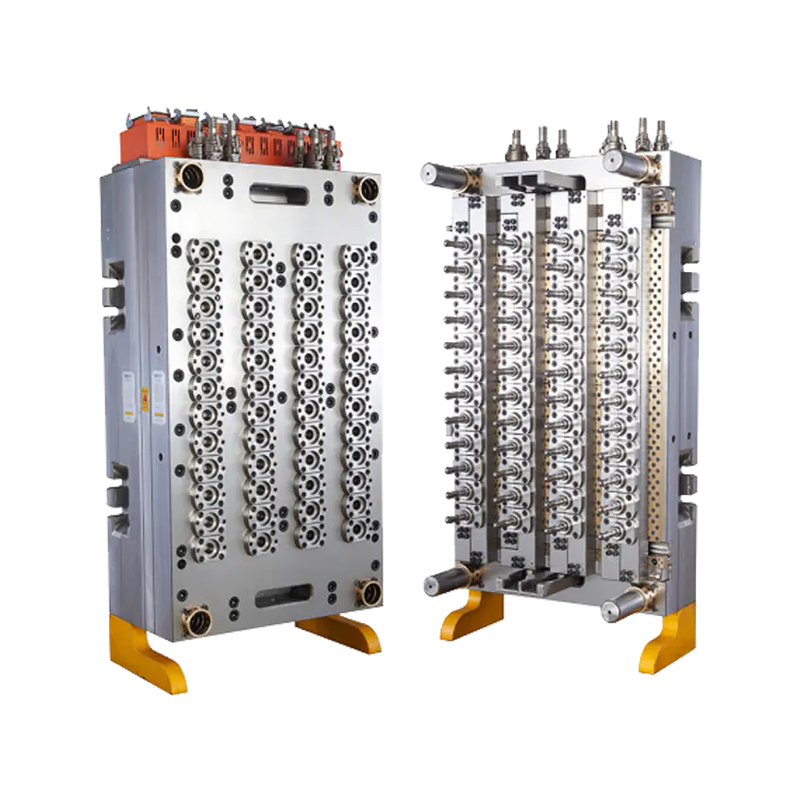
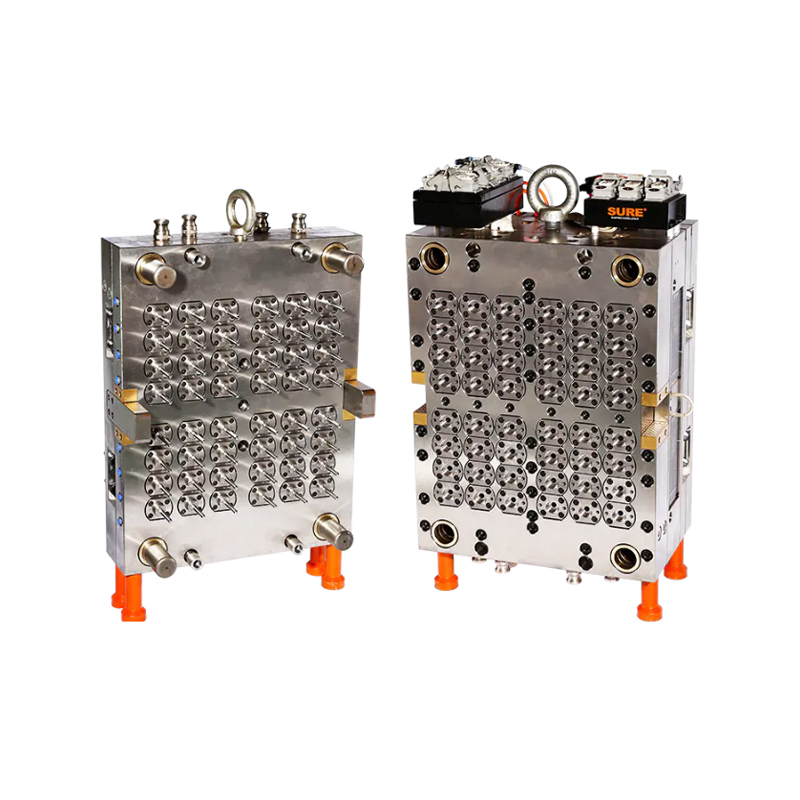
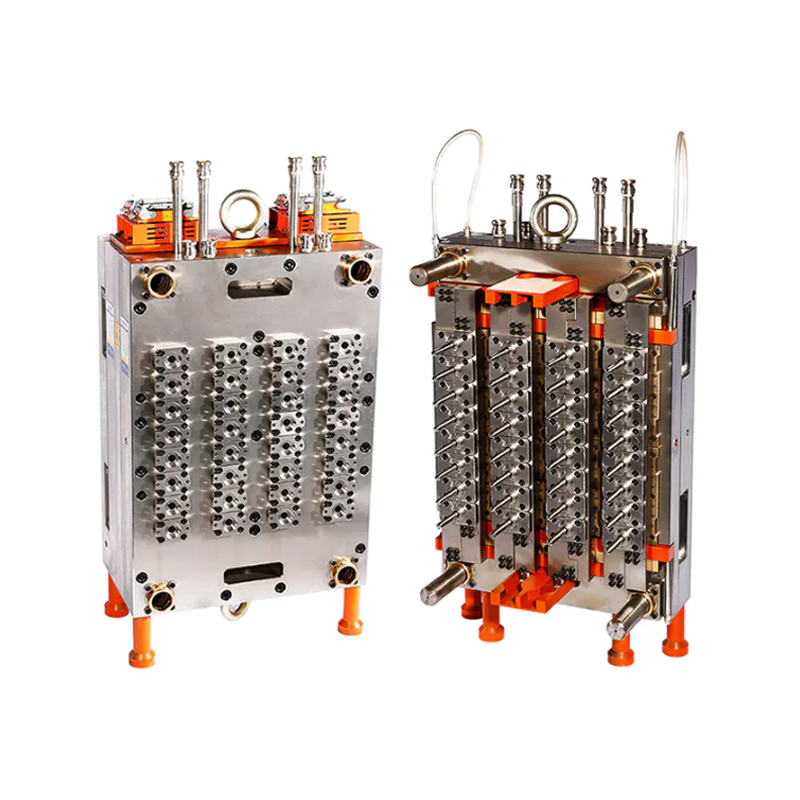
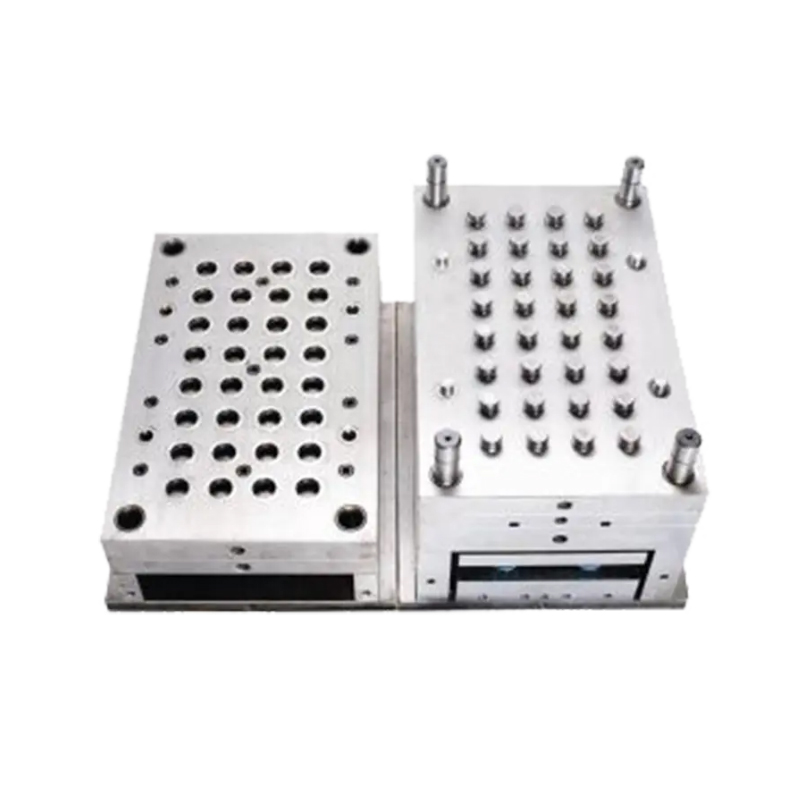
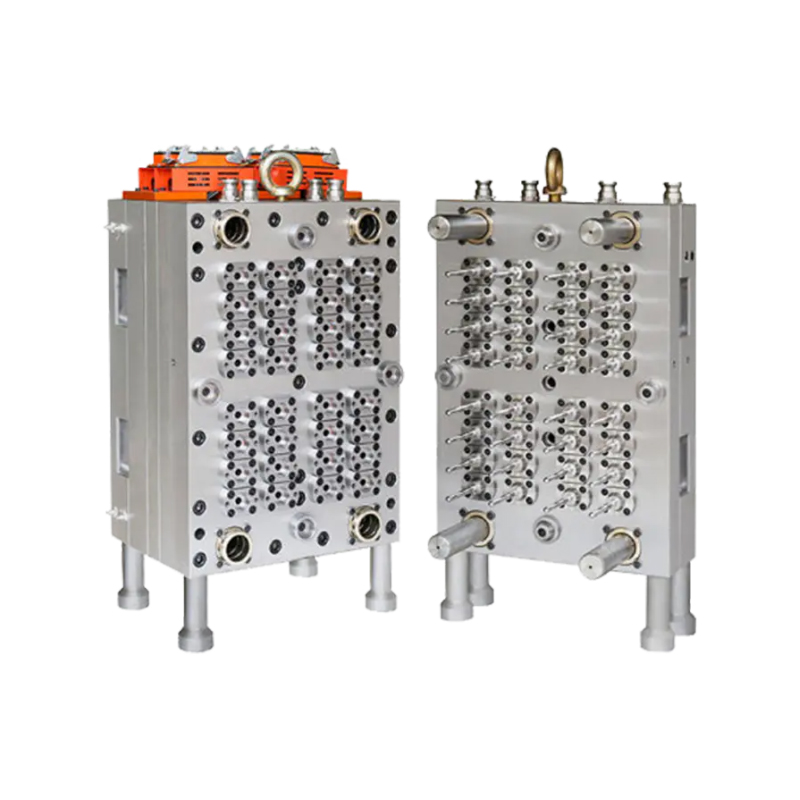
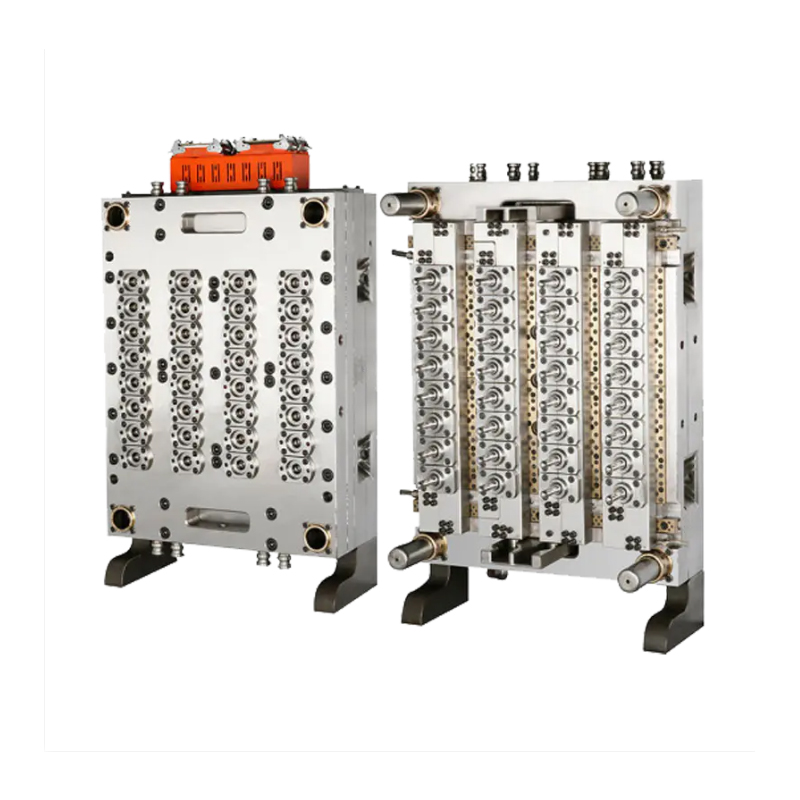
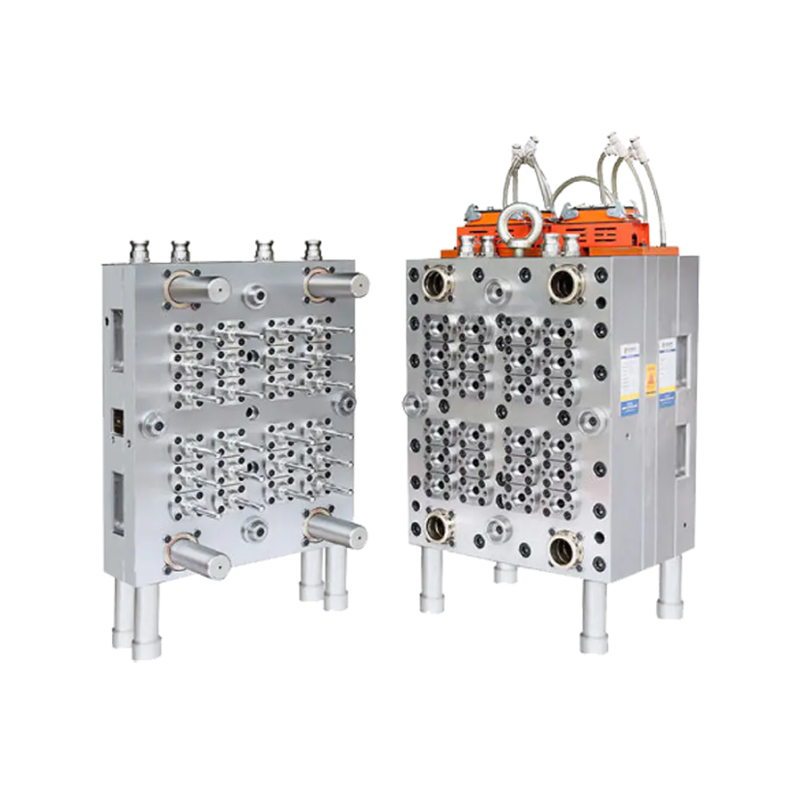
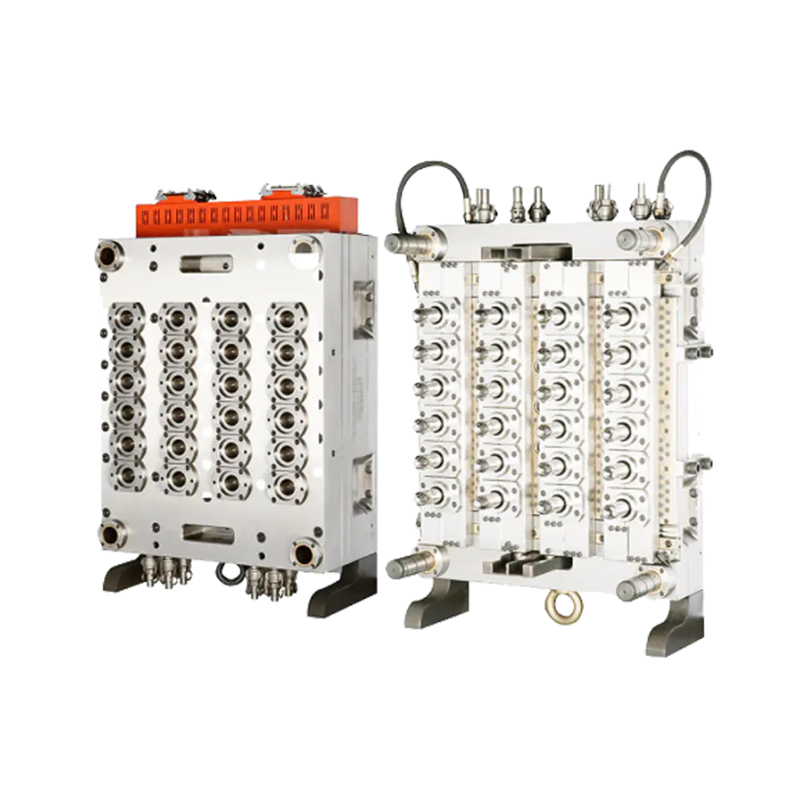
Cap mould design relies on precision machining and advanced tooling technology. Multi-cavity mould structures allow producers to increase output efficiency while maintaining uniformity. High-grade steel alloys are commonly used to enhance durability and resist wear during continuous operation.
Cooling systems integrated into cap mould structures play an essential role in production efficiency. Uniform temperature control shortens cycle times and reduces deformation risks. Engineers carefully map cooling channels to maintain consistent plastic flow and minimize internal stress within each cap.
Automation has become a defining feature in modern cap mould manufacturing. Computer numerical control machining ensures accurate cavity shaping, while automated polishing systems improve surface finish. Digital monitoring tools track production parameters in real time, allowing quick adjustments if irregularities appear.
Another important factor involves compatibility with different plastic resins, including polyethylene and polypropylene. Cap mould systems must accommodate variations in shrinkage rates and flow characteristics. Ongoing material research supports the development of mould configurations that adapt to evolving packaging material standards.
Environmental discussions increasingly influence cap mould innovation. Lightweight cap design has gained attention as brands attempt to reduce plastic consumption. Achieving material reduction without compromising structural strength requires precise mould calibration. Small changes in wall thickness or rib structure can significantly impact overall resin usage.
Recyclability considerations also guide cap mould development. Some beverage producers are aligning cap design with bottle recycling streams to improve processing efficiency. Tethered cap designs, now introduced in various markets, require modified mould structures that integrate connecting components without reducing production speed.
Energy efficiency within mould operation is another area of focus. Improved cooling systems and optimized cycle times help reduce power consumption during injection moulding processes. Maintenance-friendly mould designs support longer operational lifespans, decreasing downtime and material waste.
Collaboration between packaging brands and mould manufacturers encourages practical sustainability solutions. Design adjustments made during the cap mould development stage can influence the environmental footprint of millions of finished products.
Cap mould technology continues to evolve alongside changing packaging demands, technical standards, and environmental expectations. From precision machining and advanced cooling systems to lightweight design strategies and recyclable closure concepts, every improvement at the mould stage influences large-scale production outcomes. Beverage and consumer goods markets continue to expand, and manufacturers place greater emphasis on efficiency, consistency, and material responsibility. Close cooperation between mould engineers, packaging designers, and brand owners supports smoother integration across bottling lines and recycling systems.

No.148 Yongda Road, Jiangkou Street, Huangyan, Taizhou, Zhejiang, China.

yn@tzyuno.com

+86-576-84111565

+86-13575806039


Copyright © Taizhou Huangyan Yuno Mould Co., Ltd.
Plastic Mould Factory