

 英语
英语 法语
法语
Address
No.148 Yongda Road, Jiangkou Street, Huangyan, Taizhou, Zhejiang, China.
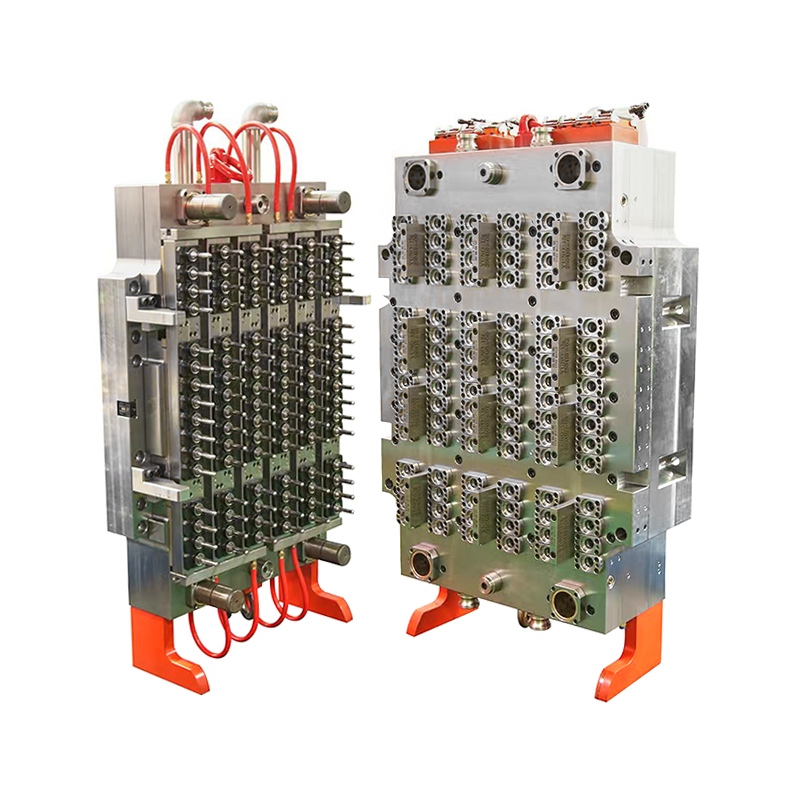
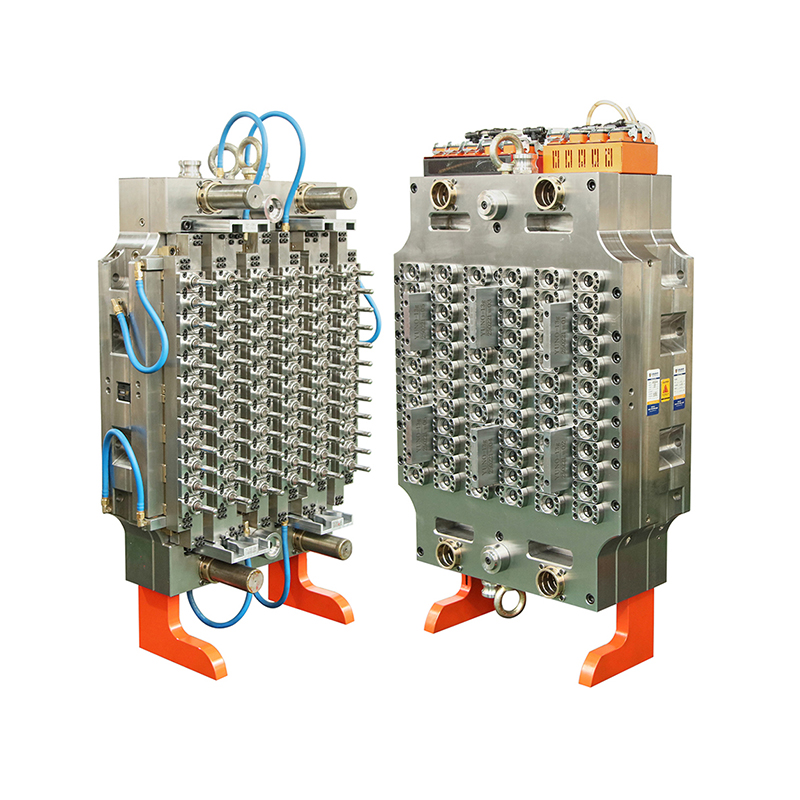
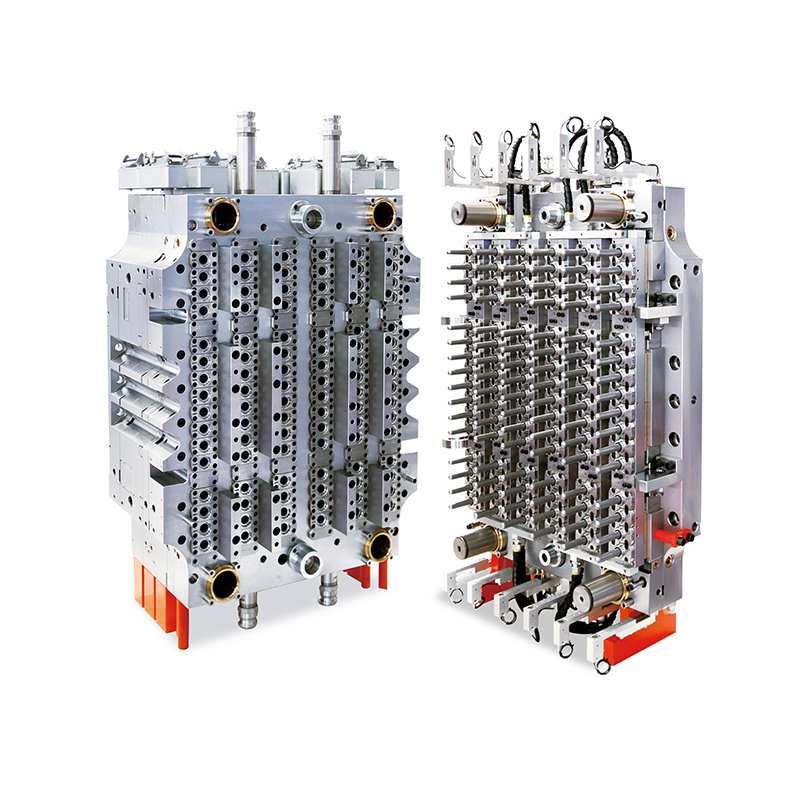
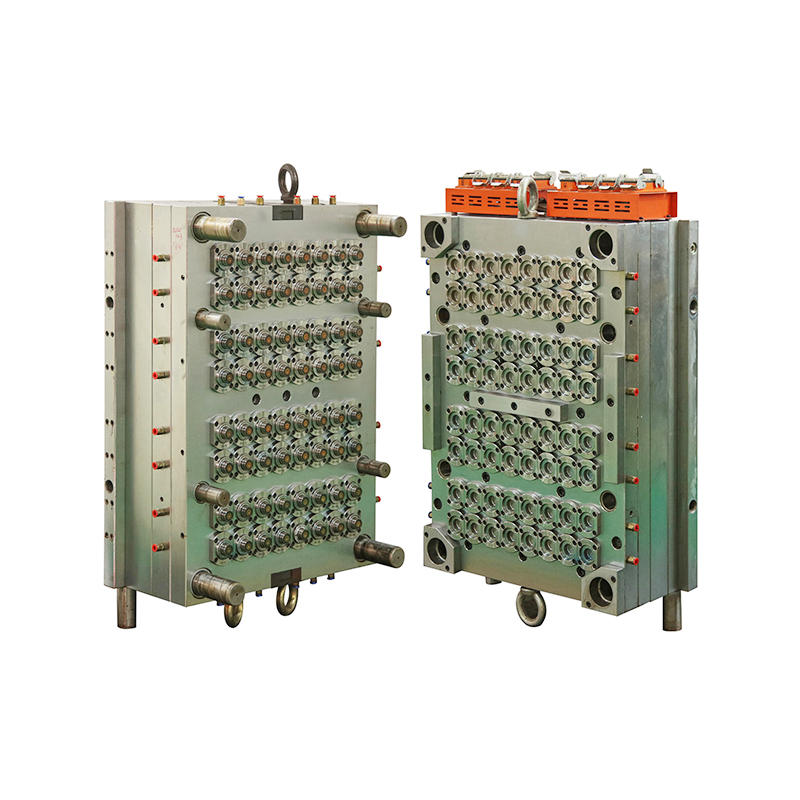
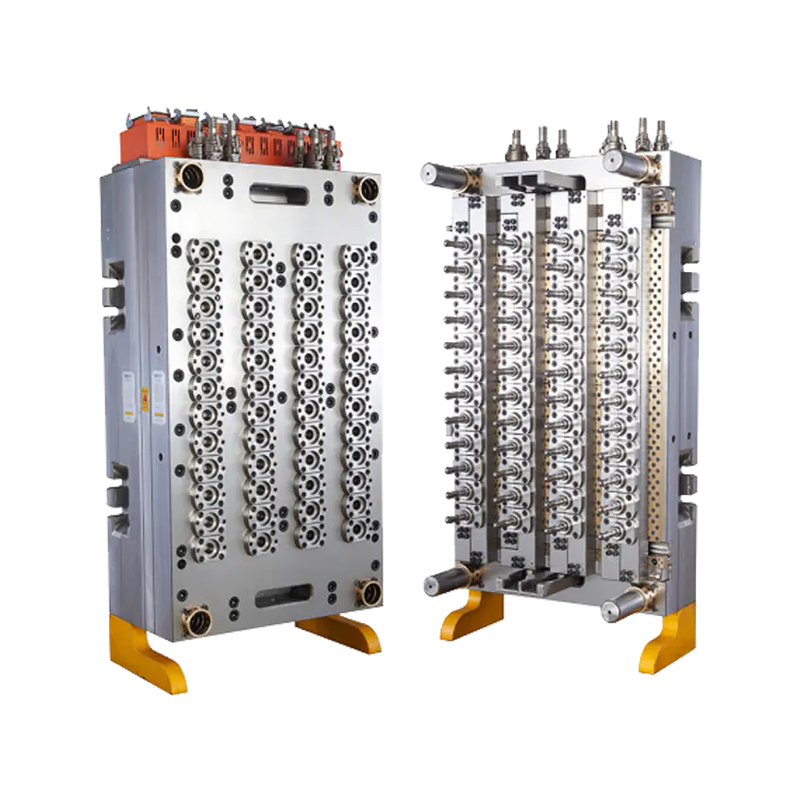
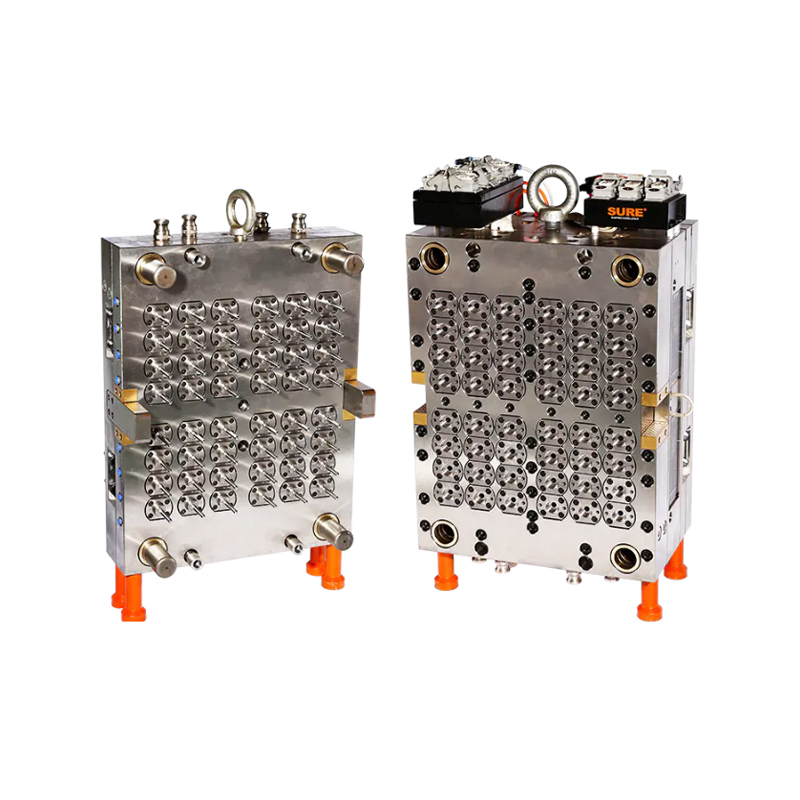
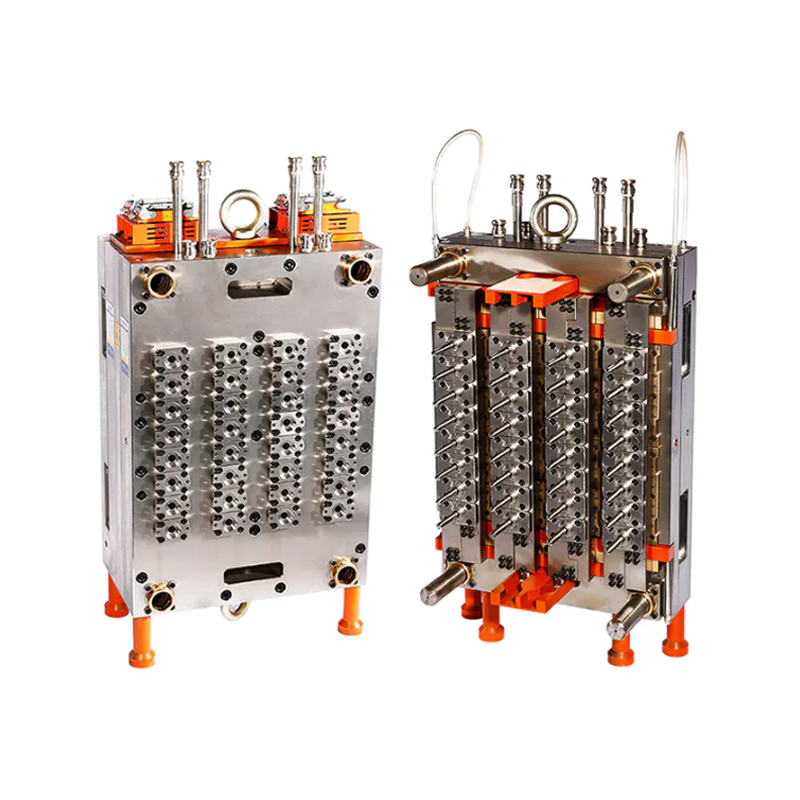
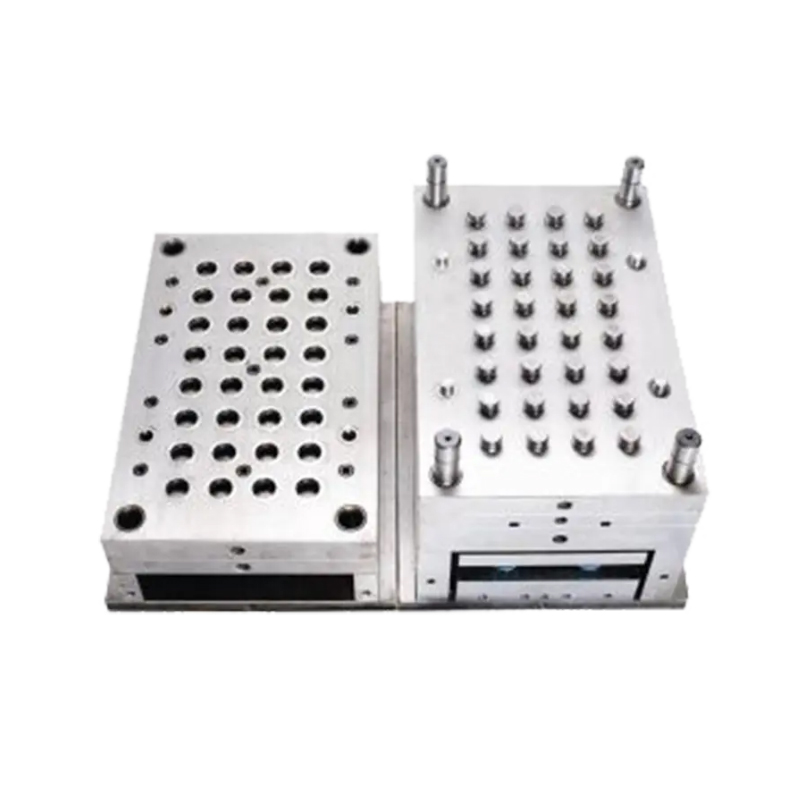
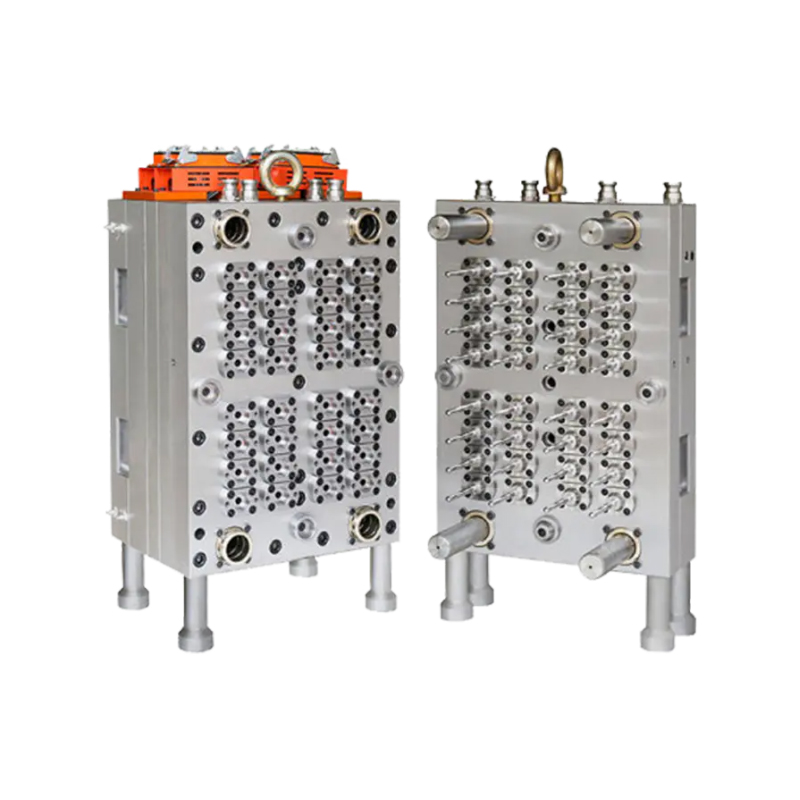
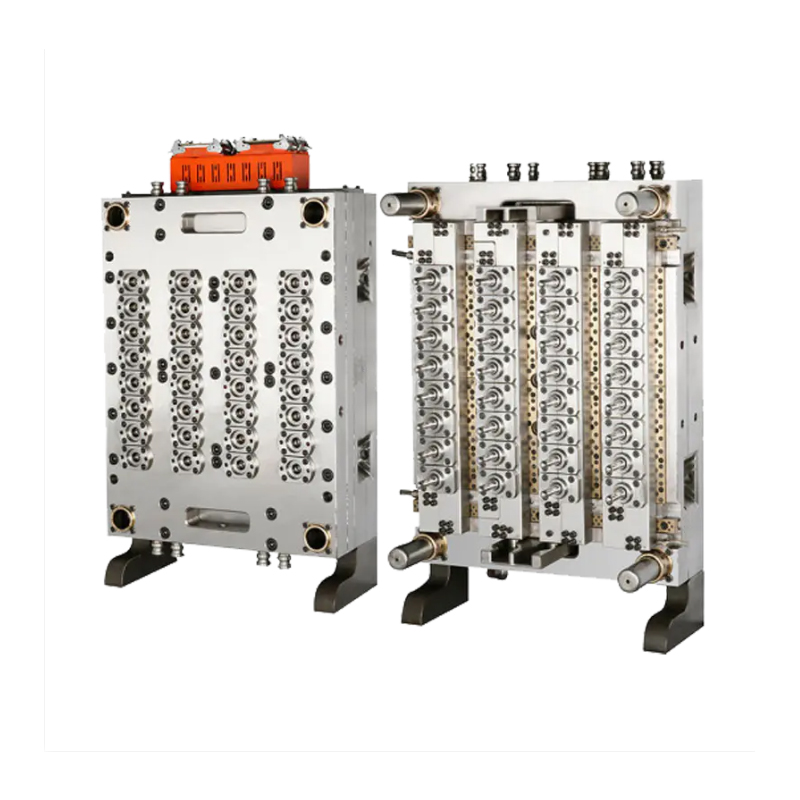
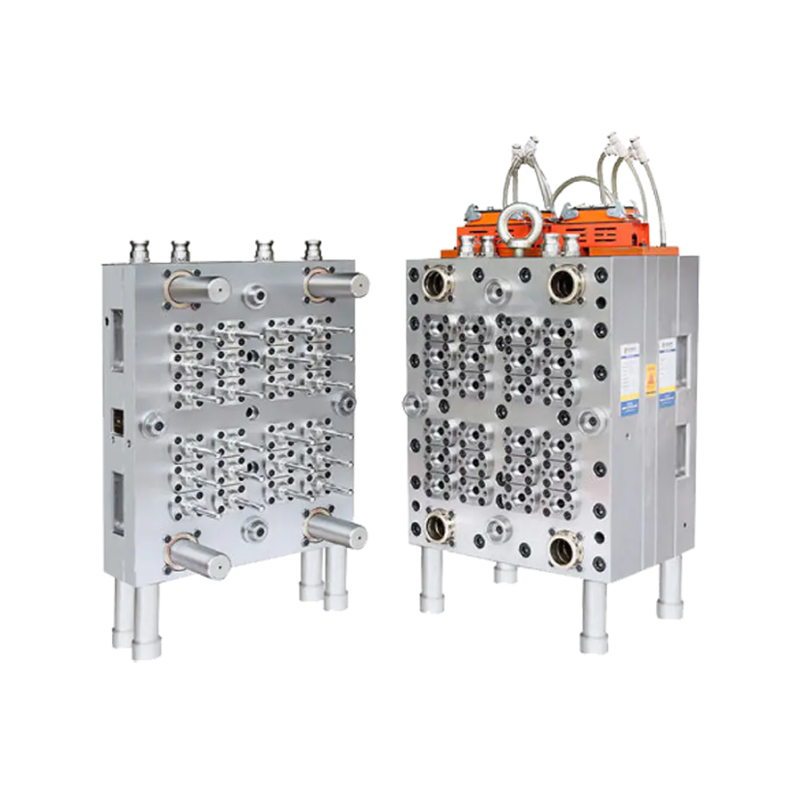
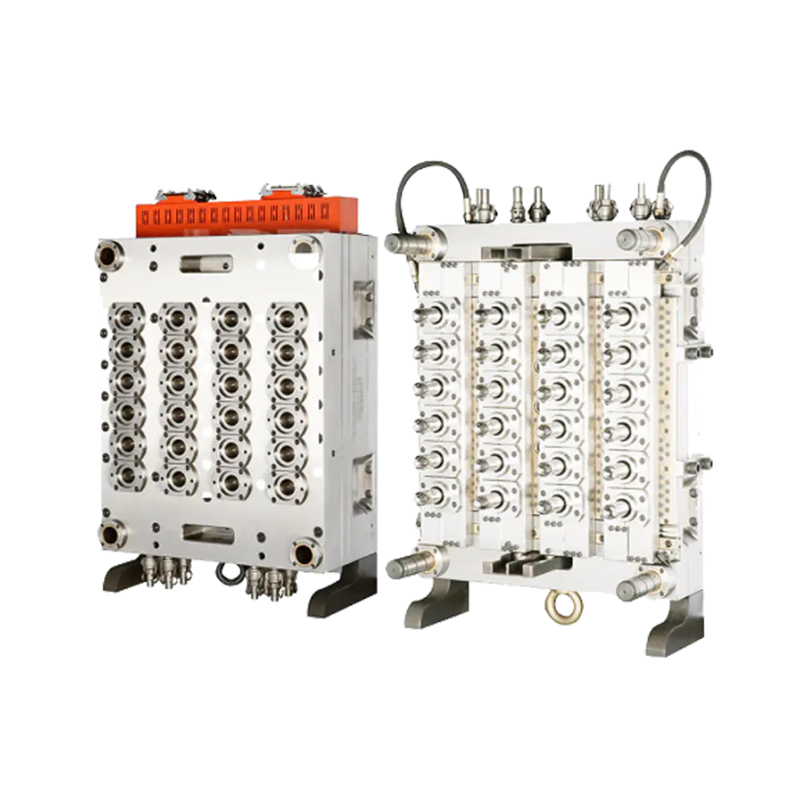
Pet preform mould systems form the foundation of PET bottle manufacturing. Before a plastic bottle takes its final shape, it begins as a preform produced through injection moulding. The accuracy and consistency of each preform depend heavily on the quality of the pet preform mould.
Expanding consumption of bottled water, soft drinks, dairy beverages, and personal care products has driven steady investment in PET production lines. Pet preform mould technology enables manufacturers to create preforms that later undergo stretch blow moulding, forming bottles of various sizes and shapes. Precision at the preform stage directly influences wall thickness distribution and final bottle clarity.
Export markets further increase demand for reliable pet preform mould systems. Preforms are often shipped internationally before blow moulding. Uniform neck dimensions and thread accuracy ensure compatibility with caps and closures produced in different regions.
Pet preform mould engineering requires detailed attention to cavity alignment, cooling design, and hot runner systems. Multi-cavity mould configurations allow high-volume output while maintaining dimensional stability. Consistency across cavities ensures that each preform behaves predictably during the stretching process.
Cooling performance significantly impacts production speed. Efficient heat dissipation reduces cycle times and supports energy savings. Engineers carefully design cooling channels to prevent crystallization defects and maintain transparency in finished bottles.
Hot runner technology plays a central role in modern pet preform mould systems. Balanced melt distribution ensures equal filling across cavities, minimizing material waste and preventing uneven preform weight. Advanced valve gate systems improve control over injection timing and reduce surface imperfections near the gate area.
Digital simulation tools assist designers in predicting material flow and shrinkage behavior. By analyzing data before manufacturing begins, engineers can refine cavity geometry and runner layout, reducing costly modifications after production launch.
Environmental awareness has encouraged beverage producers to reduce resin usage in PET bottles. Lightweight bottle initiatives start at the preform stage, making pet preform mould optimization essential. Adjusting internal geometry and wall thickness distribution helps achieve material reduction targets without sacrificing structural stability.
Recycled PET content is increasingly incorporated into bottle production. Pet preform mould systems must accommodate variations in material viscosity and processing characteristics associated with recycled resins. Careful temperature management and cavity polishing support consistent surface quality when using blended materials.
Energy efficiency remains an ongoing priority in injection moulding operations. Improved cooling efficiency, reduced cycle times, and durable mould components contribute to lower overall resource consumption. Maintenance-friendly design also extends operational lifespan, decreasing downtime and replacement frequency.
Industry partnerships promote research into circular packaging models. Pet preform mould innovation aligns with broader sustainability objectives that encourage recycling infrastructure and responsible material sourcing.
The market outlook for pet preform mould manufacturing reflects the continuing global reliance on PET bottles for beverages and household liquids. Urbanization, convenience consumption, and expanding retail networks sustain demand for bottle production capacity.
Automation integration continues to shape production environments. Robotic handling systems remove preforms directly from mould cavities, reducing manual contact and improving operational consistency. Smart monitoring systems collect performance data, enabling predictive maintenance and quality tracking.
Collaboration between mould makers, injection machine suppliers, and beverage brands supports coordinated development. Early-stage design discussions help ensure compatibility between pet preform mould systems and downstream blow moulding equipment.

No.148 Yongda Road, Jiangkou Street, Huangyan, Taizhou, Zhejiang, China.

yn@tzyuno.com

+86-576-84111565

+86-13575806039


Copyright © Taizhou Huangyan Yuno Mould Co., Ltd.
Plastic Mould Factory