

 英语
英语 法语
法语
Address
No.148 Yongda Road, Jiangkou Street, Huangyan, Taizhou, Zhejiang, China.
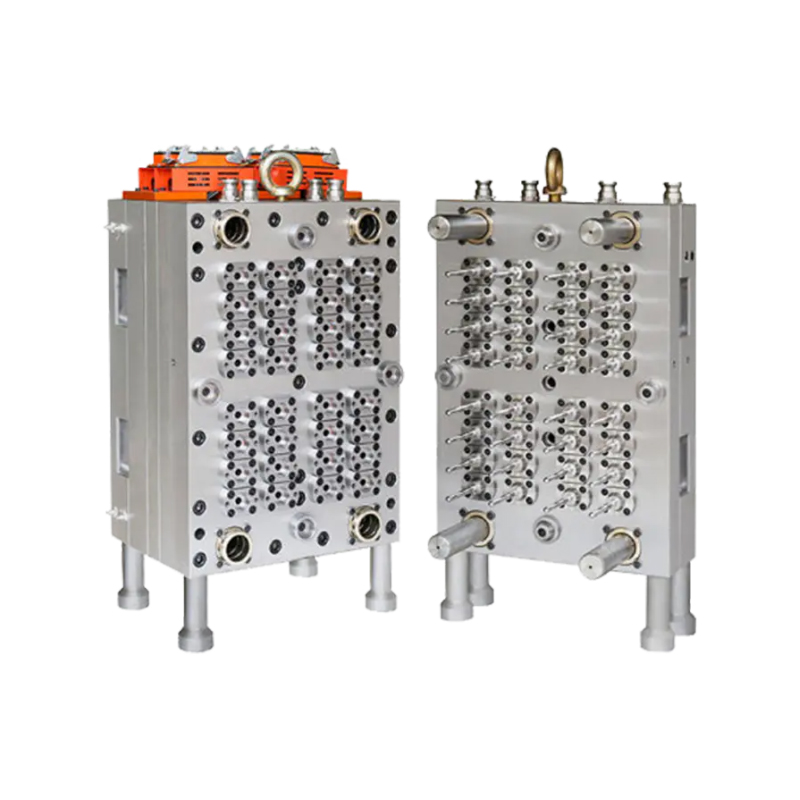
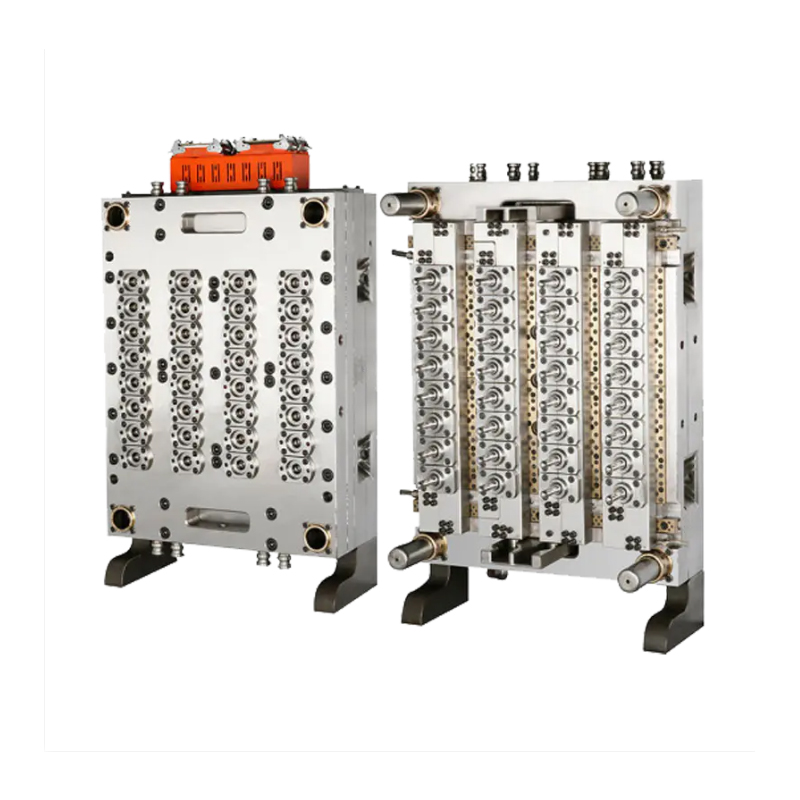
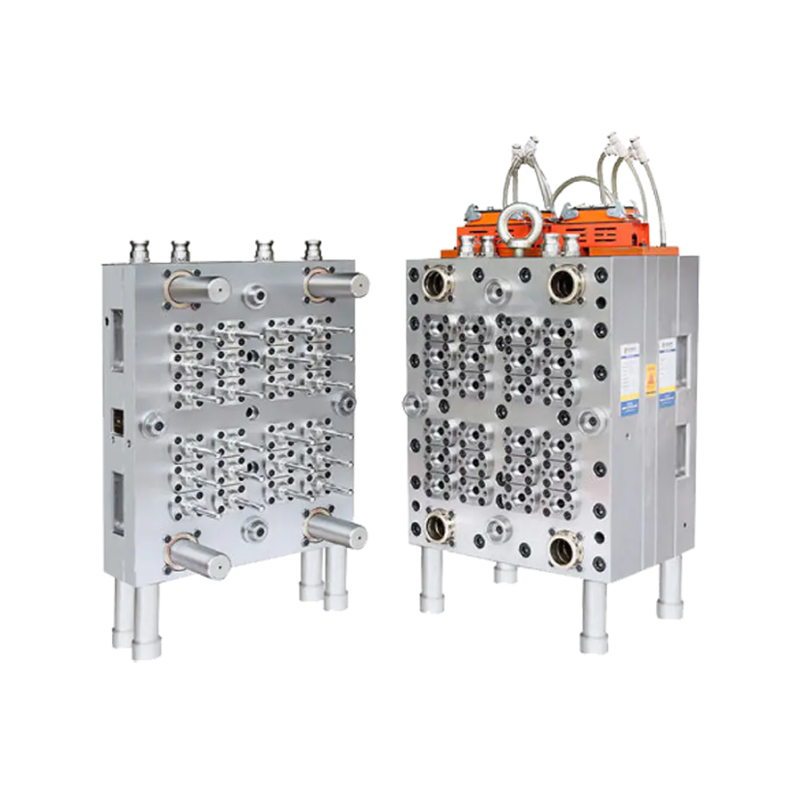
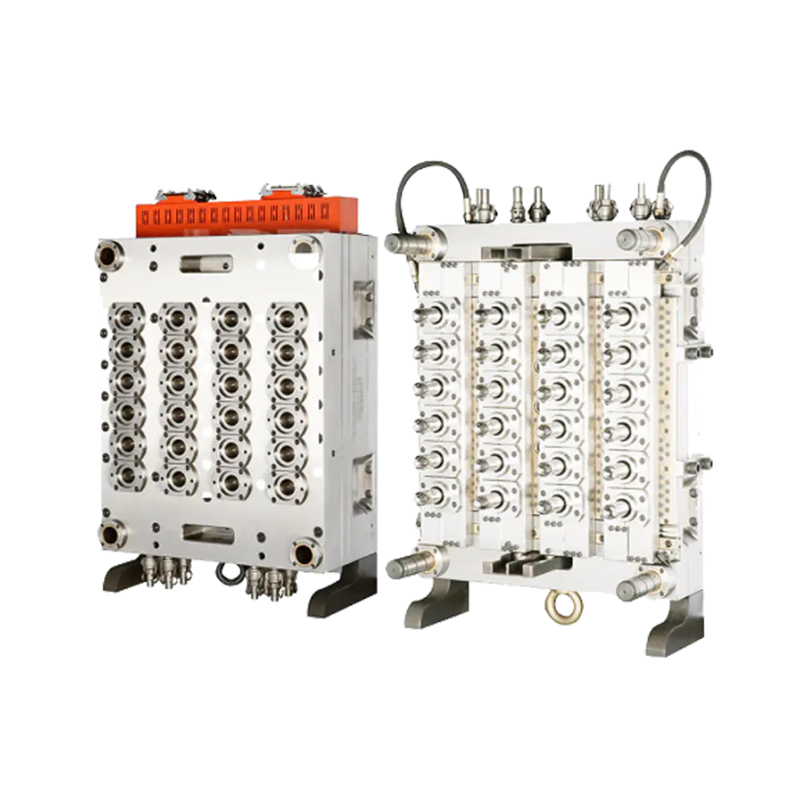
Blood collection tube mould manufacturing has become a crucial part of medical device production, supporting hospitals, diagnostic laboratories, and research institutions around the world. Although blood collection tubes may appear simple, their precision and reliability depend heavily on the moulds used during production. A well-designed blood collection tube mould ensures uniform wall thickness, accurate dimensions, and stable performance during high-volume manufacturing.
In clinical environments, blood collection tubes must function consistently. They are used daily for routine testing, disease screening, and research procedures. The mould determines the clarity of the tube body, the smoothness of the interior surface, and the structural strength required to withstand centrifugation and transport. Manufacturers invest significant effort into designing mould cavities that allow molten plastic to flow evenly, reducing defects such as air bubbles, short shots, or uneven surfaces.
Material selection plays an important role in blood collection tube mould construction. High-grade steel is often chosen to provide durability and resistance to wear during long production cycles. Polished cavity surfaces contribute to improved transparency of finished tubes, which allows medical professionals to easily observe blood samples. Precision machining techniques, including CNC milling and electrical discharge machining, are widely applied to achieve tight tolerances.
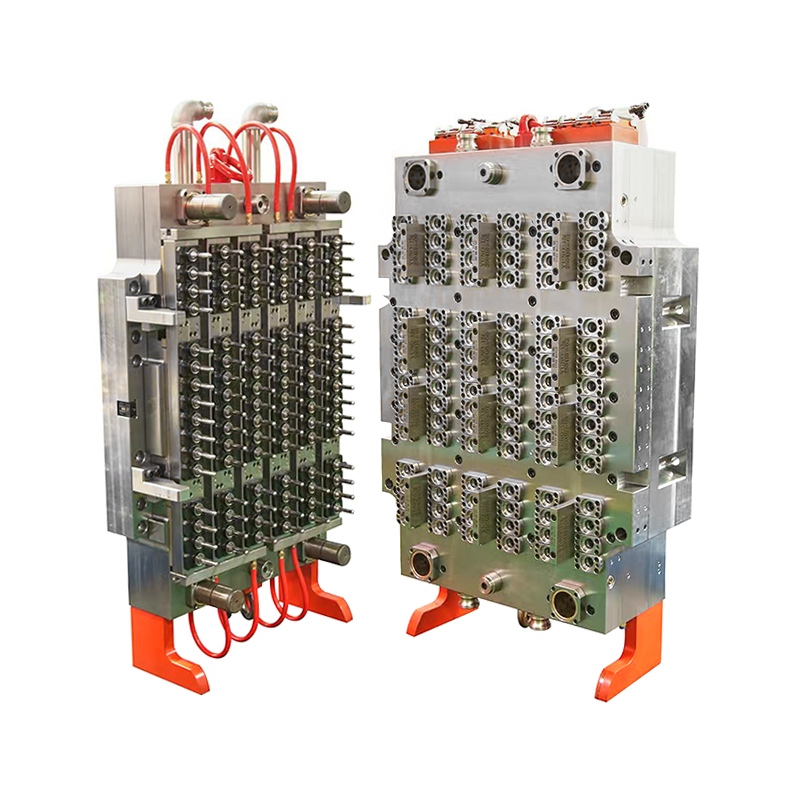
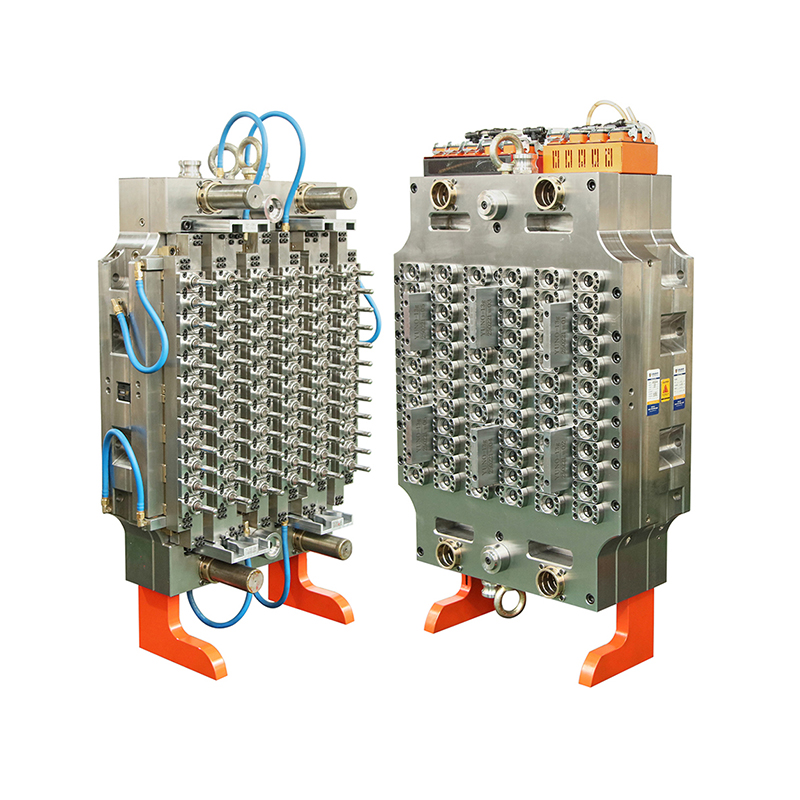
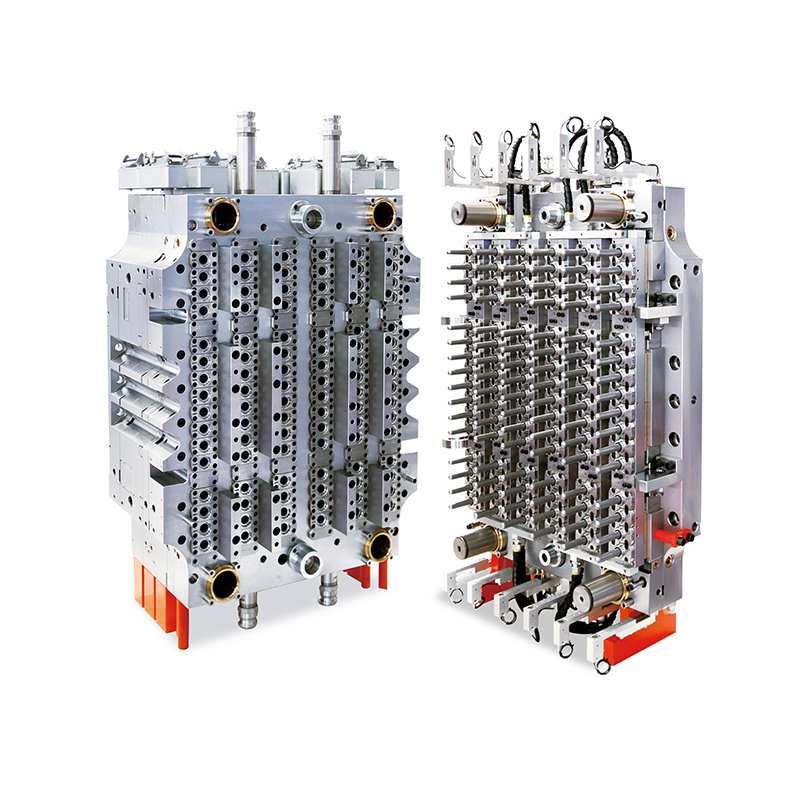
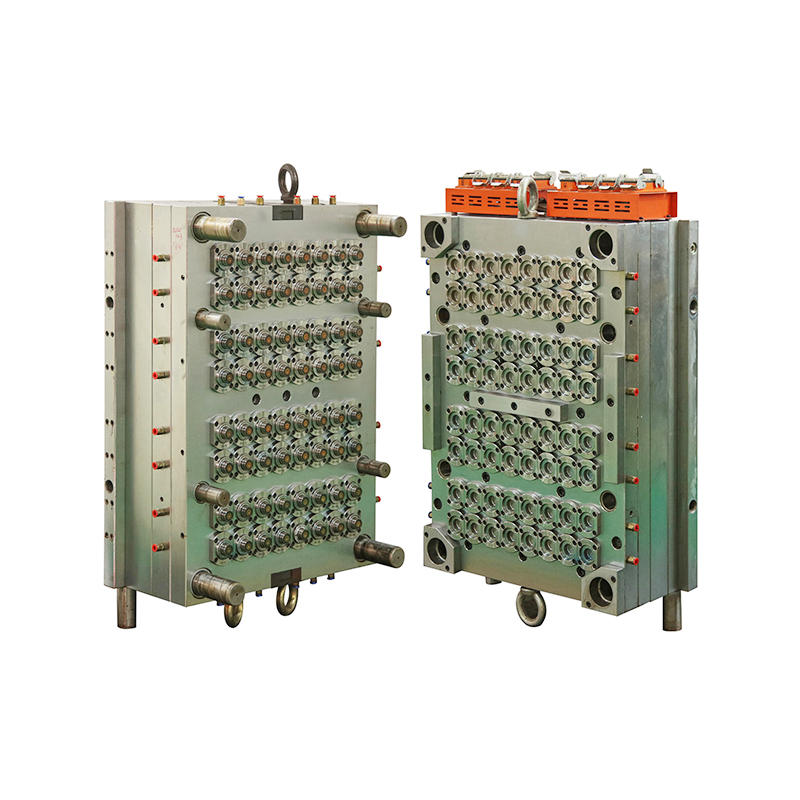
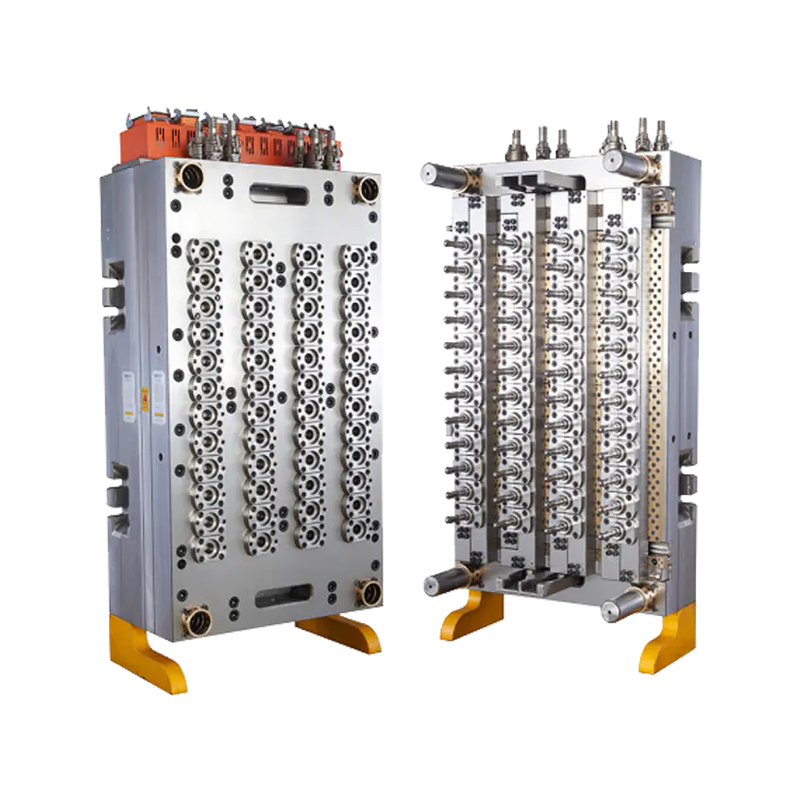
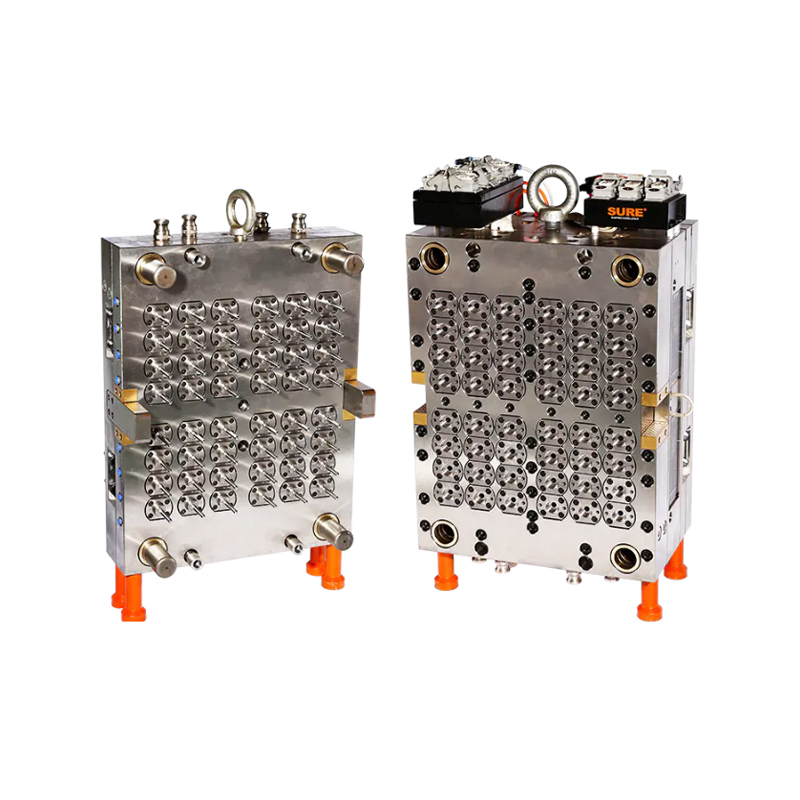
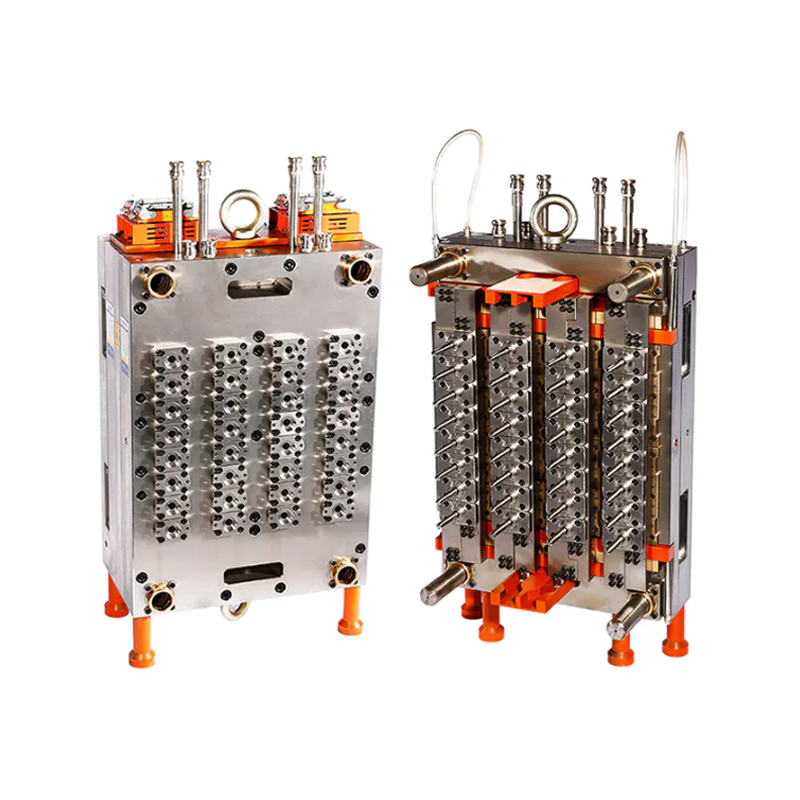
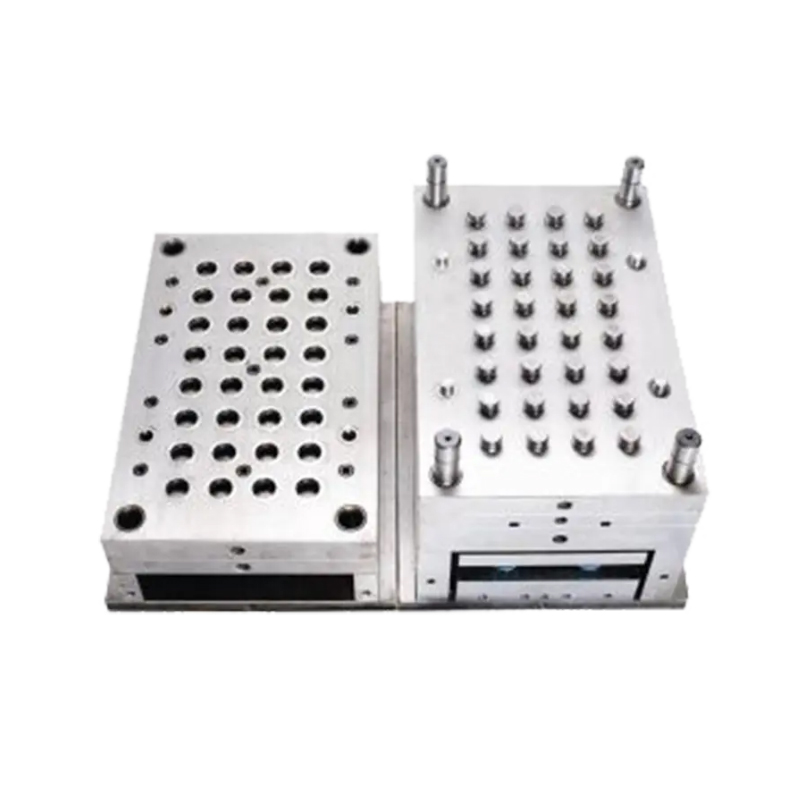
Automation has influenced blood collection tube mould production lines. Multi-cavity mould systems enable large quantities of tubes to be produced in a single injection cycle. This approach increases output efficiency and maintains dimensional consistency across batches. Balanced runner systems distribute molten plastic evenly across each cavity, supporting uniform filling and cooling. As production speed increases, temperature control becomes critical. Advanced cooling channel design inside the mould helps maintain stable cycle times and reduces warping risks.
Quality inspection remains an essential step in blood collection tube mould manufacturing. After assembly, moulds undergo testing cycles to confirm cavity alignment, injection balance, and part release performance. Trial production runs help engineers evaluate shrinkage rates and dimensional accuracy. Adjustments may include fine-tuning gate size, modifying cooling paths, or refining ejection systems.
The ejection mechanism inside a blood collection tube mould requires thoughtful engineering. Since tubes have thin walls and cylindrical shapes, improper ejection can lead to deformation. Stripper plates or sleeve ejectors are often used to support even force distribution during part removal. Smooth demoulding contributes to stable mass production and reduces waste.
Global demand for diagnostic supplies continues to influence production capacity. Blood collection tube mould suppliers work closely with medical manufacturers to adjust cavity numbers, tube volumes, and design specifications. Customization options may include varying tube lengths, diameters, and cap interface structures. Collaboration between mould designers and equipment engineers ensures compatibility with high-speed injection molding machines.
Precision in blood collection tube mould engineering reflects the broader trend toward reliable medical consumables. Every detail, from cavity polishing to ejector alignment, contributes to consistent tube performance. When laboratories depend on accurate sample handling, the mould behind each tube plays an unseen yet significant role.
Stable production of blood collection tubes depends not only on material quality but also on mould durability and structural accuracy. As healthcare systems rely on standardized consumables, blood collection tube mould manufacturing continues to adapt to high-volume, high-precision requirements. The combination of engineering expertise, process control, and equipment integration ensures that each molded tube meets the dimensional and mechanical expectations of modern clinical practice.

No.148 Yongda Road, Jiangkou Street, Huangyan, Taizhou, Zhejiang, China.

yn@tzyuno.com

+86-576-84111565

+86-13575806039


Copyright © Taizhou Huangyan Yuno Mould Co., Ltd.
Plastic Mould Factory