

 英语
英语 法语
法语
Address
No.148 Yongda Road, Jiangkou Street, Huangyan, Taizhou, Zhejiang, China.
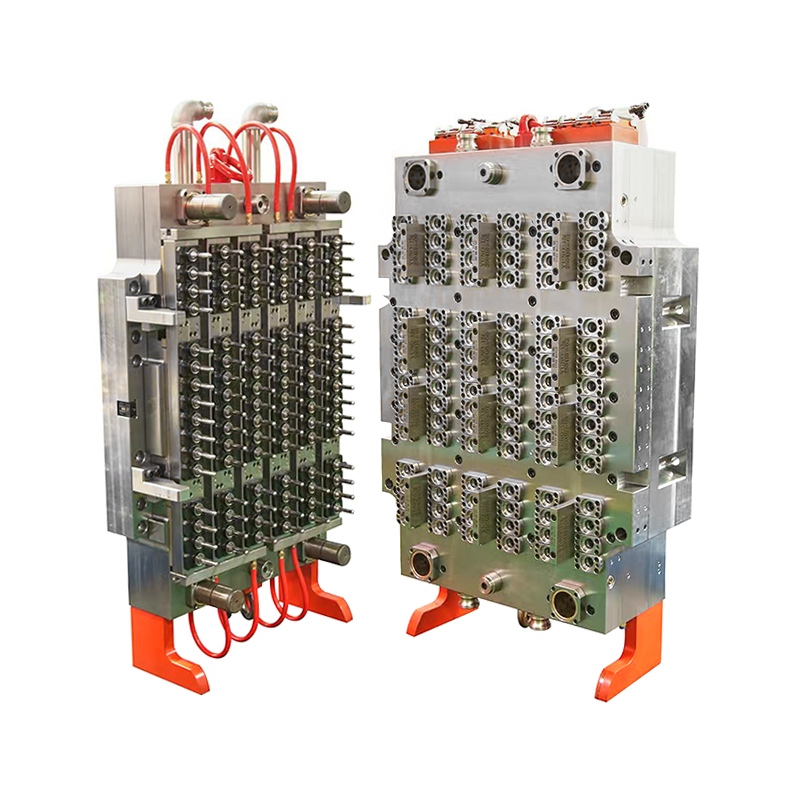
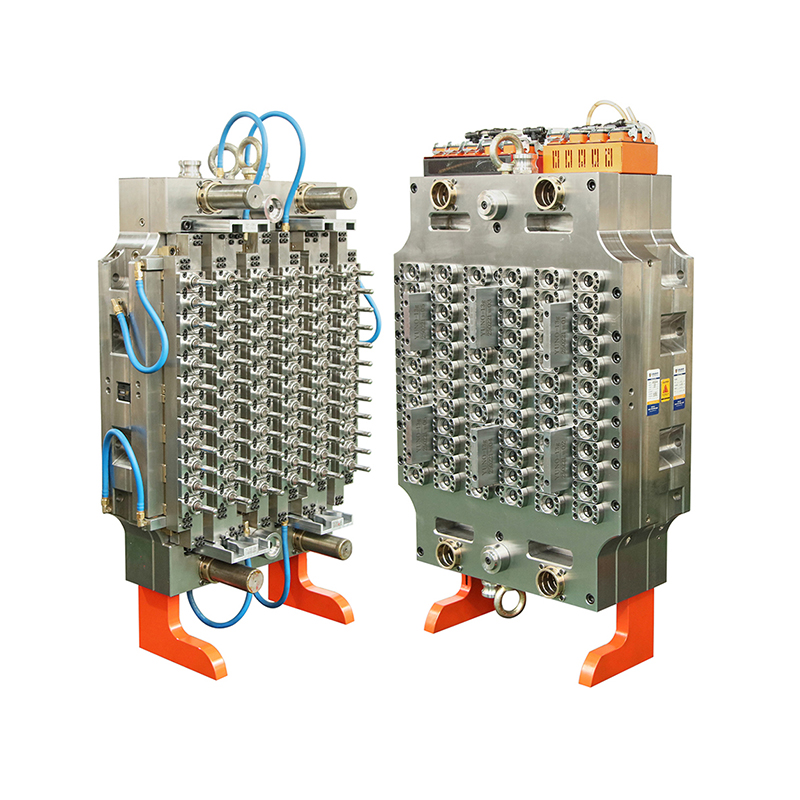
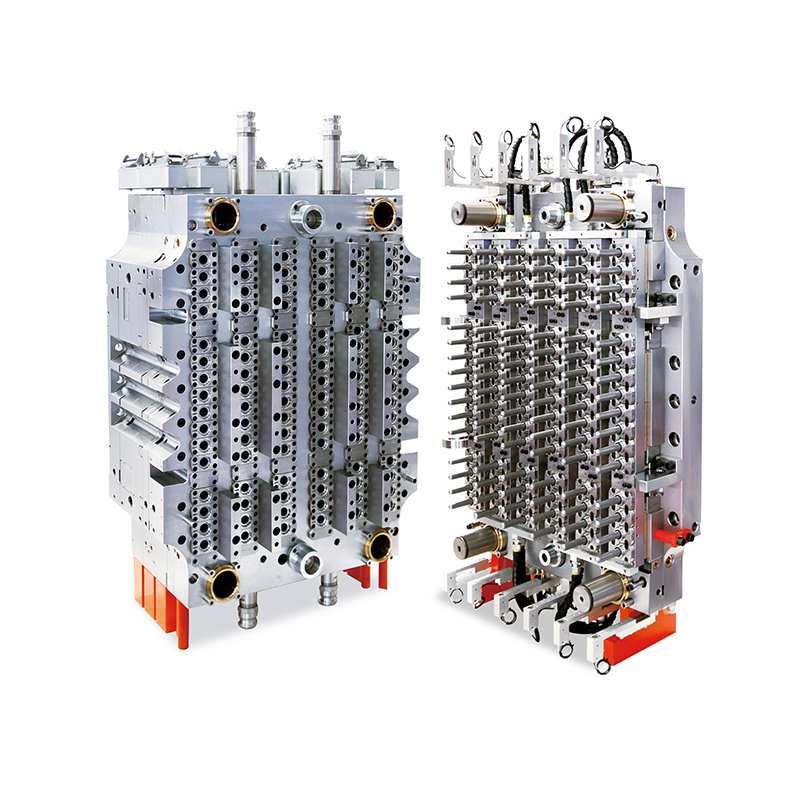
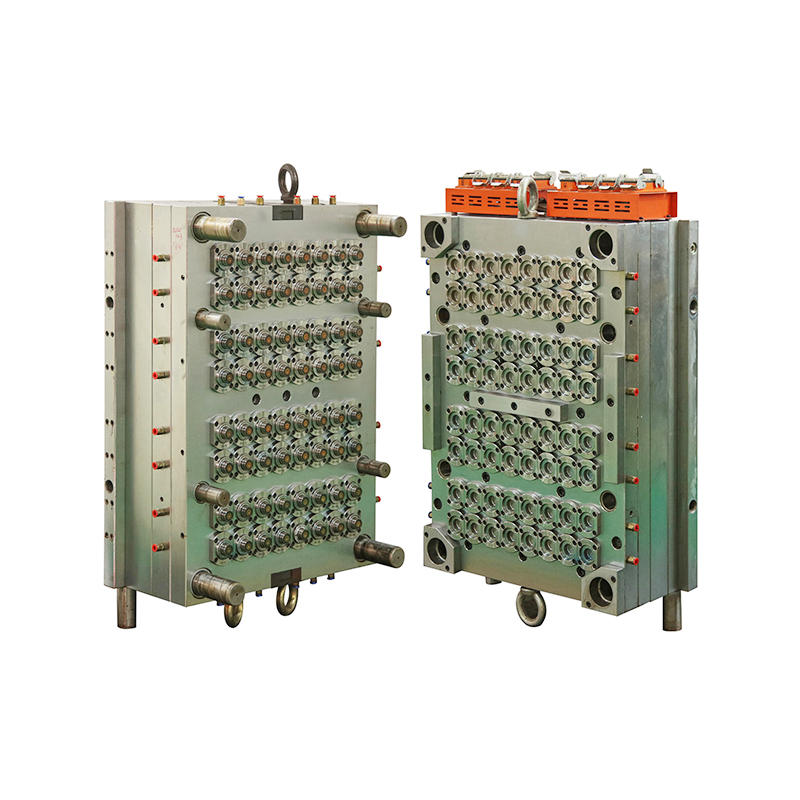
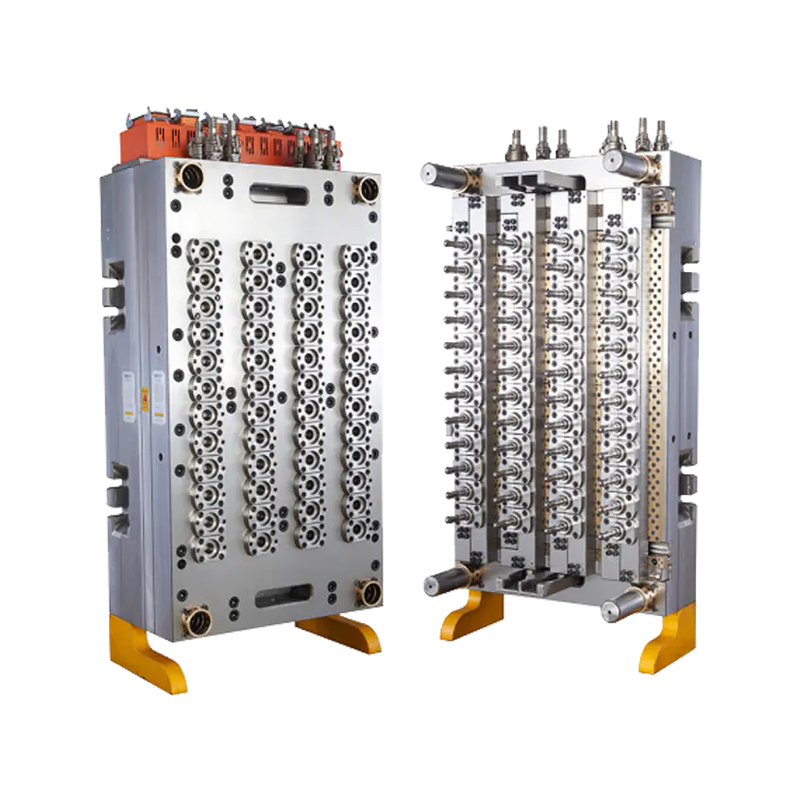
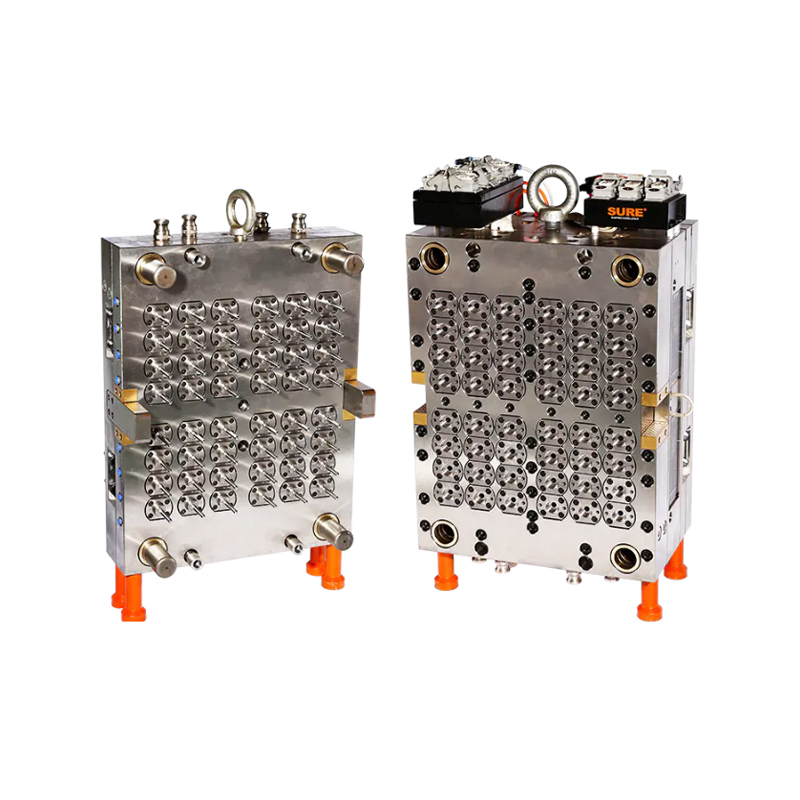
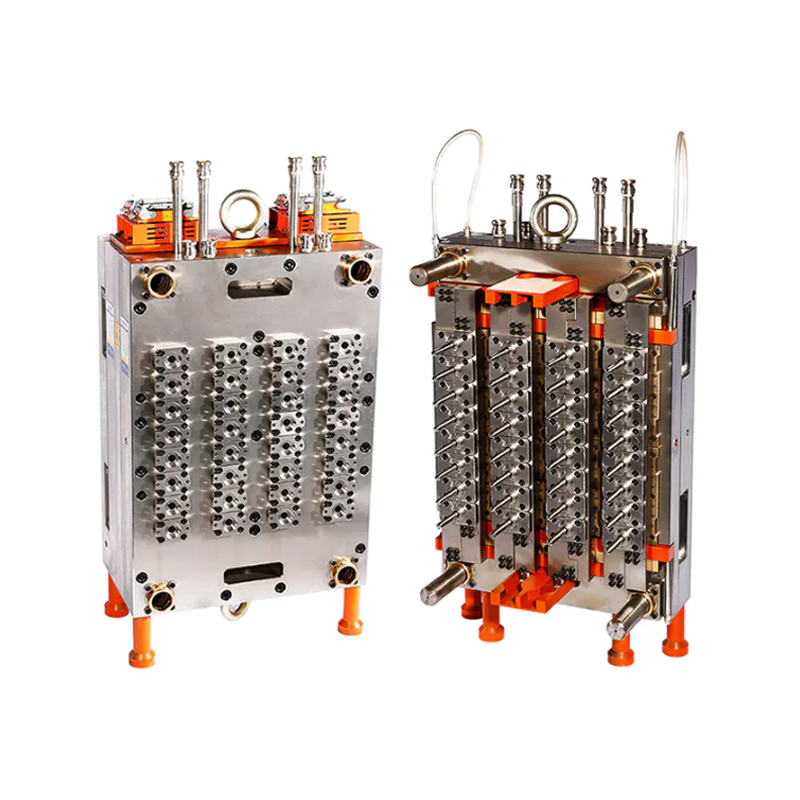
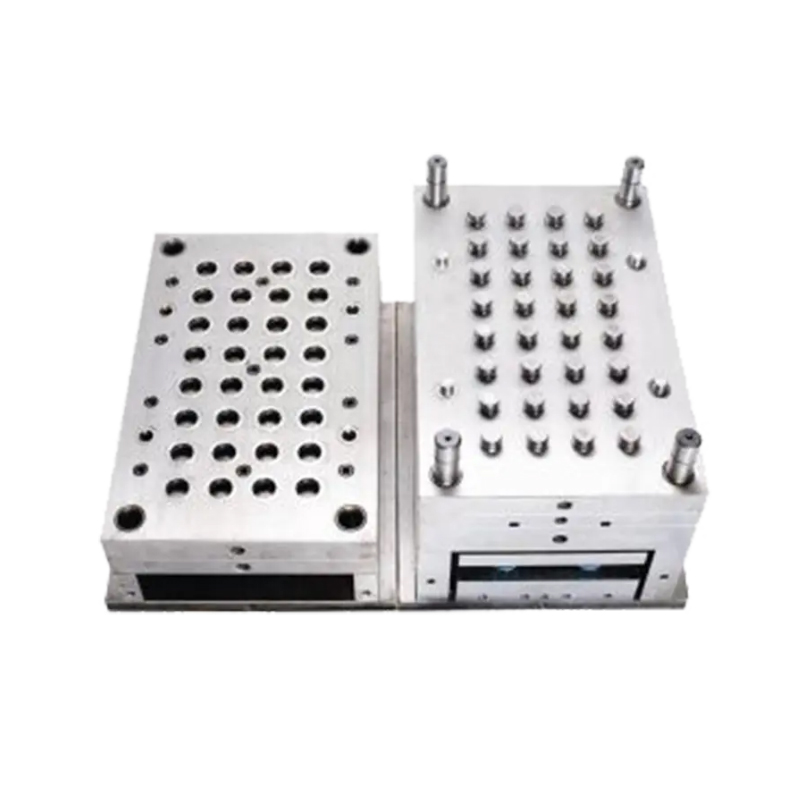
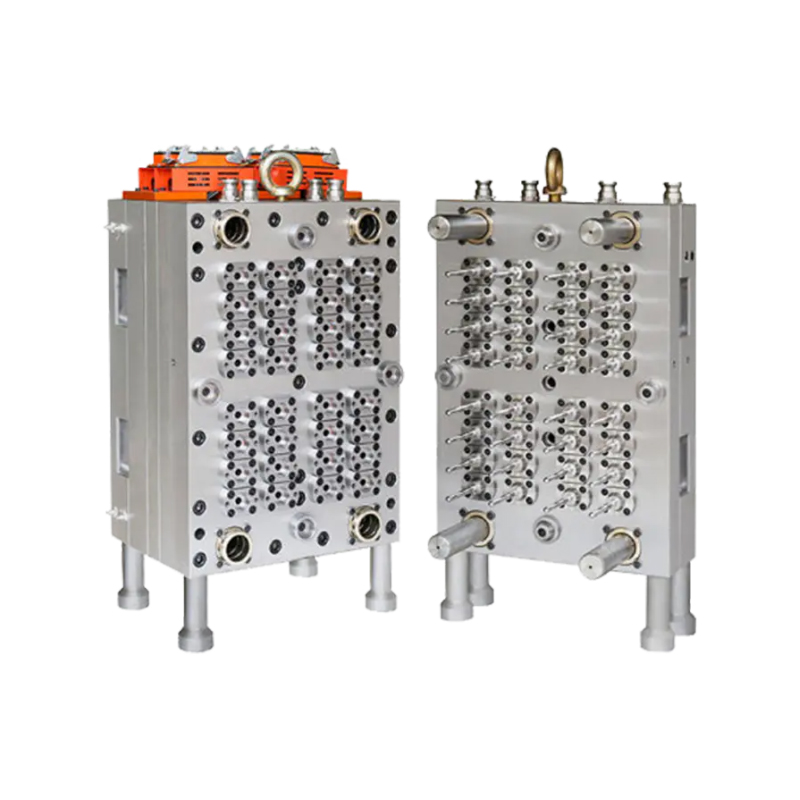
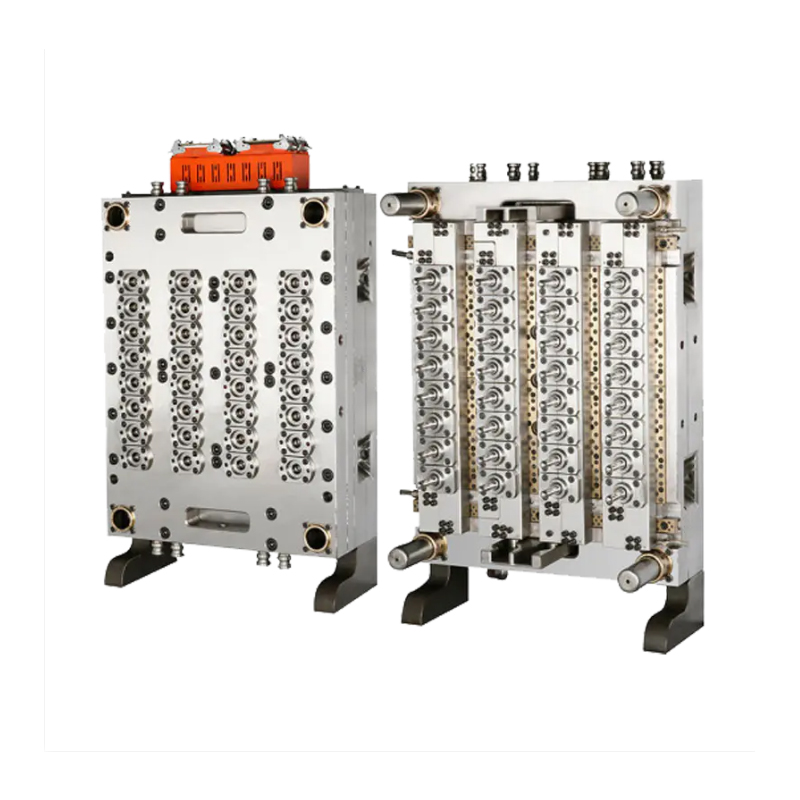
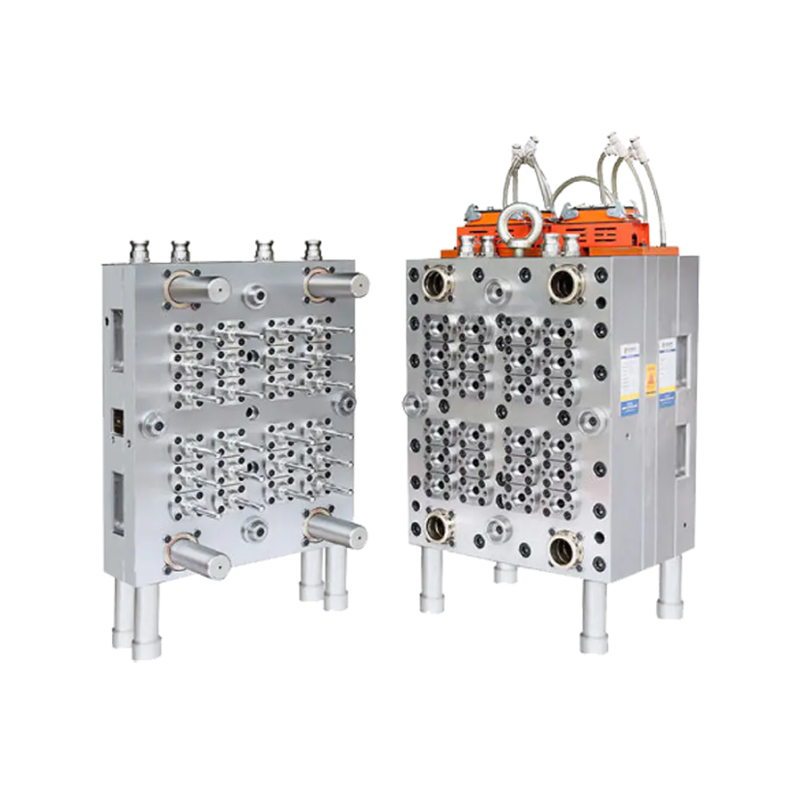
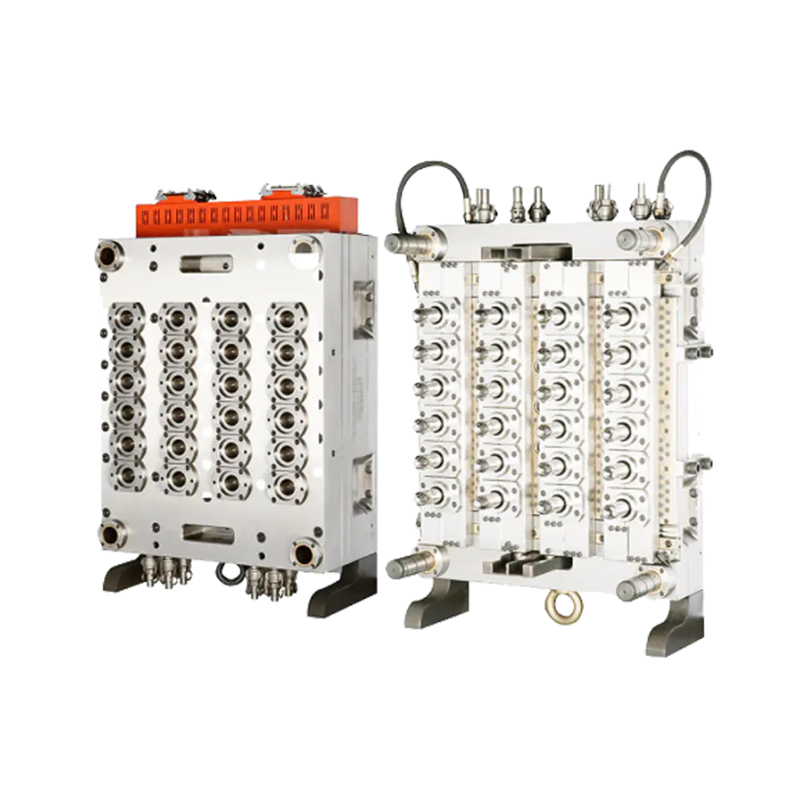
Beverage bottle preform mold manufacturing plays a central role in the global beverage packaging sector. Before a plastic bottle reaches store shelves, it begins as a small preform shaped like a test tube. This preform is later heated and stretch-blown into its final bottle form. The precision of the beverage bottle preform mold determines the structural consistency and clarity of the finished container.
Preforms are typically made from PET material. During injection molding, molten PET is injected into the preform mold cavities under controlled pressure and temperature conditions. The mould must maintain accurate dimensions to ensure proper neck finish, thread accuracy, and wall thickness distribution. Even minor deviations can affect bottle sealing performance and filling line compatibility.
Multi-cavity beverage bottle preform mold systems are common in large-scale production facilities. Some molds contain dozens or even over a hundred cavities, enabling high output per cycle. Balanced hot runner systems distribute molten PET evenly to each cavity, maintaining uniform material flow. Temperature management inside the mold is carefully engineered to prevent crystallization issues or internal stress in the preform body.
The neck finish area of a beverage bottle preform mold requires precise machining because it remains unchanged during the stretch-blow process. Threads must align accurately with caps used on filling lines. CNC machining and precision grinding techniques are applied to achieve detailed geometry and smooth surface finishes. Consistency in the neck region ensures secure closure and stable capping operations.
Cooling design is another important aspect of beverage bottle preform mold engineering. PET material must cool uniformly to maintain transparency and mechanical strength. Cooling channels are arranged strategically around each cavity to control shrinkage and cycle time. Efficient heat dissipation allows stable production speeds without compromising dimensional stability.
Material selection for beverage bottle preform mold construction typically involves hardened tool steel capable of enduring continuous injection cycles. Surface treatments enhance wear resistance, especially in high-contact regions such as gate areas and thread sections. Polished cavities contribute to the glossy appearance of preforms, which later influences bottle clarity.
Automation systems are widely integrated into preform production lines. Robotic arms remove preforms from the mould and transfer them to cooling conveyors or storage bins. This reduces handling damage and maintains consistent cycle timing. Integrated quality monitoring systems measure weight, wall thickness, and dimensional accuracy during production.
Customization options in beverage bottle preform mold manufacturing address diverse beverage categories, including water, carbonated drinks, juices, and dairy-based beverages. Different bottle volumes require adjustments in preform weight and geometry. Engineers modify cavity dimensions and gate design to accommodate varying product specifications.
Beverage manufacturers depend on consistent preform quality to maintain filling line efficiency. Any variation in neck dimensions or wall thickness can influence blow molding behavior. Therefore, close coordination between mold makers, injection machine suppliers, and bottle producers remains important in maintaining production stability.
Beverage bottle preform mold technology continues to support large-scale packaging operations worldwide. Each preform carries the precision engineered into the mould cavity, shaping the performance of the final bottle. In high-speed production environments, reliability, dimensional accuracy, and repeatable processing define the value of a well-constructed beverage bottle preform mold.

No.148 Yongda Road, Jiangkou Street, Huangyan, Taizhou, Zhejiang, China.

yn@tzyuno.com

+86-576-84111565

+86-13575806039


Copyright © Taizhou Huangyan Yuno Mould Co., Ltd.
Plastic Mould Factory