

 英语
英语 法语
法语
Address
No.148 Yongda Road, Jiangkou Street, Huangyan, Taizhou, Zhejiang, China.
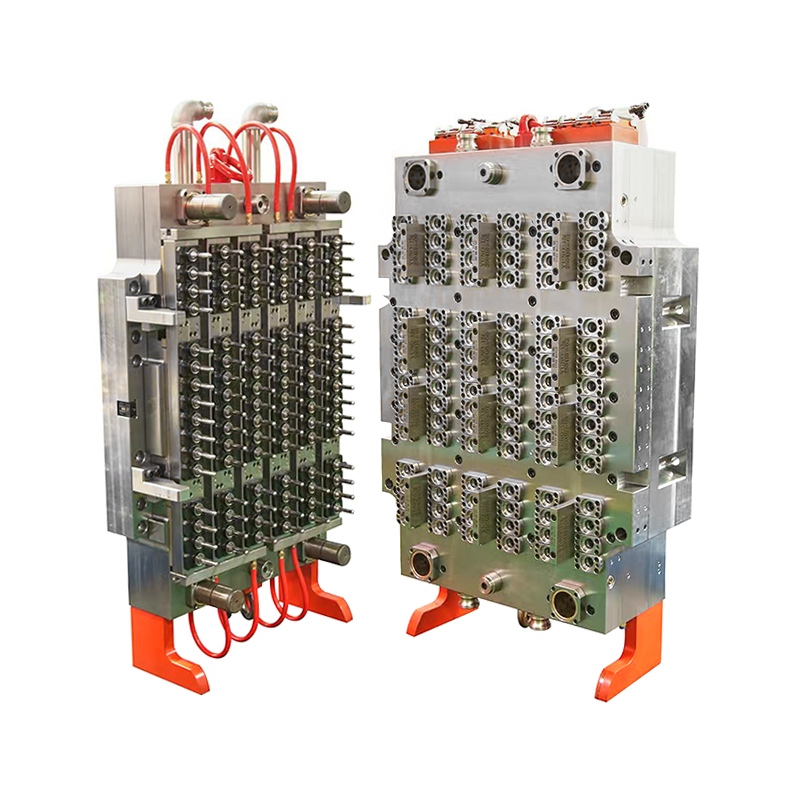
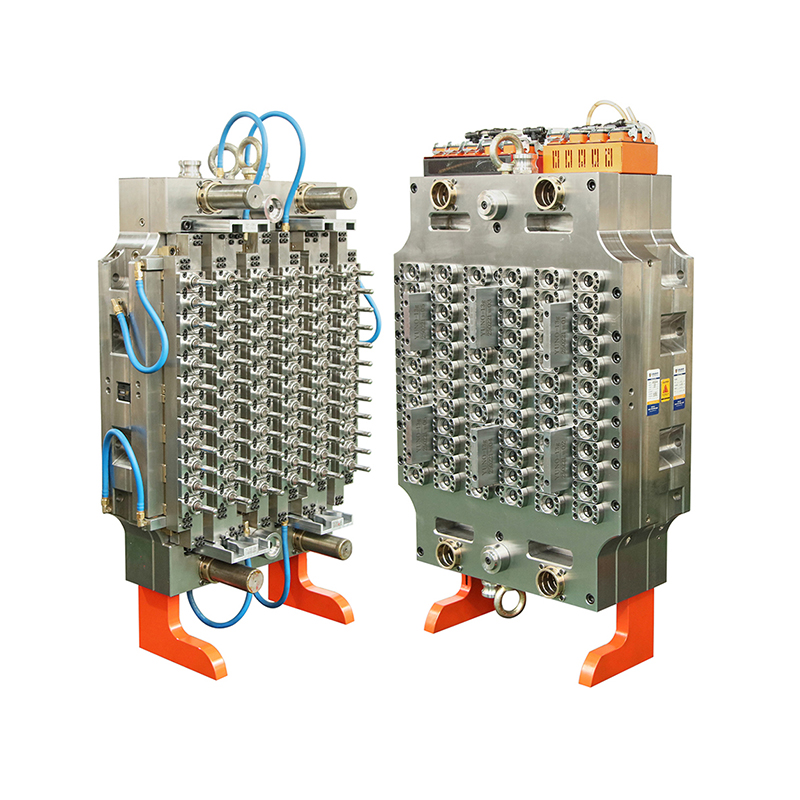
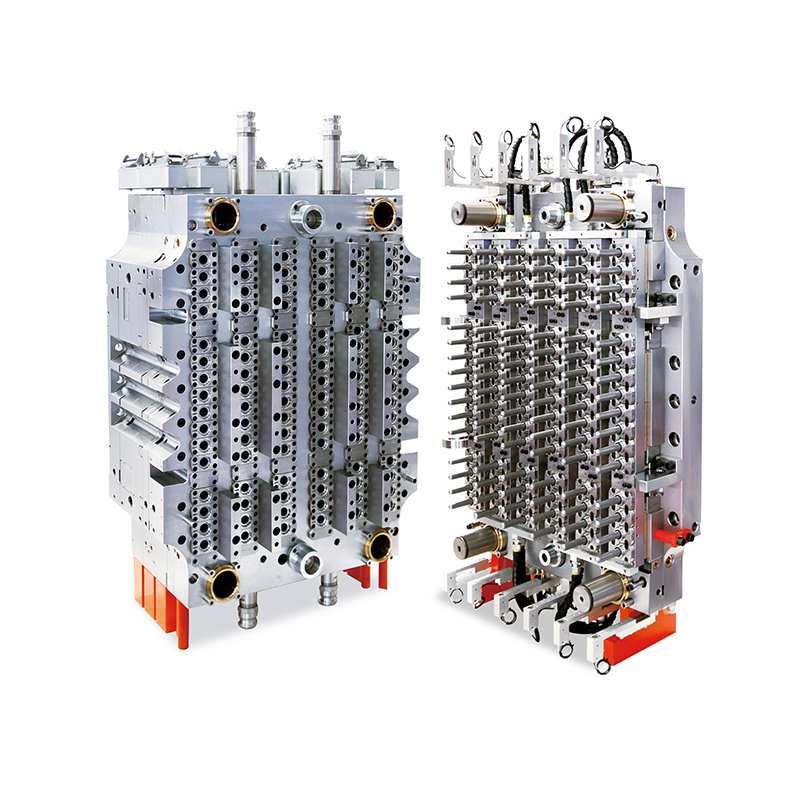
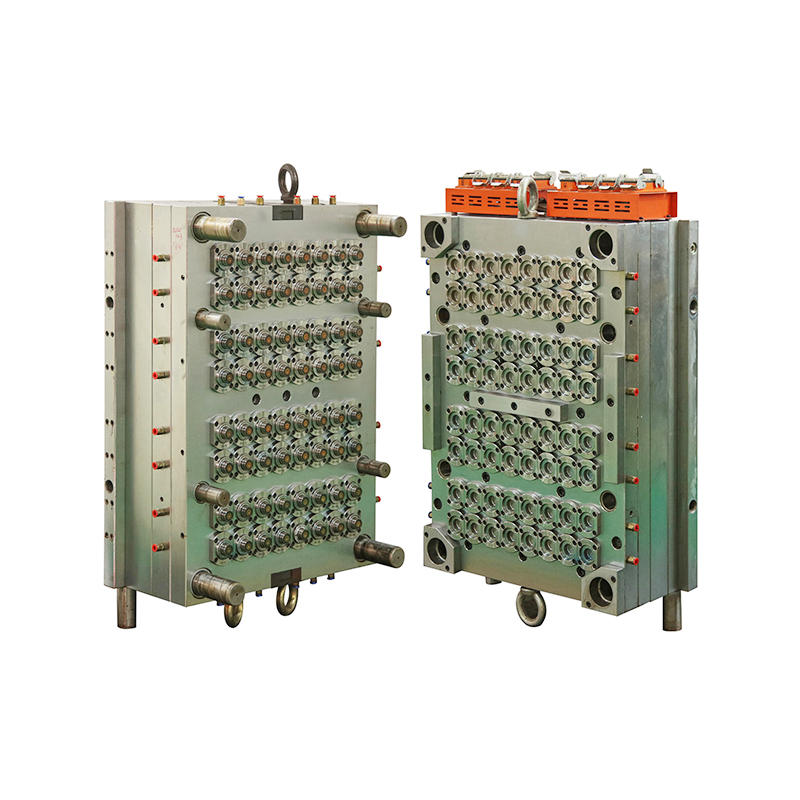
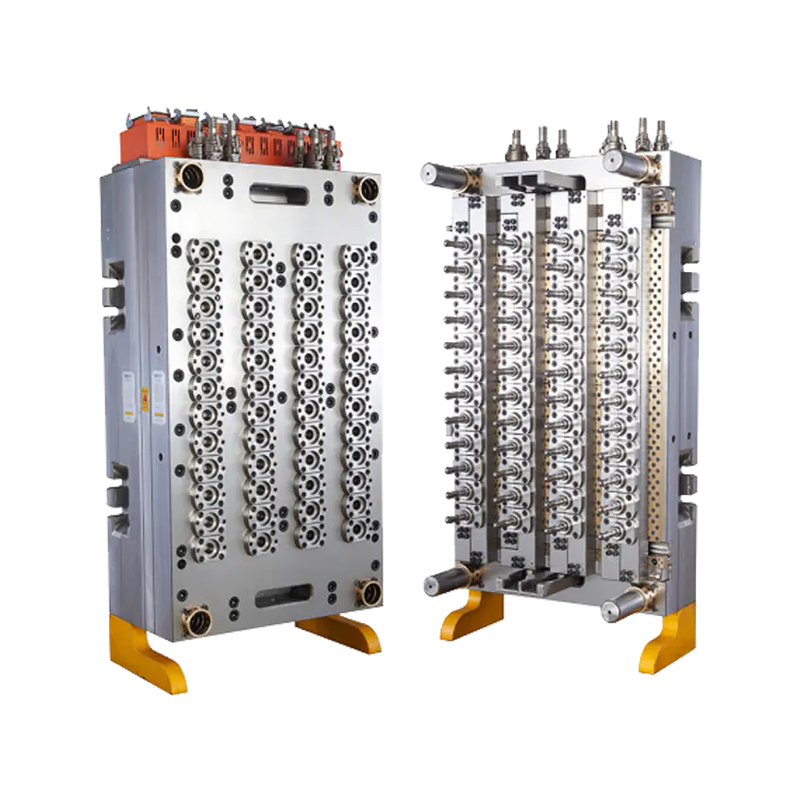
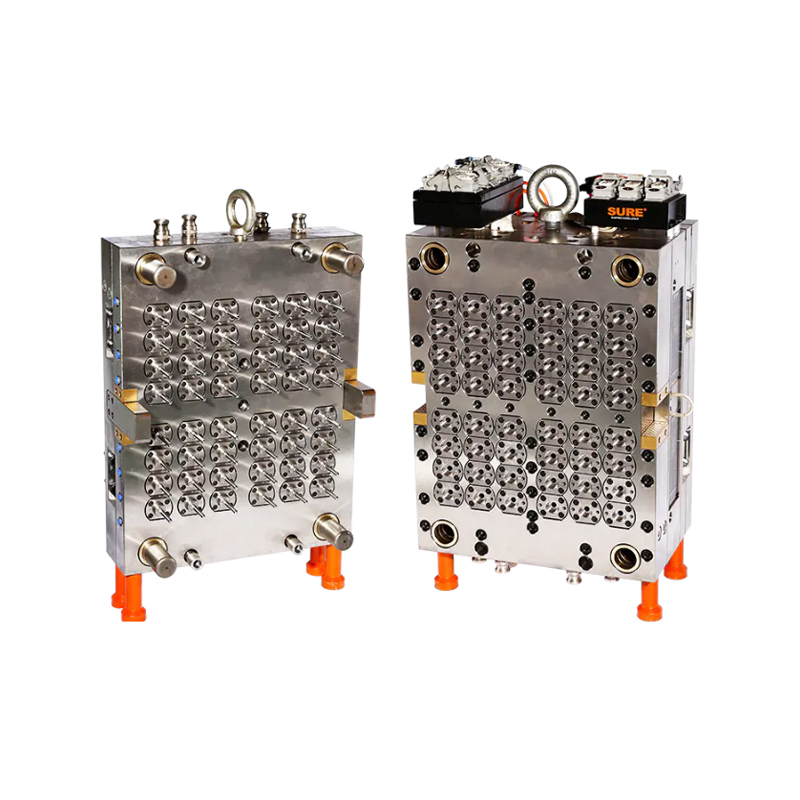
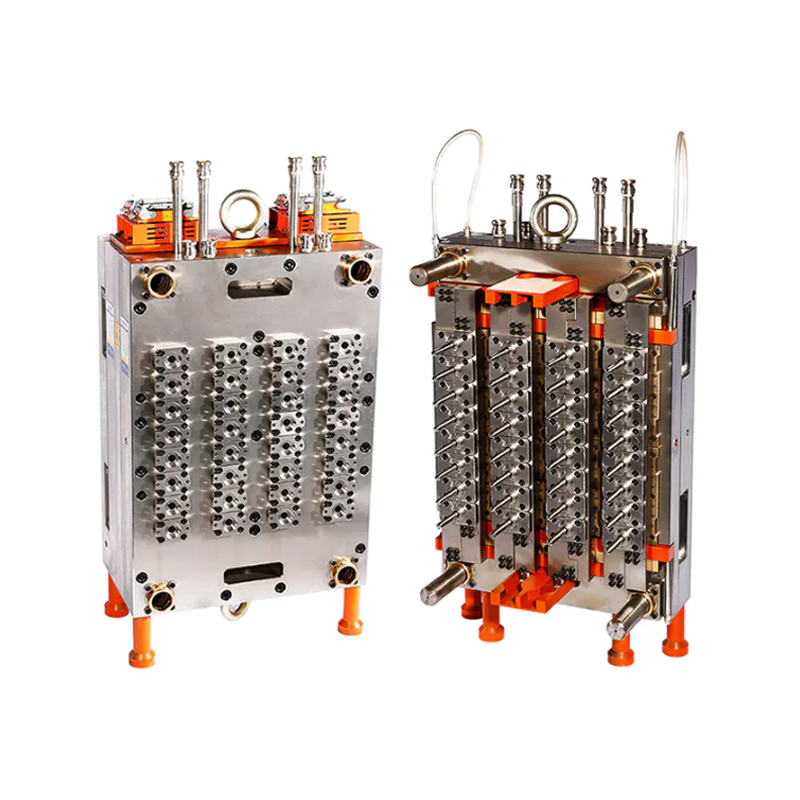
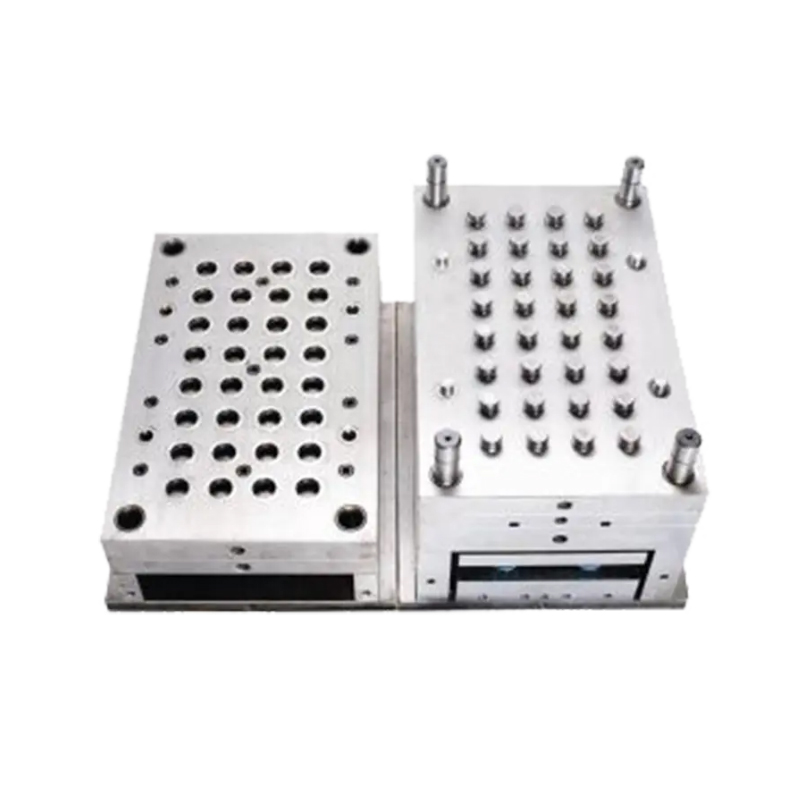
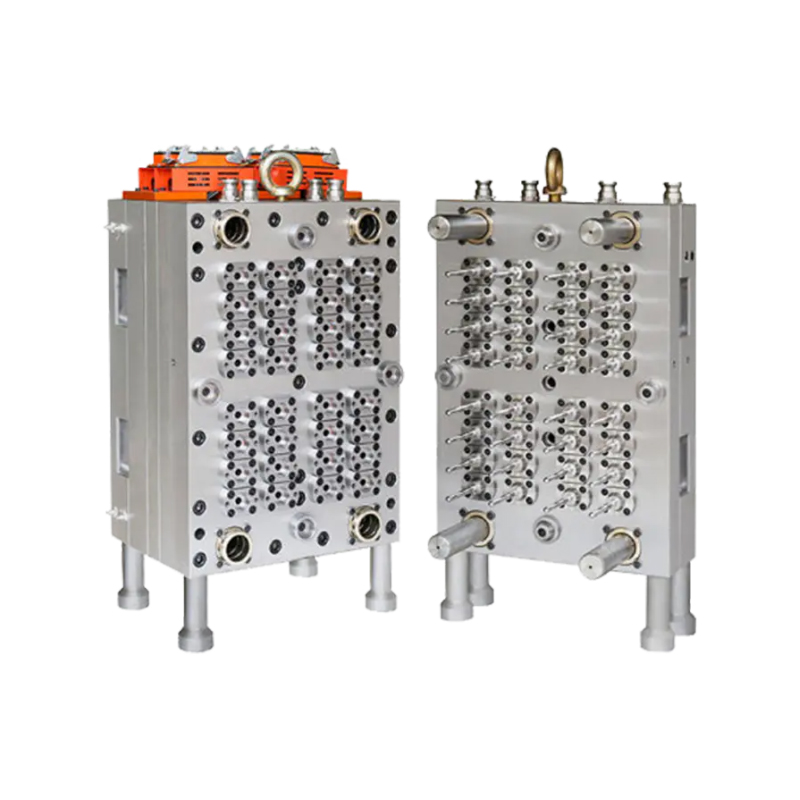
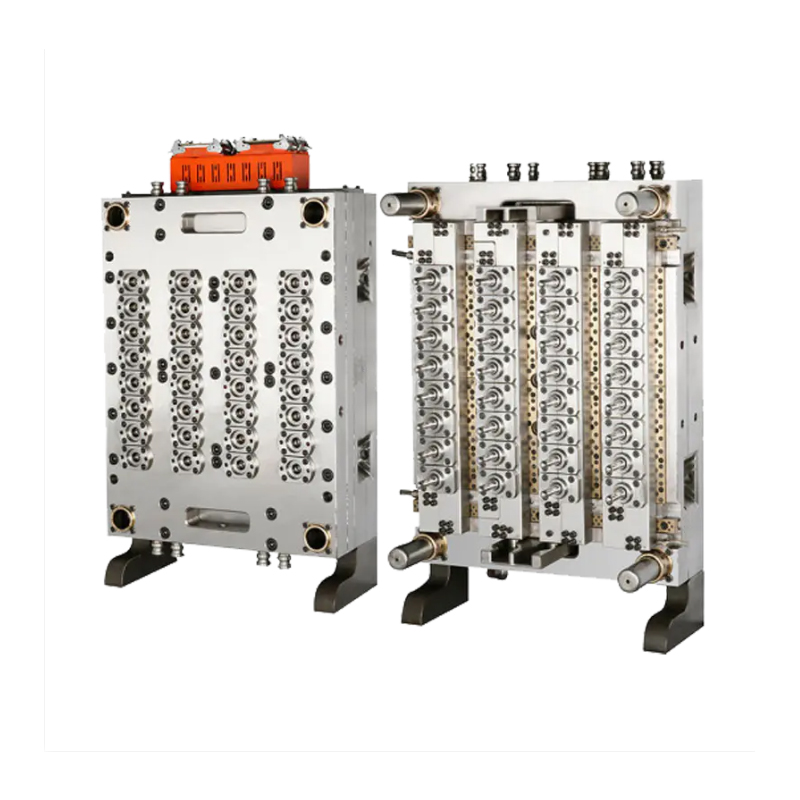
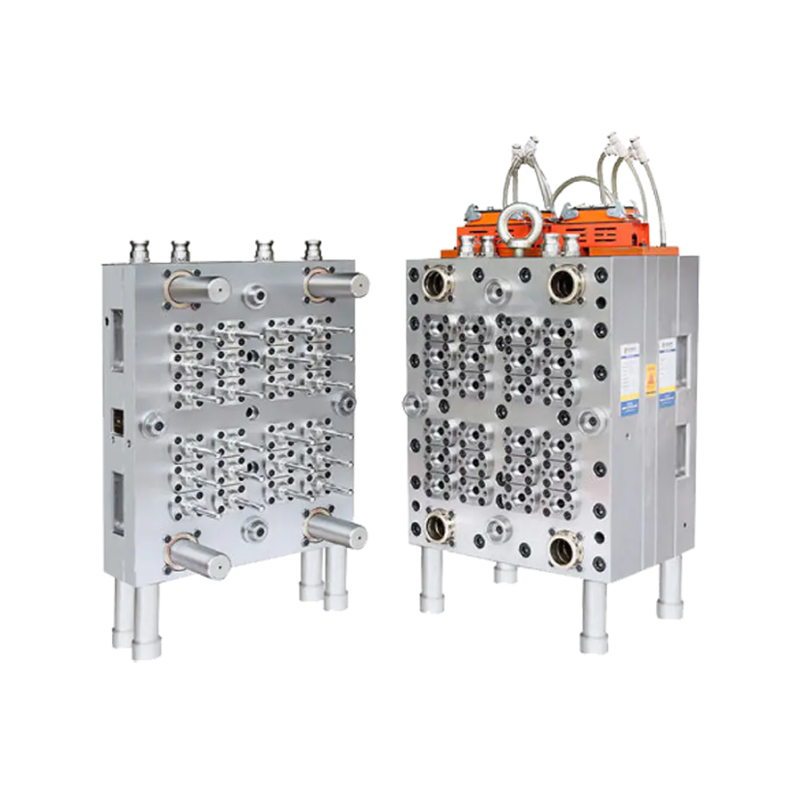
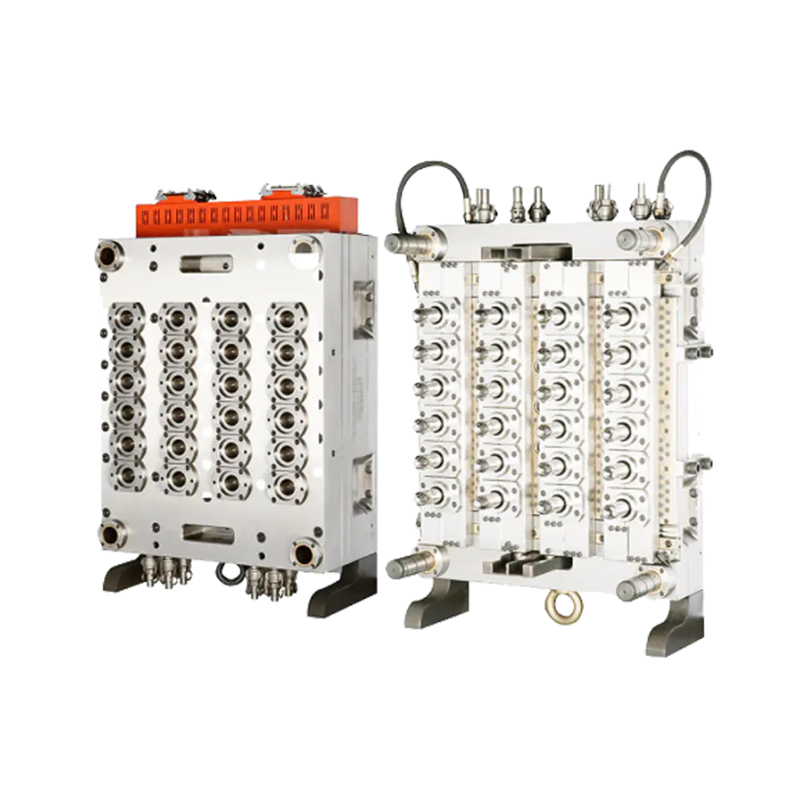
Jar preform moulds play a crucial role in the production of plastic jars, turning raw materials into uniform preforms ready for stretching and blowing into final containers. The process begins with high-quality polymer pellets, which are melted and injected into precision-engineered moulds. These moulds shape the preform with exact dimensions, ensuring consistency in neck finish, wall thickness, and overall structure. Engineers carefully design the mould cavities to produce preforms that will withstand the stresses of the stretching and blowing processes without deforming.
Modern jar preform moulds use advanced materials and machining techniques to maintain durability while allowing rapid production cycles. Multiple cavities in a single mould enable the creation of several preforms simultaneously, increasing output without sacrificing accuracy. Temperature control is key, as even slight variations can affect the quality of the preform. Automated systems monitor mould temperature, injection speed, and pressure to guarantee that each preform meets strict specifications.
After injection, the preforms are cooled quickly while maintaining dimensional stability. Some production lines incorporate automated ejection systems that remove preforms without damaging their structure. The preforms are then transferred to stretch blow moulding machines, where they are heated and expanded into their final jar shape. The precise geometry created by the jar preform mould ensures that the jars are uniform, have proper neck finishes for closures, and maintain consistent wall thickness for strength and durability.
Jar preform moulds are designed to handle a variety of jar sizes and shapes. Factories often use modular mould systems that can be adapted for small, medium, or large preforms without extensive downtime. This flexibility allows manufacturers to switch production runs efficiently, accommodating different product lines or seasonal demands. The moulds are engineered to minimize flash and other defects, ensuring that the preforms do not require additional trimming or finishing before blowing.
Automation and precision engineering are at the heart of efficient jar preform mould production. Sensors and control systems monitor injection parameters, cavity fill levels, and cooling times to prevent defects and maintain consistent quality. Operators oversee the process, ready to make minor adjustments when necessary, but the bulk of production runs smoothly under automated control. High-speed injection cycles allow factories to produce thousands of preforms per hour, keeping up with the demands of beverage, cosmetic, and food jar manufacturers.
The design of jar preform moulds also takes into account the specific requirements of end-use applications. Mould engineers consider factors like wall thickness distribution, neck finish tolerances, and internal volume to ensure that jars perform well during filling, shipping, and storage. Some moulds include features to improve heat distribution during injection, reducing cycle times and enhancing uniformity. With precise engineering and thoughtful design, jar preform moulds allow manufacturers to produce reliable preforms that result in high-quality jars every time.
Jar preform moulds offer versatility in manufacturing. They can be used for different polymers, allowing factories to produce jars with varying degrees of clarity, flexibility, or impact resistance. Multiple cavity configurations can run simultaneously, enabling high-volume production while maintaining consistency across batches. The combination of automated monitoring, high-quality materials, and precision machining ensures that every preform meets the required specifications and performs as expected during subsequent processing.

No.148 Yongda Road, Jiangkou Street, Huangyan, Taizhou, Zhejiang, China.

yn@tzyuno.com

+86-576-84111565

+86-13575806039


Copyright © Taizhou Huangyan Yuno Mould Co., Ltd.
Plastic Mould Factory