

 英语
英语 法语
法语
Address
No.148 Yongda Road, Jiangkou Street, Huangyan, Taizhou, Zhejiang, China.
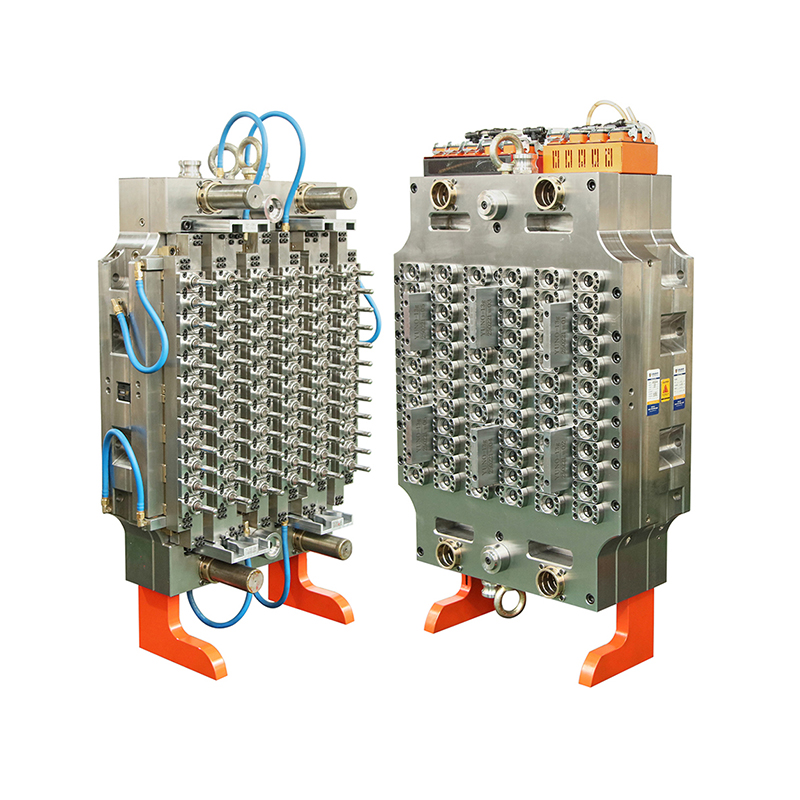
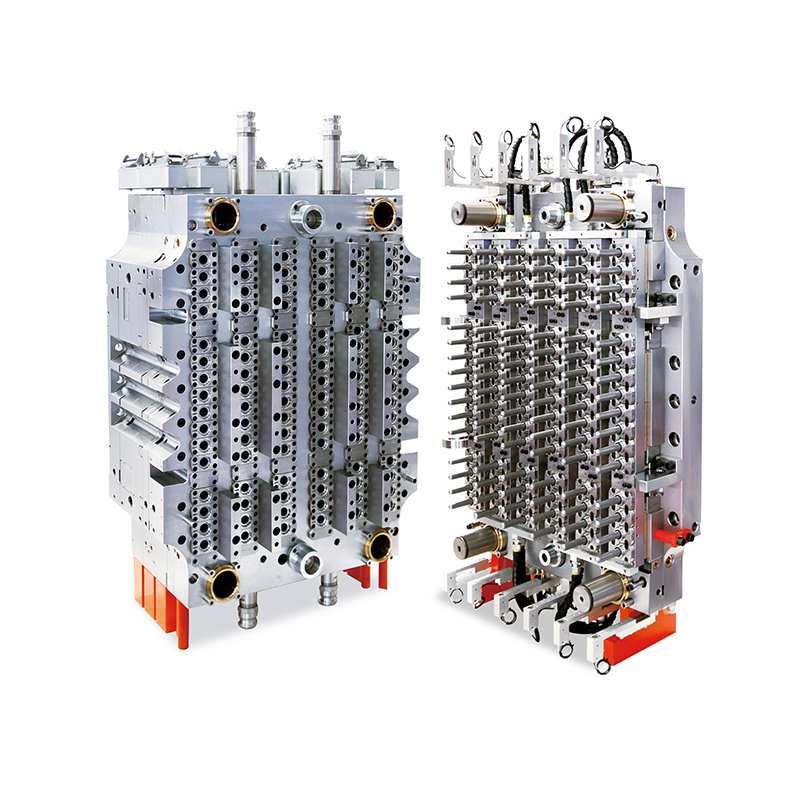
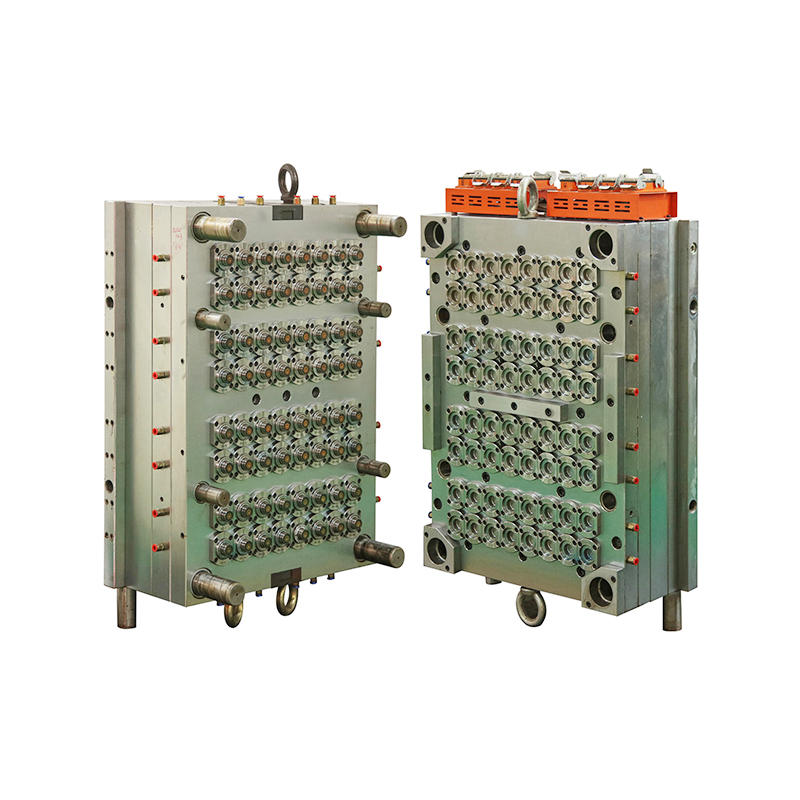
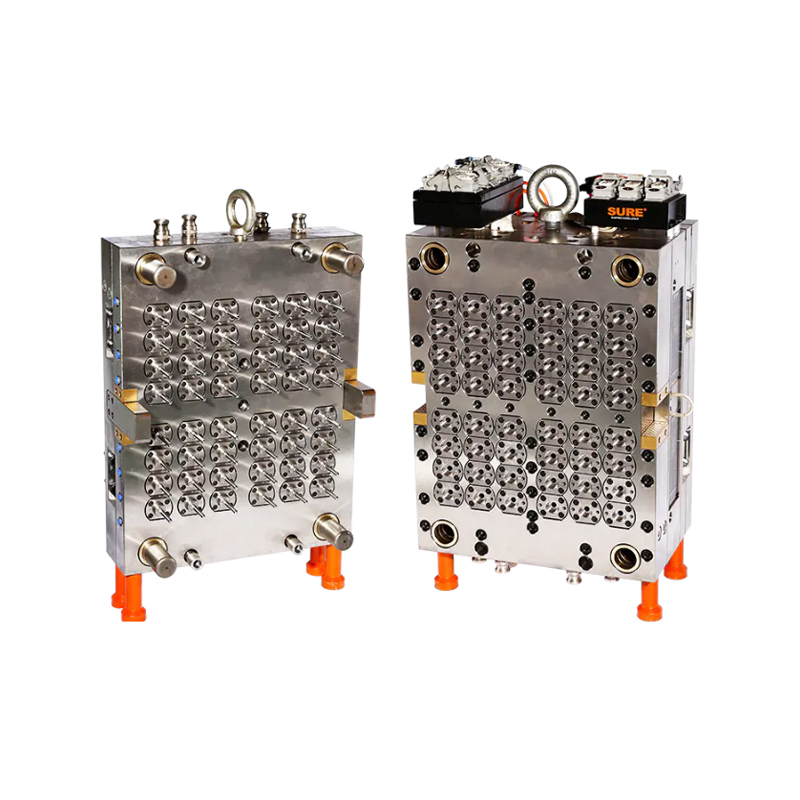
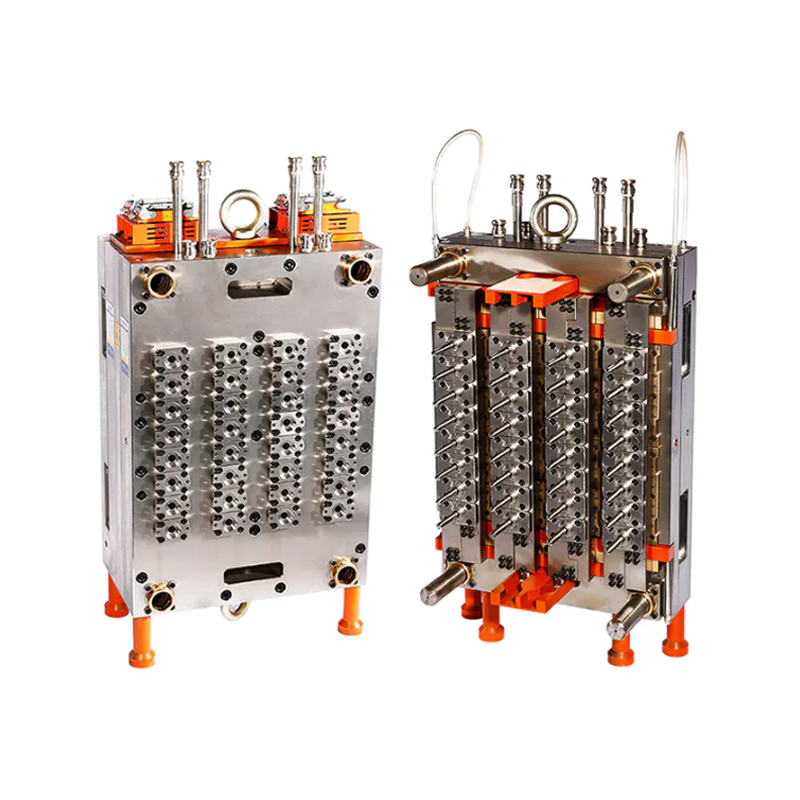
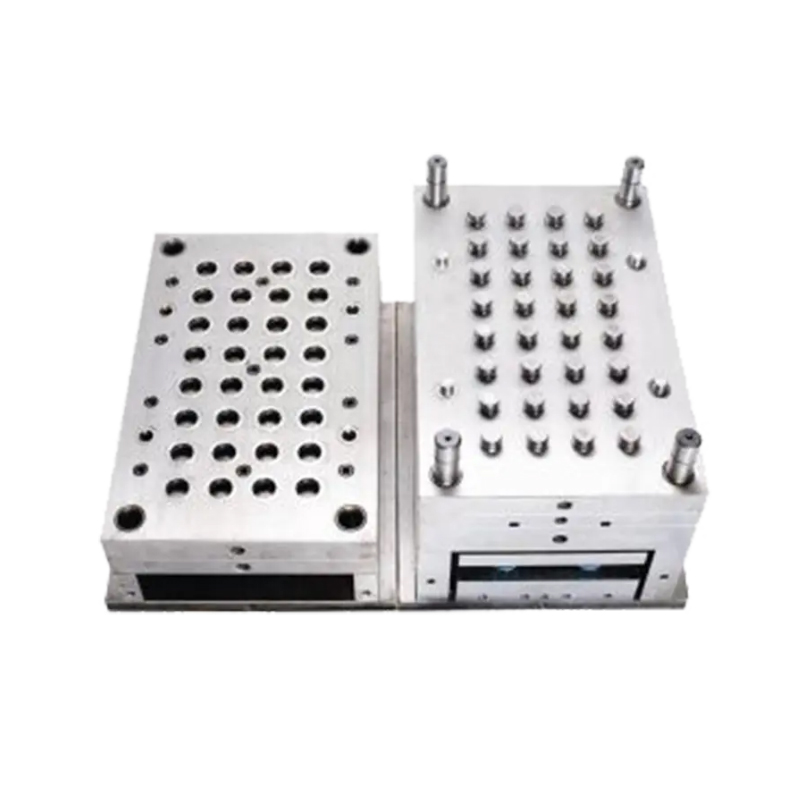
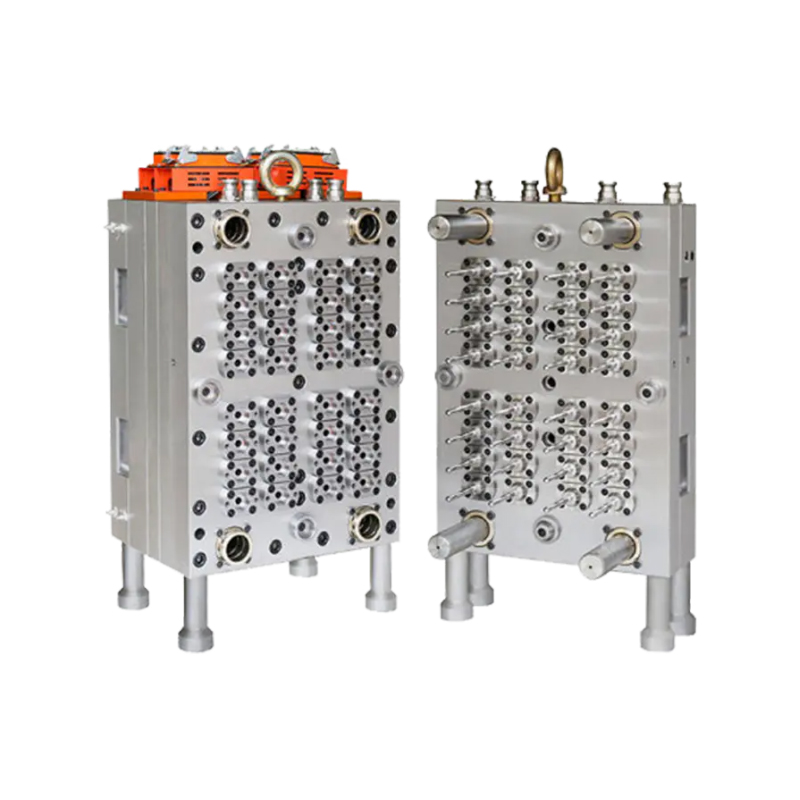
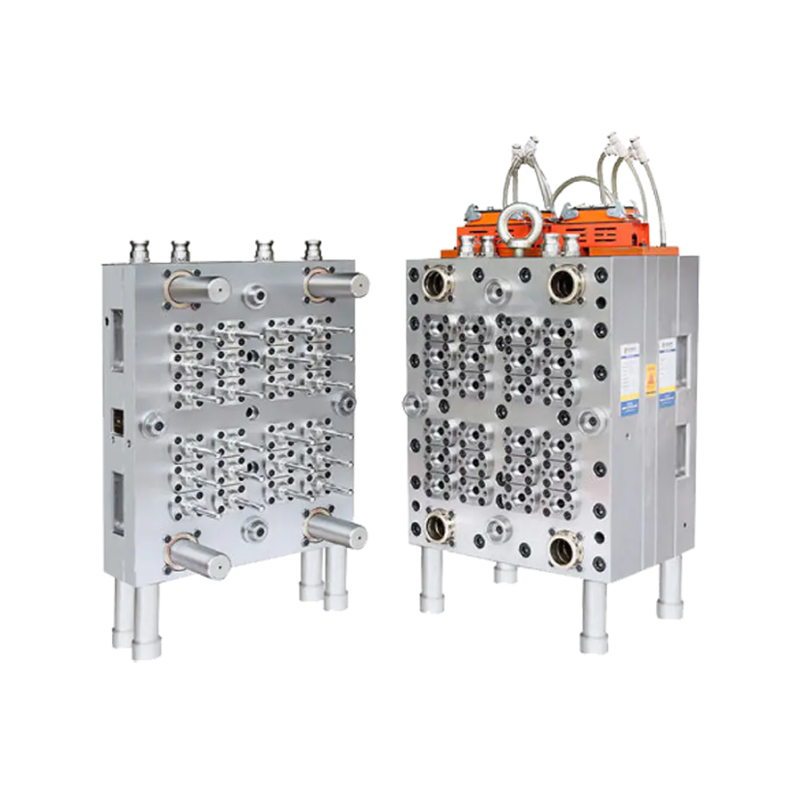
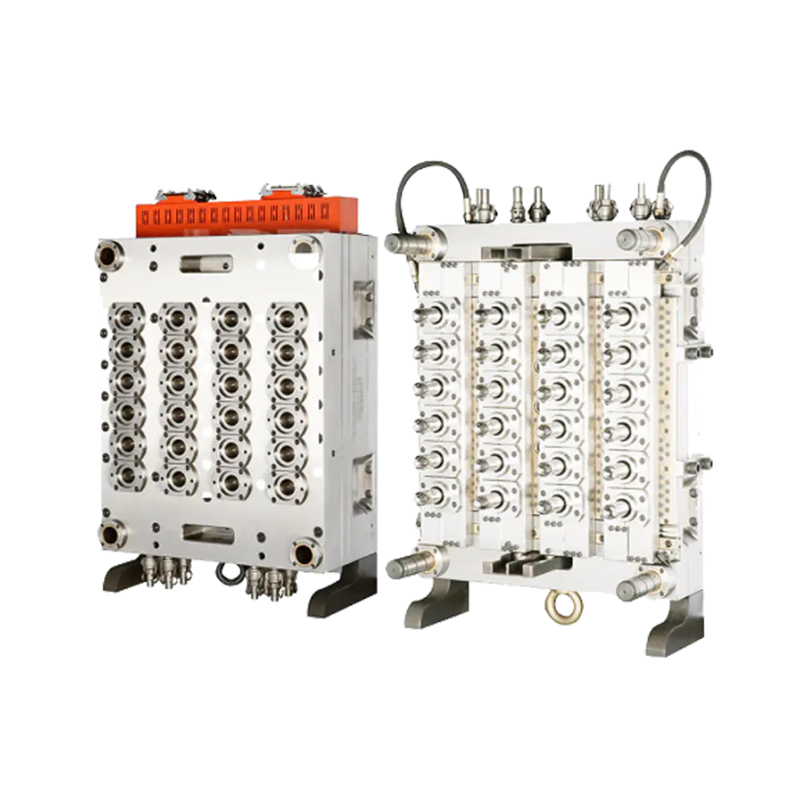
If you’ve ever admired the neat curves of a lotion bottle or the sleek edges of a cream jar, you’ve been influenced by a cosmetic mould. These moulds are the hidden heroes behind the physical form of cosmetic containers and sometimes the products themselves, such as compact cases or stick foundations. Cosmetic moulds serve as the blueprint that turns raw material into recognizable shapes in the beauty world, giving structure to items that rest gently in a shopper’s hand.
Imagine a cosmetic product before moulding — a shapeless blob of material waiting for direction. The mould steps in like a generous sculptor, offering form, definition, and purpose. Whether it’s a curved lip balm tube that fits comfortably between fingers or a symmetrical jar that assembles neatly on a store shelf, the role of the cosmetic mould is to transform intention into reality.
At its core, a cosmetic mould is a hollow cavity that mirrors the desired final shape of a product or package. In production, liquid or semi‑liquid material flows into this hollow space, taking on its curves and angles as it solidifies. Think of it as water poured into an ice tray: once frozen, the ice matches every groove and corner of the tray design. Cosmetic moulds operate under a similar idea, though with careful temperature, pressure, and timing controls that ensure consistent results.
Unlike flat stickers or simple labels, cosmetic moulds embed physical character into an item. A lipstick tube might feature ridges that provide grip; a bottle could include gentle slopes that reflect light at graceful angles. These details come from the mould itself, where skilled technicians have shaped and tested surfaces again and again. When the material hardens and exits the mould, it carries every contour like a memory, ready to be filled with product formulas and beautiful branding.
Interestingly, modern cosmetic moulds often come in sets, allowing multiple parts of a product to lock together. A jar might require both a base and a lid — each crafted in its own mould before assembly. This coordinated design helps products feel integrated and complete, reducing awkward edges or mismatched fittings. The result is a container that doesn’t just hold cosmetic formulas but enhances user experience with thoughtful form and gentle ergonomics.
Just as artists sketch and revise, product designers work with mould engineers to balance aesthetics and practicality. Complex angles, rounded edges, and ergonomic surfaces don’t appear by accident; they result from back‑and‑forth collaboration, testing, and refinement. Designers imagine statements in physical form, and moulds make those concepts tangible. There is an almost creative rhythm to this process — ideas flow into sketches, sketches are translated into three‑dimensional moulds, and moulds bring objects to life in the real world.
While some cosmetic moulds focus on simplicity, others embrace whimsical details that surprise and delight. Because moulds control physical form, they become partners in creative expression, bridging abstract ideas and consumer engagement. In turn, shoppers experience products that feel familiar, delightful, or expressive — all thanks to thoughtful mould design.
The structure of a cosmetic mould also affects how easily products can be packaged, displayed, and transported. A shape that nests neatly in a display tray or sits firmly on a vanity shelf makes life easier for both retailers and users. These practical considerations, combined with imaginative design, help cosmetic moulds remain an important part of product life cycles that connect everyday routines with creative ambition.




No.148 Yongda Road, Jiangkou Street, Huangyan, Taizhou, Zhejiang, China.

yn@tzyuno.com

+86-576-84111565

+86-13575806039


Copyright © Taizhou Huangyan Yuno Mould Co., Ltd.
Plastic Mould Factory