

 英语
英语 法语
法语
Address
No.148 Yongda Road, Jiangkou Street, Huangyan, Taizhou, Zhejiang, China.
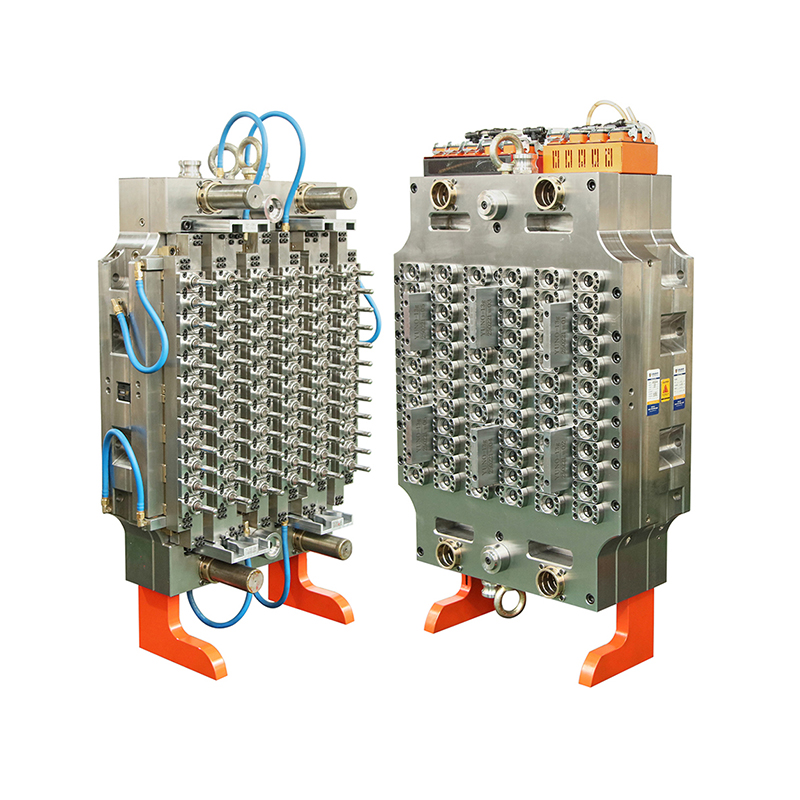
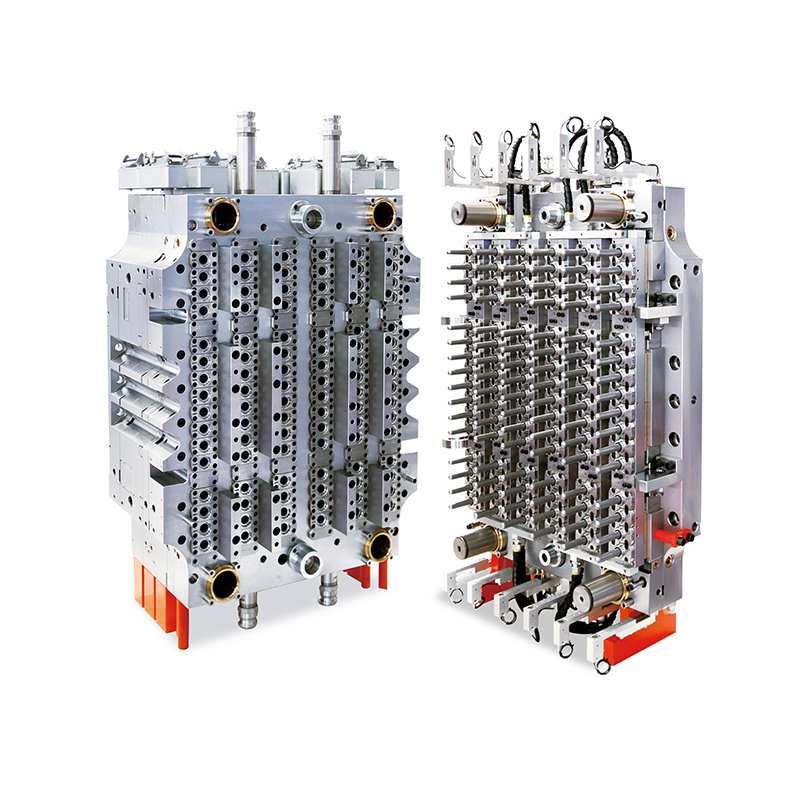
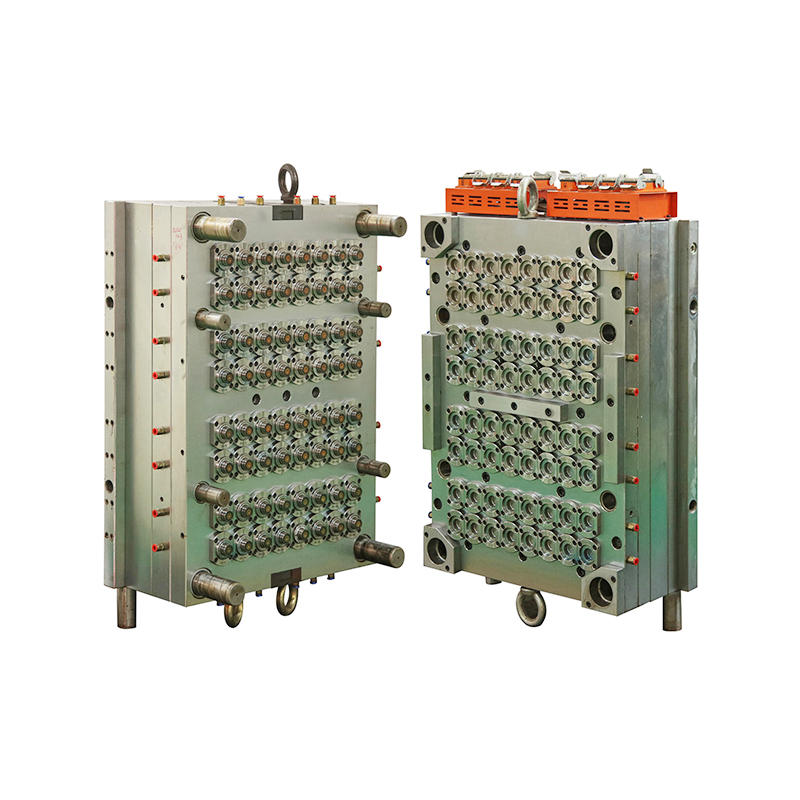
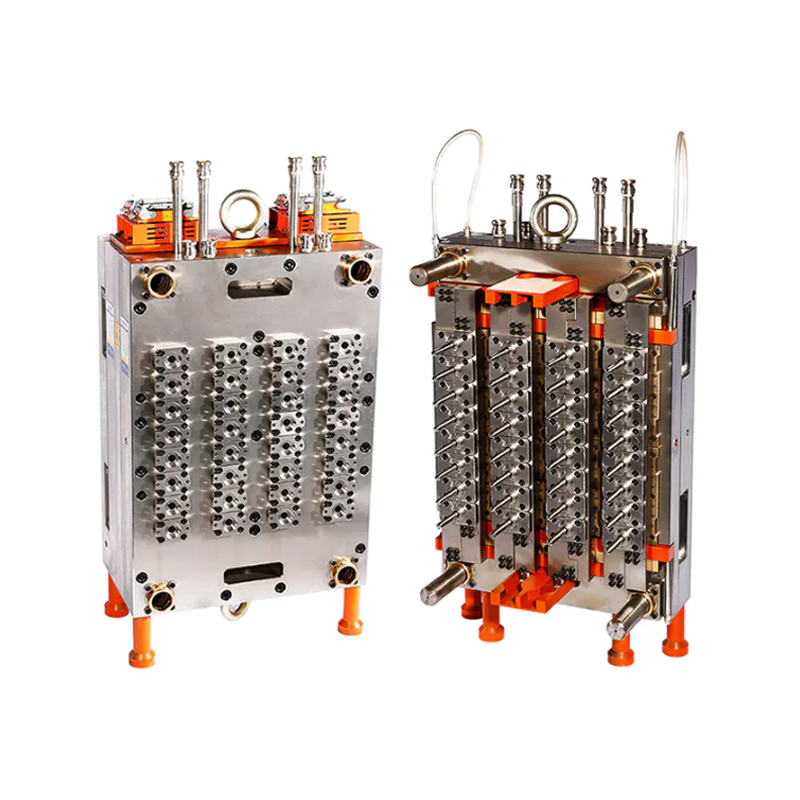
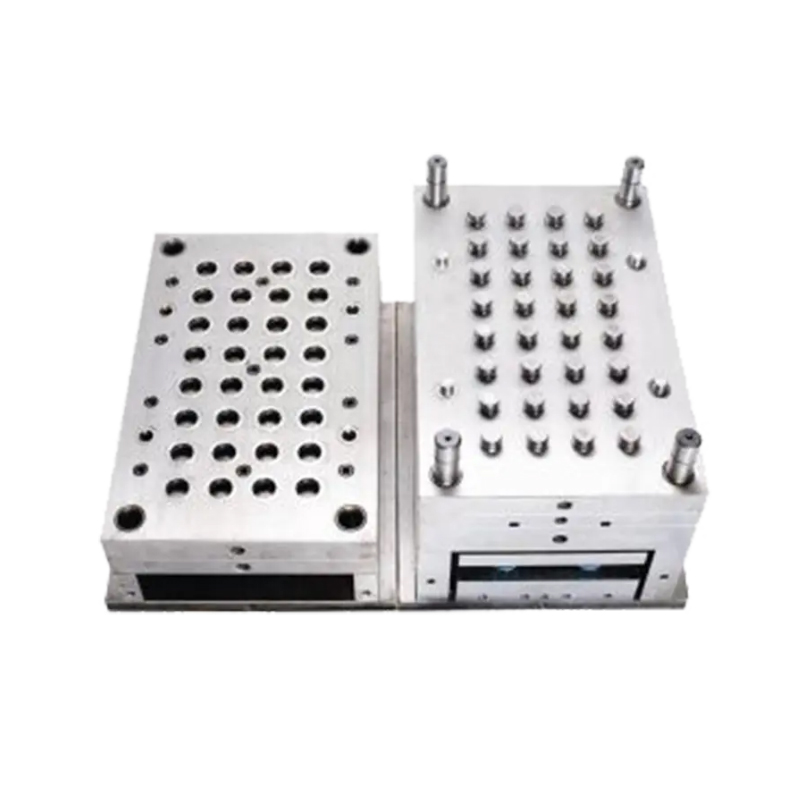
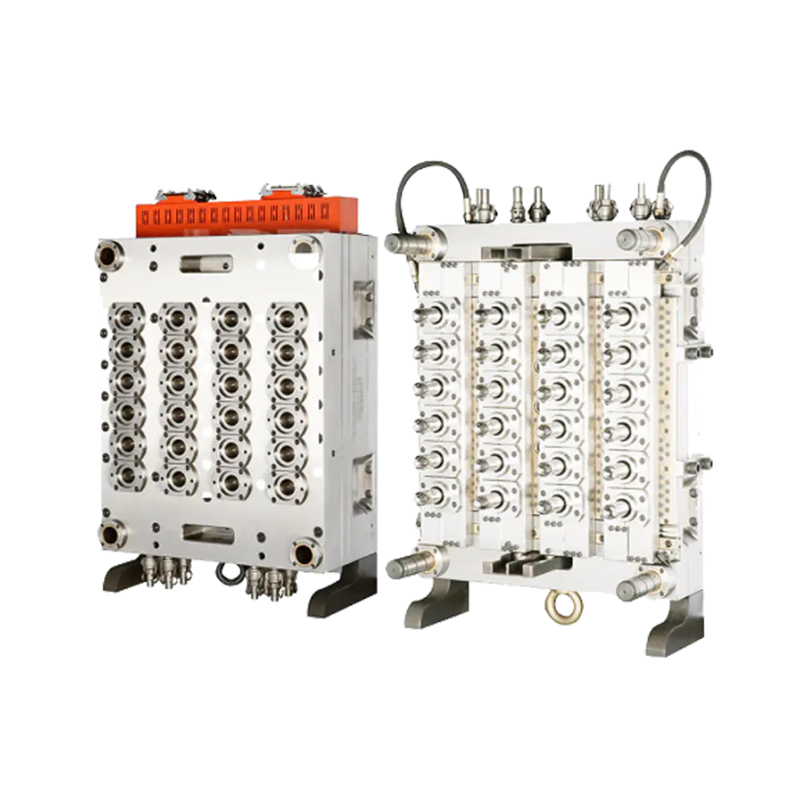
A medical mold is a custom‑shaped cavity that guides material into specific forms while it hardens or sets. Imagine shaping clay into a statue: the mold gives boundaries and directs the material into a recognizable shape. In medical settings, mold‑crafted items help professionals carry out tasks with more confidence and consistency.
Medical mold use stretches across many areas of health care. For example, dental trays that fit snugly over teeth are born from molds that mirror the shape of a patient’s mouth. Items used to hold, measure, or deliver treatment may also begin as raw materials poured into molds then cooled or cured. What makes this scenario interesting is how a simple shape can influence functionality, comfort, and performance.
When molded pieces reach hands in clinics, labs, or homes, they carry with them the precision that molds impart. That sense of form and fit reflects the unseen coordination between designers, technicians, and the molds that brought these shapes into being.
Medical molds don’t operate by magic; they function through a thoughtful combination of engineering and material science. At the most basic level, a mold includes a hollowed space shaped like the end product. When soft material — such as liquid resin, silicone, or plastic — is introduced into this cavity, it fills every groove and contour. As the material cools or chemically changes, it solidifies into its new form.
A familiar comparison is baking: pouring batter into a shaped pan creates a cake that looks different from a flat slab of dough. Similarly, medical molds shape material into forms suitable for holding medication, fitting body contours, or supporting equipment attachment. Some molds include complex internal features that allow parts to interlock or snap together later. Others focus on external features that support grip and ergonomic comfort. The details that a mold imparts influence how a tool feels, how easy it is to handle, and how it performs its role.
In production spaces, molds are often grouped into families, each responsible for a different part of a product. A multi‑component device may require separate molds for inner fittings, outer shells, and connecting pieces. After molding, these parts find one another on assembly lines and become complete health tools ready to be moved into packaging and shipment.
While the term “mold” might evoke images of simple forms or containers, the reality is that medical molds are often crafted with thoughtful design at their core. Designers consider how an object will sit in a user’s hand, how it will interact with other tools, and how it will support its function in clinical settings. A well‑designed mold helps bring ideas to life as tangible solutions that professionals can trust day in and day out.
The collaborative process that leads to a finished mold often involves revisions, test fittings, and visual adjustments. Designers may begin with sketches before translating ideas into three‑dimensional representations that predict how the final material will behave. These designs are adjusted to balance structural needs with usability, allowing molded items to be consistent in form and practical in use.
When a medical mold performs its role well, the item it produces fits into broader systems of care with natural ease. Shelves stocked with consistent shapes look orderly. Professionals find familiarity in repeated designs, and patients experience comforting continuity in the tools that touch their lives.







No.148 Yongda Road, Jiangkou Street, Huangyan, Taizhou, Zhejiang, China.

yn@tzyuno.com

+86-576-84111565

+86-13575806039


Copyright © Taizhou Huangyan Yuno Mould Co., Ltd.
Plastic Mould Factory