

 英语
英语 法语
法语
Address
No.148 Yongda Road, Jiangkou Street, Huangyan, Taizhou, Zhejiang, China.
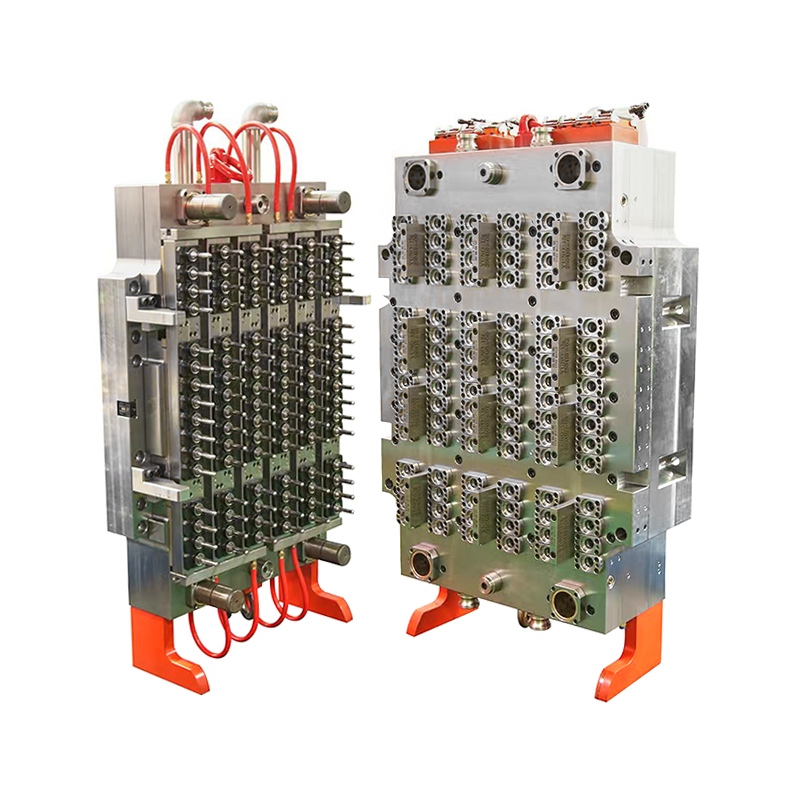
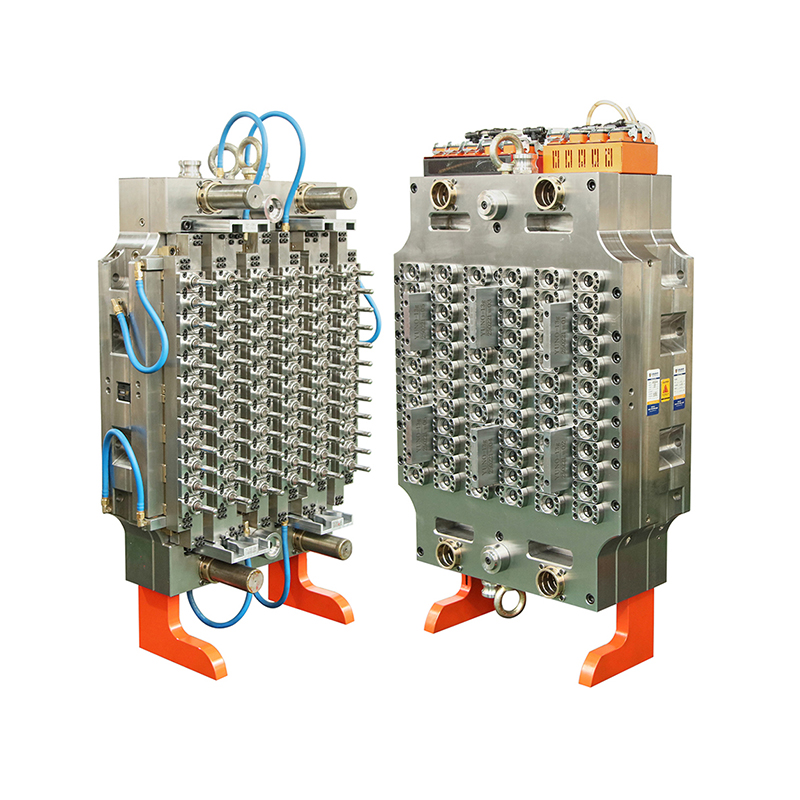
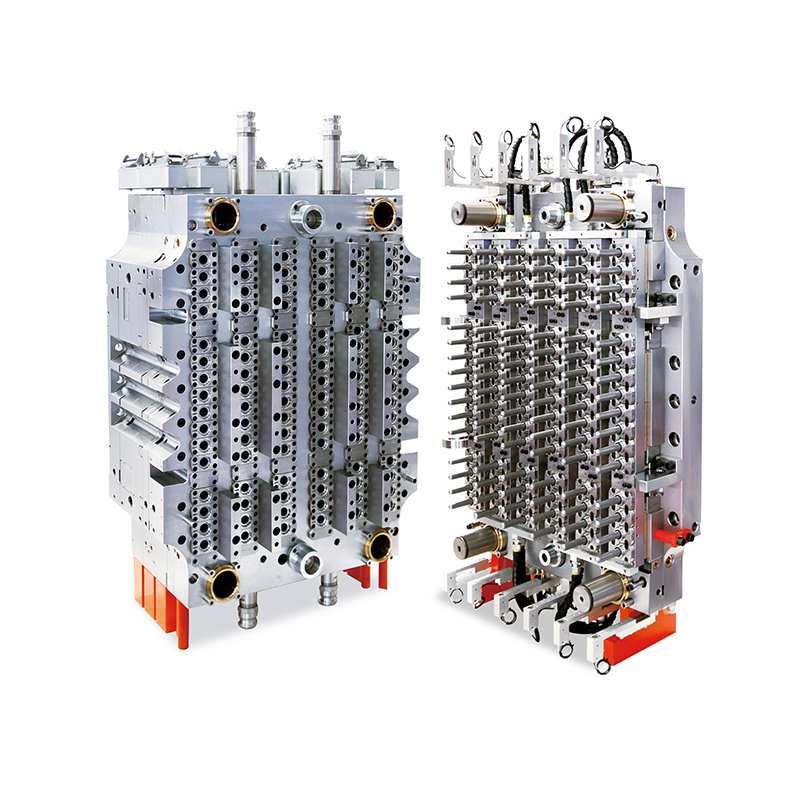
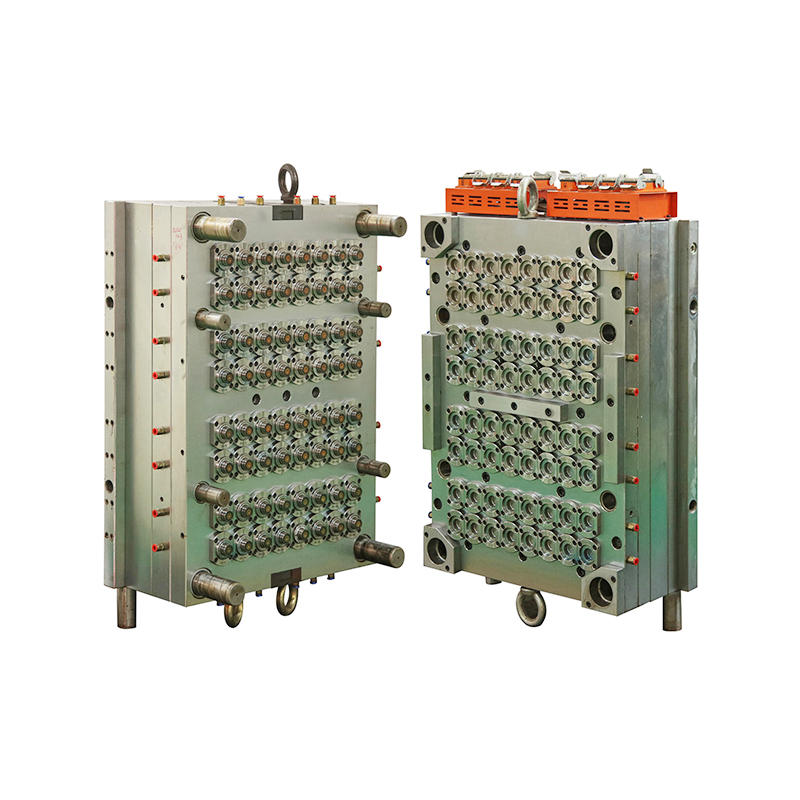
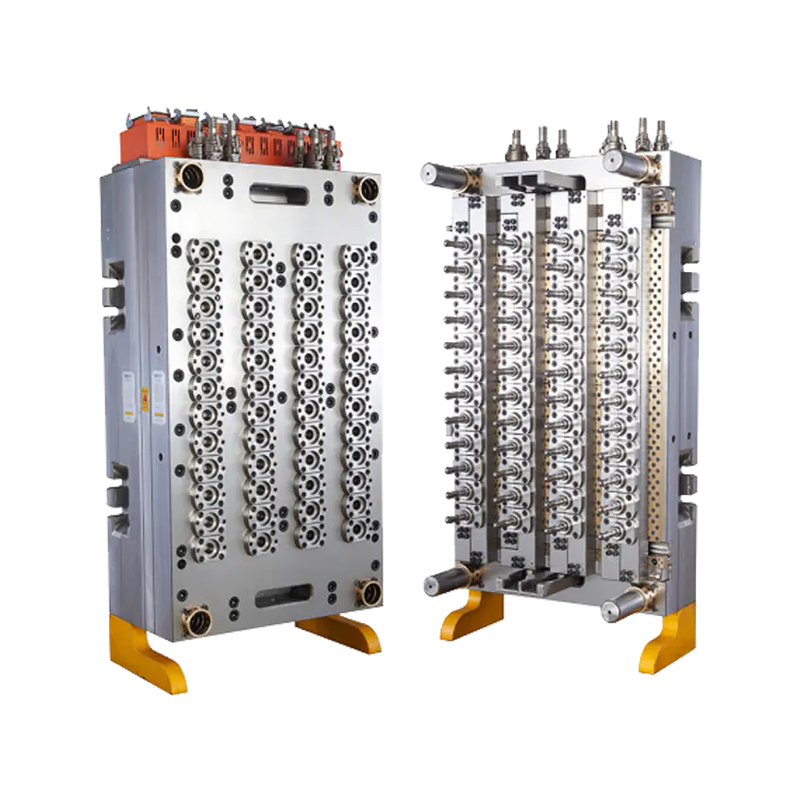
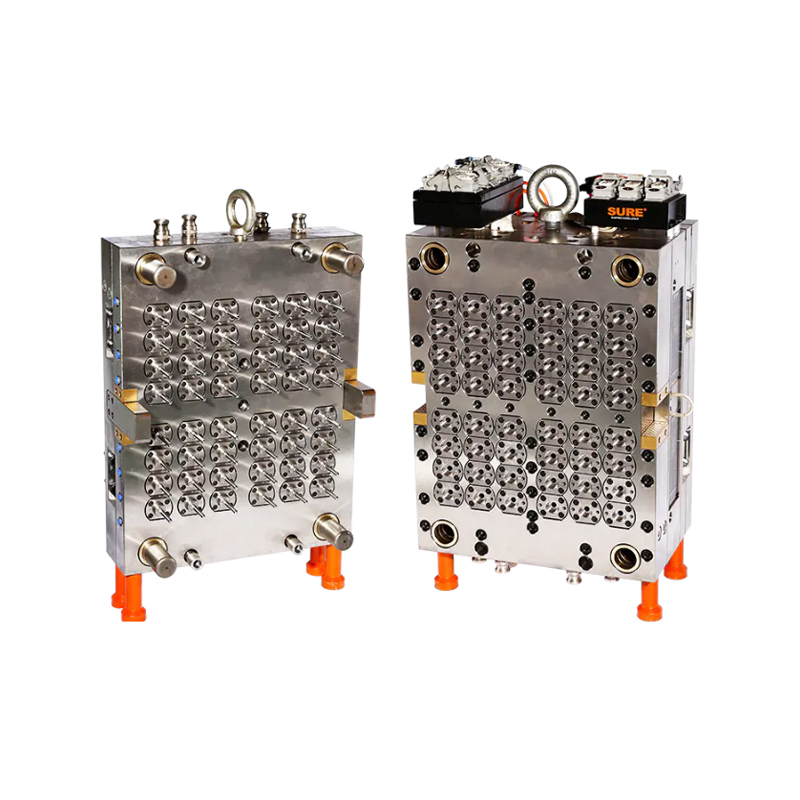
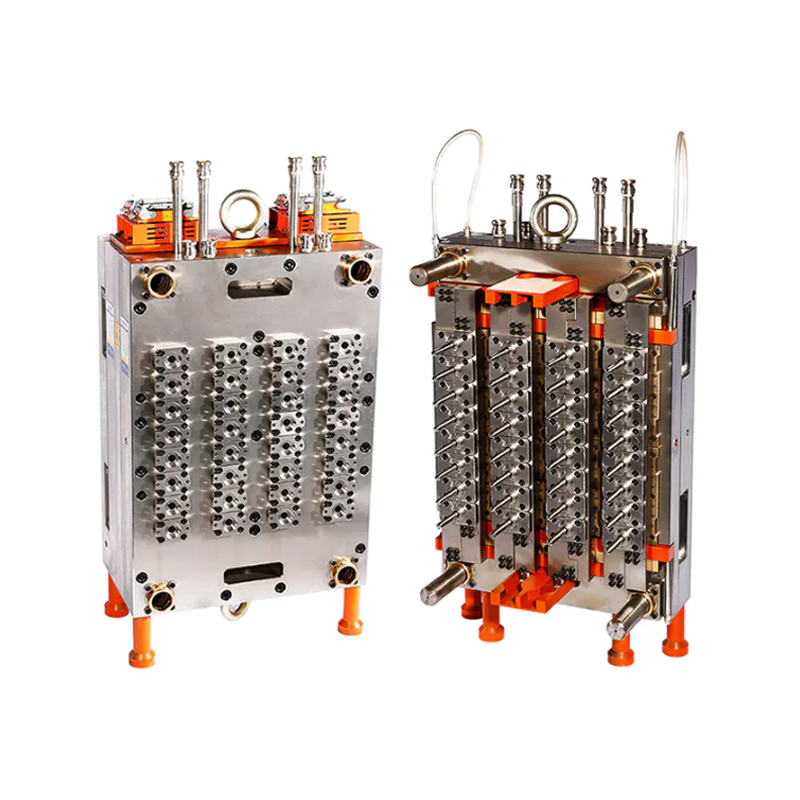
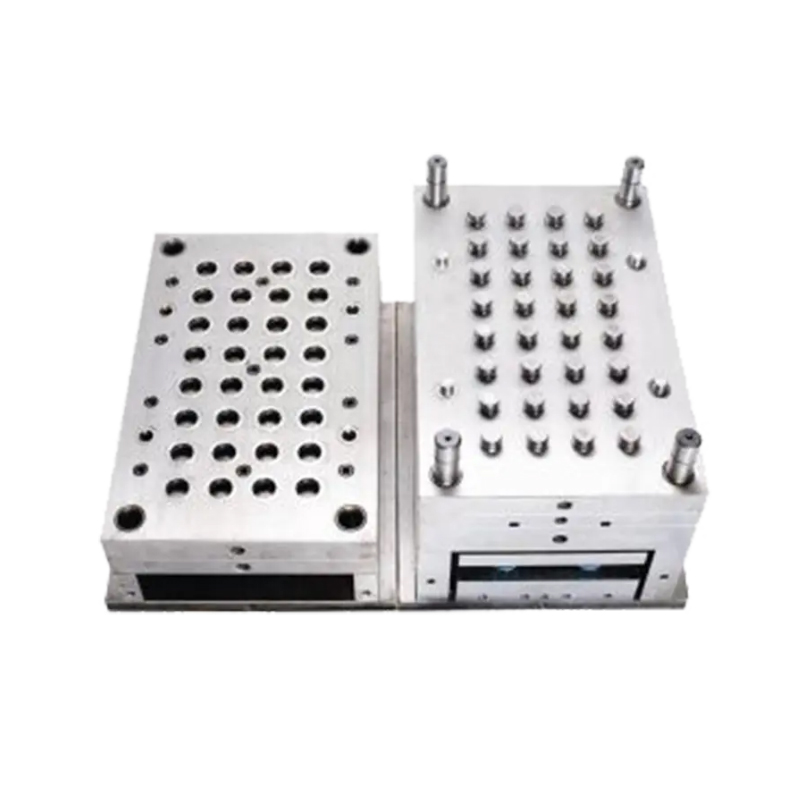
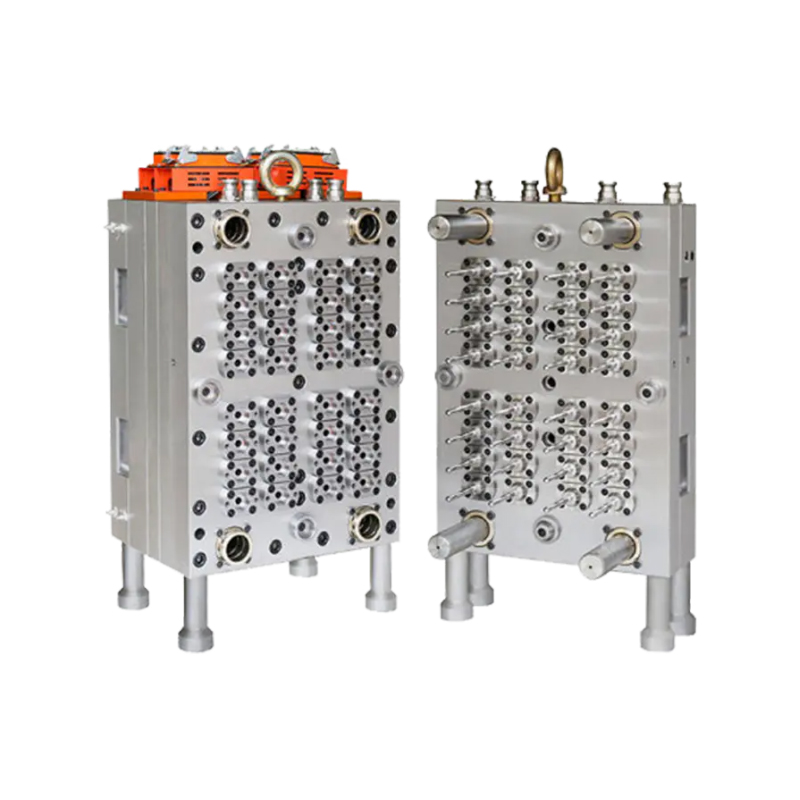
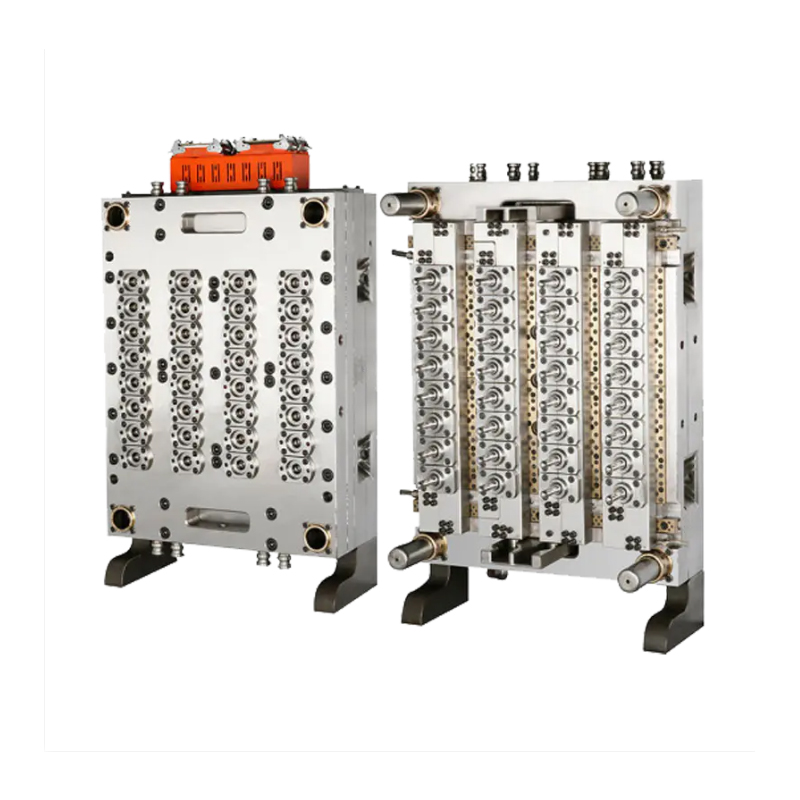
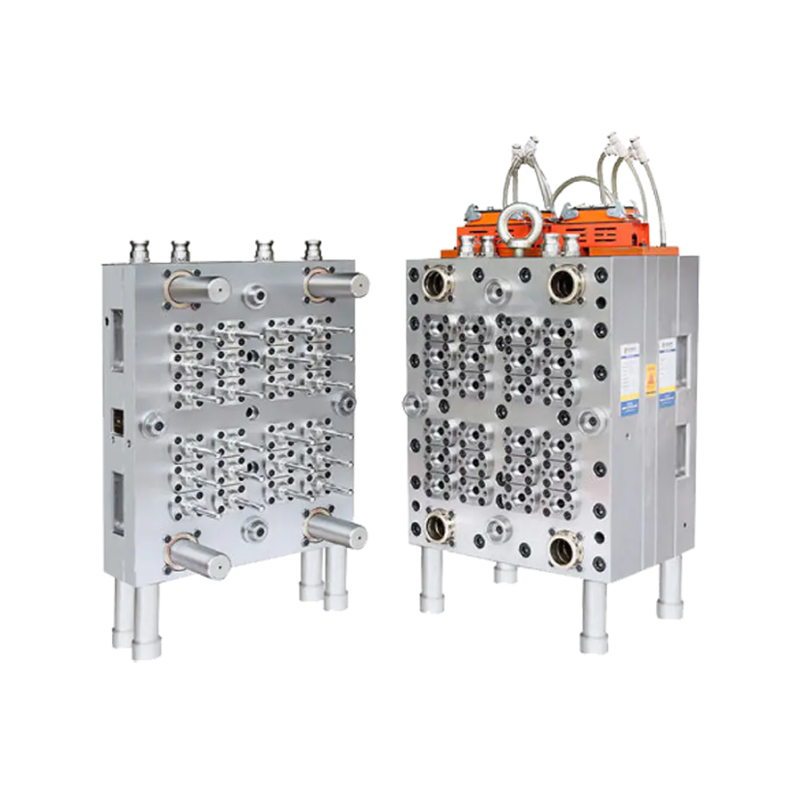
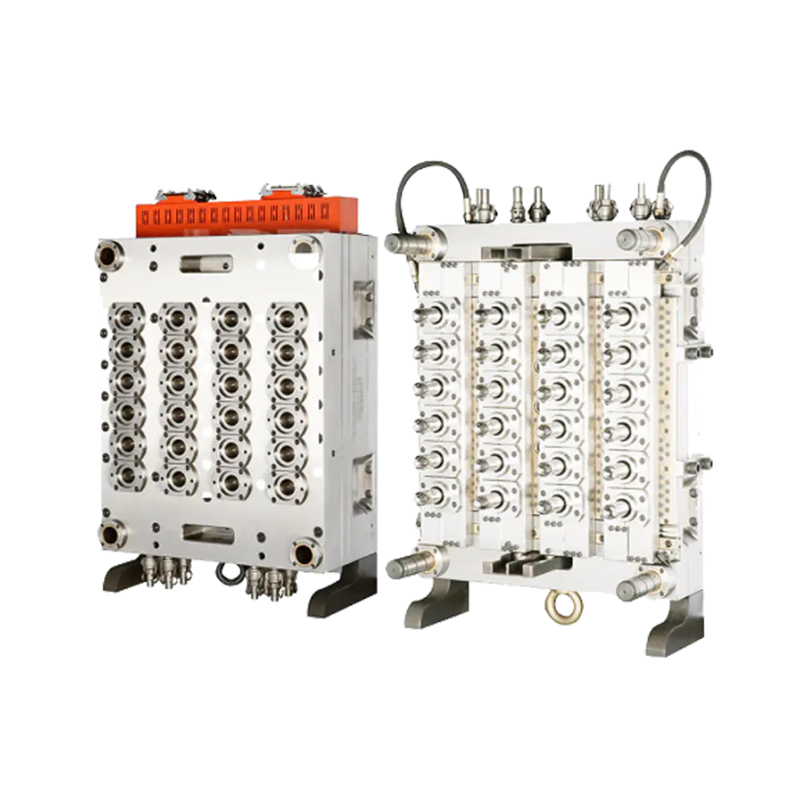
Preform molds are a critical element in the production of plastic containers and bottles. They create the preliminary shape, or preform, which is later expanded into the final product using blow molding or stretch-blow molding processes. The quality of the preform mold directly affects the uniformity, strength, and appearance of the finished container. Manufacturers select materials such as stainless steel or aluminum to construct molds that resist wear, maintain accuracy, and support high-volume production.
Designing a preform mold requires careful engineering. Every cavity is modeled to match the intended container’s dimensions, wall thickness, and functional features. CAD software and simulation tools allow engineers to predict how the material will flow, shrink, and cool during molding. Precise design ensures the preform has consistent weight and shape, preventing defects in the finished container. Even minor inconsistencies can result in containers that are uneven, weak, or difficult to cap or seal.
The production of preform molds involves advanced machining and finishing processes. CNC milling, electrical discharge machining, and polishing create detailed mold cavities with smooth surfaces. Surface finish impacts material flow, preform clarity, and wall thickness uniformity. Manufacturers inspect molds regularly to ensure dimensional accuracy, monitor wear, and detect potential issues early. Proper mold maintenance ensures consistent preform quality and minimizes production interruptions.
Preform molds support efficiency in large-scale manufacturing. Automated molding machines use these molds to produce hundreds or thousands of preforms per hour. The accuracy of the mold ensures uniformity across all preforms, reducing rejects and optimizing downstream production. Preforms are reheated and blown into containers that maintain consistent dimensions and performance. Consistent preform production is crucial to meeting production targets and maintaining customer satisfaction.
Applications of preform molds span many sectors, including food and beverage, pharmaceuticals, personal care, and industrial chemicals. Preform molds allow manufacturers to create containers that meet functional requirements such as strength, barrier properties, and ergonomic design. The mold design can also include features for threading, sealing, or decorative elements. Customization provides brands with the opportunity to differentiate products and enhance shelf appeal.
Quality assurance is integral to preform mold usage. Preforms are measured for weight, dimensions, and surface quality. Deviations are corrected immediately to ensure production standards are maintained. Mold performance is tracked to anticipate maintenance, identify trends, and optimize production schedules. This systematic approach ensures that preforms consistently meet requirements for both functionality and appearance.
The flexibility of preform molds allows production of a wide range of container sizes and shapes. Molds can accommodate small personal care bottles or larger food and beverage containers. Adjustments to mold cavities, injection points, and cooling channels can fine-tune preform properties for different products without requiring a full redesign. This adaptability makes preform molds a valuable tool for manufacturers responding to diverse market demands.
Preform molds also influence the application of labels, printing, or decorative finishes. Smooth mold surfaces allow consistent application of labels and coatings, while textured cavities can create unique patterns or branding directly on the container. Accurate mold design ensures that visual and functional features are consistently aligned, contributing to the overall quality and appeal of the finished product.
Preform molds provide the foundation for reliable, functional, and visually appealing plastic containers. Their design, precision, and durability support consistent production, efficient operations, and attractive final products. From initial design to ongoing maintenance, preform molds remain an essential component in the manufacturing of high-quality containers across industries.

No.148 Yongda Road, Jiangkou Street, Huangyan, Taizhou, Zhejiang, China.

yn@tzyuno.com

+86-576-84111565

+86-13575806039


Copyright © Taizhou Huangyan Yuno Mould Co., Ltd.
Plastic Mould Factory