

 英语
英语 法语
法语
Address
No.148 Yongda Road, Jiangkou Street, Huangyan, Taizhou, Zhejiang, China.
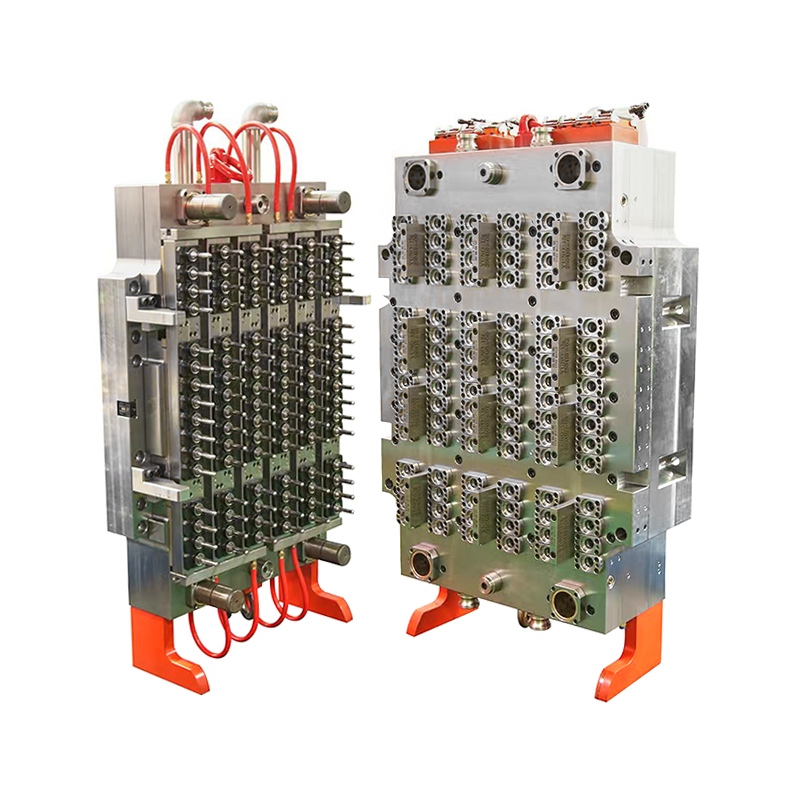
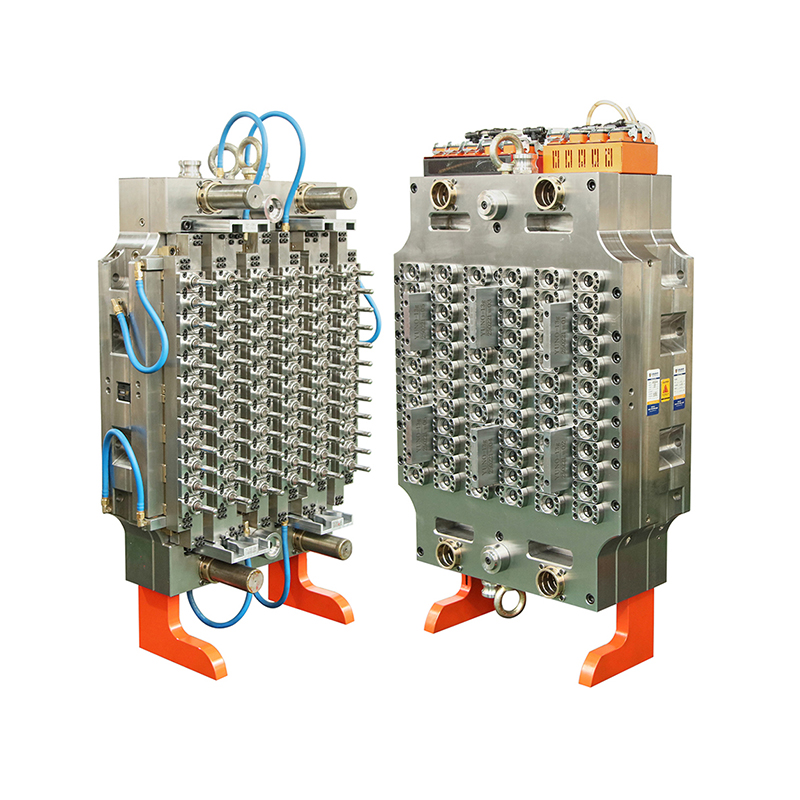
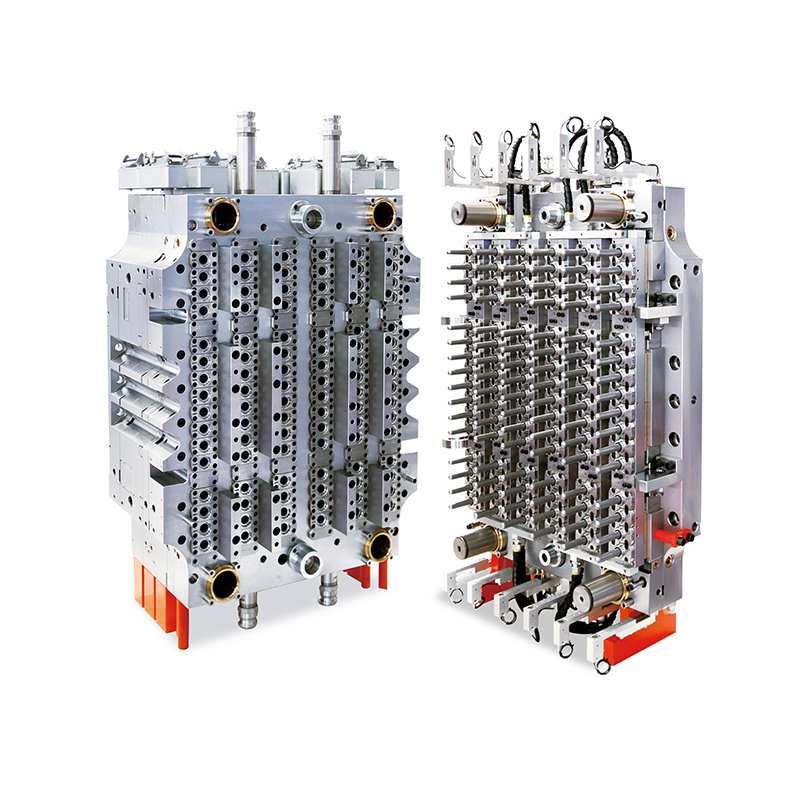
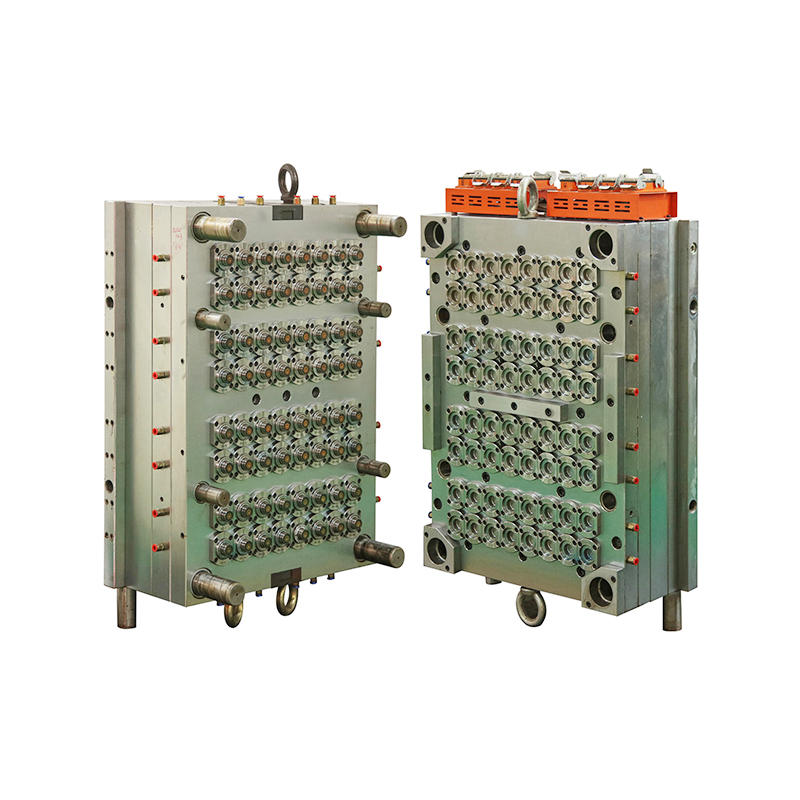
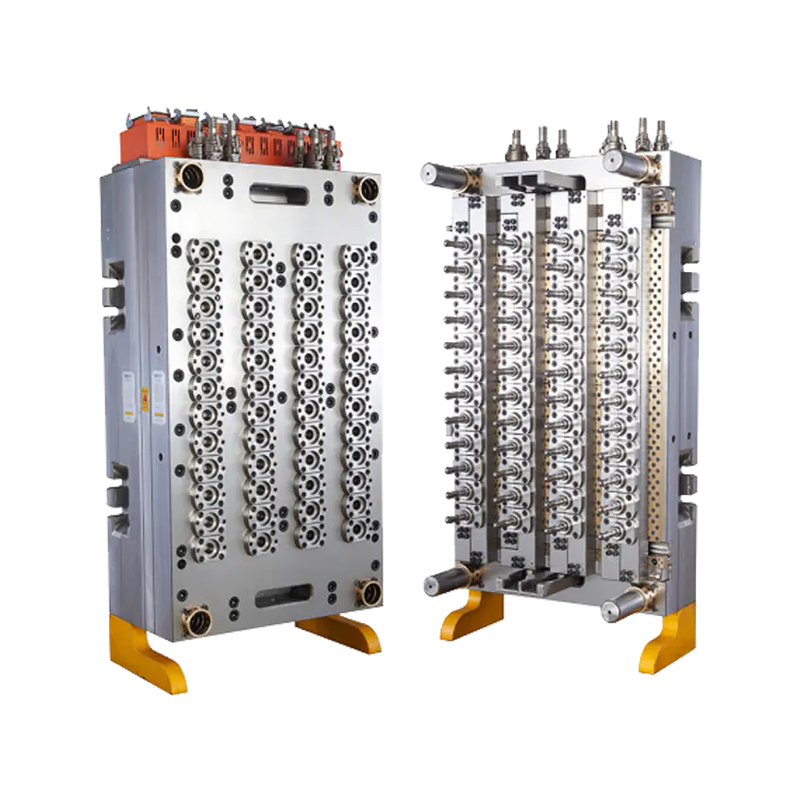
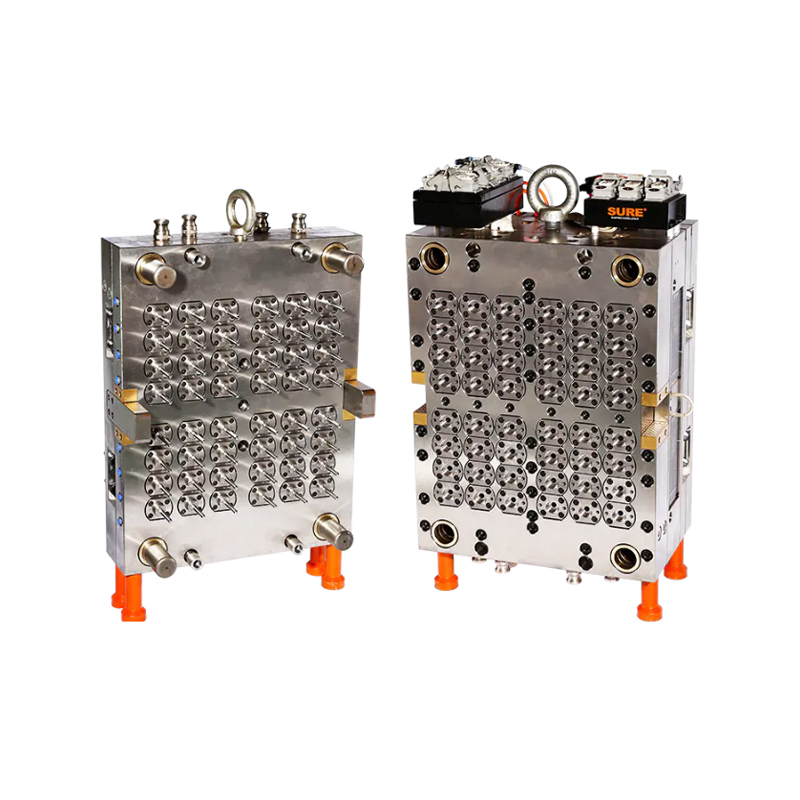
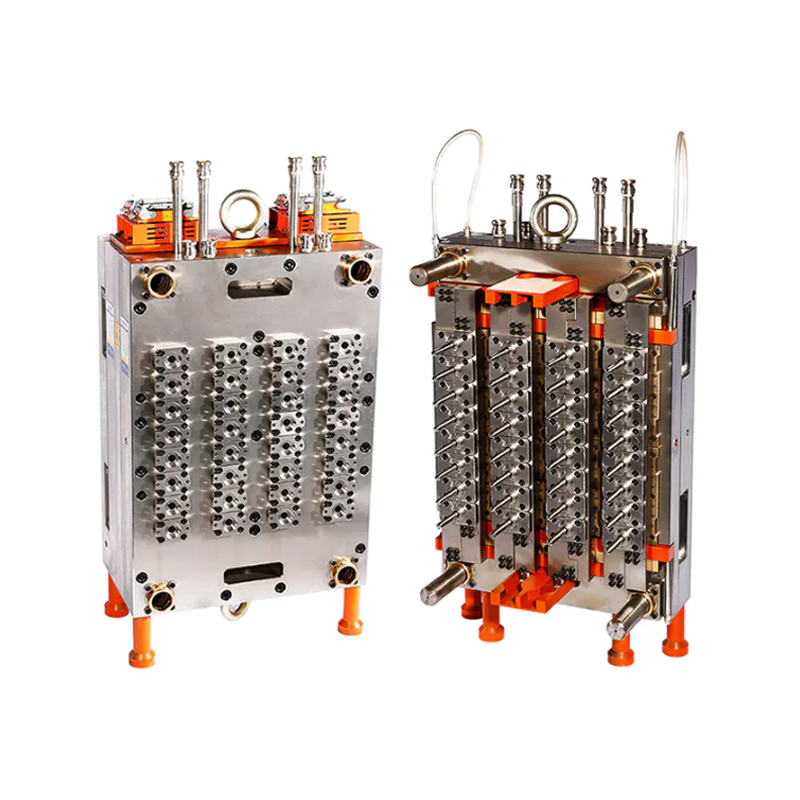
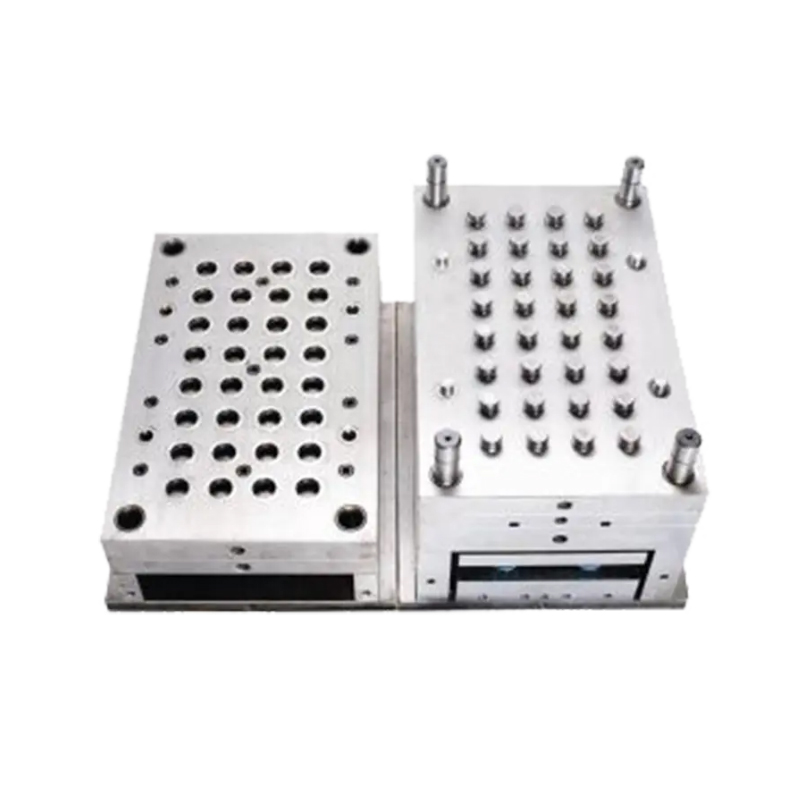
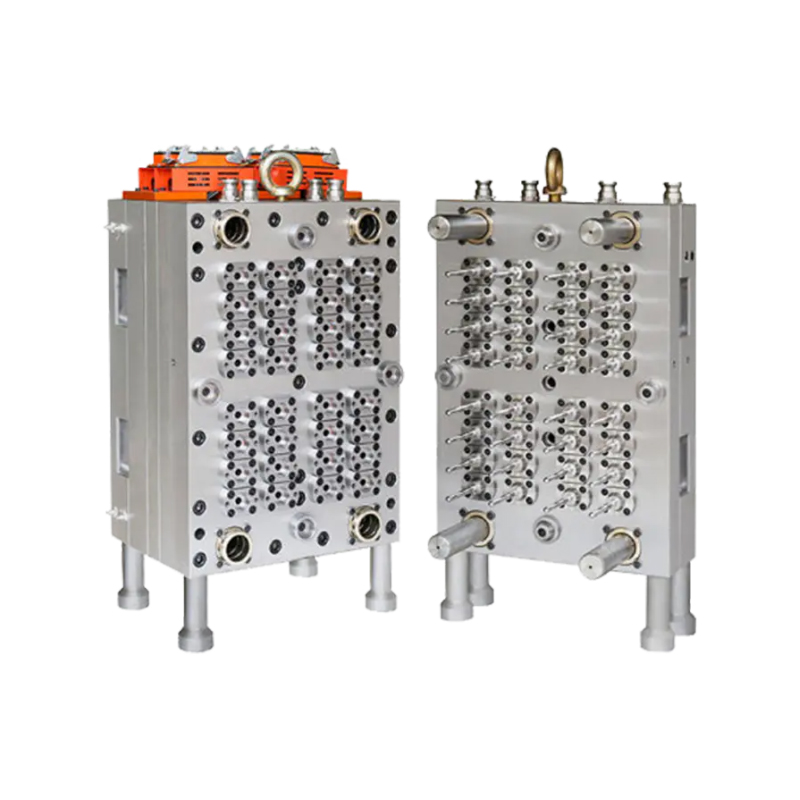
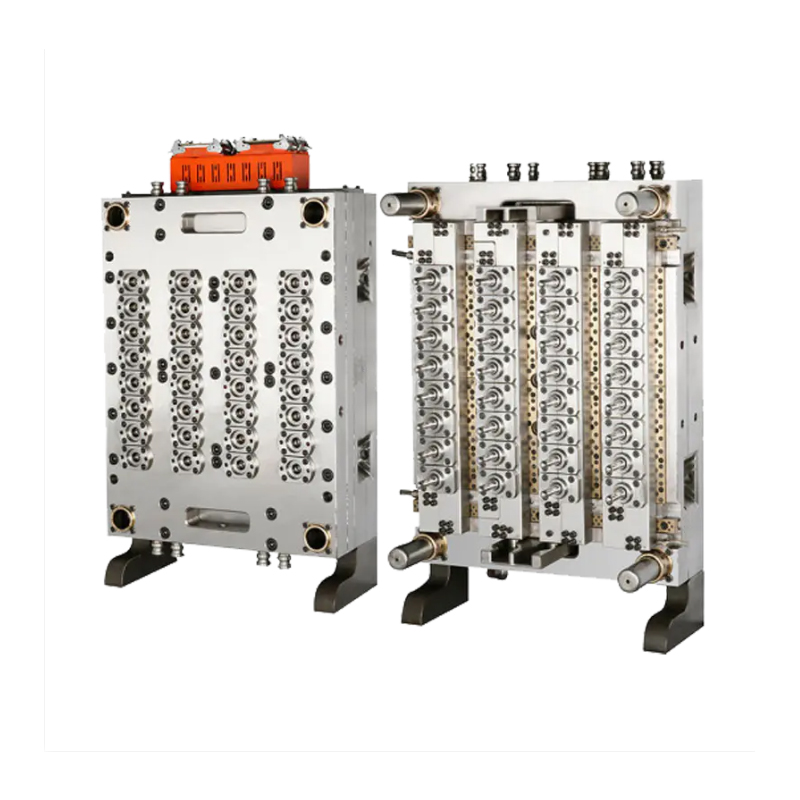
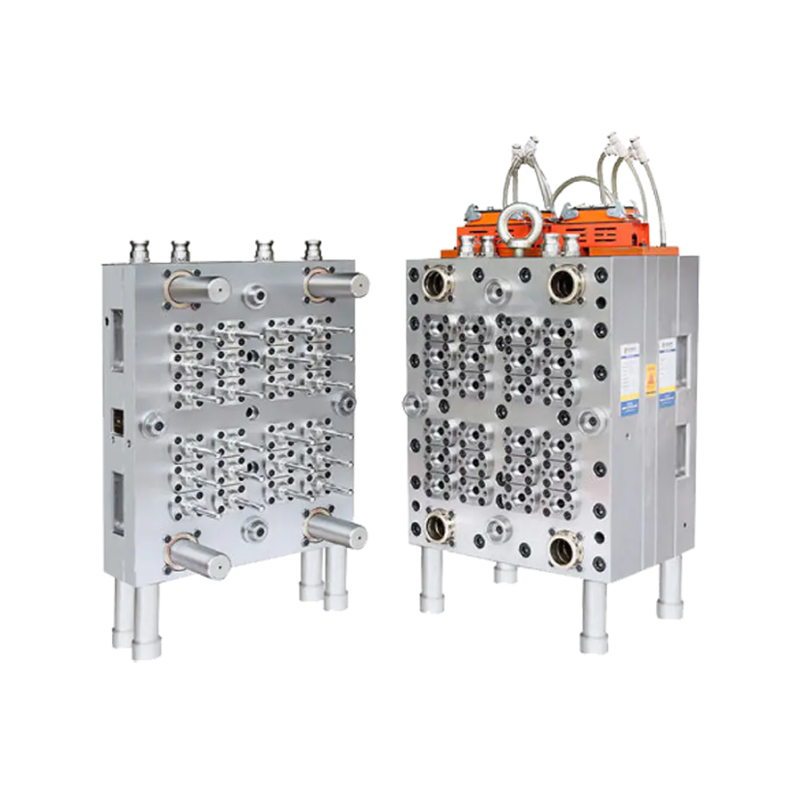
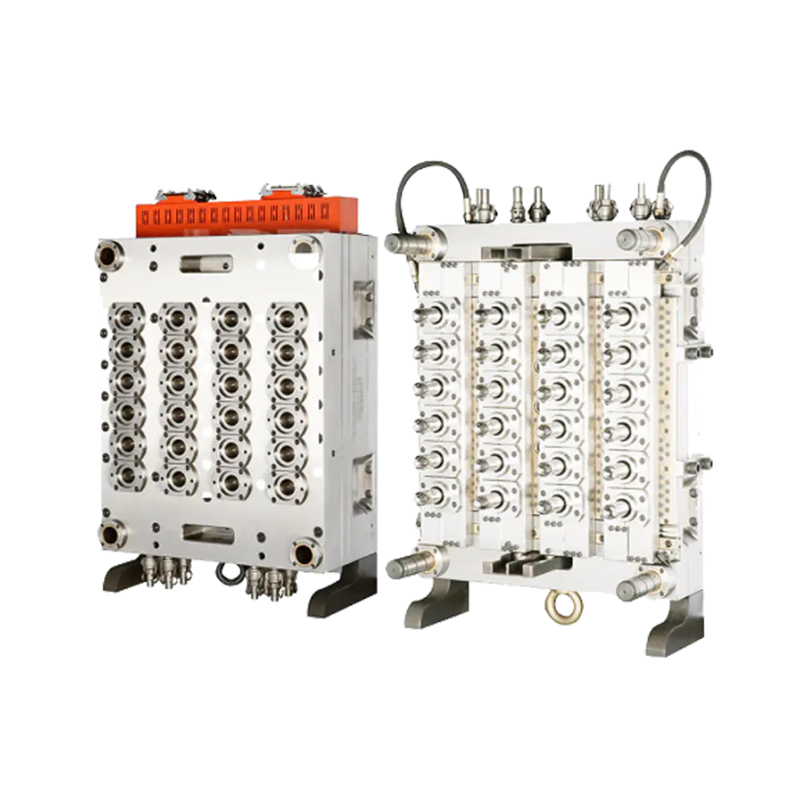
Jar preform molds play an essential role in the manufacturing of plastic jars and containers. These molds provide the initial form that is later blown into a finished container. The quality and precision of the preform mold determine the shape, consistency, and performance of the final jar. Materials used for preform molds, such as high-grade steel or aluminum alloys, ensure durability and the ability to withstand repeated production cycles. Choosing the appropriate material allows manufacturers to maintain accuracy and prevent wear that could affect the product’s dimensions.
The design of a jar preform mold involves careful attention to detail. Each cavity within the mold must match the intended container specifications, including wall thickness, diameter, and weight distribution. Engineers often use computer-aided design tools to model the preform before production. These tools allow simulation of material flow, shrinkage, and cooling behavior to ensure the preform meets functional and aesthetic requirements. Small deviations in mold design can lead to jars that are uneven, weak, or visually unappealing.
The manufacturing process of jar preform molds relies on precision machining techniques. CNC milling, electrical discharge machining, and polishing are commonly used to create detailed mold cavities. The smoothness of the mold surface affects the quality of the preform, ensuring even material distribution and preventing defects. Regular inspection and maintenance of molds help maintain consistent output over long production runs. Manufacturers monitor the mold condition carefully to reduce the risk of defects, maintain production efficiency, and extend the mold’s service life.
Jar preform molds contribute to efficiency in mass production. Automated systems use molds to produce large quantities of preforms quickly and consistently. Preforms are then reheated and blown into jars, bottles, or other containers using precise blow molding techniques. The accuracy of the mold ensures that each preform has uniform weight, wall thickness, and dimensions, reducing the likelihood of rejects or rework. Consistency in preform production helps manufacturers maintain supply chain reliability and customer satisfaction.
The application of jar preform molds spans multiple industries. Food and beverage, cosmetics, and pharmaceutical companies rely on high-quality preforms to produce jars that meet both functional and branding requirements. The mold design can incorporate unique features such as threading for caps, special shapes, or embossed logos. Customization allows brands to differentiate products on store shelves and provide containers that are practical, safe, and visually appealing.
Quality control is a crucial aspect of jar preform mold use. Every batch of preforms undergoes inspection for weight, dimensions, and appearance. Any irregularities are addressed quickly to maintain production standards. Manufacturers also document mold usage and performance to track trends and predict maintenance needs. This attention to quality ensures that preforms consistently meet expectations for both performance and appearance.
The versatility of jar preform molds allows them to accommodate various container sizes and shapes. Molds can produce small jars for cosmetics or larger containers for food and beverage applications. The flexibility of mold design supports a range of production needs, enabling manufacturers to adapt to different product lines efficiently. Adjustments to cavity size, cooling channels, and injection points can fine-tune preform properties without requiring a completely new mold.
Printing and branding considerations also interact with jar preform mold design. The shape and surface finish of the preform can influence the final appearance of labels, decorations, or embossing. Smooth surfaces enhance label adhesion and ensure a consistent finish, while textured or patterned surfaces allow unique branding elements to be incorporated directly into the container. Mold precision ensures that branding and functional features align correctly on the finished jar.

No.148 Yongda Road, Jiangkou Street, Huangyan, Taizhou, Zhejiang, China.

yn@tzyuno.com

+86-576-84111565

+86-13575806039


Copyright © Taizhou Huangyan Yuno Mould Co., Ltd.
Plastic Mould Factory