

 英语
英语 法语
法语
Address
No.148 Yongda Road, Jiangkou Street, Huangyan, Taizhou, Zhejiang, China.
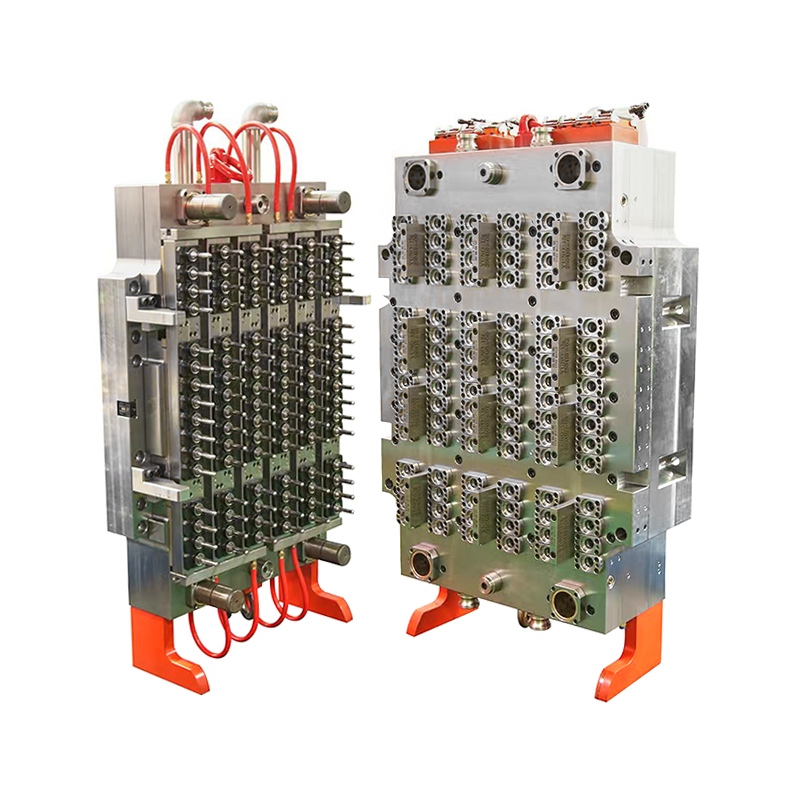
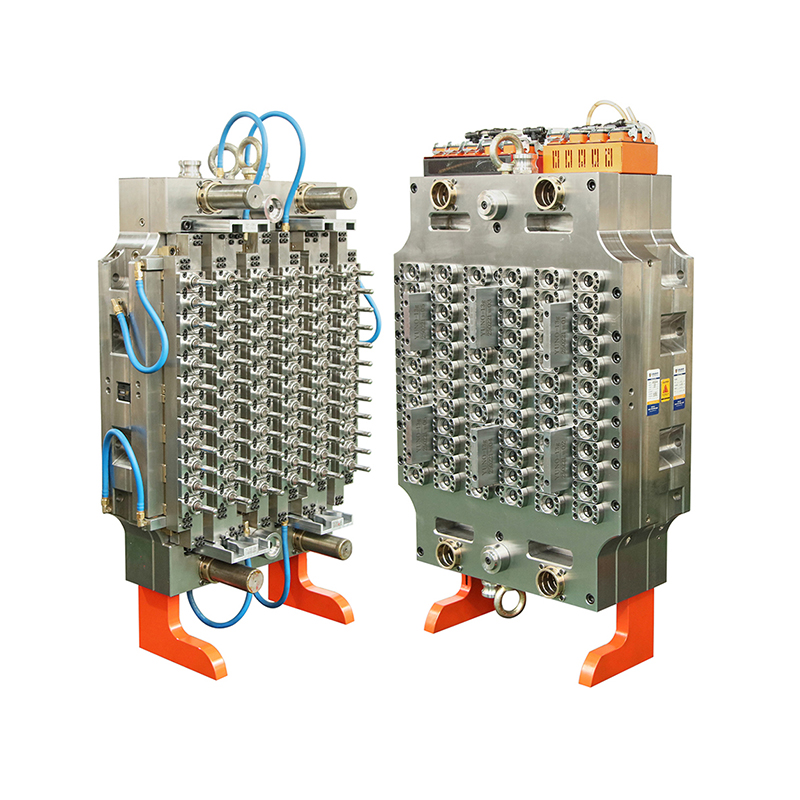
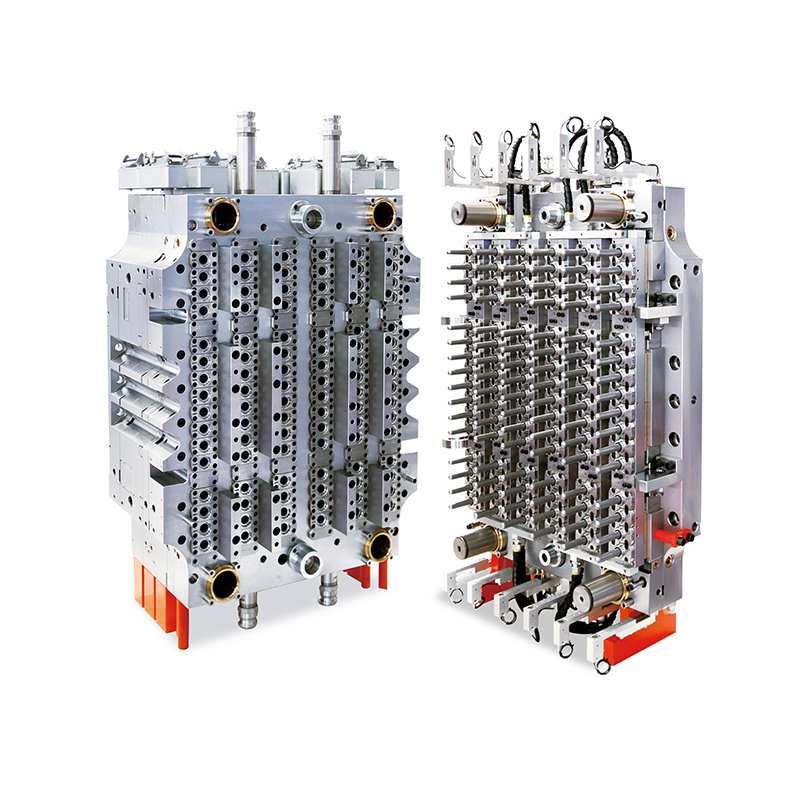
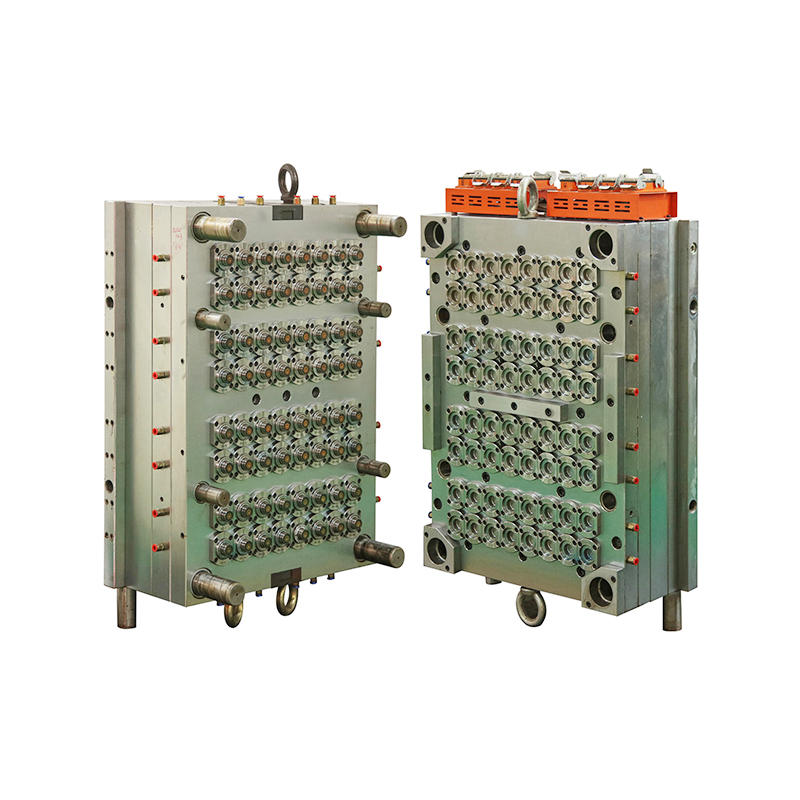
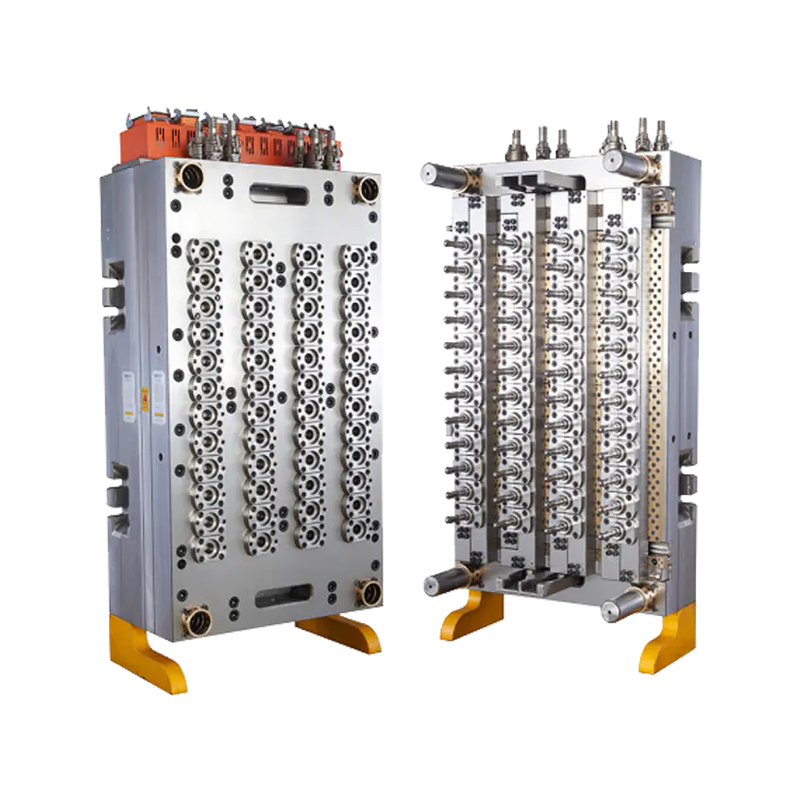
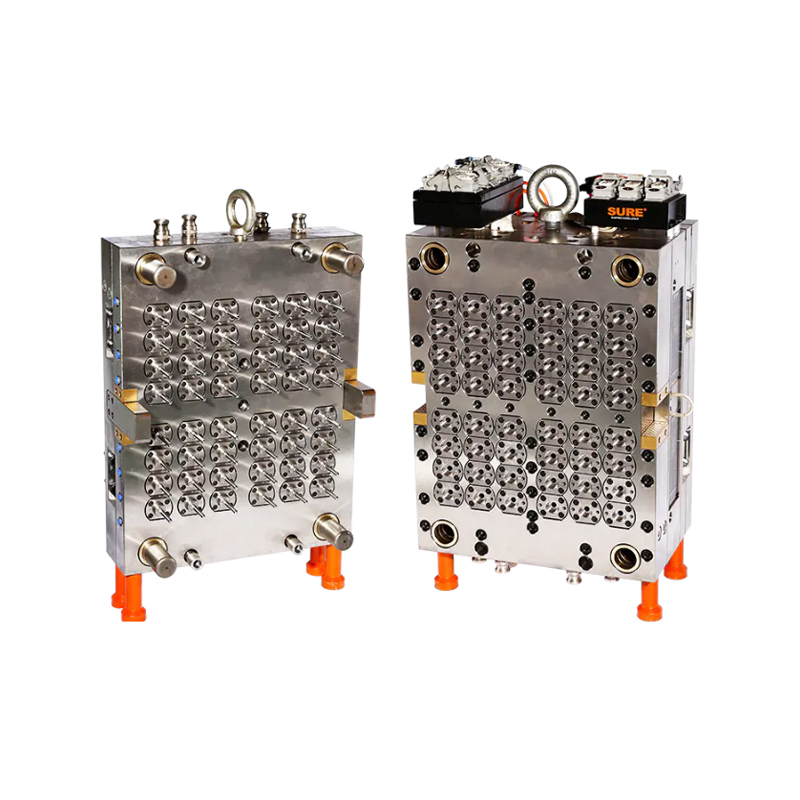
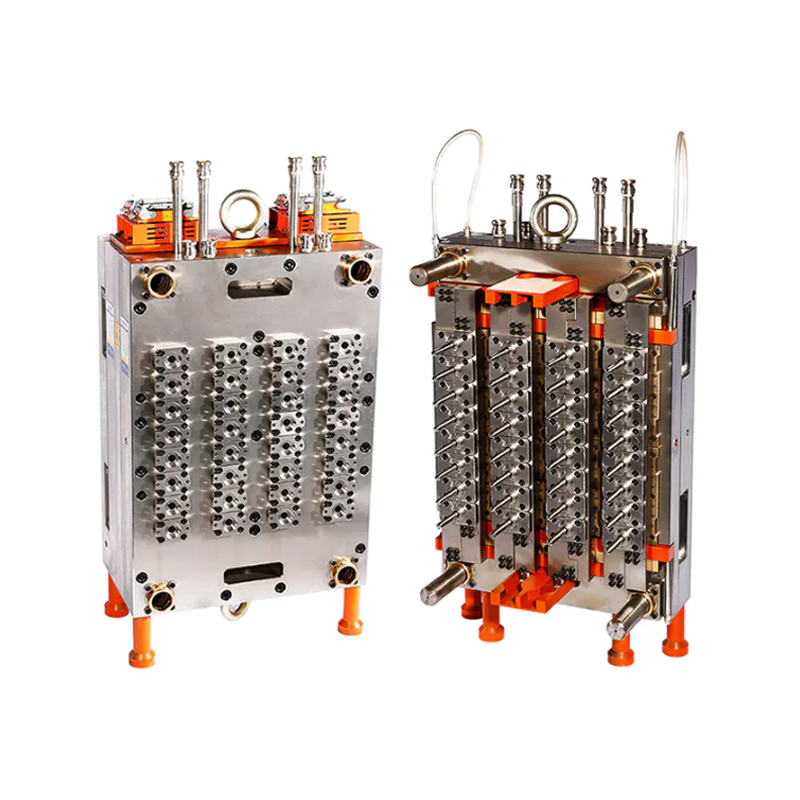
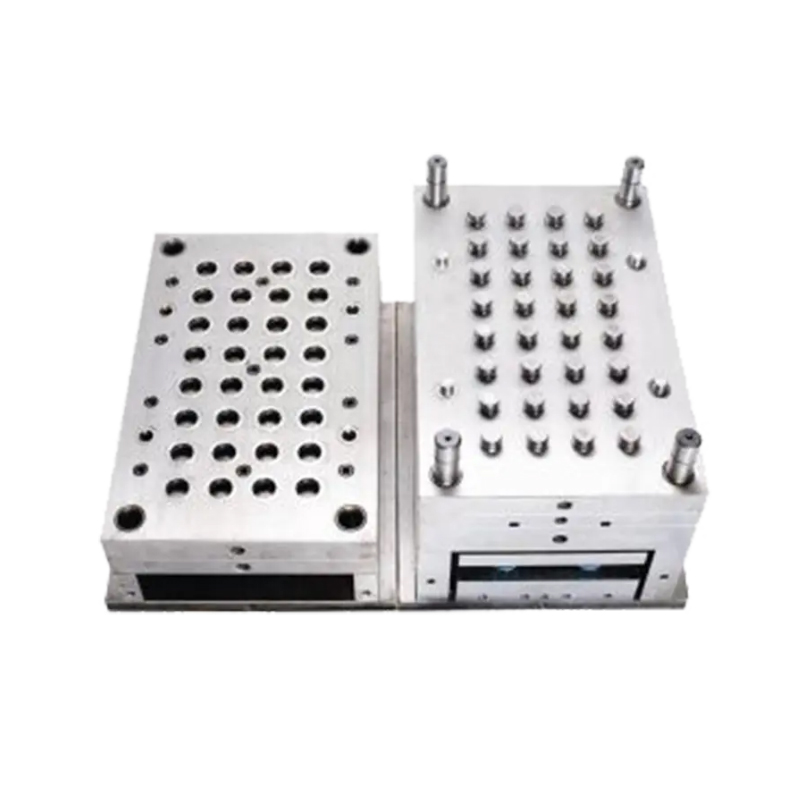
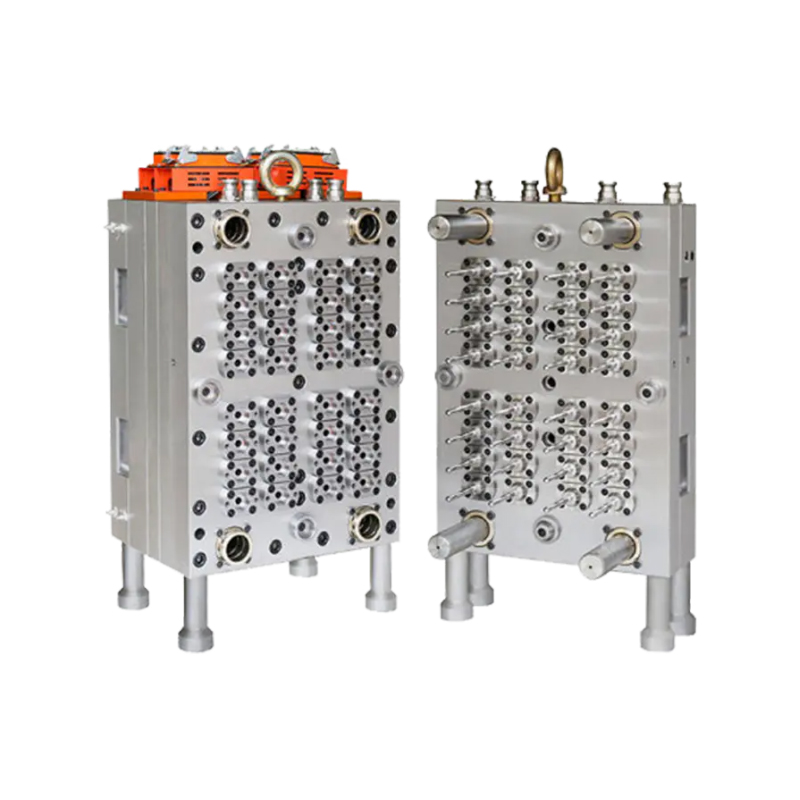
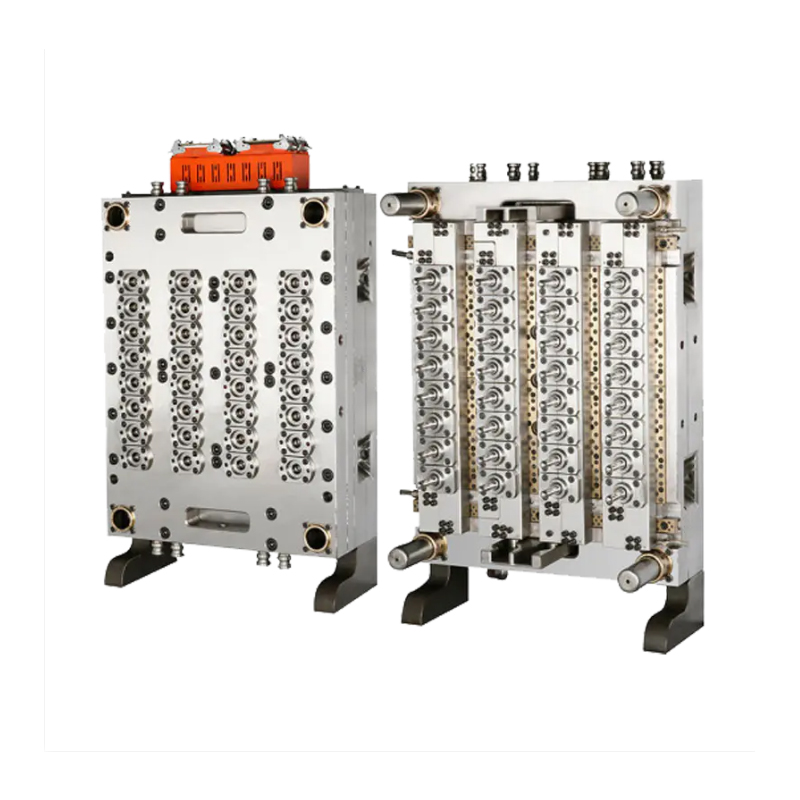
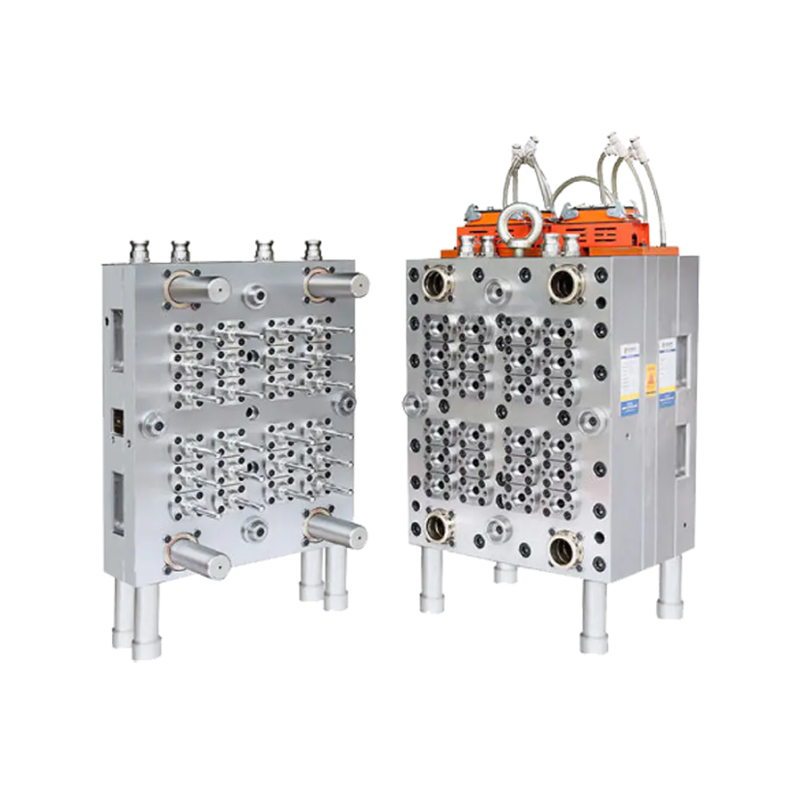
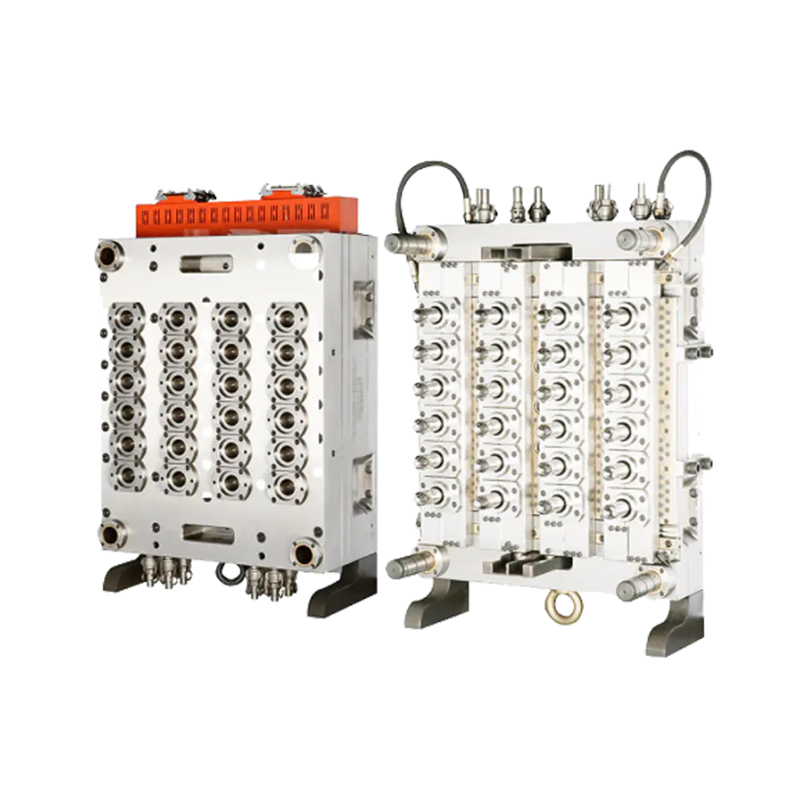
Pet preform molds are essential tools in modern beverage and packaging industries. They allow manufacturers to produce uniform, high-quality preforms that are later blown into PET bottles of various shapes and sizes. The precision and consistency of these molds directly influence bottle performance, including strength, clarity, and weight. Companies rely on pet preform molds to ensure that each bottle meets design specifications while minimizing material waste. Advanced molds contribute to faster production cycles and reduced energy consumption, providing operational efficiency in high-volume manufacturing environments. Molds can be customized for unique bottle designs, allowing brands to create signature shapes that enhance consumer recognition and strengthen brand identity across competitive markets.
The production of pet preform molds involves high-grade steel or alloy materials capable of withstanding repeated thermal and mechanical stress. Precision engineering ensures uniform cavity dimensions and optimal surface finishes, which are critical for consistent preform quality. Mold designers consider cooling channel layouts, gate positions, and venting systems to optimize cycle times and prevent defects. Advanced CNC machining, polishing, and quality inspections are employed to maintain strict tolerances. The combination of material durability and meticulous engineering guarantees mold longevity and reliable performance across extended production runs. Some manufacturers are integrating simulation tools to predict material flow and cooling behavior, reducing trial-and-error during mold creation.
High-quality pet preform molds directly affect production efficiency and cost management. Accurate molds reduce reject rates and minimize material usage, lowering overall manufacturing expenses. Uniform preforms ensure smooth bottle blowing, reducing energy requirements and downtime. Companies can also experiment with lightweight designs and unique bottle shapes without compromising structural integrity, providing both operational flexibility and market differentiation. Effective mold maintenance schedules and timely refurbishments further enhance long-term cost efficiency and production reliability. Automation in mold handling and preform inspection has improved consistency and reduced labor dependency in large-scale operations.
Sustainability has become a major focus in mold design and usage. Lightweight preforms reduce plastic consumption, lowering the carbon footprint of bottled products. Efficient molds also reduce energy usage per unit produced, contributing to environmentally responsible manufacturing practices. Some manufacturers are exploring mold designs that accommodate recycled PET resins, further integrating sustainability into the production process. Advanced cooling techniques and energy-efficient heating systems help further minimize environmental impact while maintaining product quality. Combining high performance and eco-conscious design, pet preform molds help brands achieve both operational and environmental goals.
The future of pet preform molds emphasizes automation, precision, and adaptability. Advanced simulation software allows designers to predict material flow, cooling efficiency, and potential defects before production. Integration of IoT sensors and real-time monitoring enables predictive maintenance and improved process control. Emerging materials and coatings enhance mold longevity, reducing maintenance costs. Beverage and packaging demands are evolving, and pet preform molds will continue to support efficiency, sustainability, and innovation across the industry. Trends such as lightweight preform designs, customizable shapes, and smart mold monitoring systems are likely to define the next generation of packaging technology.

No.148 Yongda Road, Jiangkou Street, Huangyan, Taizhou, Zhejiang, China.

yn@tzyuno.com

+86-576-84111565

+86-13575806039


Copyright © Taizhou Huangyan Yuno Mould Co., Ltd.
Plastic Mould Factory