

 英语
英语 法语
法语
Address
No.148 Yongda Road, Jiangkou Street, Huangyan, Taizhou, Zhejiang, China.
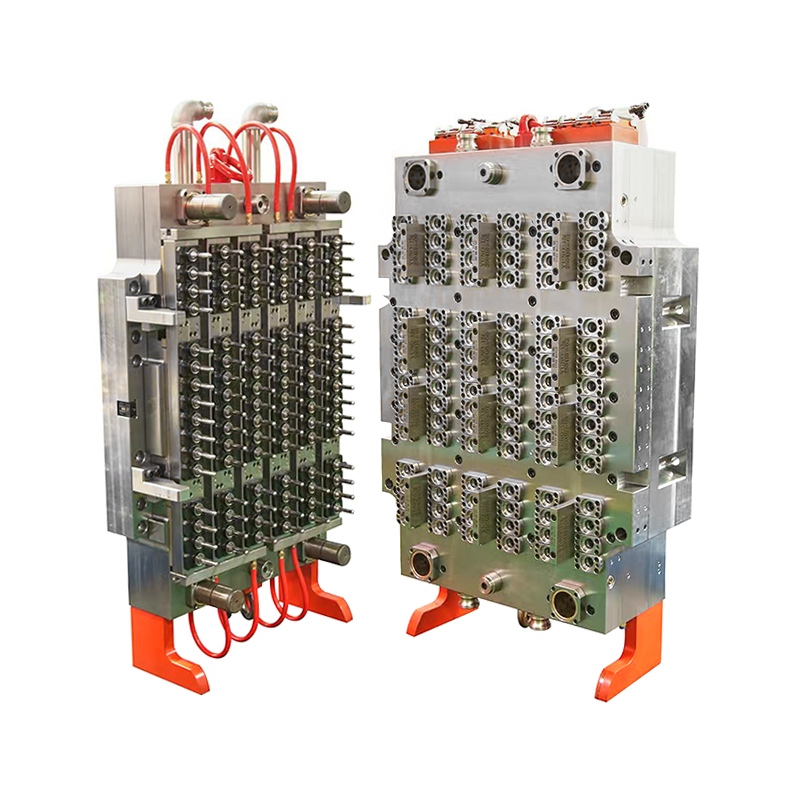
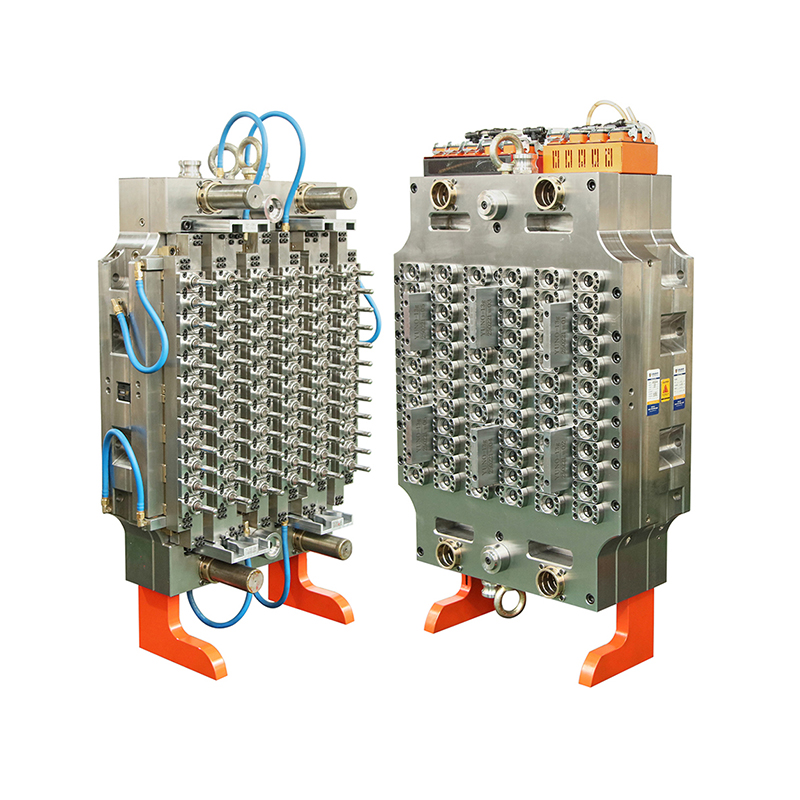
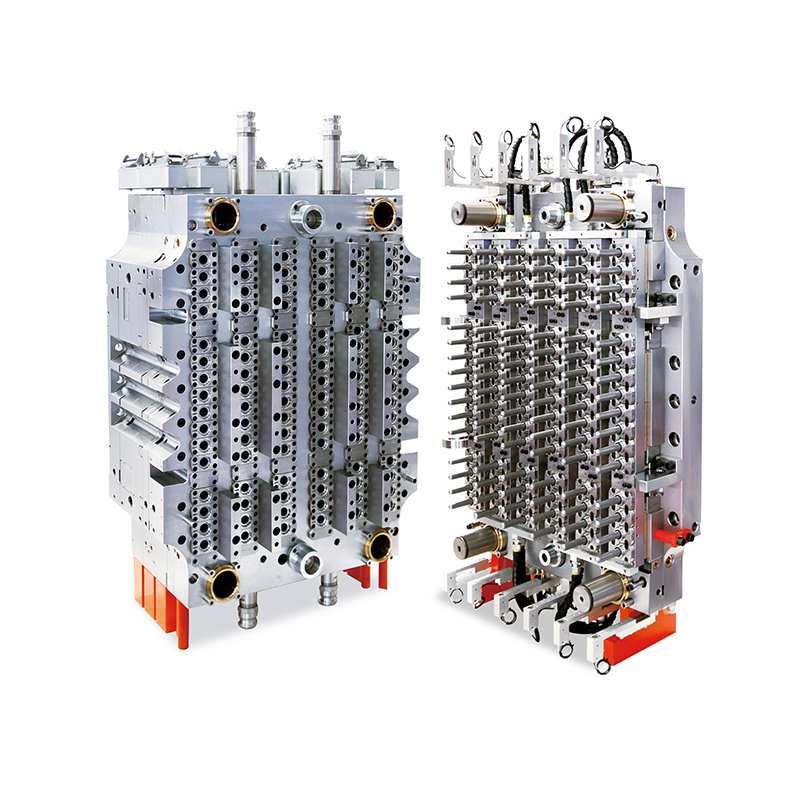
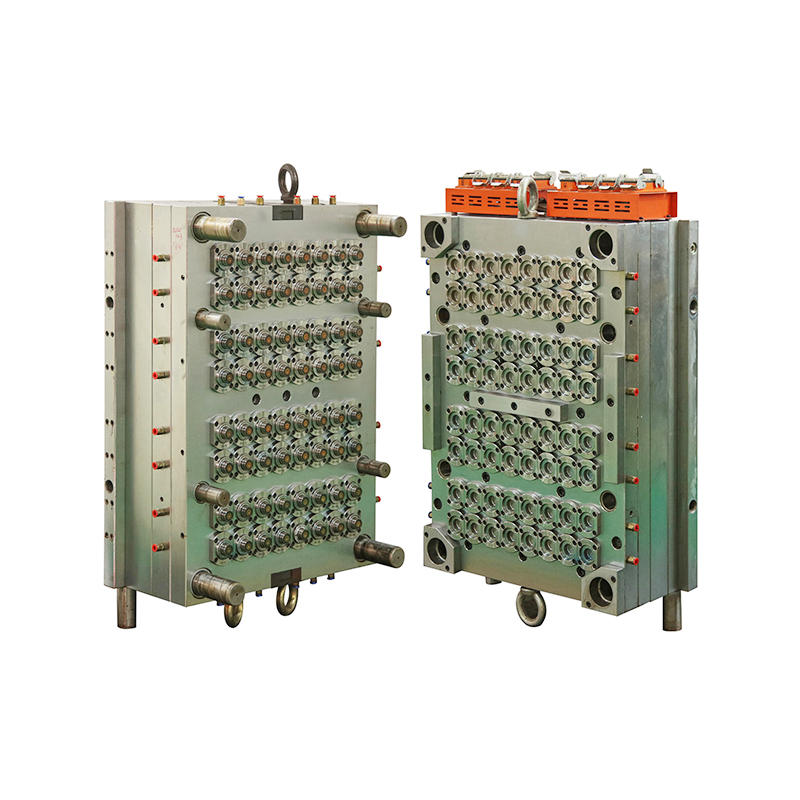
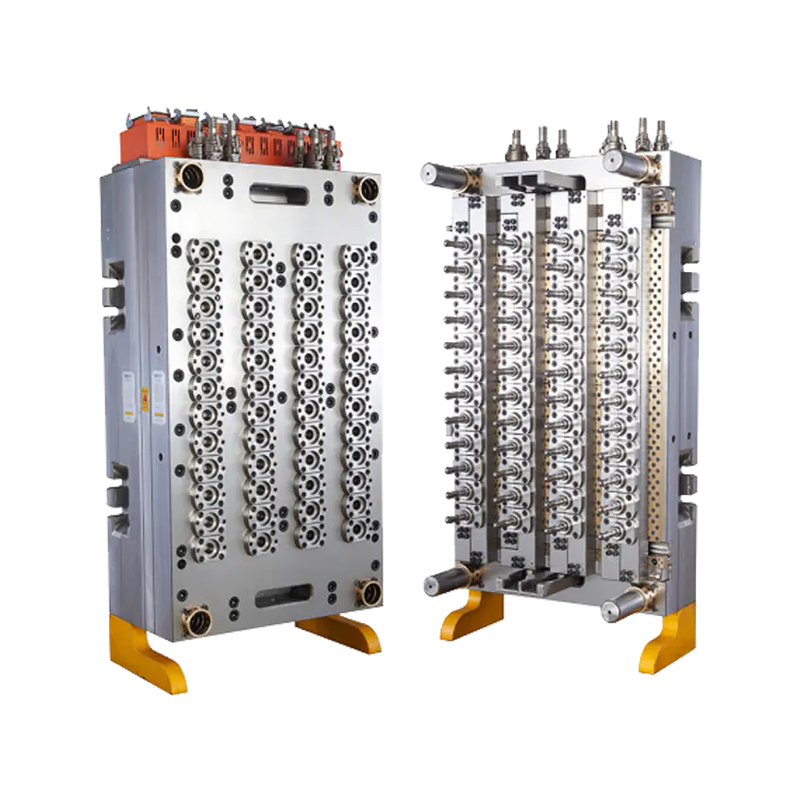
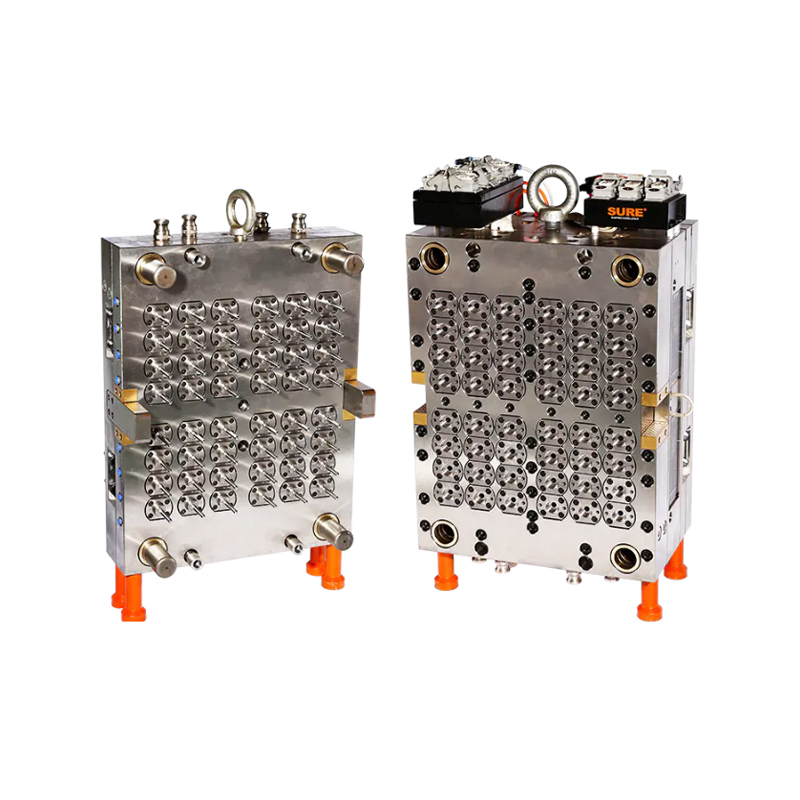
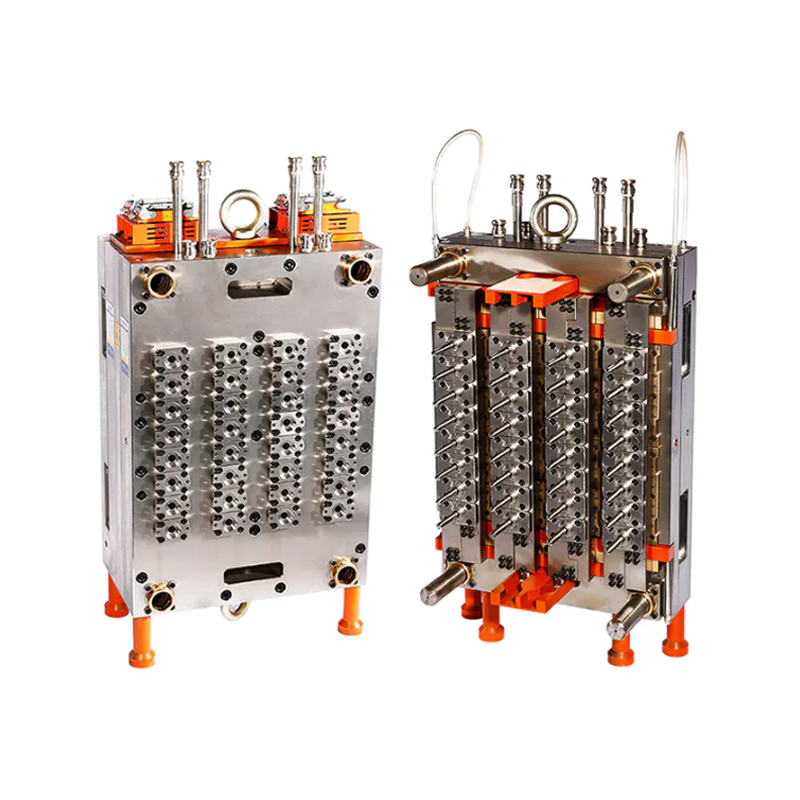
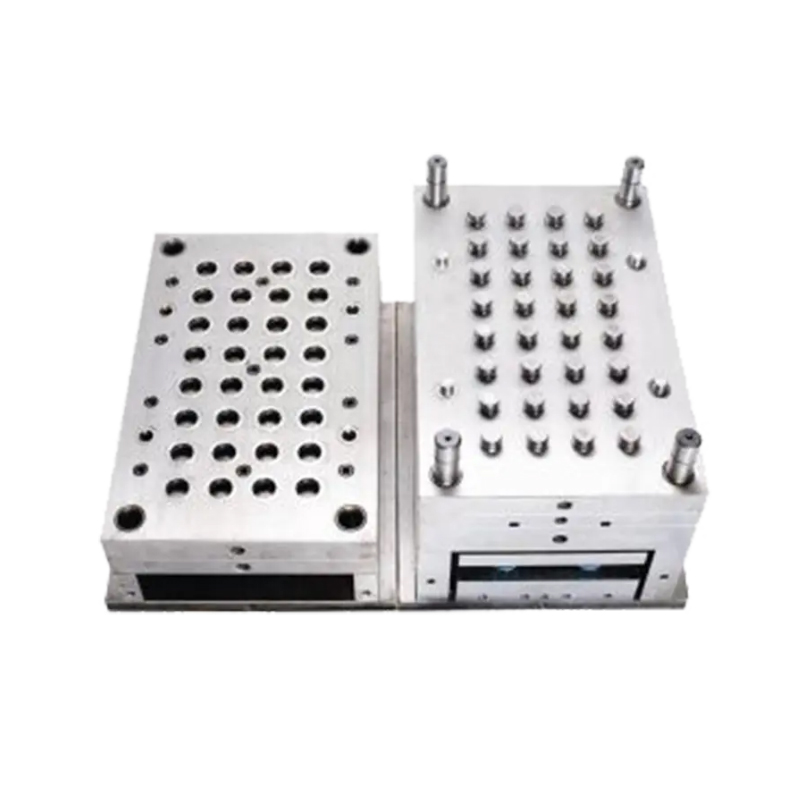
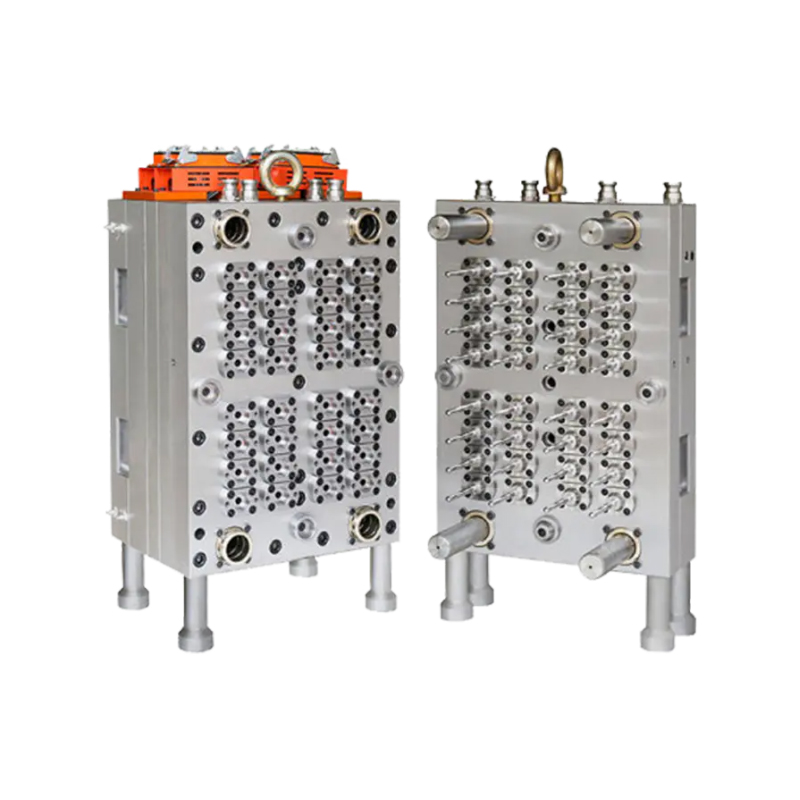
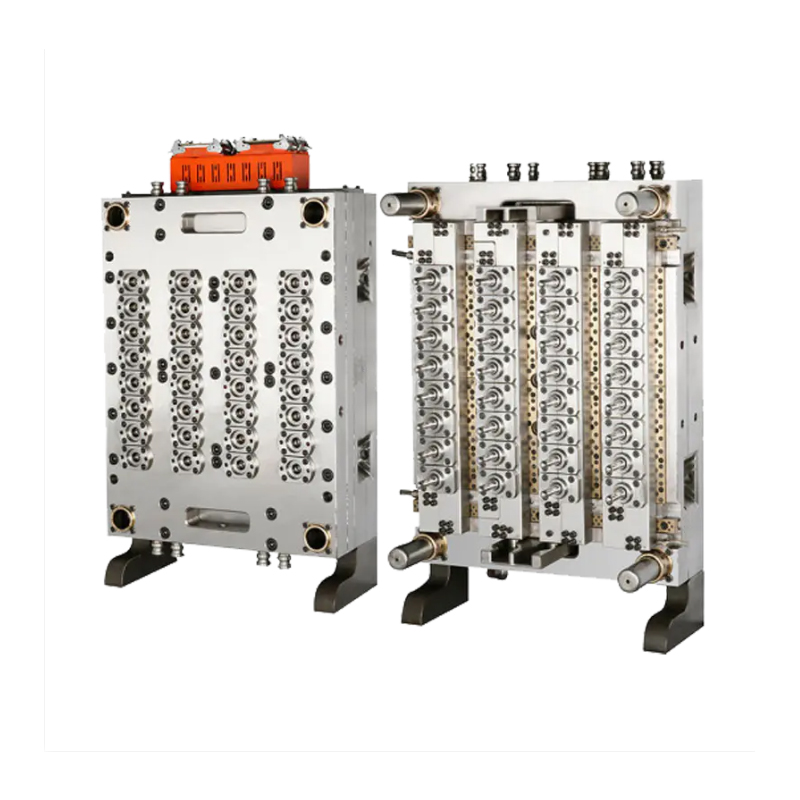
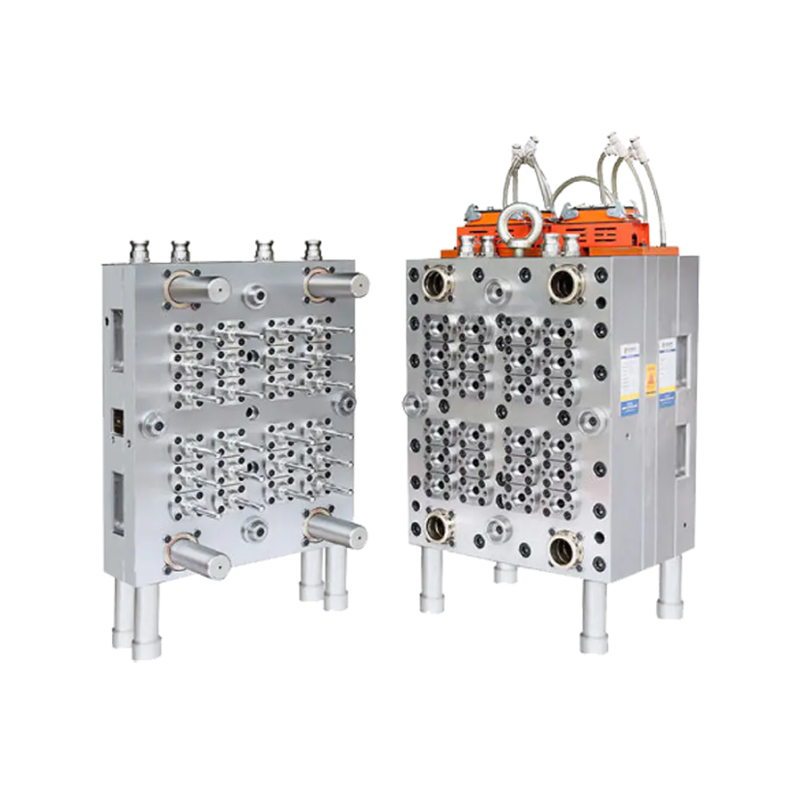
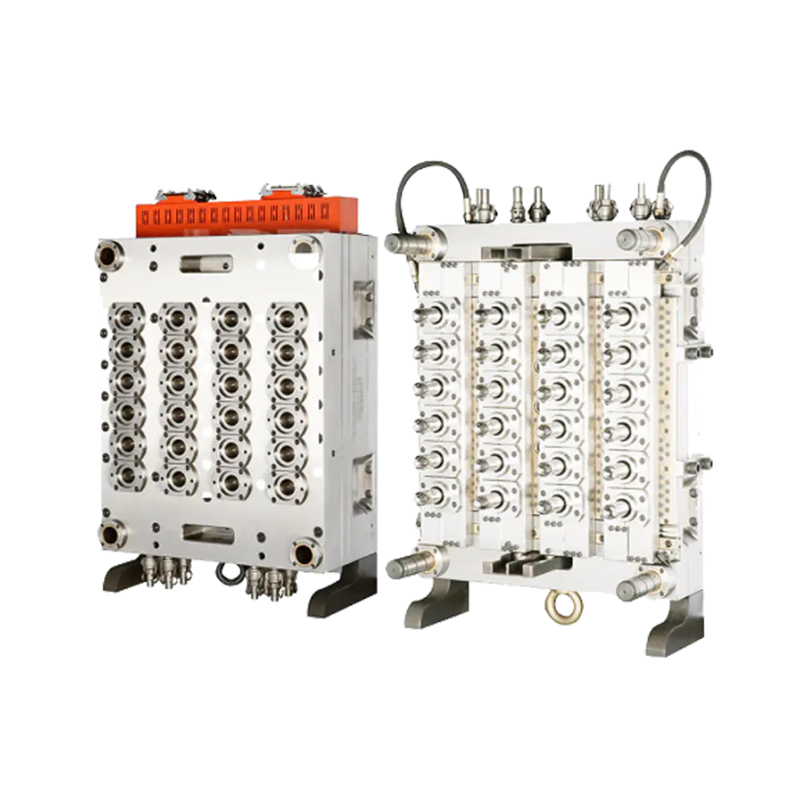
Water preform molds play a critical role in the production of PET bottles for bottled water and other beverages. These molds allow for consistent preform dimensions, which directly influence bottle quality, clarity, and resistance to pressure. Using water preform molds, manufacturers can produce lightweight, strong, and uniform preforms that meet rigorous industry standards. Reliable molds also support high-speed production and reduce the risk of defects, contributing to smooth manufacturing operations. Some water preform molds are tailored to create ergonomic bottles or unique brand shapes, allowing companies to enhance shelf appeal and increase consumer recognition. Precision-engineered molds help reduce material waste, improve energy efficiency, and ensure repeatable results across large production volumes.
The design of water preform molds requires careful attention to material selection, cavity uniformity, and thermal management. High-strength steel or specialized alloys ensure the molds withstand repeated heating and cooling cycles. Engineers focus on precise cooling channels, gate locations, and surface finishes to optimize cycle time and prevent preform imperfections. Advanced CAD modeling and simulation tools help predict flow patterns, stress points, and cooling efficiency, enhancing both quality and production speed. Polishing, CNC machining, and quality inspection further ensure that molds deliver consistent performance. Some manufacturers now integrate IoT monitoring systems to detect anomalies during molding, further improving preform quality and reducing downtime.
High-quality water preform molds reduce reject rates, minimize waste, and allow for faster production cycles. Uniform preforms lead to smoother bottle blowing and fewer defects, lowering operational costs. Lightweight preform designs save material without sacrificing strength, supporting both economic and environmental goals. Regular mold maintenance and refurbishment schedules extend the lifespan of molds, maintaining production reliability and cost efficiency over time. Advanced automation and precise temperature control also enable manufacturers to increase output while maintaining product consistency, an essential factor for large-scale water bottling operations. Optimized cooling systems and real-time monitoring help prevent overheating and reduce energy consumption, further improving operational efficiency and sustainability.
Sustainability is increasingly integral to water preform mold design. Molds are optimized to produce lightweight preforms, reducing PET consumption per bottle and lowering energy requirements during production. Some molds are designed to accommodate recycled PET, helping companies meet eco-conscious manufacturing targets. Efficient thermal management and cycle optimization reduce energy use, contributing to lower greenhouse gas emissions. Integrating eco-friendly practices allows manufacturers to balance high production efficiency and environmental responsibility, appealing to environmentally conscious consumers. Using durable mold materials and preventive maintenance strategies extends mold lifespan, reducing waste and further supporting sustainable production practices across the beverage industry.
The future of water preform molds focuses on precision, adaptability, and technological integration. IoT-enabled monitoring systems allow real-time performance tracking and predictive maintenance. Advanced coatings and surface treatments enhance mold longevity and reduce maintenance needs. Simulation tools predict material behavior, cooling patterns, and defect formation, enabling designers to refine molds before production. Emerging trends include lightweight, ergonomic preforms, molds compatible with recycled materials, and smart monitoring for faster troubleshooting. These innovations will continue to enhance efficiency, sustainability, and brand differentiation in the bottled water industry.

No.148 Yongda Road, Jiangkou Street, Huangyan, Taizhou, Zhejiang, China.

yn@tzyuno.com

+86-576-84111565

+86-13575806039


Copyright © Taizhou Huangyan Yuno Mould Co., Ltd.
Plastic Mould Factory