

 英语
英语 法语
法语
Address
No.148 Yongda Road, Jiangkou Street, Huangyan, Taizhou, Zhejiang, China.
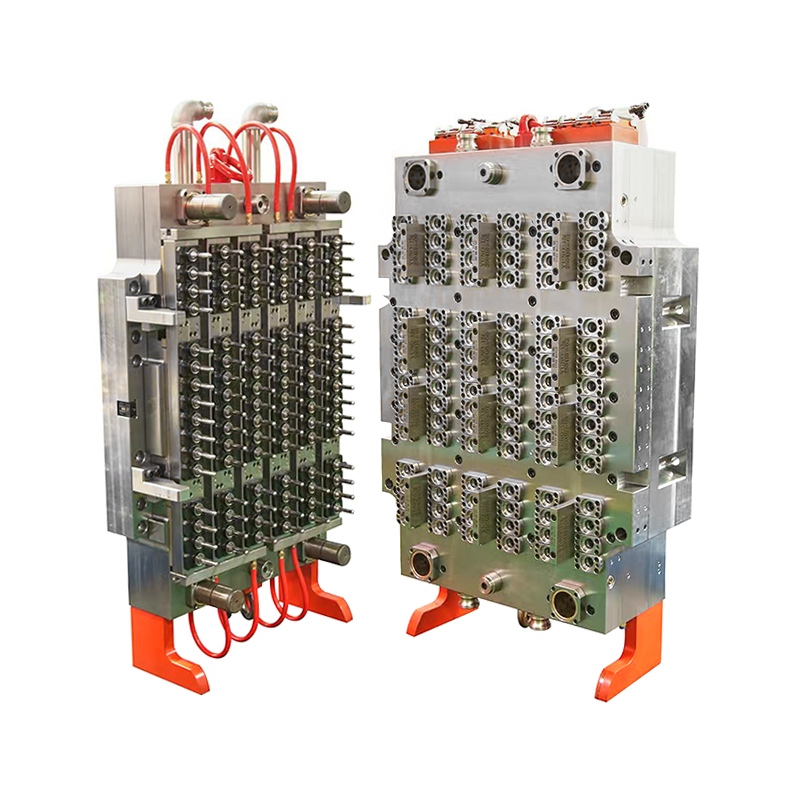
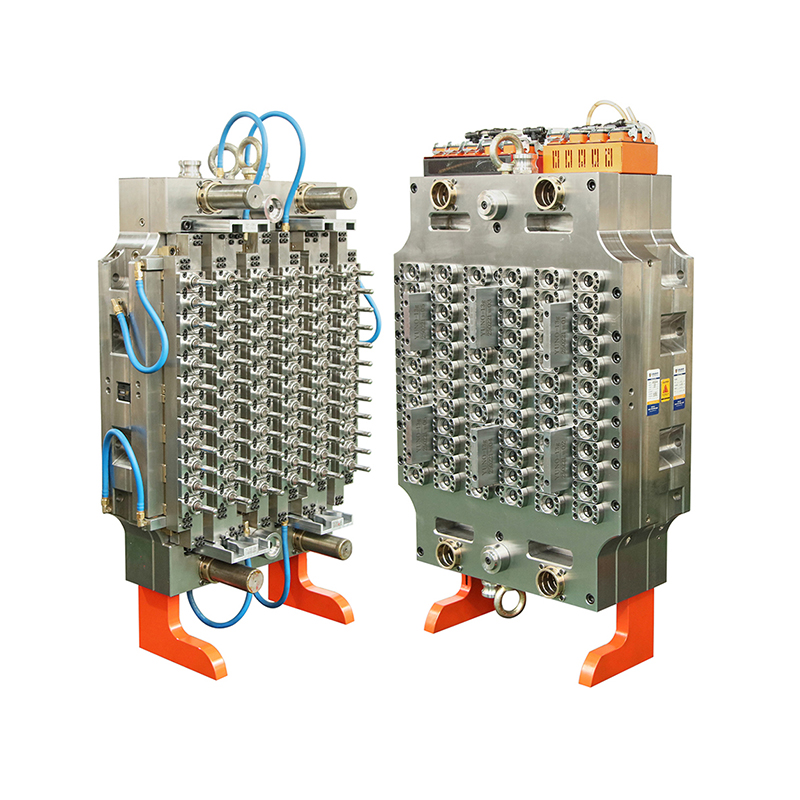
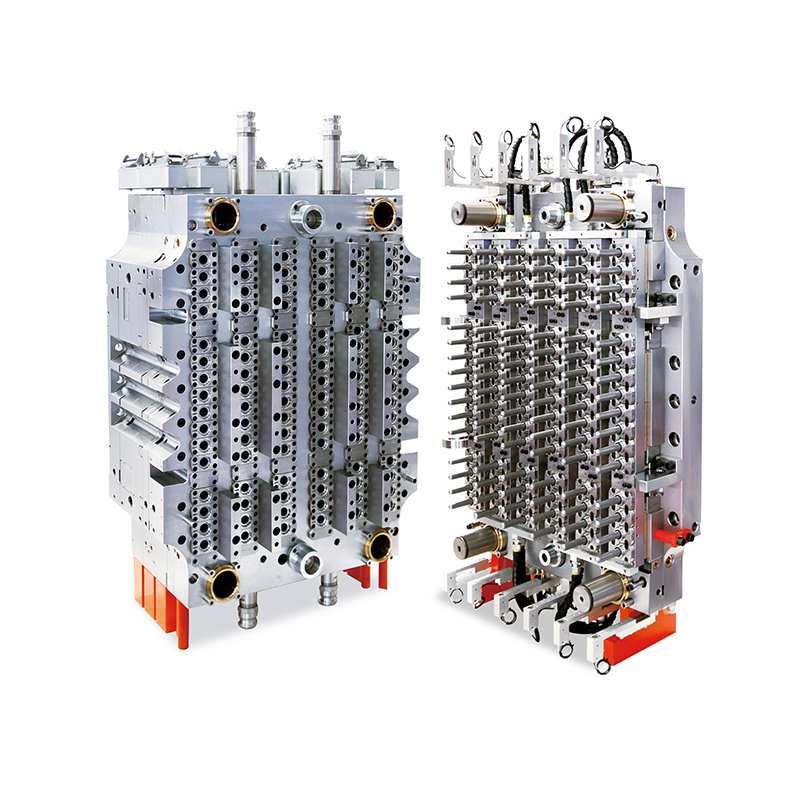
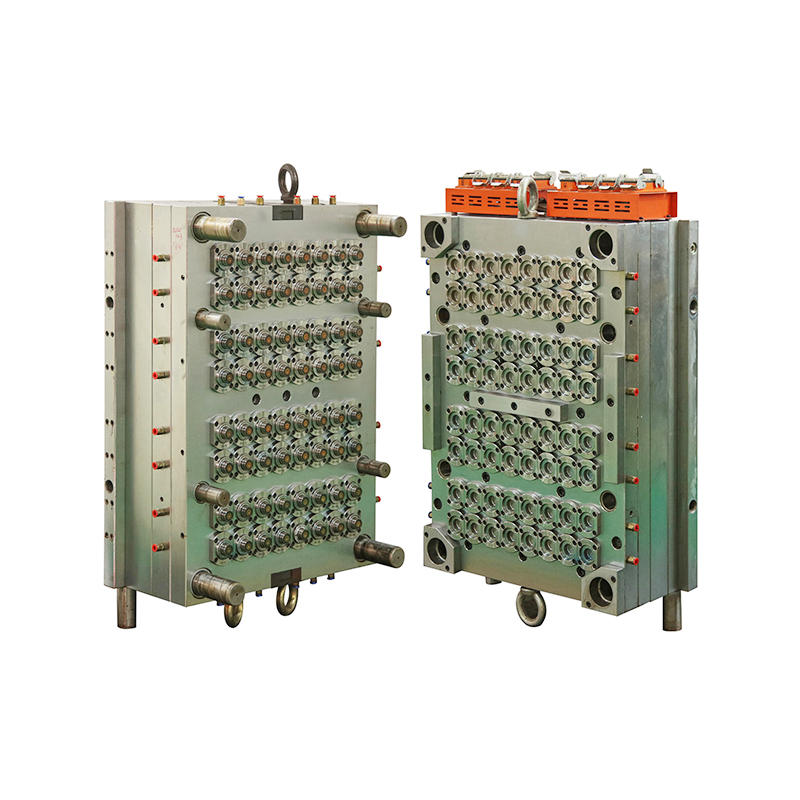
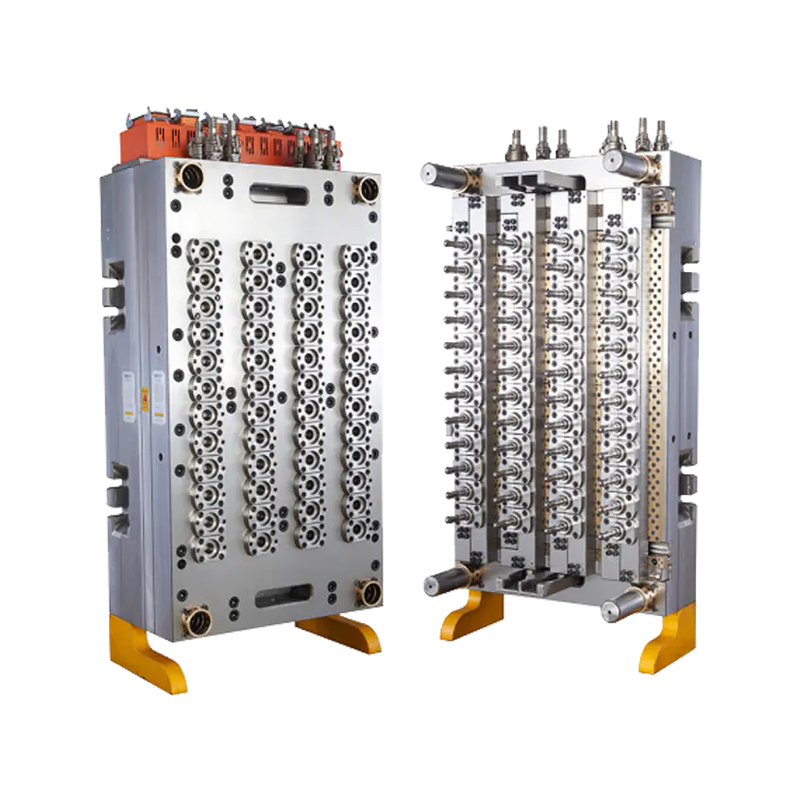
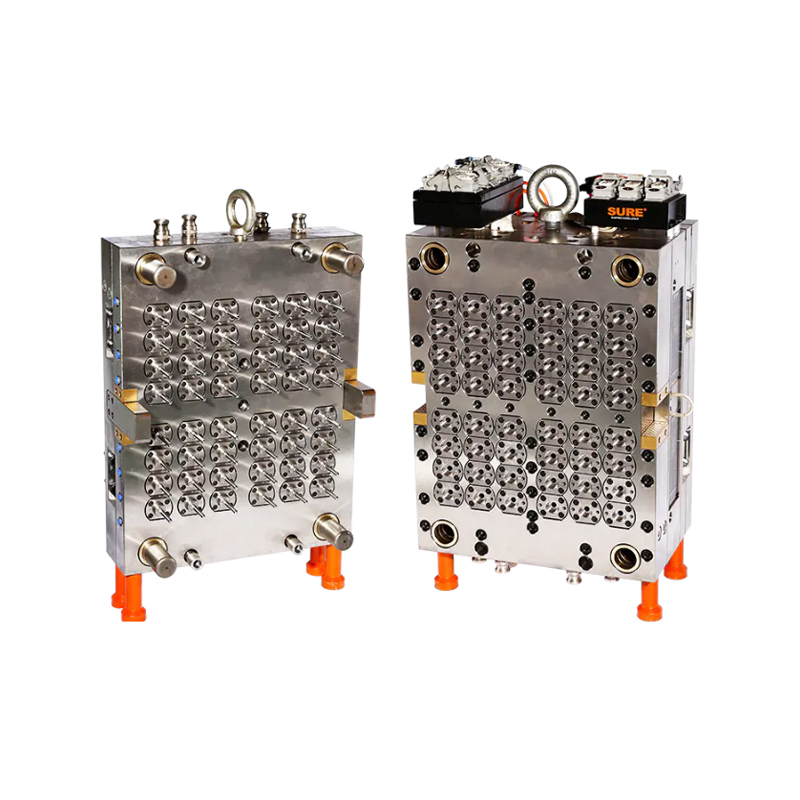
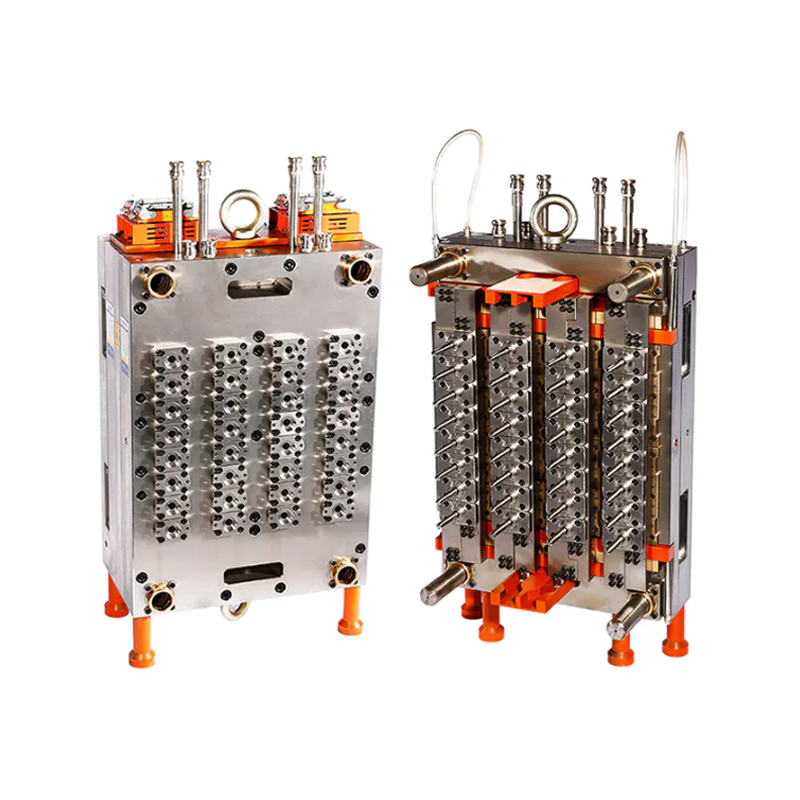
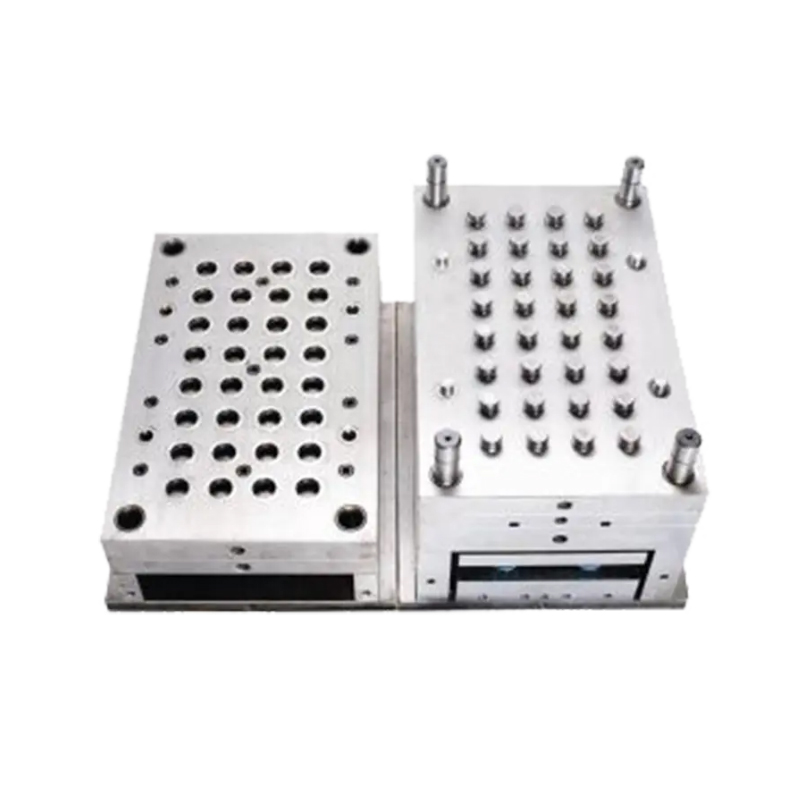
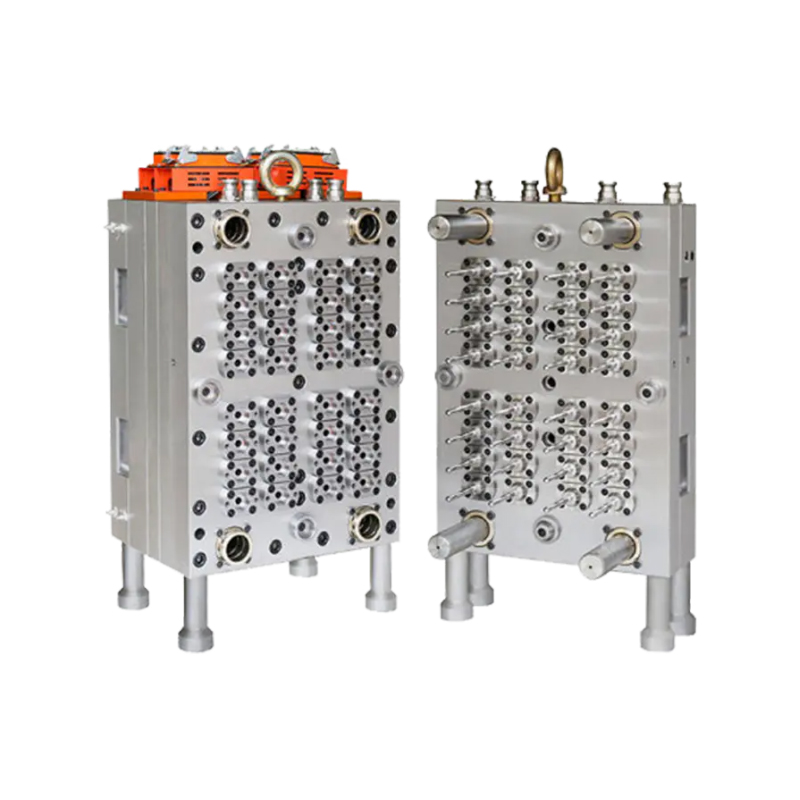
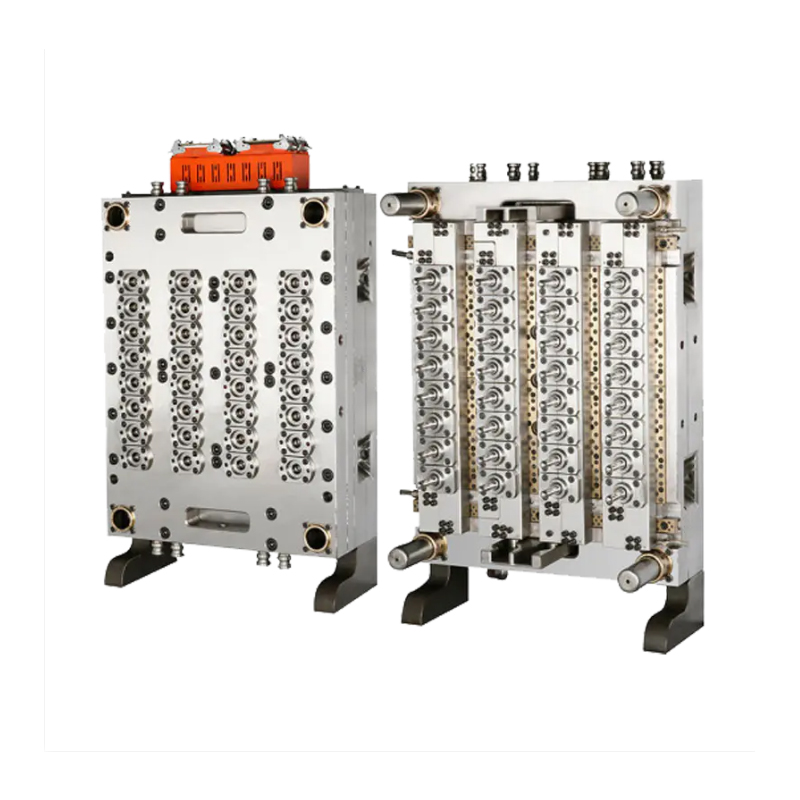
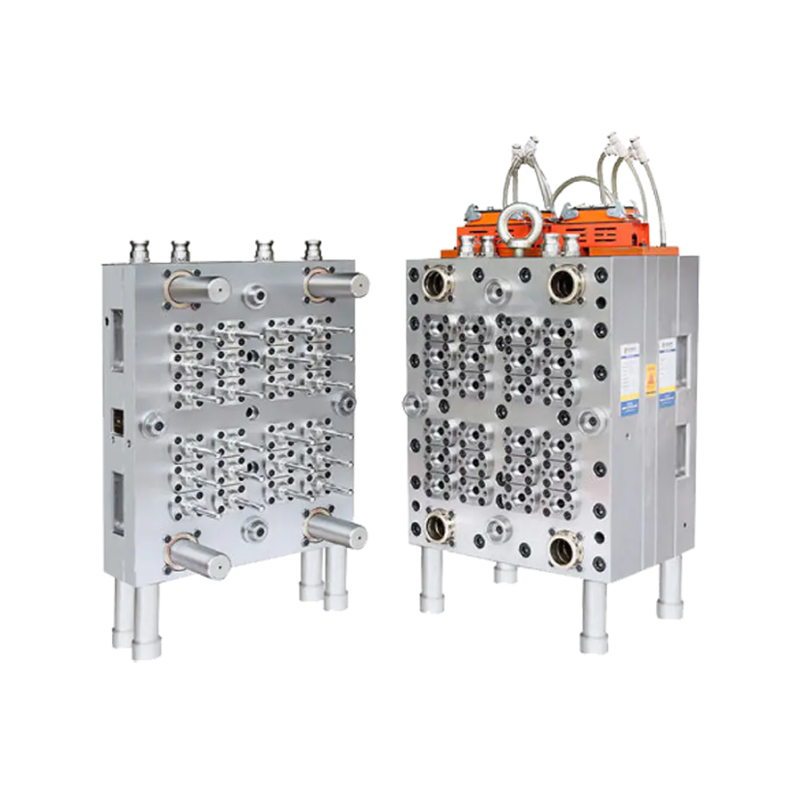
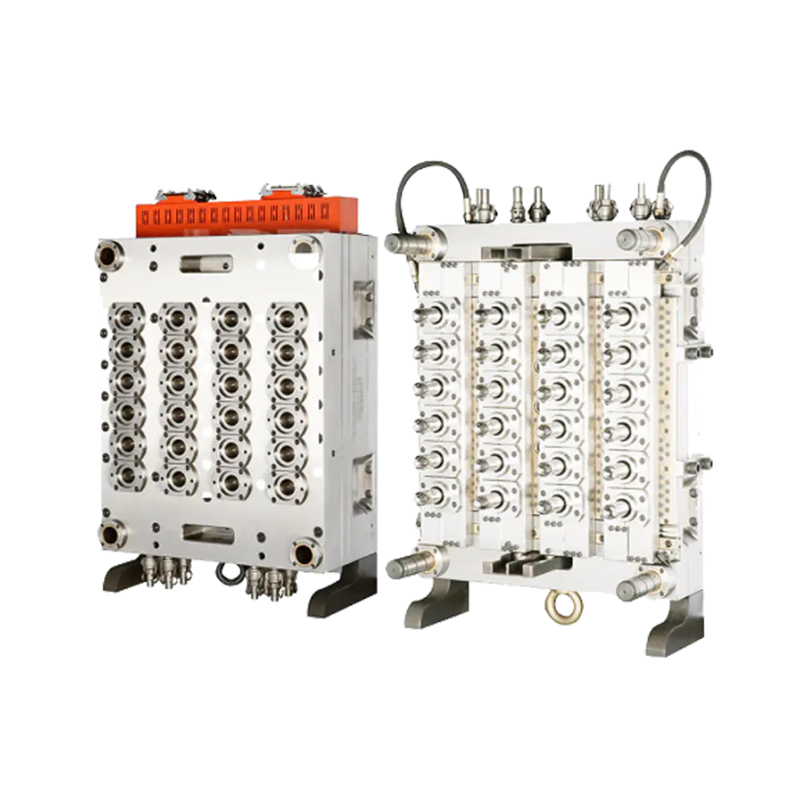
Cap moulds play an essential role in modern packaging and manufacturing industries. They are designed to produce bottle caps of various sizes, shapes, and functionalities for beverages, pharmaceuticals, cosmetics, and other consumer products. High-precision cap moulds ensure uniformity, tight sealing, and durability, directly influencing the quality and safety of packaged products. Manufacturers rely on advanced materials and engineering techniques to create moulds that withstand high-speed production and repeated use while maintaining accuracy.
Innovations in cooling channels, cavity design, and surface finishing allow caps to fit precisely, prevent leaks, and enhance the consumer experience. Cap moulds are increasingly tailored to meet brand-specific requirements, supporting unique designs that enhance visual appeal and brand recognition. Manufacturers are exploring modular mold systems that allow faster adaptation to different cap sizes or styles, reducing downtime and improving flexibility in production scheduling. Advanced simulation tools help engineers predict potential stress points and material flow, ensuring consistent quality across production batches and minimizing defects, while optimized ejector mechanisms further streamline operations and reduce maintenance requirements.
The production of cap moulds involves high-grade steel, alloys, and precise machining to ensure longevity and consistency. Engineers optimize mold cavities, gate positions, and venting systems to reduce cycle times and minimize defects. Automated inspection systems and simulation software are often used to predict material flow, cooling efficiency, and potential weak points, reducing trial-and-error during manufacturing. Precision polishing and surface treatments further enhance the mold’s durability and ensure smooth, defect-free caps. Manufacturers are also exploring eco-friendly materials and coatings, enabling the production of caps from recyclable plastics without compromising quality. Additional enhancements, such as anti-stick coatings and optimized ejector mechanisms, contribute to higher throughput and lower maintenance requirements over long production runs.
Cap moulds have a direct impact on operational efficiency and cost management. Accurate moulds reduce reject rates and material waste, enabling manufacturers to maintain high throughput while controlling costs. Uniform caps improve bottle sealing and reduce product spoilage, particularly in sensitive beverages and pharmaceutical applications. Lightweight cap designs reduce material usage and energy consumption during production, aligning with sustainability goals. Regular maintenance and timely refurbishments extend mold lifespan, ensuring consistent performance over long production runs. Automation in mold handling further increases productivity and reduces labor dependency, allowing companies to meet growing market demand efficiently.
Sustainability considerations are becoming integral to cap mould design and usage. Lightweight molds and precise cavity engineering reduce plastic consumption per cap, lowering environmental impact. Some molds are compatible with recycled or bio-based plastics, supporting eco-conscious manufacturing initiatives. Energy-efficient heating and cooling systems reduce power consumption, while optimized production cycles further minimize greenhouse gas emissions. These practices allow companies to combine high production efficiency with environmental responsibility, meeting both operational and consumer expectations.
The future of cap mould technology emphasizes precision, adaptability, and smart monitoring. Integration of IoT sensors enables real-time tracking of mold performance, predictive maintenance, and faster troubleshooting. Advanced simulation tools allow engineers to refine mold designs before production, ensuring consistent quality and reducing downtime. Emerging trends include lightweight ergonomic caps, tamper-evident features, and molds designed for customized or limited-edition packaging. Innovations such as rapid mold prototyping and modular cavity systems are expected to reduce lead times and enhance responsiveness to market trends. Cap moulds will continue to play a vital role in efficient, sustainable, and innovative packaging across industries.

No.148 Yongda Road, Jiangkou Street, Huangyan, Taizhou, Zhejiang, China.

yn@tzyuno.com

+86-576-84111565

+86-13575806039


Copyright © Taizhou Huangyan Yuno Mould Co., Ltd.
Plastic Mould Factory