

 英语
英语 法语
法语
Address
No.148 Yongda Road, Jiangkou Street, Huangyan, Taizhou, Zhejiang, China.
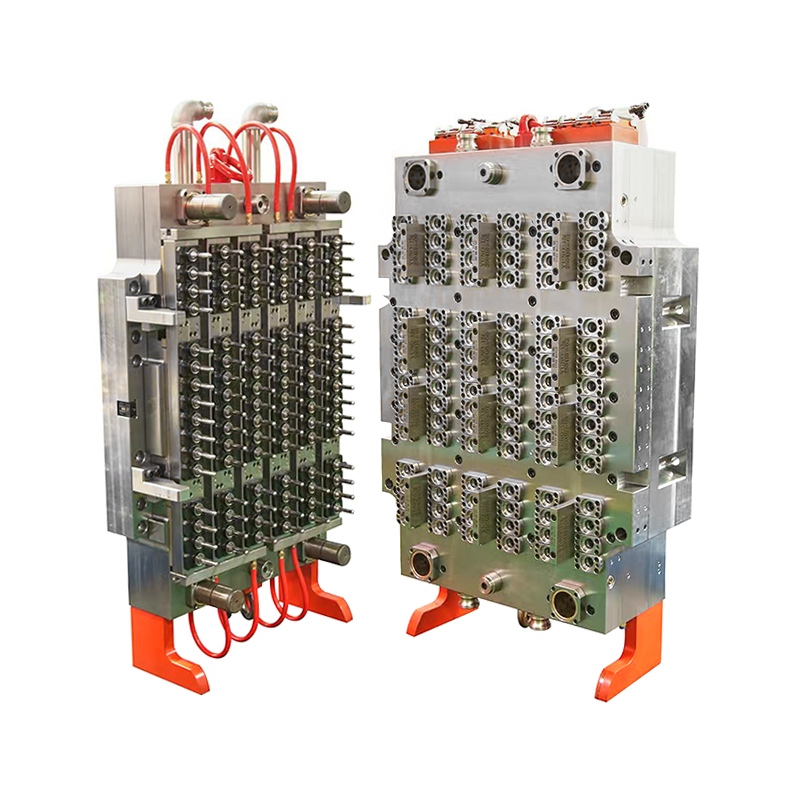
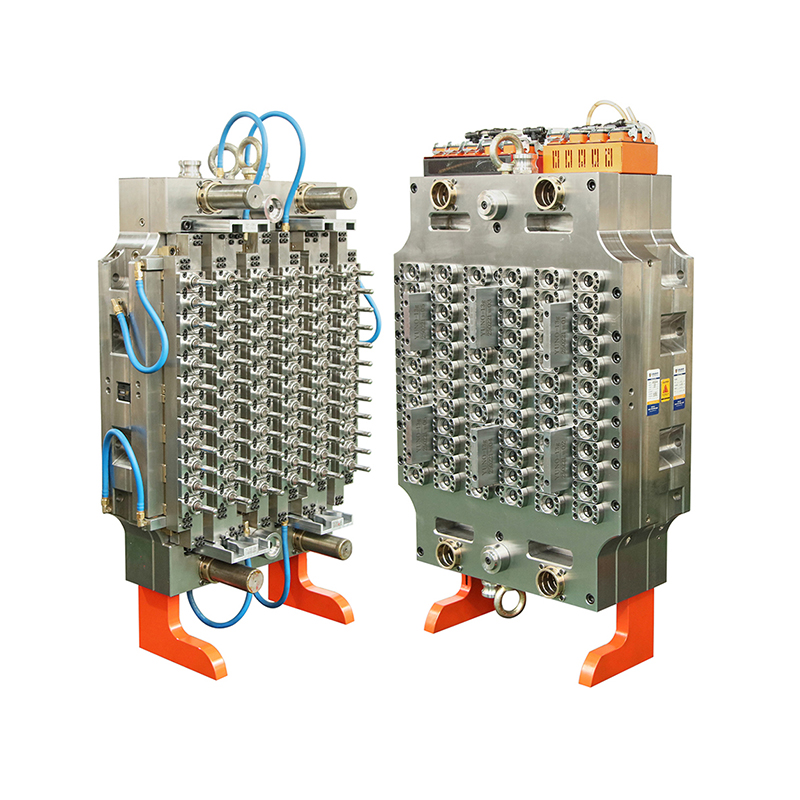
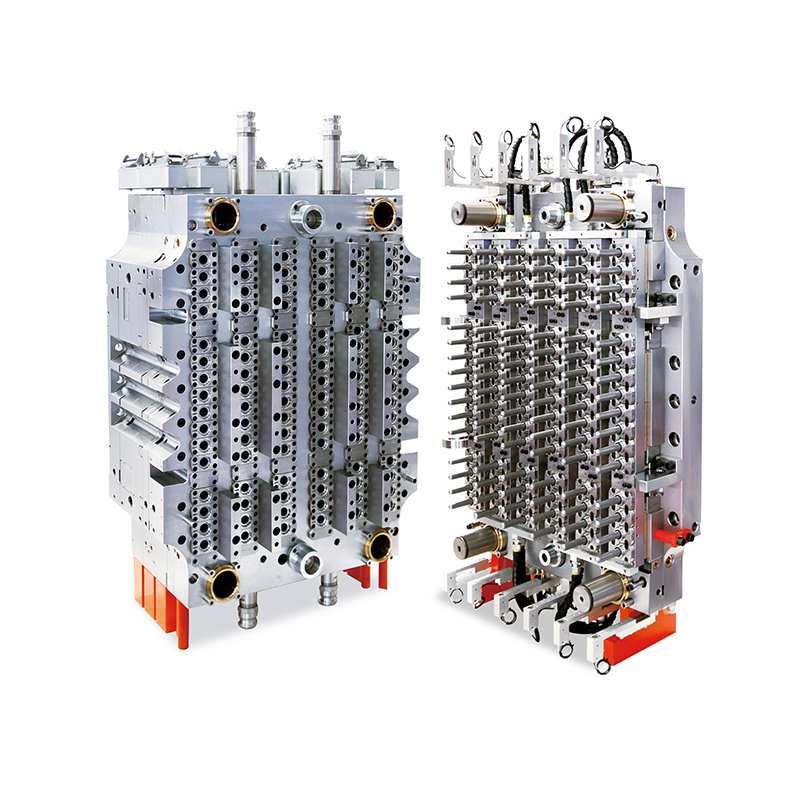
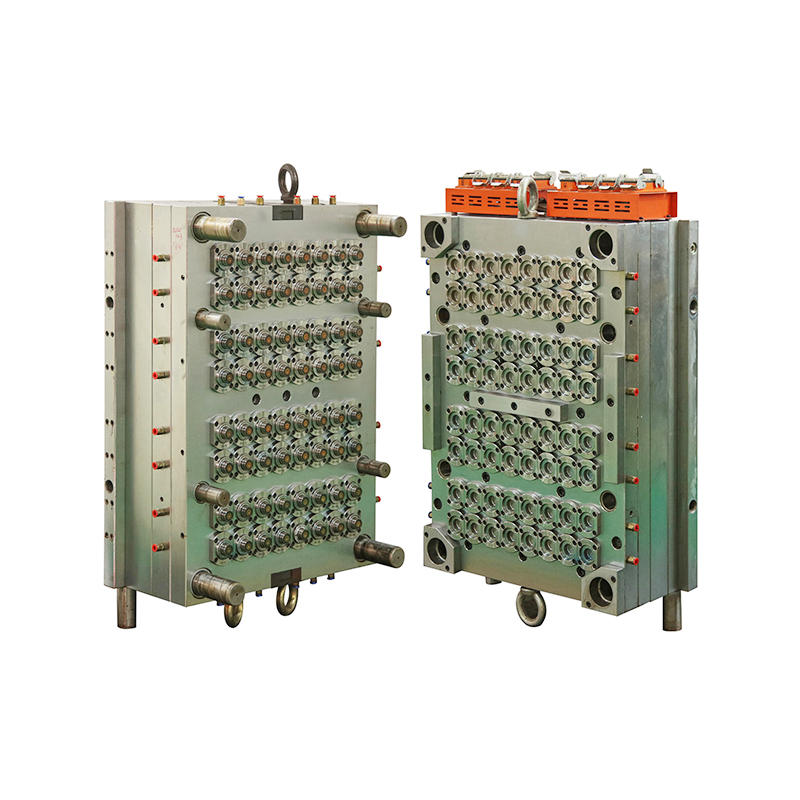
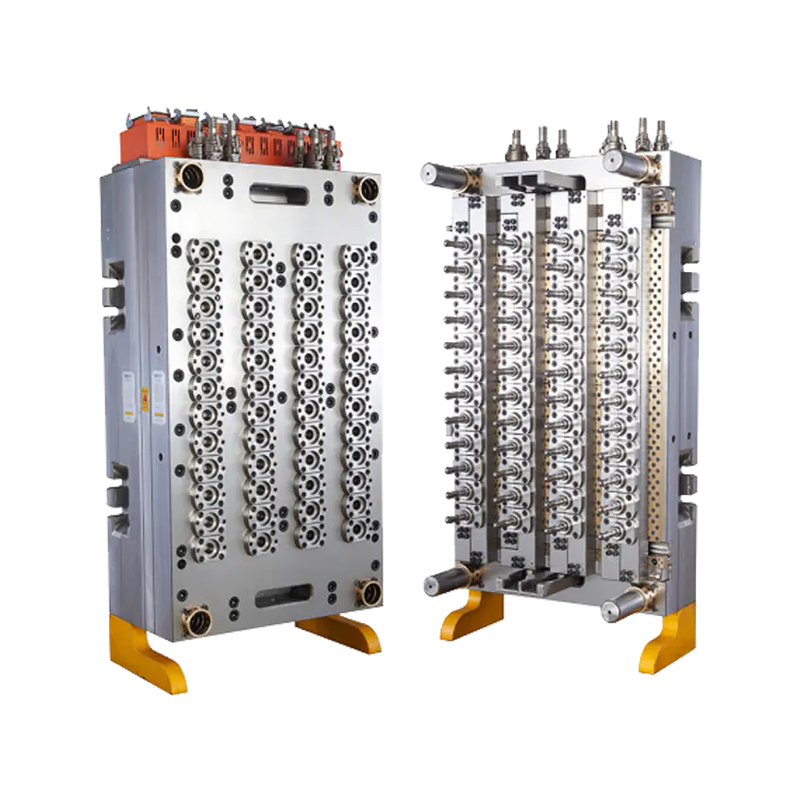
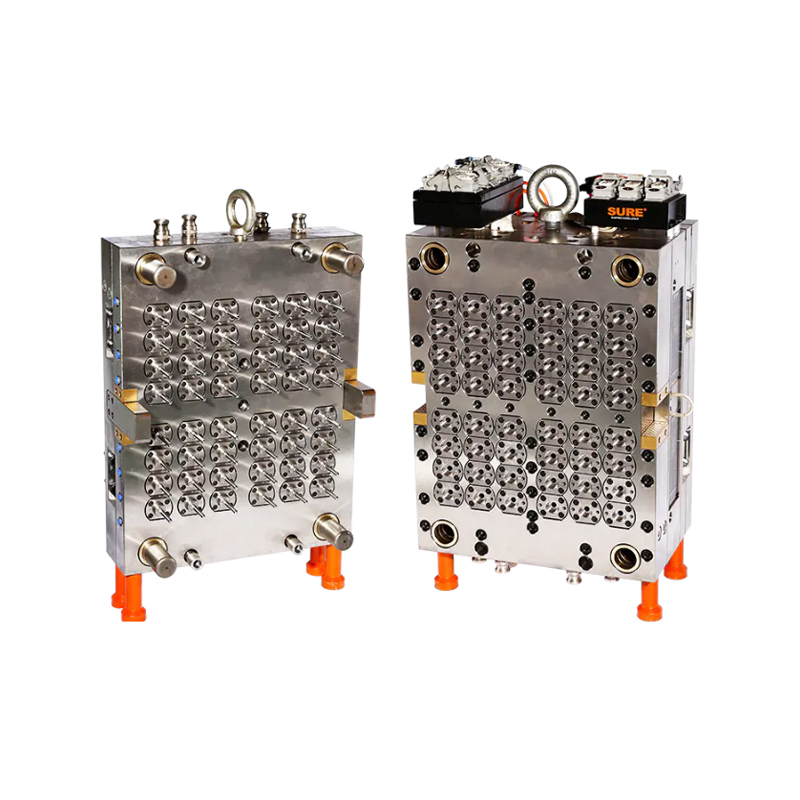
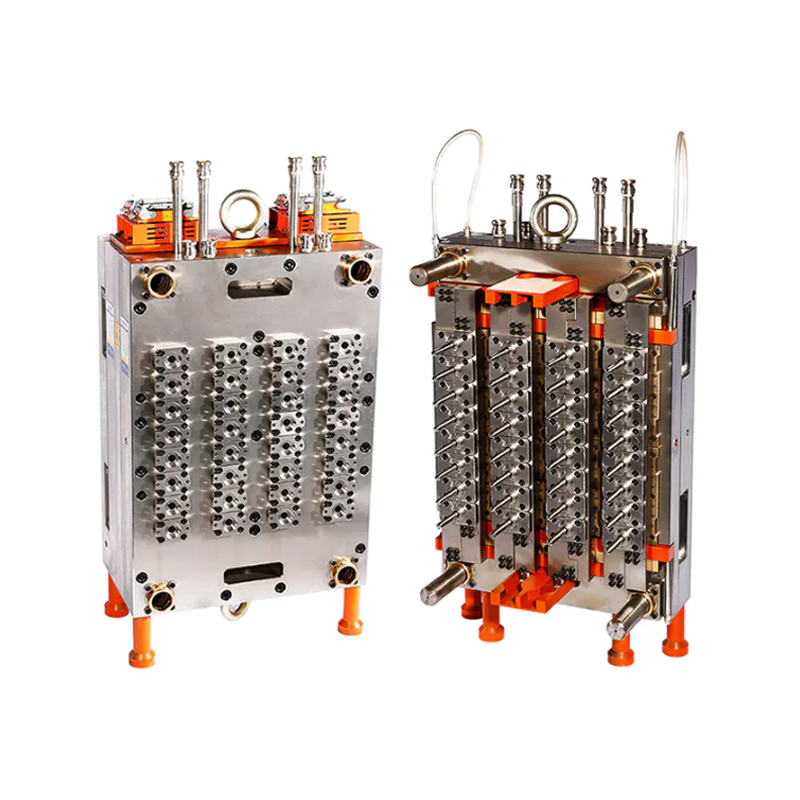
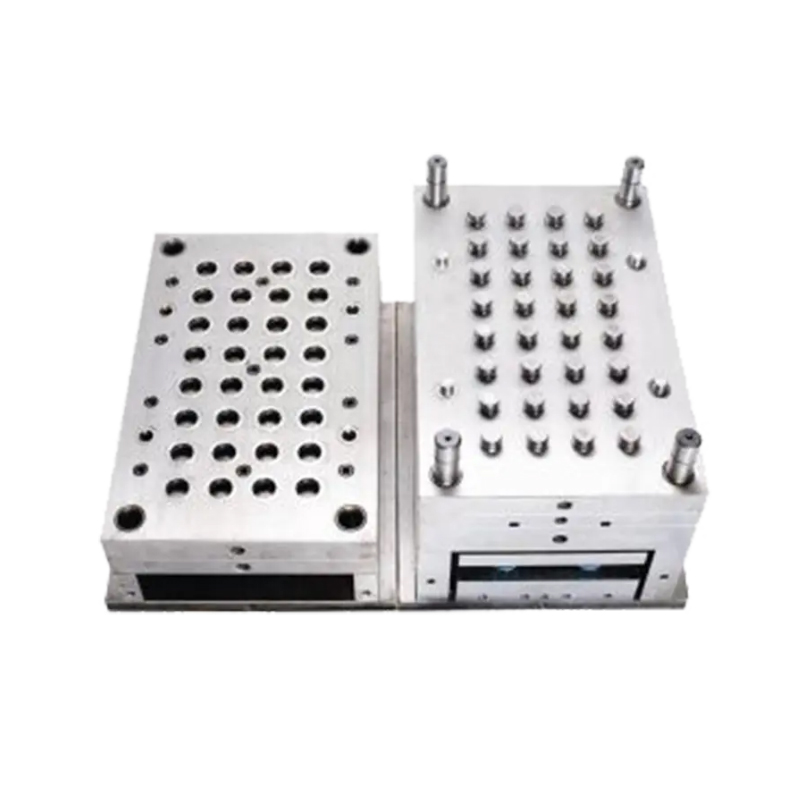
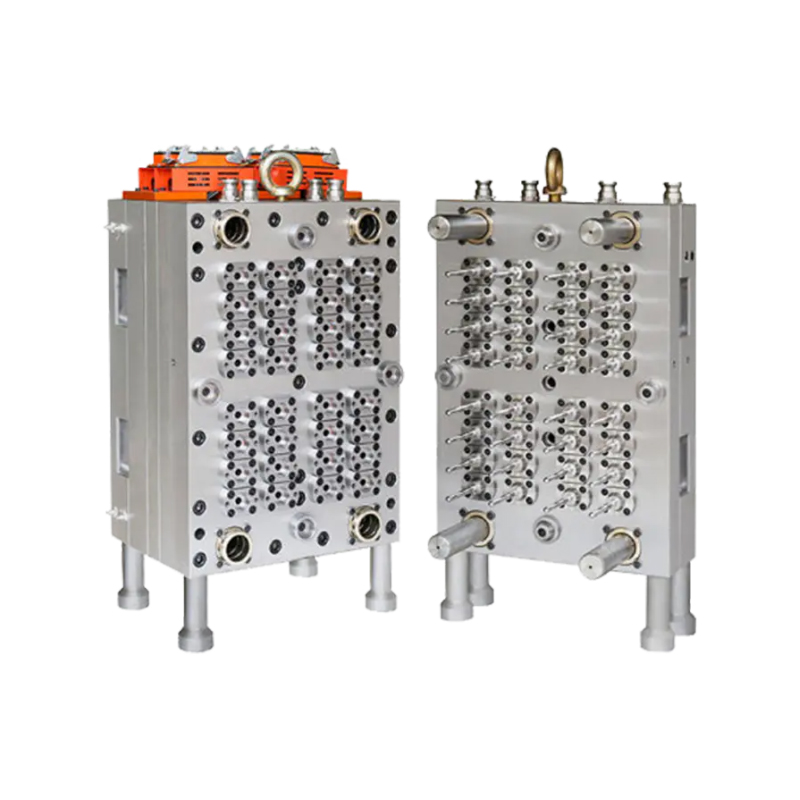
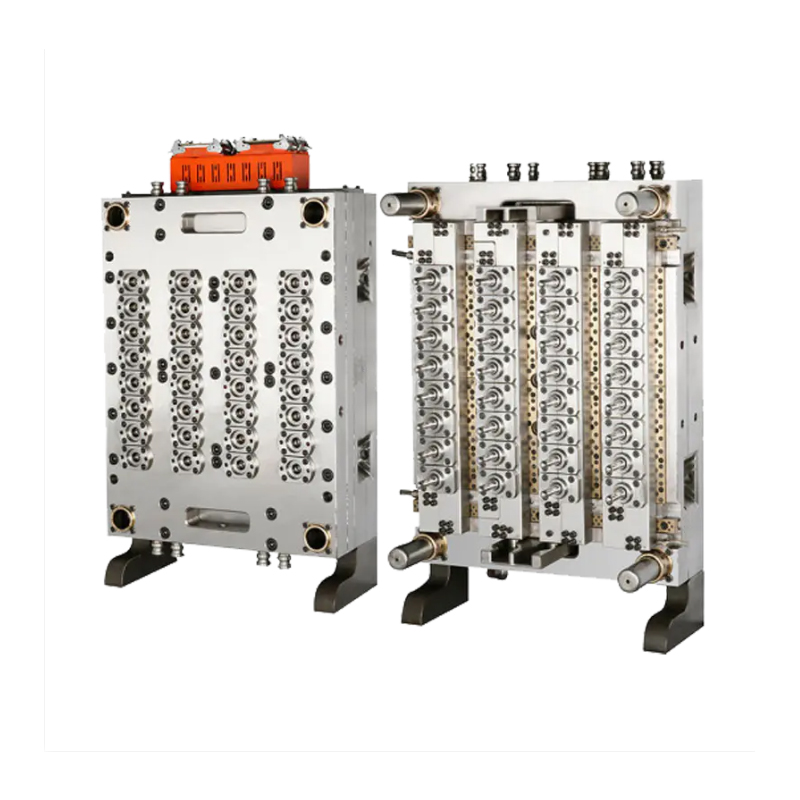
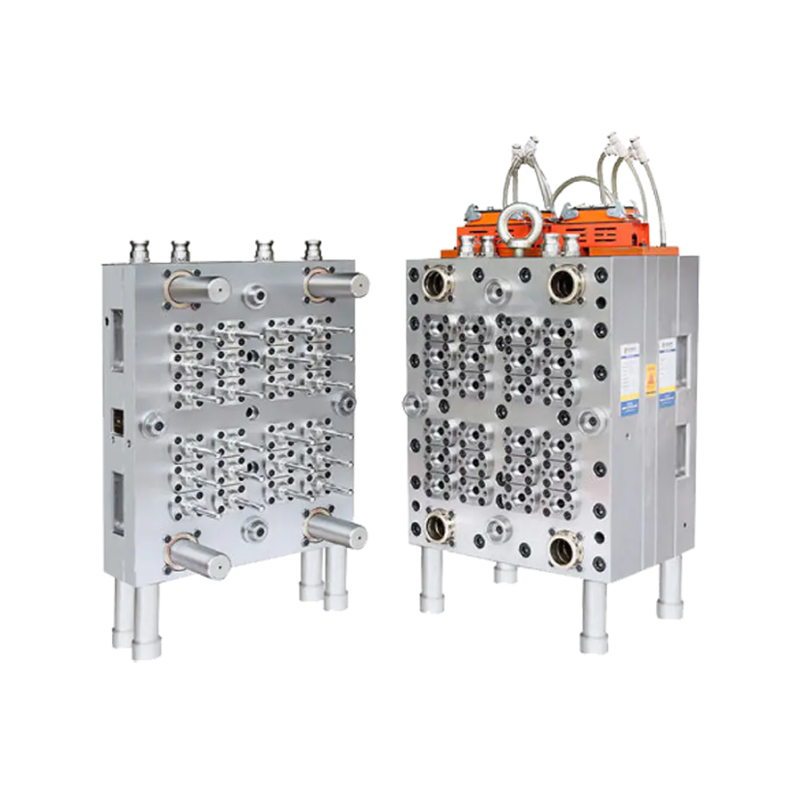
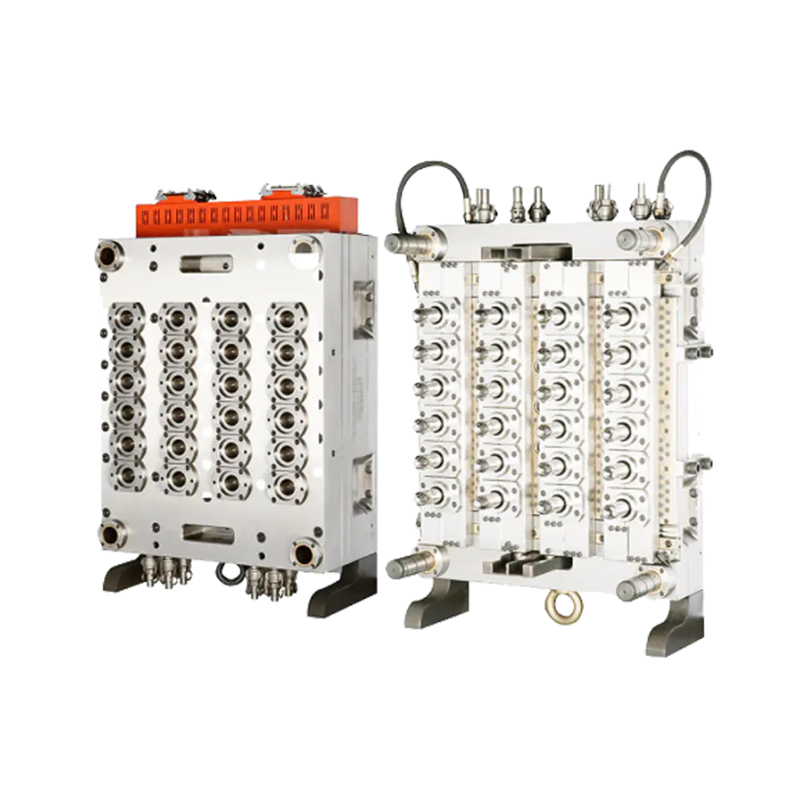
Blood collection tube moulds are fundamental components in the medical and diagnostic industries. They enable the production of high-quality tubes used for collecting, storing, and transporting blood samples safely and reliably. The precision of these molds ensures uniform tube dimensions, tight sealing, and material compatibility, which are critical for sample integrity and accurate laboratory testing. These molds also support various tube types, including different volumes and specialized additives, allowing laboratories to meet diverse diagnostic and research requirements efficiently.
Manufacturers rely on advanced engineering and high-grade materials to create molds that can withstand repeated use, thermal stress, and chemical exposure while maintaining consistent performance. Blood collection tube molds are also customized to produce tubes with specific capacities, colors, and closure types, supporting laboratory workflow and brand requirements. Some molds are designed for rapid changeover between tube sizes or specialized laboratory applications, helping manufacturers respond quickly to evolving medical needs and seasonal demand fluctuations. Modular designs and precise cavity engineering improve production efficiency, reduce downtime, and ensure consistent quality across large-scale manufacturing operations.
The production process for blood collection tube molds requires precision machining, durable steel or alloy materials, and careful design of cavities, cooling channels, and venting. Simulation software helps predict material flow and temperature distribution, preventing defects and optimizing production efficiency. Surface polishing and finishing ensure smooth tube walls, minimizing contamination risks and ensuring safe sample handling. Some molds are engineered to support advanced closures, such as safety caps or vacuum-sealed stoppers, enhancing laboratory safety and usability. Manufacturers are exploring recyclable and high-performance materials that maintain tube integrity while supporting sustainable production practices. Additional innovations include modular mold systems and rapid prototyping techniques that reduce lead times and allow faster adaptation to new tube specifications or laboratory standards.
Blood collection tube molds have a direct impact on operational efficiency and quality assurance. Accurate molds reduce reject rates, improve sample reliability, and lower production costs. Uniform tubes ensure compatibility with automated laboratory equipment and minimize human error during collection or testing. Lightweight and durable mold designs reduce material usage, energy consumption, and overall environmental impact. Regular maintenance schedules and timely refurbishments extend mold lifespan, ensuring consistent performance during large-scale production. Automation in molding and inspection processes allows laboratories and manufacturers to meet demand efficiently while maintaining safety and precision standards.
Sustainability is becoming increasingly important in blood collection tube mold design. Energy-efficient molds, lightweight tube production, and the use of recyclable materials reduce environmental impact without compromising safety or quality. Efficient thermal management and cycle optimization further minimize energy consumption. These practices allow manufacturers to balance high production efficiency with eco-conscious responsibility, meeting both operational and regulatory expectations.
The future of blood collection tube molds focuses on innovation, safety, and integration of smart technologies. IoT-enabled sensors and real-time monitoring allow predictive maintenance and rapid troubleshooting. Advanced simulation and mold design tools improve accuracy, reduce waste, and enhance production speed. Emerging trends include ergonomic tube designs, enhanced cap functionality, and molds compatible with recycled polymers. Additional developments such as smart color-coded indicators, rapid cleaning mechanisms, and modular cavity systems are expected to further improve laboratory workflow and mold versatility. Blood collection tube molds will continue to support safe, efficient, and sustainable medical testing operations, adapting to the evolving needs of healthcare and laboratory industries.

No.148 Yongda Road, Jiangkou Street, Huangyan, Taizhou, Zhejiang, China.

yn@tzyuno.com

+86-576-84111565

+86-13575806039


Copyright © Taizhou Huangyan Yuno Mould Co., Ltd.
Plastic Mould Factory