

 英语
英语 法语
法语
Address
No.148 Yongda Road, Jiangkou Street, Huangyan, Taizhou, Zhejiang, China.
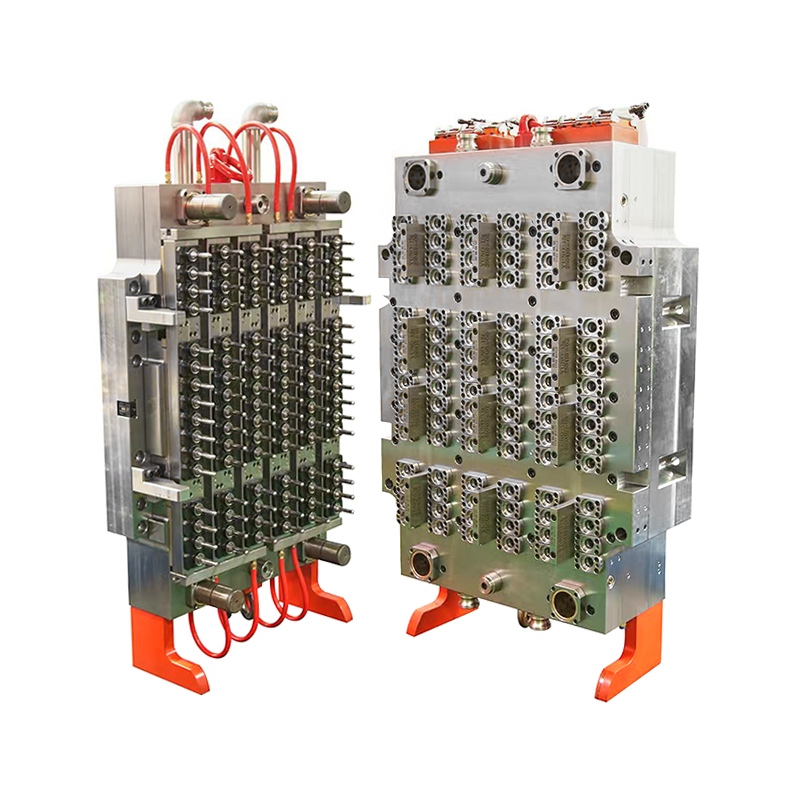
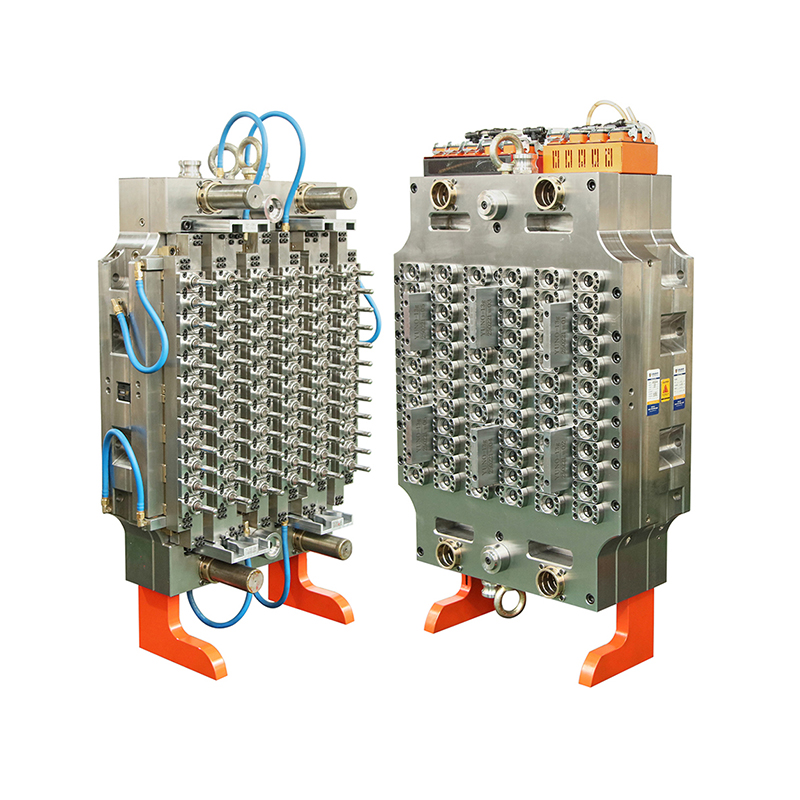
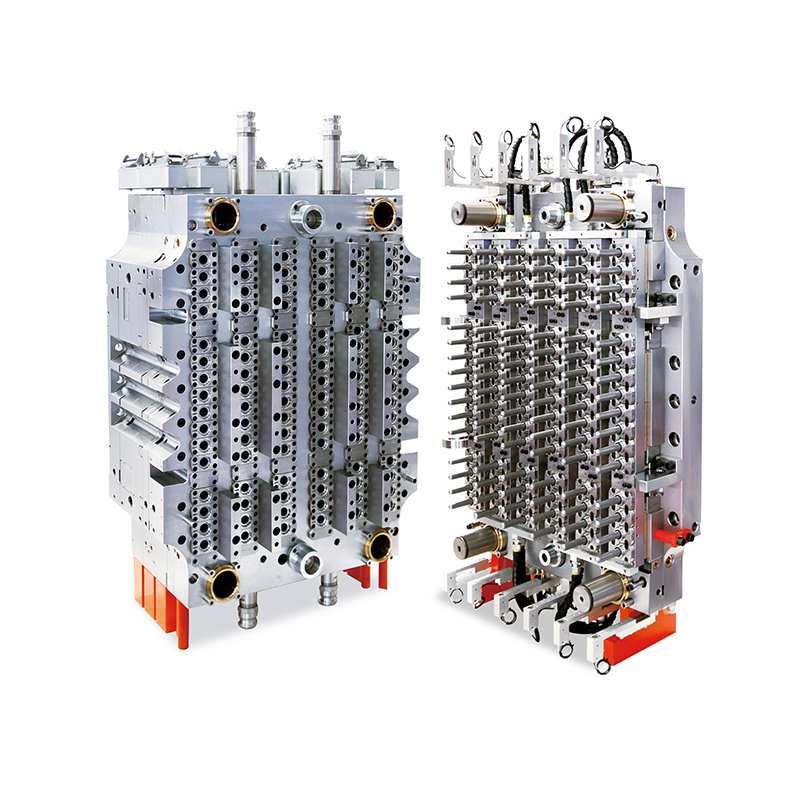
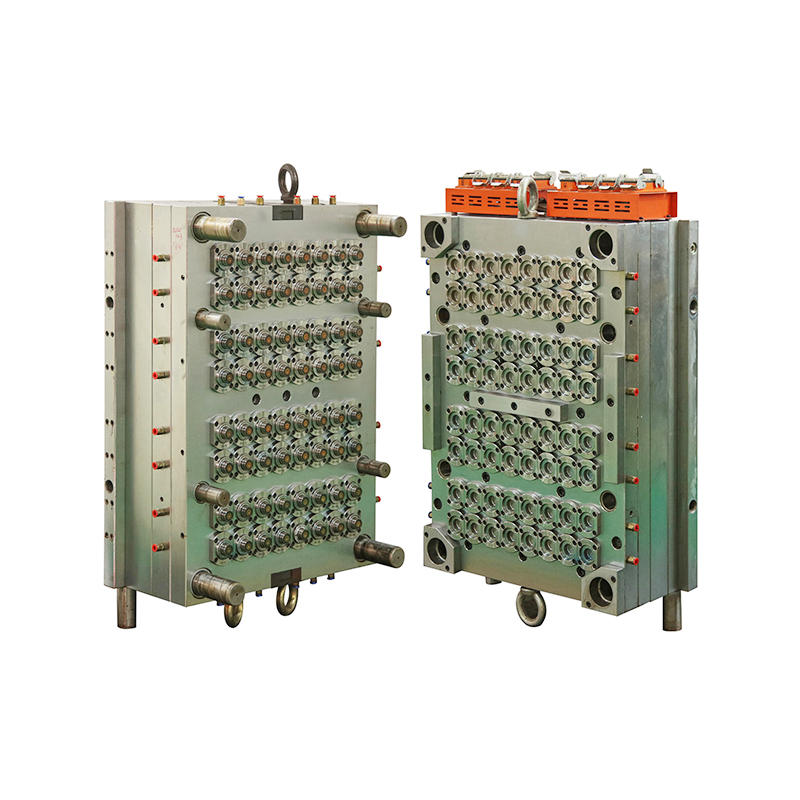
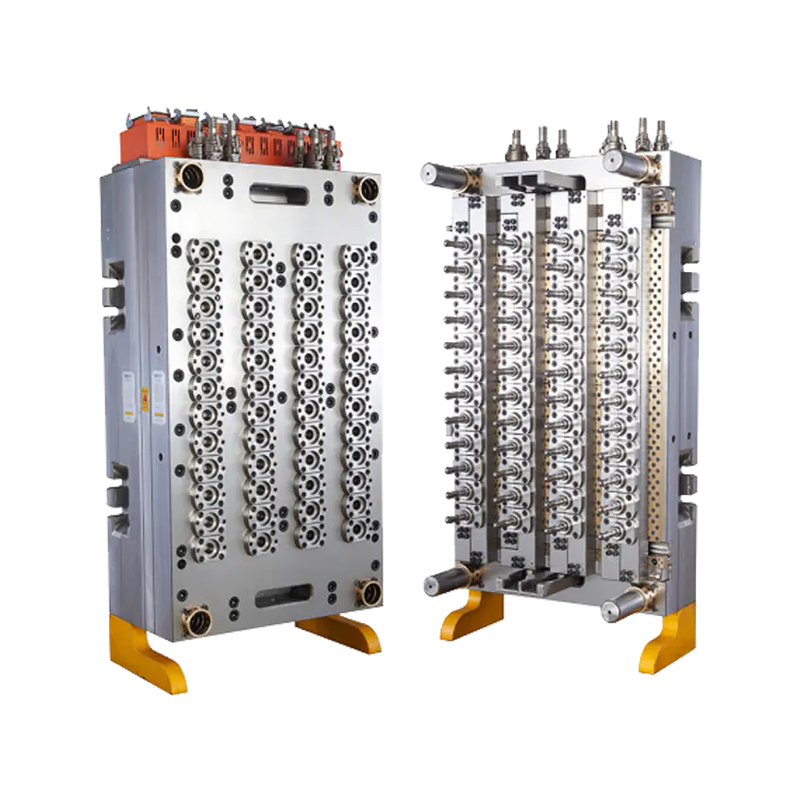
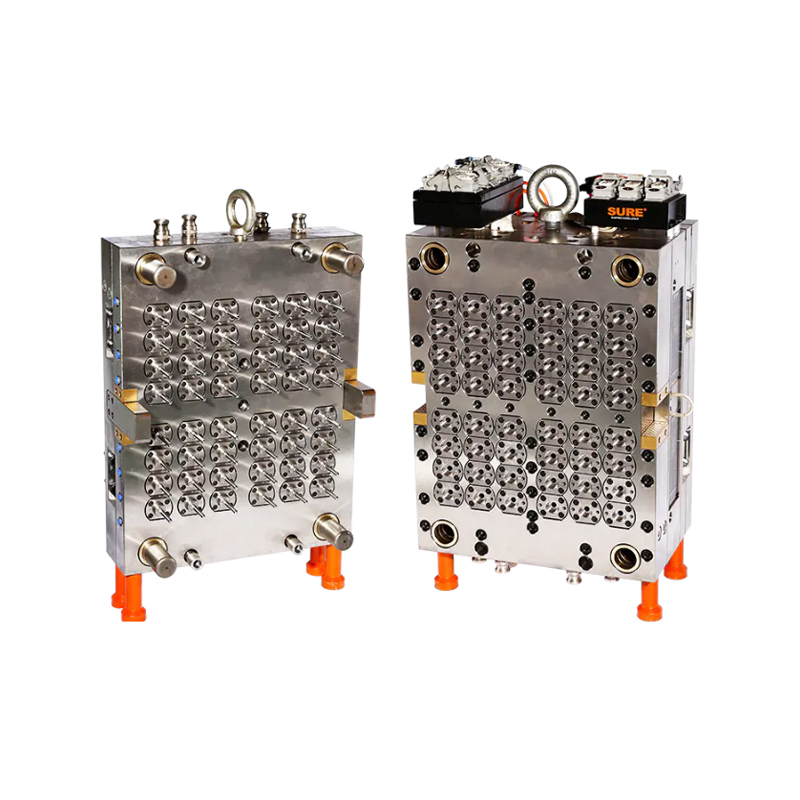
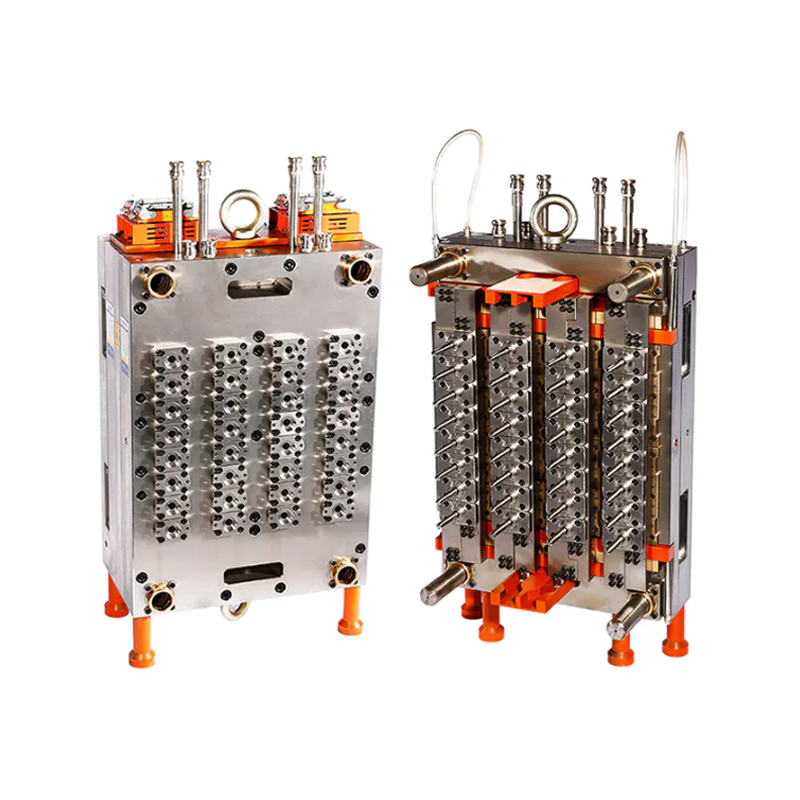
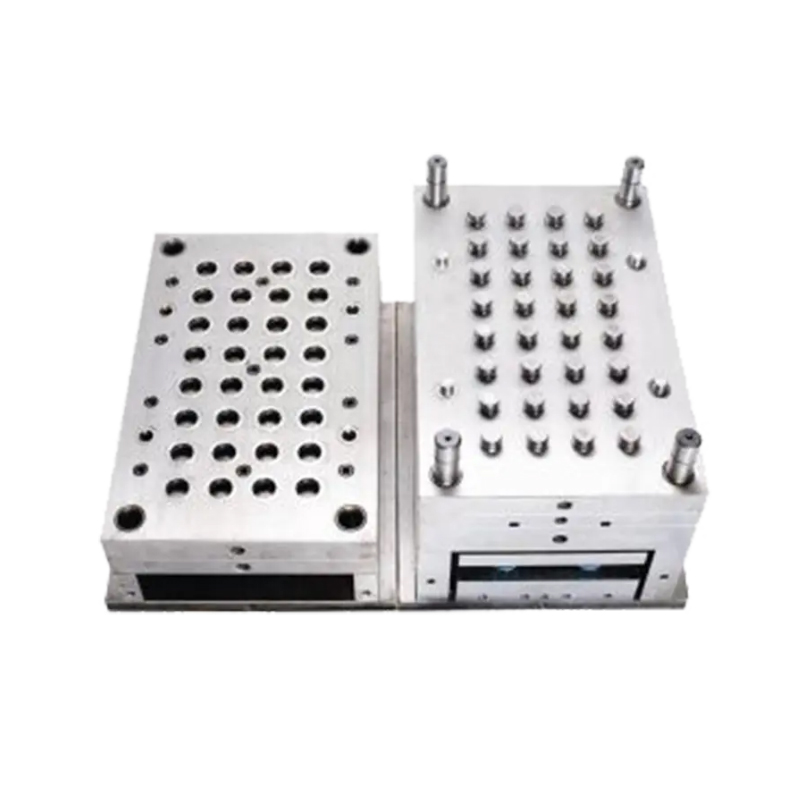
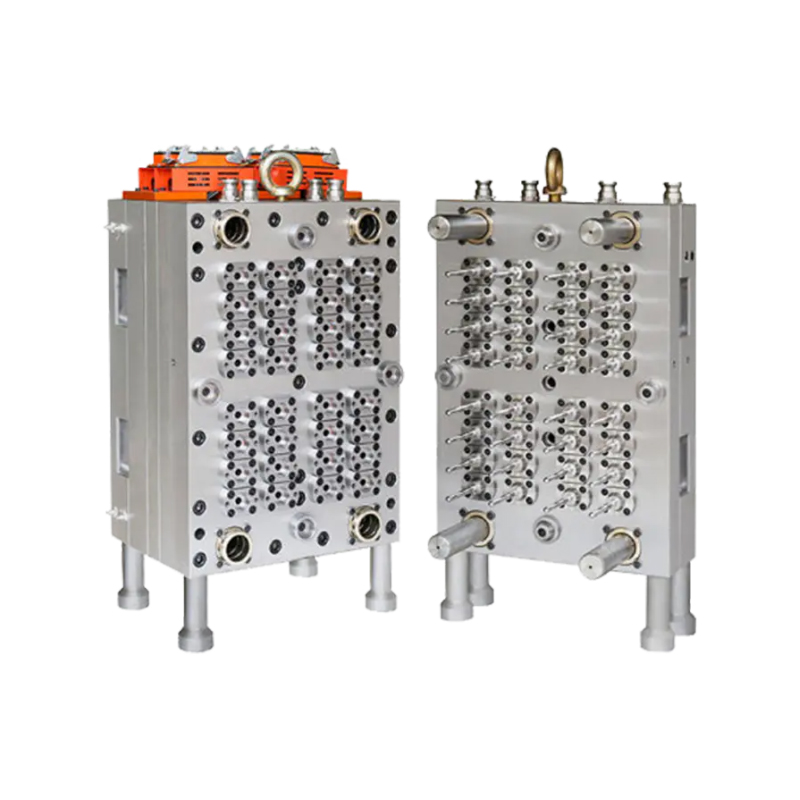
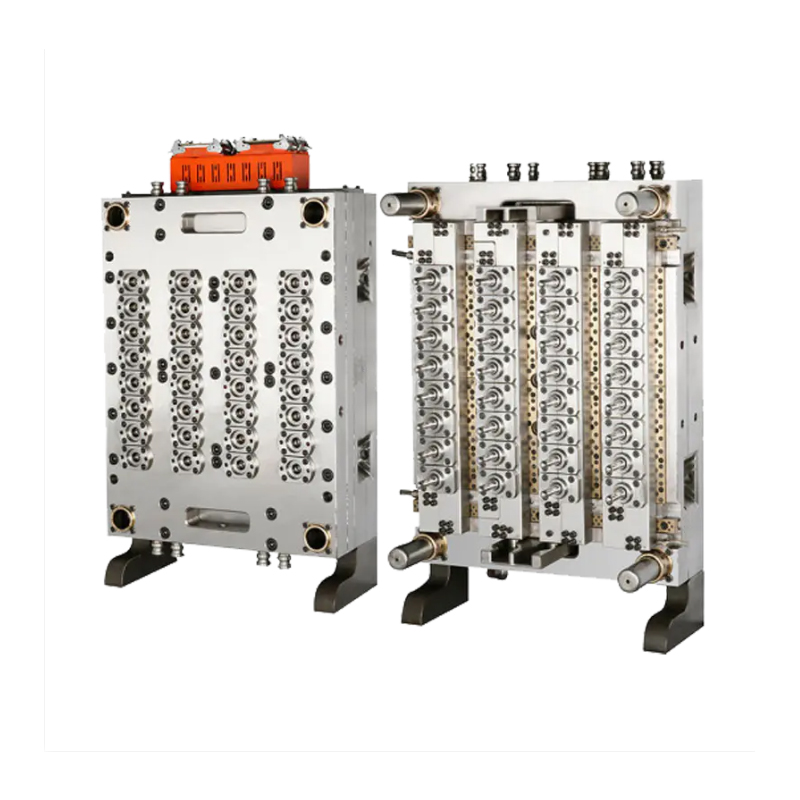
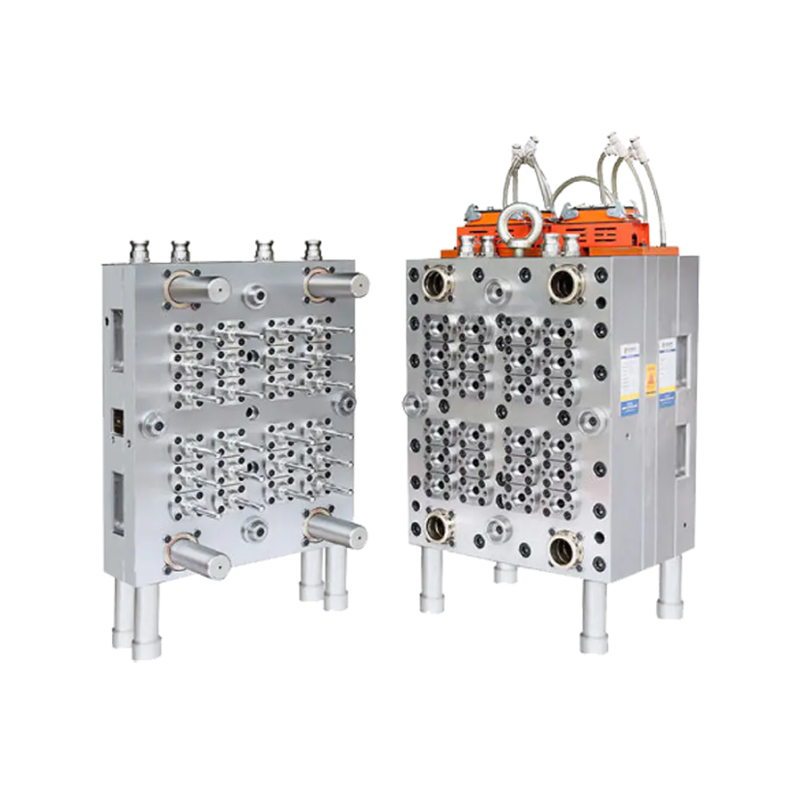
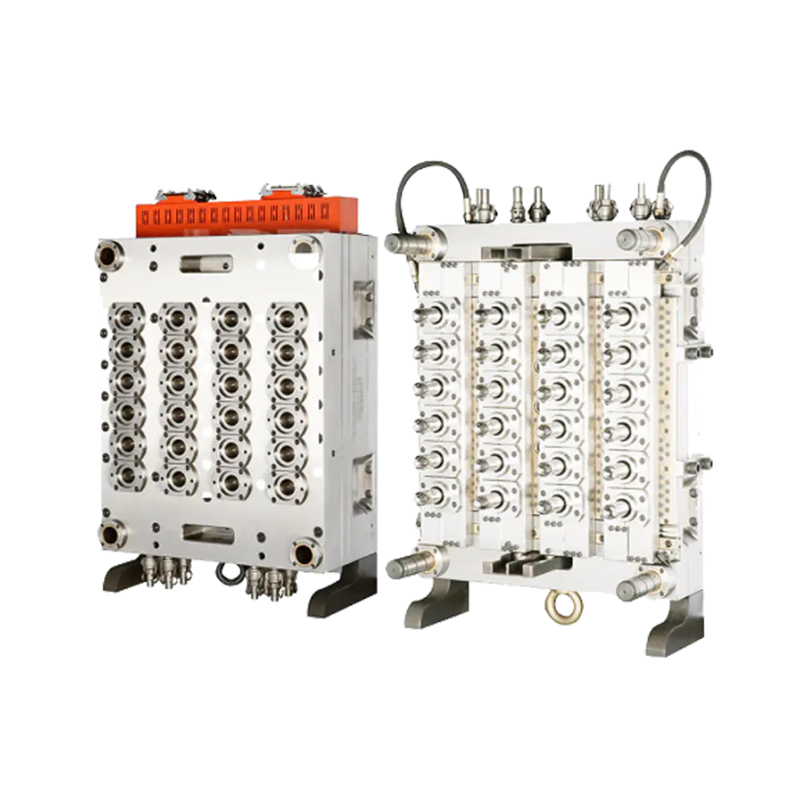
Beverage bottle preform moulds are critical in the manufacturing of plastic bottles used for beverages such as water, soft drinks, juices, and bottled teas. These moulds are used to produce preforms—small, thick-walled tubes made from plastic—which are then heated and stretched in a blow moulding machine to form the final bottle shape. The use of preform moulds is central to the production of lightweight, durable, and cost-effective packaging solutions, making them indispensable in the beverage industry.
The production process for beverage bottle preform moulds begins with selecting high-quality materials that can withstand high temperatures and pressure during the injection moulding process. Polyethylene terephthalate (PET) is the most commonly used material for beverage bottles due to its strength, clarity, and resistance to impact. Preform moulds are designed to shape the plastic material into preforms that closely resemble the final bottle, ensuring that the manufacturing process is efficient and cost-effective. Once the preforms are produced, they are heated, stretched, and blown into the desired bottle shape using a blow moulding machine.
One of the key advantages of using preform moulds in beverage packaging is their ability to produce consistent, high-quality preforms that ensure uniformity in the final product. The precision of the moulds guarantees that each preform has the same shape, size, and weight, which leads to uniformity in the final bottles. This is particularly important in the beverage industry, where product consistency is crucial to consumer satisfaction and brand integrity. Even slight variations in bottle size or shape can lead to issues with filling, sealing, and packaging, which can impact production efficiency and the overall quality of the product.
The use of preform moulds also contributes to reducing material waste during the manufacturing process. The preforms are designed to use less plastic compared to traditional blow moulding techniques, which helps to lower production costs and reduce the environmental impact of packaging production. Advancements in moulding technologies, such as multi-cavity moulds, allow for the simultaneous production of multiple preforms in a single cycle, further improving efficiency and reducing costs.
Sustainability is becoming an increasingly important focus in the beverage industry, and preform moulds are adapting to meet these demands. There is a growing trend toward using recycled PET (rPET) in the production of beverage bottles, and preform moulds are being designed to handle recycled materials without compromising the quality of the final product. Innovations in mould design, such as the use of energy-efficient moulding equipment and the development of lightweight preforms, are also contributing to the reduction of carbon footprints in beverage packaging.
The growing popularity of bottled water and other beverages in convenient, single-serve packaging has further increased the demand for preform moulds. Beverage manufacturers are looking for ways to improve packaging efficiency, reduce waste, and offer consumers a variety of bottle shapes and sizes. Preform moulds allow for flexibility in bottle design, enabling manufacturers to create packaging that meets the needs of diverse consumer preferences and enhances brand appeal.
Beverage bottle preform moulds are essential to the efficient production of high-quality plastic bottles used in the beverage industry. Their ability to produce consistent, cost-effective, and sustainable packaging solutions has made them a cornerstone of the industry. Consumer demand for eco-friendly packaging grows, and innovations in preform mould technology will continue to play a key role in helping manufacturers meet these challenges while maintaining high standards of performance and quality in beverage packaging.

No.148 Yongda Road, Jiangkou Street, Huangyan, Taizhou, Zhejiang, China.

yn@tzyuno.com

+86-576-84111565

+86-13575806039


Copyright © Taizhou Huangyan Yuno Mould Co., Ltd.
Plastic Mould Factory