

 英语
英语 法语
法语
Address
No.148 Yongda Road, Jiangkou Street, Huangyan, Taizhou, Zhejiang, China.
Walk into a supermarket, and you will see rows of plastic bottles holding water, juice, shampoo, and cooking oil. Each one began as a small, test-tube-shaped piece of plastic called a preform. The tool that gives that preform its shape is a preform mould. It may not be visible on store shelves, but it sits at the center of many plastic production lines.
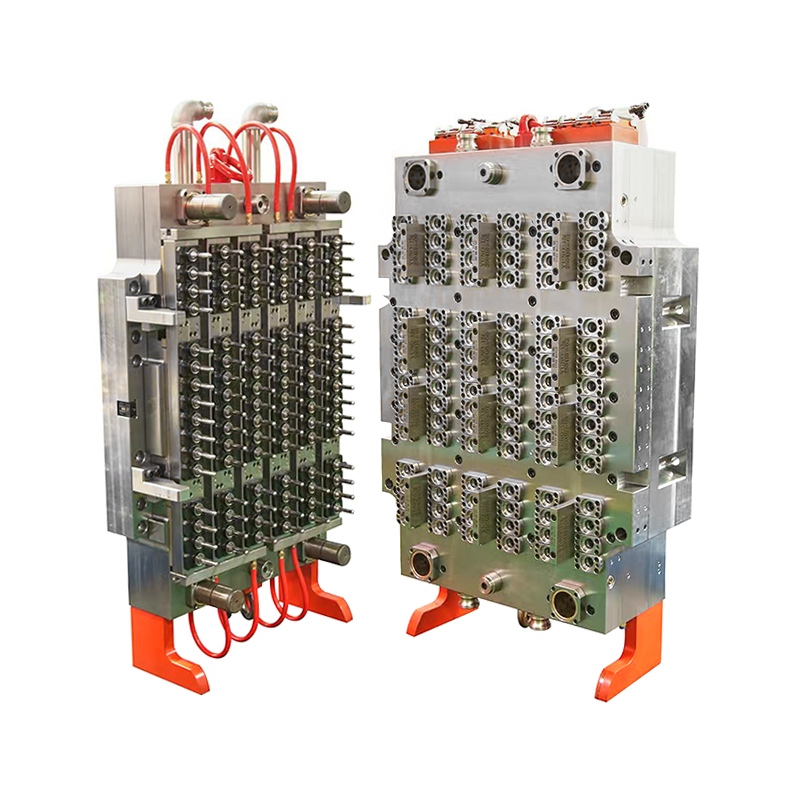
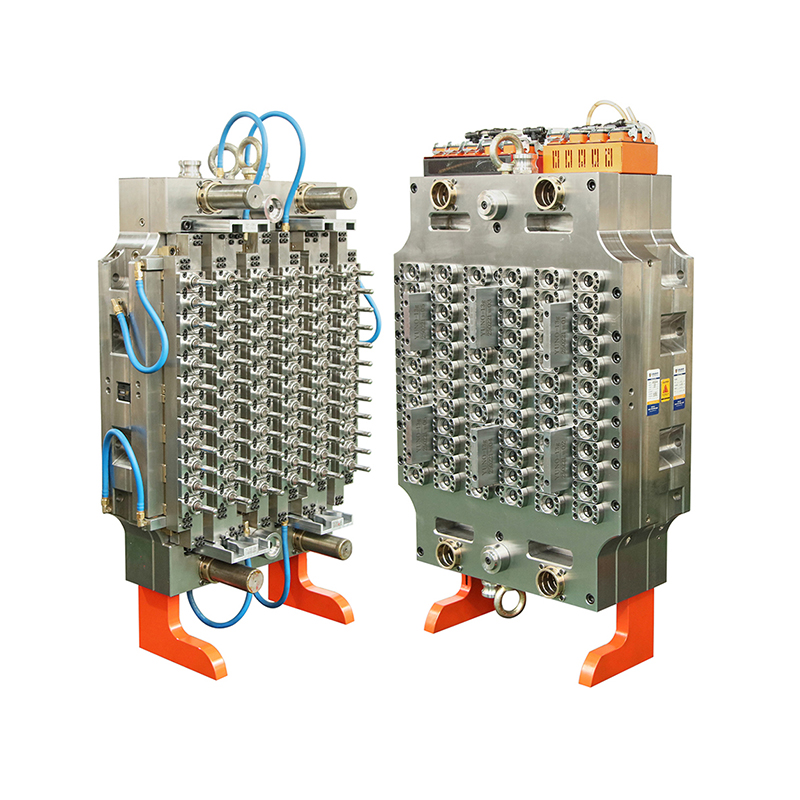
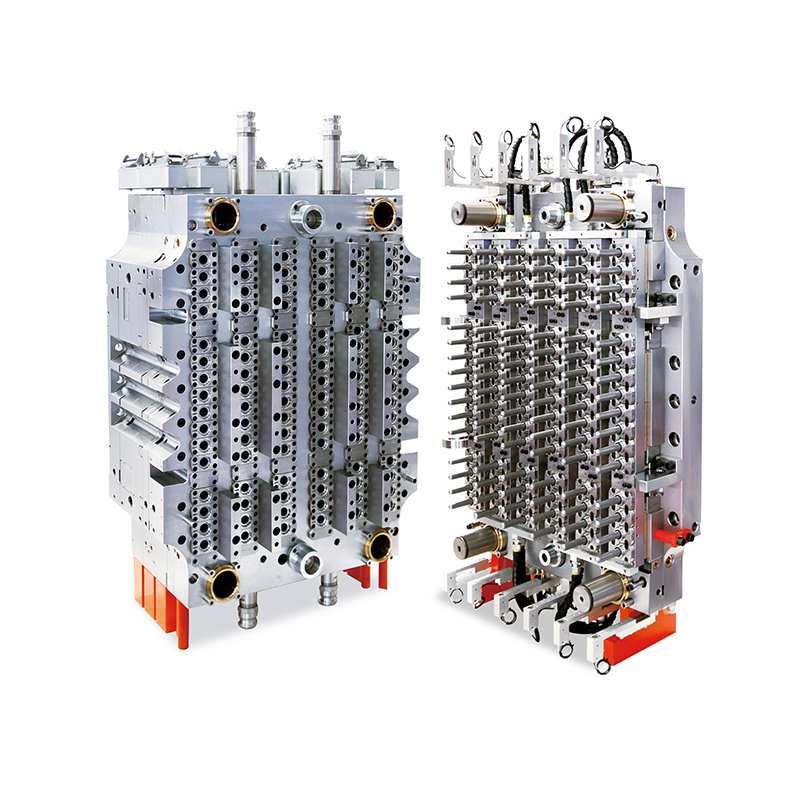
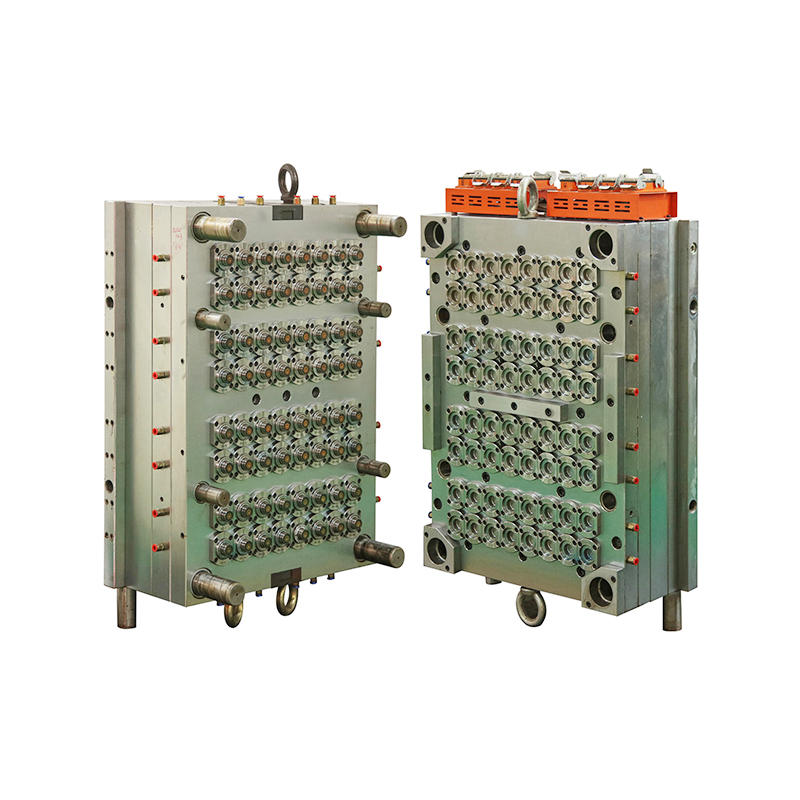
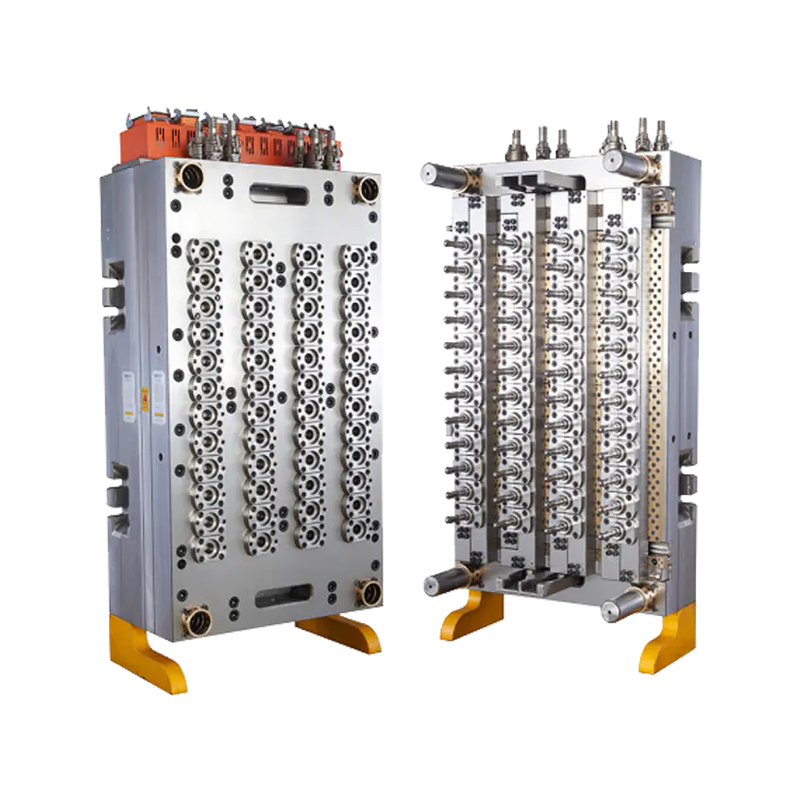
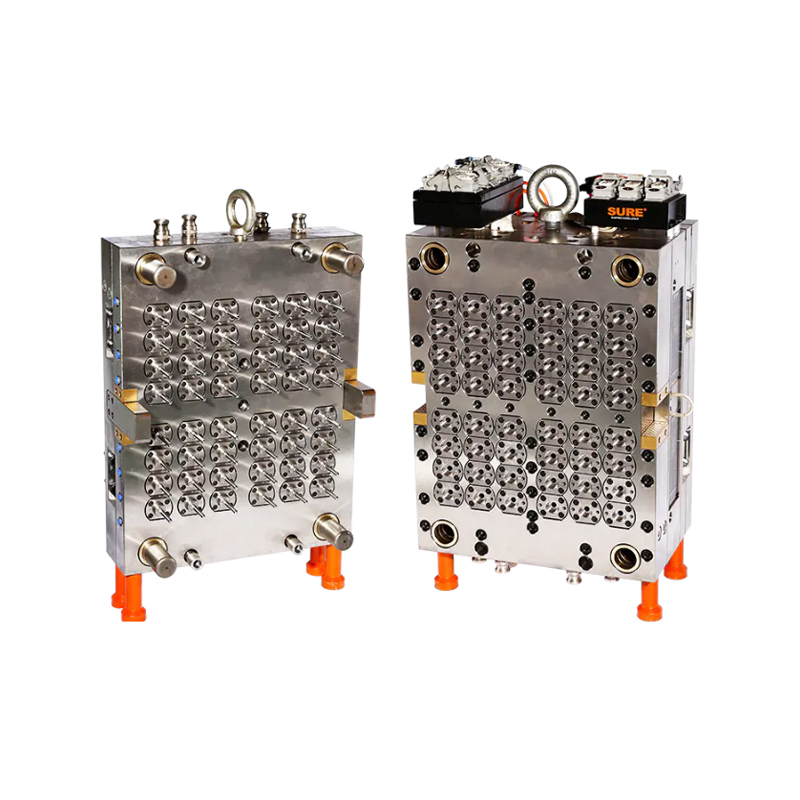
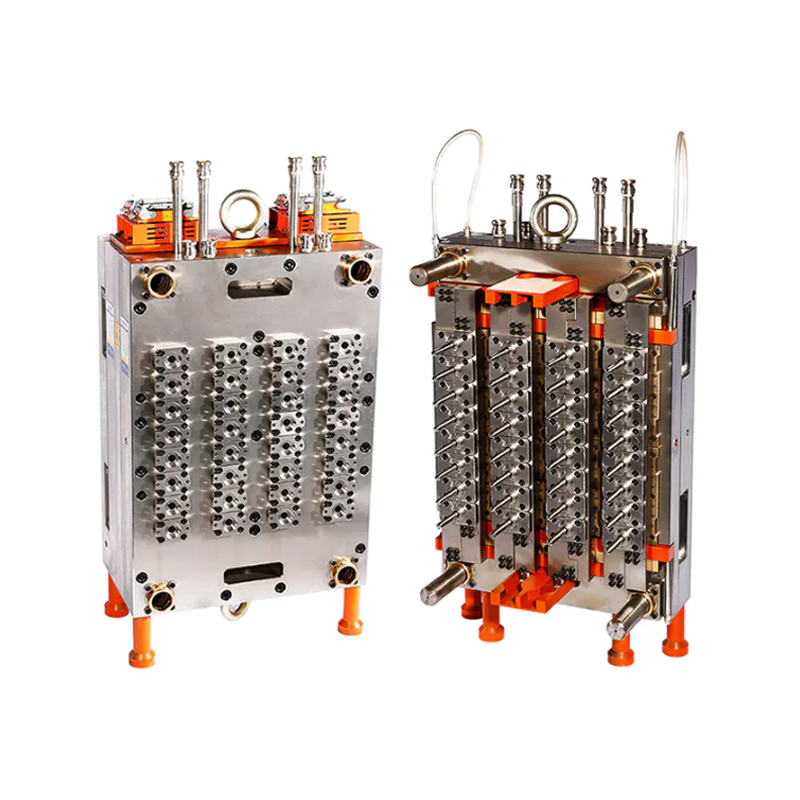
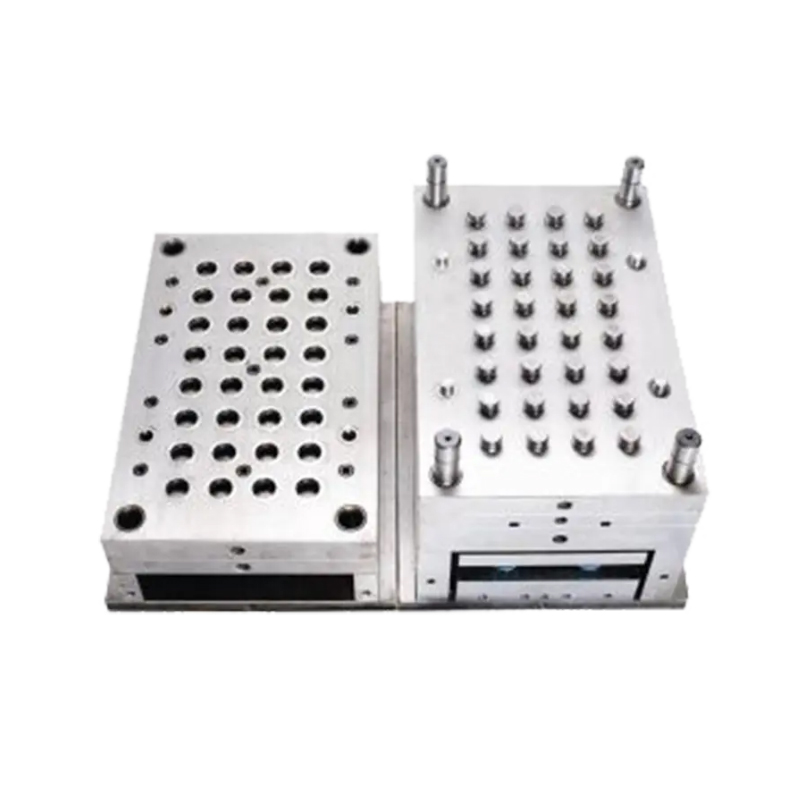
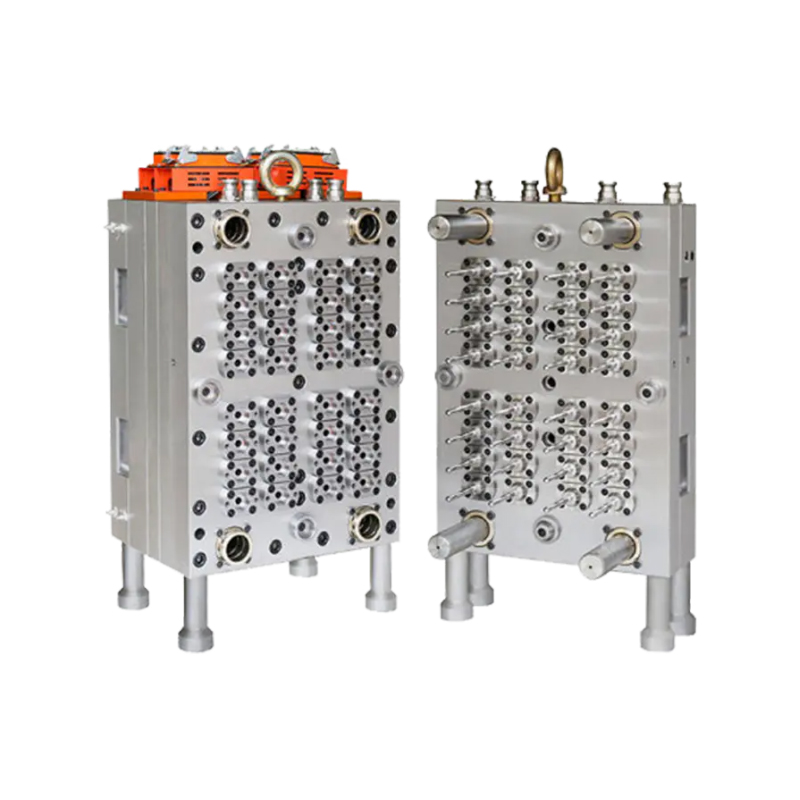
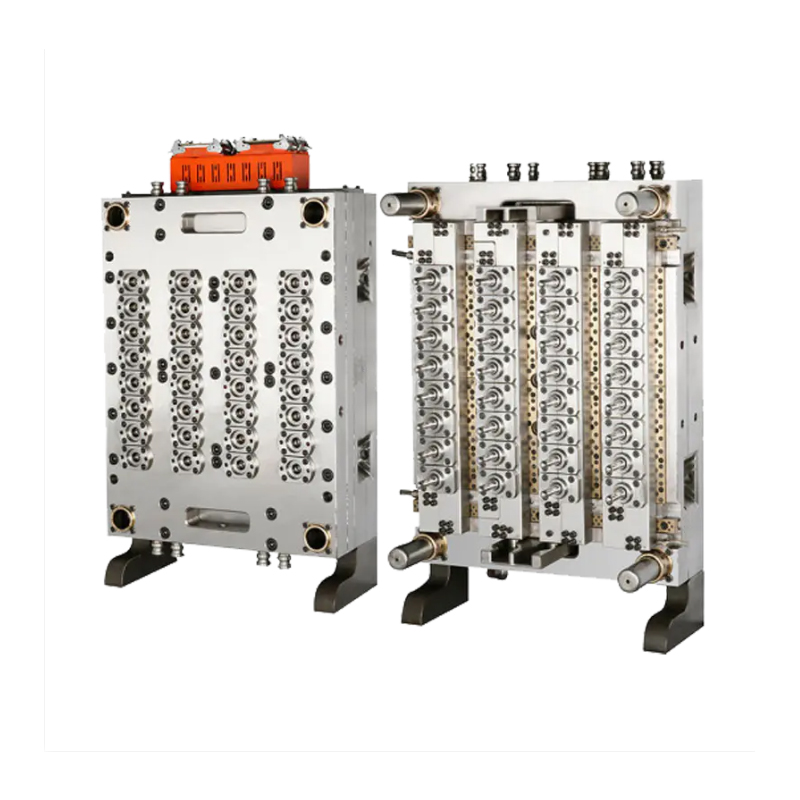
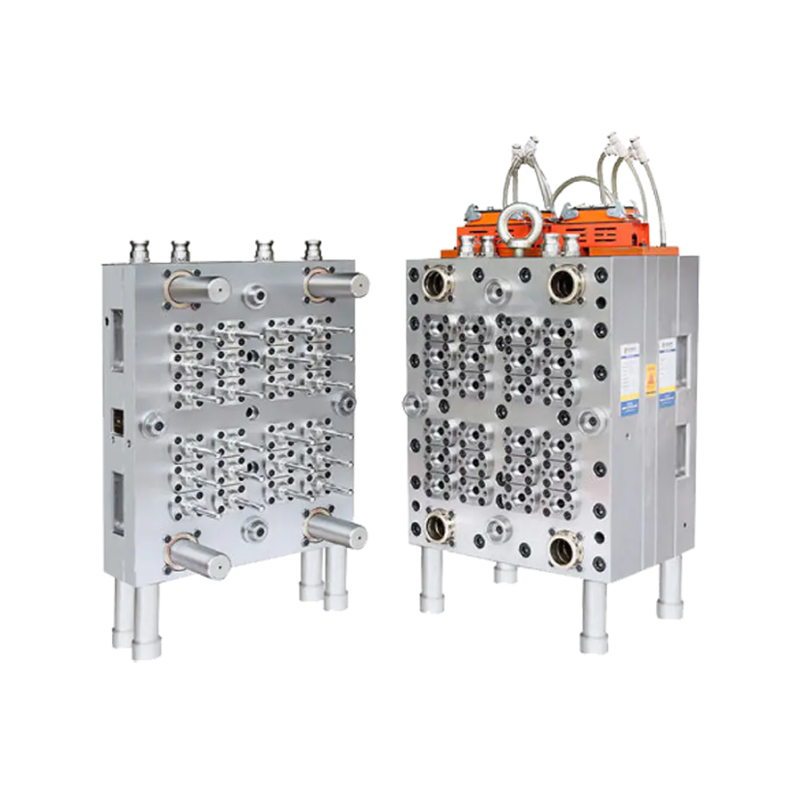
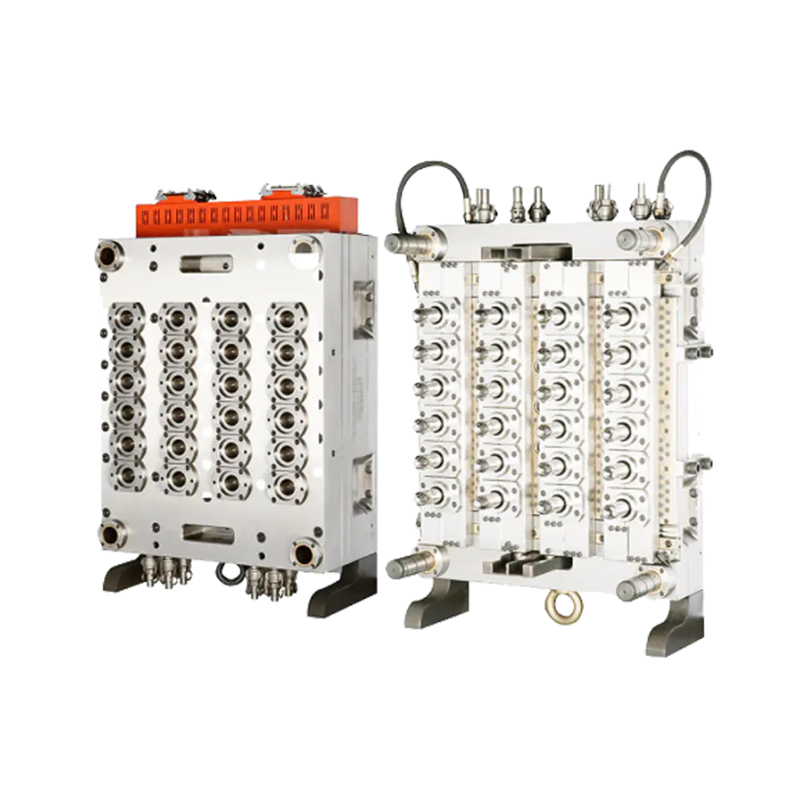
A preform mould is a metal tool with a hollow space shaped like the final preform. Molten plastic is injected into that space, cooled, and then released as a solid piece. This piece is later heated and blown into a full-size bottle. The mould decides the preform’s weight, wall thickness, neck finish, and overall size. If the mould is off by a small amount, the bottle may not form correctly later.
Engineers pay close attention to the gate, the channel where plastic enters the mould. They also study cooling lines, which carry water or oil to pull heat away from the plastic. A well-designed preform mould helps the plastic fill every corner before it hardens. It also helps the part cool at an even rate, which reduces warping and weak spots. These details may sound technical, but they affect how a bottle feels in your hand and how well it holds its contents.
Many preform moulds are made from hardened steel or stainless steel. The steel must resist wear from repeated heating and cooling. Makers cut the mould cavity with computer-controlled machines, then polish the surface to a smooth finish. Some moulds have multiple cavities, allowing several preforms to be made in one cycle. This approach can raise output without adding another machine.
A preform mould does not work alone. It fits into an injection molding machine, which applies pressure and heat. Molders adjust temperature, pressure, and cycle time to match the mould’s design. Resin suppliers also play a part, because different plastics flow and cool in different ways. When all these pieces come together, the result is a steady supply of preforms that bottle makers can trust.
You will find preforms in food and drink packaging, household cleaners, personal care items, and some industrial containers. Each product may need a different preform mould to meet its own shape and strength needs. A small water bottle and a large detergent bottle may look unrelated, but both may start with a similar molding step.
Buyers often ask how long a preform mould lasts. The answer depends on the steel, the plastic, and how carefully the mould is run. Some moulds produce hundreds of thousands of parts; others handle millions. Buyers also ask about lead time. Building a new mould can take several weeks, because each cavity must be cut and tested. Working with an experienced toolmaker can help avoid delays.
The next time you pick up a plastic bottle, consider the preform mould behind it. This metal tool turns raw plastic into a precise starting shape. It supports fast production, consistent quality, and flexible design. Without it, many everyday containers would be harder to make. The preform mould may stay out of sight, but its influence is easy to see.

No.148 Yongda Road, Jiangkou Street, Huangyan, Taizhou, Zhejiang, China.

yn@tzyuno.com

+86-576-84111565

+86-13575806039


Copyright © Taizhou Huangyan Yuno Mould Co., Ltd.
Plastic Mould Factory