

 英语
英语 法语
法语
Address
No.148 Yongda Road, Jiangkou Street, Huangyan, Taizhou, Zhejiang, China.
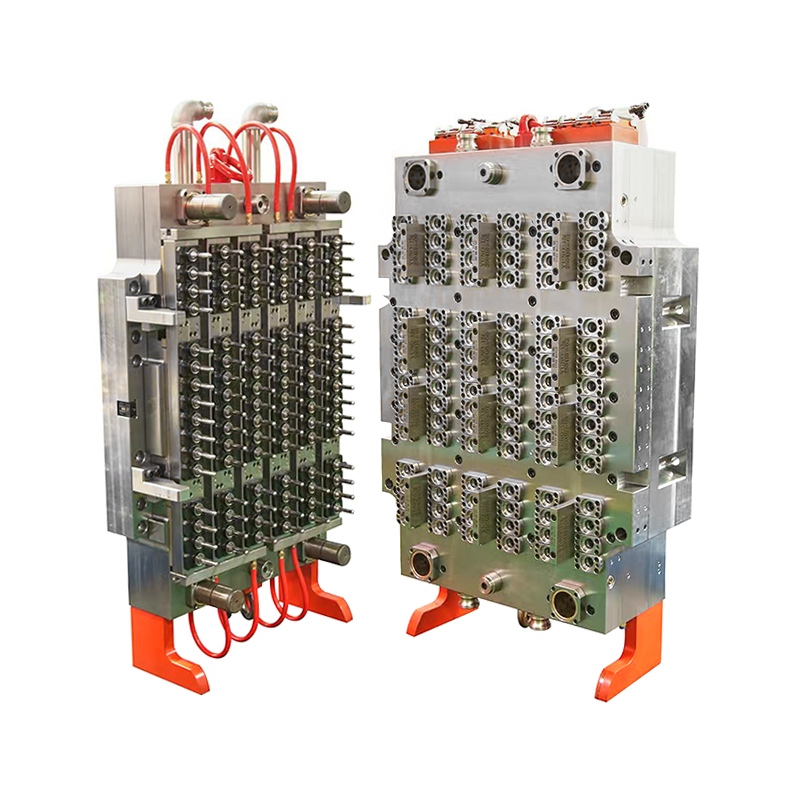
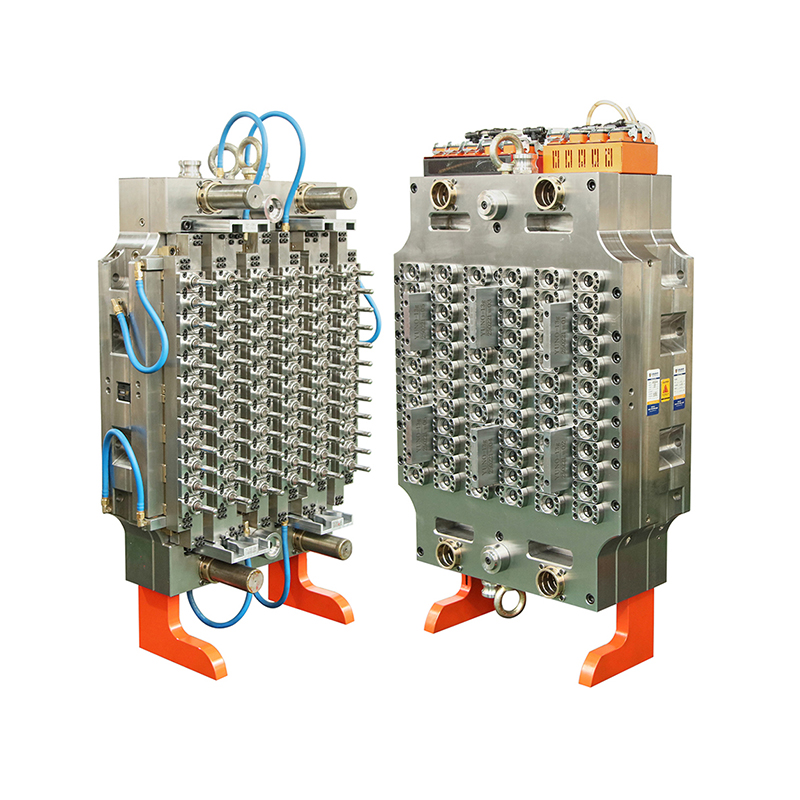
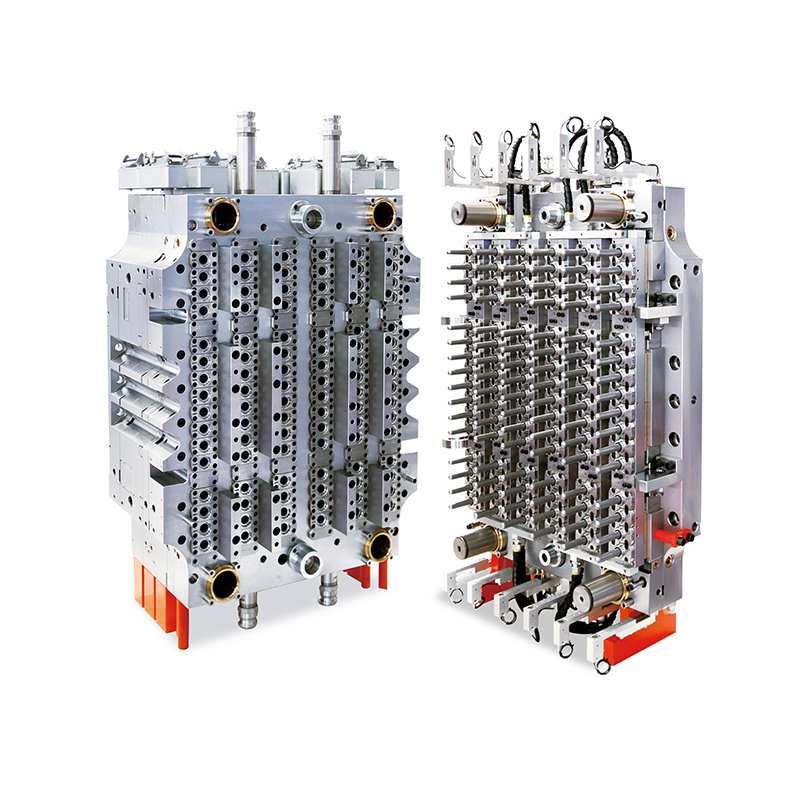
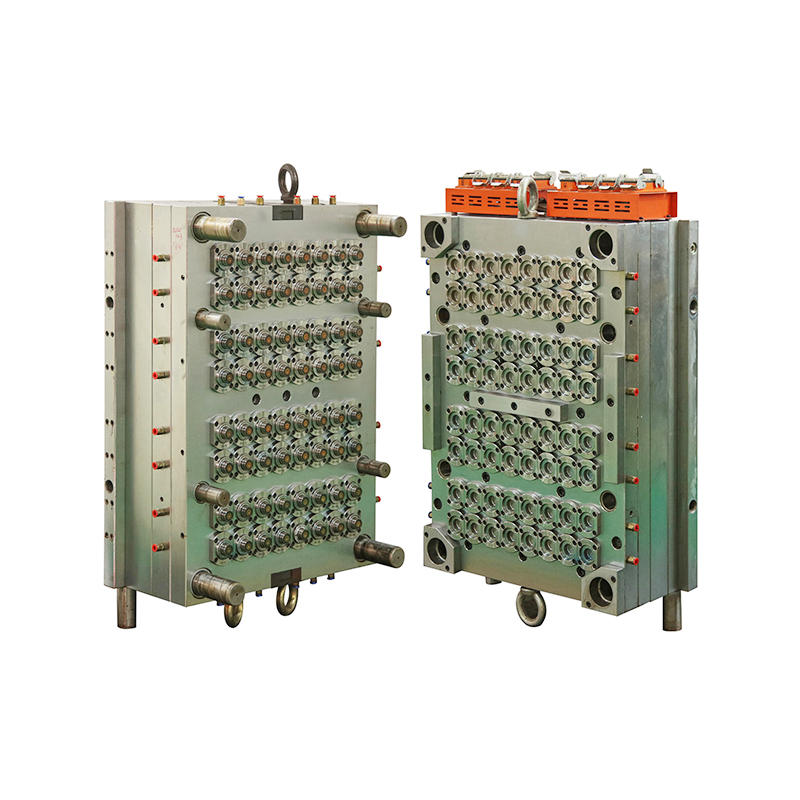
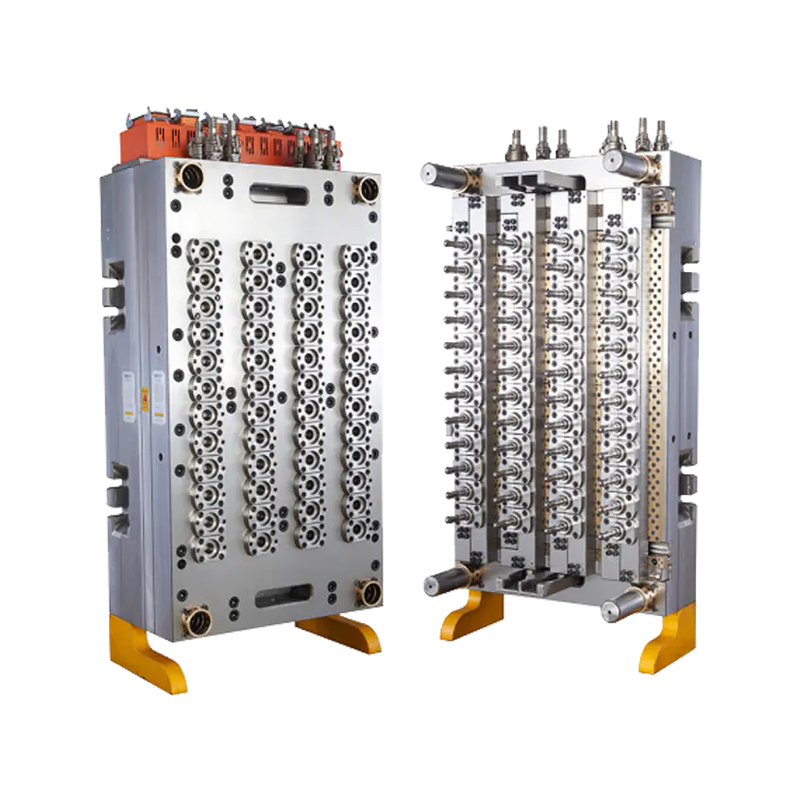
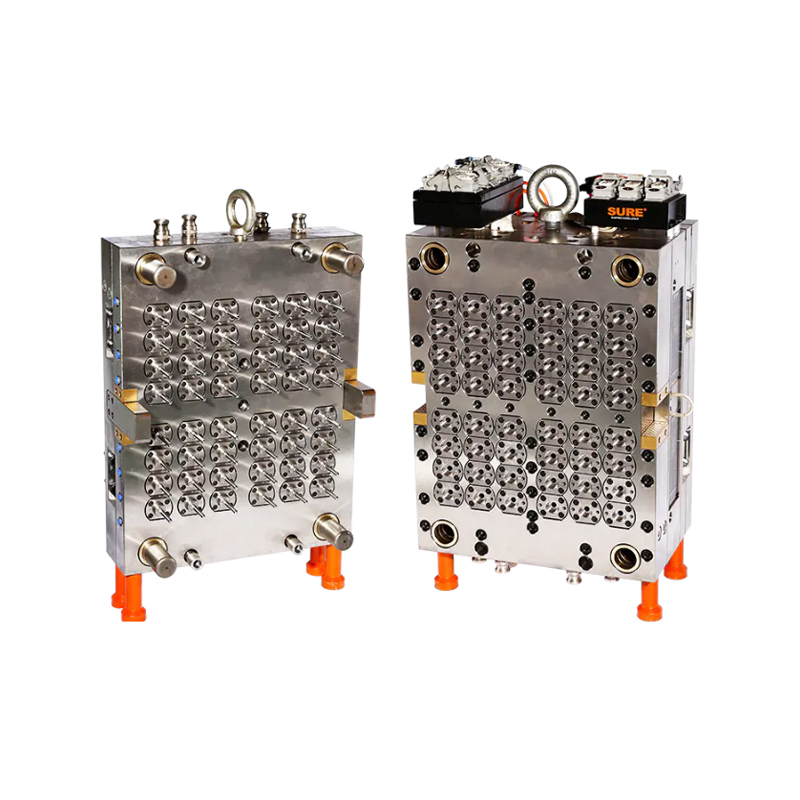
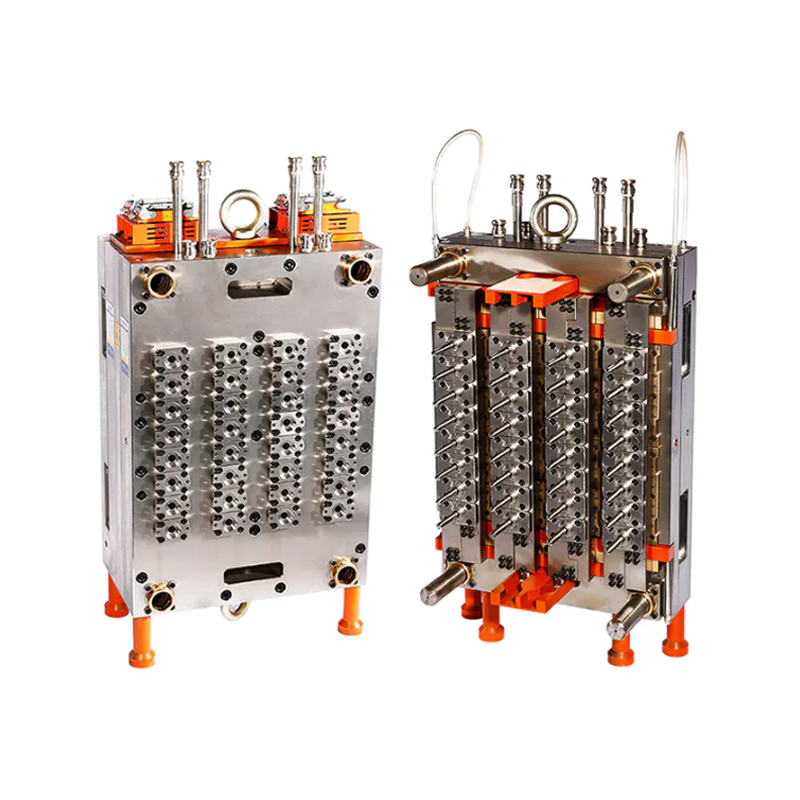
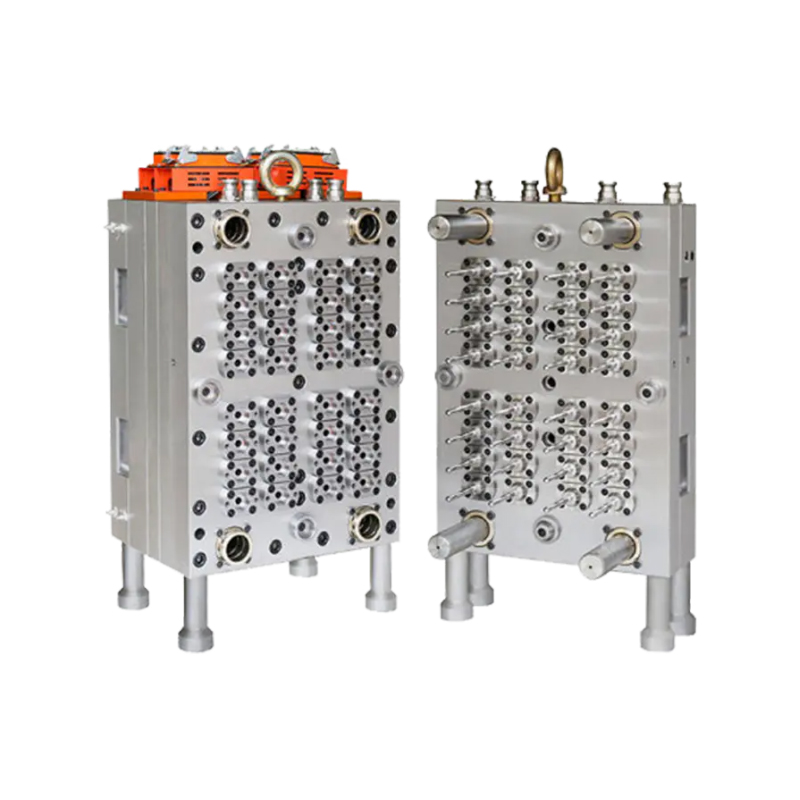
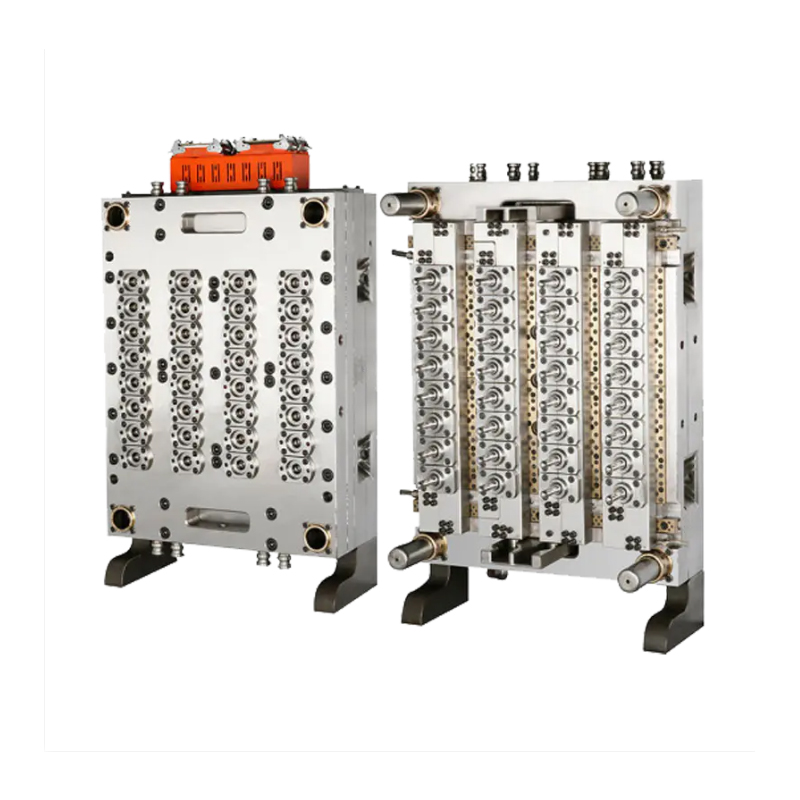
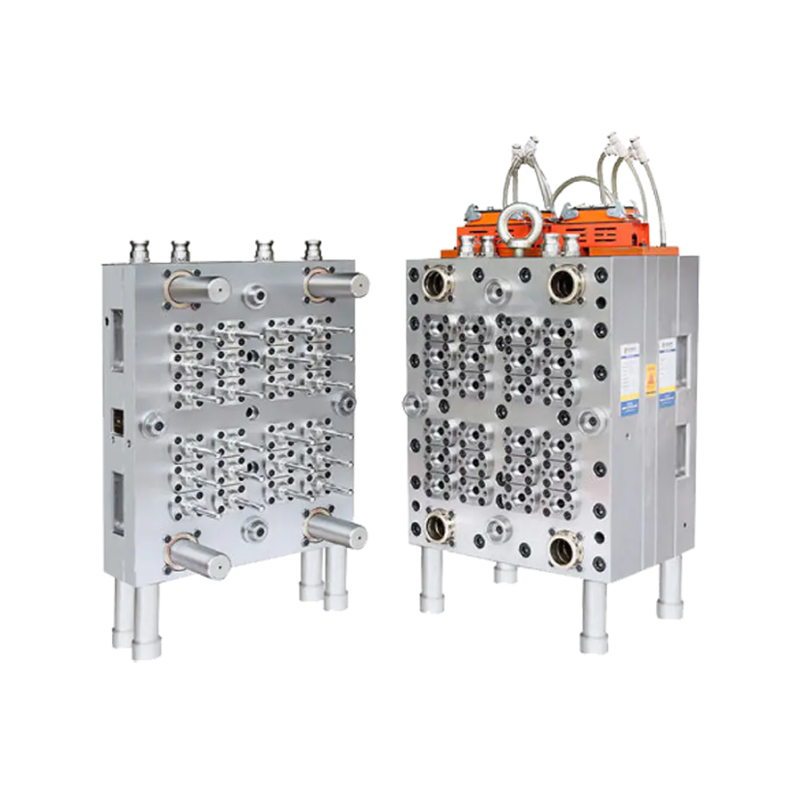
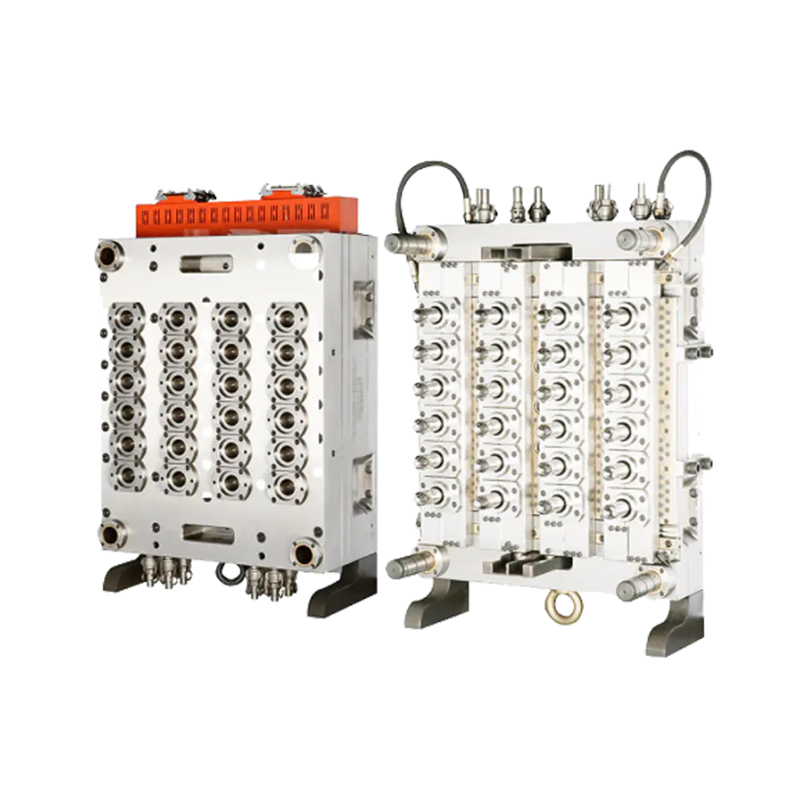
A Water Preform mould typically relies on hardened steel grades that resist wear under repeated high-pressure cycles. Tool steel offers the strength needed to hold tight tolerances during injection of molten PET resin. Surface treatments such as polishing or coating reduce friction and help the preform release cleanly from the cavity. Cooling channels cut into the mould body circulate water or oil to control temperature and shorten cycle times. These material choices support durable performance without frequent interruptions on the production floor.
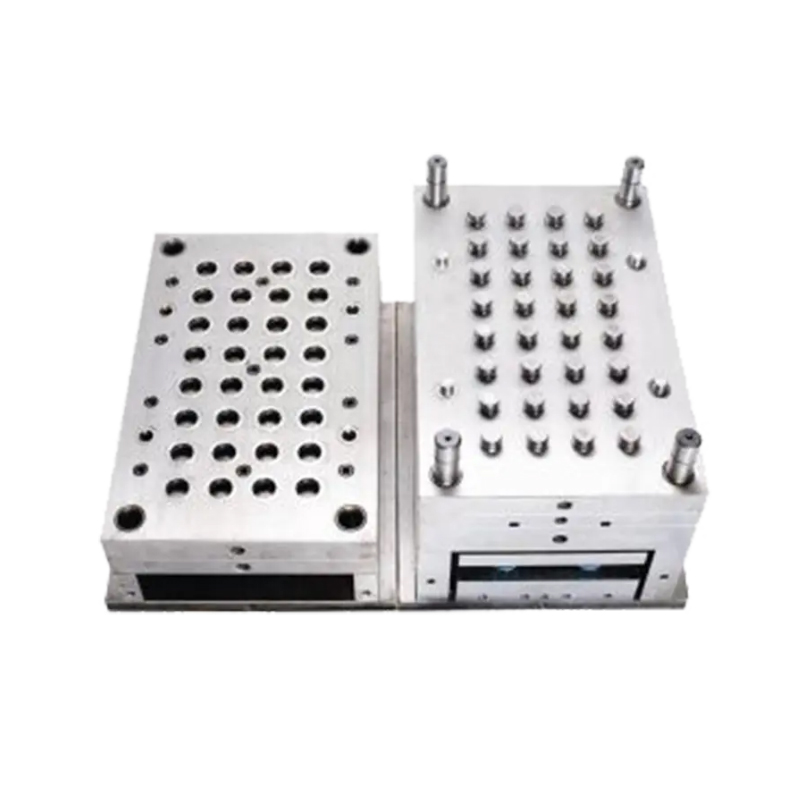
Design work for a Water Preform mould centers on cavity number, neck finish, and core alignment. Multi-cavity layouts allow several preforms to form in a single injection shot, raising output per cycle. The neck area includes precise threads and sealing surfaces that match bottle caps later in the process. Hot runner systems deliver molten plastic evenly to each cavity, reducing material waste and improving uniformity. Alignment features keep cores and cavities matched so wall thickness remains consistent around the preform body. These elements work together to produce preforms ready for the next stage of bottle forming.
The manufacturing sequence begins when an injection machine clamps the Water Preform mould shut. Molten PET resin injects into the cavities under controlled pressure and speed. After the plastic cools and solidifies, the mould opens and ejector systems push the finished preforms free. Robots or conveyors collect the preforms for cooling, inspection, and packing. Operators monitor temperature, pressure, and cycle timing to maintain dimensional accuracy. Regular checks on the Water Preform mould surface and cooling flow help keep the process stable across long production runs.
In bottle manufacturing plants, the Water Preform mould sits at the start of the packaging chain. Preforms produced by the mould travel to blow moulding machines that stretch and expand them into finished water bottles. Consistent preform weight and neck dimensions reduce defects during blowing and filling stages. Packaging companies often specify cavity counts and neck finishes that match their existing equipment. This coordination between mould design and downstream machinery supports efficient flow from resin to filled bottle without unnecessary adjustments.
Operators make practical adjustments to a Water Preform mould based on resin grade and desired preform weight. Changing insert sets allows the same mould base to produce different neck sizes or body lengths. Cooling channel flow rates adjust to balance cycle speed against part quality. Surface finish on the cavities influences how easily the preform releases and how clear the final bottle appears. These setup steps keep the Water Preform mould adaptable to varying order requirements while maintaining steady output levels.
Mould makers and bottle producers exchange specifications on cavity layout, steel hardness, and hot runner configuration. Shared drawings define thread profiles and weight targets so the finished preforms fit existing blow moulds and filling lines. Trial runs confirm that the Water Preform mould delivers uniform parts before full production begins. Feedback on cycle times and reject rates guides minor refinements in cooling or ejection systems. This ongoing exchange supports reliable supply of preforms for water bottle packaging operations.
The combination of durable steel, precise cavity work, and controlled cooling allows the Water Preform mould to deliver consistent preforms for packaging plants. Production teams focus on stable cycles and dimensional accuracy that support the next stages of bottle forming and filling.

No.148 Yongda Road, Jiangkou Street, Huangyan, Taizhou, Zhejiang, China.

yn@tzyuno.com

+86-576-84111565

+86-13575806039


Copyright © Taizhou Huangyan Yuno Mould Co., Ltd.
Plastic Mould Factory