

 英语
英语 法语
法语
Address
No.148 Yongda Road, Jiangkou Street, Huangyan, Taizhou, Zhejiang, China.
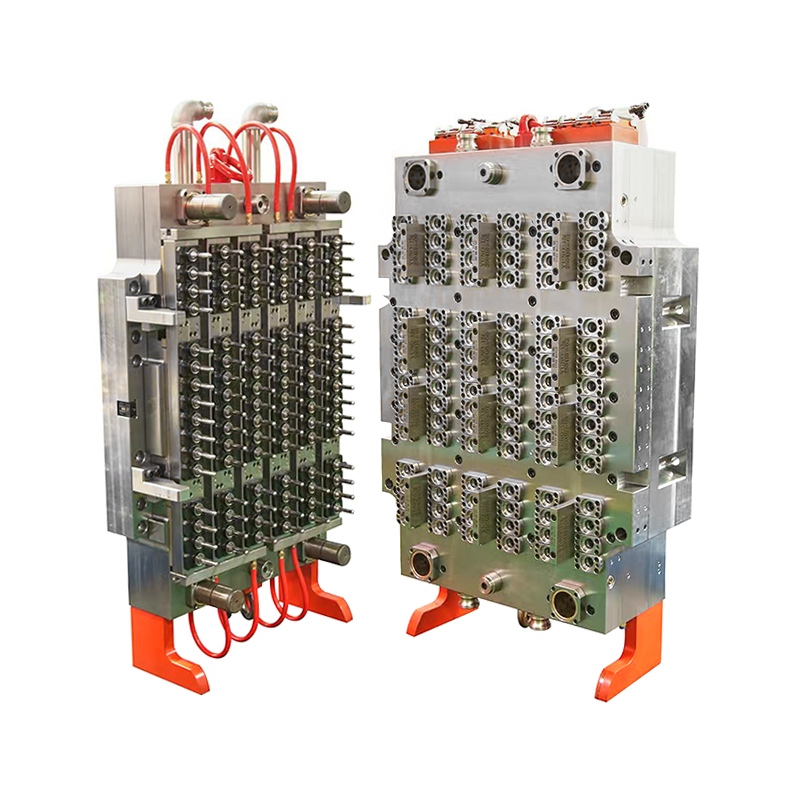
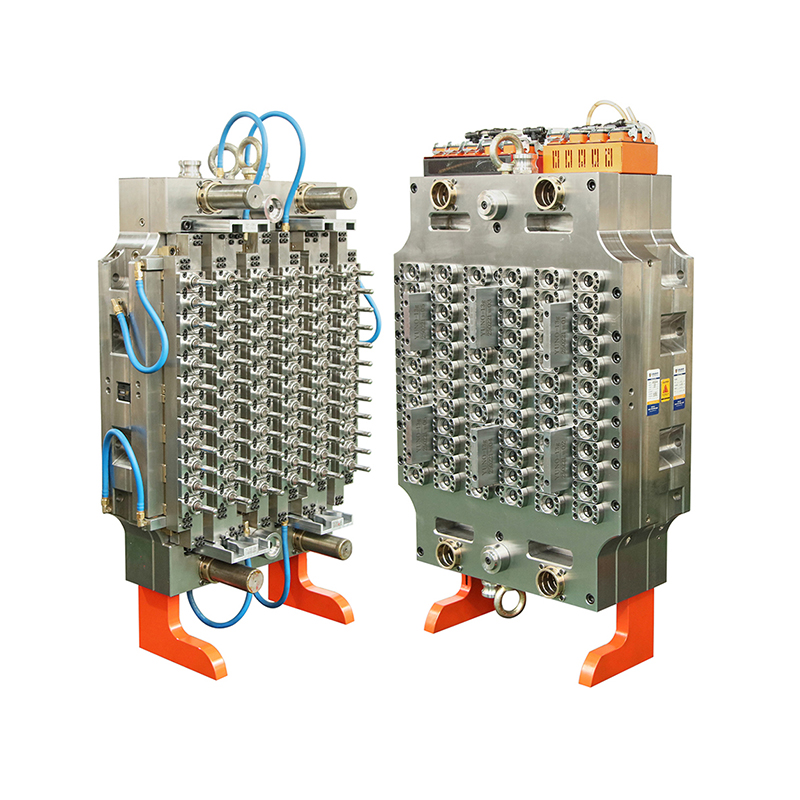
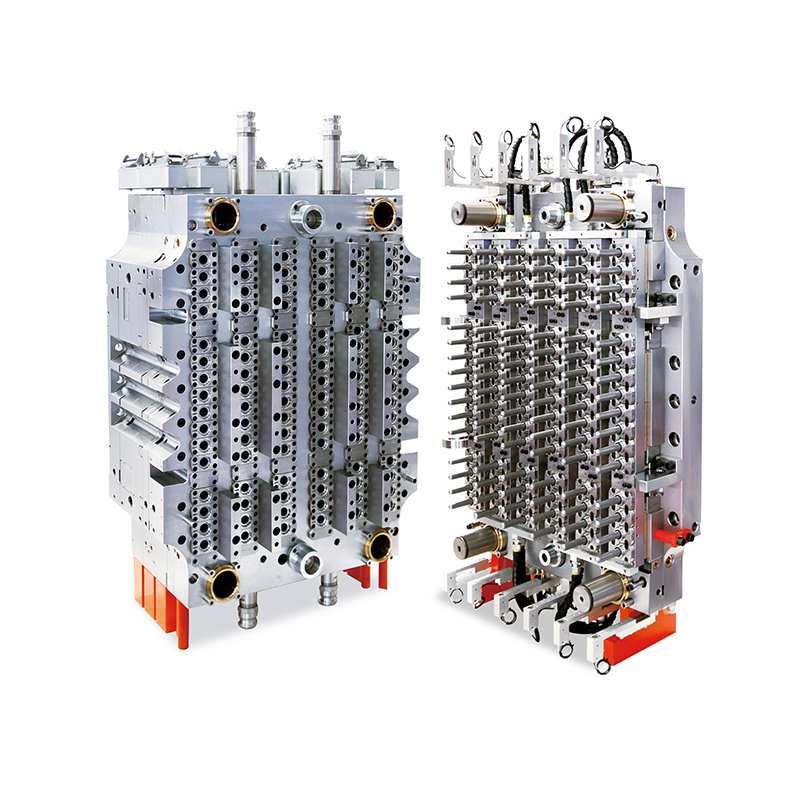
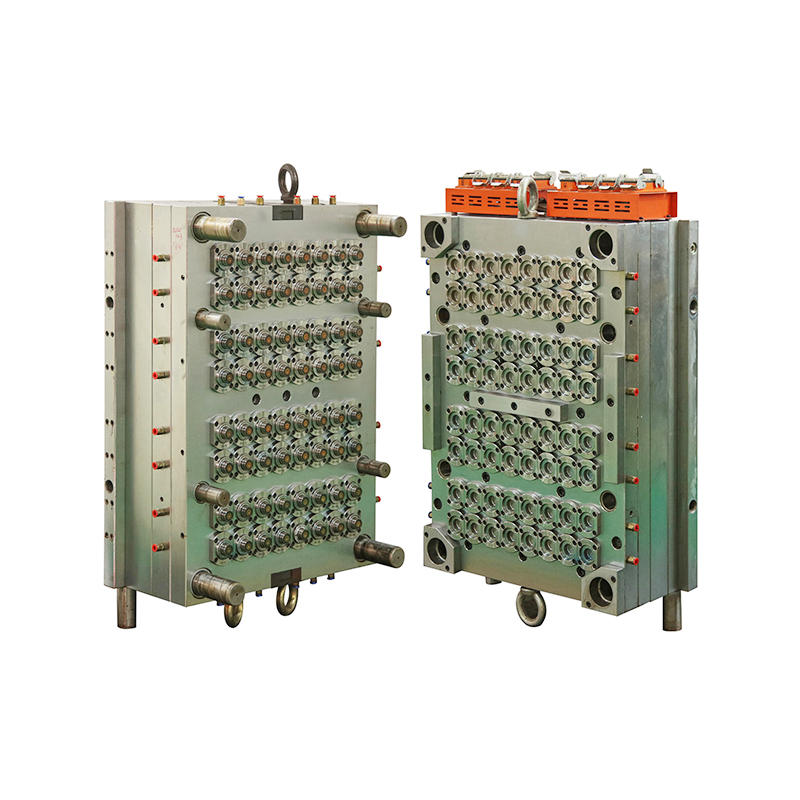
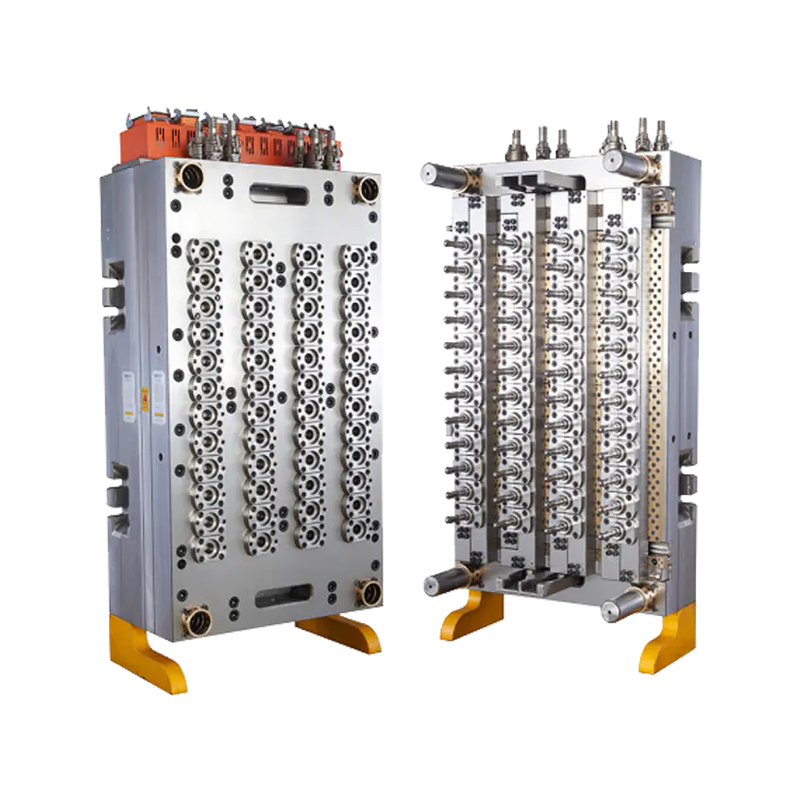
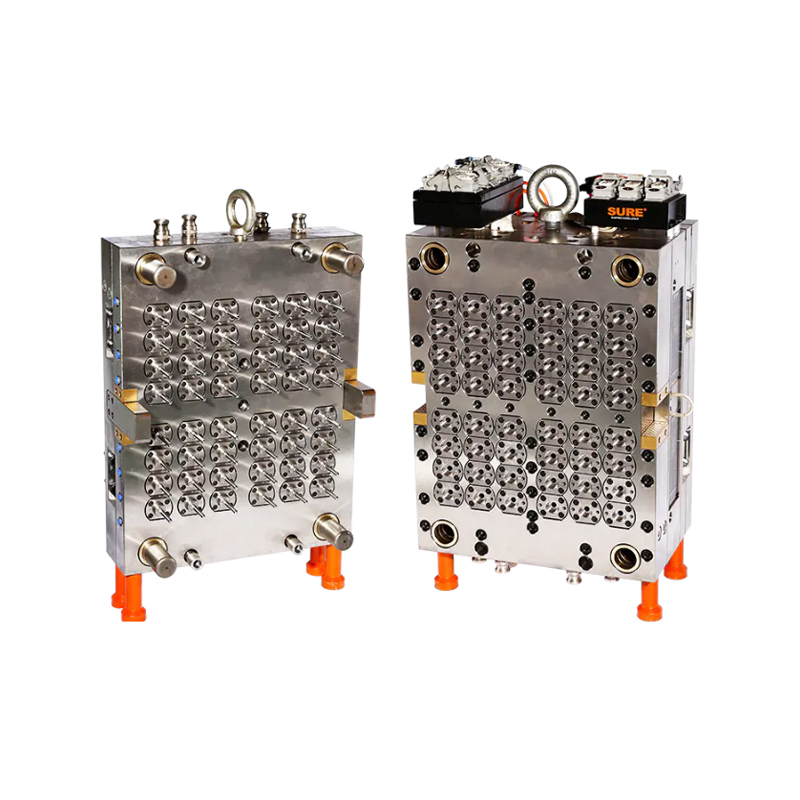
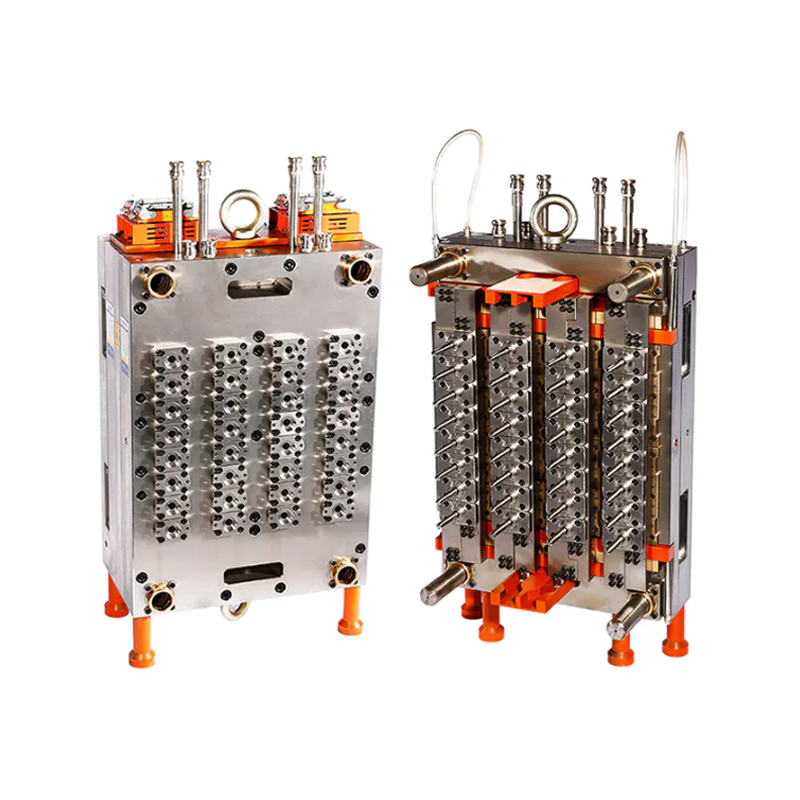
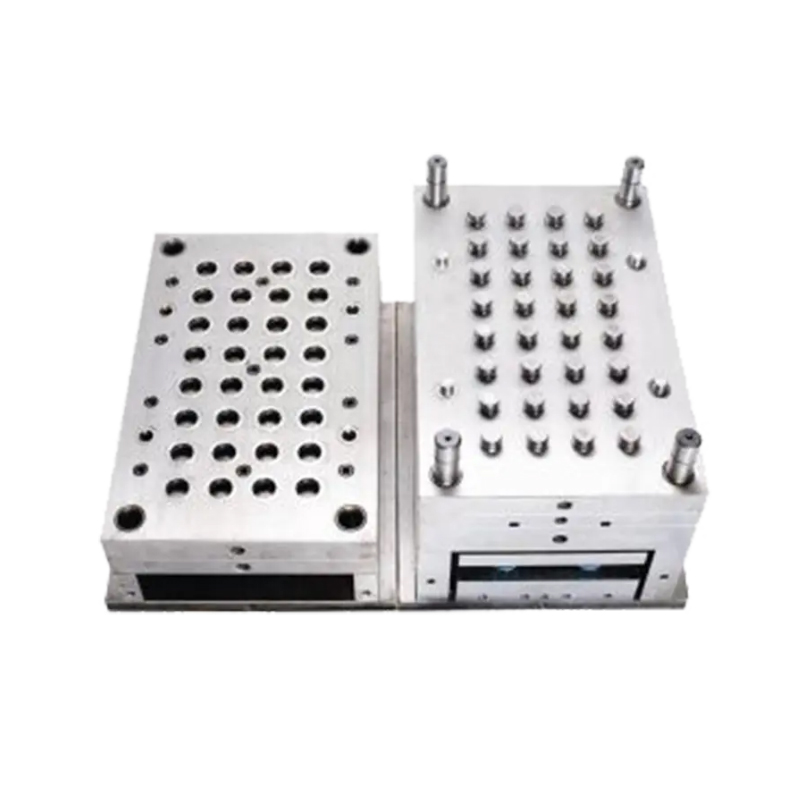
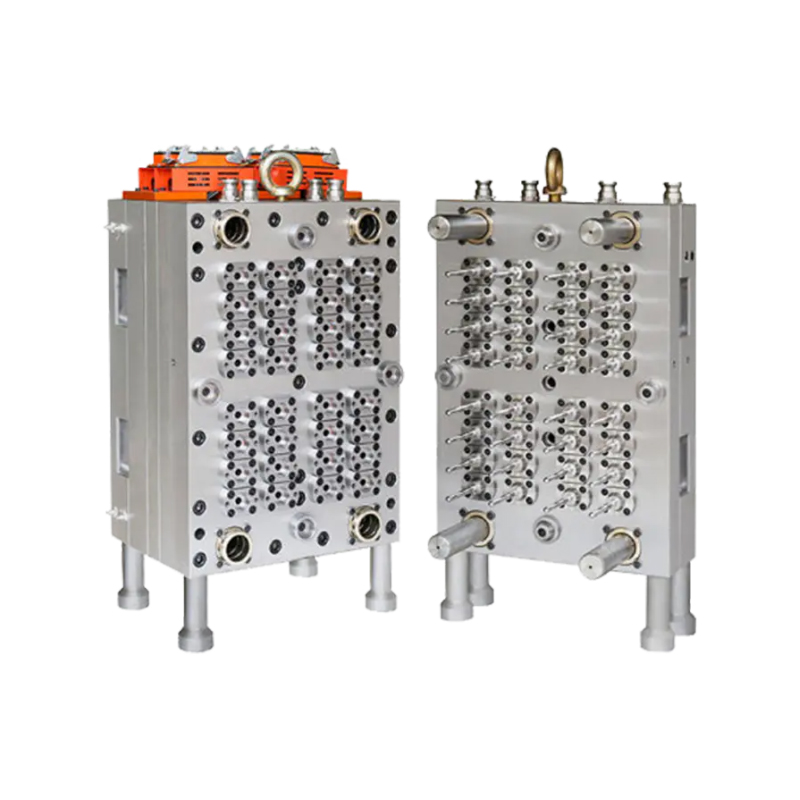
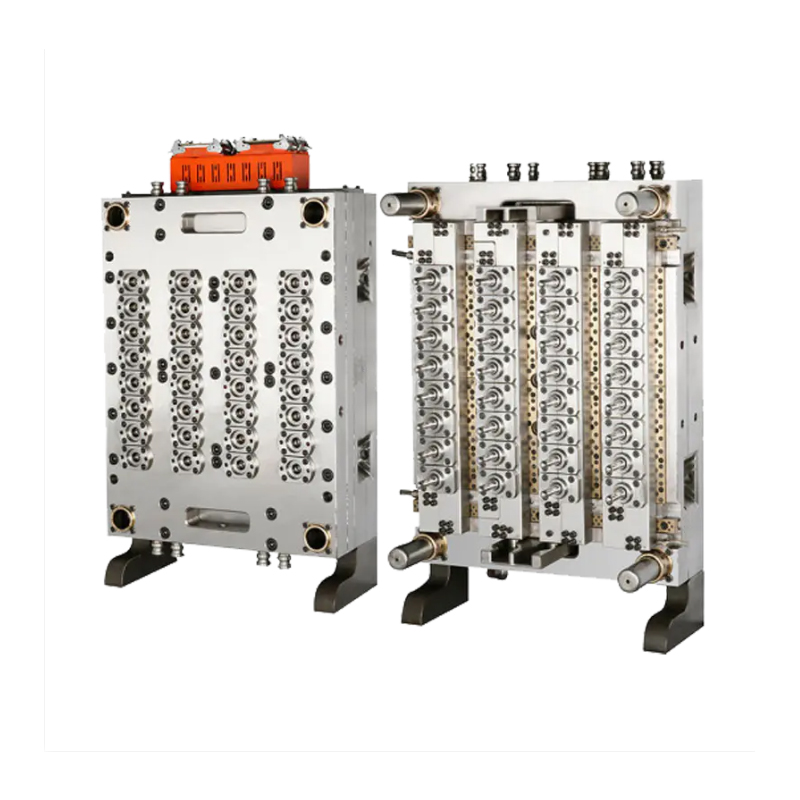
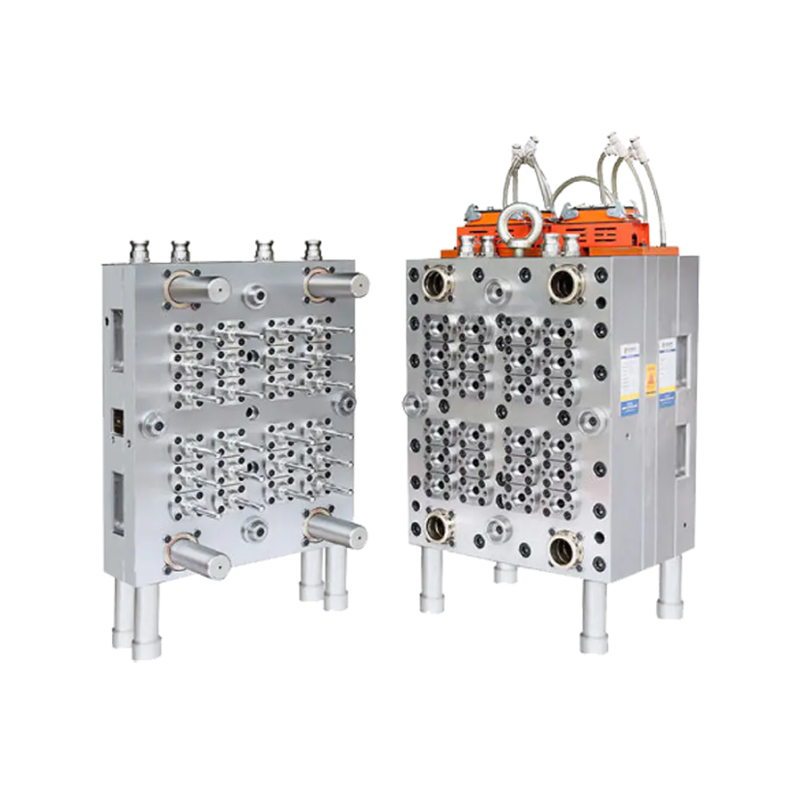
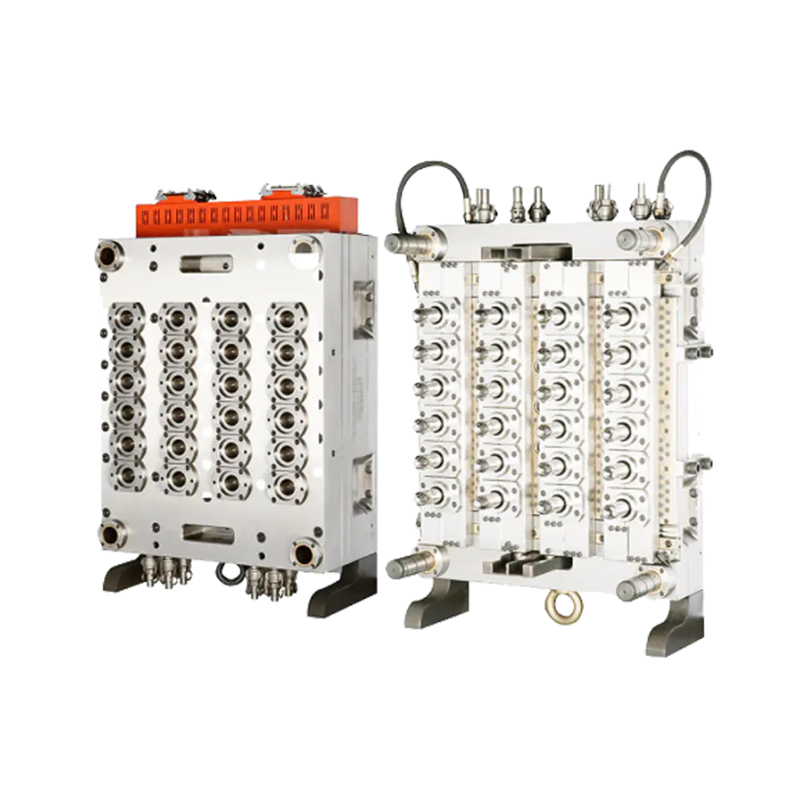
Few people ever see a medical mould, yet this chunk of precision-machined steel shapes objects used in clinics and hospitals every single day. Syringe barrels, inhaler housings, petri dishes, test tube racks — all of them begin life inside a medical mould, pressed from molten plastic in fractions of a second.
Not just any steel makes the cut. A medical mould must survive millions of injection cycles without losing its shape, so makers choose hardened tool steels that resist wear and corrosion. Some steels shrug off the aggressive cleaning agents used in medical settings; others hold a mirror polish that keeps plastic from sticking to cavity walls.
The choice happens long before any cutting begins. Engineers weigh hardness against machinability, because steel that is too tough turns every milling hour into a slow, careful battle.
Every medical mould starts as a digital model. Designers map out cavities, cooling channels, ejector pins, and gates — the tiny openings where molten plastic rushes in. The layout decides how evenly plastic fills the cavity and how smoothly parts release once cooled.
Medical parts leave little room for error. A syringe barrel with a tiny flaw fails its purpose immediately. Designers run flow simulations to predict how plastic will travel, then adjust gate positions and wall thicknesses until the virtual shot looks clean.
Watching a medical mould take shape feels like watching sculpture. Five-axis milling machines carve complex curves from solid steel blocks, guided by code written line by line. Electrical discharge machining handles the details cutters cannot reach, eroding metal away spark by spark.
Then comes the handwork. Skilled polishers spend days at a bench with stones and diamond paste, smoothing surfaces to a reflective shine. This manual step separates good tooling from genuinely remarkable tooling.
Inside every medical mould runs a hidden network of channels carrying temperature-controlled water. Cooling time dominates each production cycle, so designers chase efficient layouts that pull heat from the plastic quickly and evenly.
Uneven cooling warps parts. A petri dish that cools faster on one side emerges with a subtle twist, and subtle twists ruin stacking and sealing. Balancing the channels takes experience, intuition, and plenty of trial shots with test material.
Before any customer receives a medical mould, the workshop runs it hard. Technicians mount it on an injection machine and produce sample after sample, measuring dimensions with micrometers and coordinate measuring machines. They check wall thickness, gate marks, and surface finish against drawings.
Problems found here go back for adjustment — a gate relocated, a pin resized, a vent channel deepened. This loop of test and refine can repeat for weeks until every part matches the design intent.
It is humbling to consider: a single medical mould, barely larger than a shoebox, governs the shape of objects that touch millions of lives. The steel carries no signature, and the craftsman rarely meets the end user. The work speaks through every smooth, consistent, quietly reliable part that comes off the production line.
That is the world inside these workshops — where microns matter, patience rules, and a well-made mould keeps doing its job, shot after shot, year after year.

No.148 Yongda Road, Jiangkou Street, Huangyan, Taizhou, Zhejiang, China.

yn@tzyuno.com

+86-576-84111565

+86-13575806039


Copyright © Taizhou Huangyan Yuno Mould Co., Ltd.
Plastic Mould Factory