

 英语
英语 法语
法语
Address
No.148 Yongda Road, Jiangkou Street, Huangyan, Taizhou, Zhejiang, China.
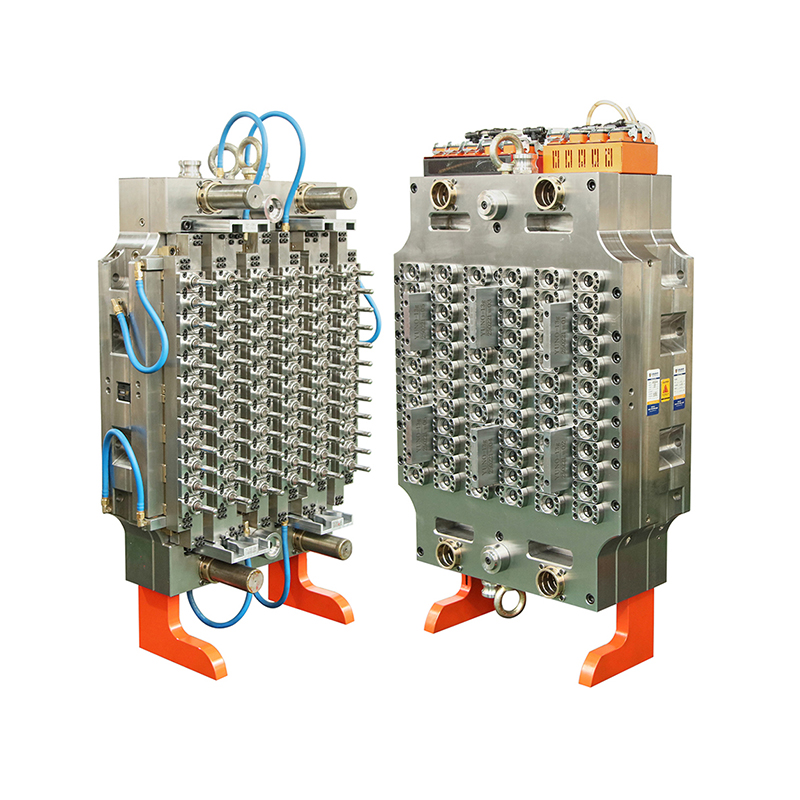
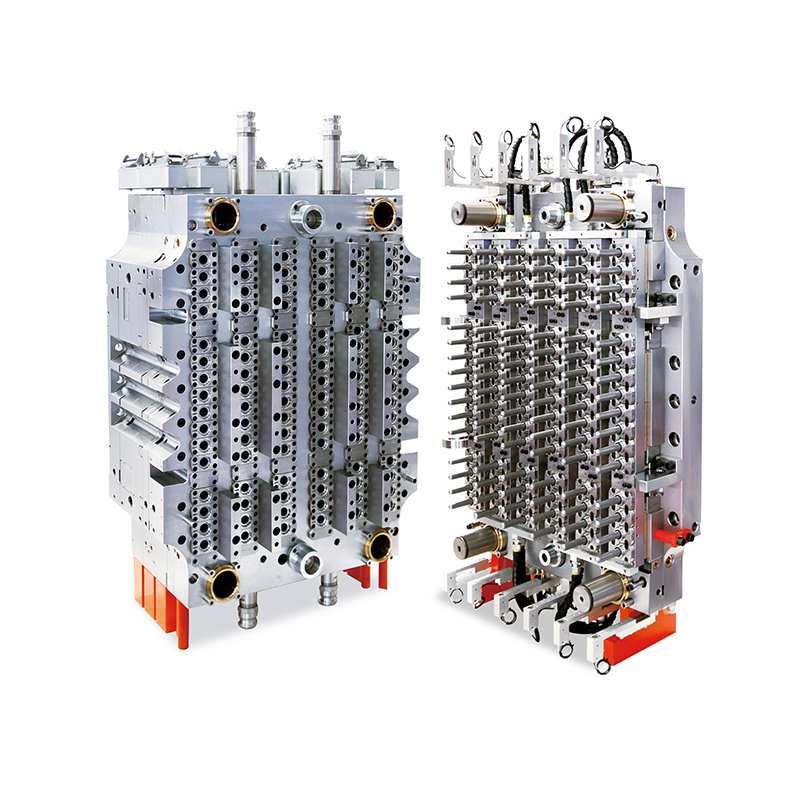
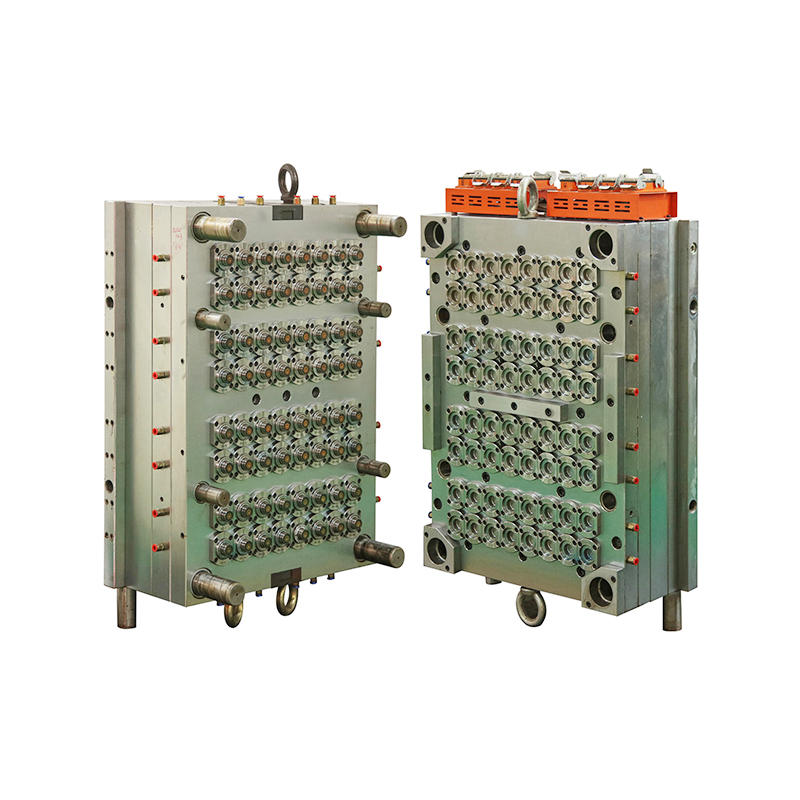
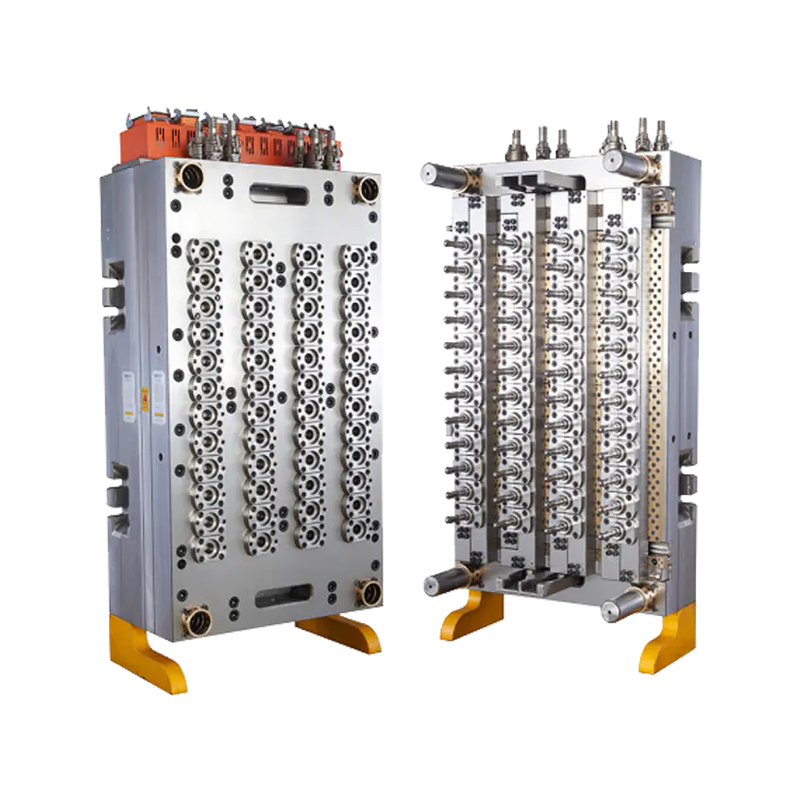
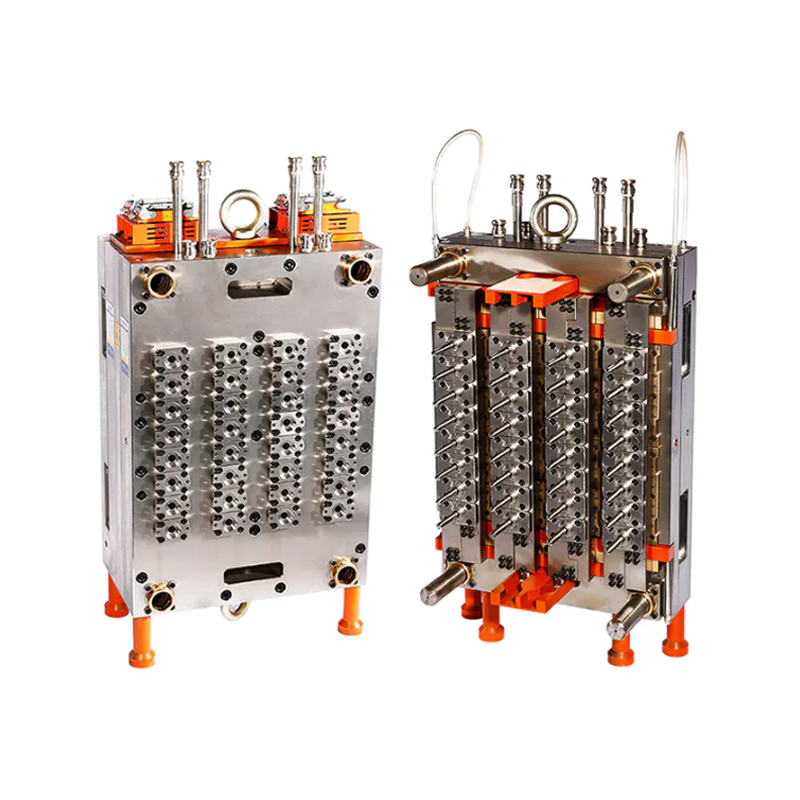
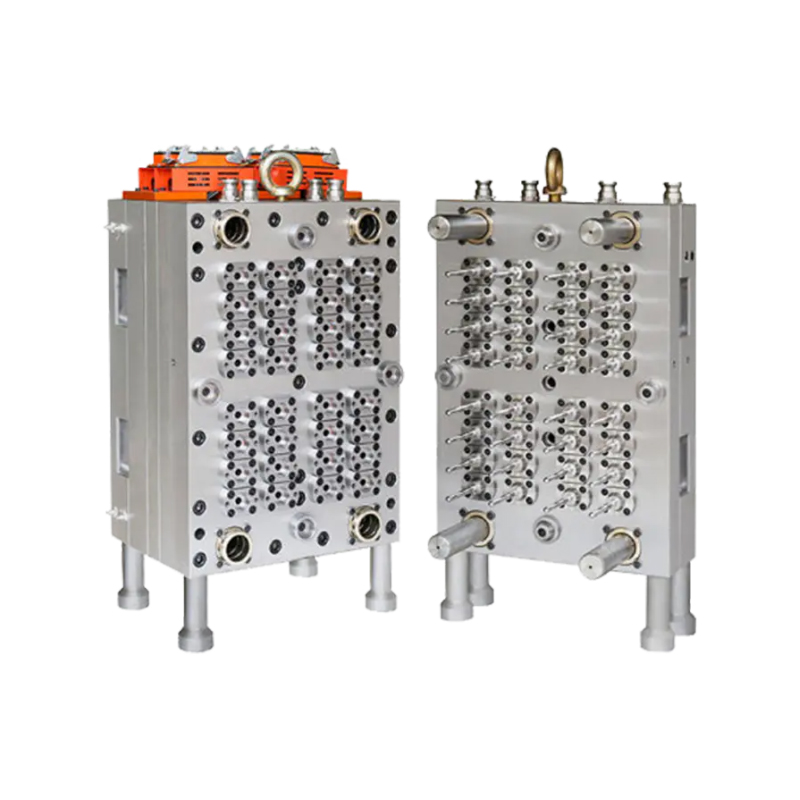
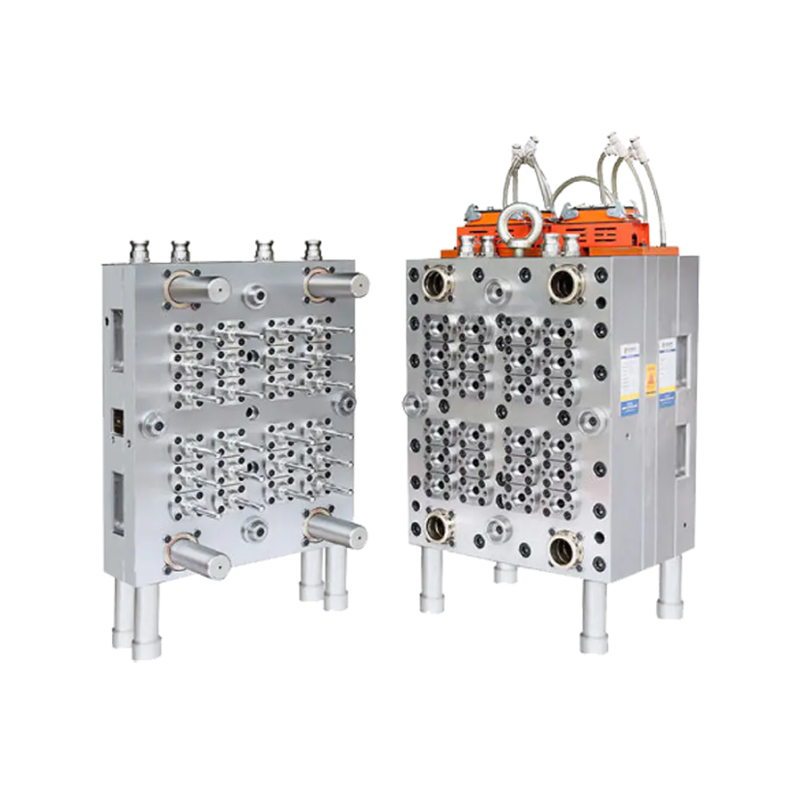
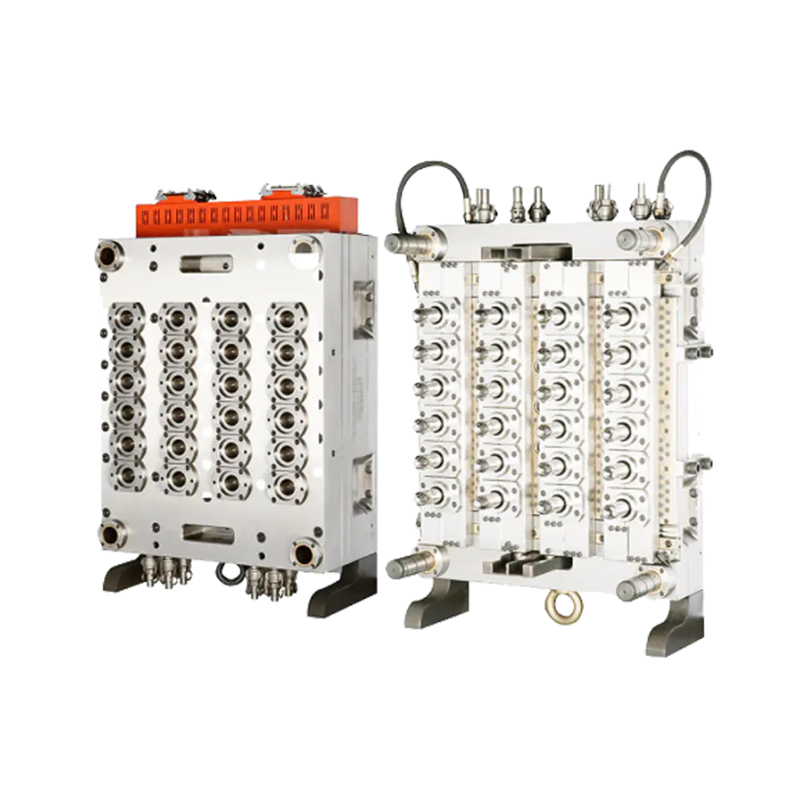
Ask someone outside the manufacturing world what a cosmetic mould is, and they'll probably picture something fairly simple — a shaped cavity that plastic gets pressed into. The mould controls wall thickness, parting line placement, draft angles, gate location, and a dozen other variables that determine whether the finished piece looks the way it's supposed to and holds up in real-world use.
A lipstick tube that wobbles, a compact lid that won't stay shut, a dropper cap that cracks after a few months — these aren't always formulation problems or assembly errors. Quite often, they trace back to a mould that wasn't engineered carefully enough from the start. Fixing issues after tooling is complete is expensive and slow. Getting the mould right the first time is almost always the cheaper path, even when the upfront cost feels steep.
The material a cosmetic mould is made from shapes everything about how it performs over time. Hardened steel is the go-to for high-volume production — it handles heat and pressure well, holds its dimensions through millions of cycles, and generally doesn't require much rework once it's dialed in. The downside is cost and lead time. A complex steel mould can take weeks to machine, and the price reflects that.
Aluminum is a different story. It's faster to cut, easier to modify, and noticeably cheaper. For brands running shorter production runs or working through multiple design iterations before committing to a final form, aluminum tooling makes sense. The trade-off is longevity — aluminum wears faster under repeated stress, and at high volumes you'll eventually see dimensional drift that affects part quality.
There's a tactile dimension to cosmetic mould work that doesn't get discussed enough. The texture inside the mould cavity transfers directly to the finished part — a mirror-polished cavity produces a glossy surface, a bead-blasted or etched cavity creates matte and textured effects. This sounds straightforward, but the execution takes real skill.
Inconsistent polishing leaves visible streaks or patches. A texture that's too aggressive can trap air and create cosmetic defects. And if the finish isn't matched correctly to the resin being used, the part may look fine in the sample stage but shift under production conditions when cycle times and temperatures stabilize.
The push toward greener packaging has added a new layer of complexity to cosmetic mould engineering. Bio-based resins, PCR (post-consumer recycled) plastics, and mono-material designs all behave differently from the conventional plastics that most tooling was originally designed around. Some flow more unpredictably. Others require adjusted cooling times. A few are noticeably more abrasive, which accelerates mould wear in ways that standard maintenance schedules don't account for.
Brands moving in this direction need mould makers who've actually worked with these materials — not just teams who are willing to try. Beyond material compatibility, there's also growing interest in modular mould systems, where shared bases can accept interchangeable cavities for different SKUs. The appeal is obvious: one tooling investment covers multiple products, and switching between formats doesn't require building from scratch.





No.148 Yongda Road, Jiangkou Street, Huangyan, Taizhou, Zhejiang, China.

yn@tzyuno.com

+86-576-84111565

+86-13575806039


Copyright © Taizhou Huangyan Yuno Mould Co., Ltd.
Plastic Mould Factory