

 英语
英语 法语
法语
Address
No.148 Yongda Road, Jiangkou Street, Huangyan, Taizhou, Zhejiang, China.
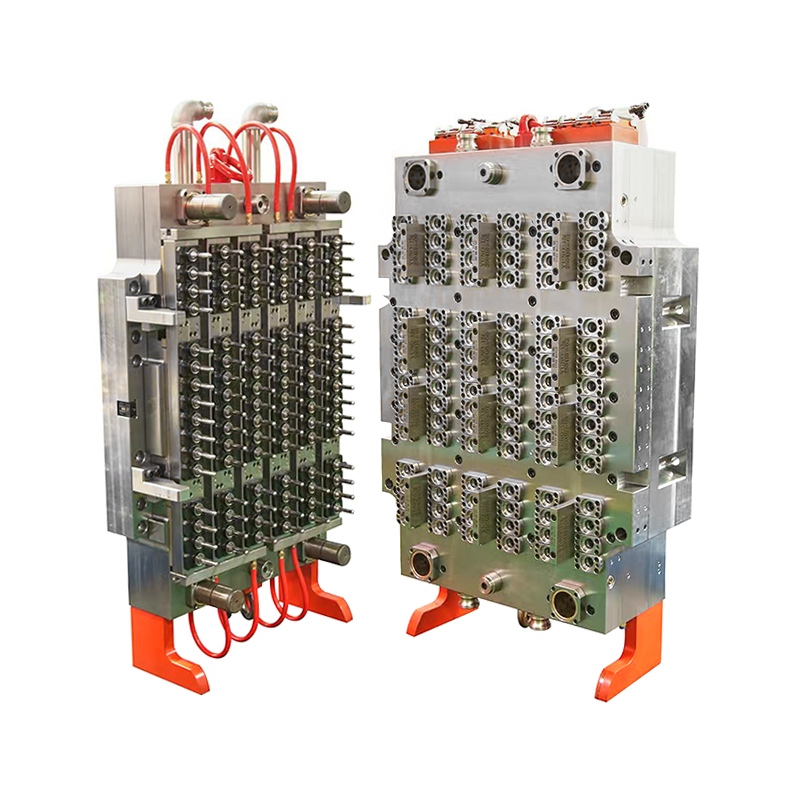
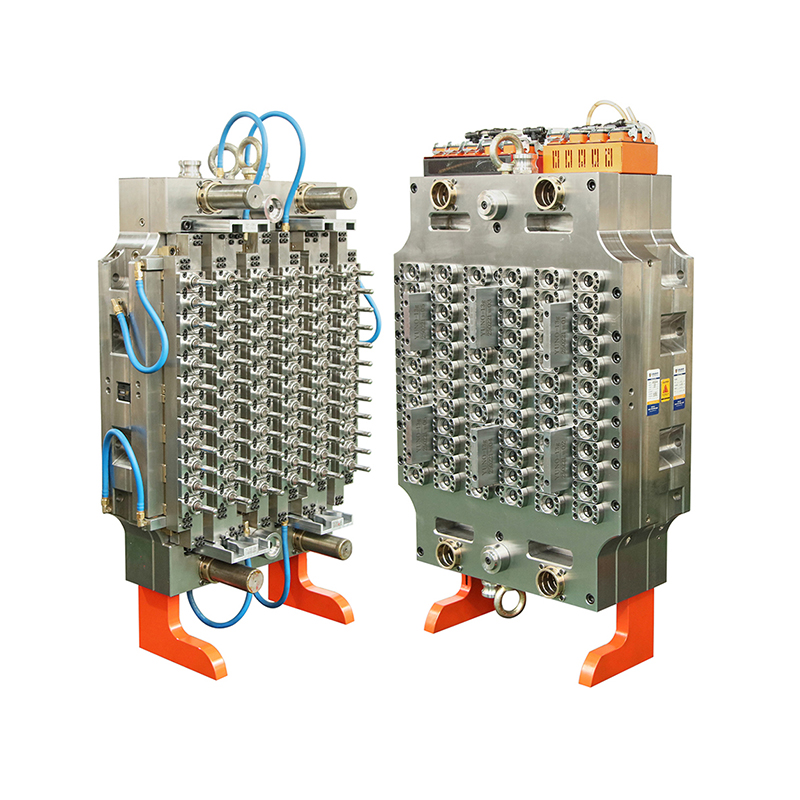
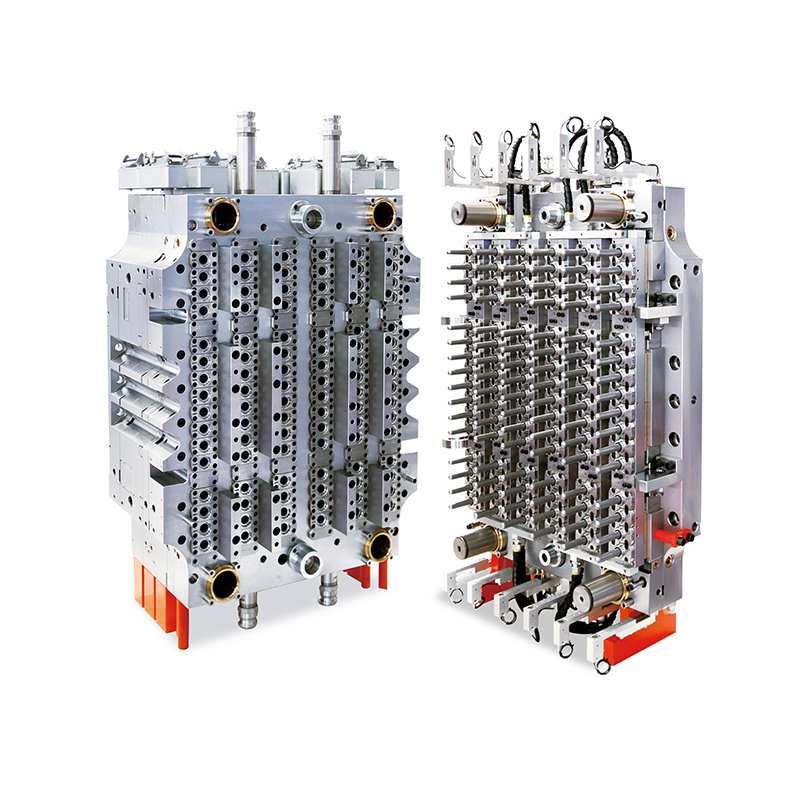
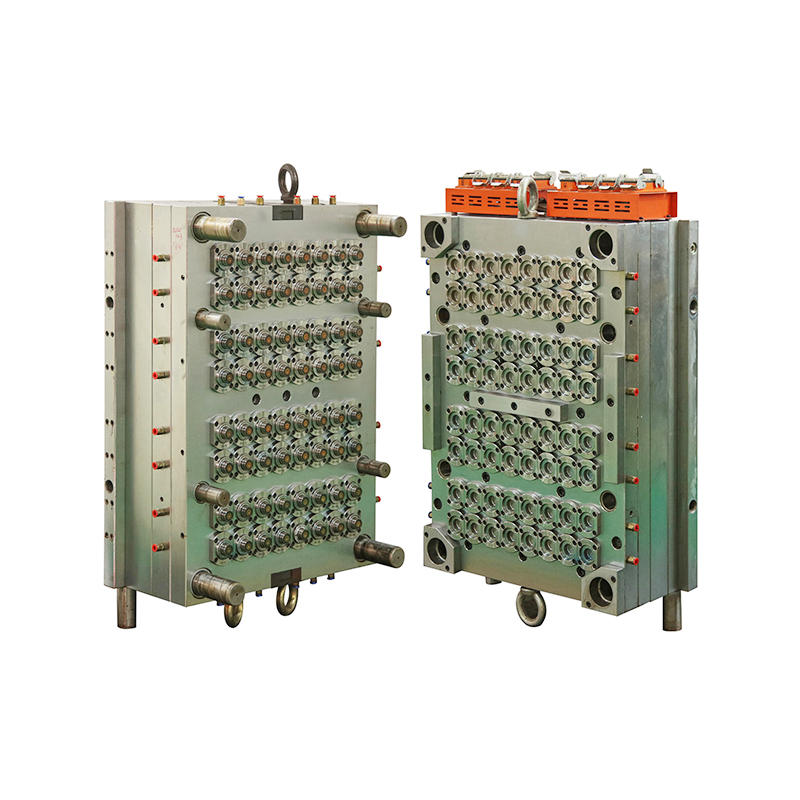
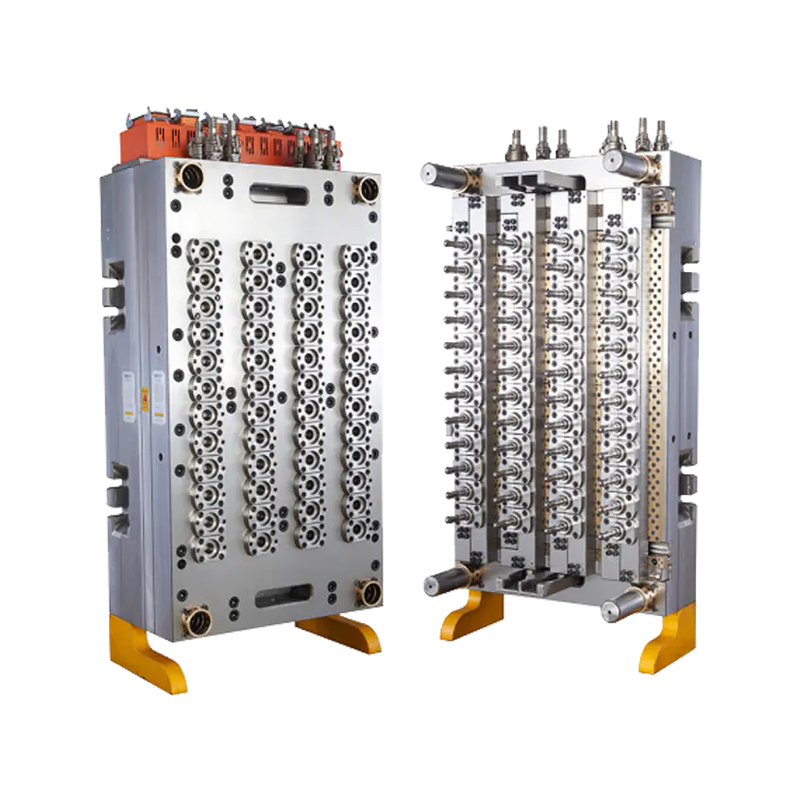
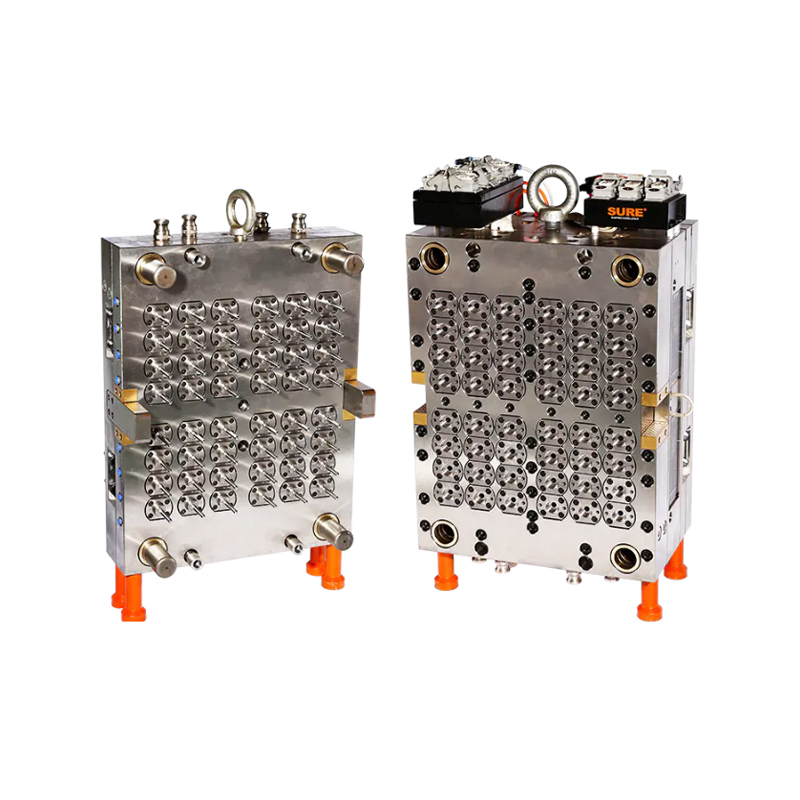
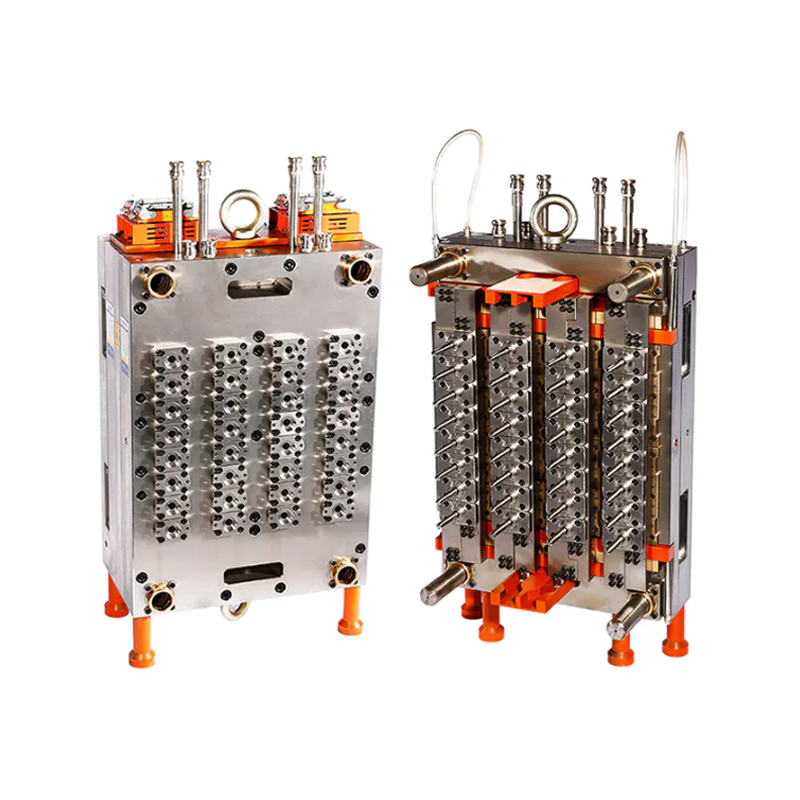
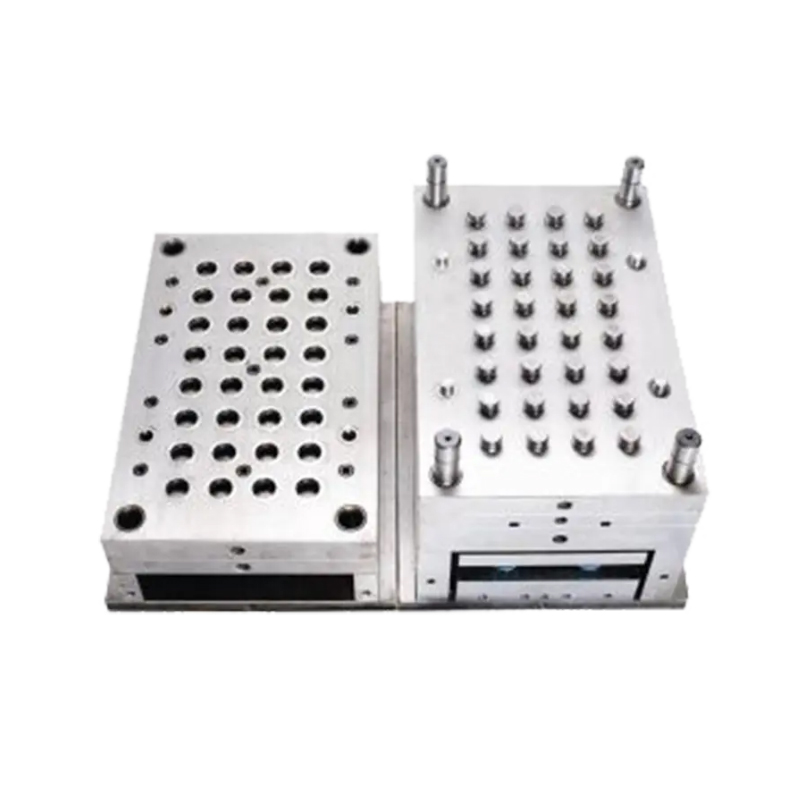
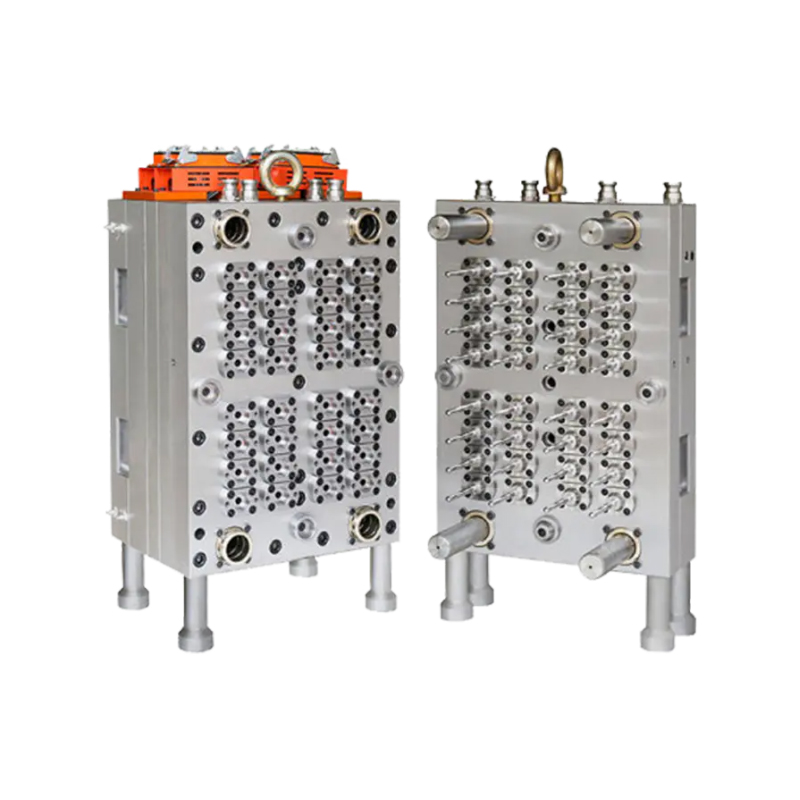
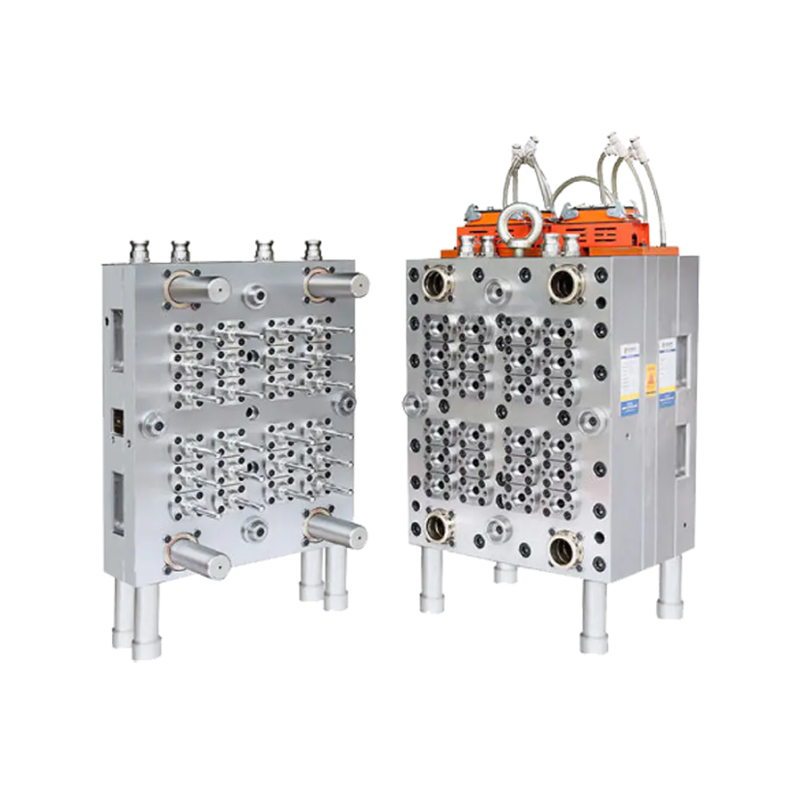
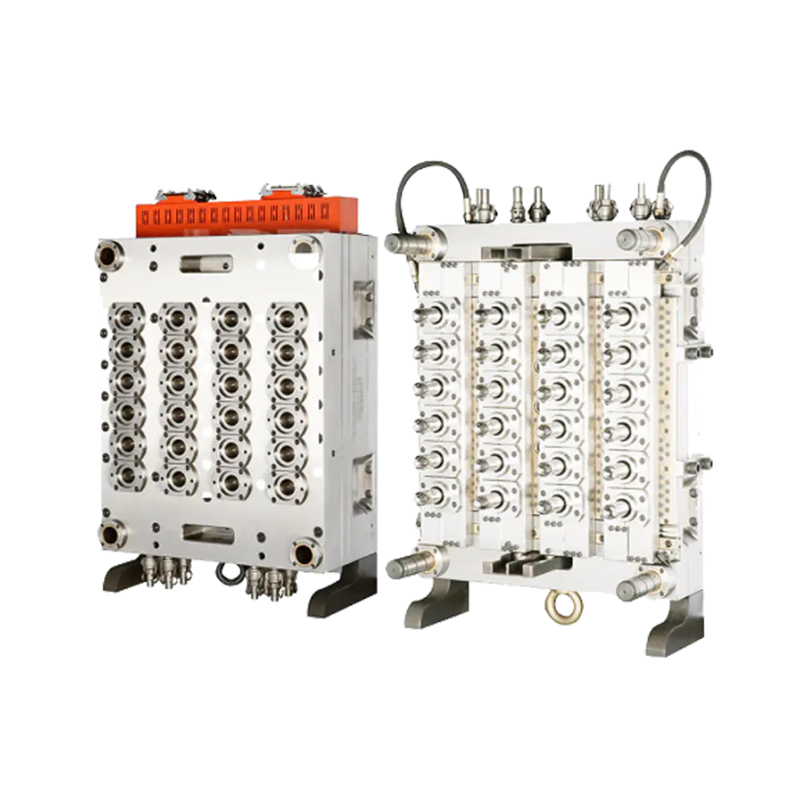
Factories use several types of cap mold depending on what they need to produce. Single-cavity versions often handle smaller batches or special orders, while multi-cavity moulds support larger runs for common beverage caps. Some focus on standard screw caps, others on flip-top designs or sports closures with drink spouts.
The moulds match common neck finishes used on bottles across the industry. Certain versions include space for tamper-evident rings that show when a cap has been opened. Many include hot runner systems that keep material flowing evenly during each cycle. Production teams pick the mould style based on the cap design and the machines running in their facility.
Cap molds are made from steel grades that stand up to the pressure and heat of repeated injection cycles. The core and cavity sections are machined carefully to give smooth surfaces and accurate thread profiles on every cap produced. Cooling lines inside the mould help control temperature so the plastic sets evenly from one part to the next.
Some moulds have surface finishes that allow clean release of the caps after forming. Interchangeable inserts let operators make small changes to features without changing the whole mould base. Good alignment between mould halves keeps everything in position during steady production shifts.
The cap mold works in the injection stage where melted plastic is pushed into the cavities under set pressure and temperature. After a short cooling period, the mould opens and the formed caps come out. From there, they move on to counting, sorting, or direct feeding to bottling lines.
This mould controls important measurements like the sealing lip and thread fit, which affect how well the cap stays on the container. Steady performance helps keep cap weights and dimensions consistent across shifts. Workers check sample caps regularly to make sure the line stays on track without major interruptions.
Cap molds appear in many areas of the packaging world. Beverage companies use them for water bottle caps, soft drink lids, and closures for juices or sports drinks. Food producers rely on them for caps on sauces, cooking oils, honey jars, and dairy containers where a reliable seal matters.
In personal care and household sectors, the moulds create lids for shampoos, detergents, and cleaning products. Some caps include child-resistant features formed directly in the mould for certain product categories. Large bottling plants run high-cavity moulds to keep up with daily volumes, while smaller operations choose moulds with fewer cavities for easier changeovers between designs.
The same mould technology supports caps in different colors and with various liner materials according to customer needs. Whether for retail shelves or industrial packaging, these moulds help maintain the supply of closures that keep products contained during transport and storage.
Cap mold remains a common tool in closure manufacturing. Its role in forming practical plastic caps supports the flow of packaged goods through filling plants and onto store shelves. Companies continue to use these moulds to match the cap requirements of their product lines and customer orders.


No.148 Yongda Road, Jiangkou Street, Huangyan, Taizhou, Zhejiang, China.

yn@tzyuno.com

+86-576-84111565

+86-13575806039


Copyright © Taizhou Huangyan Yuno Mould Co., Ltd.
Plastic Mould Factory