

 英语
 法语

Address
No.148 Yongda Road, Jiangkou Street, Huangyan, Taizhou, Zhejiang, China.
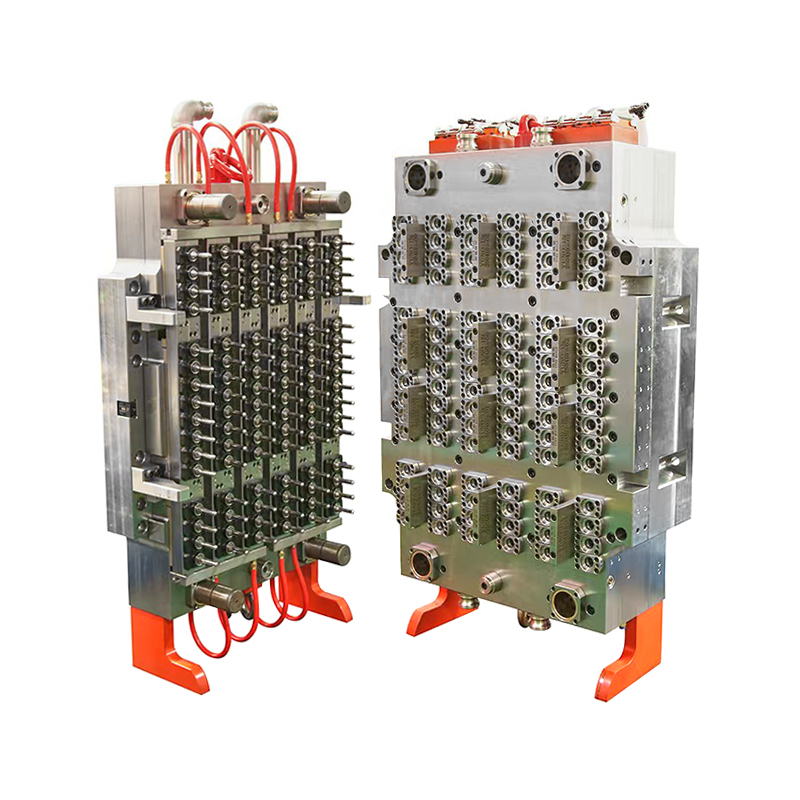
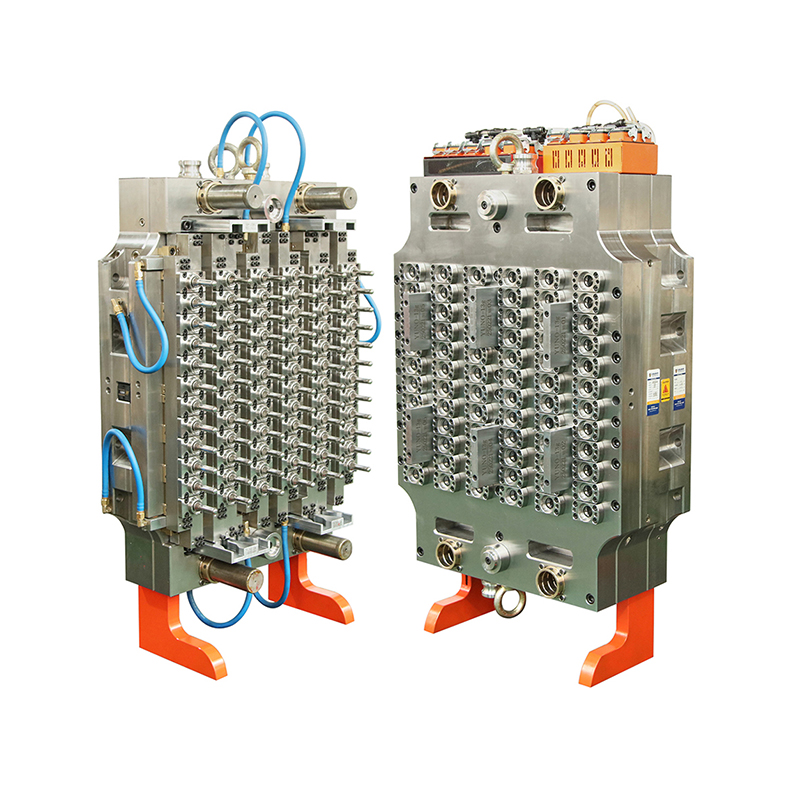
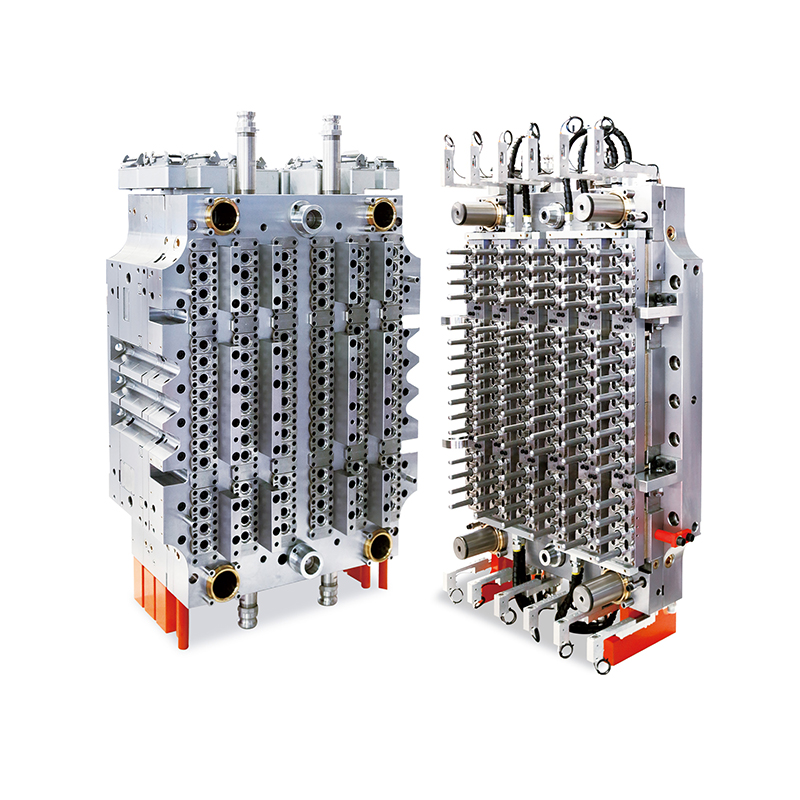
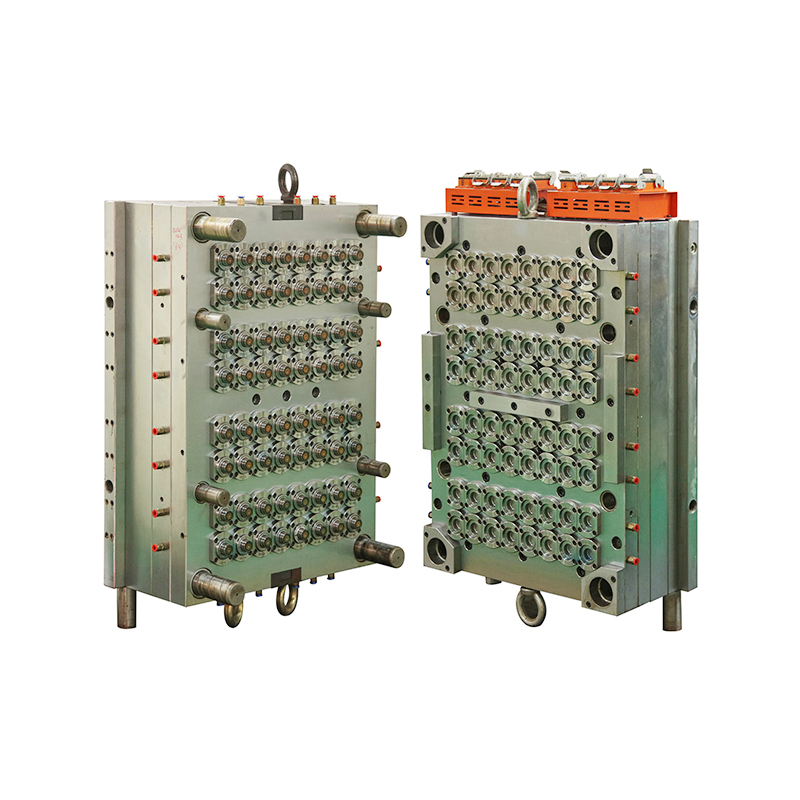
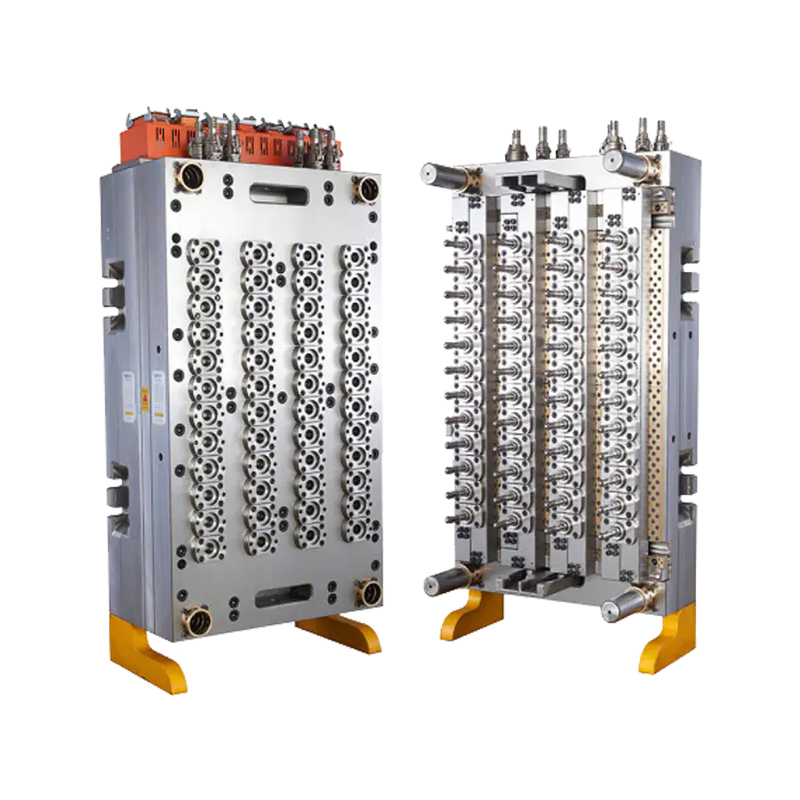
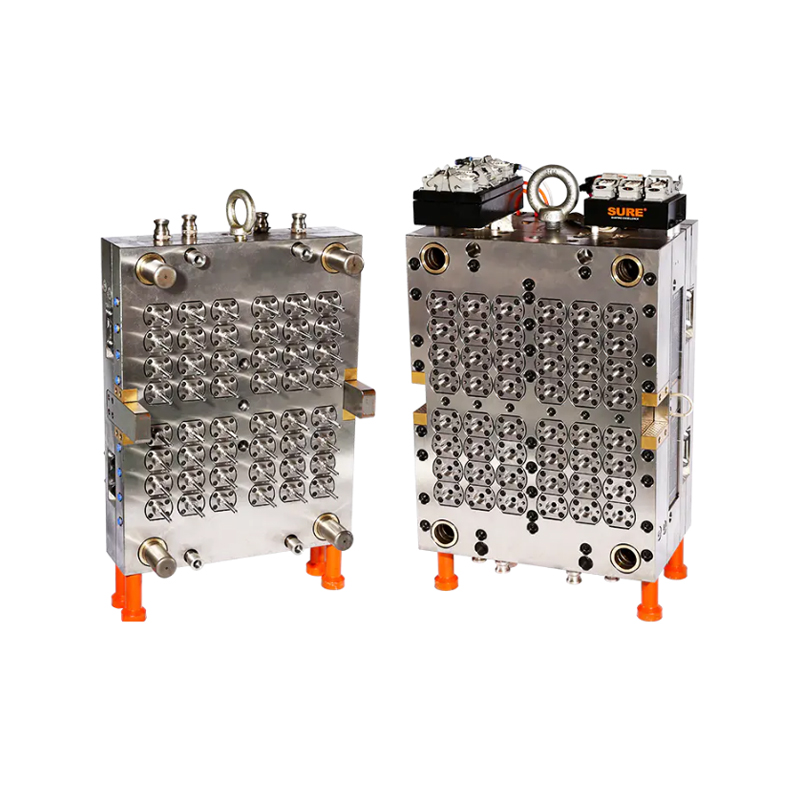
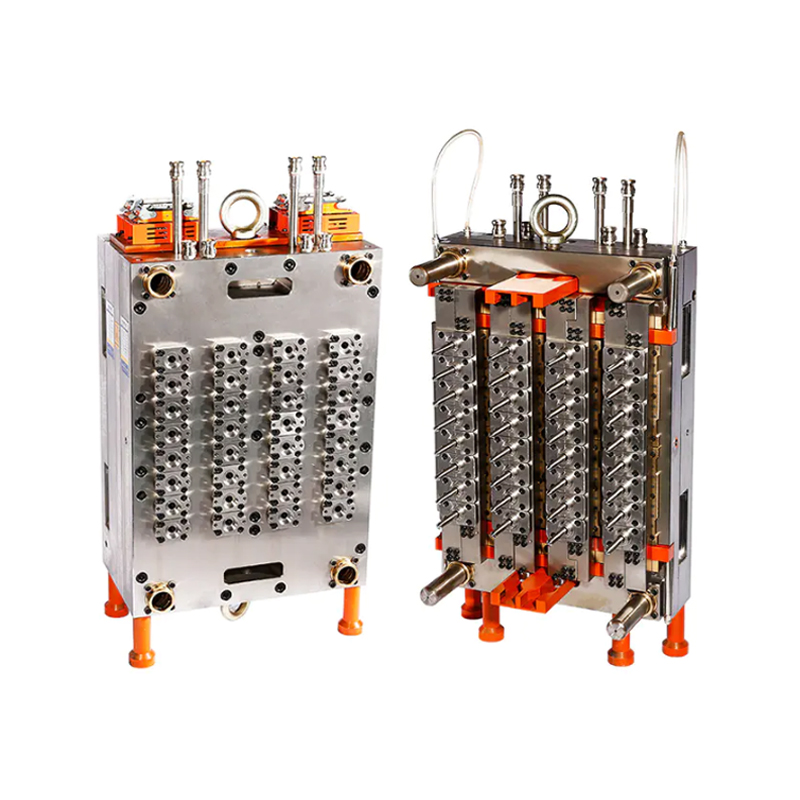
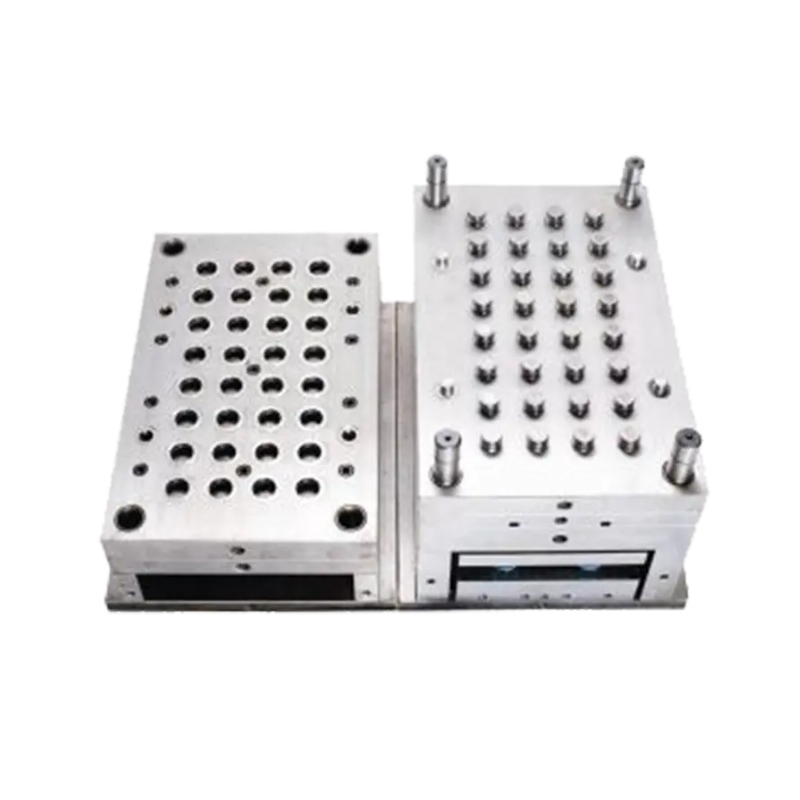
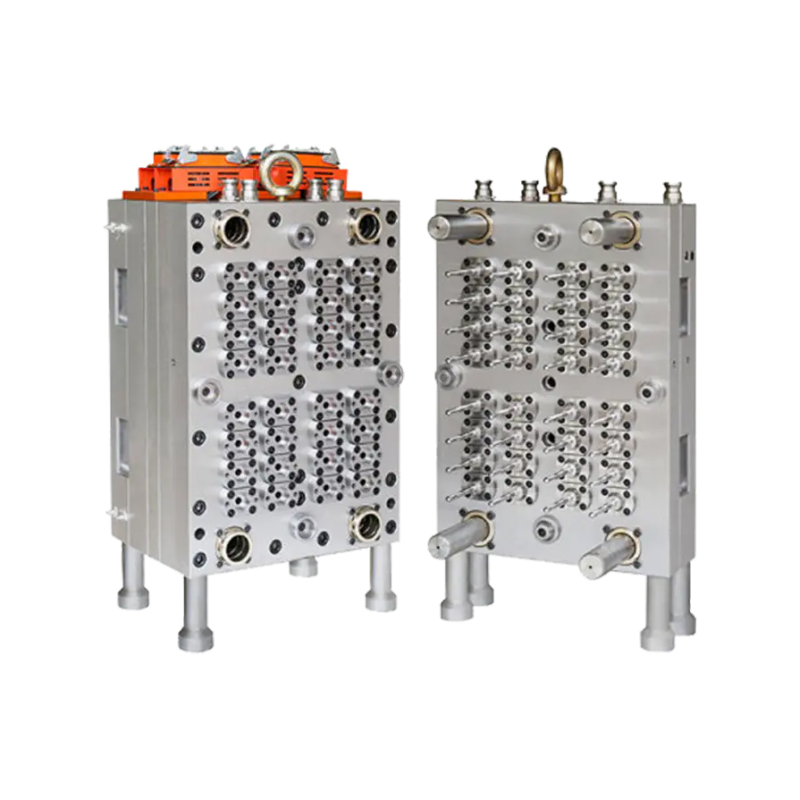
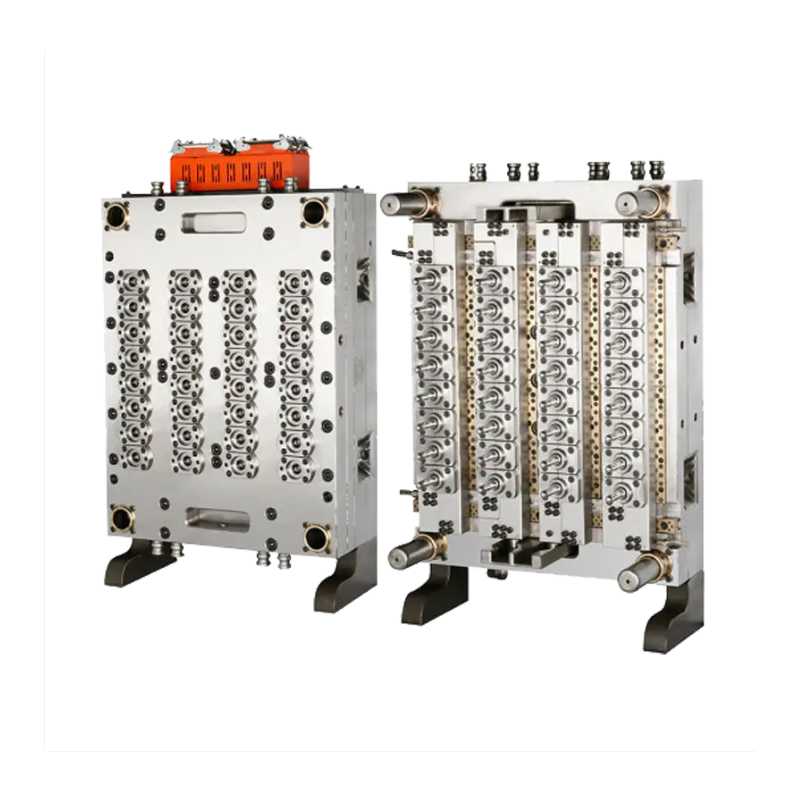
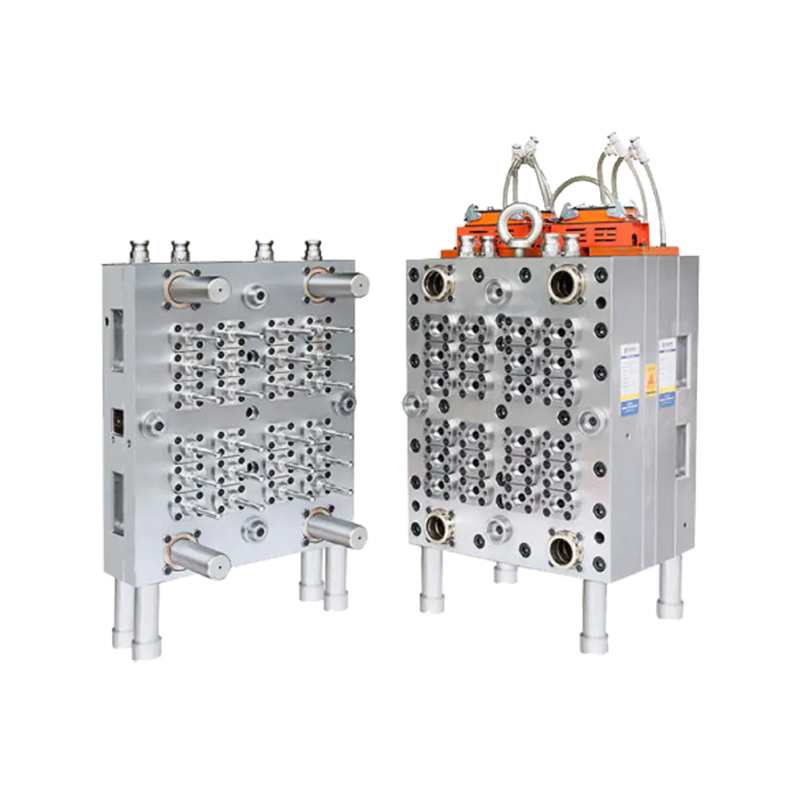
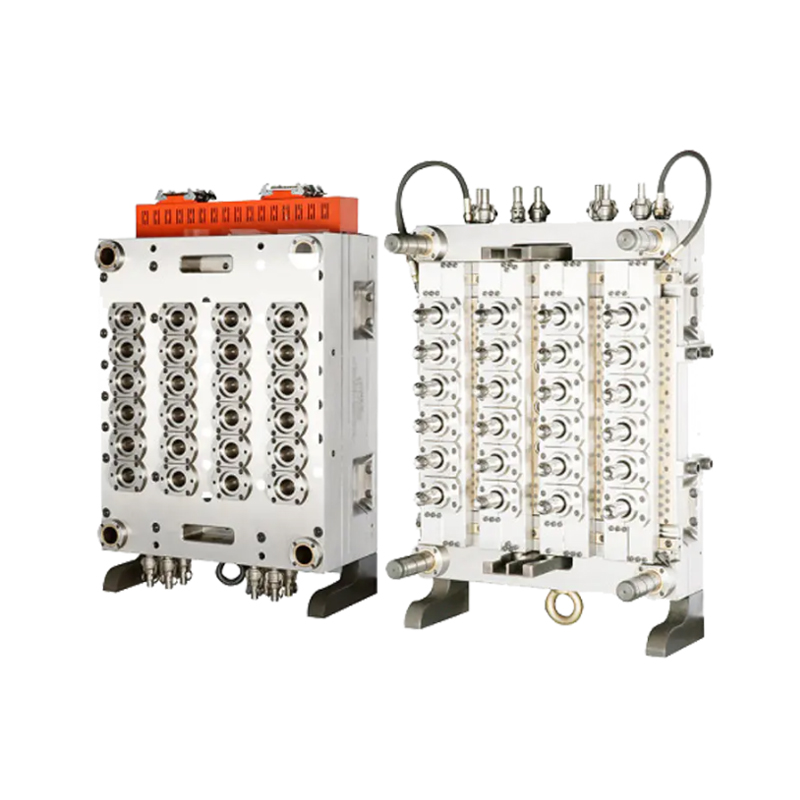
Pet preform mold units play a central role in the injection stage that creates the tube-shaped intermediates later blown into bottles. Overseas buyers evaluating these tools usually focus on dimensional accuracy, cycle time, and long-term stability under repeated high-pressure injection. Understanding the construction and production of a Pet preform mold helps purchasing teams match the tool to their output volume and resin type.
Tool steel forms the main body of a Pet preform mold. Grades with balanced hardness and toughness resist wear from the abrasive flow of PET resin while holding tight cavity dimensions. After rough machining, heat treatment brings the steel to the required hardness range. Surface polishing or coating then reduces friction so the preform releases cleanly without sticking or surface marks.
Hardness consistency across the cavity and core plates matters because uneven hardness can cause premature wear in high-cavity tools. Suppliers often specify the steel grade and hardness range so buyers can compare options against their expected annual shot counts. A Pet preform mold built from properly treated steel maintains gate and neck finish over extended production runs.
Each cavity in a Pet preform mold reproduces the exact outer shape, wall thickness, and neck finish of the preform. Core pins form the inner surface and must align precisely with the cavity to keep wall thickness uniform. Gate location and size influence how the molten PET fills the cavity and how easily the residual gate can be trimmed later.
Multi-cavity layouts arrange several identical cavities on one mold base. Balanced runner systems deliver equal resin volume and pressure to every cavity so that all preforms in a shot share the same weight and dimensions. Alignment features such as guide pillars and interlocks keep the two mold halves matched after thousands of openings and closings.
Cooling channels run close to the cavity surfaces. Efficient cooling shortens the time needed for the preform to solidify enough for ejection. Channel layout and diameter affect temperature uniformity; uneven cooling can produce warpage or residual stress in the finished preform.
When reviewing a Pet preform mold proposal, examine the proposed steel grade, cavity count, and cooling layout against the planned production volume. Request drawings that show gate positions, venting, and cooling channel routes. Confirm that the mold base matches the platen size and clamp force of the intended injection machine.
Trial data from similar tools can indicate expected dimensional stability and surface quality. Discuss how the supplier handles cavity numbering and spare-part availability so that individual cavities can be replaced if needed without rebuilding the entire mold.
A Pet preform mold that combines accurate geometry, effective cooling, and durable materials supports steady output of uniform preforms. Clear technical discussion between the mold maker and the preform producer allows both sides to settle on a configuration that fits the required output rate and resin processing window.
Selecting a suitable Pet preform mold involves more than choosing the required cavity count. Steel properties, cavity and core alignment, gate design, and cooling channel layout all influence preform consistency and production efficiency. For overseas buyers, reviewing these technical details and matching the mold specifications to the injection machine and production targets helps establish a reliable manufacturing setup.

No.148 Yongda Road, Jiangkou Street, Huangyan, Taizhou, Zhejiang, China.

yn@tzyuno.com

+86-576-84111565

+86-13575806039


Copyright © Taizhou Huangyan Yuno Mould Co., Ltd.
Plastic Mould Factory