

 英语
 法语

Address
No.148 Yongda Road, Jiangkou Street, Huangyan, Taizhou, Zhejiang, China.
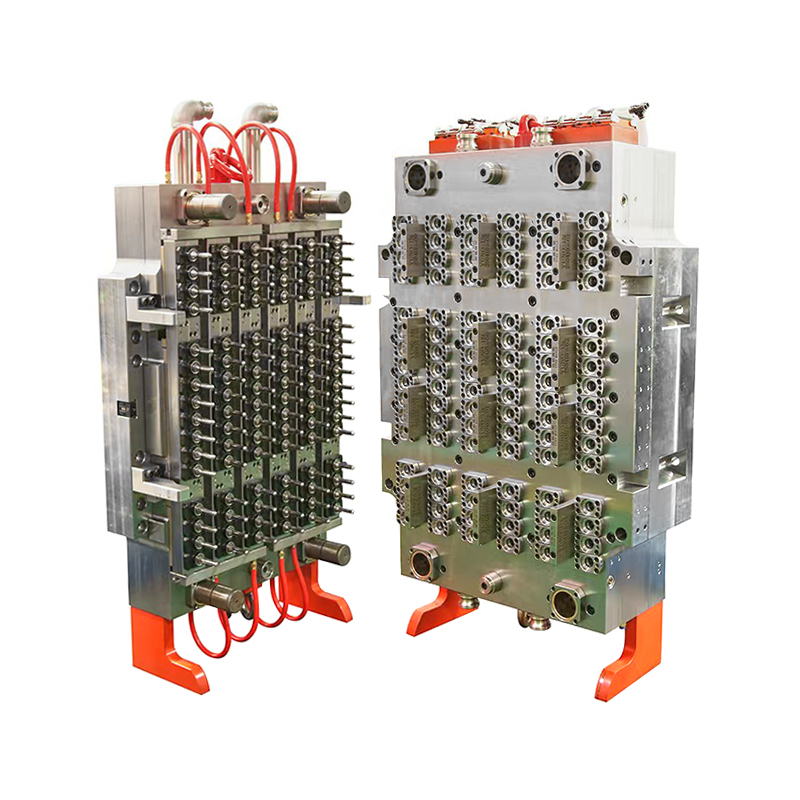
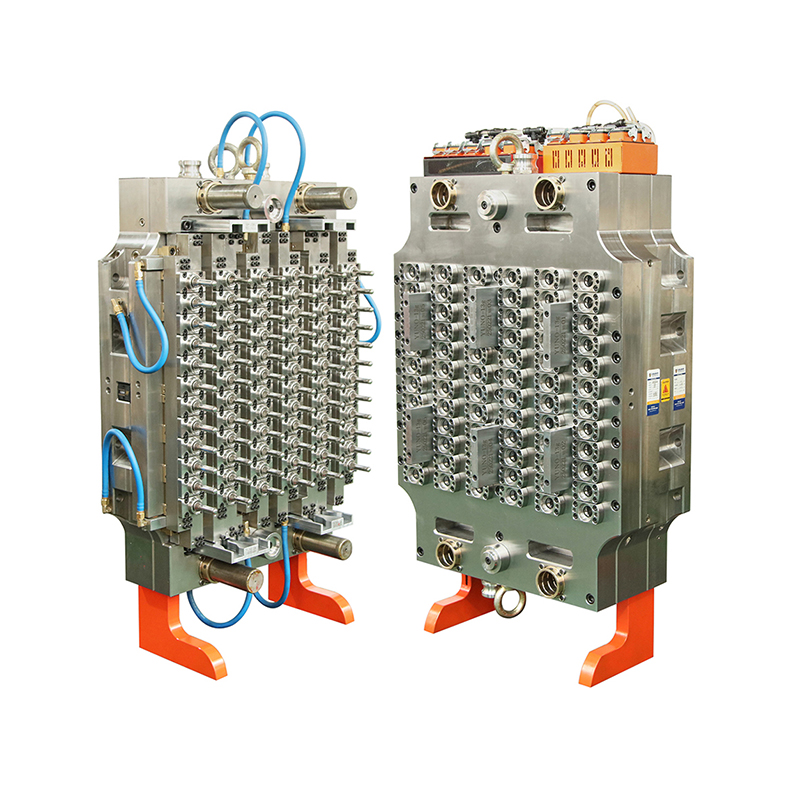
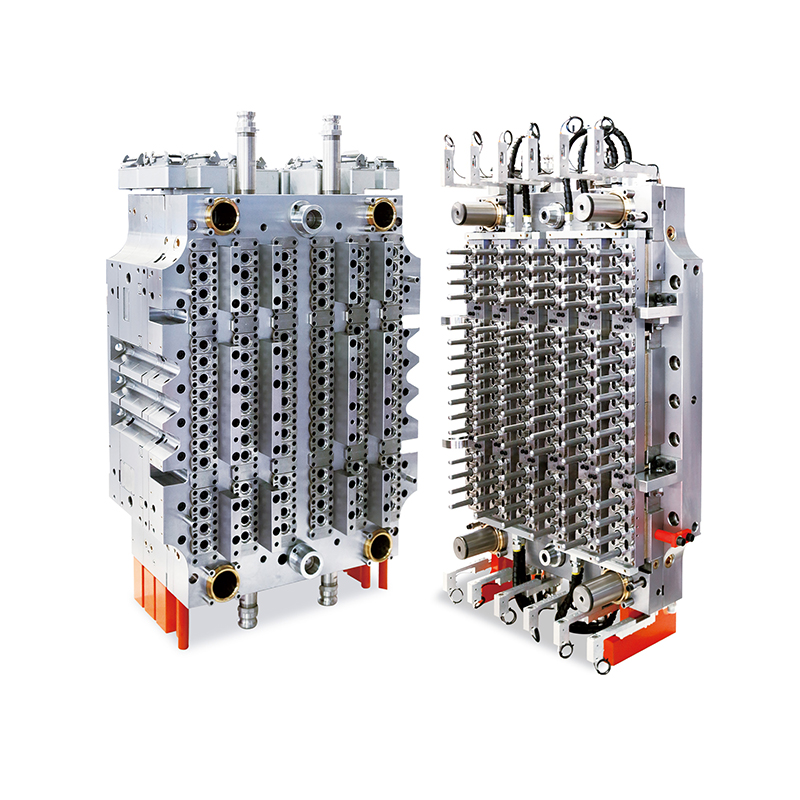
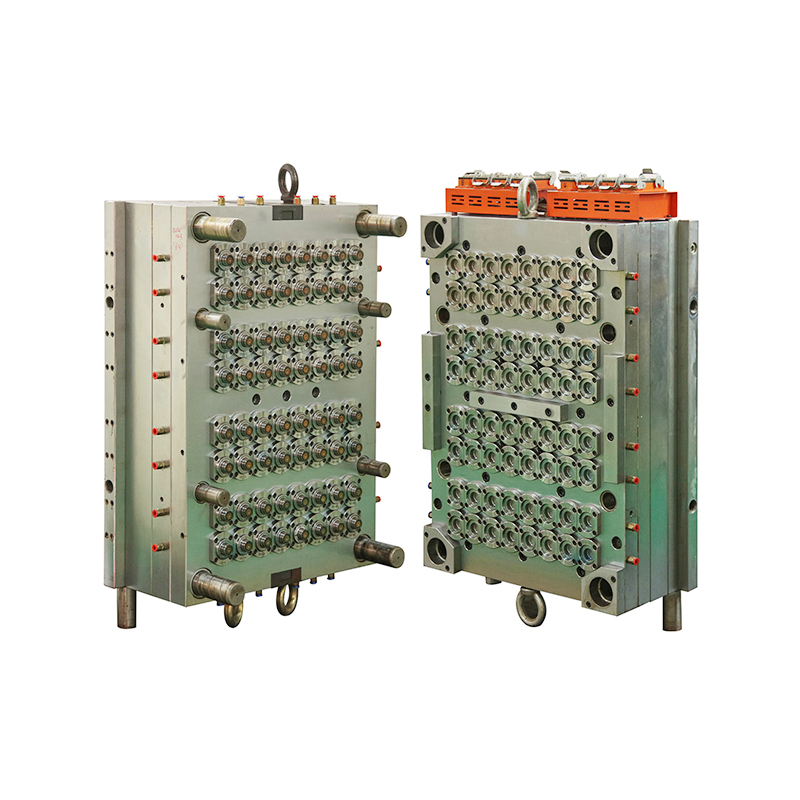
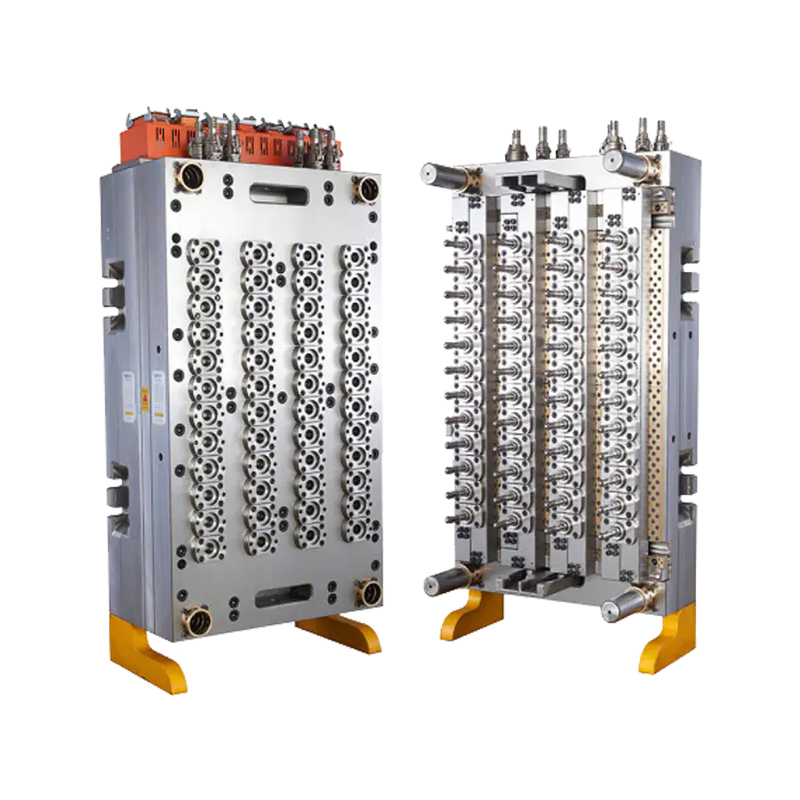
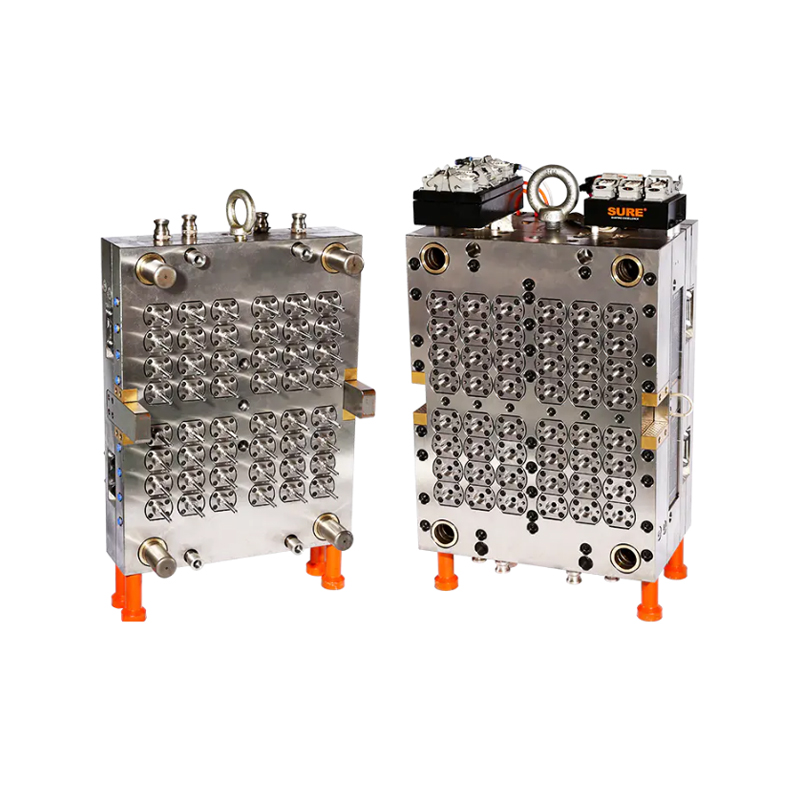
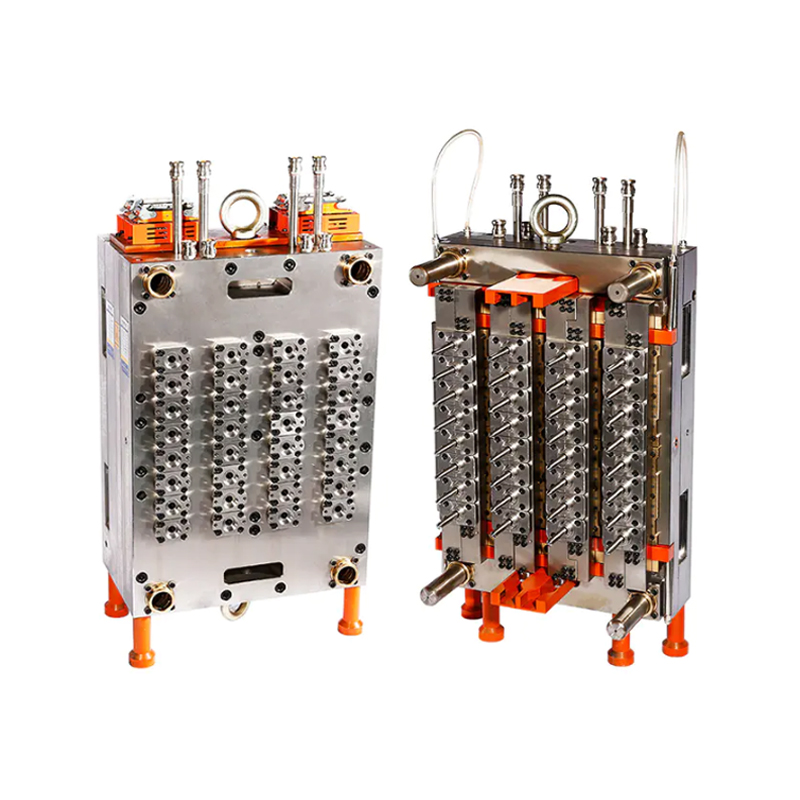
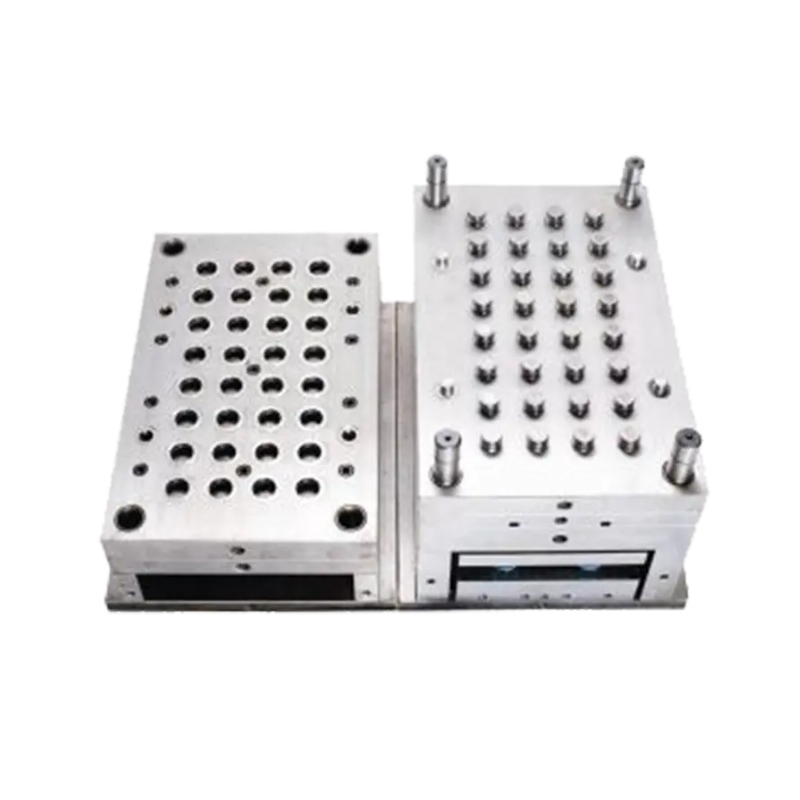
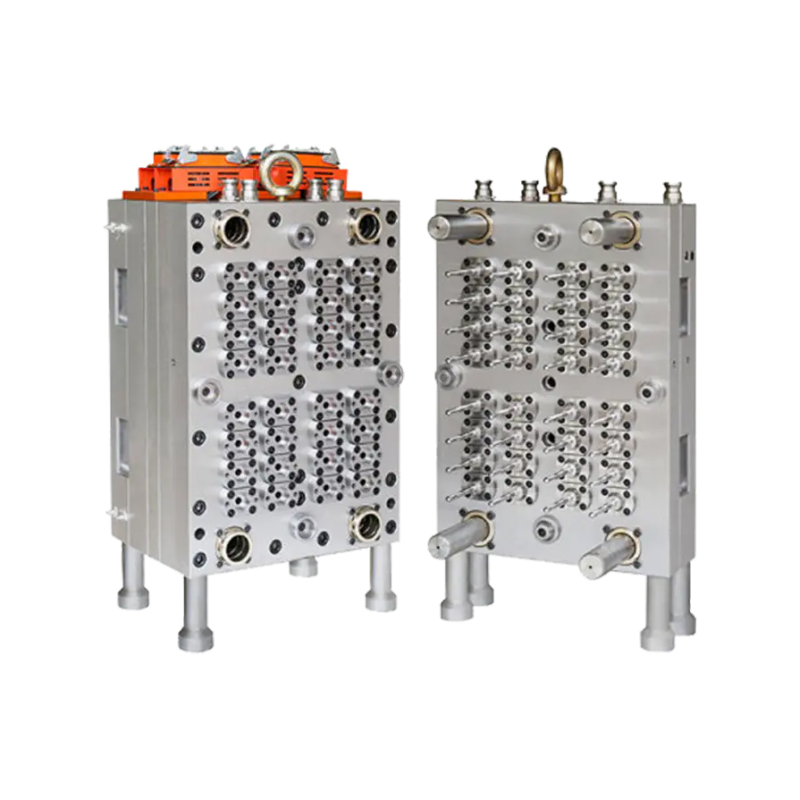
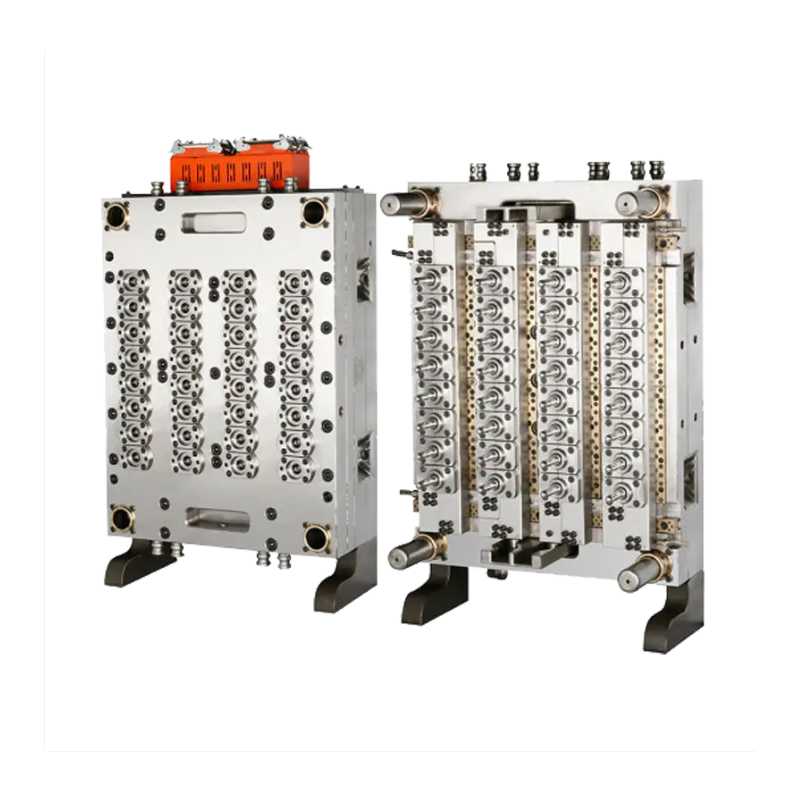
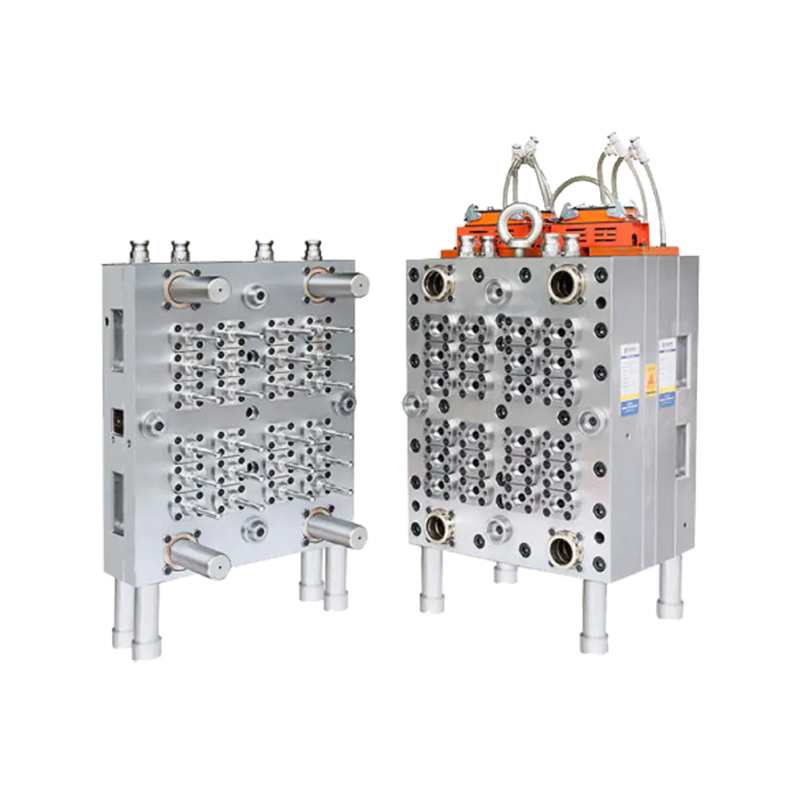
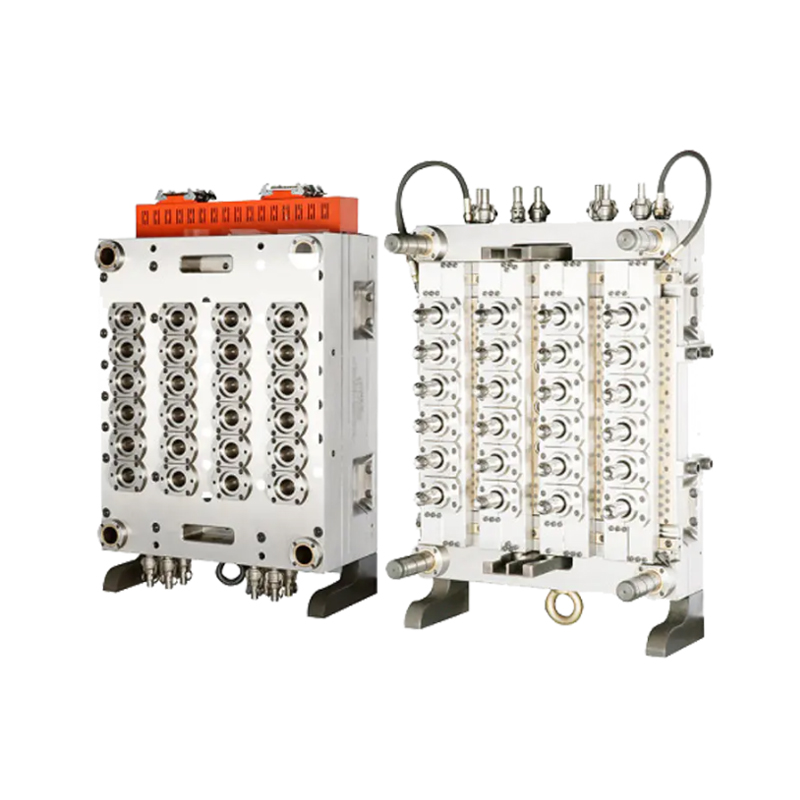
Preform molds may look simple before they are blown into bottles, but their dimensions and material distribution have a direct effect on the final container. Behind this process, mold structure, cavity accuracy and cooling conditions all influence production results. For manufacturers serving beverage, packaging and household product industries, understanding these factors helps improve production consistency and reduce process adjustments.
The cavity determines the basic shape and dimensions of a Preform mold. Even small differences in cavity geometry can affect wall thickness, neck dimensions and material distribution.
During injection molding, molten PET enters the cavity and fills the available space under controlled pressure. The cavity needs to support smooth material flow without creating uneven filling or localized pressure differences.
Several design details require attention:
For manufacturers producing different bottle sizes, cavity design also needs to match the intended preform specifications rather than simply adapting one mold structure to every application.
Cooling is an important part of the injection molding cycle. After molten PET fills the cavity, the material needs to cool and solidify before the preform can be released.
Uneven cooling may cause dimensional differences, internal stress or deformation. These problems can become more noticeable during subsequent stretch blow molding, where the preform is heated and stretched into its final bottle shape.
The cooling system is generally arranged around the cavity and core. Its performance depends on several structural factors:
Cooling channel layout
The position and spacing of cooling channels affect heat transfer. Poorly distributed channels may create temperature differences between different areas of the preform.
Water flow conditions
Cooling water needs to circulate consistently. Flow restrictions or uneven distribution can affect temperature control across multiple cavities.
Core and cavity temperature
Both components influence the cooling process. Their temperature conditions need to be considered together to avoid uneven solidification.
A well-designed cooling structure helps manufacturers maintain stable molding conditions and manage cycle time during continuous production.
A Preform mold may meet its design dimensions, but actual molding conditions can reveal issues that are difficult to identify during machining alone.
Trial molding provides an opportunity to evaluate filling behavior, cooling performance, ejection and dimensional consistency. It also allows engineers to compare the molded preform against the original technical requirements.
During this stage, manufacturers may check:
If differences appear, adjustments may involve processing parameters or specific mold components. The purpose is to bring the actual molding result closer to the intended product specifications.
PET preform production depends on the coordination of mold design, precision machining, cooling and injection conditions. Each part of the process contributes to the dimensional consistency and molding performance of the final preform.
For manufacturers developing a Preform mold, understanding cavity geometry, component alignment and cooling structure provides a practical basis for evaluating mold quality and production suitability. These technical details also help mold suppliers communicate more clearly with packaging manufacturers about product requirements and production conditions.

No.148 Yongda Road, Jiangkou Street, Huangyan, Taizhou, Zhejiang, China.

yn@tzyuno.com

+86-576-84111565

+86-13575806039


Copyright © Taizhou Huangyan Yuno Mould Co., Ltd.
Plastic Mould Factory