

 英语
 法语

Address
No.148 Yongda Road, Jiangkou Street, Huangyan, Taizhou, Zhejiang, China.
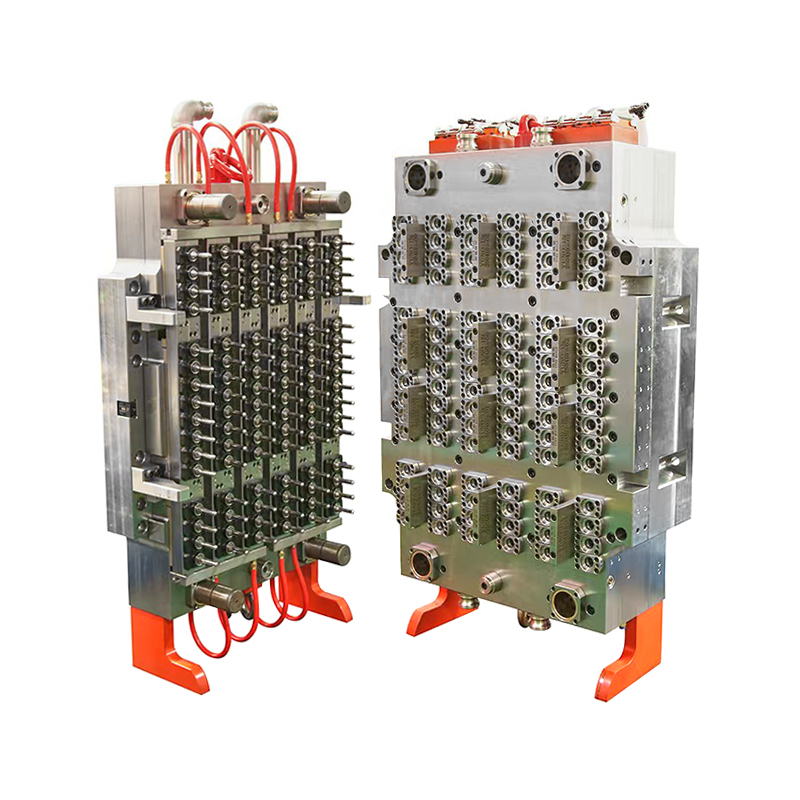
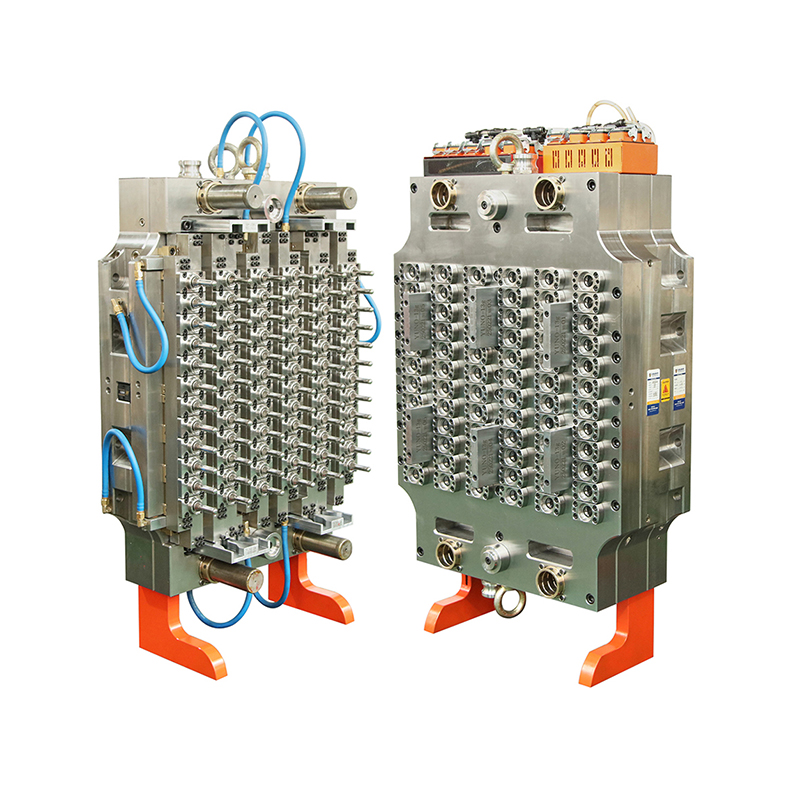
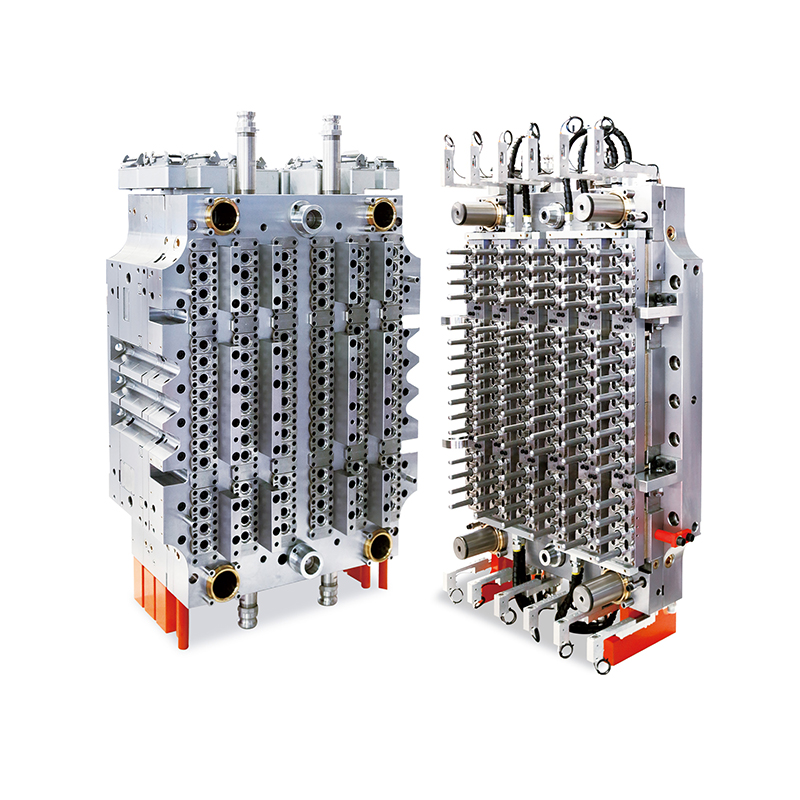
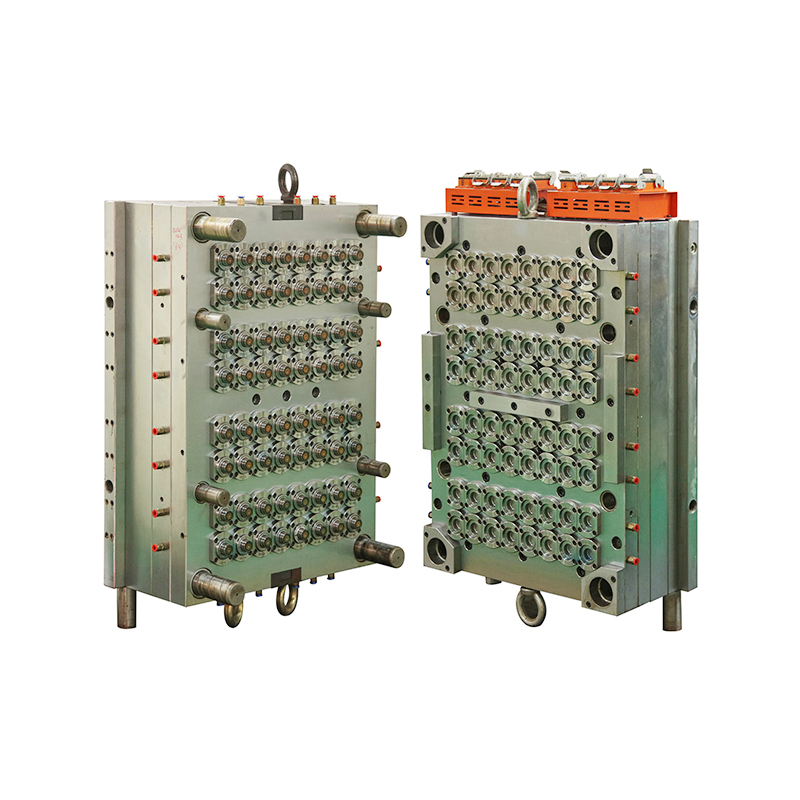
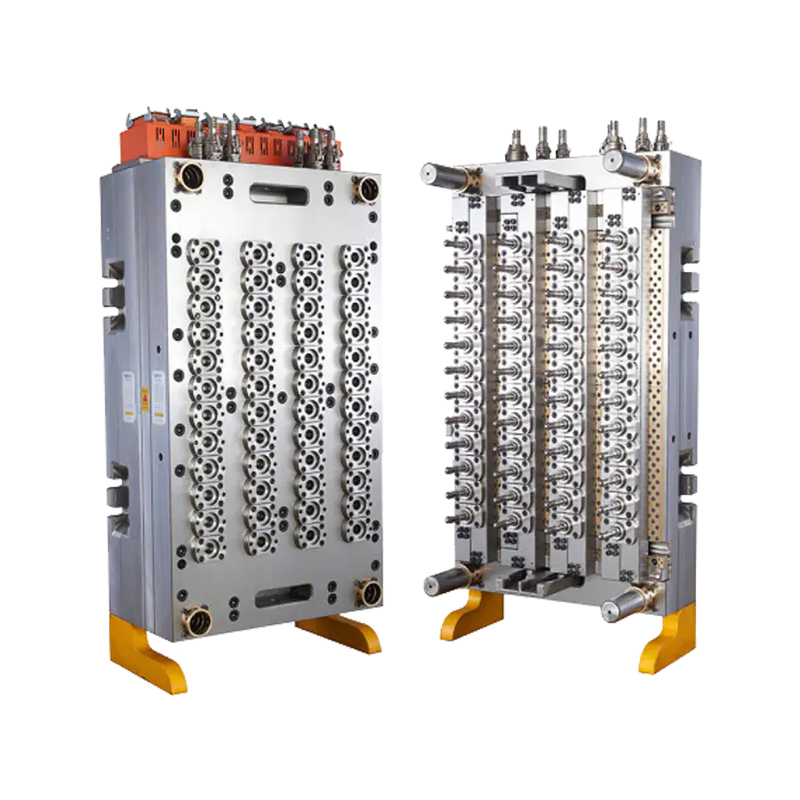
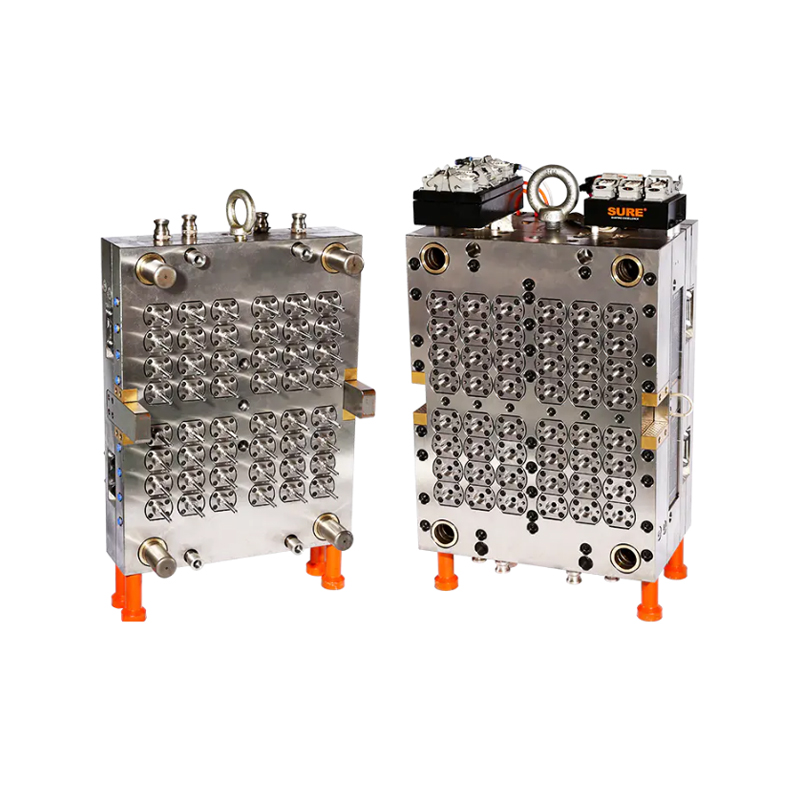
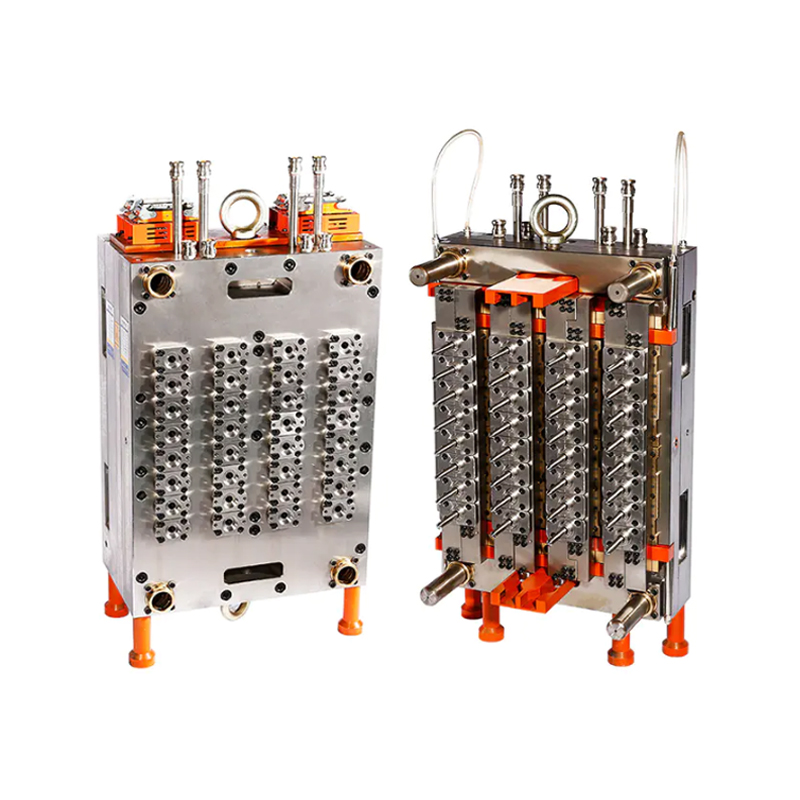
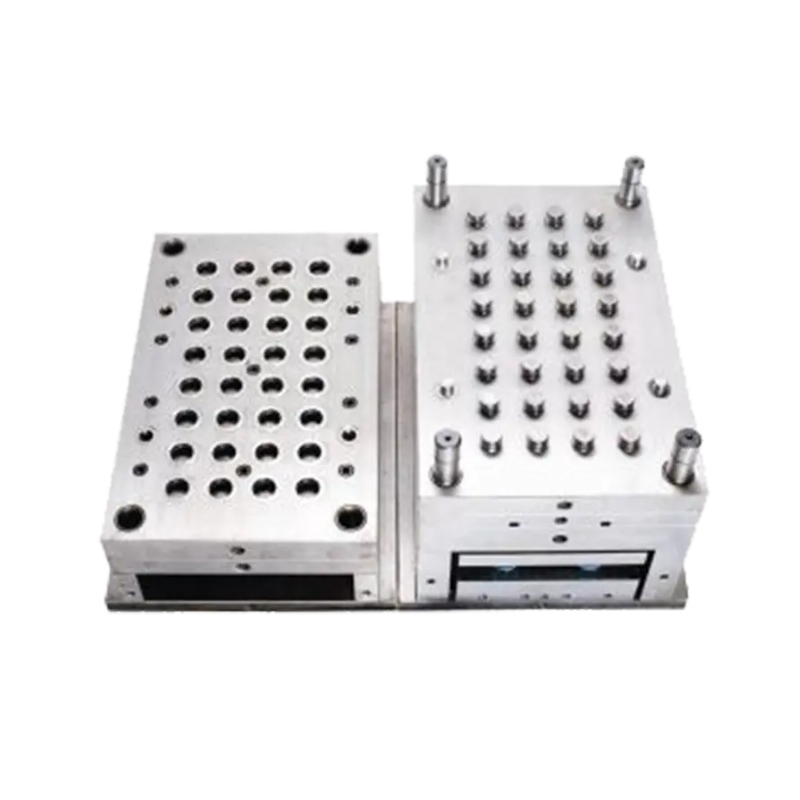
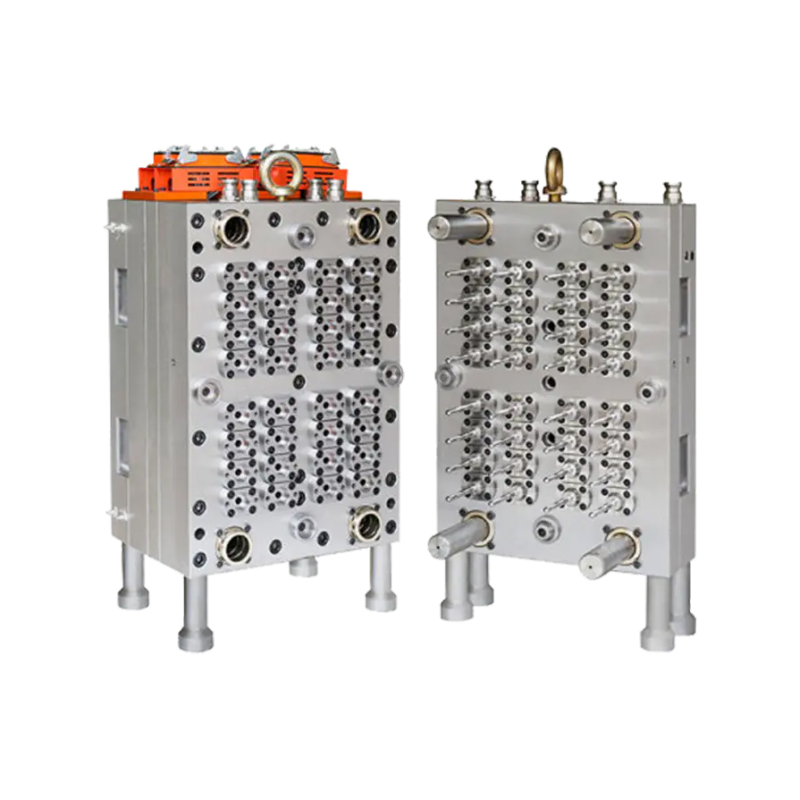
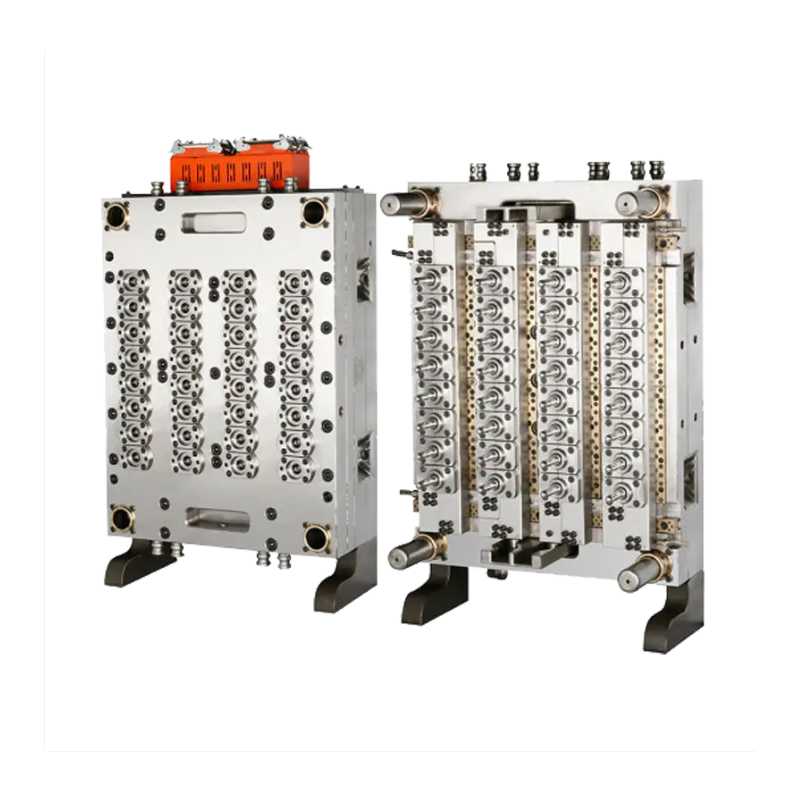
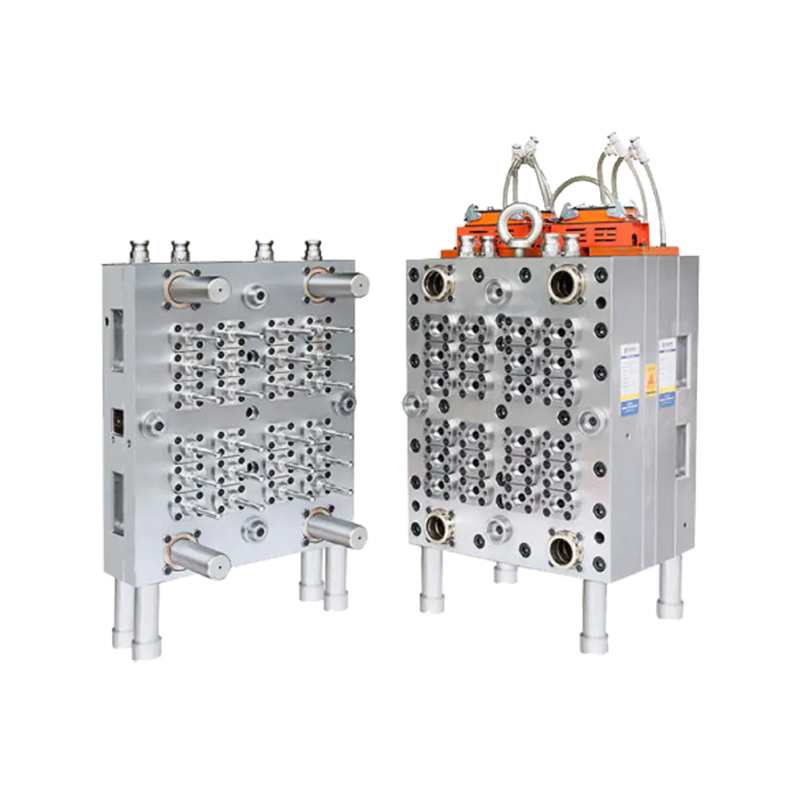
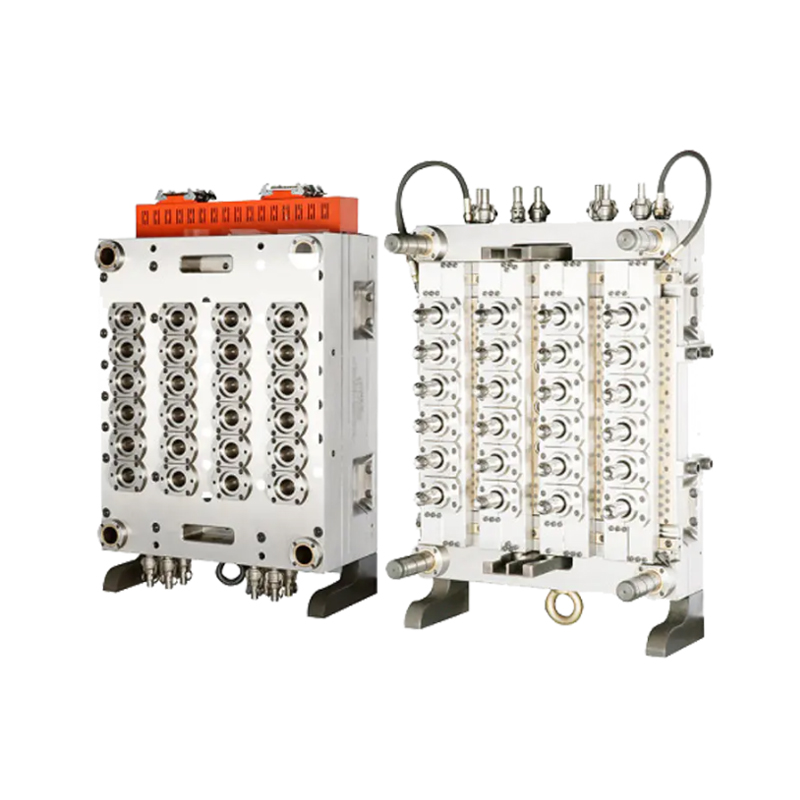
Wide-mouth jars have quietly become a serious engineering category in injection stretch blow molding. The shift from narrow-neck bottles to jars with openings beyond 50mm changes nearly everything about how a jar preform mould must be designed, cooled, and operated. A tool that works well for a water bottle will struggle with the thermal and mechanical demands of a jar.
The central challenge for any jar preform mould lies in the blow-up ratio. Standard bottle production relies on stretching a relatively narrow preform outward to align polymer chains and build strength. Wide-mouth jars leave far less room for that radial expansion. If the preform body is already close to the final jar diameter, the polymer never receives enough biaxial orientation. The result is a container that may look acceptable but lacks top-load rigidity and can creep under load.
A jar preform mould addresses this by using stepped or tapered preform geometry. The body of the preform remains narrower than the neck, preserving enough hoop stretch during blowing to develop meaningful orientation in the jar wall and base . This design choice affects every downstream dimension, from gate placement to cooling channel routing.
Jars for food, creams, and supplements often carry thick bases to mimic the heft of glass. That thickness is a thermal headache. A jar preform mould must remove heat evenly from those heavy sections or risk sink marks, internal stress, and haziness that undermines the premium look brands expect.
Toolmakers respond with conformal cooling circuits that follow the contour of the jar base rather than drilling straight lines through the mold block. Because the cooling behavior of a jar preform mould directly influences cycle time and scrap rate, this is not a cosmetic upgrade. Poor cooling in a wide-mouth tool shows up quickly as warped preforms and inconsistent wall distribution after blowing .
The volume of resin required for a wide-mouth preform is substantially higher than a narrow-neck equivalent. A jar preform mould needs a hot-runner system with adequate gate size to move that melt without excessive shear. Restricted flow creates cold slugs, flow marks near the base, and gate vestige that becomes a weak point in the finished jar.
Processors working with a jar preform mould often find that valve-gate hot runners offer better control over fill balance across multiple cavities. The mold’s manifold must deliver melt to each cavity at consistent temperature and pressure, or the thick and thin sections of the preform will cool at different rates and produce uneven jars.
A jar preform mould operates under clamping forces that scale with the projected area of the preform. The mold base needs sufficient rigidity to resist deflection, while cavity and core inserts require steel that holds polish and resists corrosion from trace acids in PET. Stainless grades in the S136 family appear frequently in tooling for this reason, paired with pre-hardened mold bases that absorb load without distortion .
The neck-ring area of a jar preform mould deserves particular attention. Wide-mouth neck finishes experience repeated opening and closing cycles, and any wear there transfers directly to the sealing surface of the final jar. Replaceable neck modules allow converters to switch between 63mm, 83mm, and other common finishes without rebuilding the entire tool.

No.148 Yongda Road, Jiangkou Street, Huangyan, Taizhou, Zhejiang, China.

yn@tzyuno.com

+86-576-84111565

+86-13575806039


Copyright © Taizhou Huangyan Yuno Mould Co., Ltd.
Plastic Mould Factory