

 英语
 法语

Address
No.148 Yongda Road, Jiangkou Street, Huangyan, Taizhou, Zhejiang, China.
PET bottles are widely used for beverages, household liquids, personal care products, and other packaged goods. Before a PET bottle takes its final shape, the material usually passes through a preform stage. During this process, molten PET is injected into a mould cavity to form a small, tube-shaped component with a finished neck and a body designed for later stretching and blowing.
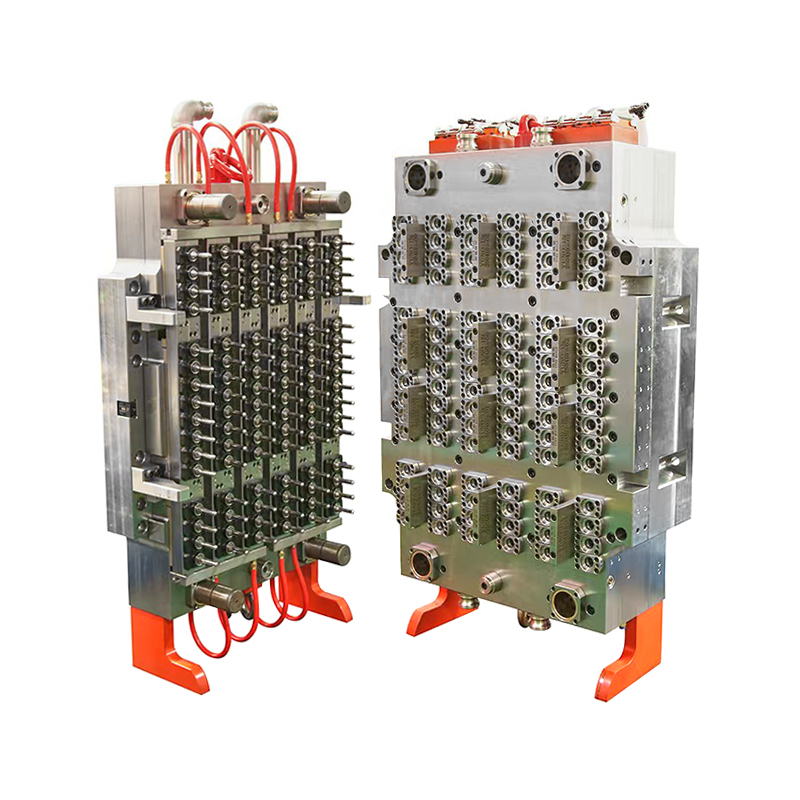
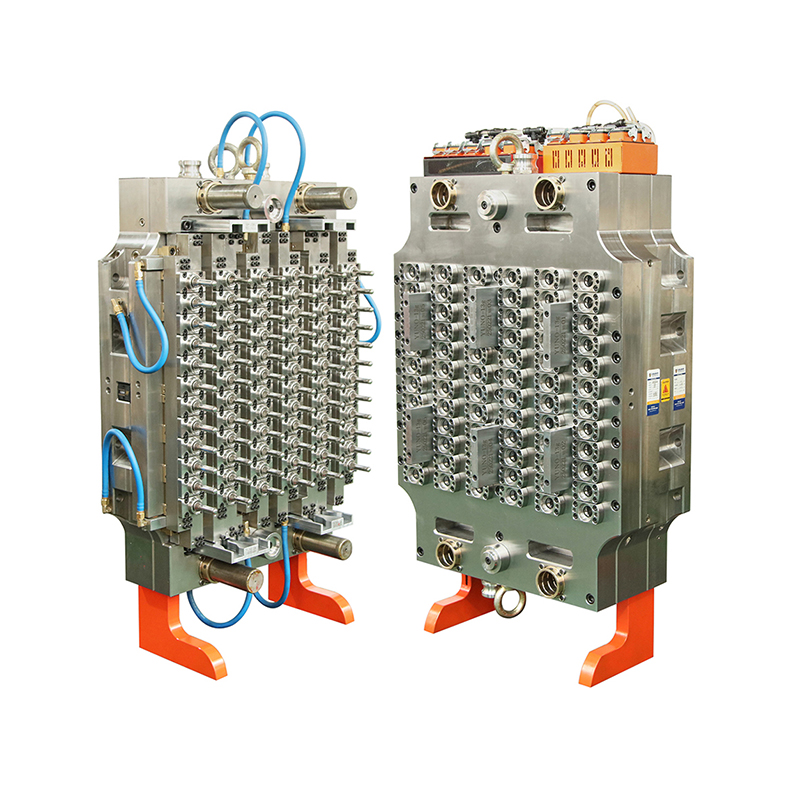
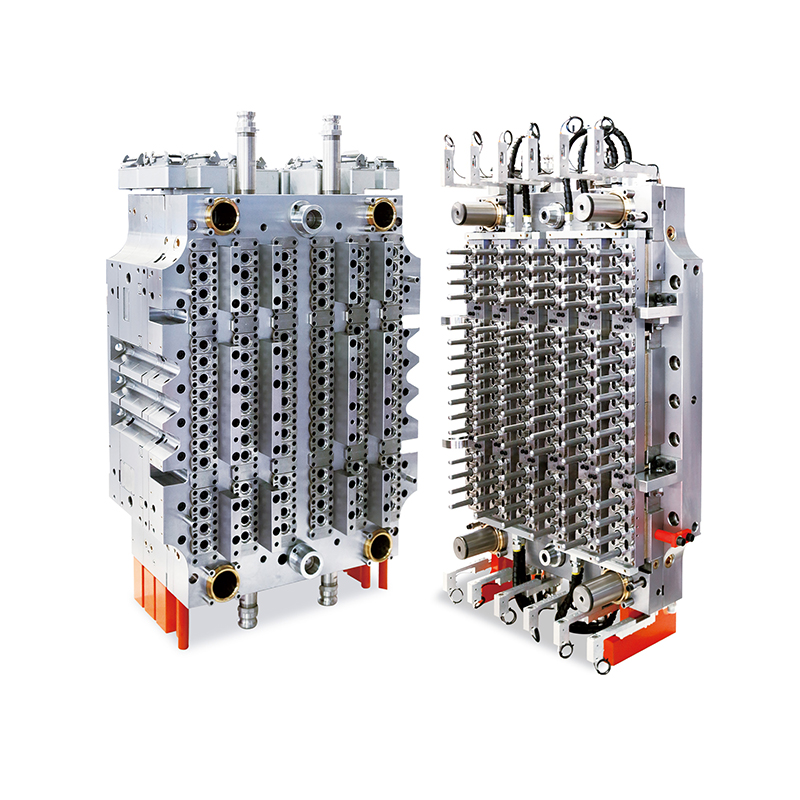
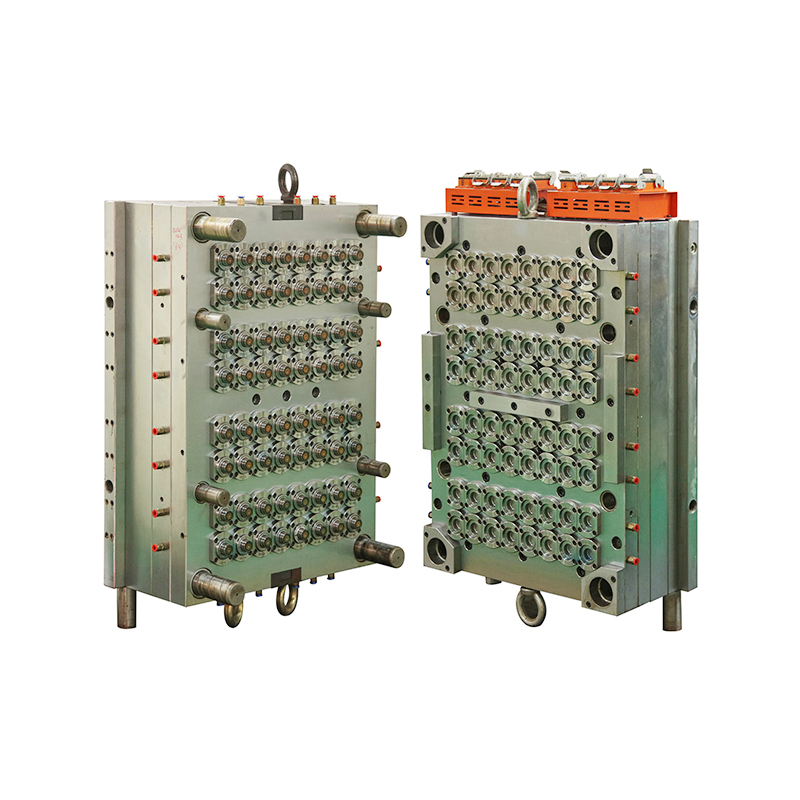
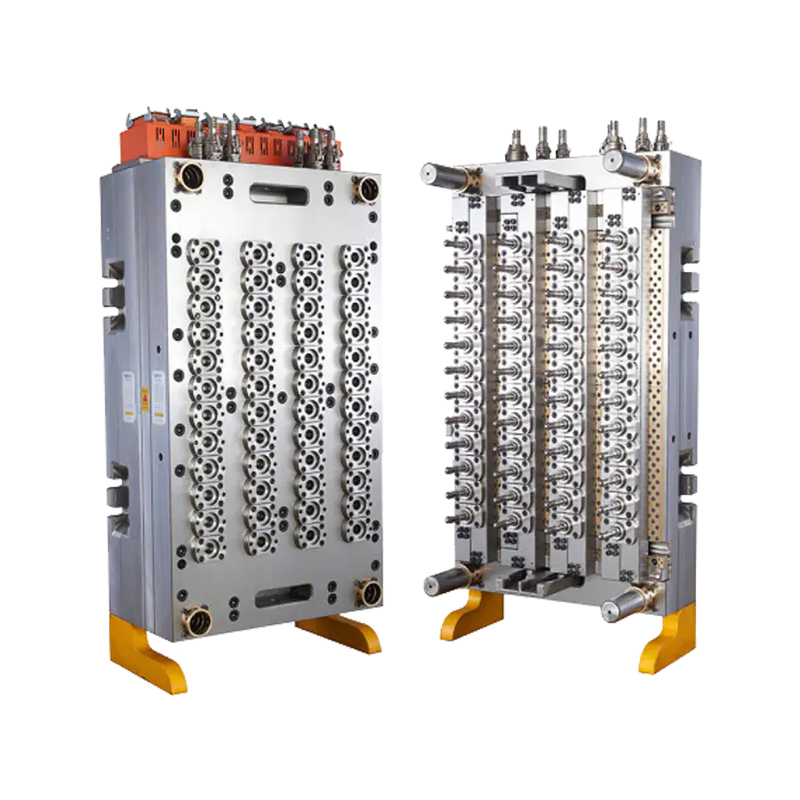
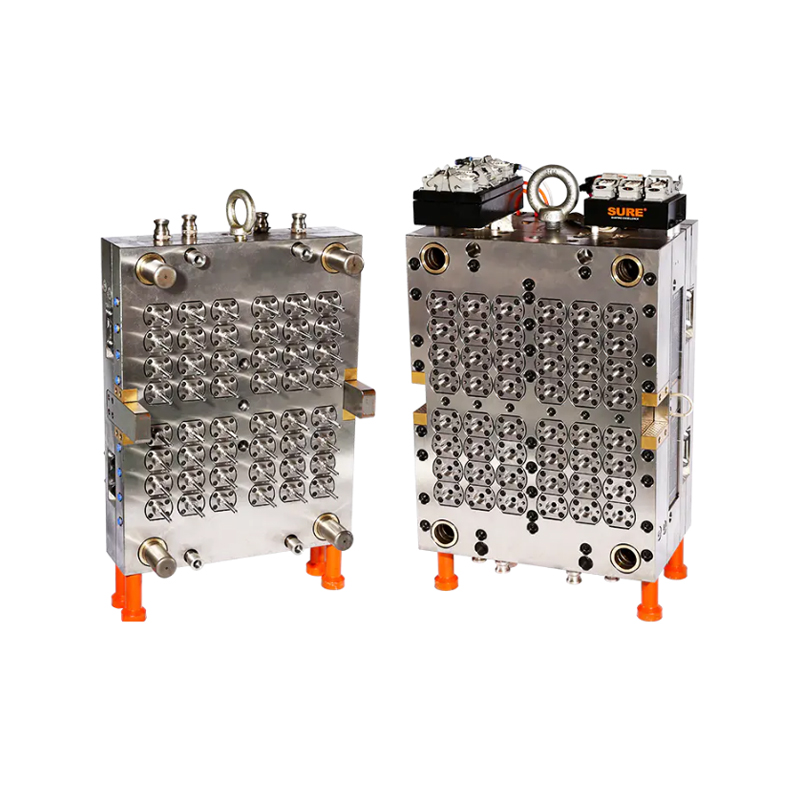
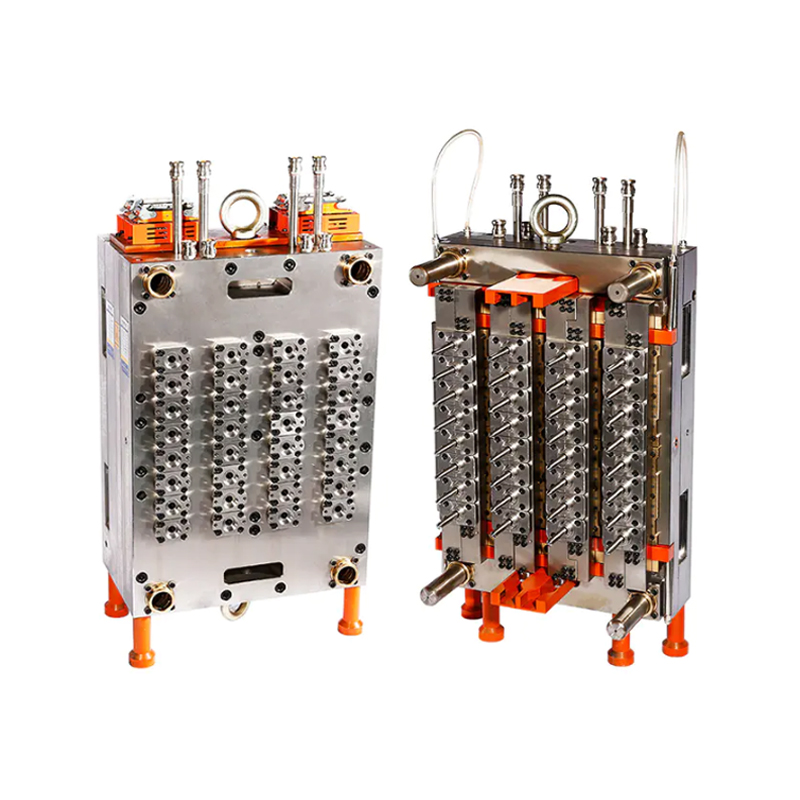
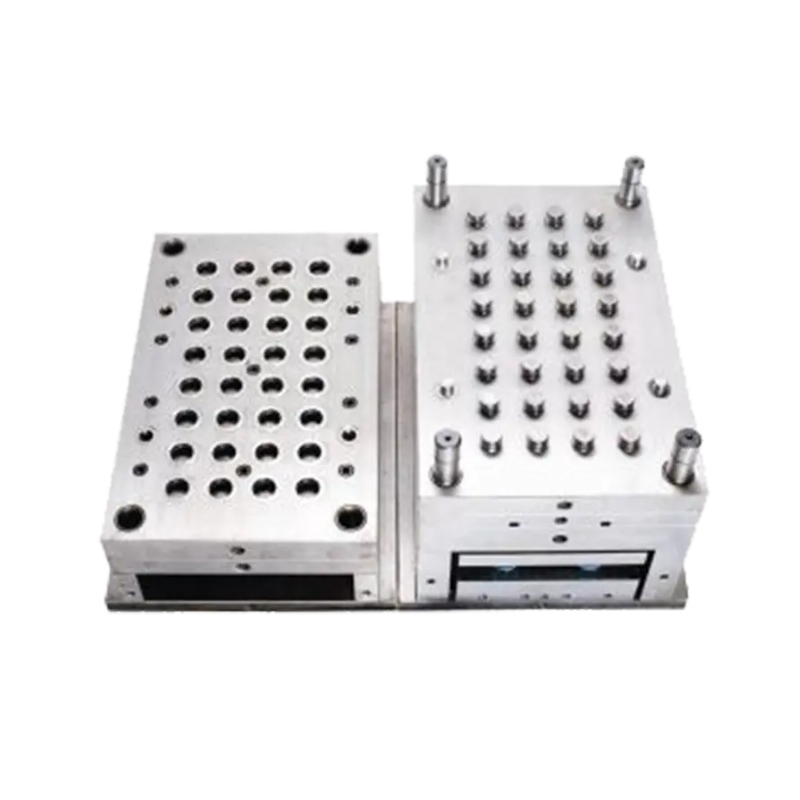
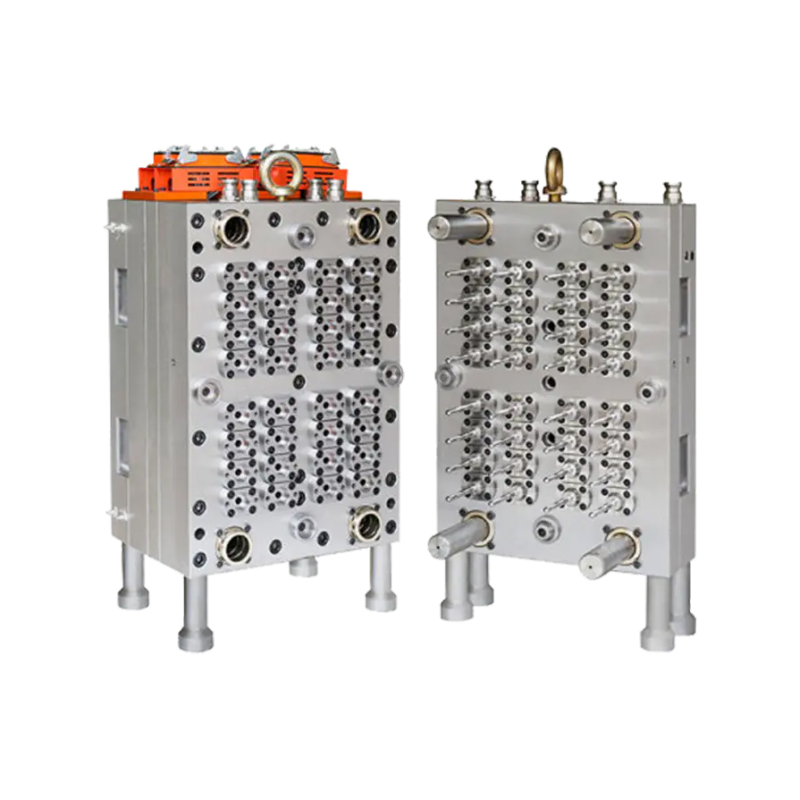
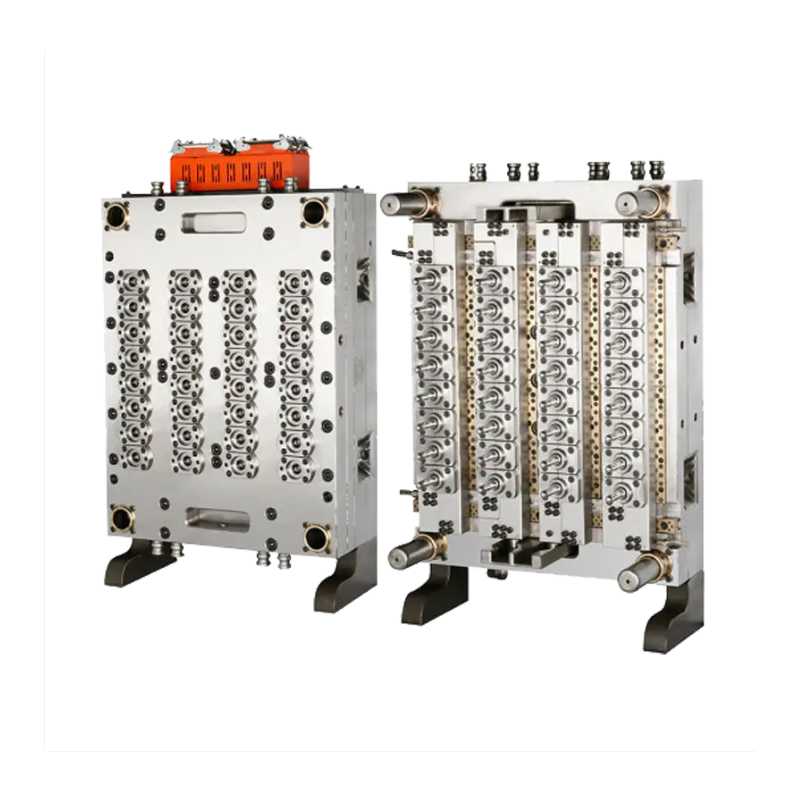
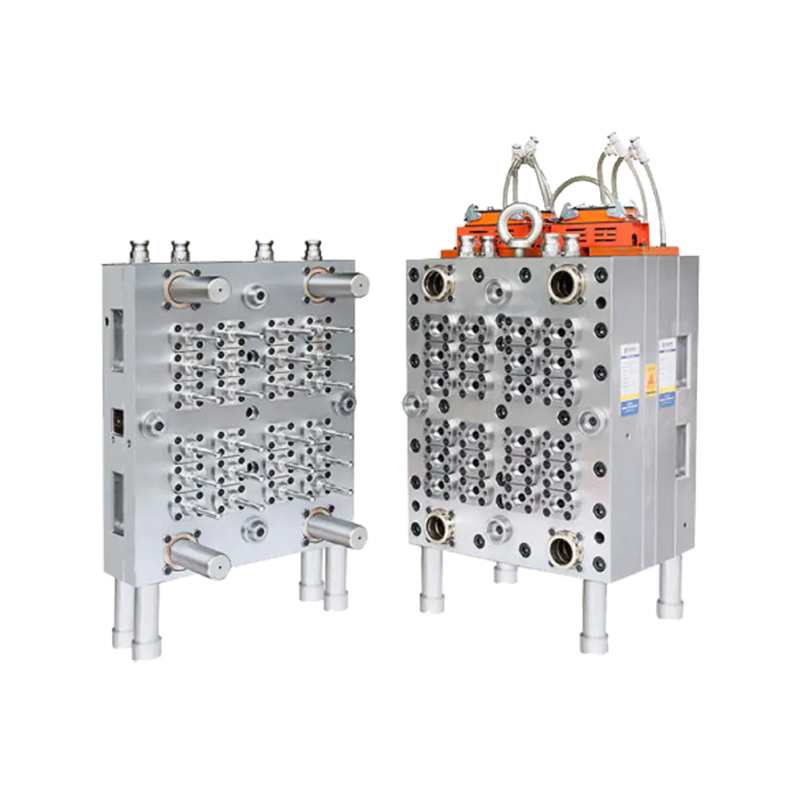
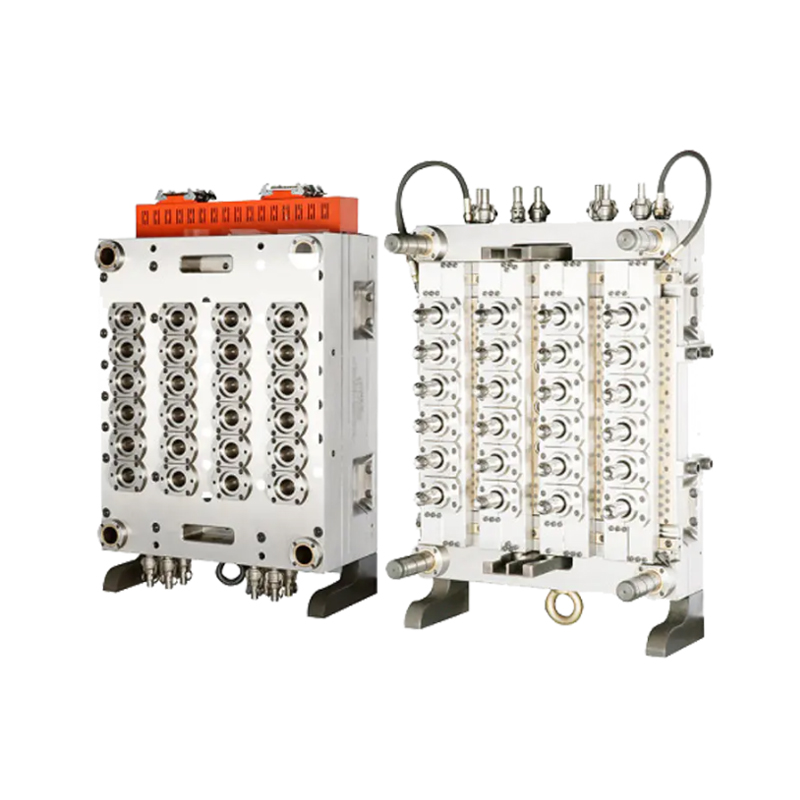
A Preform mould plays a central role in this stage. Its cavity structure determines the basic shape of the preform, while the mould's cooling system and processing conditions influence dimensional consistency and production efficiency. The quality of the preform also affects how the material stretches during the subsequent blow-moulding process.
Preform design depends on the intended bottle size, weight, neck finish, and final application. A bottle used for carbonated drinks may require different material distribution from a container designed for still water or personal care products.
A Preform mould must match these requirements through its cavity dimensions and structural design. The neck area needs to maintain the specified geometry for compatibility with the selected cap or closure. Meanwhile, the body must contain enough material to form the intended bottle during the blowing stage.
Small dimensional differences can influence how the preform behaves during heating and stretching. For this reason, mould designers consider the relationship between preform geometry and the finished container rather than treating the preform as an isolated component.
Cavity count is another important consideration when selecting a Preform mould. Single-cavity designs may suit particular production requirements, while multi-cavity systems allow several preforms to be formed during one injection cycle.
Increasing the number of cavities changes the demands placed on the injection system, cooling arrangement, and mould structure. Each cavity needs consistent filling and cooling conditions to help produce preforms with similar dimensions and weight.
The layout also affects the space required for the mould and the way material flows through the runner system. Manufacturers therefore evaluate cavity quantity alongside machine compatibility and expected production volume.
The distribution of PET within a preform influences the wall thickness of the bottle produced during blow moulding. If the preform geometry does not suit the intended bottle design, stretching may produce uneven material distribution.
For example, a lightweight bottle requires careful coordination between preform weight, body dimensions, and the stretching process. A container with a different shape or capacity may need a revised preform design to achieve the intended structure.
When developing a Preform mould, engineers examine how the preform will expand during blowing. This approach connects mould design with the requirements of the finished package, including its shape, capacity, and intended use.
Preform moulds serve manufacturers producing containers for bottled water, carbonated beverages, edible oils, household products, and personal care packaging. Each application places different demands on preform dimensions and material distribution.
For packaging manufacturers, choosing a Preform mould involves more than determining cavity quantity. Cavity accuracy, cooling performance, neck geometry, machine compatibility, and the final bottle design all influence the production process.
When these elements are coordinated, the mould can support repeatable preform production and provide a suitable starting point for the next stage of bottle manufacturing.

No.148 Yongda Road, Jiangkou Street, Huangyan, Taizhou, Zhejiang, China.

yn@tzyuno.com

+86-576-84111565

+86-13575806039


Copyright © Taizhou Huangyan Yuno Mould Co., Ltd.
Plastic Mould Factory