

 英语
英语 法语
法语
Address
No.148 Yongda Road, Jiangkou Street, Huangyan, Taizhou, Zhejiang, China.
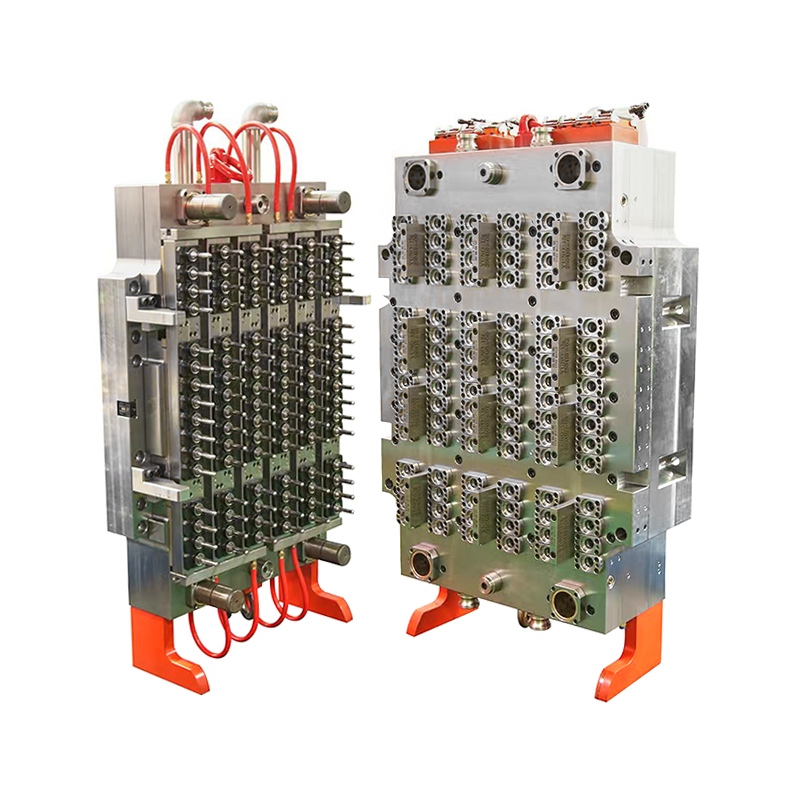
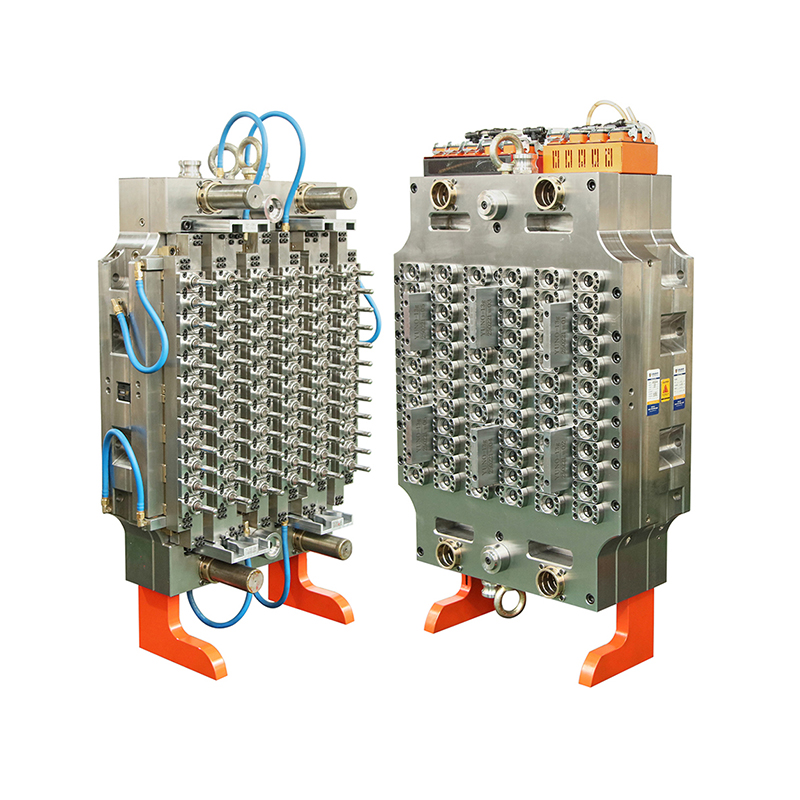
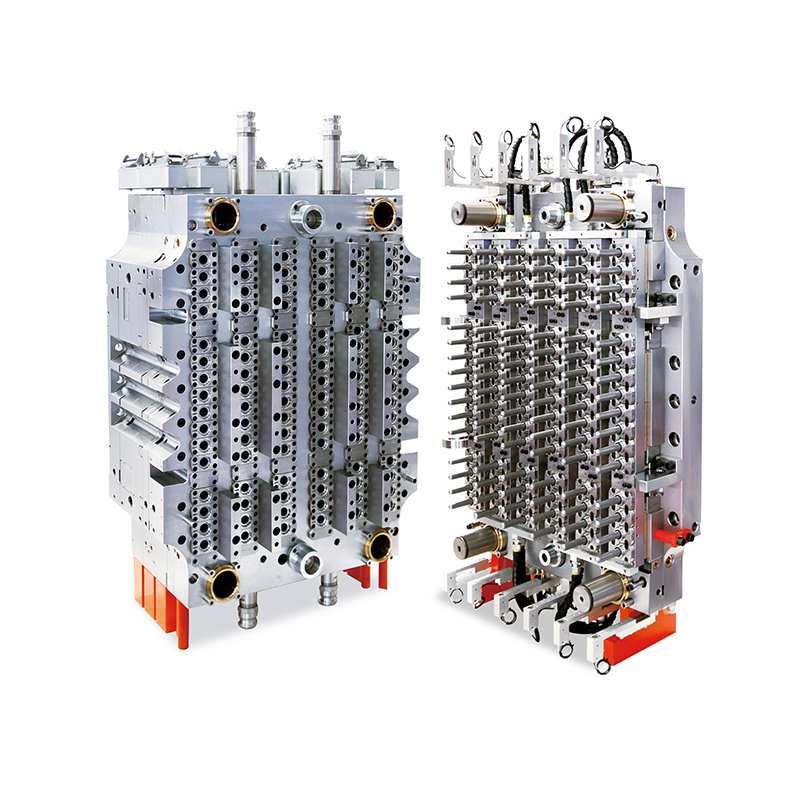
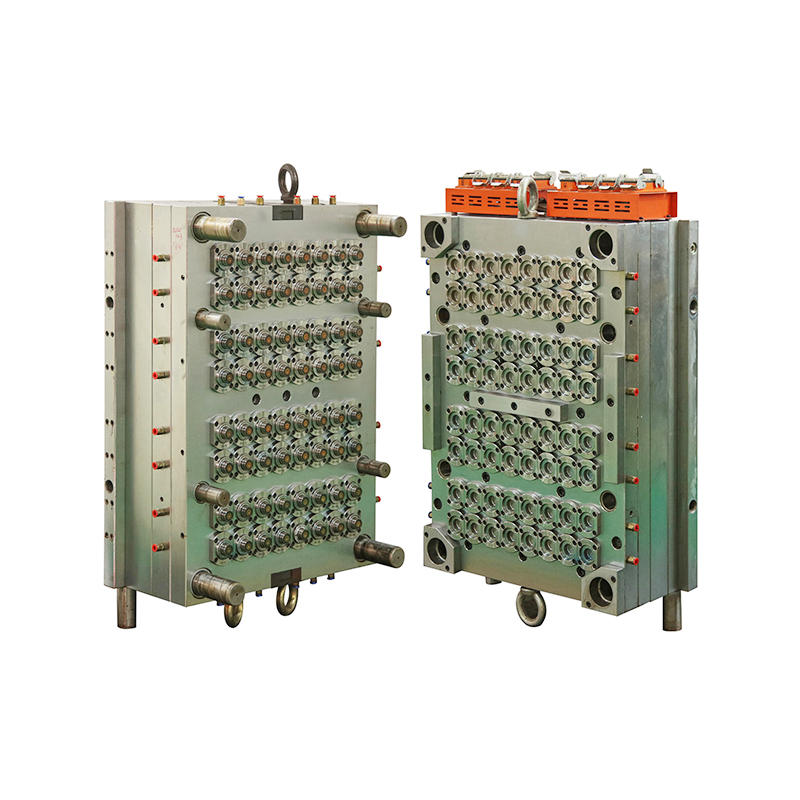
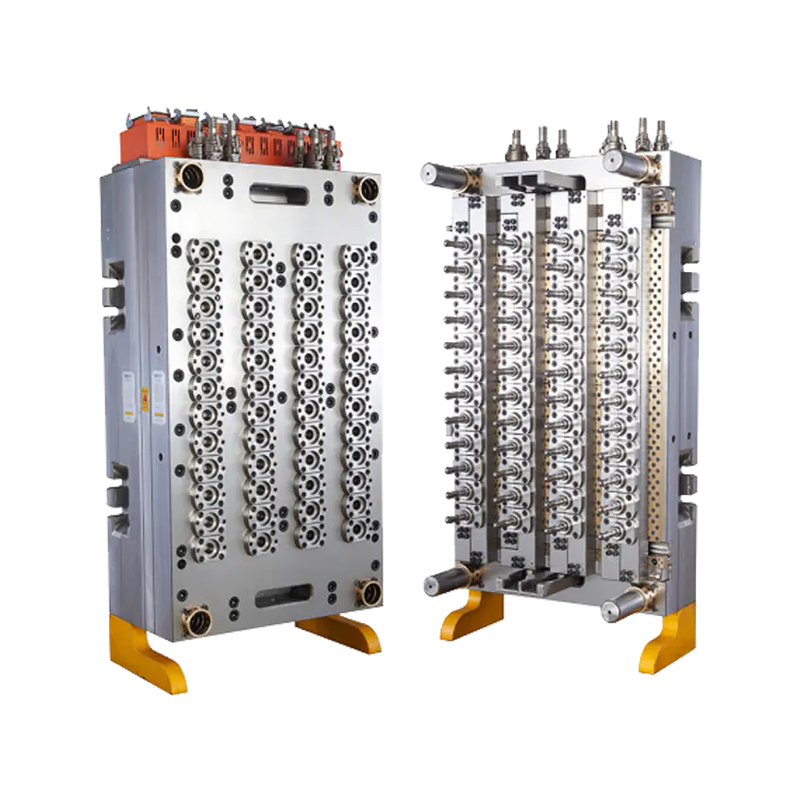
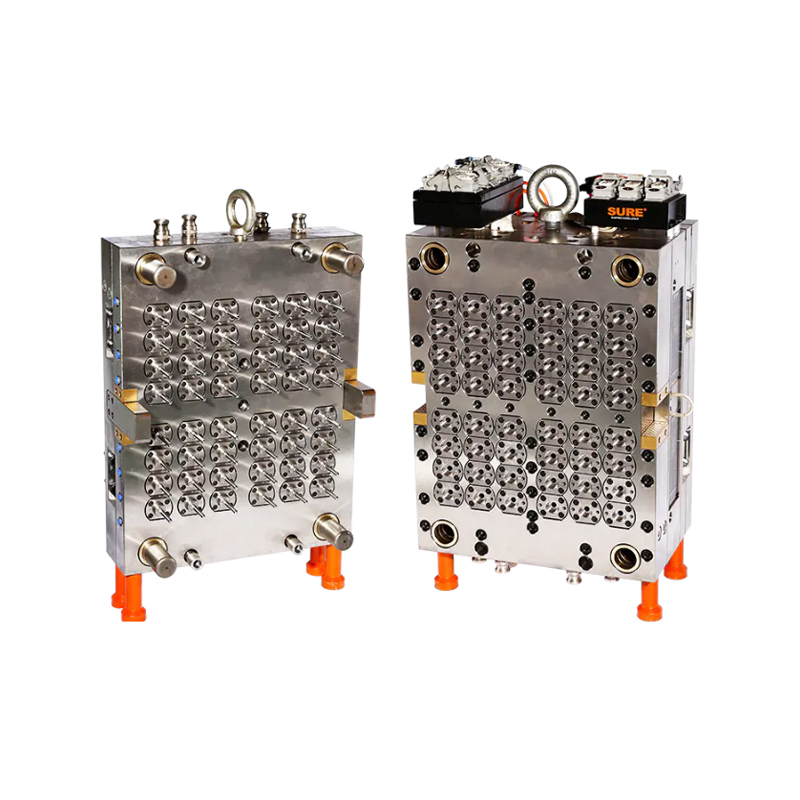
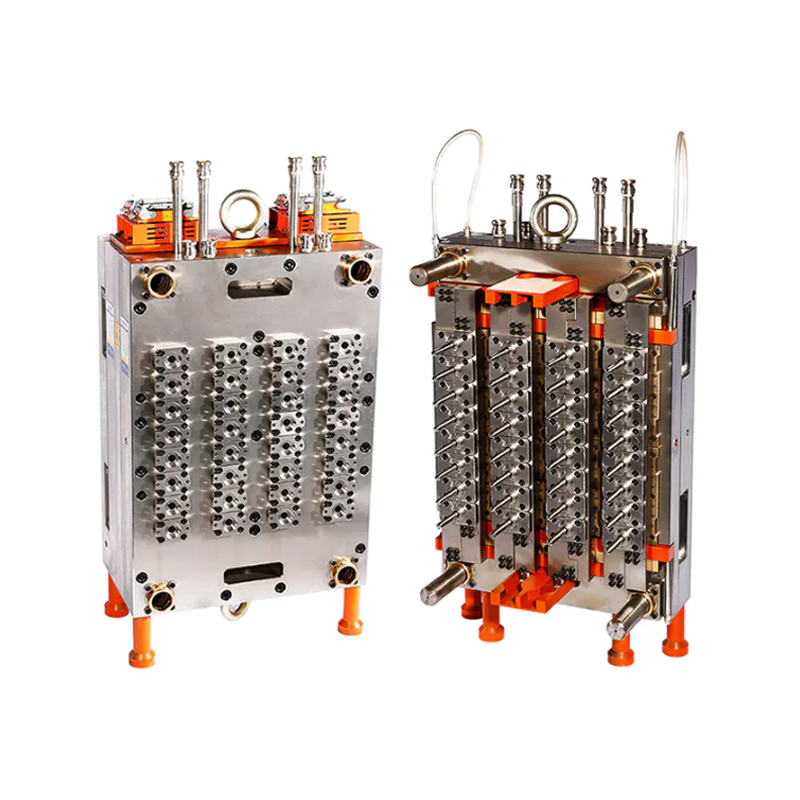
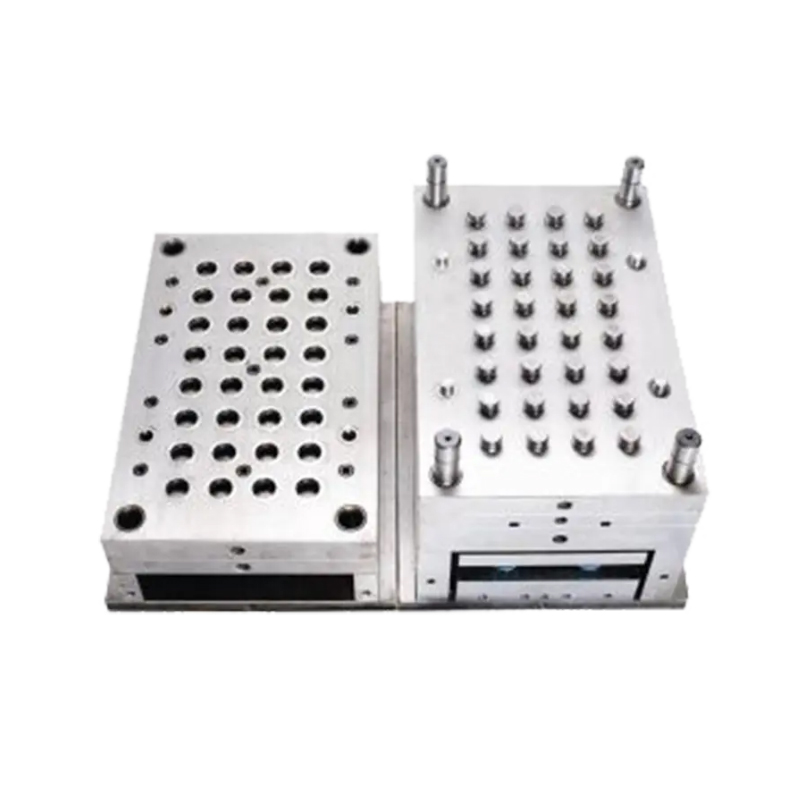
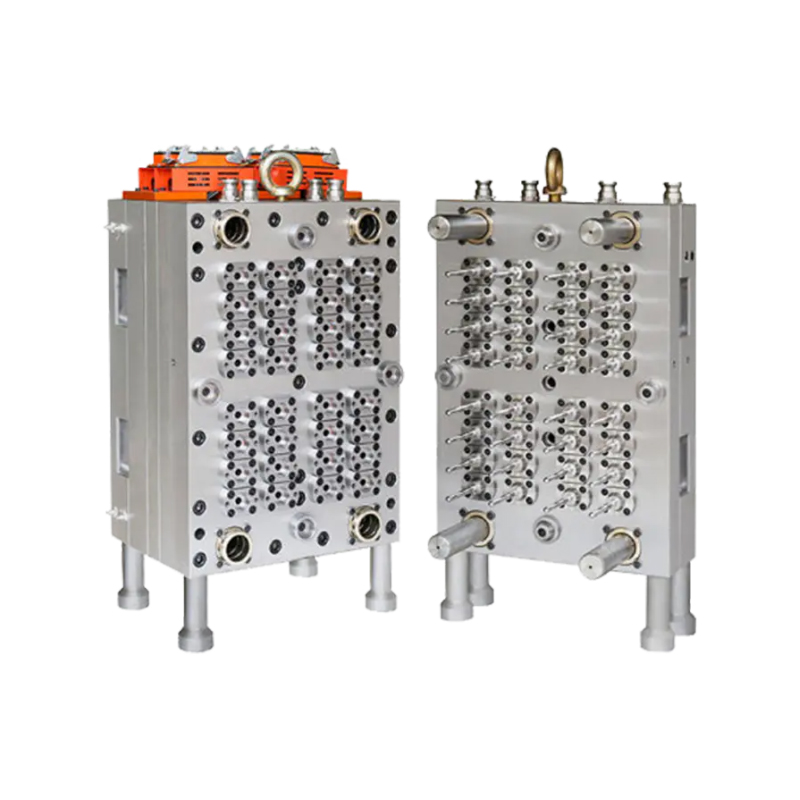
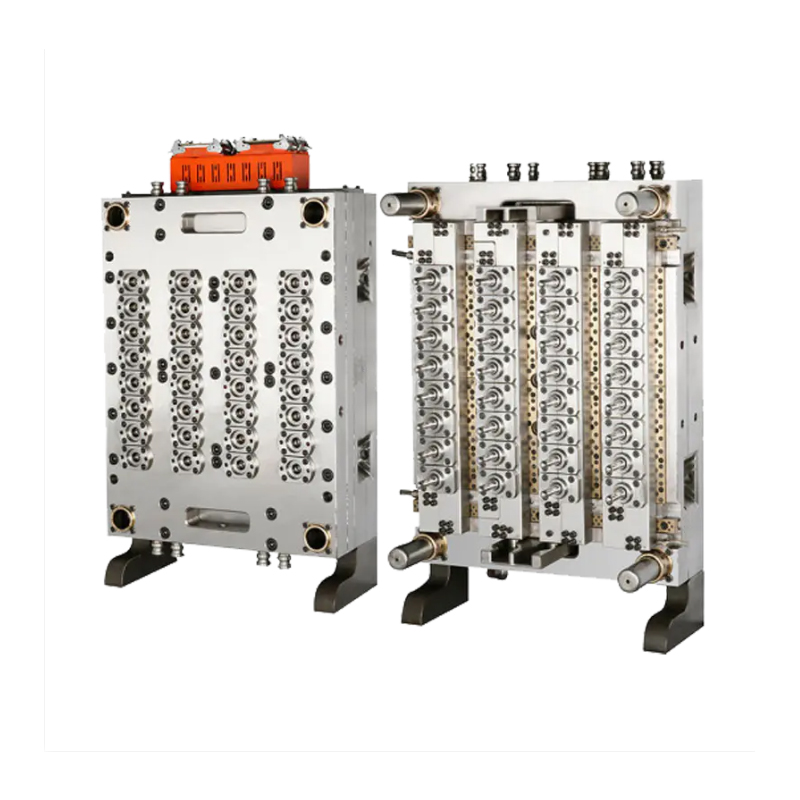
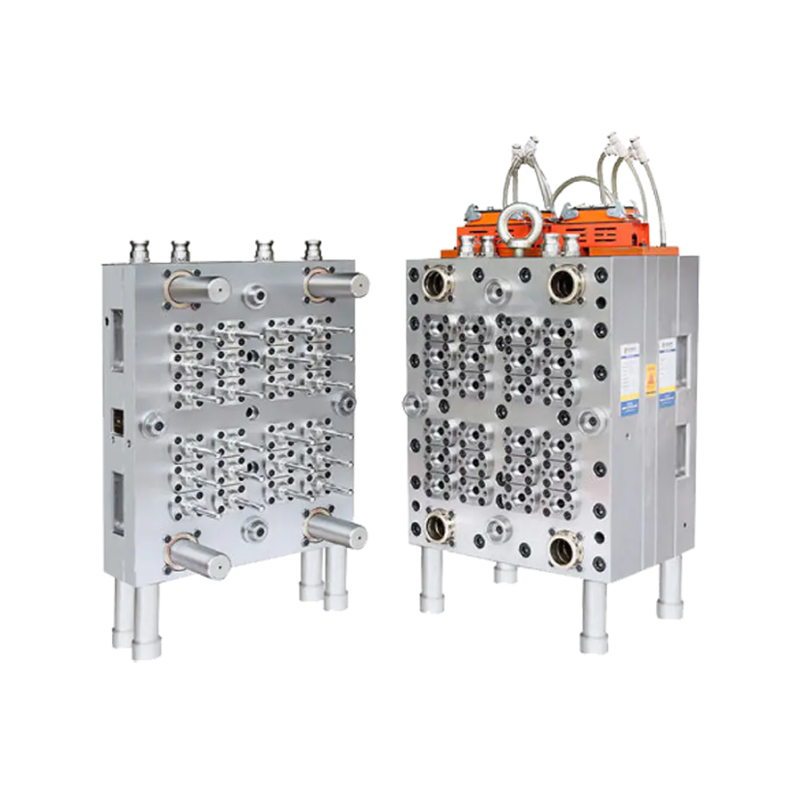
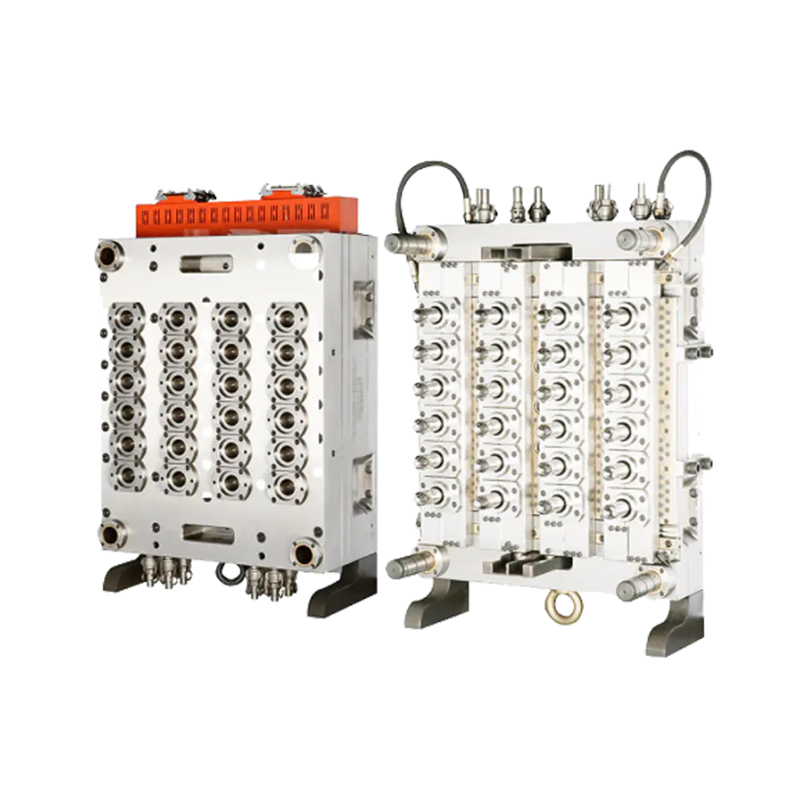
Cosmetic mold technology supports the creation of packaging components used across the beauty and personal care sector. Manufacturers rely on precise tooling to form containers, closures, and applicators that meet both functional and visual requirements. Consistent results help production lines maintain steady output while meeting the expectations of brand teams and end users.
Surface texture remains an important consideration. Some packages call for a smooth finish that highlights the product color, while others need subtle patterns for grip or visual interest. Cosmetic mold cavities can incorporate these details through careful polishing or texturing of the steel.
Draft angles and gate locations also affect how the material fills the cavity and how the part releases after cooling. Thoughtful placement of these features helps avoid thin spots or visible marks on the exterior. Designers and toolmakers collaborate early to balance aesthetic goals with practical manufacturing constraints.
Different polymers behave differently under heat and pressure. Cosmetic mold designs account for the shrinkage rates and flow characteristics of the selected resin. Matching the tooling to the material helps achieve the intended final dimensions without excessive trial runs.
Cooling channels within the mold body contribute to cycle efficiency. Even temperature distribution across the cavity supports consistent solidification and reduces the chance of warpage. Production teams adjust water flow and temperature settings based on the specific part geometry and material grade.
Once parts leave the molding area, they move into assembly, decoration, or filling stations. Cosmetic mold quality influences how readily components accept labels, hot-stamping, or secondary coatings. Clean surfaces and accurate mating features simplify these downstream operations.
In facilities that handle multiple product lines, modular tooling approaches allow faster changeovers. Interchangeable inserts within a common mold base can accommodate variations in size or detail. This flexibility supports shorter production runs without requiring entirely new tools for every minor change.
Cosmetic mold performance also affects inventory planning. Predictable output rates help planners schedule material deliveries and labor more accurately. When the tooling delivers steady yields, the overall flow from raw resin to finished packaging becomes easier to manage.
Operators check wear points and alignment features at regular intervals during production. Simple visual inspections and dimensional spot checks help catch gradual changes before they affect large batches. Keeping records of cycle counts and process settings provides a useful reference when similar tools are prepared for future projects.
Collaboration between design, tooling, and production groups remains central. Clear communication about intended use, expected volumes, and surface requirements allows the cosmetic mold to be developed with the right priorities from the start. This shared understanding reduces revisions and supports smoother launches.
Across manufacturing sites, cosmetic mold tools continue to serve as a core element in the production of packaging components. Their contribution lies in translating design intent into reliable physical parts that move efficiently through filling, assembly, and distribution steps. Careful attention to geometry, material behavior, and process control helps teams achieve the consistency required for daily operations.

No.148 Yongda Road, Jiangkou Street, Huangyan, Taizhou, Zhejiang, China.

yn@tzyuno.com

+86-576-84111565

+86-13575806039


Copyright © Taizhou Huangyan Yuno Mould Co., Ltd.
Plastic Mould Factory