

 英语
英语 法语
法语
Address
No.148 Yongda Road, Jiangkou Street, Huangyan, Taizhou, Zhejiang, China.
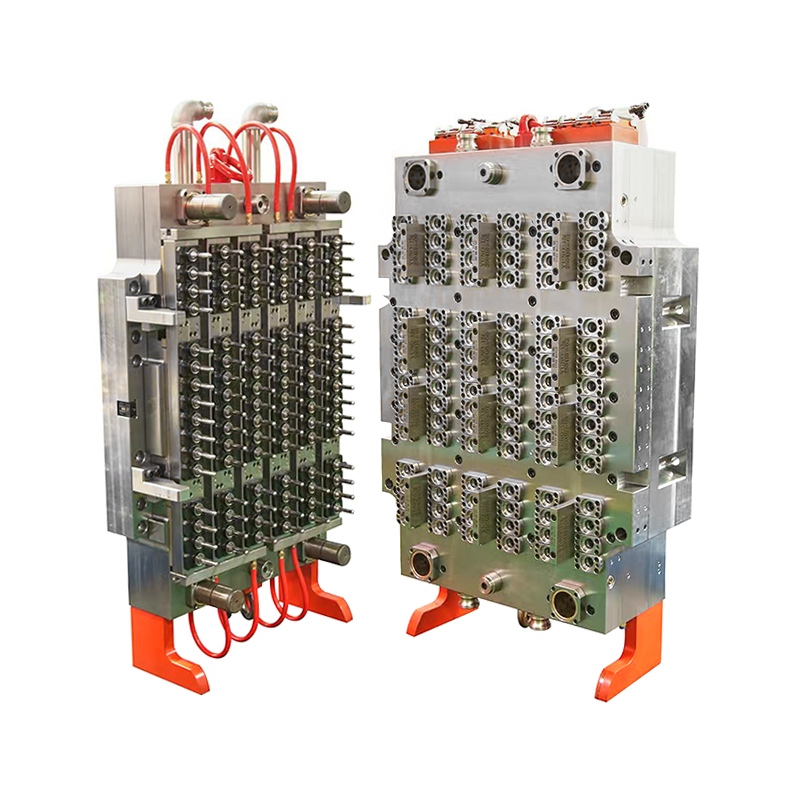
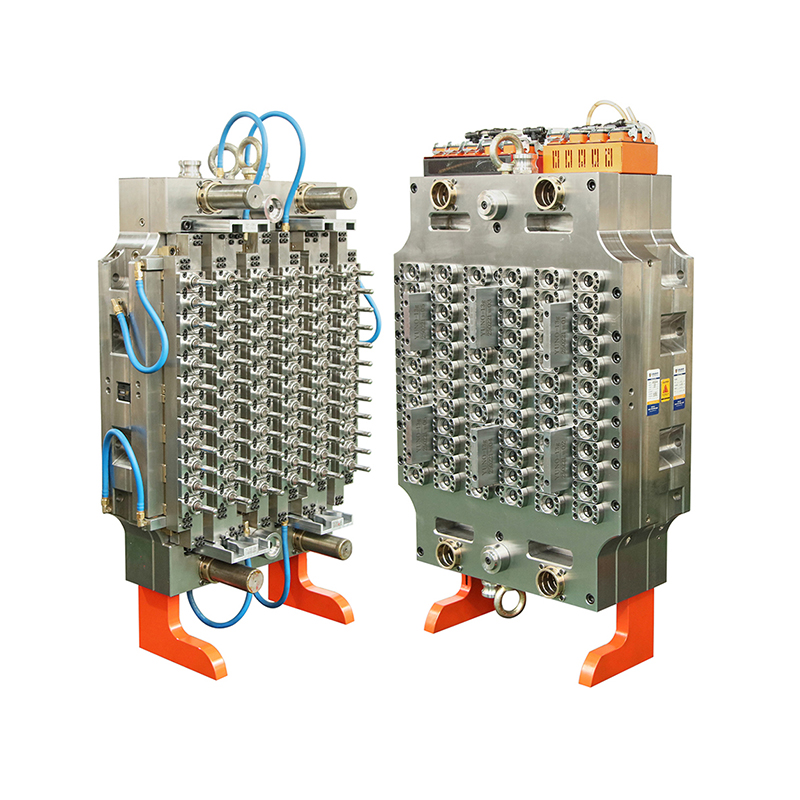
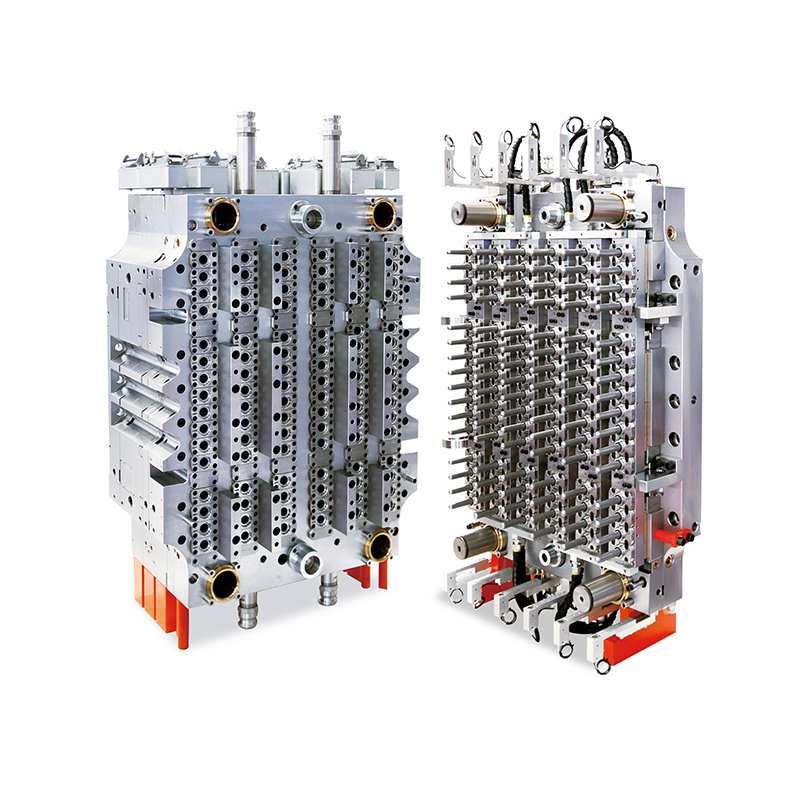
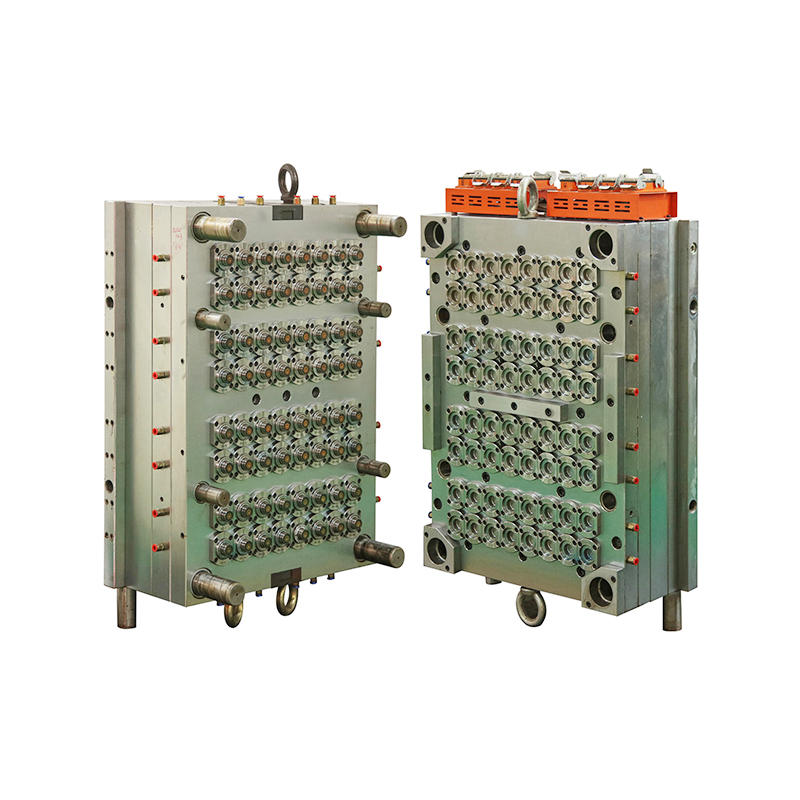
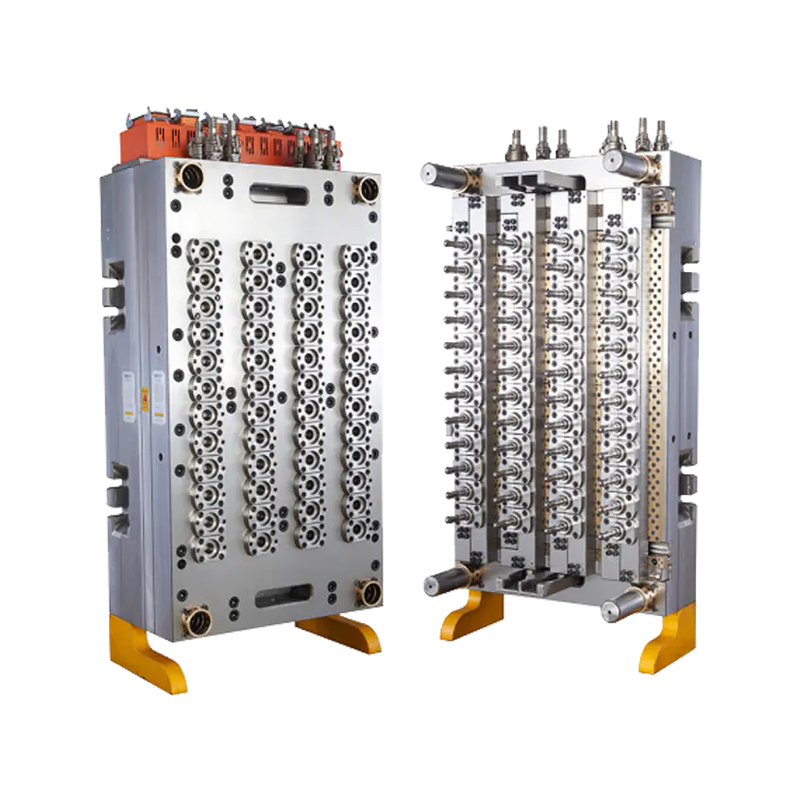
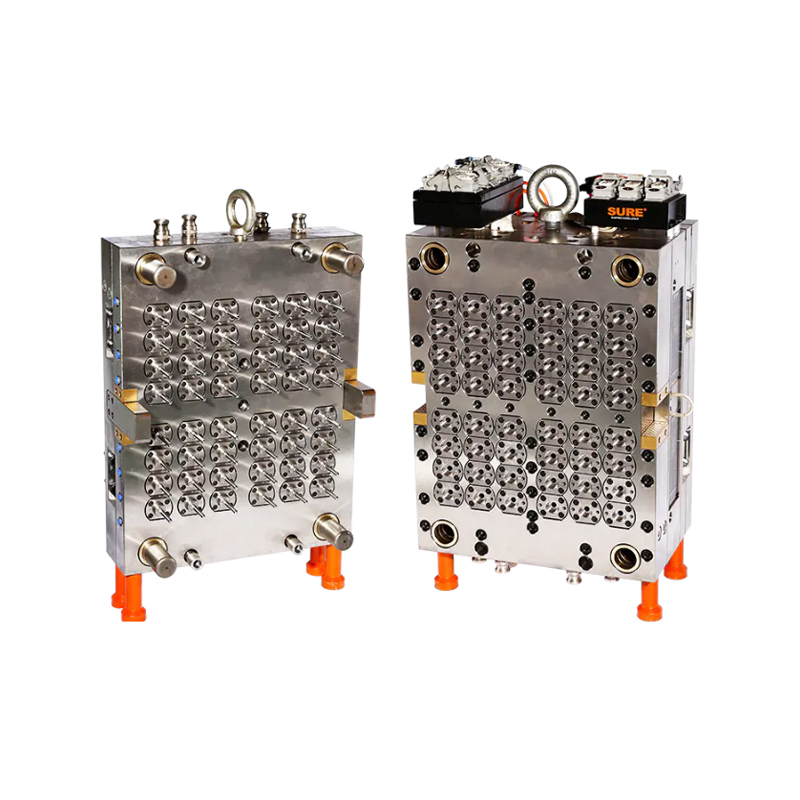
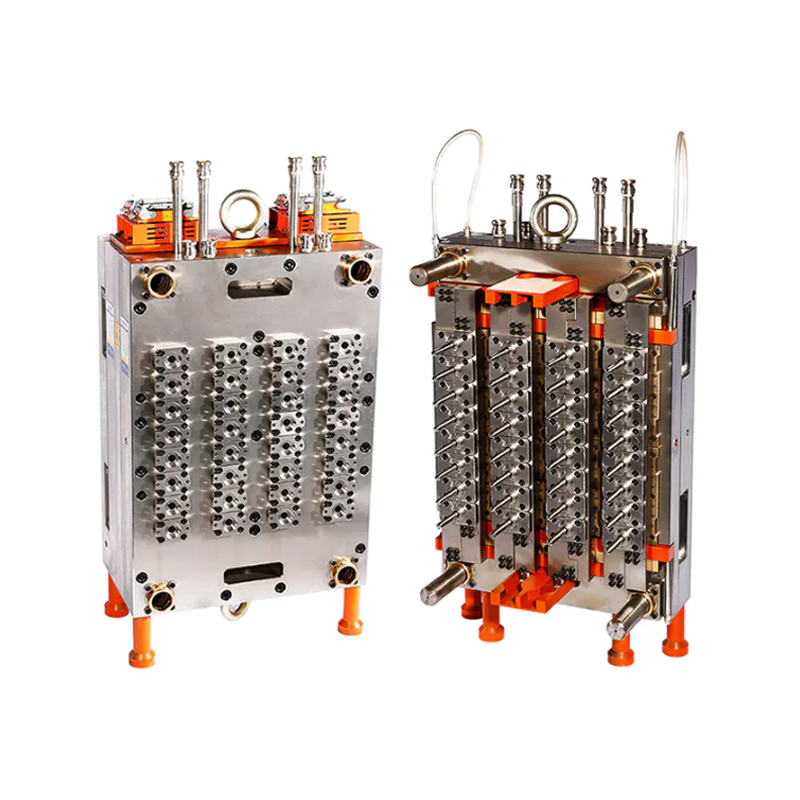
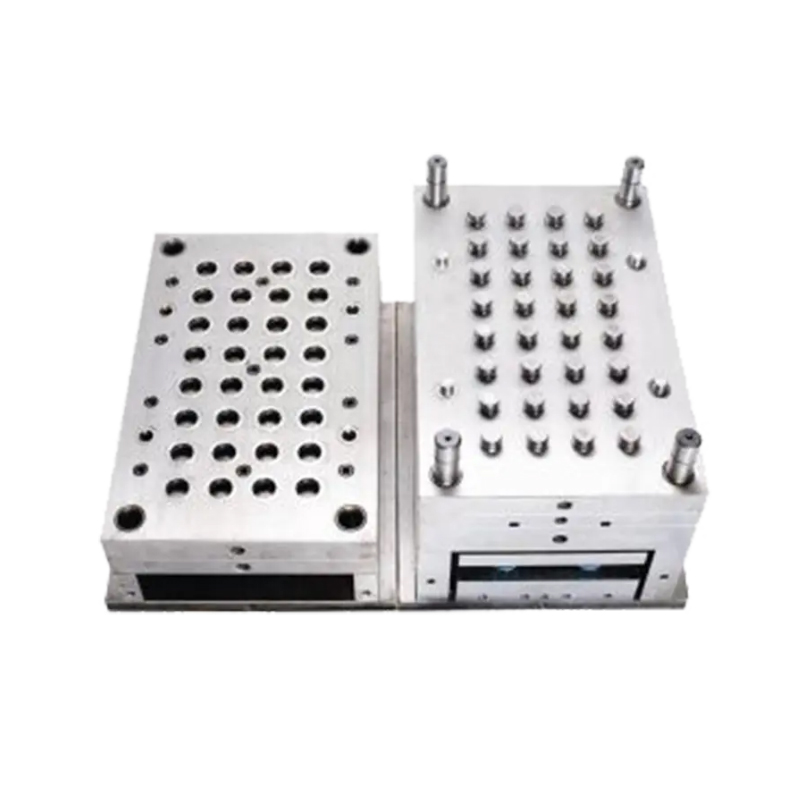
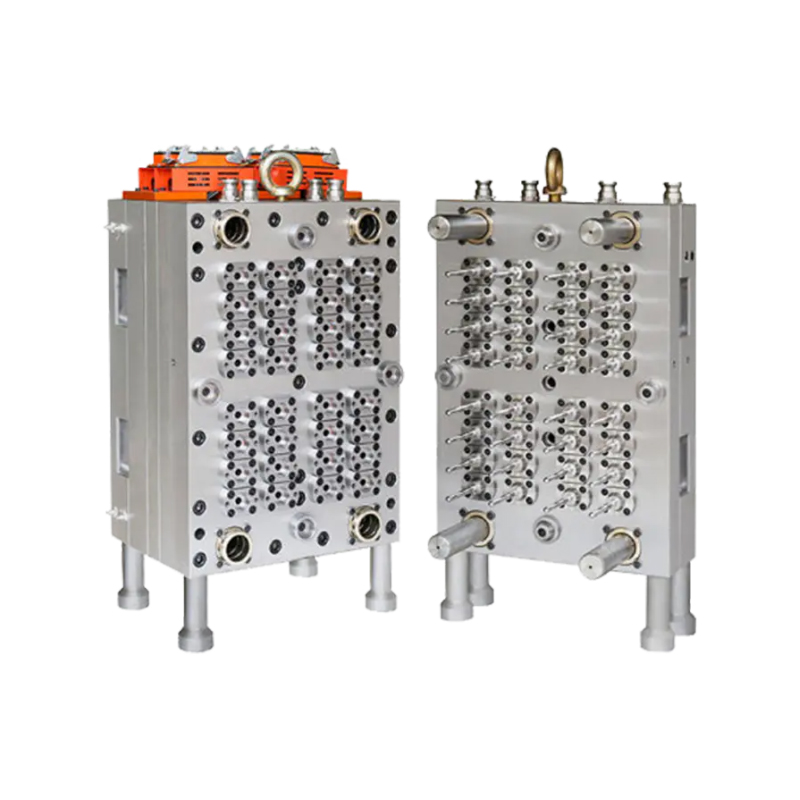
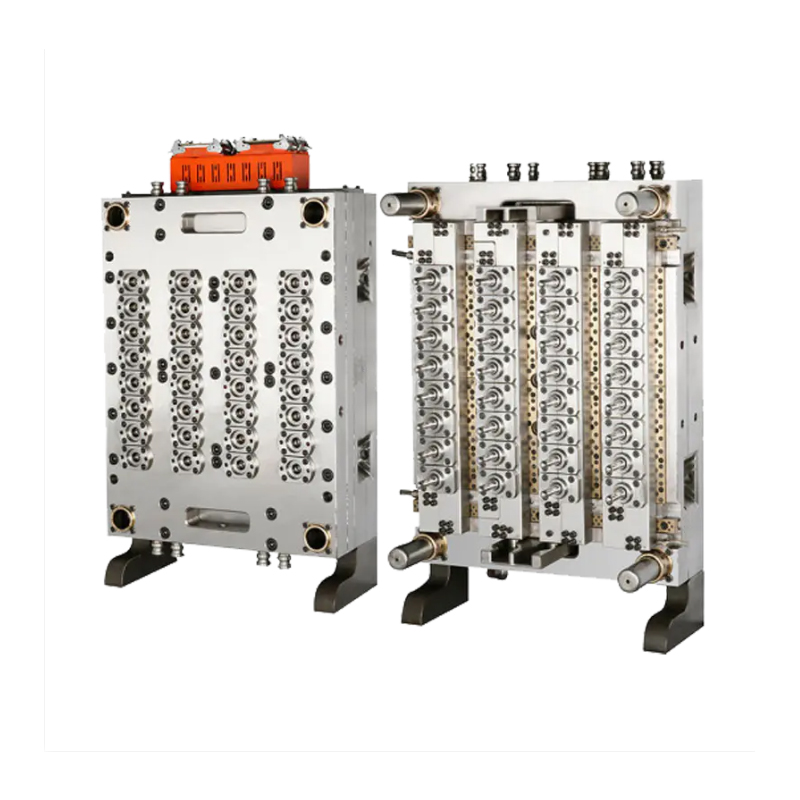
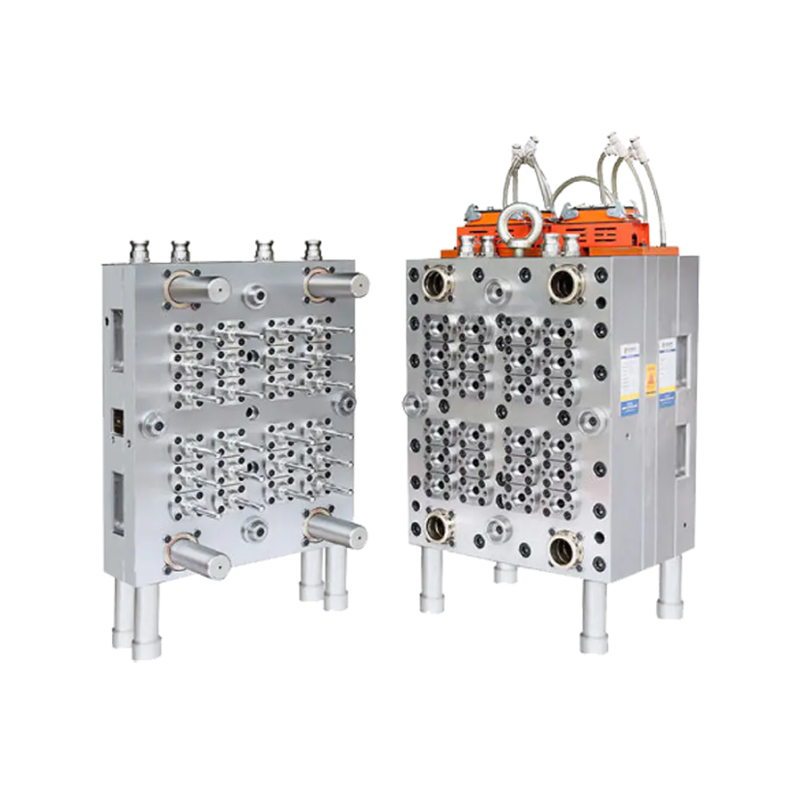
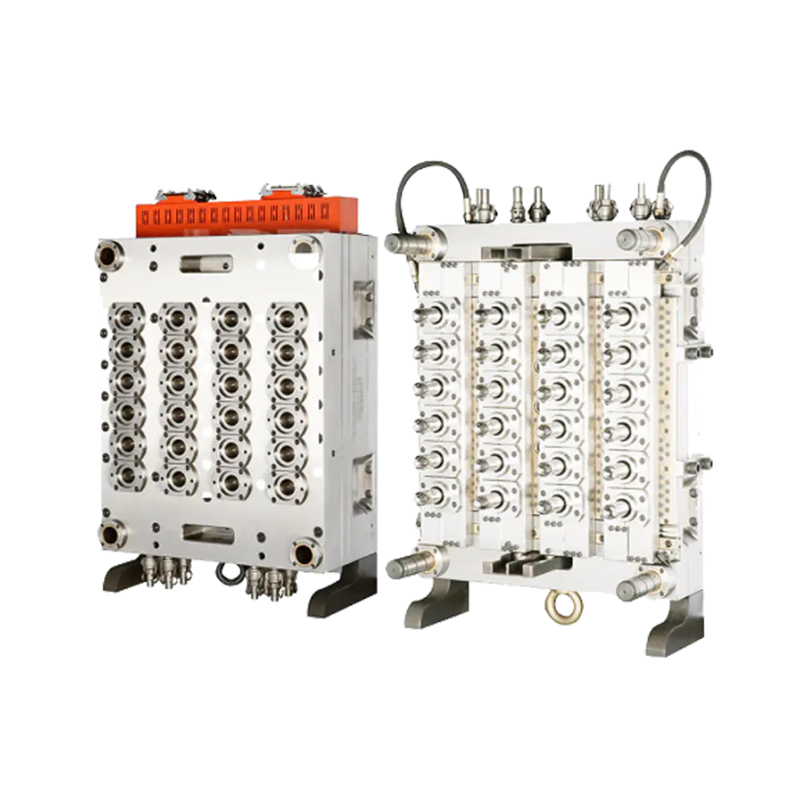
A Pet preform mold is a key component in the production process of PET bottles, which are widely used for beverages, food packaging, and various liquid containers. It is used to form preforms, which are intermediate tube-like shapes that are later heated and blown into final bottle forms. While the finished bottle is what consumers usually see, the quality and consistency of that bottle are strongly influenced by the design and performance of the mold used at the preform stage.
The basic working principle of a Pet preform mold involves injecting molten PET material into precisely engineered cavities. These cavities define the shape, thickness, and neck finish of the preform. Once the material cools and solidifies, the mold opens and the preforms are ejected for the next stage of processing. This process is repeated continuously in high-volume production environments, where stability and repeatability are important.
One of the central aspects of a Pet preform mold is its cavity structure. Molds can contain multiple cavities, allowing several preforms to be produced in one cycle. This design helps align production output with industrial demand, especially in beverage manufacturing where large quantities are required. However, the number of cavities must be balanced with cooling efficiency and injection precision to maintain consistent results.
Material selection for the mold itself also plays a significant role. High-strength steel is commonly used to withstand repeated heating and cooling cycles. Over time, the mold must resist wear, corrosion, and deformation, as even small changes in cavity shape can affect the final bottle dimensions. Surface treatment and polishing techniques are often applied to reduce friction and improve release performance during ejection.
Temperature control is another important factor in Pet preform mold operation. Uniform cooling channels are integrated into the mold design to ensure that each cavity maintains stable thermal conditions. Uneven cooling can lead to variations in wall thickness or internal stress in the preform, which may later affect bottle strength and clarity. For this reason, cooling system design is often considered alongside cavity layout during development.
Injection accuracy is closely tied to the mold’s gate design. The gate is the point where molten PET enters the cavity, and its size and position influence material flow. A well-designed gate system helps reduce flow marks and ensures that the material fills each cavity evenly. This contributes to consistent preform weight and structural uniformity across production batches.
In industrial settings, Pet preform molds are often used in automated systems. These systems include injection machines, robotic handling units, and quality inspection stations. Automation helps maintain steady production cycles and reduces manual handling, which can introduce variability. As production speeds increase, the mold must also be able to withstand rapid cycling without performance loss.
Different applications require different mold specifications. For example, beverage bottles, edible oil containers, and pharmaceutical packaging may all use PET preforms but with variations in neck finish, weight, and shape. As a result, Pet preform mold designs are often customized to meet specific industry requirements. This customization includes adjustments in cavity layout, cooling design, and material flow paths.

No.148 Yongda Road, Jiangkou Street, Huangyan, Taizhou, Zhejiang, China.

yn@tzyuno.com

+86-576-84111565

+86-13575806039


Copyright © Taizhou Huangyan Yuno Mould Co., Ltd.
Plastic Mould Factory