

 英语
英语 法语
法语
Address
No.148 Yongda Road, Jiangkou Street, Huangyan, Taizhou, Zhejiang, China.
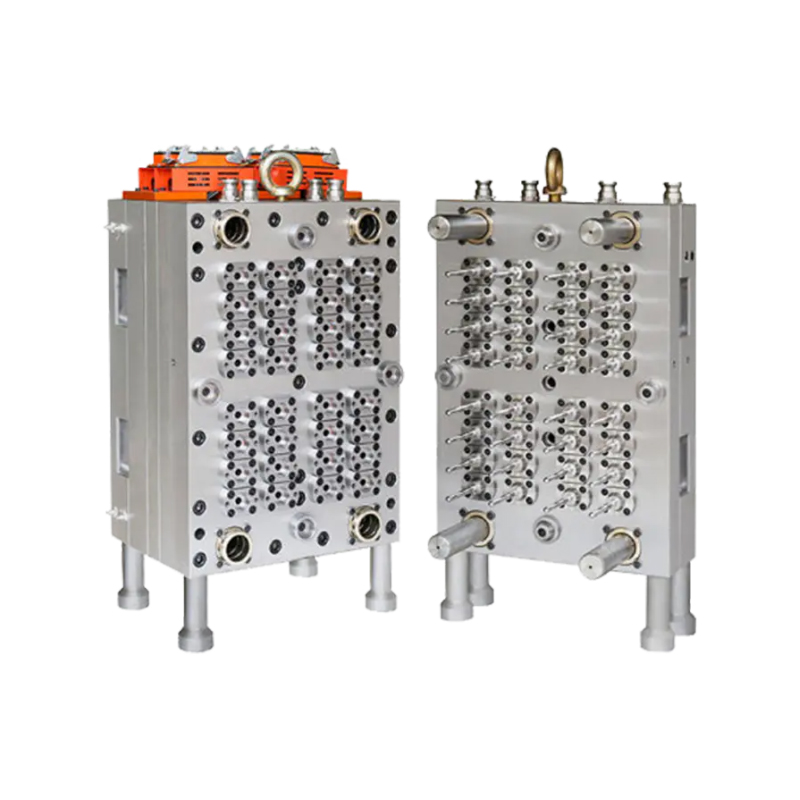
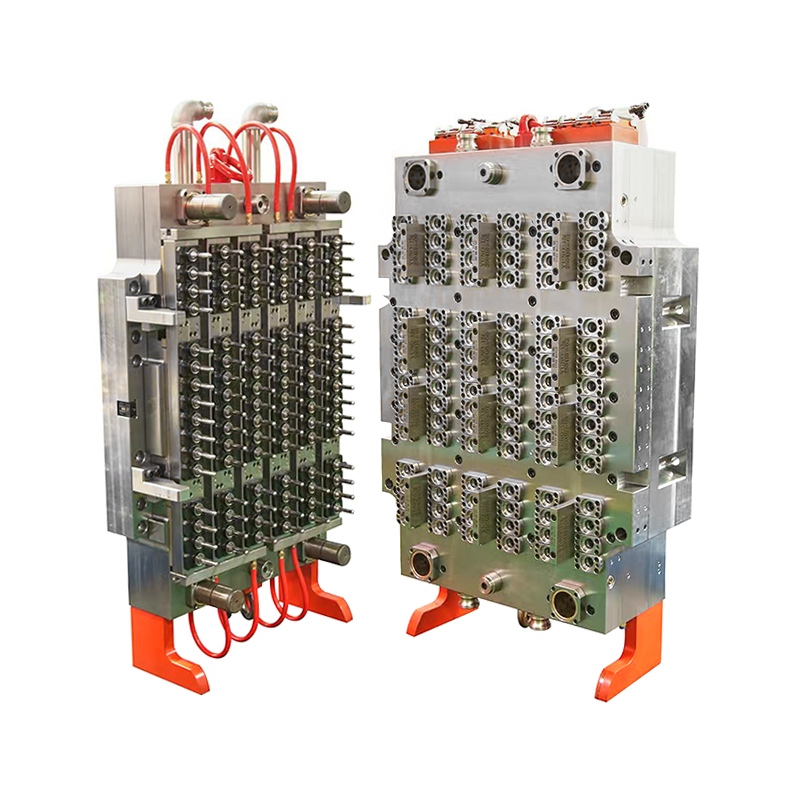
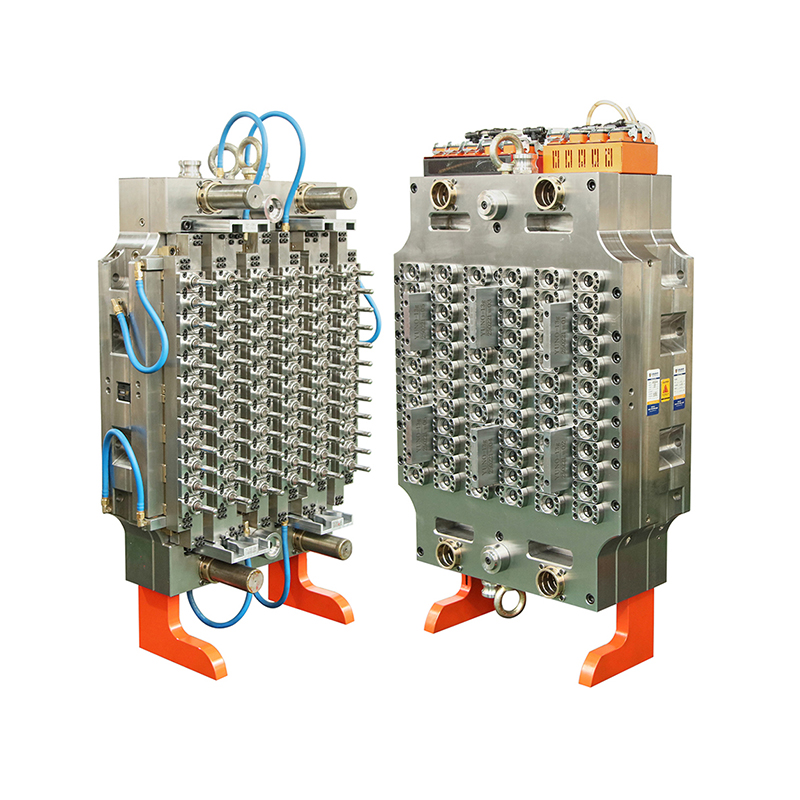
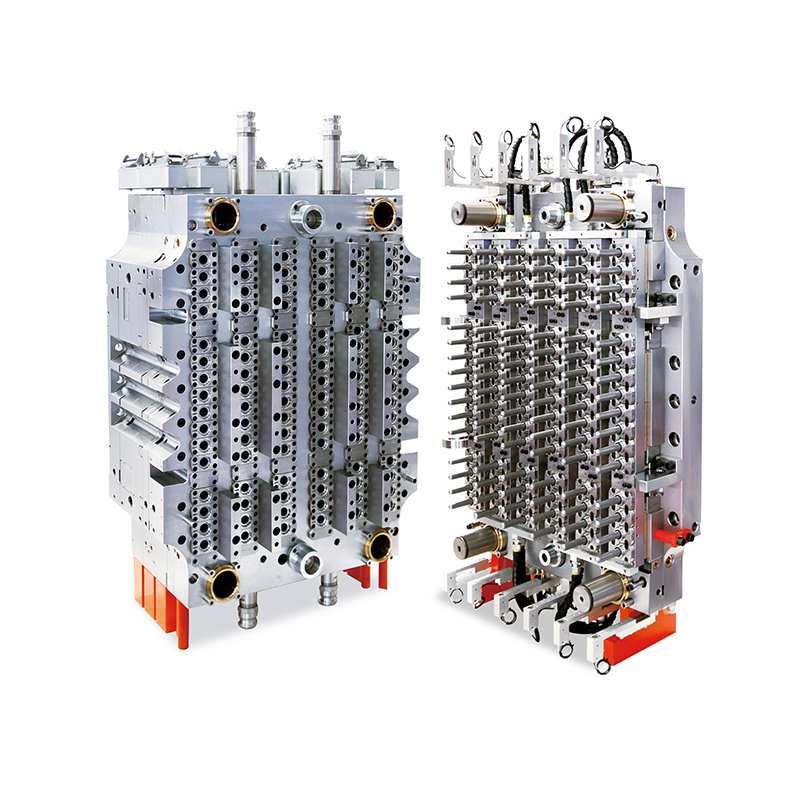
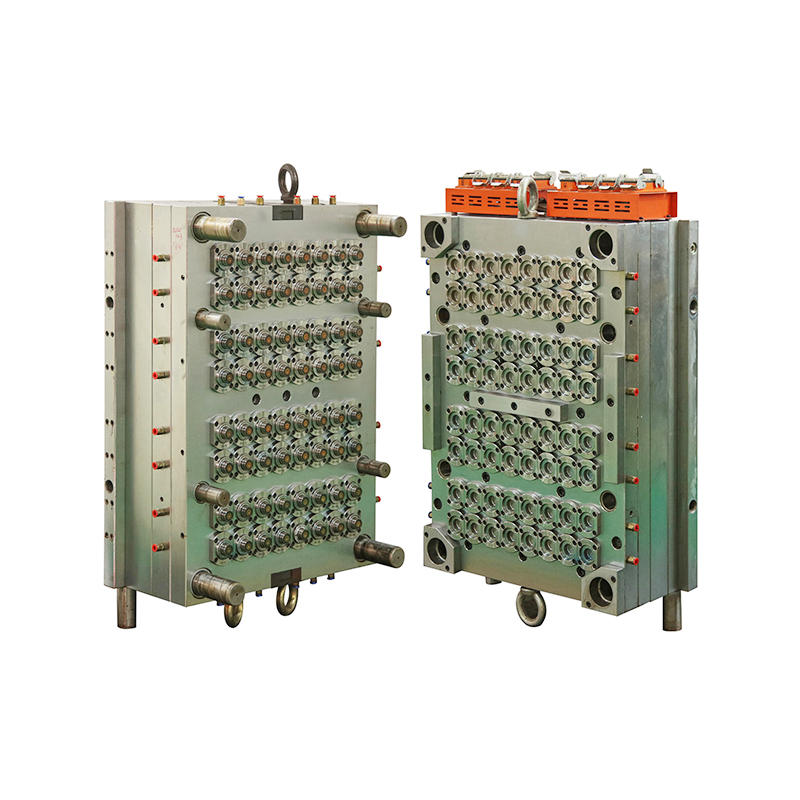
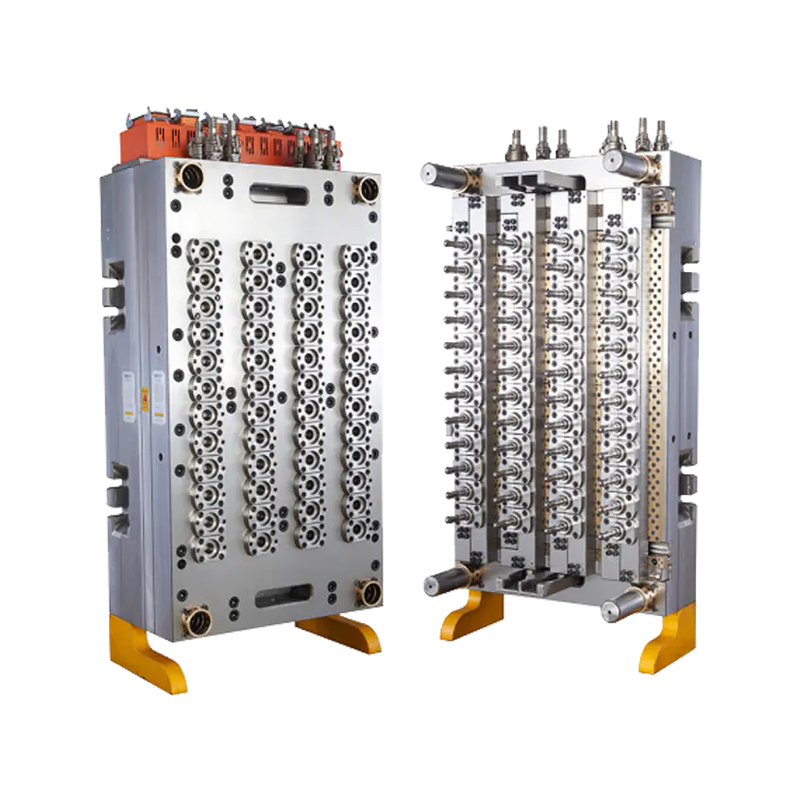
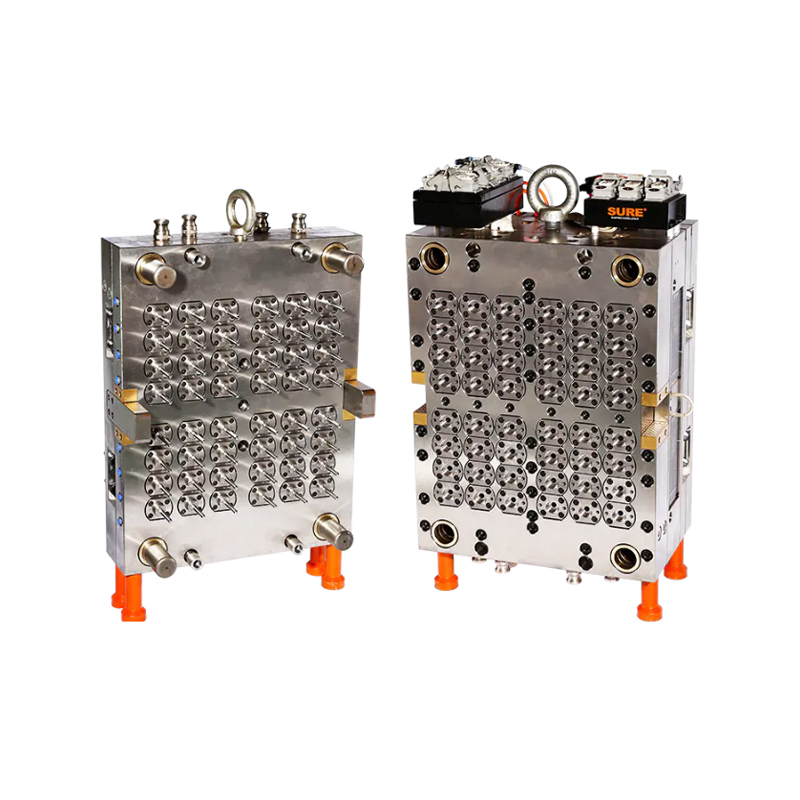
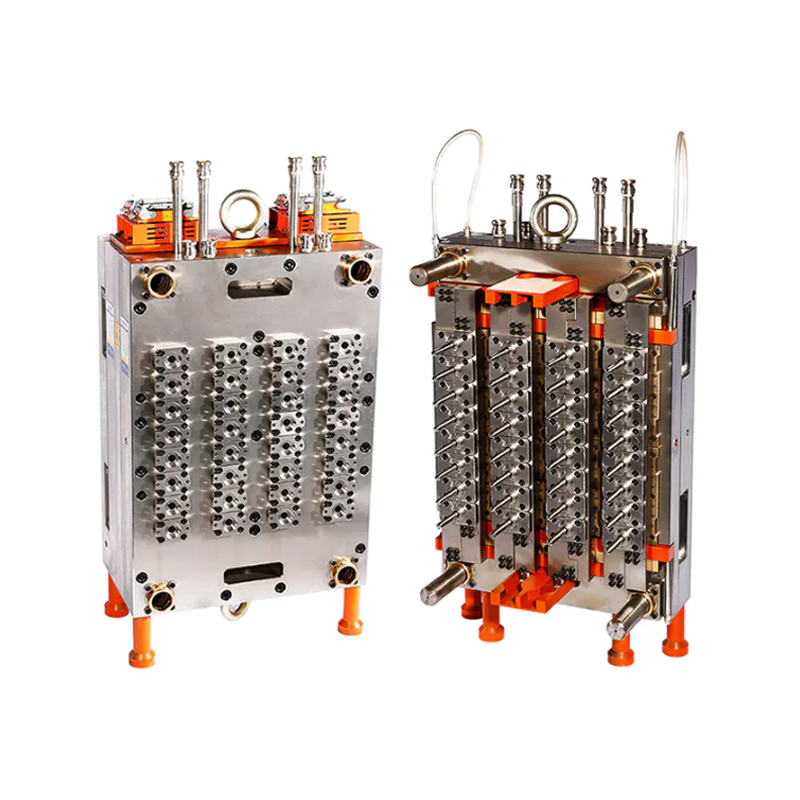
In the medical manufacturing field, precision and consistency are essential for producing reliable diagnostic tools. One important component in this system is the Blood collection tube mould, which plays a direct role in shaping the plastic tubes used for collecting, storing, and transporting blood samples. These moulds are designed with careful engineering to ensure that every tube produced meets strict dimensional and functional requirements, as even small variations can influence laboratory processes.
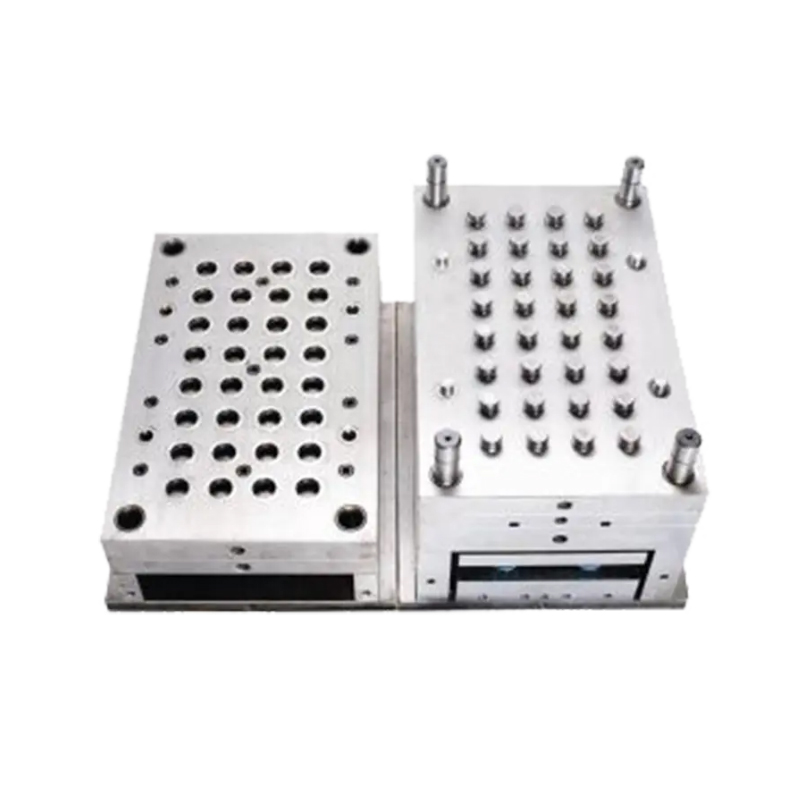
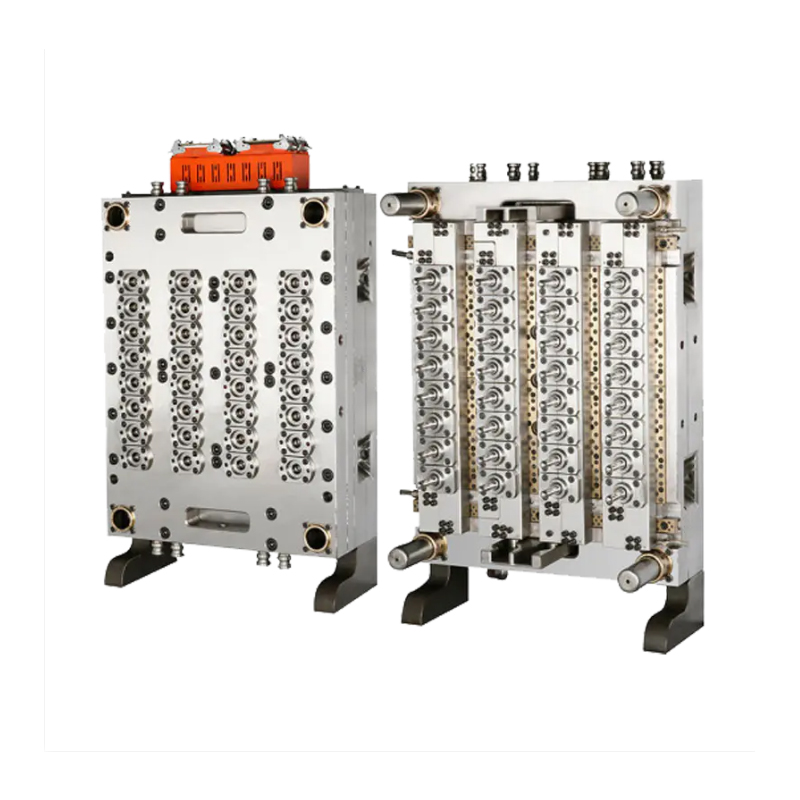
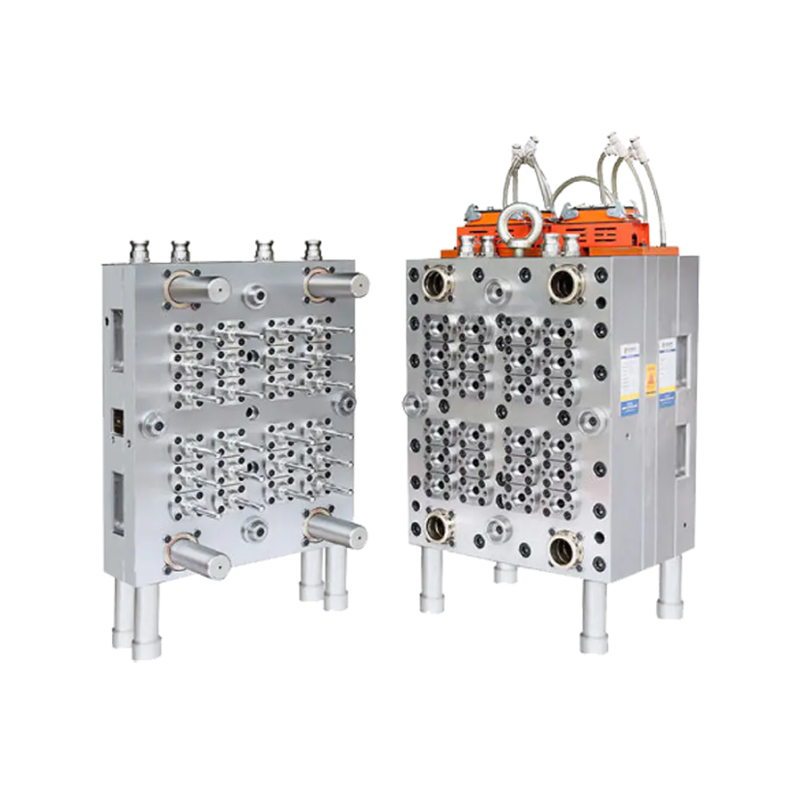
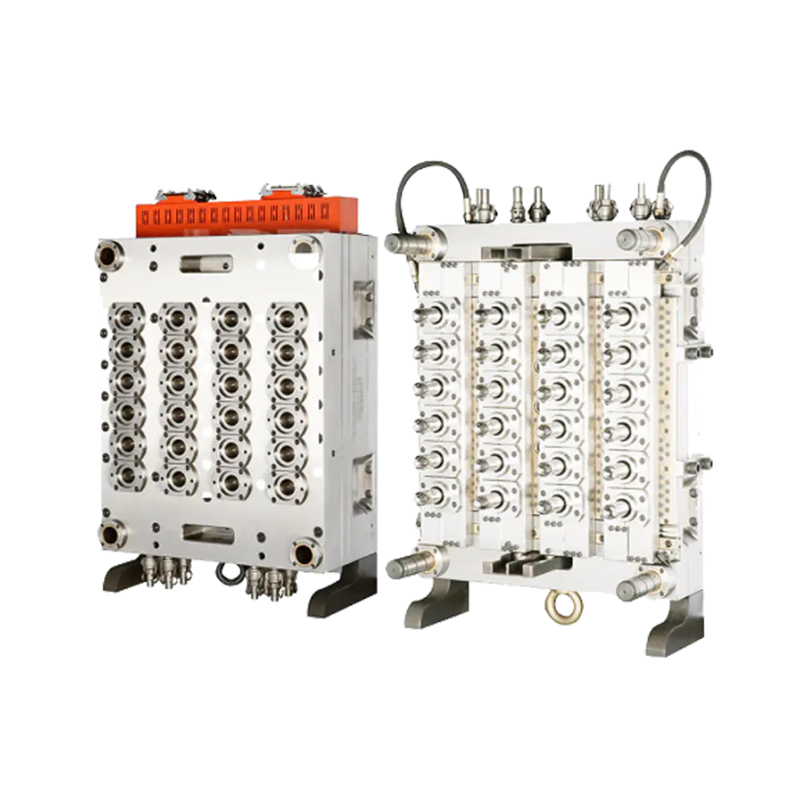
A Blood collection tube mould is typically made from high-grade steel that can withstand repeated injection molding cycles. The mould contains cavities shaped exactly like the final blood collection tubes, including features such as screw caps, labeling zones, and internal volume markings. During production, molten plastic is injected into these cavities under controlled pressure and temperature conditions. Once cooled, the plastic solidifies into uniform tubes ready for medical use.
One of the key reasons the Blood collection tube mould is so important is its impact on consistency. In medical diagnostics, blood samples must be handled in a standardized way to ensure accurate test results. If the tube dimensions vary, it may affect sample volume, mixing of additives, or compatibility with automated laboratory equipment. For this reason, mould precision is considered a core requirement in production planning.
Designing a Blood collection tube mould involves both mechanical engineering and medical application knowledge. Engineers must consider factors such as wall thickness, sealing performance, and chemical resistance. Many blood collection tubes contain additives that preserve or stabilize blood samples, so the internal surface of the tube must remain chemically stable and non-reactive. The mould design therefore needs to support smooth internal finishes that reduce contamination risks and improve sample reliability.
Manufacturing a Blood collection tube mould also requires advanced machining techniques. CNC machining and electrical discharge machining are often used to create fine details within the mould cavity. These processes allow for tight tolerances, ensuring that every produced tube is nearly identical. After machining, the mould undergoes polishing and surface treatment to improve durability and reduce wear over time.
Quality control is another important aspect of Blood collection tube mould production. Before full-scale manufacturing begins, sample runs are conducted to test dimensional accuracy, sealing performance, and compatibility with automated blood testing systems. Adjustments are often made during this stage to refine the final output. Even after mass production starts, regular inspections are performed to maintain consistency and prevent deviations caused by long-term usage of the mould.
The application of Blood collection tube mould technology extends across hospitals, diagnostic laboratories, and blood donation centers. Each environment requires tubes with specific characteristics, such as vacuum pressure levels or additive coatings. Mould customization allows manufacturers to produce different types of tubes using the same base production system, improving efficiency while meeting varied medical requirements.
Recent developments in Blood collection tube mould design focus on improving production efficiency and reducing material waste. Optimized cooling channels inside the mould help shorten cycle times, allowing more tubes to be produced within the same timeframe. At the same time, improved venting systems help prevent air traps during injection, reducing defects and improving surface quality.
In modern healthcare supply chains, the role of the Blood collection tube mould is often overlooked, yet it directly influences the reliability of diagnostic results. Every blood test begins with a tube, and every tube begins with a mould. This connection highlights how upstream manufacturing processes contribute to downstream medical accuracy.

No.148 Yongda Road, Jiangkou Street, Huangyan, Taizhou, Zhejiang, China.

yn@tzyuno.com

+86-576-84111565

+86-13575806039


Copyright © Taizhou Huangyan Yuno Mould Co., Ltd.
Plastic Mould Factory