

 英语
英语 法语
法语
Address
No.148 Yongda Road, Jiangkou Street, Huangyan, Taizhou, Zhejiang, China.
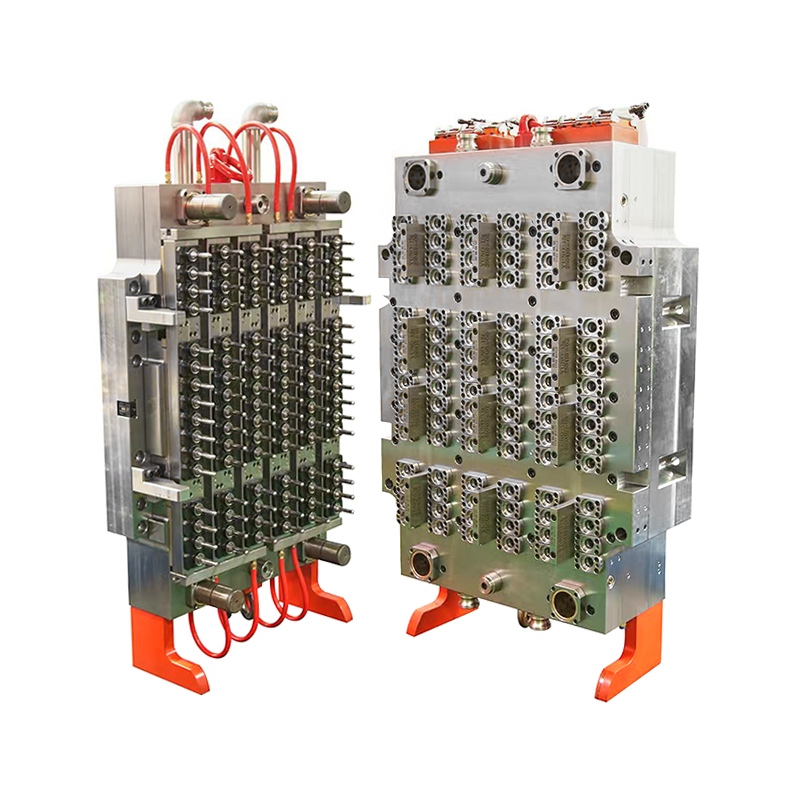
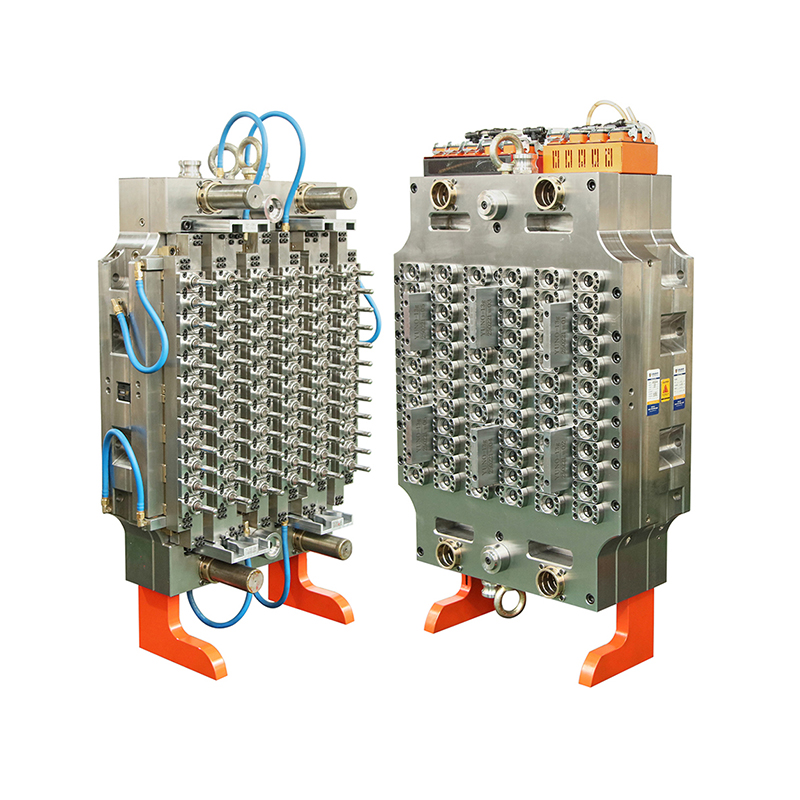
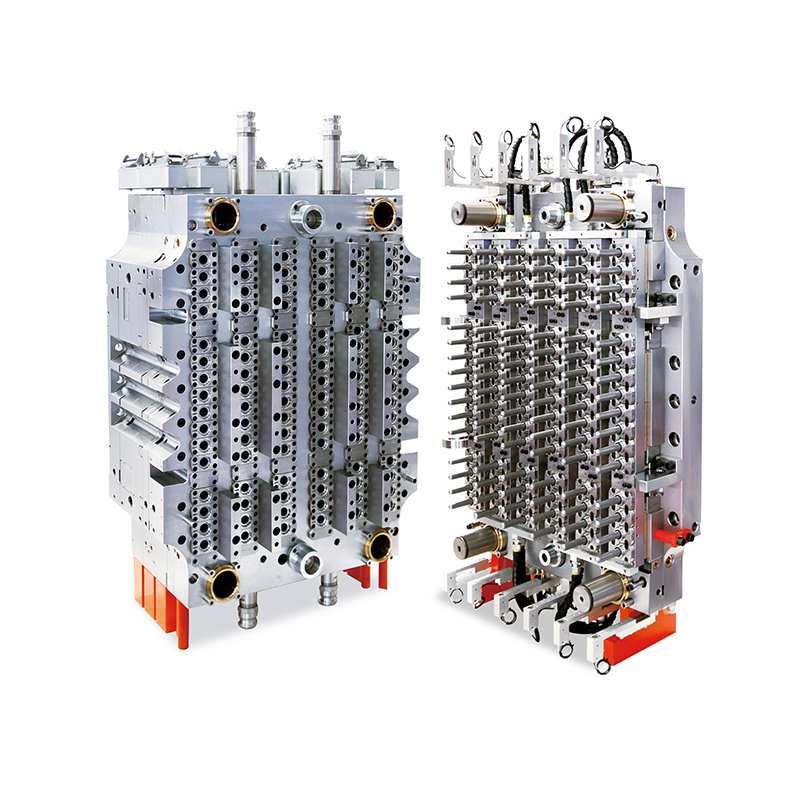
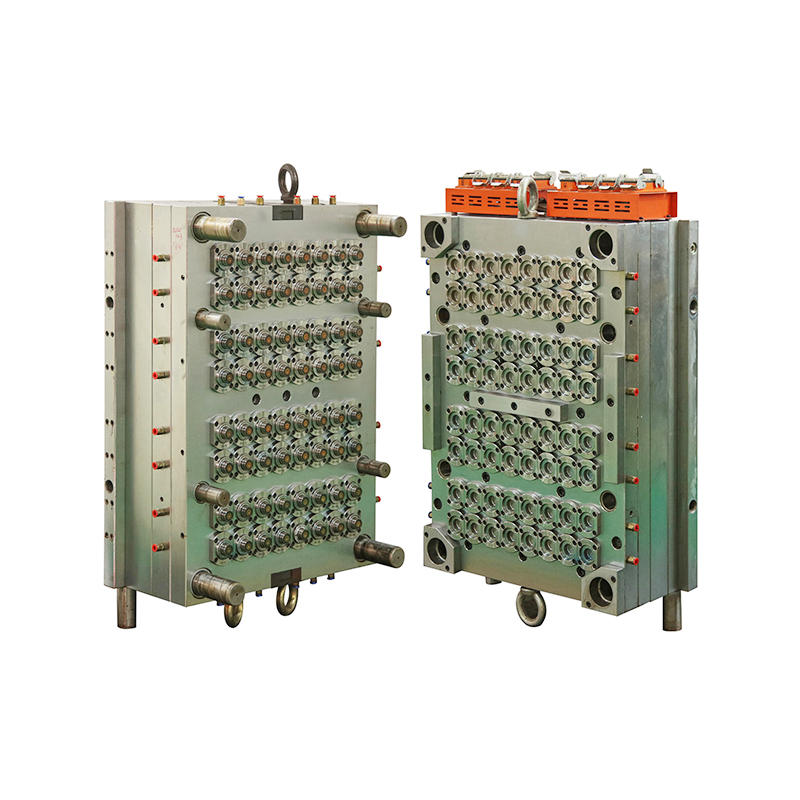
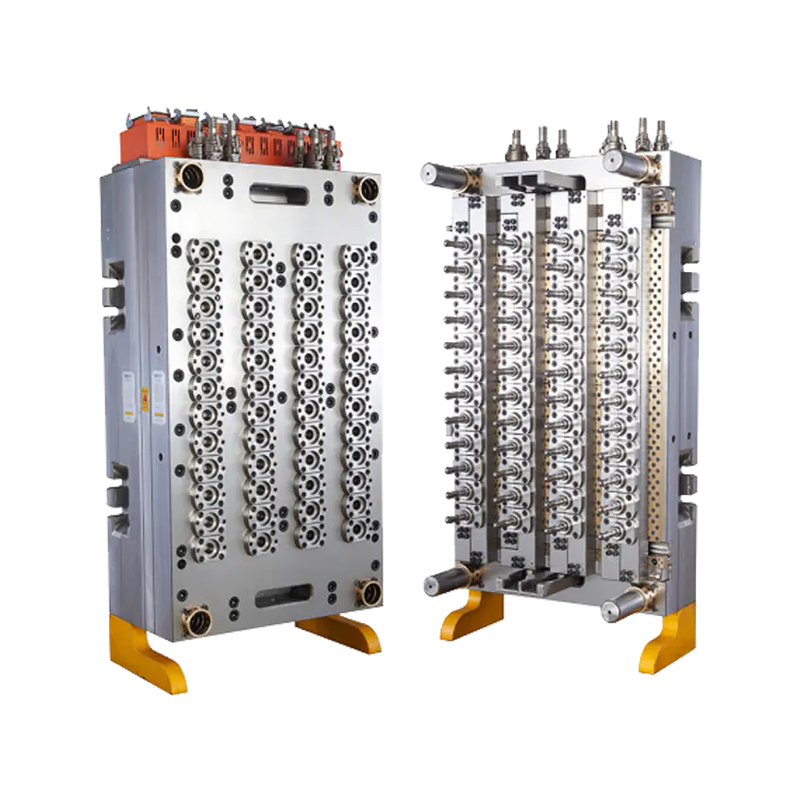
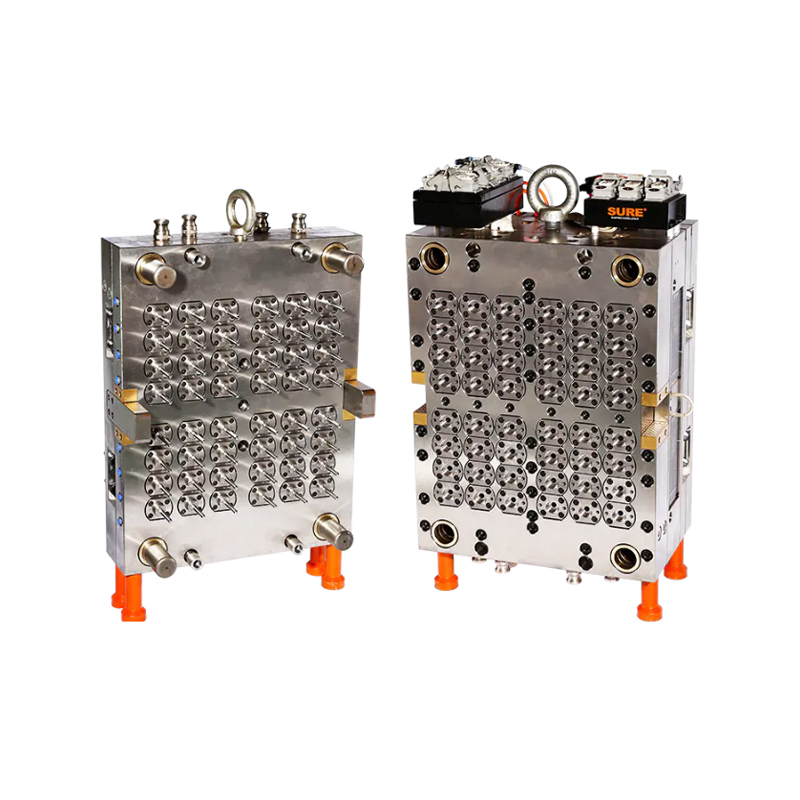
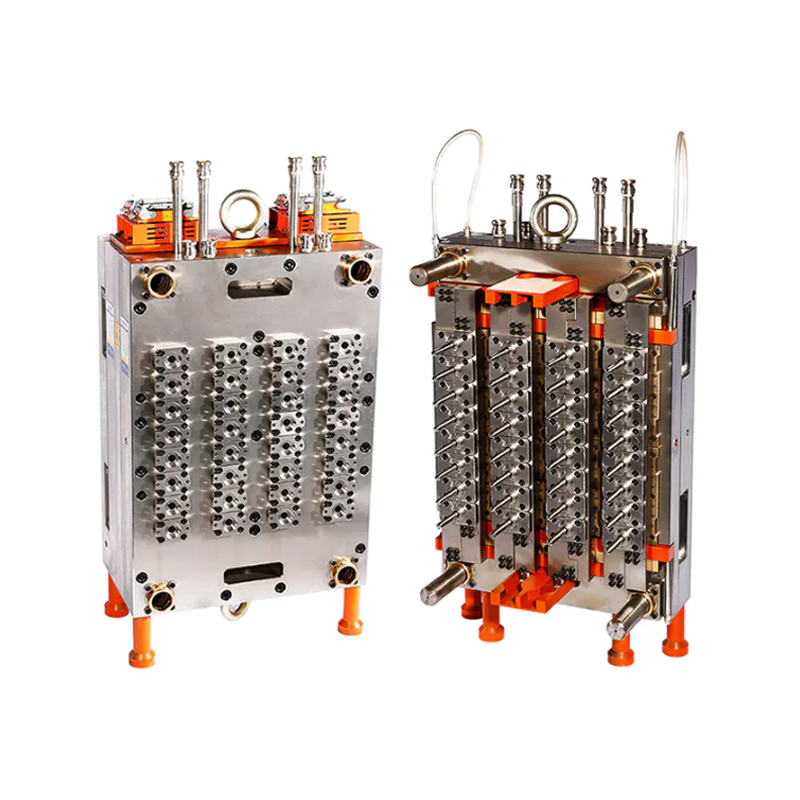
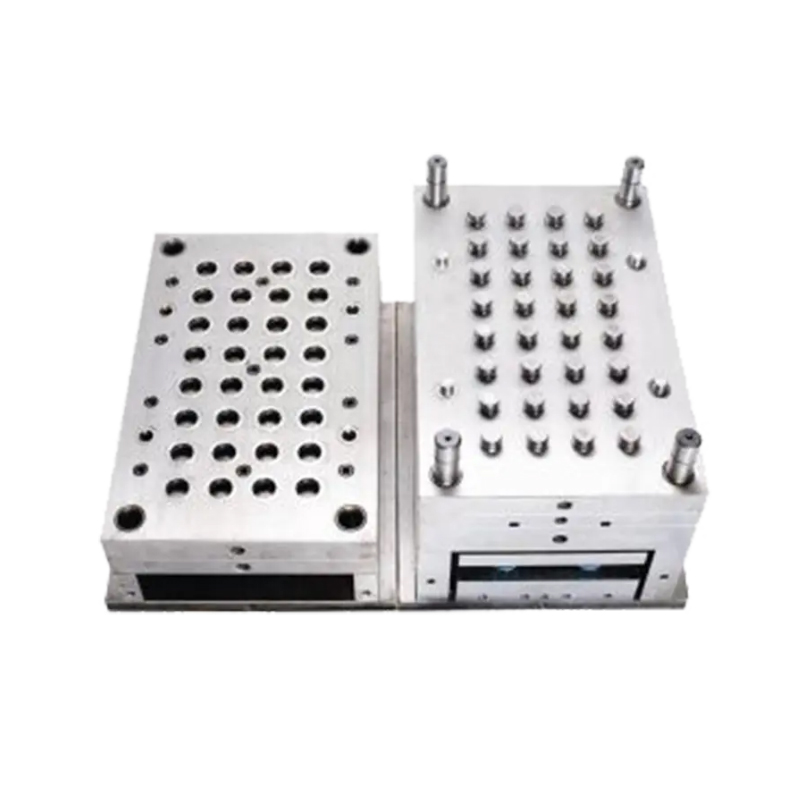
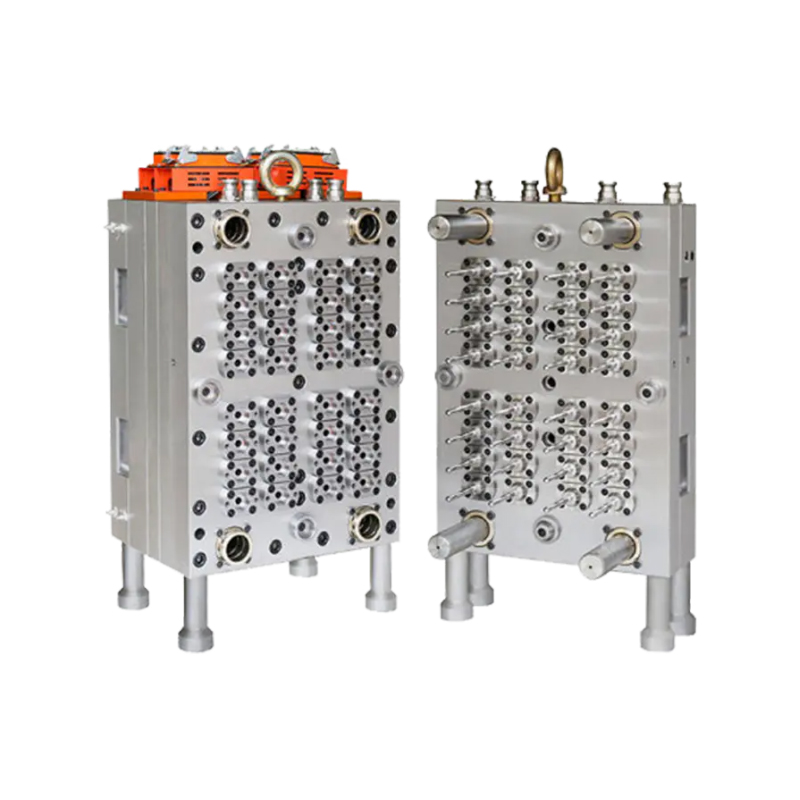
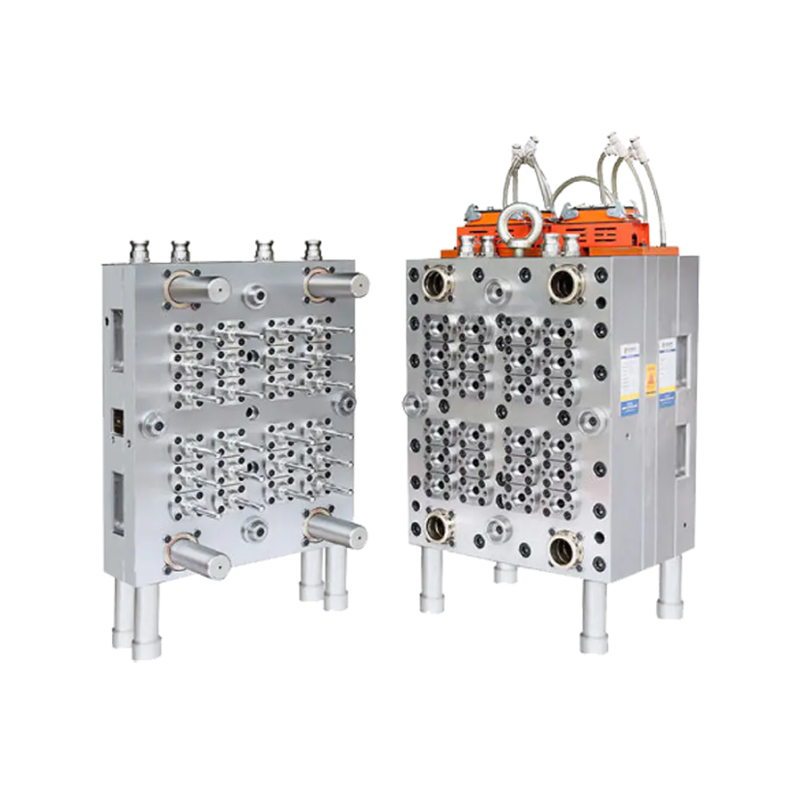
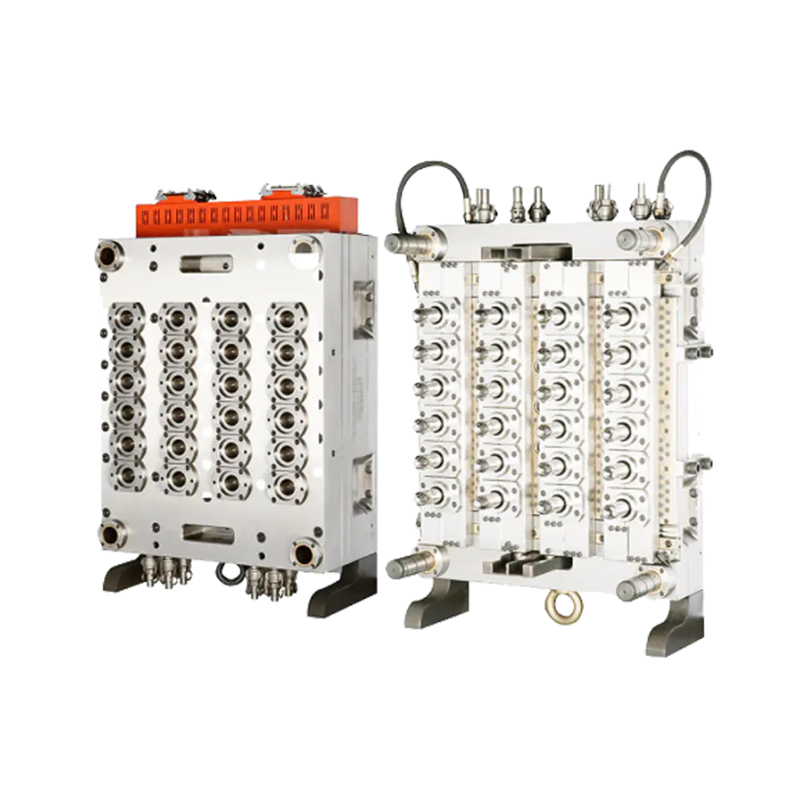
Cosmetic moulds play a vital role in the production of containers, packaging, and other cosmetic products. These moulds are typically made from high-quality steel, aluminum, or other alloys that can withstand repeated use while maintaining precision. Material selection is critical, as it affects the mould’s durability, resistance to wear, and ability to form detailed shapes. Manufacturers often choose materials based on the type of cosmetic product, production volume, and required finish quality.
The design of cosmetic moulds focuses on achieving accuracy and consistency. Every curve, edge, and detail must match the intended product design. Engineers use advanced software and computer-aided design tools to model the mould before production. This ensures that the final product aligns with aesthetic and functional requirements. Cosmetic moulds must accommodate various sizes and shapes, from lipstick tubes and compact cases to bottles and jars, making versatility a key consideration.
The manufacturing process of cosmetic moulds involves precise machining techniques, including CNC milling, electrical discharge machining, and polishing. These methods allow manufacturers to create highly detailed mould cavities that produce consistent, uniform parts. The accuracy of the mould directly impacts the final product’s appearance, surface finish, and structural integrity. Even minor deviations can affect the way a cosmetic product looks or functions, making precision a top priority in mould production.
Surface finishing is another critical aspect of cosmetic moulds. Polished surfaces ensure that the cosmetic container has a smooth, visually appealing exterior, while textured finishes provide unique tactile and visual effects. Some moulds are designed to produce multiple parts simultaneously, increasing production efficiency without compromising quality.
Cosmetic moulds are used across a wide range of beauty and personal care products. Lipsticks, foundations, creams, serums, and compact powders all rely on high-quality moulds for consistent packaging. The mould not only determines the shape and design but also affects usability and ergonomics. For example, lipstick cases must open and close smoothly, while jar lids must fit securely. Cosmetic moulds provide the foundation for achieving both functional and visual excellence in packaging.
Customisation is a growing trend in cosmetic mould applications. Brands often request unique shapes, logos, or patterns embedded in the mould to differentiate their products. This helps create distinctive packaging that enhances brand recognition. Colour, metallic coatings, and other finishing techniques complement the mould design, adding a professional and appealing appearance to the final product. Manufacturers can respond to these requirements with flexible mould design processes that support diverse cosmetic lines.
Efficiency in cosmetic mould production is achieved through careful planning, standardized processes, and regular maintenance. Moulds must withstand repeated cycles without losing precision, which requires monitoring wear, cleaning, and periodic refurbishment. Quality control measures include inspection of dimensions, surface finish, and material integrity to ensure that each mould produces consistent, reliable outputs.
Automated production systems often use cosmetic moulds in injection moulding, blow moulding, or compression moulding processes. These systems allow manufacturers to produce large volumes while maintaining high quality. The combination of reliable moulds and automated processes helps cosmetic brands maintain consistent standards, improve productivity, and reduce waste.


No.148 Yongda Road, Jiangkou Street, Huangyan, Taizhou, Zhejiang, China.

yn@tzyuno.com

+86-576-84111565

+86-13575806039


Copyright © Taizhou Huangyan Yuno Mould Co., Ltd.
Plastic Mould Factory