

 英语
 法语

Address
No.148 Yongda Road, Jiangkou Street, Huangyan, Taizhou, Zhejiang, China.
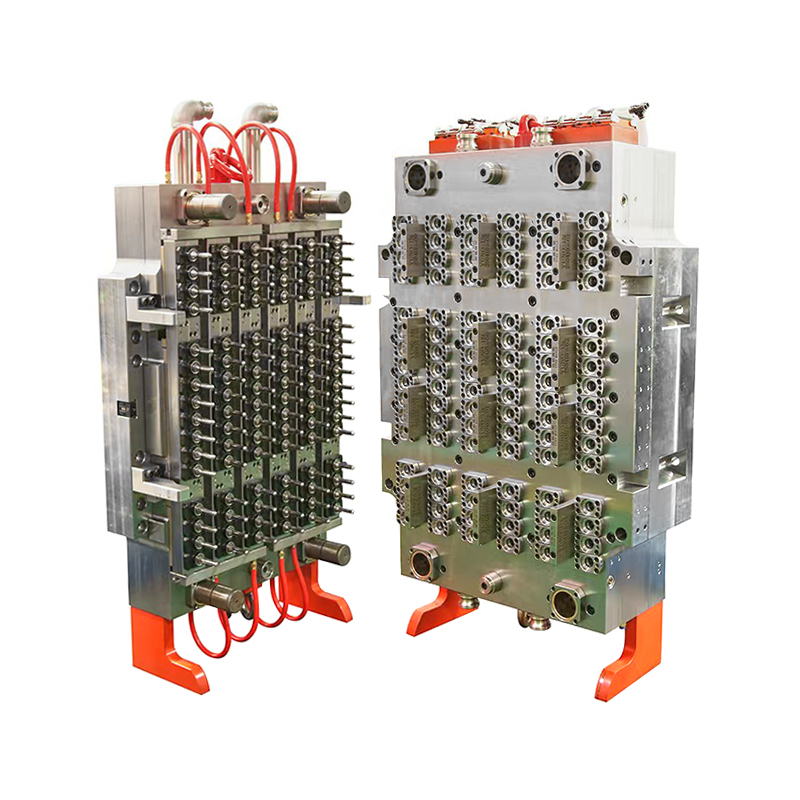
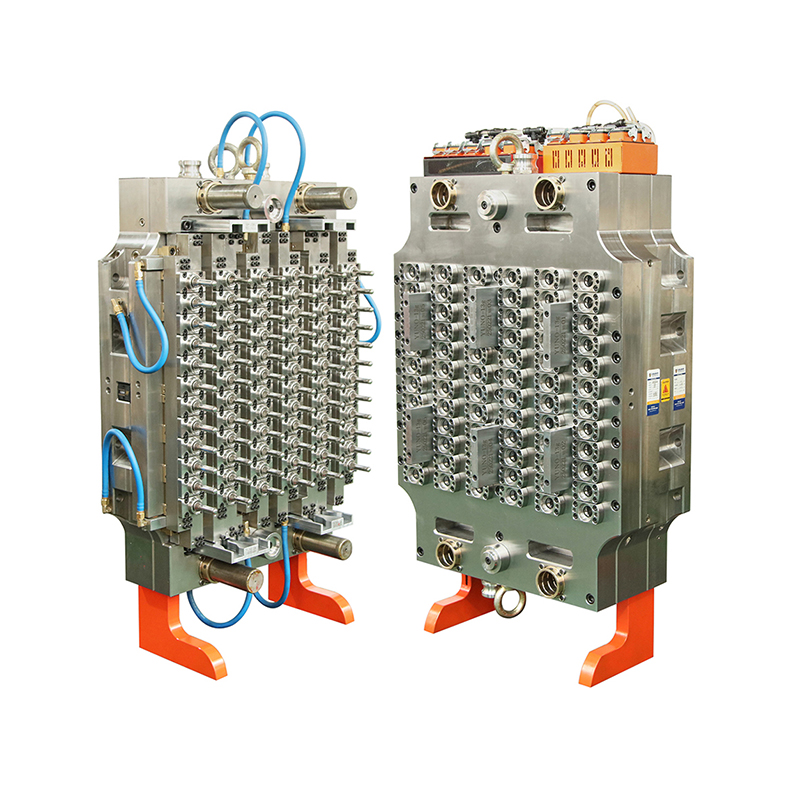
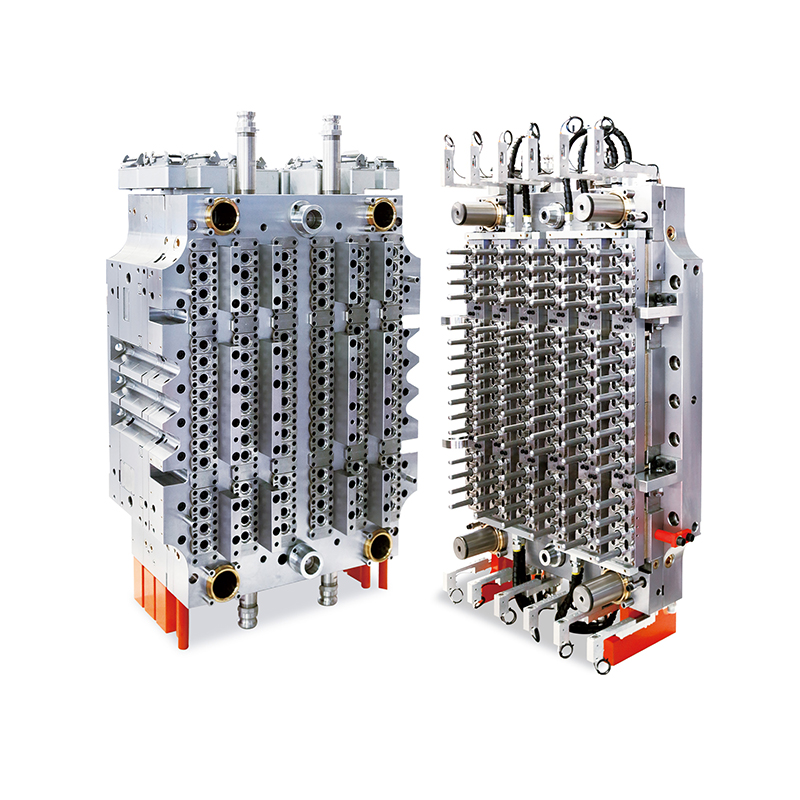
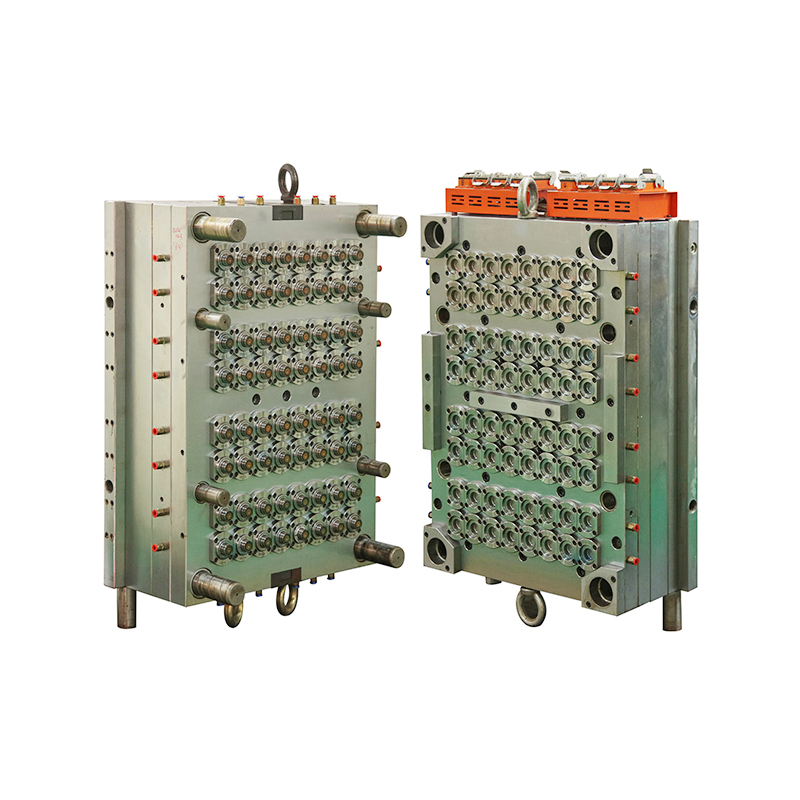
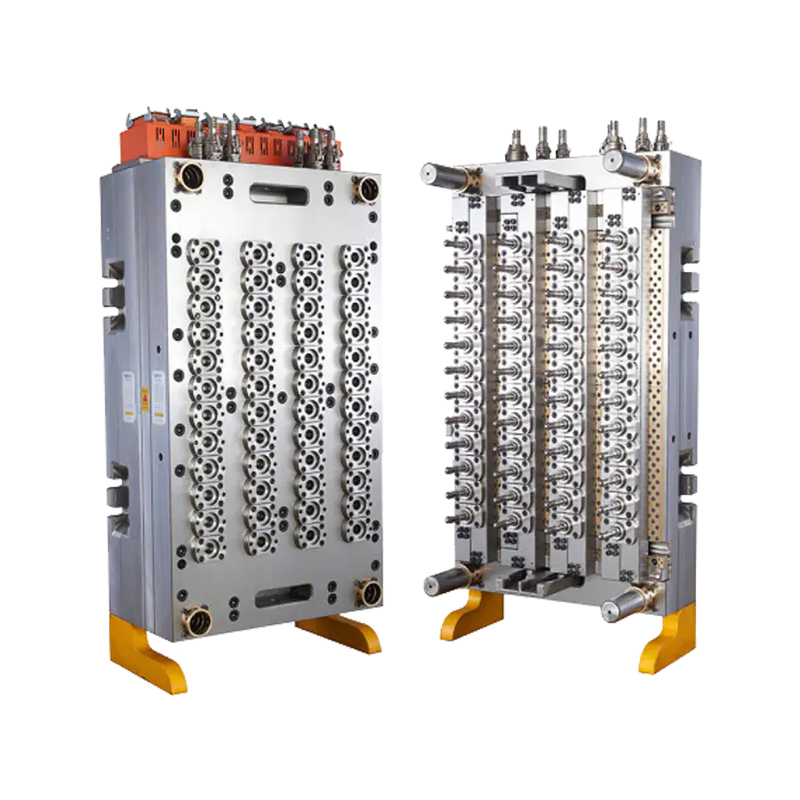
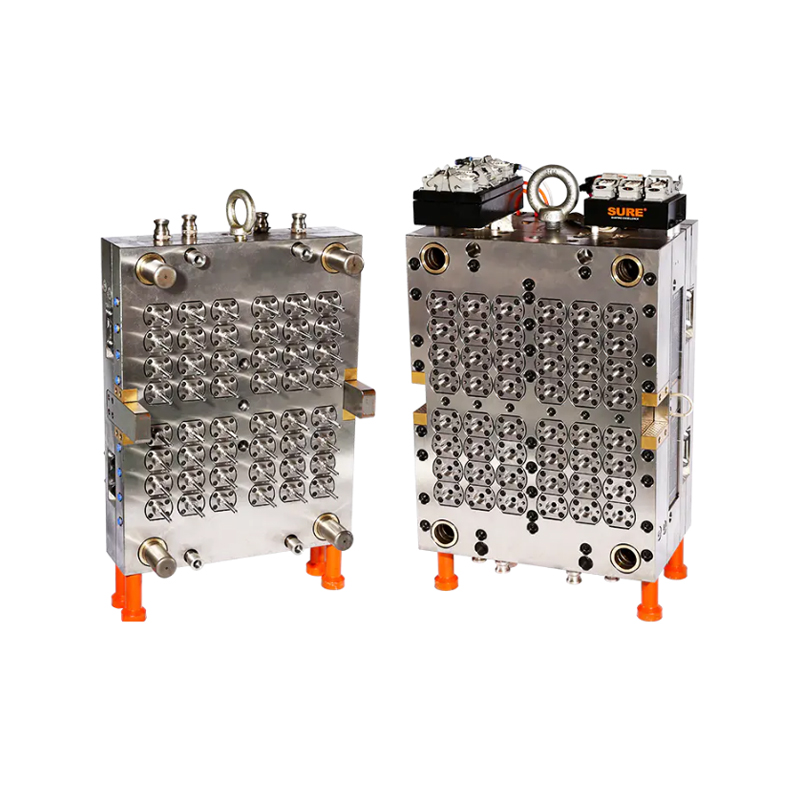
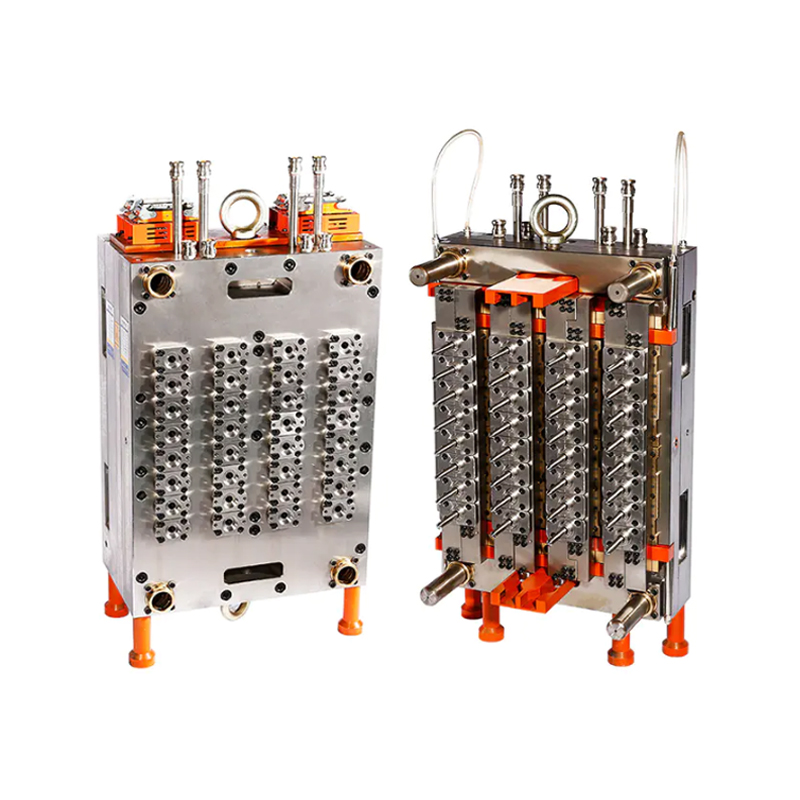
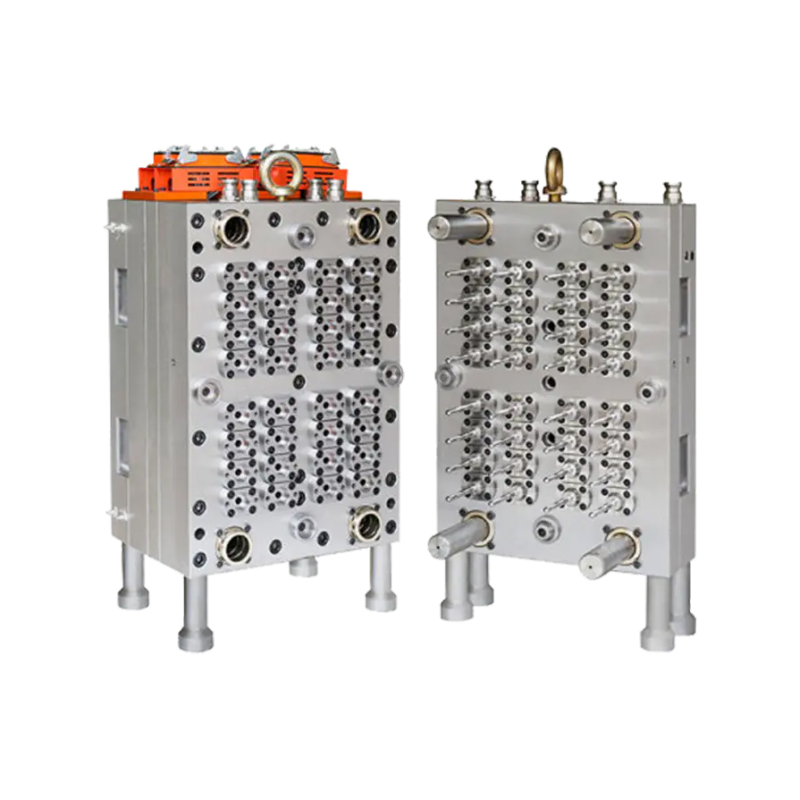
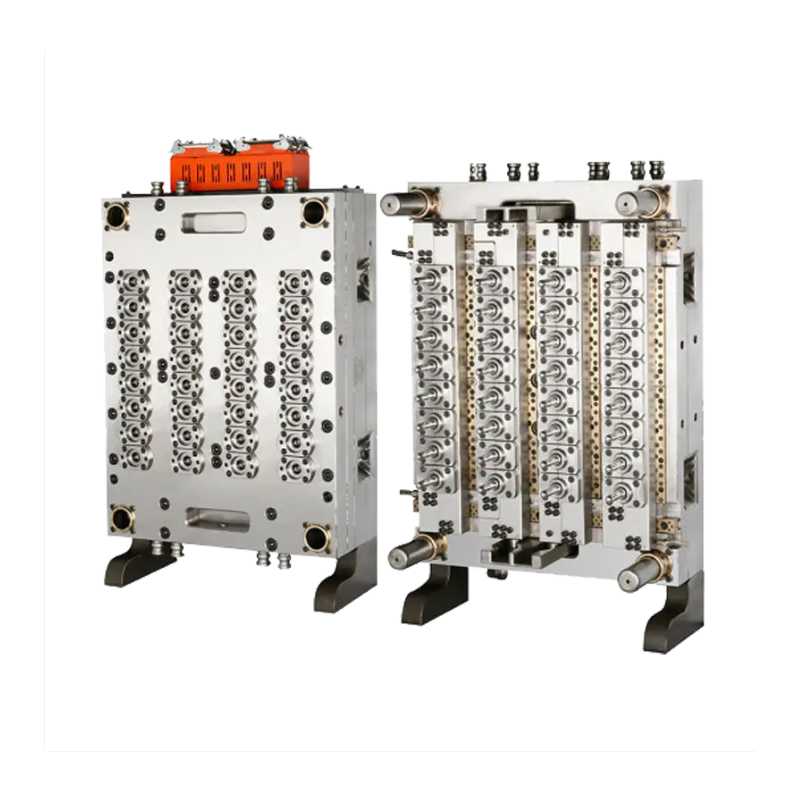
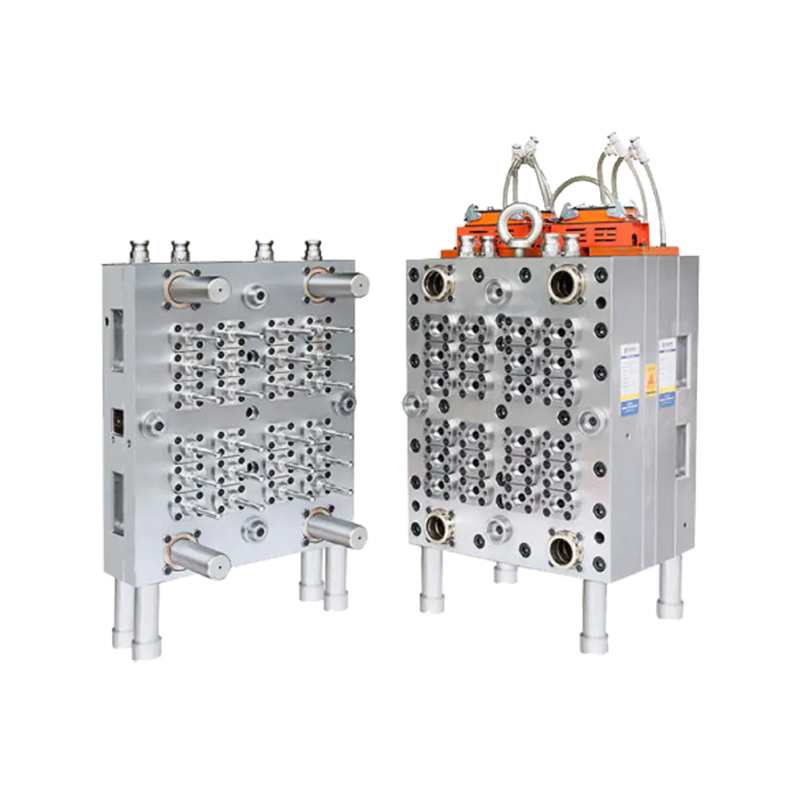
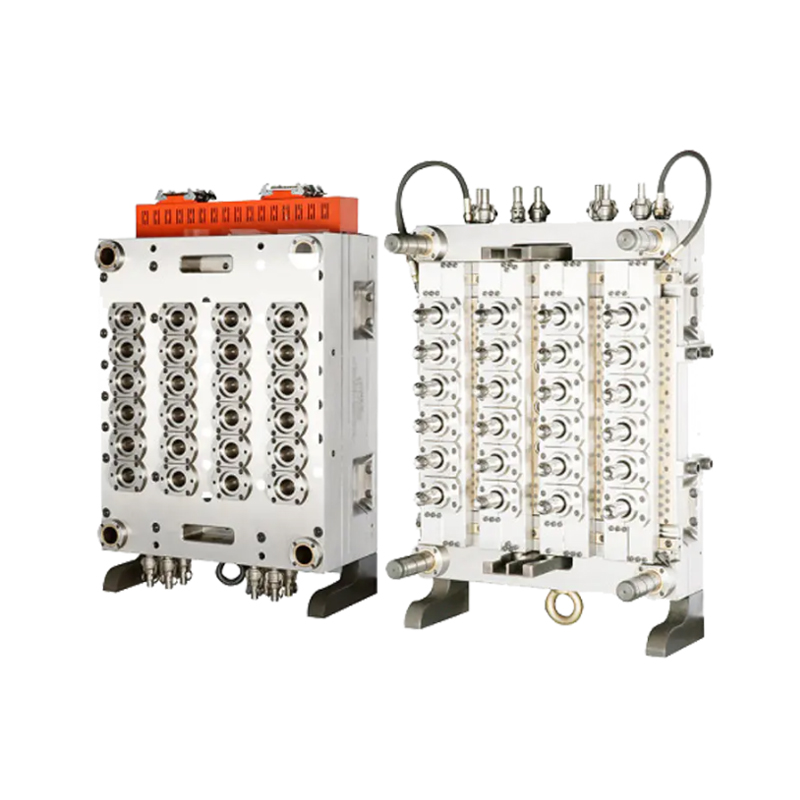
Plastic caps may look like simple components, but their production involves carefully coordinated mold structures, material flow, and temperature control. For packaging manufacturers, the mold determines how molten plastic takes shape, including the cap's diameter, height, thread profile, and internal features. A well-engineered Cap mould helps manufacturers produce closures that match bottle specifications and maintain consistent dimensions during injection molding.
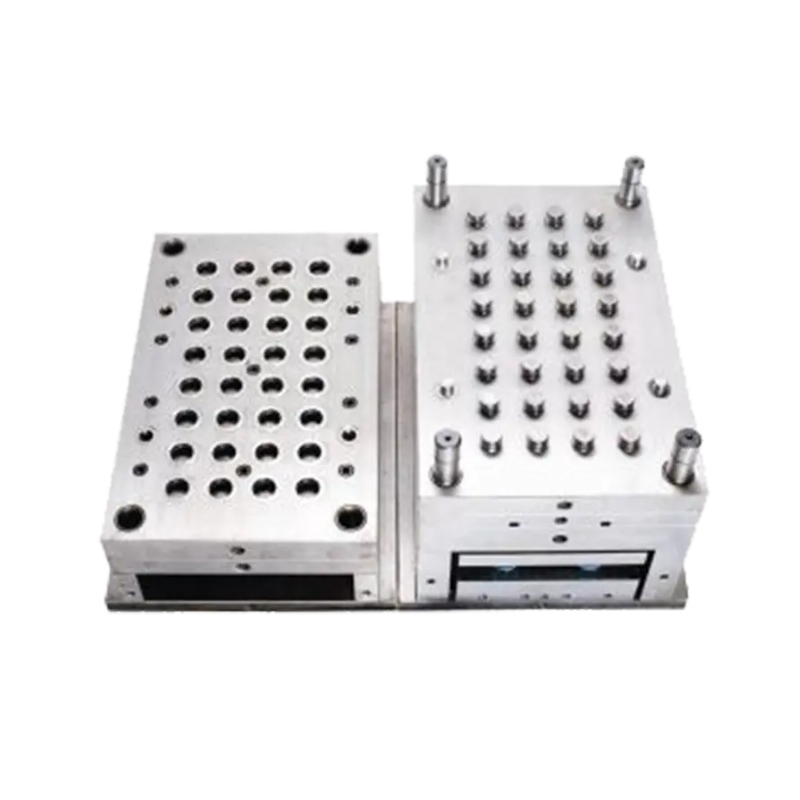
A plastic cap is formed inside a mold cavity, where molten plastic fills the available space and takes on the required geometry. The mold usually consists of a cavity side and a core side, which work together to form the external and internal features of the closure.
The cavity defines the outer diameter, cap height, and external surface details. The core creates internal threads, sealing structures, and other features that connect the cap to the bottle neck.
These components need to be accurately aligned. Even small dimensional differences between the core and cavity can affect wall thickness, thread engagement, and the final shape of the cap.
A Cap mould may also include inserts, guide pillars, ejector components, and cooling channels. Each part contributes to the molding cycle, from filling and solidification to product release.
Steel selection influences the structural properties and machining requirements of injection molds. Different mold components may require different steel grades depending on their functions and working conditions.
Pre-hardened mold steel is commonly used for certain structural components, while hardened tool steel may be selected for areas that experience repeated contact with molten plastic and mechanical movement.
Material selection is closely related to the intended production volume, mold structure, and machining requirements. Steel hardness, toughness, and dimensional stability are important considerations during the design stage.
Surface finishing also contributes to mold performance. Polished cavity surfaces can help create smooth cap appearances and support easier product release. For caps with textured patterns or specific surface details, the mold surface needs to reproduce the required finish accurately.
Cooling is an important part of plastic cap production because molten material needs to solidify before the finished caps can be ejected.
Cooling channels are generally arranged inside the mold plates and around the molding areas. Their positions influence how heat is transferred from the plastic to the mold. A balanced cooling layout helps reduce temperature differences between cavities and supports consistent molding cycles.
For multi-cavity tooling, cooling design requires additional attention. Each cavity should experience reasonably consistent thermal conditions so that caps produced during the same injection cycle have similar dimensions and forming characteristics.
In a Cap mould, cooling arrangements also need to work with the mold's internal structure. The available space for cooling channels, ejector mechanisms, and cavity inserts must be considered during engineering.
Many plastic closure manufacturers use multi-cavity molds to produce several caps in one injection cycle. Depending on the machine and tooling configuration, a mold may contain multiple cavities arranged across a shared mold base.
The cavity layout influences resin distribution, mold dimensions, and machine compatibility. Runner systems need to deliver molten plastic to each cavity in a coordinated manner. Balanced filling helps reduce differences in cap weight and dimensions across the mold.
Mold designers also need to consider the opening and closing movements of the tooling. Guide pillars, locating components, and alignment structures help keep the two mold halves in the correct positions during repeated injection cycles.
A Cap mould with a multi-cavity configuration therefore requires coordination between cavity arrangement, runner design, cooling channels, and the injection molding machine.

No.148 Yongda Road, Jiangkou Street, Huangyan, Taizhou, Zhejiang, China.

yn@tzyuno.com

+86-576-84111565

+86-13575806039


Copyright © Taizhou Huangyan Yuno Mould Co., Ltd.
Plastic Mould Factory