

 英语
 法语

Address
No.148 Yongda Road, Jiangkou Street, Huangyan, Taizhou, Zhejiang, China.
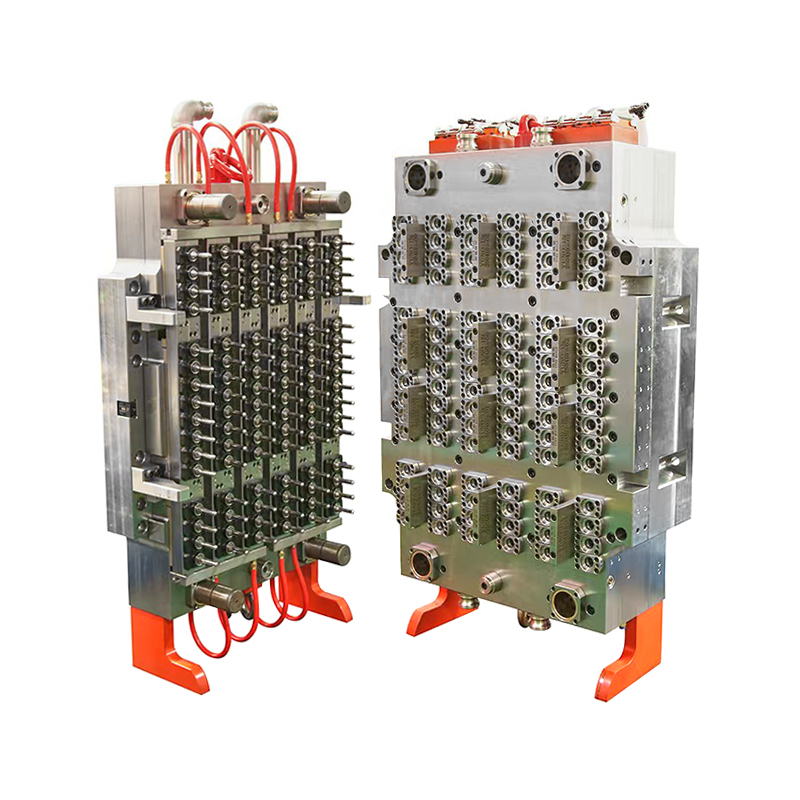
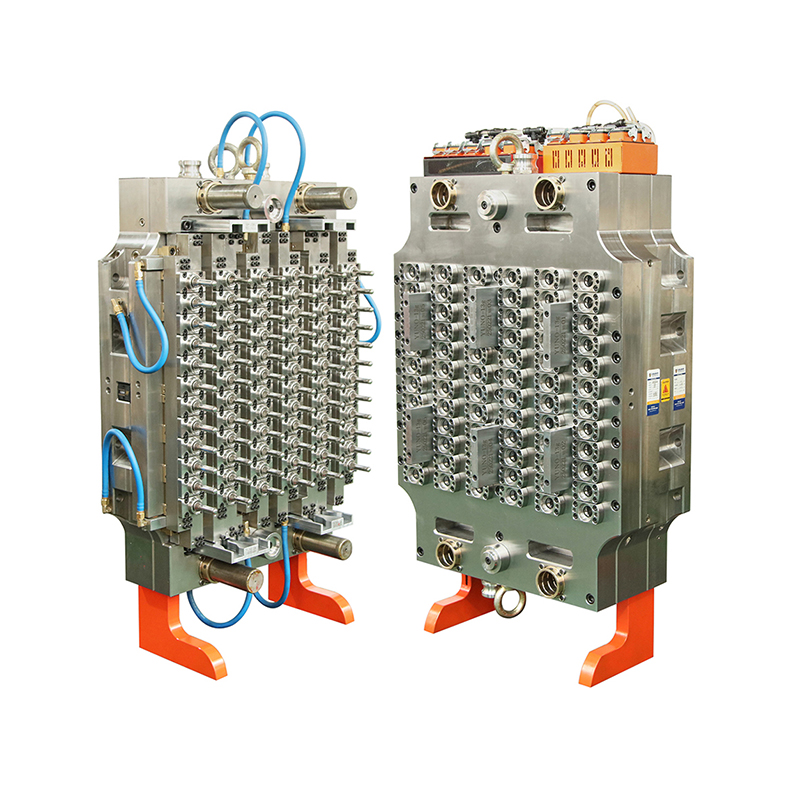
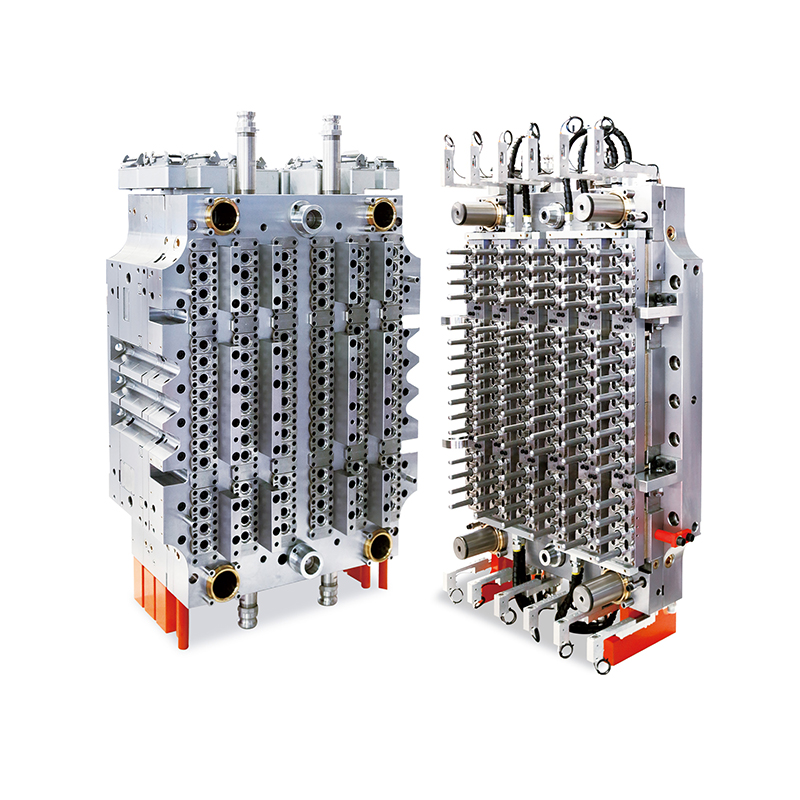
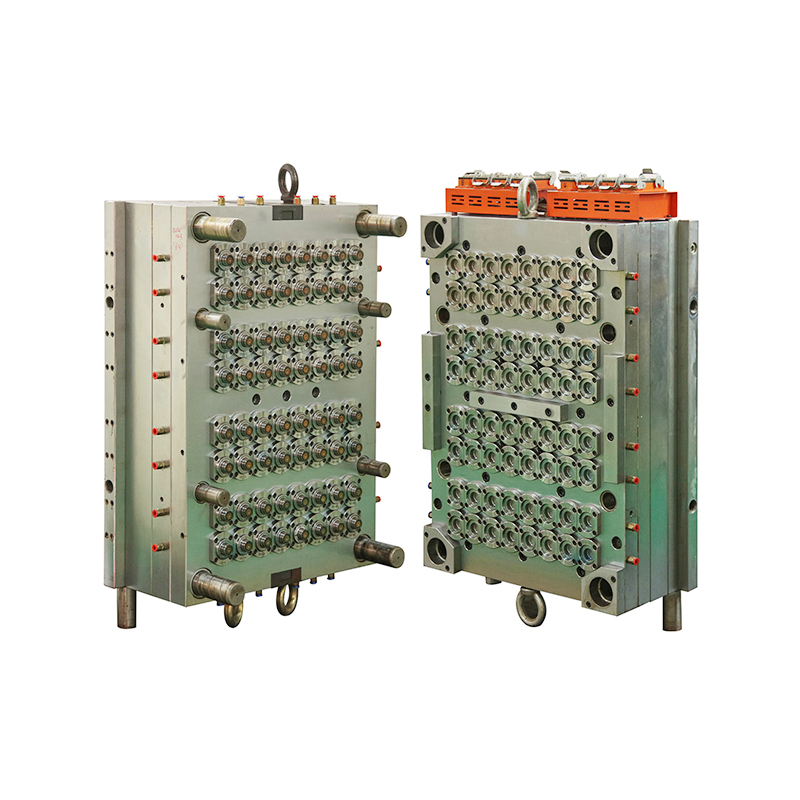
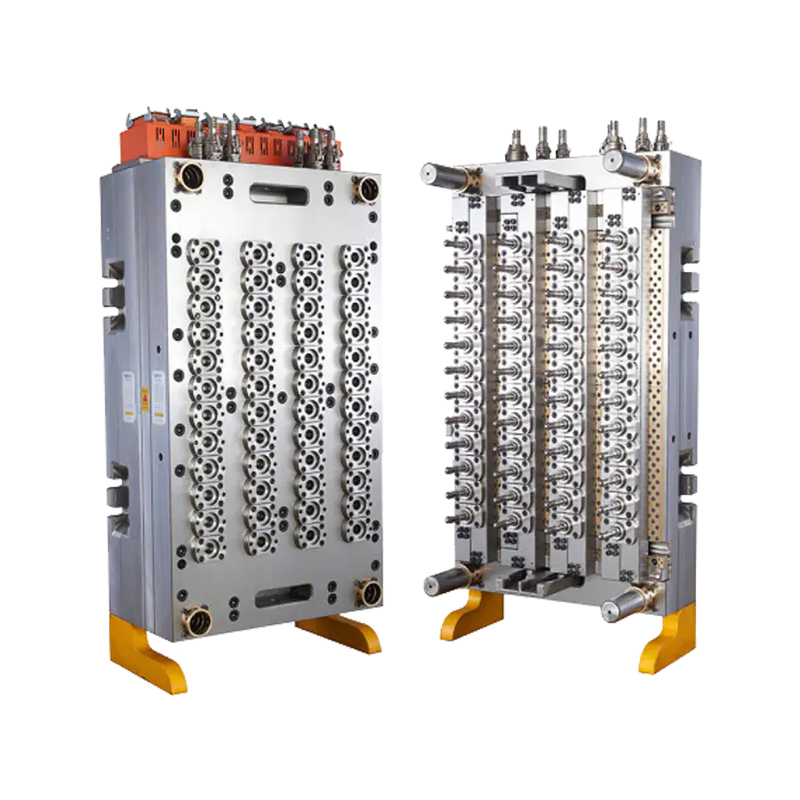
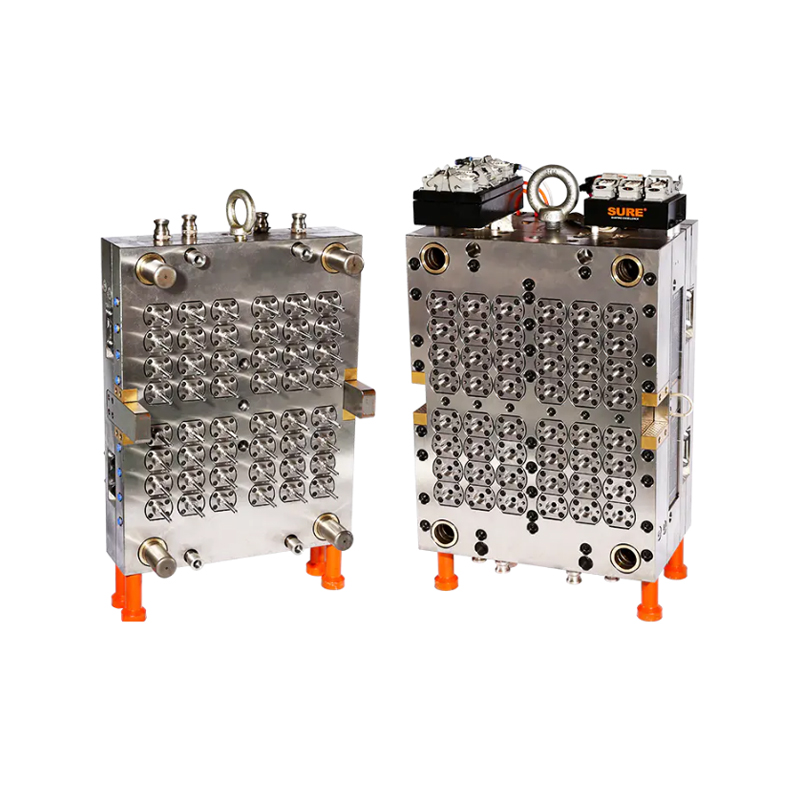
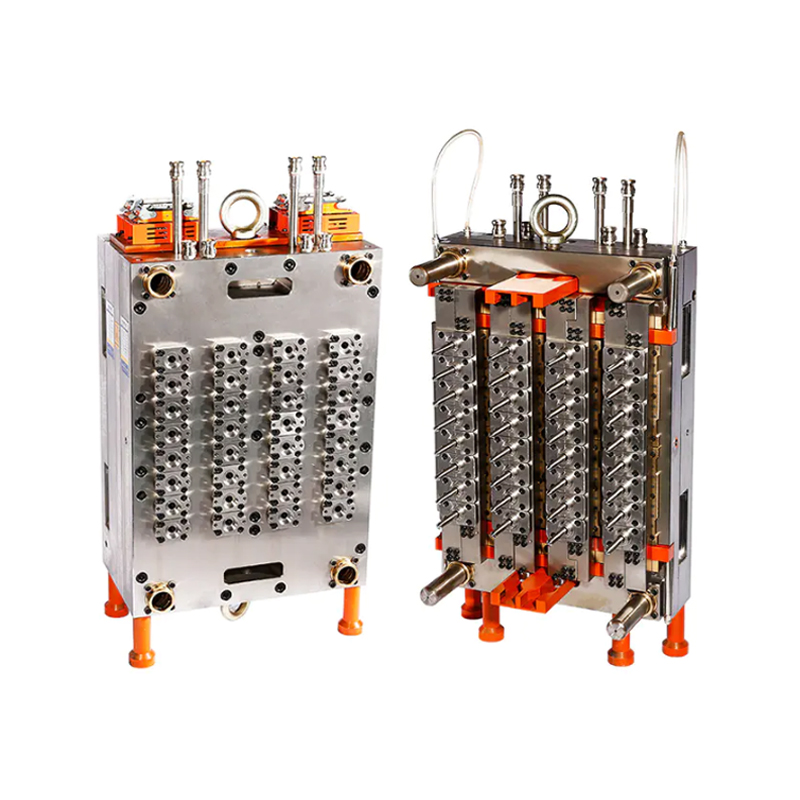
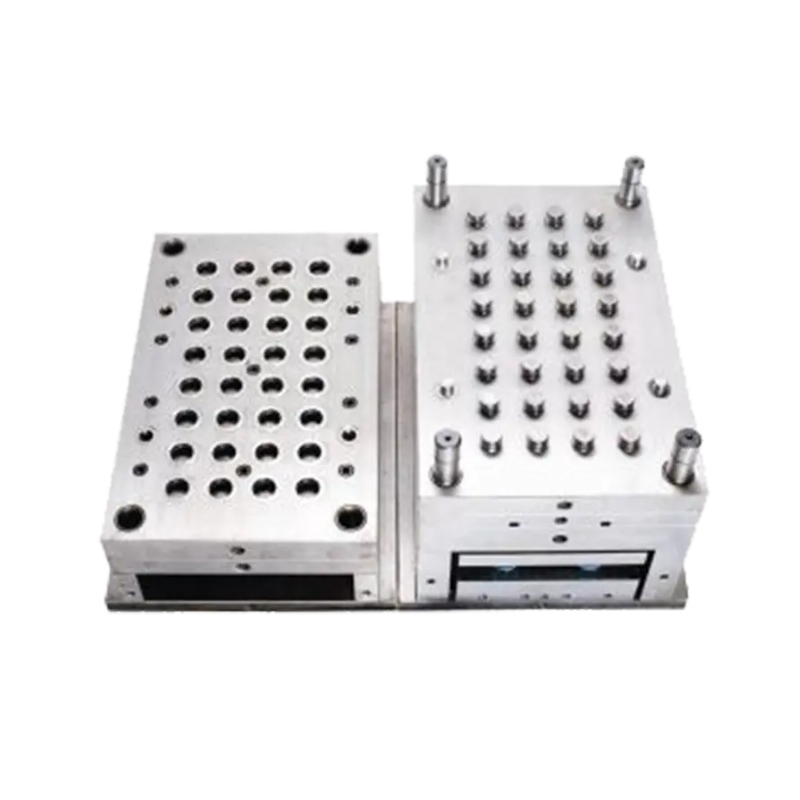
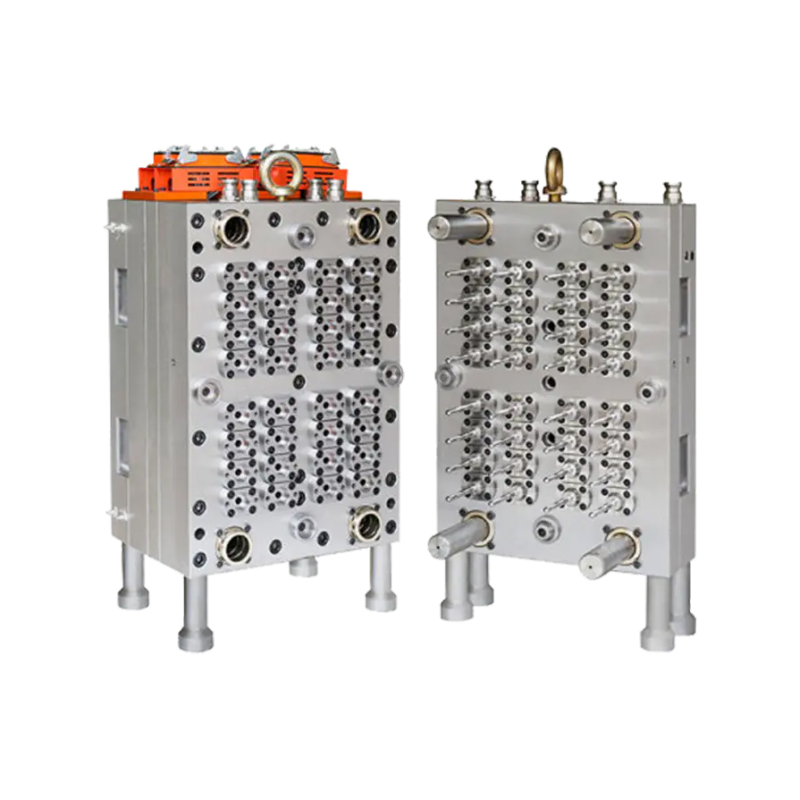
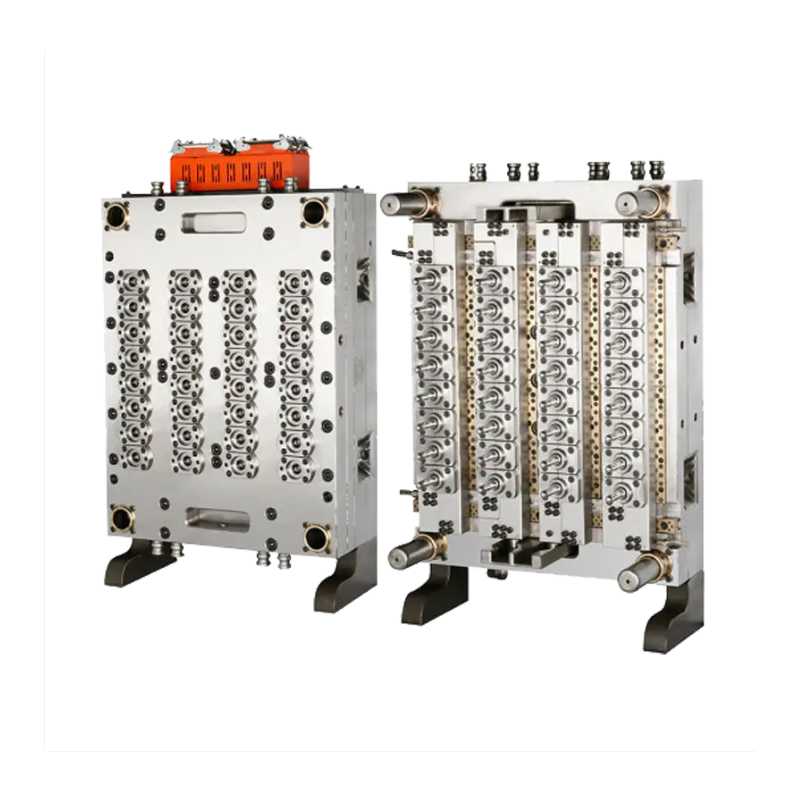
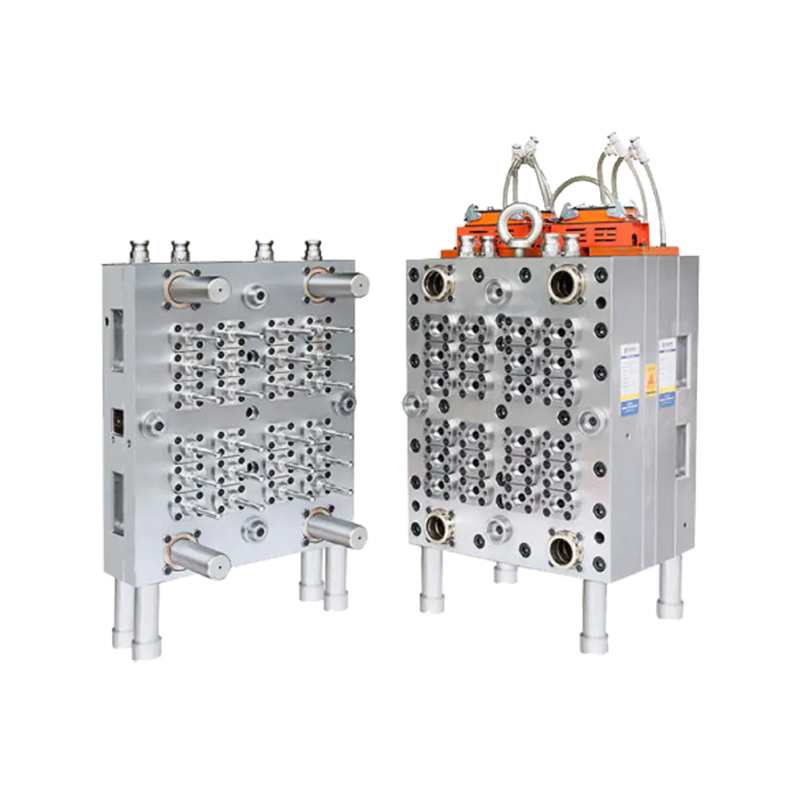
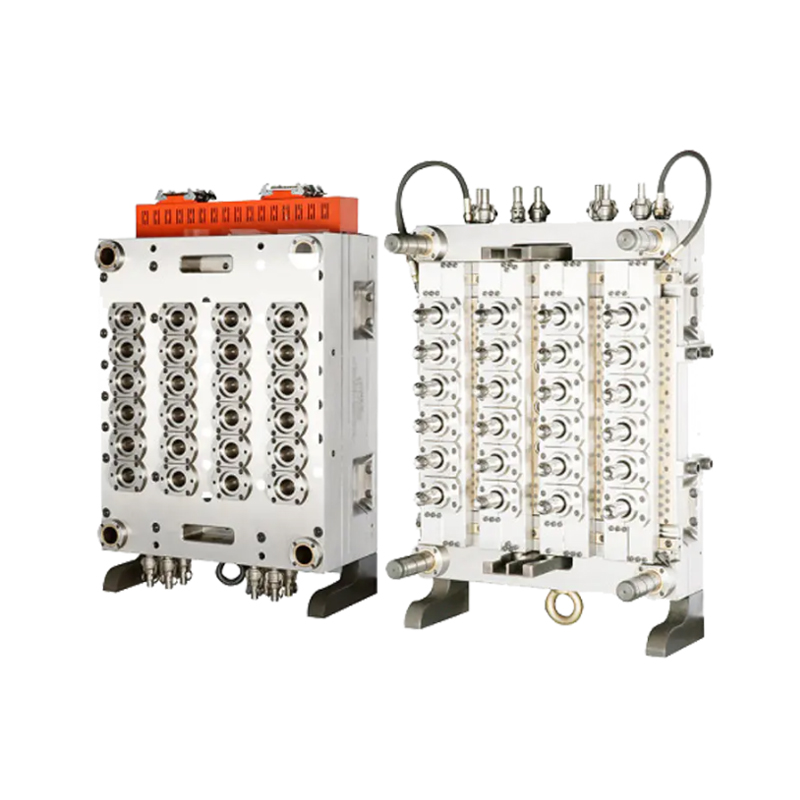
A 5 gallon preform mold is developed to shape PET material into a preform with a specific weight, wall distribution, neck structure, and overall dimensions. Although the finished bottle is much larger than an ordinary beverage bottle, its production still depends on controlling the initial preform geometry.
Five-gallon bottles have a different structure from small bottled-water containers. Their larger capacity requires a suitable combination of body thickness, neck dimensions, and material distribution. These characteristics begin with the preform rather than being determined entirely during the subsequent blow molding stage.
The preform must contain enough material to form the bottle body while maintaining a suitable distribution during stretching and expansion. If the initial shape is not properly designed, the final container may develop uneven wall thickness or inconsistent dimensions.
A 5 gallon preform mold therefore needs to accommodate the specific geometry of large-capacity preforms. Its cavity dimensions, core structure, and neck-forming section must work together to create a repeatable preform shape.
Another important consideration is the relationship between preform weight and bottle capacity. Different bottle designs may require different preform weights depending on their intended structure and production requirements. Mold manufacturers generally need to understand these specifications before determining the cavity dimensions and internal structure.
Material selection is an important part of mold manufacturing. Preform molds are exposed to repeated heating and cooling cycles, so the materials used in their construction need to provide suitable mechanical properties and dimensional stability.
Common mold materials include stainless steel and other industrial mold steels. The specific selection depends on the mold design, production requirements, and machining process.
A typical preform mold consists of several coordinated components:
Each component has a different function, but their dimensions must remain compatible. The relationship between the core and cavity is particularly important because it determines the space available for the molten PET material.
For a 5 gallon preform mold, the overall structure also needs to accommodate the relatively large preform dimensions. This makes the arrangement of internal components and cooling passages an important part of the engineering process.
Preform production and bottle production are two connected but separate manufacturing stages. Injection molding first transforms PET raw material into a preform. The preform is then heated and transferred to a blow molding machine, where compressed air expands it into the final bottle shape.
During injection molding, molten PET enters the mold cavity and takes the shape defined by the core and cavity. After cooling, the formed preform is released and prepared for the next production stage.
In blow molding, the preform is reheated to a suitable processing temperature. Stretching rods and compressed air help expand the material against the bottle mold.
The original preform dimensions influence how the material stretches during this process. Its weight, length, wall distribution, and neck geometry all contribute to the final container structure.
For this reason, a 5 gallon preform mold should be developed with the intended bottle design and downstream blow molding requirements in mind. Communication between mold manufacturers and bottle producers can help align the specifications of both production stages.

No.148 Yongda Road, Jiangkou Street, Huangyan, Taizhou, Zhejiang, China.

yn@tzyuno.com

+86-576-84111565

+86-13575806039


Copyright © Taizhou Huangyan Yuno Mould Co., Ltd.
Plastic Mould Factory